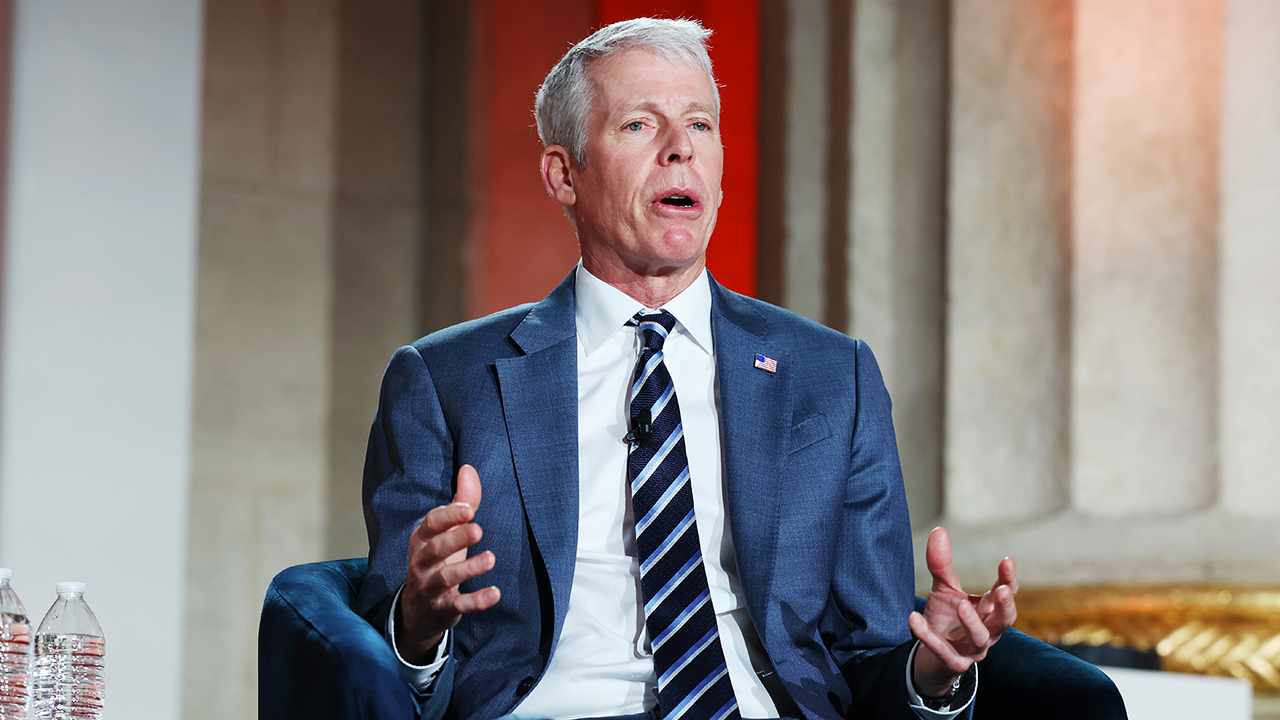
AMD Strengthens Domestic Market Position Amid Sector Volatility
Written by Emily J. Thompson, Senior Investment Analyst
Updated: Mar 03 2026
0mins



Should l Buy AMD?
Source: Benzinga
- Momentum Score Increase: AMD's momentum score rose from 88.93 to 90.84, placing it in the top 10% of the market, indicating steady progress in securing critical infrastructure and product milestones despite broader sector volatility.
- Robust Fundamentals: While the stock is down 7.26% year-to-date, AMD boasts an impressive quality score of 93.86, reflecting superior operational efficiency and financial health compared to peers, which bolsters investor confidence.
- AI Capacity Expansion: AMD recently launched the Ryzen AI 400 Series, the world's first desktop processors designed for Copilot+ experiences, marking a significant advancement in the company's artificial intelligence capabilities and expected to drive future market demand.
- Stock Price Analysis: Despite a 7.26% decline year-to-date, AMD's stock has risen 22.36% over the past six months and 98.90% over the year, indicating a positive long-term trend, although it faces some short-term pressures.
Trade with 70% Backtested Accuracy
Stop guessing "Should I Buy AMD?" and start using high-conviction signals backed by rigorous historical data.
Sign up today to access powerful investing tools and make smarter, data-driven decisions.
Analyst Views on AMD
Wall Street analysts forecast AMD stock price to rise
33 Analyst Rating
25 Buy
8 Hold
0 Sell
Strong Buy
Current: 201.330

Low
210.00
Averages
289.13
High
377.00
Current: 201.330
Low
210.00
Averages
289.13
High
377.00
About AMD
Advanced Micro Devices, Inc. is a global semiconductor company. The Company is focused on high-performance computing and artificial intelligence (AI). Its segments include Data Center, Client and Gaming, and Embedded. Data Center segment includes AI accelerators, microprocessors (CPUs) for servers, graphics processing units (GPUs), accelerated processing units (APUs), data processing units (DPUs), Field Programmable Gate Arrays (FPGAs), and Adaptive system-on-Chip (SoC) products for data centers. Client and Gaming segment includes CPUs, APUs, chipsets for desktops and notebooks, discrete GPUs, and semi-custom SoC products and development services. Embedded segment includes embedded CPUs, APUs, FPGAs, system on modules (SOMs), and Adaptive SoC products. It markets and sells its products under the AMD trademark. Its products include AMD EPYC, AMD Ryzen, AMD Ryzen PRO, Virtex UltraScale+, among others.
About the author

Emily J. Thompson
Emily J. Thompson, a Chartered Financial Analyst (CFA) with 12 years in investment research, graduated with honors from the Wharton School. Specializing in industrial and technology stocks, she provides in-depth analysis for Intellectia’s earnings and market brief reports.

Alibaba's New Strategy in Animation Market


- User Data-Driven Creation: Alibaba's Youku animation team decides on storylines based on analysis of approximately 170 million user data, emphasizing audience preferences over traditional creative concepts, thereby enhancing viewer engagement and satisfaction.
- Popularity of 'Cang Yuan Tu': Since its debut in 2023, Youku's animated series 'Cang Yuan Tu' has attracted 9.9 million followers in China, making it the platform's most popular show, with a movie adaptation planned for 2027 to further expand its brand influence.
- Quality Production Enhancement: To meet the increasing viewer demands, Youku continuously raises the production quality of its animations by hiring better artists, aiming to match the detail level of Hollywood animated films, thus strengthening its competitive edge in the market.
- International Expansion Plans: Youku aims to promote 'Cang Yuan Tu' in Thailand and Vietnam, and is expanding its overseas market through an international streaming platform and a YouTube channel, showcasing its ambitions in the global animation market.
See More

OpenAI Discloses IPO Risks and Funding Dynamics


- Massive Funding: OpenAI recently announced $110 billion in funding from strategic partners including Amazon, Nvidia, and SoftBank, and is working with banking partners to secure an additional $10 billion, reflecting strong financial backing and market confidence in its AI ventures.
- Dependency Risks with Microsoft: The document highlights that OpenAI's significant reliance on Microsoft for financing and compute resources poses a risk; any changes in their commercial partnership could adversely affect OpenAI's business prospects and financial condition, underscoring the need for diversified partnerships.
- Legal Challenges: OpenAI is facing multiple lawsuits, including disputes with co-founder Elon Musk's xAI and at least 14 lawsuits from ChatGPT users, which could severely impact the company's operations and reputation due to ongoing litigation over copyright and mental health issues.
- Compute Resource Demands: OpenAI anticipates $665 billion in compute spend commitments through 2030, with dynamic and potentially expanding compute requirements, indicating ongoing pressure for infrastructure investment amid fierce market competition.
See More

OpenAI Highlights IPO Risks and Funding Dynamics

- Funding Dependency Risk: OpenAI's latest financing document highlights its reliance on Microsoft for a substantial portion of its financing and compute, indicating that this dependency could adversely affect its business prospects, particularly as it seeks to diversify its partner relationships.
- Massive Funding Commitments: OpenAI announced $110 billion in funding last month and is working to secure an additional $10 billion through banking partners, reflecting strong market confidence in its business model, yet also exposing the company to significant capital expenditure risks.
- Legal Litigation Challenges: OpenAI faces multiple lawsuits, including disputes with co-founder Musk and his company xAI, as well as at least 14 lawsuits from ChatGPT users, which could severely impact the company's operations and reputation due to ongoing legal issues.
- Compute Resource Demands: OpenAI anticipates $665 billion in compute spend commitments through 2030, with dynamic and potentially expanding compute requirements, which not only increases pressure on its supply chain but also poses serious operational risks amid a global chip shortage.
See More
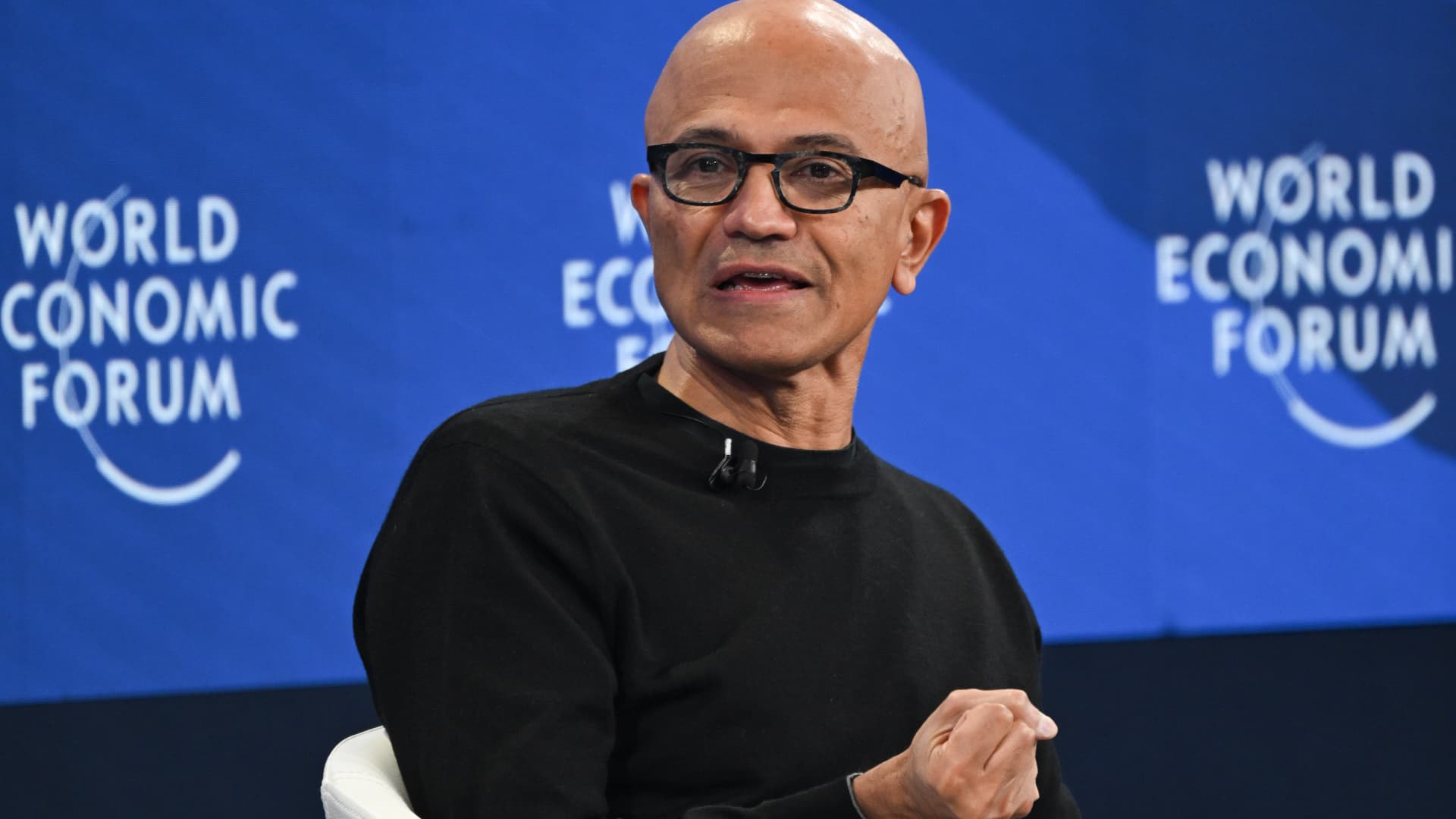
Microsoft Faces Challenges to AI Leadership and Azure Growth

- Copilot Reorganization Issues: Microsoft recently announced the unification of its Copilot AI assistant's commercial and consumer teams; however, analysts suggest this move does not demonstrate strength and may exacerbate the company's competitive disadvantages in the AI sector.
- Strained Relationship with OpenAI: OpenAI accounts for 45% of Microsoft's Azure backlog, yet the tense relationship has hindered expected IP sharing benefits for Copilot, forcing Microsoft to increase R&D spending to fill this gap.
- Slowing Azure Growth: Microsoft's fiscal 2026 second-quarter year-over-year growth for Azure and other cloud services decreased from 40% to 39%, with projections for the current quarter dropping to 37%, indicating that the company's cloud capacity is insufficient amid surging AI demand.
- Stock Price Decline: Microsoft's shares have fallen nearly 21% in 2026; despite having strong cash flow and management, the disappointing execution of Copilot and market disappointment regarding AI monetization have undermined investor confidence.
See More

Investors Should Focus on AI and Traditional Assets
- Investment Strategy Advice: Investor Dan Niles recommends that in a volatile market, investors should selectively choose spots in artificial intelligence while increasing exposure to asset-heavy stocks that are less likely to be disrupted by new technology for diversification.
- Market Timing: Niles points out that the overall stock market is oversold, making it a good time to consider putting cash to work, especially after the market rebounded following President Trump's statement about productive talks between the U.S. and Iran after four consecutive weeks of losses.
- AI Outlook: Niles emphasizes that as more practical technologies are deployed, AI-related stocks are expected to see renewed growth, particularly highlighting Alphabet, despite its stock falling over 3% this year.
- Sector Selection: Niles recommends looking for heavy asset, low obsolescence stocks in sectors like utilities, materials, energy, staples, and industrials to navigate the uncertainties posed by AI, while cautioning investors to be wary of software companies that may face significant losses.
See More

Oil Price Plunge Boosts Stock Market Gains

- Market Surge: The S&P 500 rose by 2.10%, the Dow Jones by 2.30%, and the Nasdaq 100 by 2.19%, indicating a strong market response to the sharp drop in oil prices, which is expected to enhance corporate profitability.
- Oil Price Drop: Crude oil prices plummeted over 10% after President Trump postponed strikes on Iranian energy infrastructure, which will lower fuel costs for airlines and cruise lines, thereby boosting their profit margins.
- Bond Yields Decline: The 10-year Treasury yield fell from an 8-month high of 4.44% to 4.34%, reflecting reduced market concerns about inflationary pressures, which supports further stock market gains.
- International Tensions: Productive talks between Trump and Iran may lead to an end to the Middle East conflict, with the International Energy Agency reporting severe damage to over 40 energy sites across nine countries, potentially causing long-term disruptions to global supply chains.
See More
Alibaba's New Strategy in Animation Market
- User Data-Driven Creation: Alibaba's Youku animation team decides on storylines based on analysis of approximately 170 million user data, emphasizing audience preferences over traditional creative concepts, thereby enhancing viewer engagement and satisfaction.
- Popularity of 'Cang Yuan Tu': Since its debut in 2023, Youku's animated series 'Cang Yuan Tu' has attracted 9.9 million followers in China, making it the platform's most popular show, with a movie adaptation planned for 2027 to further expand its brand influence.
- Quality Production Enhancement: To meet the increasing viewer demands, Youku continuously raises the production quality of its animations by hiring better artists, aiming to match the detail level of Hollywood animated films, thus strengthening its competitive edge in the market.
- International Expansion Plans: Youku aims to promote 'Cang Yuan Tu' in Thailand and Vietnam, and is expanding its overseas market through an international streaming platform and a YouTube channel, showcasing its ambitions in the global animation market.
See More
OpenAI Discloses IPO Risks and Funding Dynamics
- Massive Funding: OpenAI recently announced $110 billion in funding from strategic partners including Amazon, Nvidia, and SoftBank, and is working with banking partners to secure an additional $10 billion, reflecting strong financial backing and market confidence in its AI ventures.
- Dependency Risks with Microsoft: The document highlights that OpenAI's significant reliance on Microsoft for financing and compute resources poses a risk; any changes in their commercial partnership could adversely affect OpenAI's business prospects and financial condition, underscoring the need for diversified partnerships.
- Legal Challenges: OpenAI is facing multiple lawsuits, including disputes with co-founder Elon Musk's xAI and at least 14 lawsuits from ChatGPT users, which could severely impact the company's operations and reputation due to ongoing litigation over copyright and mental health issues.
- Compute Resource Demands: OpenAI anticipates $665 billion in compute spend commitments through 2030, with dynamic and potentially expanding compute requirements, indicating ongoing pressure for infrastructure investment amid fierce market competition.
See More
OpenAI Highlights IPO Risks and Funding Dynamics
- Funding Dependency Risk: OpenAI's latest financing document highlights its reliance on Microsoft for a substantial portion of its financing and compute, indicating that this dependency could adversely affect its business prospects, particularly as it seeks to diversify its partner relationships.
- Massive Funding Commitments: OpenAI announced $110 billion in funding last month and is working to secure an additional $10 billion through banking partners, reflecting strong market confidence in its business model, yet also exposing the company to significant capital expenditure risks.
- Legal Litigation Challenges: OpenAI faces multiple lawsuits, including disputes with co-founder Musk and his company xAI, as well as at least 14 lawsuits from ChatGPT users, which could severely impact the company's operations and reputation due to ongoing legal issues.
- Compute Resource Demands: OpenAI anticipates $665 billion in compute spend commitments through 2030, with dynamic and potentially expanding compute requirements, which not only increases pressure on its supply chain but also poses serious operational risks amid a global chip shortage.
See More
Microsoft Faces Challenges to AI Leadership and Azure Growth
- Copilot Reorganization Issues: Microsoft recently announced the unification of its Copilot AI assistant's commercial and consumer teams; however, analysts suggest this move does not demonstrate strength and may exacerbate the company's competitive disadvantages in the AI sector.
- Strained Relationship with OpenAI: OpenAI accounts for 45% of Microsoft's Azure backlog, yet the tense relationship has hindered expected IP sharing benefits for Copilot, forcing Microsoft to increase R&D spending to fill this gap.
- Slowing Azure Growth: Microsoft's fiscal 2026 second-quarter year-over-year growth for Azure and other cloud services decreased from 40% to 39%, with projections for the current quarter dropping to 37%, indicating that the company's cloud capacity is insufficient amid surging AI demand.
- Stock Price Decline: Microsoft's shares have fallen nearly 21% in 2026; despite having strong cash flow and management, the disappointing execution of Copilot and market disappointment regarding AI monetization have undermined investor confidence.
See More
Investors Should Focus on AI and Traditional Assets
- Investment Strategy Advice: Investor Dan Niles recommends that in a volatile market, investors should selectively choose spots in artificial intelligence while increasing exposure to asset-heavy stocks that are less likely to be disrupted by new technology for diversification.
- Market Timing: Niles points out that the overall stock market is oversold, making it a good time to consider putting cash to work, especially after the market rebounded following President Trump's statement about productive talks between the U.S. and Iran after four consecutive weeks of losses.
- AI Outlook: Niles emphasizes that as more practical technologies are deployed, AI-related stocks are expected to see renewed growth, particularly highlighting Alphabet, despite its stock falling over 3% this year.
- Sector Selection: Niles recommends looking for heavy asset, low obsolescence stocks in sectors like utilities, materials, energy, staples, and industrials to navigate the uncertainties posed by AI, while cautioning investors to be wary of software companies that may face significant losses.
See More
Oil Price Plunge Boosts Stock Market Gains
- Market Surge: The S&P 500 rose by 2.10%, the Dow Jones by 2.30%, and the Nasdaq 100 by 2.19%, indicating a strong market response to the sharp drop in oil prices, which is expected to enhance corporate profitability.
- Oil Price Drop: Crude oil prices plummeted over 10% after President Trump postponed strikes on Iranian energy infrastructure, which will lower fuel costs for airlines and cruise lines, thereby boosting their profit margins.
- Bond Yields Decline: The 10-year Treasury yield fell from an 8-month high of 4.44% to 4.34%, reflecting reduced market concerns about inflationary pressures, which supports further stock market gains.
- International Tensions: Productive talks between Trump and Iran may lead to an end to the Middle East conflict, with the International Energy Agency reporting severe damage to over 40 energy sites across nine countries, potentially causing long-term disruptions to global supply chains.
See More