Closure of Strait of Hormuz Disrupts Oil Market Dynamics
Written by Emily J. Thompson, Senior Investment Analyst
Updated: 1 hour ago
0mins
Should l Buy CVX?
Source: stocktwits
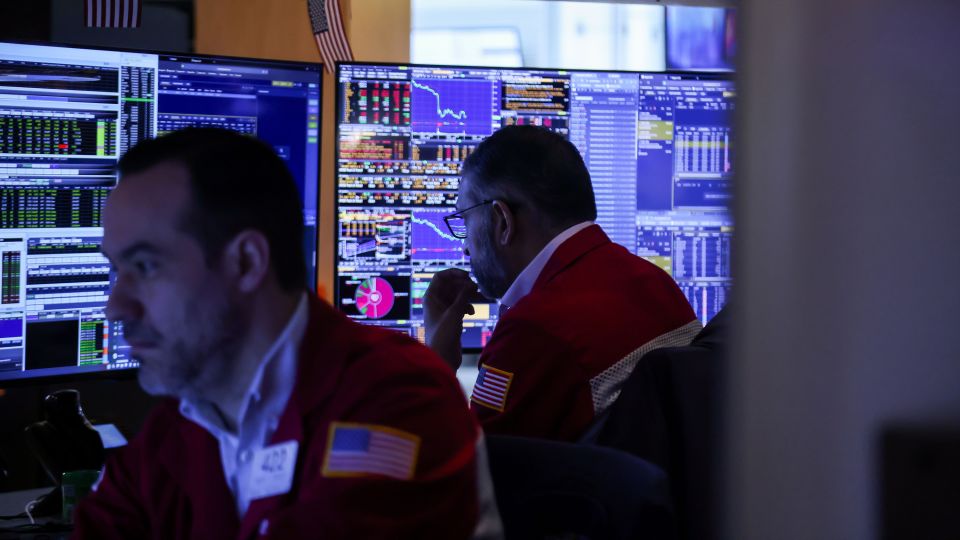
- Production Cuts: Gulf Arab producers have reduced oil production due to the inability to export through the Strait of Hormuz, leading to tighter market supplies and exacerbating global oil price volatility.
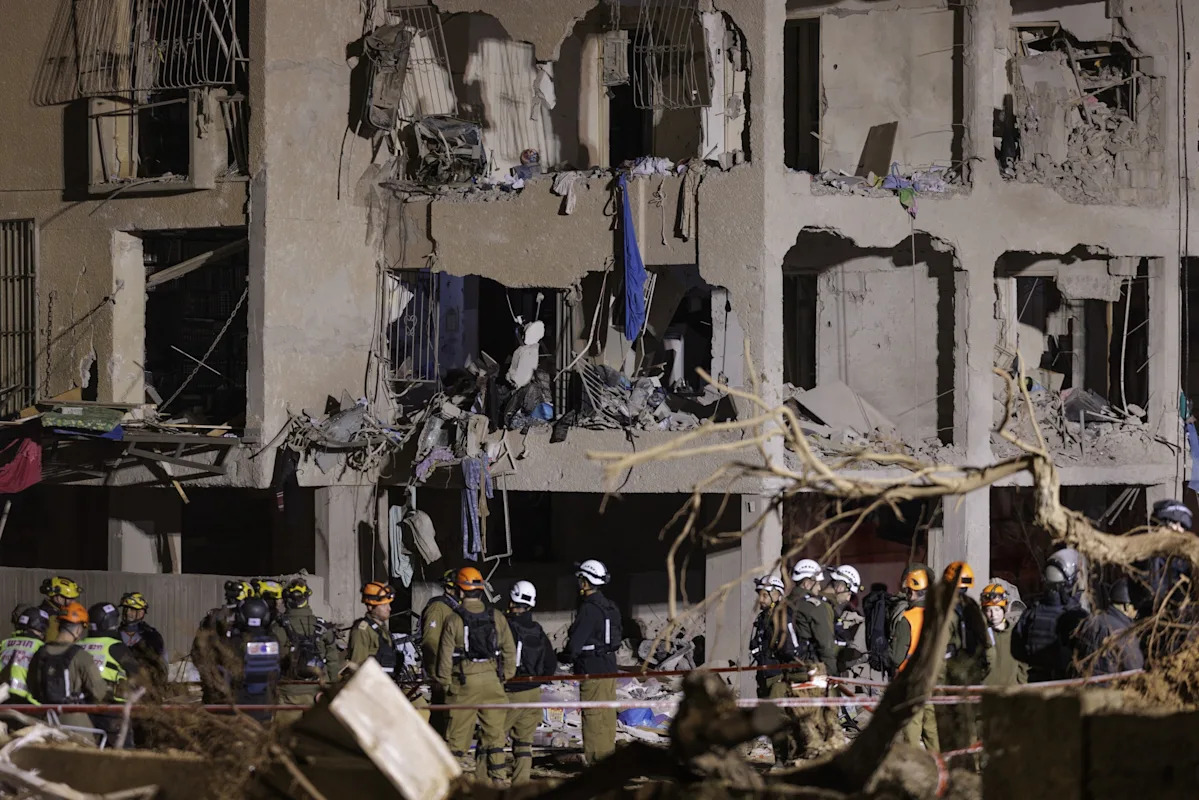
- Infrastructure Damage: Iranian missile and drone strikes have severely harmed energy infrastructure in the Middle East, posing greater challenges to the crude oil supply chain and impacting global energy security.
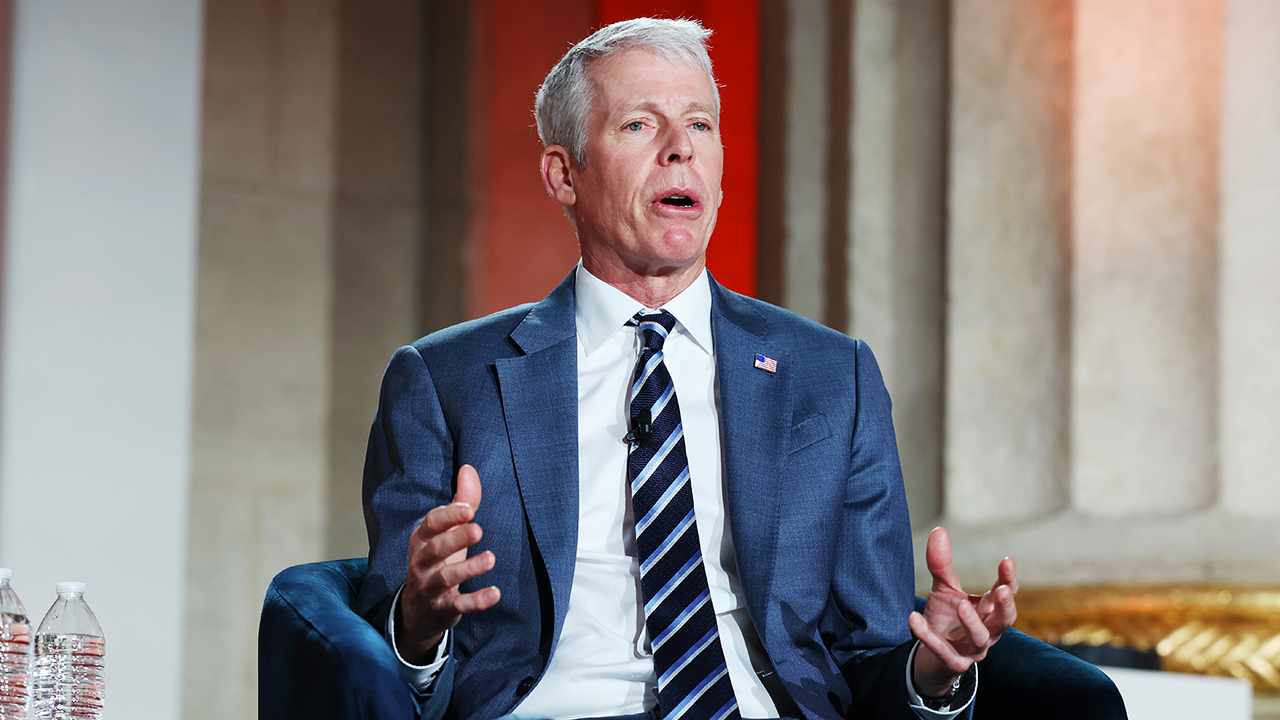
- Market Pricing Imbalance: Chevron CEO Mike Wirth stated that the oil futures market has not fully priced in the supply disruptions caused by the closure of the Strait of Hormuz, indicating that market expectations for future oil prices may be underestimated.
- Recovery Uncertainty: Wirth noted that the speed of production recovery is uncertain, suggesting that it will take time to return to normal supply levels, which could have lasting effects on global oil prices.
Trade with 70% Backtested Accuracy
Stop guessing "Should I Buy CVX?" and start using high-conviction signals backed by rigorous historical data.
Sign up today to access powerful investing tools and make smarter, data-driven decisions.
Analyst Views on CVX
Wall Street analysts forecast CVX stock price to fall
19 Analyst Rating
15 Buy
4 Hold
0 Sell
Strong Buy
Current: 201.730

Low
158.00
Averages
176.95
High
206.00
Current: 201.730
Low
158.00
Averages
176.95
High
206.00
About CVX
Chevron Corporation is an integrated energy company. The Company produces crude oil and natural gas; manufactures transportation fuels, lubricants, petrochemicals and additives; and develops technologies that enhance its business and industry. The Company’s segments include Upstream and Downstream. Upstream operations consist primarily of exploring for, developing, producing and transporting crude oil and natural gas; liquefaction, transportation and regasification associated with LNG; transporting crude oil by major international oil export pipelines; processing, transporting, storage and marketing of natural gas; carbon capture and storage; and a gas-to-liquids plant. Downstream operations consist primarily of the refining of crude oil into petroleum products; marketing crude oil, refined products, and lubricants; manufacturing and marketing of renewable fuels, and transporting of crude oil and refined products by pipeline, marine vessel, motor equipment and rail car.
About the author

Emily J. Thompson
Emily J. Thompson, a Chartered Financial Analyst (CFA) with 12 years in investment research, graduated with honors from the Wharton School. Specializing in industrial and technology stocks, she provides in-depth analysis for Intellectia’s earnings and market brief reports.
Chevron CEO: Middle East Production Recovery Will Take Time

- Middle East Recovery Uncertainty: Chevron CEO Mike Wirth stated at the CERAWeek conference that it will take time to restore shut-in production in the Middle East after the Iran war, with rebuilding inventories to meet global demand being fraught with uncertainty, potentially impacting the company's future production plans and market supply.
- Supply Tightness in Asia: Wirth highlighted that there are significant concerns regarding the supply of refined products like diesel and jet fuel in Asia, which may lead to greater supply risks in the region, thereby affecting Chevron's sales and profitability in this critical market.
- Distorted Oil Market Pricing: Wirth emphasized that the oil futures market has not fully priced in the scale of the supply disruption caused by the closure of the Strait of Hormuz, with trading based on “scant information” and “perception,” which could lead to investor misjudgments regarding oil price trends.
- Progress in Venezuela: While Chevron is seeing an increase in oil production in Venezuela, Wirth noted that more work is needed to change key energy legislation and secure investment conditions, which is crucial for the company's long-term strategy in the region.
See More

Asia-Pacific Markets Rally as Oil Prices Drop

- Market Rally: Asia-Pacific markets surged on Tuesday, with South Korea's Kospi leading gains at 3.5% and the small-cap Kosdaq rising 3.29%, reflecting investor optimism following signs of de-escalation in the Middle East conflict.
- Japanese Market Performance: Japan's Nikkei 225 climbed 2.2% while the Topix added 2.47%, indicating a recovery in investor confidence as external risks appeared to diminish.
- Oil Price Impact: Oil prices tumbled after President Trump's announcement to delay military strikes on Iran, with West Texas Intermediate rising 1.5% to $89.5 per barrel, alleviating concerns over rising energy costs in the market.
- US Stock Market Bounce: The US stock market rebounded sharply on Monday, with the Dow Jones Industrial Average jumping 631 points to close at 46,208.47, demonstrating a positive market reaction to Trump's comments and a notable improvement in investor sentiment.
See More
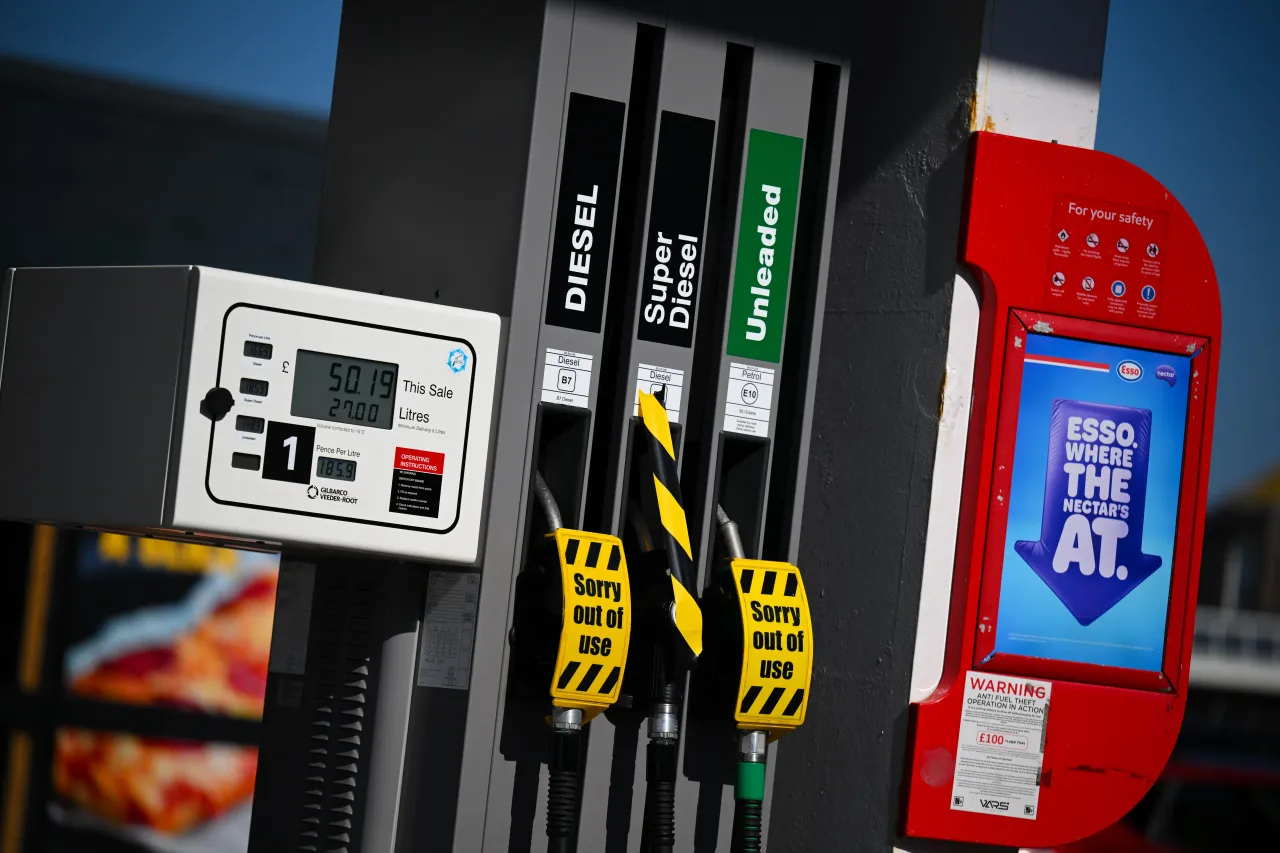
Closure of Strait of Hormuz Disrupts Oil Market Dynamics
- Production Cuts: Gulf Arab producers have reduced oil production due to the inability to export through the Strait of Hormuz, leading to tighter market supplies and exacerbating global oil price volatility.
- Infrastructure Damage: Iranian missile and drone strikes have severely harmed energy infrastructure in the Middle East, posing greater challenges to the crude oil supply chain and impacting global energy security.
- Market Pricing Imbalance: Chevron CEO Mike Wirth stated that the oil futures market has not fully priced in the supply disruptions caused by the closure of the Strait of Hormuz, indicating that market expectations for future oil prices may be underestimated.
- Recovery Uncertainty: Wirth noted that the speed of production recovery is uncertain, suggesting that it will take time to return to normal supply levels, which could have lasting effects on global oil prices.
See More

Market Update: Opportunities in Gold and Commodities

- Gold Investment Opportunity: DoubleLine CEO Jeffrey Gundlach indicated a favorable opportunity to invest in gold and commodities at current levels, despite gold futures dropping 16% since the war began, reflecting a strong demand for safe-haven assets in the market.
- Commodity Price Fluctuations: In March, West Texas Intermediate crude futures rose 33% and Brent crude futures increased by 38%, indicating robust demand for energy products, which could drive the performance of related stocks.
- Poor Stock Market Performance: The Nasdaq Composite and S&P 500 indices fell by 3% and 4.3% respectively in March, while the Dow Jones dropped about 5.7%, suggesting weakened investor confidence in stocks, prompting a potential shift towards commodities.
- GameStop and KB Home Reports: GameStop shares rose 7.7% over the past three months but are down 35% from May highs; KB Home shares fell 6.4% in the same period, down 22.5% from September highs, highlighting volatility in the retail and real estate sectors.
See More
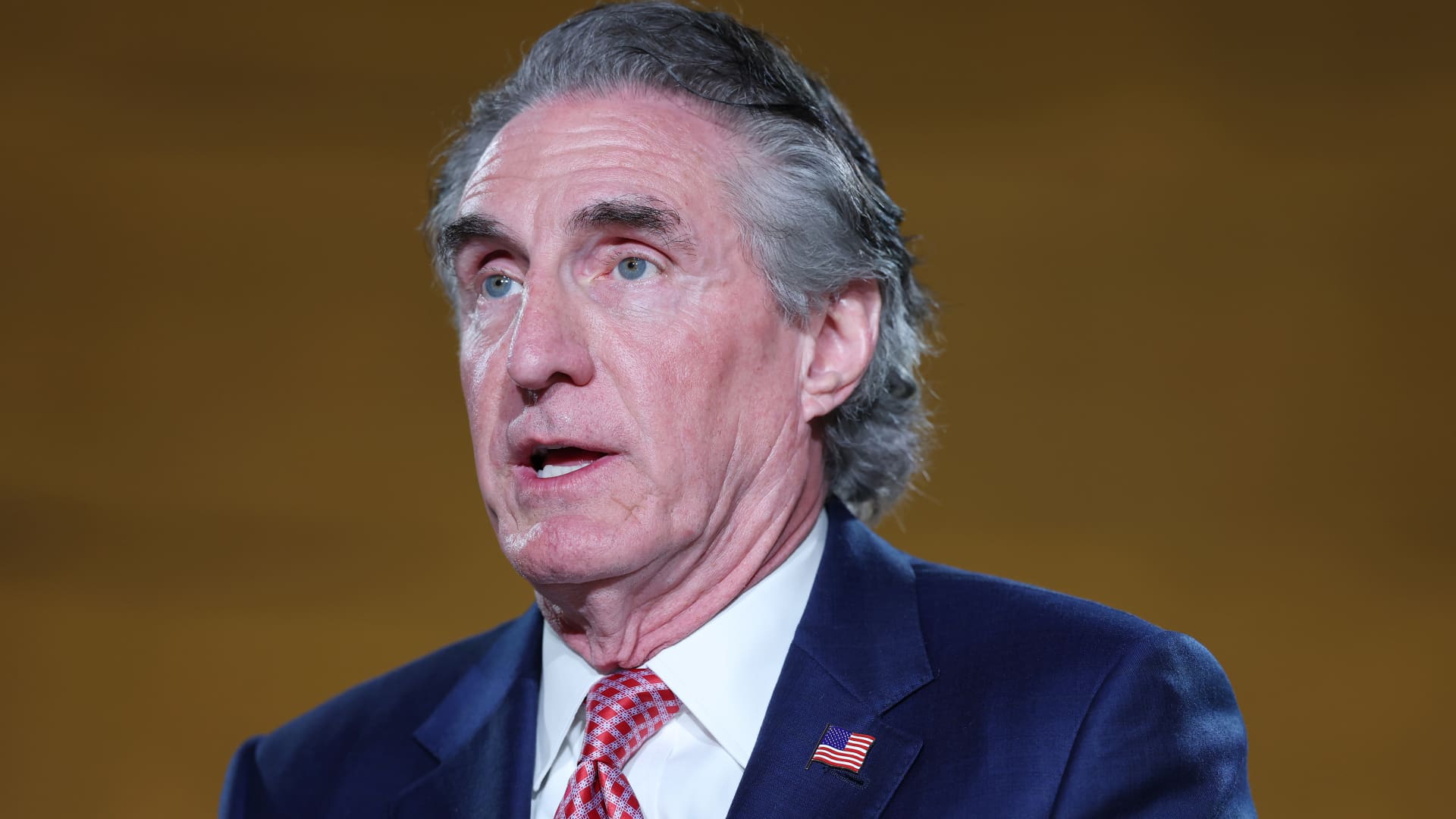
Asian Nations Seek Increased U.S. Energy Supply

- Growing Energy Demand: Asian countries like Japan, South Korea, and Taiwan are seeking to increase energy purchases from the U.S. to reduce dependence on Middle Eastern oil and gas exports, particularly as tanker traffic through the Strait of Hormuz has plummeted due to Iranian attacks.
- Stable Supply Strategy: Interior Secretary Doug Burgum highlighted that the Trump administration's energy dominance agenda aims to provide U.S. allies with a stable alternative energy supply, ensuring they do not rely on countries that support war or terrorism.
- Japan's Energy Challenges: Japan's Vice Minister of Economy, Trade and Industry, Takehiko Matsuo, noted that the country relies on the Strait for 90% of its oil imports and prioritizes finding alternative supplies, although the process is challenging, indicating strong anticipation for U.S. energy.
- Alaska's Role: Burgum emphasized that Alaska will play a crucial role in providing secure energy to Asia, with recent oil and gas lease sales and a massive LNG project being prioritized, ensuring energy supply security as exports from Alaska take only eight days to reach Asian allies.
See More
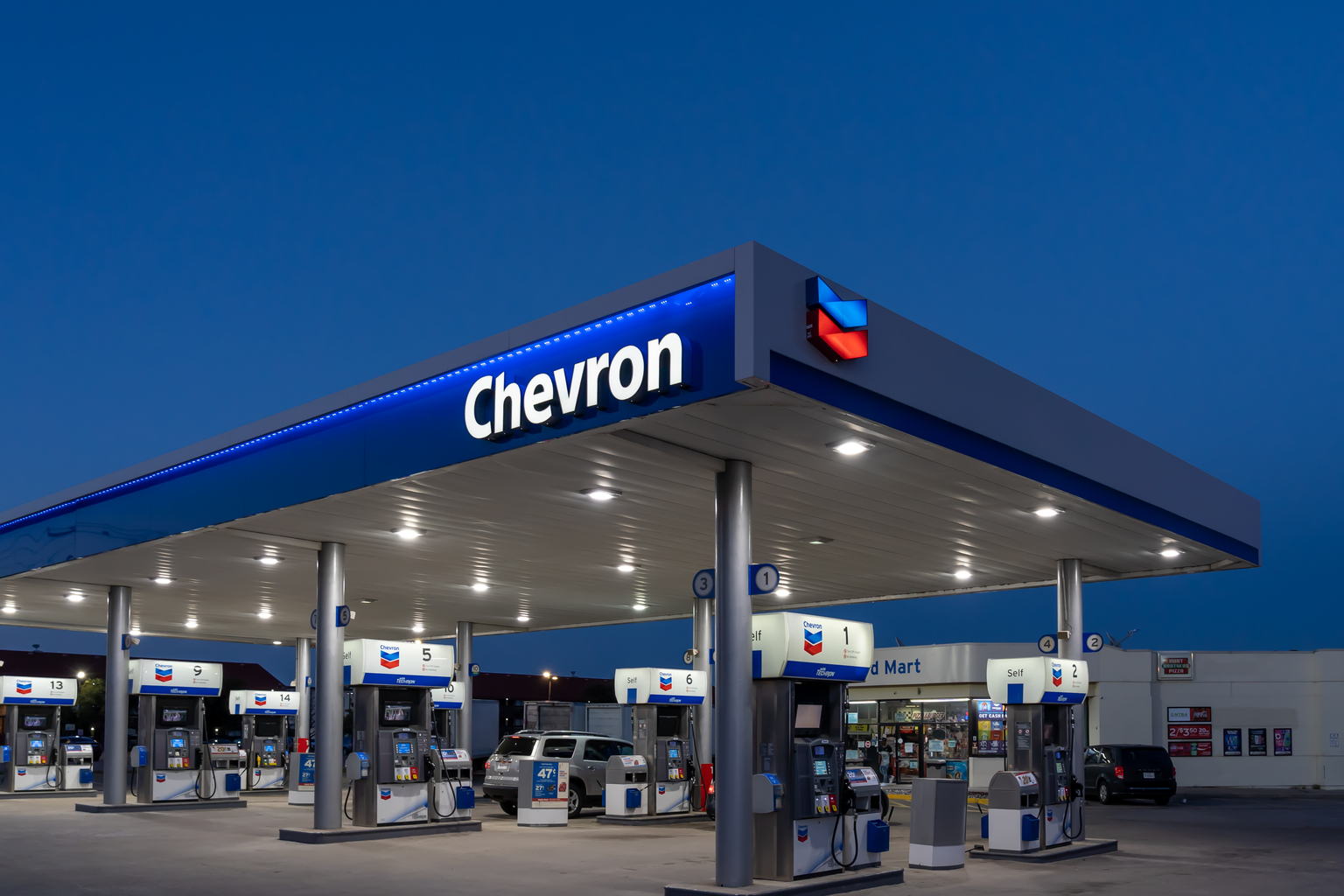
Chevron CEO Warns of Oil Market Risks from Iran Conflict
- Underpricing Risks: Chevron CEO Mike Wirth stated that the impact of the Iran war has not been fully reflected in the oil futures market, with the closure of the Strait of Hormuz causing tangible disruptions that could lead to future price increases.
- Tight Supply: Wirth emphasized that the current supply of oil and gas is significantly tighter than indicated by futures contracts, with much crude oil not flowing into the market, creating a disparity in physical supply that could affect future pricing.
- Scant Information: He noted that the market is trading on “scant information,” leading to a misunderstanding of the actual supply situation, which could exacerbate market volatility.
- Potential Windfall: As the Iran conflict continues, U.S. producers could see a windfall of up to $60 billion, further influencing the dynamics of the energy market.
See More
Chevron CEO: Middle East Production Recovery Will Take Time
- Middle East Recovery Uncertainty: Chevron CEO Mike Wirth stated at the CERAWeek conference that it will take time to restore shut-in production in the Middle East after the Iran war, with rebuilding inventories to meet global demand being fraught with uncertainty, potentially impacting the company's future production plans and market supply.
- Supply Tightness in Asia: Wirth highlighted that there are significant concerns regarding the supply of refined products like diesel and jet fuel in Asia, which may lead to greater supply risks in the region, thereby affecting Chevron's sales and profitability in this critical market.
- Distorted Oil Market Pricing: Wirth emphasized that the oil futures market has not fully priced in the scale of the supply disruption caused by the closure of the Strait of Hormuz, with trading based on “scant information” and “perception,” which could lead to investor misjudgments regarding oil price trends.
- Progress in Venezuela: While Chevron is seeing an increase in oil production in Venezuela, Wirth noted that more work is needed to change key energy legislation and secure investment conditions, which is crucial for the company's long-term strategy in the region.
See More
Asia-Pacific Markets Rally as Oil Prices Drop
- Market Rally: Asia-Pacific markets surged on Tuesday, with South Korea's Kospi leading gains at 3.5% and the small-cap Kosdaq rising 3.29%, reflecting investor optimism following signs of de-escalation in the Middle East conflict.
- Japanese Market Performance: Japan's Nikkei 225 climbed 2.2% while the Topix added 2.47%, indicating a recovery in investor confidence as external risks appeared to diminish.
- Oil Price Impact: Oil prices tumbled after President Trump's announcement to delay military strikes on Iran, with West Texas Intermediate rising 1.5% to $89.5 per barrel, alleviating concerns over rising energy costs in the market.
- US Stock Market Bounce: The US stock market rebounded sharply on Monday, with the Dow Jones Industrial Average jumping 631 points to close at 46,208.47, demonstrating a positive market reaction to Trump's comments and a notable improvement in investor sentiment.
See More
Closure of Strait of Hormuz Disrupts Oil Market Dynamics
- Production Cuts: Gulf Arab producers have reduced oil production due to the inability to export through the Strait of Hormuz, leading to tighter market supplies and exacerbating global oil price volatility.
- Infrastructure Damage: Iranian missile and drone strikes have severely harmed energy infrastructure in the Middle East, posing greater challenges to the crude oil supply chain and impacting global energy security.
- Market Pricing Imbalance: Chevron CEO Mike Wirth stated that the oil futures market has not fully priced in the supply disruptions caused by the closure of the Strait of Hormuz, indicating that market expectations for future oil prices may be underestimated.
- Recovery Uncertainty: Wirth noted that the speed of production recovery is uncertain, suggesting that it will take time to return to normal supply levels, which could have lasting effects on global oil prices.
See More
Market Update: Opportunities in Gold and Commodities
- Gold Investment Opportunity: DoubleLine CEO Jeffrey Gundlach indicated a favorable opportunity to invest in gold and commodities at current levels, despite gold futures dropping 16% since the war began, reflecting a strong demand for safe-haven assets in the market.
- Commodity Price Fluctuations: In March, West Texas Intermediate crude futures rose 33% and Brent crude futures increased by 38%, indicating robust demand for energy products, which could drive the performance of related stocks.
- Poor Stock Market Performance: The Nasdaq Composite and S&P 500 indices fell by 3% and 4.3% respectively in March, while the Dow Jones dropped about 5.7%, suggesting weakened investor confidence in stocks, prompting a potential shift towards commodities.
- GameStop and KB Home Reports: GameStop shares rose 7.7% over the past three months but are down 35% from May highs; KB Home shares fell 6.4% in the same period, down 22.5% from September highs, highlighting volatility in the retail and real estate sectors.
See More
Asian Nations Seek Increased U.S. Energy Supply
- Growing Energy Demand: Asian countries like Japan, South Korea, and Taiwan are seeking to increase energy purchases from the U.S. to reduce dependence on Middle Eastern oil and gas exports, particularly as tanker traffic through the Strait of Hormuz has plummeted due to Iranian attacks.
- Stable Supply Strategy: Interior Secretary Doug Burgum highlighted that the Trump administration's energy dominance agenda aims to provide U.S. allies with a stable alternative energy supply, ensuring they do not rely on countries that support war or terrorism.
- Japan's Energy Challenges: Japan's Vice Minister of Economy, Trade and Industry, Takehiko Matsuo, noted that the country relies on the Strait for 90% of its oil imports and prioritizes finding alternative supplies, although the process is challenging, indicating strong anticipation for U.S. energy.
- Alaska's Role: Burgum emphasized that Alaska will play a crucial role in providing secure energy to Asia, with recent oil and gas lease sales and a massive LNG project being prioritized, ensuring energy supply security as exports from Alaska take only eight days to reach Asian allies.
See More
Chevron CEO Warns of Oil Market Risks from Iran Conflict
- Underpricing Risks: Chevron CEO Mike Wirth stated that the impact of the Iran war has not been fully reflected in the oil futures market, with the closure of the Strait of Hormuz causing tangible disruptions that could lead to future price increases.
- Tight Supply: Wirth emphasized that the current supply of oil and gas is significantly tighter than indicated by futures contracts, with much crude oil not flowing into the market, creating a disparity in physical supply that could affect future pricing.
- Scant Information: He noted that the market is trading on “scant information,” leading to a misunderstanding of the actual supply situation, which could exacerbate market volatility.
- Potential Windfall: As the Iran conflict continues, U.S. producers could see a windfall of up to $60 billion, further influencing the dynamics of the energy market.
See More