U.S. DOJ Investigates Fertilizer Price Coordination Impacting Mosaic
Mosaic Co's stock price fell 3.04% as it hit a 20-day low amid broader market declines, with the Nasdaq-100 down 1.01% and the S&P 500 down 1.13%.
The U.S. Department of Justice is investigating major fertilizer manufacturers, including Mosaic, for potential price coordination, which has raised concerns about market competition and could lead to regulatory scrutiny. This investigation comes as Mosaic and Nutrien control a significant portion of U.S. fertilizer production, prompting fears among investors about the implications for pricing and profitability in the sector.
As the investigation unfolds, investors may remain cautious about Mosaic's stock performance, particularly given the current market environment and the potential for increased regulatory challenges that could impact the company's operations and financial outlook.
Trade with 70% Backtested Accuracy
Analyst Views on MOS

About MOS
About the author


IEA Releases Record 400 Million Barrels of Oil Amid Middle East Conflict


- Historic Oil Release: The International Energy Agency's decision to release 400 million barrels of oil marks the largest reserve release in history, aimed at alleviating the pressure of rising global energy costs due to the Middle East conflict.
- U.S. Strategic Reserve Tapping: The U.S. will tap 172 million barrels from its Strategic Petroleum Reserve; however, market reactions remain negative, with crude prices rising over 4% on Wednesday, indicating concerns over supply chain security.
- Strait of Hormuz Closure Impact: The closure of the Strait of Hormuz not only disrupts oil transport but also affects over one-third of global fertilizer shipments, raising the risk of increased agricultural costs and food inflation, thereby impacting global food supply chains.
- Escalating Trade Tensions: The Trump administration has initiated trade probes into over a dozen countries to replace tariffs deemed illegal by the Supreme Court, further exacerbating global market uncertainty, particularly against the backdrop of energy volatility and tightening supply chains.

Middle East War Disrupts Fertilizer Market

- Stock Performance Surge: On Wednesday, Mosaic and CF Industries surged by 10.1% and 9.1%, respectively, ranking among the top three gainers on the S&P 500, reflecting market sensitivity to fertilizer supply disruptions.
- Transport Disruptions: The ongoing Middle East war has largely halted commercial traffic through the Strait of Hormuz, affecting over a third of global fertilizer trade, coinciding with the critical spring planting season for farmers in the Northern Hemisphere.
- Price Surge Trend: According to data from The Fertilizer Institute, the price of urea fertilizer imports in the U.S. jumped 30% between the weeks ending February 27 and March 6, following the onset of the war, which will further elevate agricultural costs and impact crop yields.
- Food Price Risk: Wolfe Research chief economist Stephanie Roth highlighted that fertilizer shortages could lead to increased agricultural costs, posing a potential negative impact on food prices, especially as farmers may reduce application rates during the spring planting period.

Gold Bull Run May Be Ending as Funds Shift to Grains

- Gold Price Decline: Gold is trading around $5,185 per ounce, down about 1% from the previous day, indicating a weakening demand in the market that may signal the end of the bull run.
- Limited Geopolitical Impact: Despite the Iran war being considered one of the biggest geopolitical events in decades, gold has failed to rally, with analyst Wyckoff suggesting that the market's lack of response to bullish news indicates that the bulls may be exhausted.
- Funds Shifting to Grains: Wyckoff noted that speculative and hedge fund money appears to be rotating into grain markets, with corn, soybeans, and wheat prices trending higher since January, highlighting their relative attractiveness compared to gold.
- Fertilizer Prices Surge: The ongoing Iran conflict has caused urea prices in New Orleans to surge over 30%, which may lead farmers to reduce corn planting in favor of soybeans, potentially tightening grain supply and driving prices higher later this year.
Mosaic Company Advances Rare Earths Project Amid Market Concerns
- Rare Earths Project Collaboration: Mosaic Company has entered into a joint development agreement with Rainbow Rare Earths Limited to advance the Uberaba rare earth project, targeting a definitive feasibility study in 2026 and construction start in 2027, indicating a strategic move in the rare earth sector.
- Production Capacity Expectations: The project is expected to process approximately 2.7 million tonnes of phosphogypsum annually, producing 1,900 tonnes of separated neodymium and praseodymium oxide, along with 600 tonnes of a product rich in medium and heavy rare earth elements, enhancing Mosaic's competitiveness in the Americas.
- Positive Market Reaction: Mosaic's shares rose 6.5% to $27.24 on Wednesday, reflecting market optimism regarding the progress of its rare earth project, while also being influenced by concerns over the closure of the Strait of Hormuz, which may limit exports from key Middle Eastern producers.
- Financial Outlook: Mosaic is set to provide its financial update on May 5, 2026, with an EPS estimate of 27 cents and a revenue estimate of $2.81 billion, indicating strong financial health as it advances its rare earth initiatives.

U.S. Stocks Extend Losses Amid Surging Oil Prices


- Oil Price Surge: Despite the International Energy Agency's unprecedented release of 400 million barrels from emergency reserves, crude prices surged, with WTI rising 6.1% to $88.56 per barrel and Brent up 6.0% to $93.06, indicating persistent market concerns over rising energy costs.
- Broad Market Decline: The Dow Jones Industrial Average fell 1.1% to 47,190 for the second consecutive day, while the S&P 500 dropped 0.5% to 6,750 and the Nasdaq 100 slipped 0.3% to 24,890, reflecting a waning investor confidence in risk assets amid rising oil prices.
- Inflation Concerns Intensify: The 10-year Treasury yield rose to 4.22% despite February's CPI meeting expectations, suggesting heightened market anxiety over potential inflationary pressures in the coming months, which could influence monetary policy decisions.
- Private Credit Market Turmoil: Reports of JPMorgan Chase tightening lending to private credit funds and marking down loan values triggered a sharp selloff in alternative asset managers, highlighting increasing concerns over credit risk in the financial sector.
Strait of Hormuz Situation Disrupts Global Supply Chains


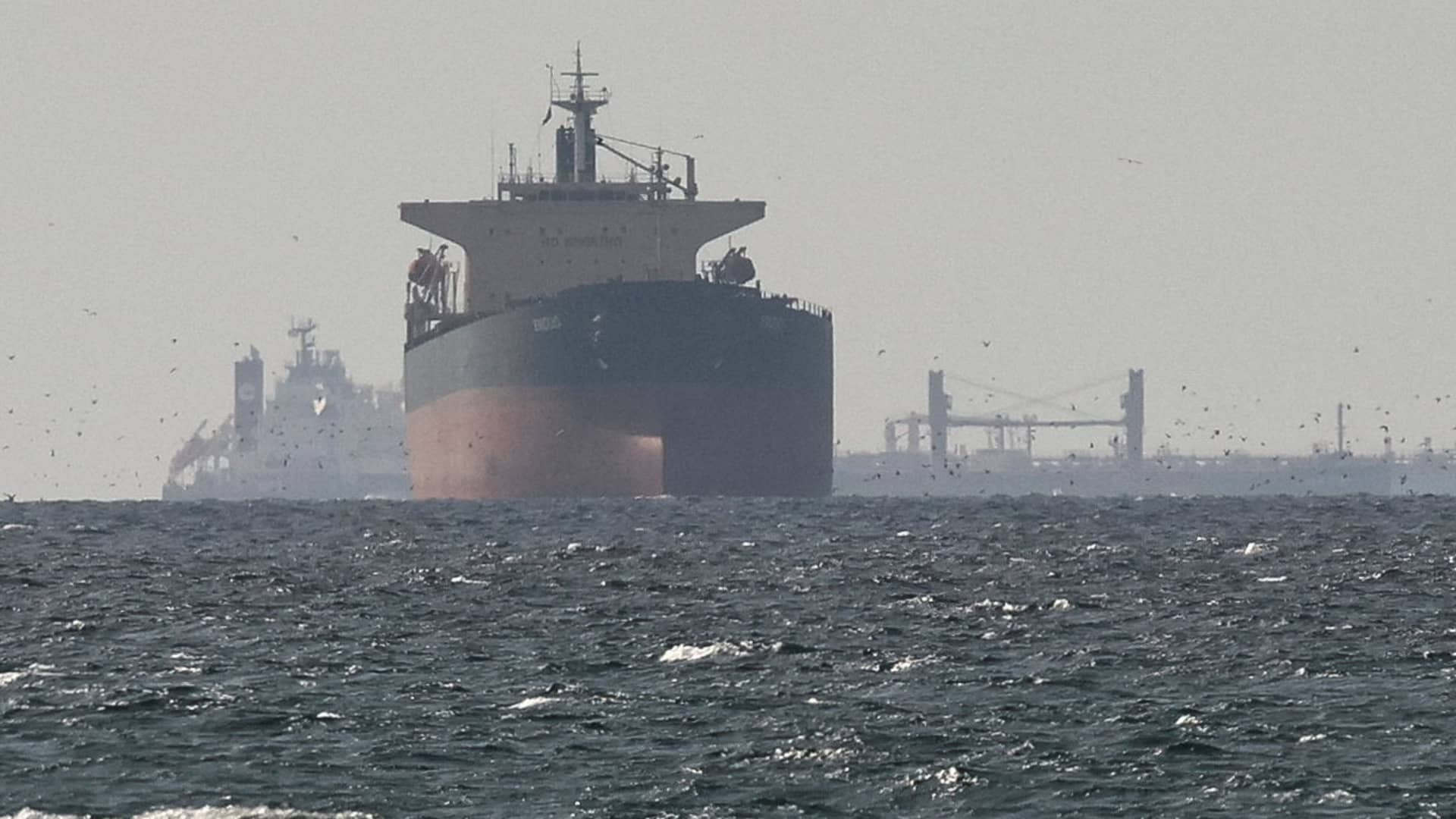
- Oil Price Volatility: The International Energy Agency's unprecedented release of 400 million barrels from reserves comes as oil shipments through the Strait of Hormuz halt, creating upward pressure on oil prices that could slow economic growth in the U.S. and globally.
- Aluminum Supply Tightening: With the Middle East accounting for 21% of U.S. unwrought aluminum imports in 2025, escalating conflict could drive aluminum prices higher, impacting production costs in automotive, aerospace, and construction sectors, thereby increasing manufacturing pressures.
- Fertilizer Price Surge: Urea prices at the New Orleans fertilizer hub have risen from $475 to $680 per metric ton, and potential disruptions during the spring planting season could exacerbate food inflation, affecting soybean and corn cultivation.
- Retail Cost Increases: Rerouting shipping lanes may extend consumer delivery times by 1 to 10 days while raising logistics costs by 5% to 20%, leading retailers to face higher inbound logistics costs and inventory delays, ultimately pushing up product prices.
IEA Releases Record 400 Million Barrels of Oil Amid Middle East Conflict
- Historic Oil Release: The International Energy Agency's decision to release 400 million barrels of oil marks the largest reserve release in history, aimed at alleviating the pressure of rising global energy costs due to the Middle East conflict.
- U.S. Strategic Reserve Tapping: The U.S. will tap 172 million barrels from its Strategic Petroleum Reserve; however, market reactions remain negative, with crude prices rising over 4% on Wednesday, indicating concerns over supply chain security.
- Strait of Hormuz Closure Impact: The closure of the Strait of Hormuz not only disrupts oil transport but also affects over one-third of global fertilizer shipments, raising the risk of increased agricultural costs and food inflation, thereby impacting global food supply chains.
- Escalating Trade Tensions: The Trump administration has initiated trade probes into over a dozen countries to replace tariffs deemed illegal by the Supreme Court, further exacerbating global market uncertainty, particularly against the backdrop of energy volatility and tightening supply chains.
Middle East War Disrupts Fertilizer Market
- Stock Performance Surge: On Wednesday, Mosaic and CF Industries surged by 10.1% and 9.1%, respectively, ranking among the top three gainers on the S&P 500, reflecting market sensitivity to fertilizer supply disruptions.
- Transport Disruptions: The ongoing Middle East war has largely halted commercial traffic through the Strait of Hormuz, affecting over a third of global fertilizer trade, coinciding with the critical spring planting season for farmers in the Northern Hemisphere.
- Price Surge Trend: According to data from The Fertilizer Institute, the price of urea fertilizer imports in the U.S. jumped 30% between the weeks ending February 27 and March 6, following the onset of the war, which will further elevate agricultural costs and impact crop yields.
- Food Price Risk: Wolfe Research chief economist Stephanie Roth highlighted that fertilizer shortages could lead to increased agricultural costs, posing a potential negative impact on food prices, especially as farmers may reduce application rates during the spring planting period.
Gold Bull Run May Be Ending as Funds Shift to Grains
- Gold Price Decline: Gold is trading around $5,185 per ounce, down about 1% from the previous day, indicating a weakening demand in the market that may signal the end of the bull run.
- Limited Geopolitical Impact: Despite the Iran war being considered one of the biggest geopolitical events in decades, gold has failed to rally, with analyst Wyckoff suggesting that the market's lack of response to bullish news indicates that the bulls may be exhausted.
- Funds Shifting to Grains: Wyckoff noted that speculative and hedge fund money appears to be rotating into grain markets, with corn, soybeans, and wheat prices trending higher since January, highlighting their relative attractiveness compared to gold.
- Fertilizer Prices Surge: The ongoing Iran conflict has caused urea prices in New Orleans to surge over 30%, which may lead farmers to reduce corn planting in favor of soybeans, potentially tightening grain supply and driving prices higher later this year.
Mosaic Company Advances Rare Earths Project Amid Market Concerns
- Rare Earths Project Collaboration: Mosaic Company has entered into a joint development agreement with Rainbow Rare Earths Limited to advance the Uberaba rare earth project, targeting a definitive feasibility study in 2026 and construction start in 2027, indicating a strategic move in the rare earth sector.
- Production Capacity Expectations: The project is expected to process approximately 2.7 million tonnes of phosphogypsum annually, producing 1,900 tonnes of separated neodymium and praseodymium oxide, along with 600 tonnes of a product rich in medium and heavy rare earth elements, enhancing Mosaic's competitiveness in the Americas.
- Positive Market Reaction: Mosaic's shares rose 6.5% to $27.24 on Wednesday, reflecting market optimism regarding the progress of its rare earth project, while also being influenced by concerns over the closure of the Strait of Hormuz, which may limit exports from key Middle Eastern producers.
- Financial Outlook: Mosaic is set to provide its financial update on May 5, 2026, with an EPS estimate of 27 cents and a revenue estimate of $2.81 billion, indicating strong financial health as it advances its rare earth initiatives.
U.S. Stocks Extend Losses Amid Surging Oil Prices
- Oil Price Surge: Despite the International Energy Agency's unprecedented release of 400 million barrels from emergency reserves, crude prices surged, with WTI rising 6.1% to $88.56 per barrel and Brent up 6.0% to $93.06, indicating persistent market concerns over rising energy costs.
- Broad Market Decline: The Dow Jones Industrial Average fell 1.1% to 47,190 for the second consecutive day, while the S&P 500 dropped 0.5% to 6,750 and the Nasdaq 100 slipped 0.3% to 24,890, reflecting a waning investor confidence in risk assets amid rising oil prices.
- Inflation Concerns Intensify: The 10-year Treasury yield rose to 4.22% despite February's CPI meeting expectations, suggesting heightened market anxiety over potential inflationary pressures in the coming months, which could influence monetary policy decisions.
- Private Credit Market Turmoil: Reports of JPMorgan Chase tightening lending to private credit funds and marking down loan values triggered a sharp selloff in alternative asset managers, highlighting increasing concerns over credit risk in the financial sector.
Strait of Hormuz Situation Disrupts Global Supply Chains
- Oil Price Volatility: The International Energy Agency's unprecedented release of 400 million barrels from reserves comes as oil shipments through the Strait of Hormuz halt, creating upward pressure on oil prices that could slow economic growth in the U.S. and globally.
- Aluminum Supply Tightening: With the Middle East accounting for 21% of U.S. unwrought aluminum imports in 2025, escalating conflict could drive aluminum prices higher, impacting production costs in automotive, aerospace, and construction sectors, thereby increasing manufacturing pressures.
- Fertilizer Price Surge: Urea prices at the New Orleans fertilizer hub have risen from $475 to $680 per metric ton, and potential disruptions during the spring planting season could exacerbate food inflation, affecting soybean and corn cultivation.
- Retail Cost Increases: Rerouting shipping lanes may extend consumer delivery times by 1 to 10 days while raising logistics costs by 5% to 20%, leading retailers to face higher inbound logistics costs and inventory delays, ultimately pushing up product prices.