Trump Issues Ultimatum as Market Volatility Escalates Amid War Tensions
Written by Emily J. Thompson, Senior Investment Analyst
Updated: Apr 06 2026
0mins


Source: CNBC
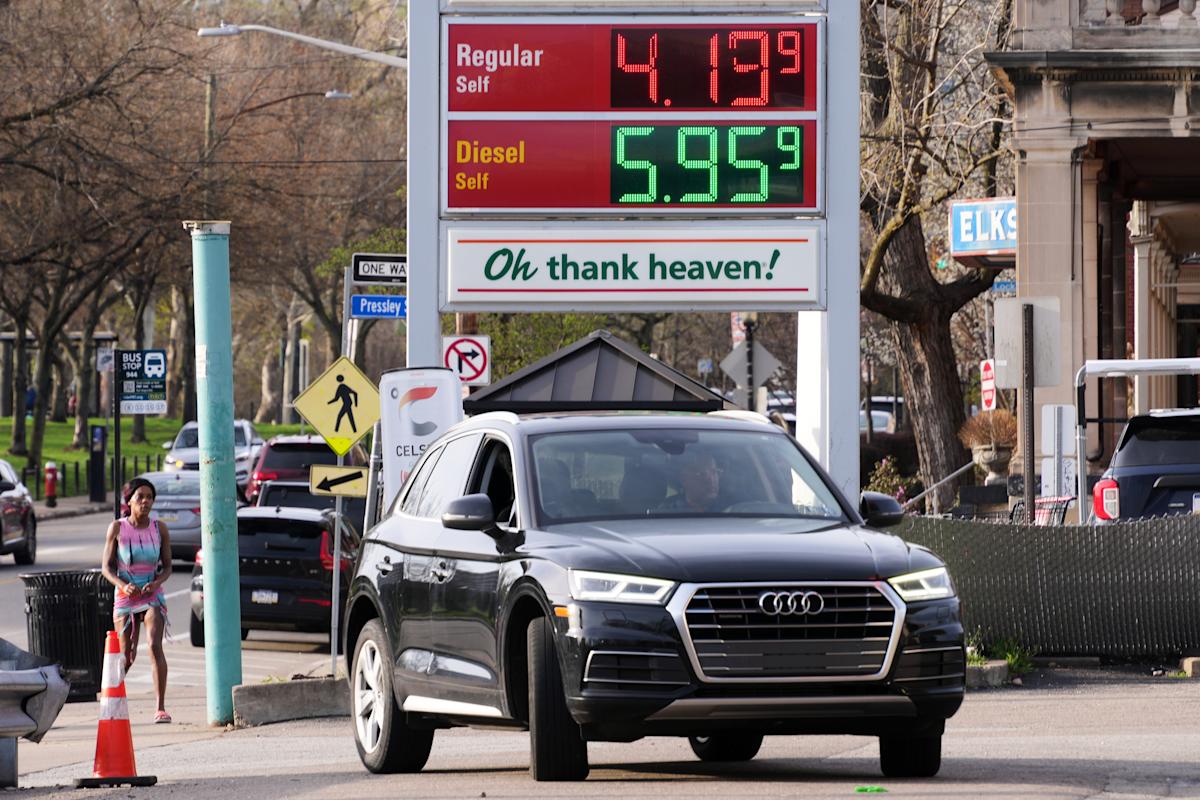
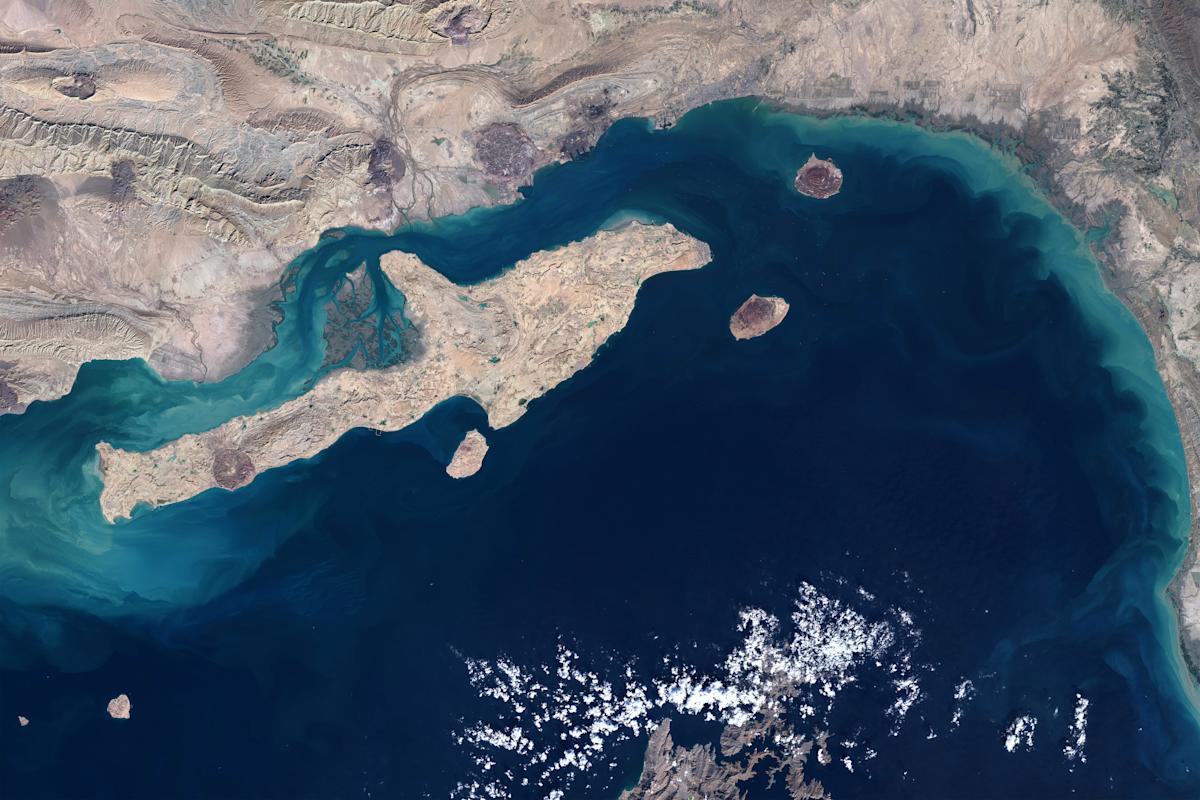
- Market Tension: Trump's ultimatum to Iran to reopen the Strait of Hormuz by Tuesday has left investors caught between the potential for war escalation and a diplomatic resolution, leading to increased market volatility.
- Surging Oil Prices: Brent crude prices have soared to $109.77 per barrel, marking a 50% increase since the war began, which poses severe implications for the global economy amid tight energy supplies.
- Rising Bond Yields: The 10-year Treasury yield has climbed to 4.362%, indicating a repricing of inflation expectations in the fixed-income market, which could tighten financial conditions and elevate recession risks.
- Heightened Uncertainty: As investors await key economic data, the market is expected to remain highly volatile, driven by headlines, particularly until the situation in the Strait of Hormuz becomes clearer.
Trade with 70% Backtested Accuracy
Stop guessing "Should I Buy CVX?" and start using high-conviction signals backed by rigorous historical data.
Sign up today to access powerful investing tools and make smarter, data-driven decisions.
Analyst Views on CVX
Wall Street analysts forecast CVX stock price to fall
19 Analyst Rating
15 Buy
4 Hold
0 Sell
Strong Buy
Current: 190.360

Low
158.00
Averages
176.95
High
206.00
Current: 190.360
Low
158.00
Averages
176.95
High
206.00
About CVX
Chevron Corporation is an integrated energy company. The Company produces crude oil and natural gas; manufactures transportation fuels, lubricants, petrochemicals and additives; and develops technologies that enhance its business and industry. The Company’s segments include Upstream and Downstream. Upstream operations consist primarily of exploring for, developing, producing and transporting crude oil and natural gas; liquefaction, transportation and regasification associated with LNG; transporting crude oil by major international oil export pipelines; processing, transporting, storage and marketing of natural gas; carbon capture and storage; and a gas-to-liquids plant. Downstream operations consist primarily of the refining of crude oil into petroleum products; marketing crude oil, refined products, and lubricants; manufacturing and marketing of renewable fuels, and transporting of crude oil and refined products by pipeline, marine vessel, motor equipment and rail car.
About the author

Emily J. Thompson
Emily J. Thompson, a Chartered Financial Analyst (CFA) with 12 years in investment research, graduated with honors from the Wharton School. Specializing in industrial and technology stocks, she provides in-depth analysis for Intellectia’s earnings and market brief reports.

Goldman Sachs Earnings Beat Expectations Yet Shares Decline


- Goldman Sachs Earnings: Goldman Sachs reported Q1 earnings of $17.55 per share and $17.23 billion in revenue, exceeding expectations, yet shares fell over 2%, indicating market disappointment over fixed income, currencies, and commodities trading performance.
- Williams-Sonoma Upgrade: Williams-Sonoma shares rose more than 2% after Goldman Sachs upgraded the stock to buy, with analysts highlighting the company's strong brand portfolio in retail, reflecting market confidence in its growth potential.
- Best Buy Downgrade: Goldman Sachs downgraded Best Buy to sell, resulting in a 4% drop in shares, as analysts warned that while Q1 may benefit from a pull-forward in PC demand, sales risks loom due to rising memory costs impacting future pricing.
- Energy Stocks Surge: Energy stocks rallied as oil prices climbed above $103 following the U.S. Navy's blockade announcement on the Strait of Hormuz, showcasing market optimism regarding energy demand amidst geopolitical tensions.
See More

Investment Opportunities Amid Inflation Pressures

- ExxonMobil's Diverse Profit Model: As the second-largest oil and gas company globally, ExxonMobil leverages its integrated upstream, downstream, and chemicals operations to profit in multiple ways when oil and gas prices rise, with its total addressable market projected to double to around $8 trillion by 2050, indicating robust growth potential.
- Copper as an Inflation Hedge: Freeport-McMoRan, a top copper producer, is expected to see copper demand increase by 50% by 2040, driven by accelerating electrification and data center construction, further solidifying its investment value in an inflationary environment.
- Berkshire Hathaway's Inflation Resistance: While not as overtly inflation-resistant as ExxonMobil and Freeport-McMoRan, Berkshire Hathaway's diversification and pricing power allow it to perform well during high inflation periods, particularly as its energy and railroad businesses can pass costs onto consumers.
- Strategic Importance of Cash Reserves: As of the end of 2025, Berkshire Hathaway's cash and short-term investments exceeded $373 billion, positioning it to benefit from potential interest rate hikes, which would significantly boost its interest income and enhance its inflation resilience.
See More
OECD Predicts U.S. Inflation Will Exceed Fed's Projections
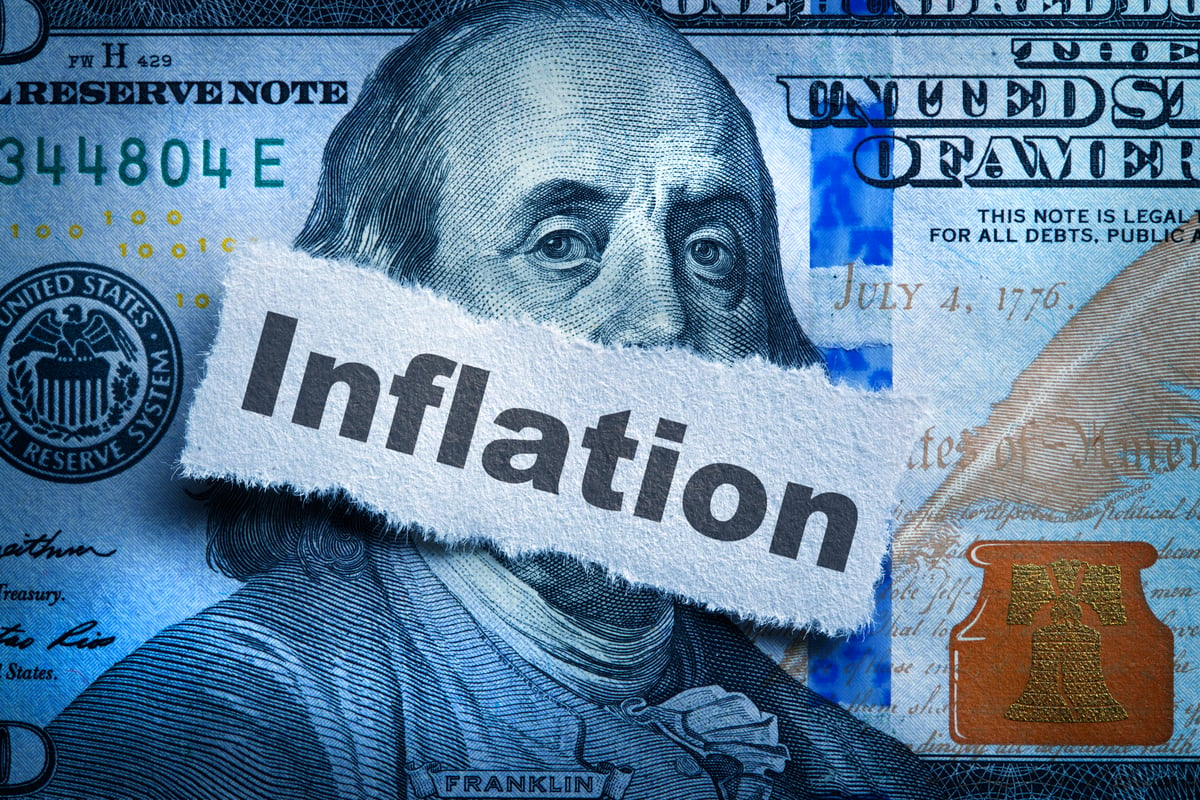
- Inflation Forecast Adjustment: The OECD's April 2026 report predicts U.S. inflation will reach 4.2%, significantly higher than the Fed's 2.7% estimate, which could lead to reduced consumer spending and negatively impact corporate revenues and earnings.
- Strong Energy Stock Performance: ExxonMobil (XOM), the world's second-largest oil and gas company, is expected to thrive in a high-inflation environment, with its total addressable market projected to double to around $8 trillion by 2050, and a dividend yield of 2.5% indicating robust financial stability.
- Copper Price Growth Potential: Freeport-McMoRan (FCX), one of the largest copper producers globally, anticipates a 50% increase in copper demand by 2040, driven by accelerating electrification, with additional growth from data center construction and energy transition.
- Diversification Investment Advantage: Berkshire Hathaway (BRK.B) is well-positioned during high inflation due to its diversified business model and pricing power, with utilities and railroads able to pass costs to customers, and a cash reserve exceeding $373 billion that could yield additional income if interest rates rise.
See More

Trump's Weekend Activities and Surge in Oil Prices
- Surge in Oil Prices: Crude oil futures jumped over 8% on Monday as the U.S. Navy prepares to blockade Iranian ports, with U.S. crude surpassing $100 per barrel and Brent also rising over 8%, indicating significant implications for the global energy market.
- Military Blockade Announcement: U.S. Central Command stated that it will begin blocking all maritime traffic entering and exiting Iranian ports at 10 a.m. ET on Monday, a move that could disrupt international supply chains related to Iran and significantly impact global oil prices.
- Trump's Dispute with the Pope: Trump criticized Pope Leo XIV on social media for his stance on the U.S. war in Iran, asserting he does not want a Pope who criticizes him, reflecting a hardline approach in both domestic and foreign policy that may affect his supporters' confidence.
- Hungarian Election Results: The election results in Hungary indicate a victory for the opposition Tisza party, marking the first new government in 16 years, which poses a challenge to Trump and his allies in Europe and may lead to future policy adjustments.
See More

Trump Orders Complete Blockade of Strait of Hormuz Amidst Stalled U.S.-Iran Talks


- Blockade Order: President Trump has ordered a complete blockade of the Strait of Hormuz, prohibiting all vessels from passing, aimed at pressuring Iran to abandon its nuclear weapons pursuit, which could lead to a tightening of global energy supplies.
- Surge in Oil Prices: Trump's announcement of the blockade caused oil prices to surge over 8%, reflecting market concerns over a potential energy crisis while exacerbating investor anxiety and impacting global market performance.
- Market Reaction: Following the blockade news, Asian markets fell in early Monday trading, and U.S. futures also tumbled, with Dow Jones Industrial Average futures losing 517 points, indicating a pessimistic sentiment among investors regarding the economic outlook.
- Decline in Consumer Confidence: American consumer confidence plunged to a record low in April, reflecting the domestic economic impact of the ongoing conflict, further intensifying market uncertainty.
See More
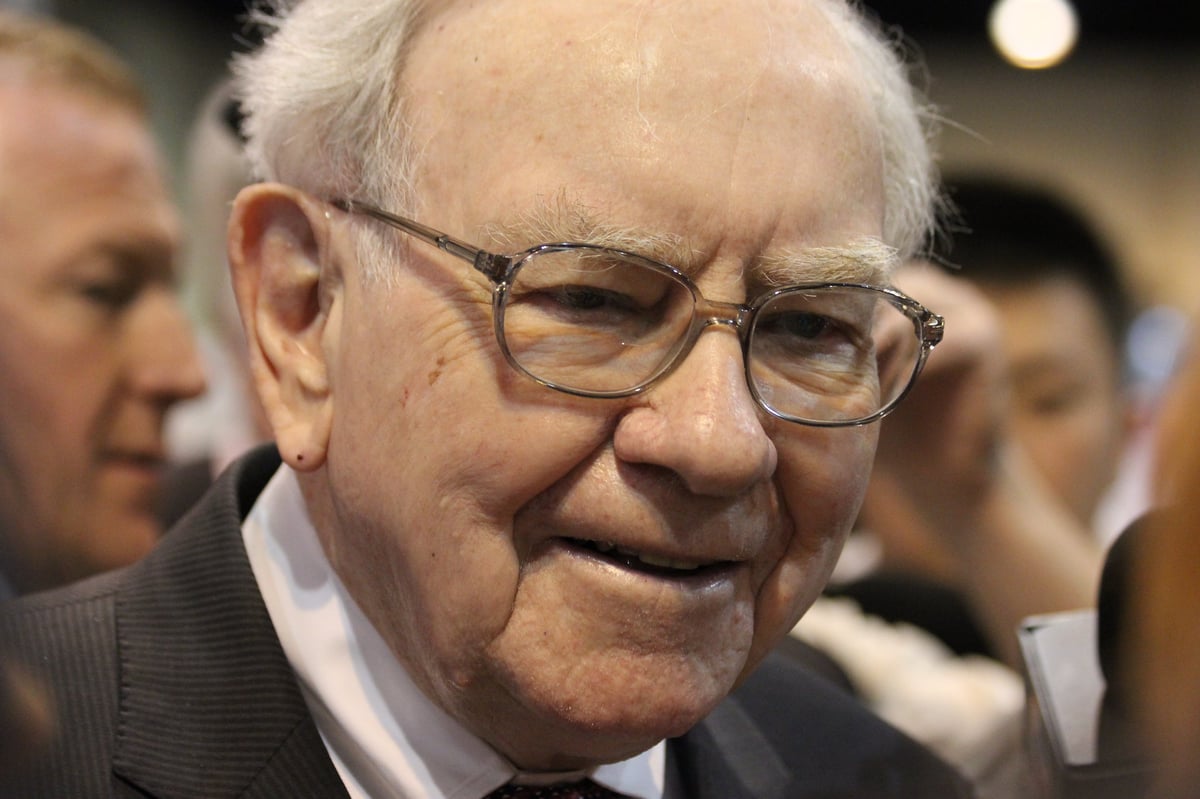
Three Dividend Stocks Buffett Might Favor in a Market Crash


- Coca-Cola's Stability: Coca-Cola (KO), valued at over $30 billion and the third-largest position in Buffett's portfolio, has raised its dividend for 64 consecutive years, with a current yield of 2.7%, showcasing its strong cash flow and long-term investment appeal.
- Chevron's Outlook: Chevron (CVX) remains a key holding for Buffett, offering a forward-looking dividend yield of 3.7%; despite pressures from the transition to renewables, the IEA projects oil consumption will continue to grow through 2050, supporting its profitability.
- McDonald's Business Model: Although McDonald's (MCD) is not currently in Buffett's portfolio, its strong brand, reliable cash flow, and a current dividend yield of 2.4% make it a smart investment choice, having raised dividends for 49 consecutive years.
- Opportunities in Market Pullbacks: Given the potential for market pullbacks, these dividend stocks present long-term investment opportunities, aligning with Buffett's philosophy that short-term dips can provide favorable buying conditions.
See More
Goldman Sachs Earnings Beat Expectations Yet Shares Decline
- Goldman Sachs Earnings: Goldman Sachs reported Q1 earnings of $17.55 per share and $17.23 billion in revenue, exceeding expectations, yet shares fell over 2%, indicating market disappointment over fixed income, currencies, and commodities trading performance.
- Williams-Sonoma Upgrade: Williams-Sonoma shares rose more than 2% after Goldman Sachs upgraded the stock to buy, with analysts highlighting the company's strong brand portfolio in retail, reflecting market confidence in its growth potential.
- Best Buy Downgrade: Goldman Sachs downgraded Best Buy to sell, resulting in a 4% drop in shares, as analysts warned that while Q1 may benefit from a pull-forward in PC demand, sales risks loom due to rising memory costs impacting future pricing.
- Energy Stocks Surge: Energy stocks rallied as oil prices climbed above $103 following the U.S. Navy's blockade announcement on the Strait of Hormuz, showcasing market optimism regarding energy demand amidst geopolitical tensions.
See More
Investment Opportunities Amid Inflation Pressures
- ExxonMobil's Diverse Profit Model: As the second-largest oil and gas company globally, ExxonMobil leverages its integrated upstream, downstream, and chemicals operations to profit in multiple ways when oil and gas prices rise, with its total addressable market projected to double to around $8 trillion by 2050, indicating robust growth potential.
- Copper as an Inflation Hedge: Freeport-McMoRan, a top copper producer, is expected to see copper demand increase by 50% by 2040, driven by accelerating electrification and data center construction, further solidifying its investment value in an inflationary environment.
- Berkshire Hathaway's Inflation Resistance: While not as overtly inflation-resistant as ExxonMobil and Freeport-McMoRan, Berkshire Hathaway's diversification and pricing power allow it to perform well during high inflation periods, particularly as its energy and railroad businesses can pass costs onto consumers.
- Strategic Importance of Cash Reserves: As of the end of 2025, Berkshire Hathaway's cash and short-term investments exceeded $373 billion, positioning it to benefit from potential interest rate hikes, which would significantly boost its interest income and enhance its inflation resilience.
See More
OECD Predicts U.S. Inflation Will Exceed Fed's Projections
- Inflation Forecast Adjustment: The OECD's April 2026 report predicts U.S. inflation will reach 4.2%, significantly higher than the Fed's 2.7% estimate, which could lead to reduced consumer spending and negatively impact corporate revenues and earnings.
- Strong Energy Stock Performance: ExxonMobil (XOM), the world's second-largest oil and gas company, is expected to thrive in a high-inflation environment, with its total addressable market projected to double to around $8 trillion by 2050, and a dividend yield of 2.5% indicating robust financial stability.
- Copper Price Growth Potential: Freeport-McMoRan (FCX), one of the largest copper producers globally, anticipates a 50% increase in copper demand by 2040, driven by accelerating electrification, with additional growth from data center construction and energy transition.
- Diversification Investment Advantage: Berkshire Hathaway (BRK.B) is well-positioned during high inflation due to its diversified business model and pricing power, with utilities and railroads able to pass costs to customers, and a cash reserve exceeding $373 billion that could yield additional income if interest rates rise.
See More
Trump's Weekend Activities and Surge in Oil Prices
- Surge in Oil Prices: Crude oil futures jumped over 8% on Monday as the U.S. Navy prepares to blockade Iranian ports, with U.S. crude surpassing $100 per barrel and Brent also rising over 8%, indicating significant implications for the global energy market.
- Military Blockade Announcement: U.S. Central Command stated that it will begin blocking all maritime traffic entering and exiting Iranian ports at 10 a.m. ET on Monday, a move that could disrupt international supply chains related to Iran and significantly impact global oil prices.
- Trump's Dispute with the Pope: Trump criticized Pope Leo XIV on social media for his stance on the U.S. war in Iran, asserting he does not want a Pope who criticizes him, reflecting a hardline approach in both domestic and foreign policy that may affect his supporters' confidence.
- Hungarian Election Results: The election results in Hungary indicate a victory for the opposition Tisza party, marking the first new government in 16 years, which poses a challenge to Trump and his allies in Europe and may lead to future policy adjustments.
See More
Trump Orders Complete Blockade of Strait of Hormuz Amidst Stalled U.S.-Iran Talks
- Blockade Order: President Trump has ordered a complete blockade of the Strait of Hormuz, prohibiting all vessels from passing, aimed at pressuring Iran to abandon its nuclear weapons pursuit, which could lead to a tightening of global energy supplies.
- Surge in Oil Prices: Trump's announcement of the blockade caused oil prices to surge over 8%, reflecting market concerns over a potential energy crisis while exacerbating investor anxiety and impacting global market performance.
- Market Reaction: Following the blockade news, Asian markets fell in early Monday trading, and U.S. futures also tumbled, with Dow Jones Industrial Average futures losing 517 points, indicating a pessimistic sentiment among investors regarding the economic outlook.
- Decline in Consumer Confidence: American consumer confidence plunged to a record low in April, reflecting the domestic economic impact of the ongoing conflict, further intensifying market uncertainty.
See More
Three Dividend Stocks Buffett Might Favor in a Market Crash
- Coca-Cola's Stability: Coca-Cola (KO), valued at over $30 billion and the third-largest position in Buffett's portfolio, has raised its dividend for 64 consecutive years, with a current yield of 2.7%, showcasing its strong cash flow and long-term investment appeal.
- Chevron's Outlook: Chevron (CVX) remains a key holding for Buffett, offering a forward-looking dividend yield of 3.7%; despite pressures from the transition to renewables, the IEA projects oil consumption will continue to grow through 2050, supporting its profitability.
- McDonald's Business Model: Although McDonald's (MCD) is not currently in Buffett's portfolio, its strong brand, reliable cash flow, and a current dividend yield of 2.4% make it a smart investment choice, having raised dividends for 49 consecutive years.
- Opportunities in Market Pullbacks: Given the potential for market pullbacks, these dividend stocks present long-term investment opportunities, aligning with Buffett's philosophy that short-term dips can provide favorable buying conditions.
See More