Stocks Surge to Record Highs on Iran Peace Deal Hopes
Written by Emily J. Thompson, Senior Investment Analyst
Updated: 15 hours ago
0mins
Source: CNBC
- Market Rebound: The S&P 500 surged 4% last week, closing above 7,100 for the first time, while the Nasdaq achieved its longest winning streak since 1992 with 13 consecutive days of gains, reflecting optimism over a potential peace deal with Iran.
- Rapid Recovery: The S&P 500 rebounded from near correction territory (down about 9%) to an all-time high in just 11 trading days, marking the fastest recovery since at least 1990, indicating strong investor sentiment amid geopolitical developments.
- Software Stock Comeback: Beaten-down software stocks like Microsoft, CrowdStrike, and Salesforce emerged as top gainers, with Microsoft up 14% week-to-date, CrowdStrike gaining 11.9%, and Salesforce rising 10.4%, suggesting a renewed confidence in the software sector.
- Strong Consumer Spending: JPMorgan reported consumer spending growth exceeding 2025 levels, with credit card spending volume up 9% year-over-year, showcasing resilience among consumers and small businesses despite market volatility driven by the war.
Trade with 70% Backtested Accuracy
Stop guessing "Should I Buy WFC?" and start using high-conviction signals backed by rigorous historical data.
Sign up today to access powerful investing tools and make smarter, data-driven decisions.
Analyst Views on WFC
Wall Street analysts forecast WFC stock price to rise
17 Analyst Rating
10 Buy
6 Hold
1 Sell
Moderate Buy
Current: 81.250

Low
74.00
Averages
98.66
High
113.00
Current: 81.250
Low
74.00
Averages
98.66
High
113.00
About WFC
Wells Fargo & Company is a financial services company. The Company provides a diversified set of banking, investment and mortgage products and services, as well as consumer and commercial finance, to individuals, businesses and institutions. The Company operates through four segments: Consumer Banking and Lending, Commercial Banking, Corporate and Investment Banking, and Wealth & Investment Management. The Company provides consumer financial products and services, including checking and savings accounts, credit and debit cards, and auto, residential mortgage, and small business lending. In addition, the Company offers financial planning, private banking, investment management, and fiduciary services. It also provides financial solutions to businesses through products and services including traditional commercial loans and lines of credit, letters of credit, asset-based lending and leasing, trade financing, treasury management, and investment banking services.
About the author

Emily J. Thompson
Emily J. Thompson, a Chartered Financial Analyst (CFA) with 12 years in investment research, graduated with honors from the Wharton School. Specializing in industrial and technology stocks, she provides in-depth analysis for Intellectia’s earnings and market brief reports.
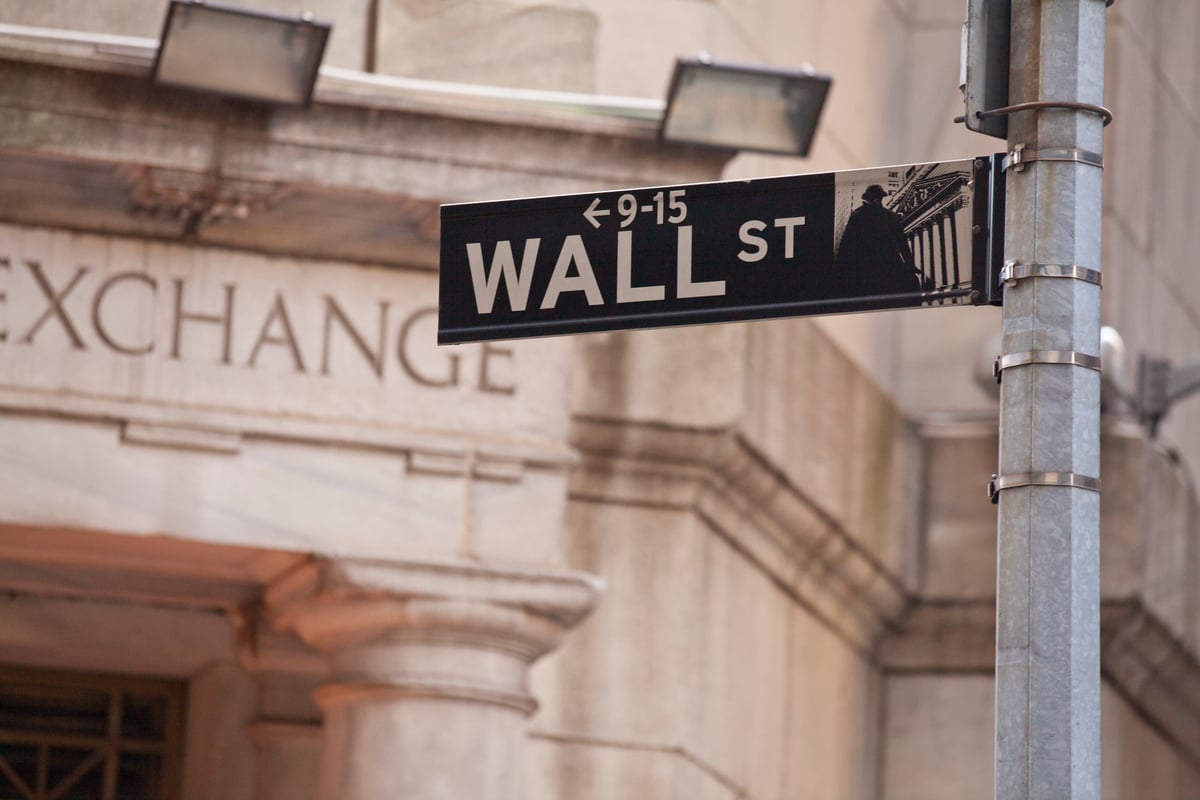
Wall Street Lowers Market Expectations Amid Conflict


- Market Expectations Downgraded: Following the Iran conflict, firms like JPMorgan and Wells Fargo have cut their S&P 500 forecasts, with Wells Fargo reducing its target from 7,800 to 7,300, indicating a cautious outlook for the market.
- Significant Oil Price Impact: Elevated oil prices and record-low consumer confidence suggest that market performance may underperform expectations, raising concerns about potential economic recession risks.
- Poor Historical Forecast Accuracy: Over the past six years, Wall Street has significantly underestimated year-end market closes in five out of six years, particularly in 2022 when a bear market caught many off guard, highlighting the limitations of these predictions.
- Uncertain Future Outlook: While the 2026 market setup resembles that of April 2025, the potential long-term impact on oil and gas flows through the Strait of Hormuz raises concerns about a global recession, necessitating cautious investor strategies.
See More

Wall Street Cuts S&P 500 Targets Amid Iran War
- Wall Street Target Cuts: Major firms like JPMorgan Chase and Wells Fargo have reduced their S&P 500 price targets in light of the Iran war, with Wells Fargo lowering its forecast from 7,800 to 7,300, indicating a cautious outlook on market performance.
- Historical Forecast Errors: Over the past six years, Wall Street has significantly underestimated market performance in five of those years, with discrepancies reaching as high as 28%, suggesting that investors should be wary of relying too heavily on Wall Street's predictions, especially in the current uncertain economic climate.
- Market Response and Risks: Although the market has rebounded recently, elevated oil prices and record-low consumer confidence may still lead to underperformance, and if tensions in Iran persist, the risk of a global recession could increase significantly.
- Long-Term Investment Strategy: Despite short-term risks, history shows that investors who remain committed typically see returns, thus when considering investments in the S&P 500, investors should focus on long-term gains rather than short-term fluctuations.
See More
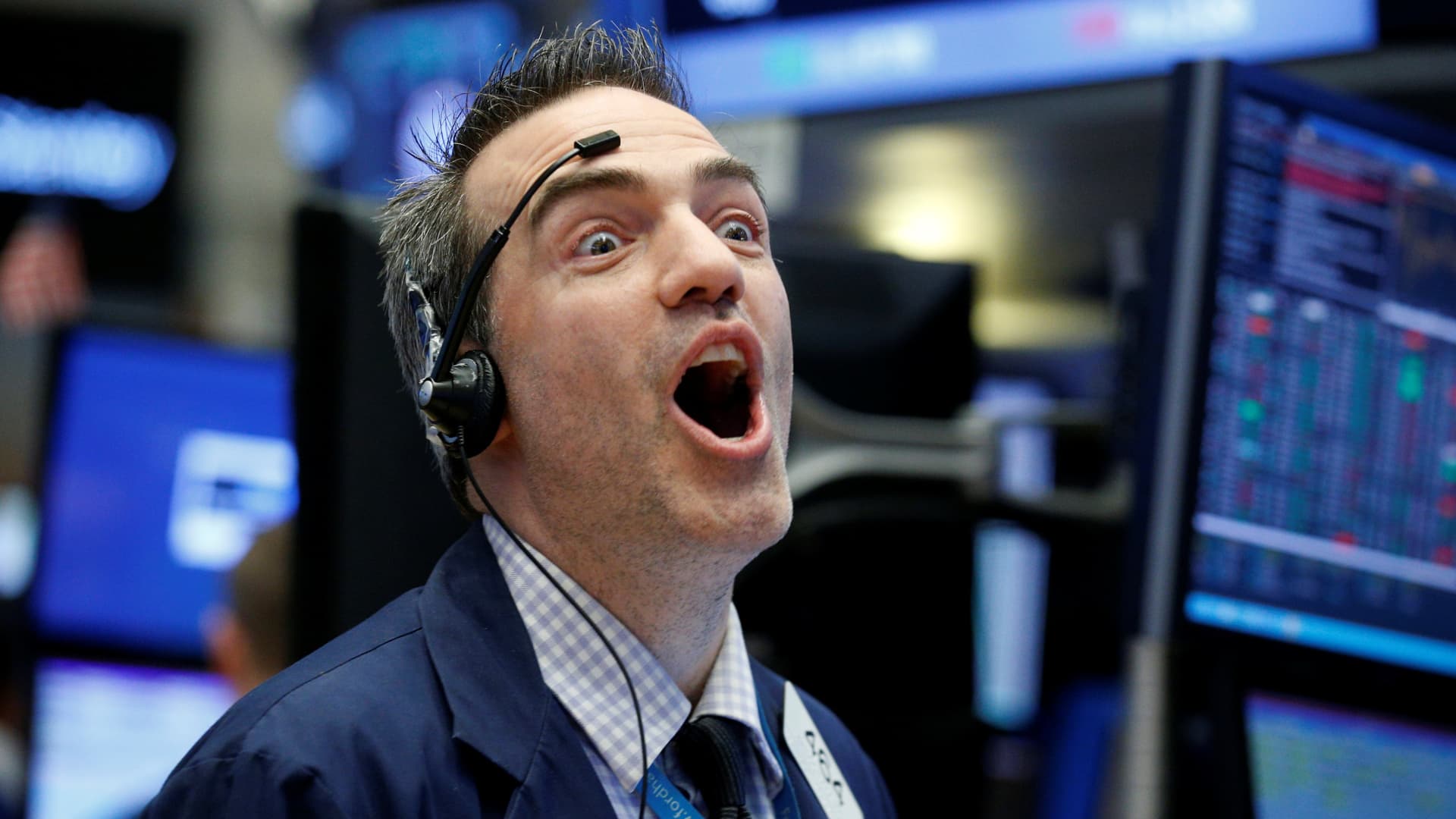
Stocks Surge to Record Highs on Iran Peace Deal Hopes

- Market Rebound: The S&P 500 surged 4% last week, closing above 7,100 for the first time, while the Nasdaq achieved its longest winning streak since 1992 with 13 consecutive days of gains, reflecting optimism over a potential peace deal with Iran.
- Rapid Recovery: The S&P 500 rebounded from near correction territory (down about 9%) to an all-time high in just 11 trading days, marking the fastest recovery since at least 1990, indicating strong investor sentiment amid geopolitical developments.
- Software Stock Comeback: Beaten-down software stocks like Microsoft, CrowdStrike, and Salesforce emerged as top gainers, with Microsoft up 14% week-to-date, CrowdStrike gaining 11.9%, and Salesforce rising 10.4%, suggesting a renewed confidence in the software sector.
- Strong Consumer Spending: JPMorgan reported consumer spending growth exceeding 2025 levels, with credit card spending volume up 9% year-over-year, showcasing resilience among consumers and small businesses despite market volatility driven by the war.
See More
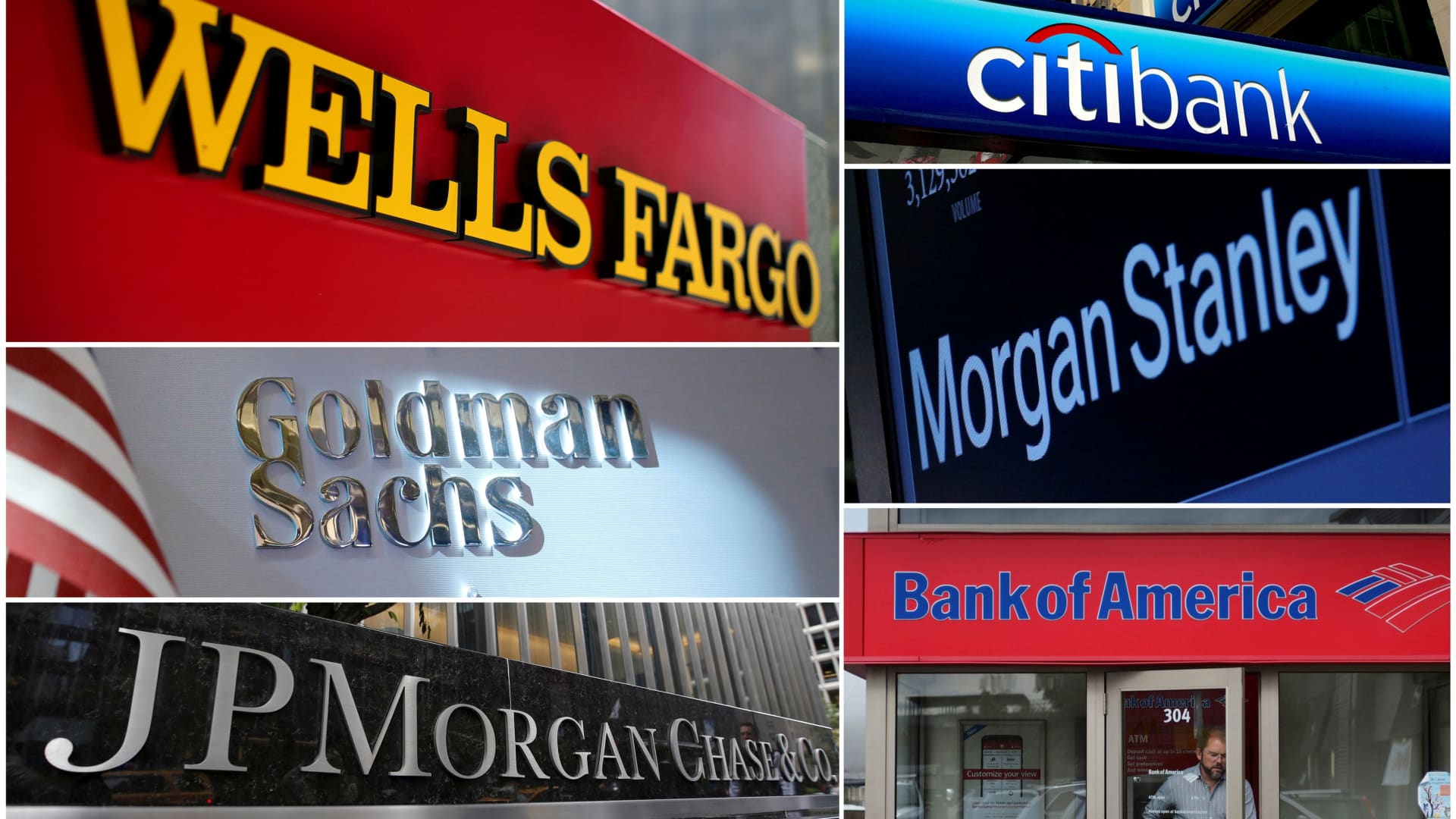
Banking Sector Shows Resilience Amid Geopolitical Turmoil

- Investment Banking Surge: Goldman Sachs reported a 48% year-over-year increase in investment banking revenue to $2.48 billion, with CEO David Solomon noting a robust investment banking environment, which significantly contributes to advisory fees and capital market revenues, showcasing the firm's strength in M&A and IPOs.
- Credit Card Growth: Despite a slight overall revenue miss, Wells Fargo's new credit card account openings surged nearly 60% year-over-year, with the consumer banking and lending division seeing a 6.6% revenue increase in Q1, indicating strong consumer spending resilience even amid rising oil prices, enhancing the bank's profitability.
- Trading Desk Performance: The volatility from the Iran-U.S. conflict led to a 27% year-over-year increase in Goldman’s equities revenue, reaching a record $5.33 billion, as clients actively repositioned portfolios, reflecting the firm's execution capabilities and risk management in a dynamic environment.
- Market Adaptability: While geopolitical uncertainty affected some deals, Morgan Stanley and Bank of America saw trading revenues rise by 29% and 30% respectively, demonstrating that banks can still capitalize on market fluctuations, highlighting their ability to adapt to changing market conditions.
See More
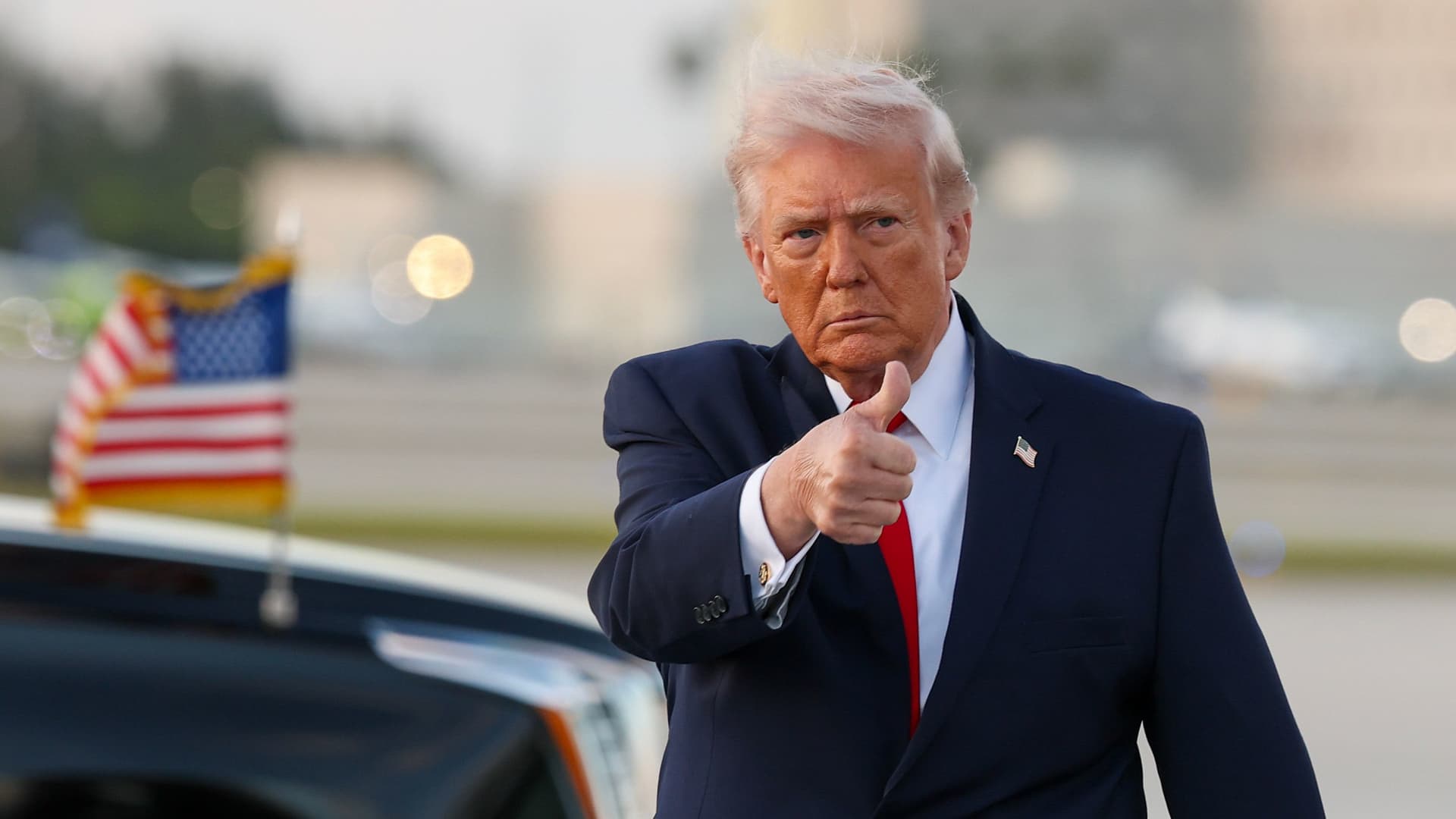
Market Preview: Oil Prices Drop, iPhone Shipments Surge


- Oil Price Decline: Oil prices fell approximately 10% after Iran declared the Strait of Hormuz open for commercial traffic during a 10-day ceasefire between Israel and Lebanon, which could negatively impact the earnings of related energy companies.
- Surge in iPhone Shipments: According to CounterPoint Research, iPhone shipments in China increased by 20% in Q1, despite an overall decline in the smartphone market due to soaring memory costs, providing a positive outlook for Apple's primary revenue source.
- Netflix Price Target Cuts: Barclays lowered Netflix's price target from $115 to $110, with Wolfe Research and Rosenblatt also cutting theirs to $107 and $95 respectively, leading to a more than 9% drop in shares, reflecting market concerns about its future performance.
- Target Price Adjustments: Several companies, including Danaher and Abbott Laboratories, saw their price targets cut, with Danaher's target reduced from $220 to $205 due to concerns over its legacy business, while Abbott's target was lowered to $120 by multiple firms, although all maintained a buy rating.
See More

Wells Fargo Predicts Gold Could Surge to $8,000
- Gold Price Forecast: Wells Fargo predicts that gold prices could surge to $8,000 by 2027, based on current levels near $4,500, indicating over 66% upside potential, reflecting a trend of central banks selling fiat currencies.
- Economic Scenario Analysis: Chief Equity Strategist Ohsung Kwon notes that four out of five economic scenarios suggest further debasement, indicating sustained demand for gold as a safe haven asset, which will drive prices higher.
- History of Debasement Cycles: Kwon identifies the current debasement cycle, triggered by Russia's invasion of Ukraine in 2022, with central banks increasing gold purchases; historically, such cycles last an average of 8.5 years, and this one is currently 3.5 years in.
- Bear Market Scenario: Despite the bullish outlook, Wells Fargo also presents a bear case where gold prices could decline to $4,000 by the end of 2027, representing a roughly 17% drop from current levels, highlighting market uncertainties.
See More
Wall Street Lowers Market Expectations Amid Conflict
- Market Expectations Downgraded: Following the Iran conflict, firms like JPMorgan and Wells Fargo have cut their S&P 500 forecasts, with Wells Fargo reducing its target from 7,800 to 7,300, indicating a cautious outlook for the market.
- Significant Oil Price Impact: Elevated oil prices and record-low consumer confidence suggest that market performance may underperform expectations, raising concerns about potential economic recession risks.
- Poor Historical Forecast Accuracy: Over the past six years, Wall Street has significantly underestimated year-end market closes in five out of six years, particularly in 2022 when a bear market caught many off guard, highlighting the limitations of these predictions.
- Uncertain Future Outlook: While the 2026 market setup resembles that of April 2025, the potential long-term impact on oil and gas flows through the Strait of Hormuz raises concerns about a global recession, necessitating cautious investor strategies.
See More
Wall Street Cuts S&P 500 Targets Amid Iran War
- Wall Street Target Cuts: Major firms like JPMorgan Chase and Wells Fargo have reduced their S&P 500 price targets in light of the Iran war, with Wells Fargo lowering its forecast from 7,800 to 7,300, indicating a cautious outlook on market performance.
- Historical Forecast Errors: Over the past six years, Wall Street has significantly underestimated market performance in five of those years, with discrepancies reaching as high as 28%, suggesting that investors should be wary of relying too heavily on Wall Street's predictions, especially in the current uncertain economic climate.
- Market Response and Risks: Although the market has rebounded recently, elevated oil prices and record-low consumer confidence may still lead to underperformance, and if tensions in Iran persist, the risk of a global recession could increase significantly.
- Long-Term Investment Strategy: Despite short-term risks, history shows that investors who remain committed typically see returns, thus when considering investments in the S&P 500, investors should focus on long-term gains rather than short-term fluctuations.
See More
Stocks Surge to Record Highs on Iran Peace Deal Hopes
- Market Rebound: The S&P 500 surged 4% last week, closing above 7,100 for the first time, while the Nasdaq achieved its longest winning streak since 1992 with 13 consecutive days of gains, reflecting optimism over a potential peace deal with Iran.
- Rapid Recovery: The S&P 500 rebounded from near correction territory (down about 9%) to an all-time high in just 11 trading days, marking the fastest recovery since at least 1990, indicating strong investor sentiment amid geopolitical developments.
- Software Stock Comeback: Beaten-down software stocks like Microsoft, CrowdStrike, and Salesforce emerged as top gainers, with Microsoft up 14% week-to-date, CrowdStrike gaining 11.9%, and Salesforce rising 10.4%, suggesting a renewed confidence in the software sector.
- Strong Consumer Spending: JPMorgan reported consumer spending growth exceeding 2025 levels, with credit card spending volume up 9% year-over-year, showcasing resilience among consumers and small businesses despite market volatility driven by the war.
See More
Banking Sector Shows Resilience Amid Geopolitical Turmoil
- Investment Banking Surge: Goldman Sachs reported a 48% year-over-year increase in investment banking revenue to $2.48 billion, with CEO David Solomon noting a robust investment banking environment, which significantly contributes to advisory fees and capital market revenues, showcasing the firm's strength in M&A and IPOs.
- Credit Card Growth: Despite a slight overall revenue miss, Wells Fargo's new credit card account openings surged nearly 60% year-over-year, with the consumer banking and lending division seeing a 6.6% revenue increase in Q1, indicating strong consumer spending resilience even amid rising oil prices, enhancing the bank's profitability.
- Trading Desk Performance: The volatility from the Iran-U.S. conflict led to a 27% year-over-year increase in Goldman’s equities revenue, reaching a record $5.33 billion, as clients actively repositioned portfolios, reflecting the firm's execution capabilities and risk management in a dynamic environment.
- Market Adaptability: While geopolitical uncertainty affected some deals, Morgan Stanley and Bank of America saw trading revenues rise by 29% and 30% respectively, demonstrating that banks can still capitalize on market fluctuations, highlighting their ability to adapt to changing market conditions.
See More
Market Preview: Oil Prices Drop, iPhone Shipments Surge
- Oil Price Decline: Oil prices fell approximately 10% after Iran declared the Strait of Hormuz open for commercial traffic during a 10-day ceasefire between Israel and Lebanon, which could negatively impact the earnings of related energy companies.
- Surge in iPhone Shipments: According to CounterPoint Research, iPhone shipments in China increased by 20% in Q1, despite an overall decline in the smartphone market due to soaring memory costs, providing a positive outlook for Apple's primary revenue source.
- Netflix Price Target Cuts: Barclays lowered Netflix's price target from $115 to $110, with Wolfe Research and Rosenblatt also cutting theirs to $107 and $95 respectively, leading to a more than 9% drop in shares, reflecting market concerns about its future performance.
- Target Price Adjustments: Several companies, including Danaher and Abbott Laboratories, saw their price targets cut, with Danaher's target reduced from $220 to $205 due to concerns over its legacy business, while Abbott's target was lowered to $120 by multiple firms, although all maintained a buy rating.
See More
Wells Fargo Predicts Gold Could Surge to $8,000
- Gold Price Forecast: Wells Fargo predicts that gold prices could surge to $8,000 by 2027, based on current levels near $4,500, indicating over 66% upside potential, reflecting a trend of central banks selling fiat currencies.
- Economic Scenario Analysis: Chief Equity Strategist Ohsung Kwon notes that four out of five economic scenarios suggest further debasement, indicating sustained demand for gold as a safe haven asset, which will drive prices higher.
- History of Debasement Cycles: Kwon identifies the current debasement cycle, triggered by Russia's invasion of Ukraine in 2022, with central banks increasing gold purchases; historically, such cycles last an average of 8.5 years, and this one is currently 3.5 years in.
- Bear Market Scenario: Despite the bullish outlook, Wells Fargo also presents a bear case where gold prices could decline to $4,000 by the end of 2027, representing a roughly 17% drop from current levels, highlighting market uncertainties.
See More