Escalating Geopolitical Tensions in the Middle East
Written by Emily J. Thompson, Senior Investment Analyst
Updated: 1 hour ago
0mins
Source: Yahoo Finance
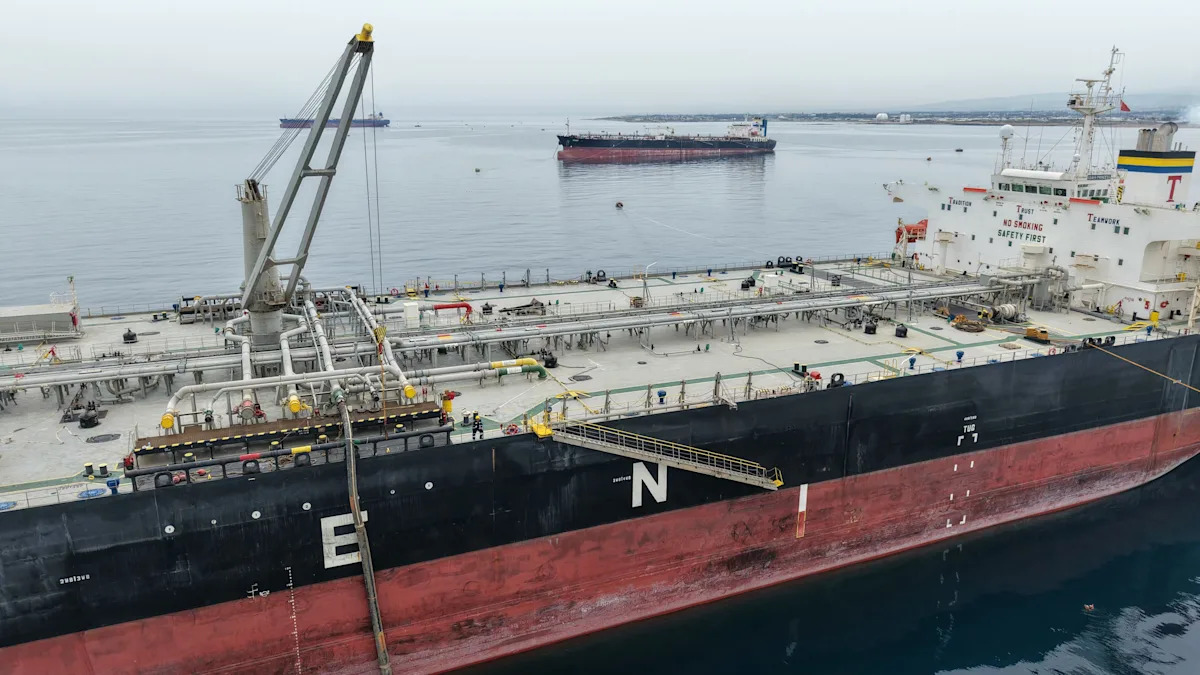
- Strait of Hormuz Closure: The IRGC's abrupt reversal of the Strait's reopening, just hours after Foreign Minister Abbas Araghchi's announcement, highlights significant internal rifts between Iran's government and military, posing major risks to energy transport.
- Escalation of Military Actions: IRGC gunboats reportedly fired on commercial vessels near the Omani coast, issuing radio warnings that effectively shut down unauthorized traffic, further escalating regional tensions and impacting global energy market stability.
- Intensifying Power Struggle: Following Supreme Leader Khamenei's death, Iran's internal power struggles have intensified, with the absence of centralized authority emboldening hard-liners to operate more autonomously under the
Trade with 70% Backtested Accuracy
Stop guessing "Should I Buy CVX?" and start using high-conviction signals backed by rigorous historical data.
Sign up today to access powerful investing tools and make smarter, data-driven decisions.
Analyst Views on CVX
Wall Street analysts forecast CVX stock price to fall
19 Analyst Rating
15 Buy
4 Hold
0 Sell
Strong Buy
Current: 188.150

Low
158.00
Averages
176.95
High
206.00
Current: 188.150
Low
158.00
Averages
176.95
High
206.00
About CVX
Chevron Corporation is an integrated energy company. The Company produces crude oil and natural gas; manufactures transportation fuels, lubricants, petrochemicals and additives; and develops technologies that enhance its business and industry. The Company’s segments include Upstream and Downstream. Upstream operations consist primarily of exploring for, developing, producing and transporting crude oil and natural gas; liquefaction, transportation and regasification associated with LNG; transporting crude oil by major international oil export pipelines; processing, transporting, storage and marketing of natural gas; carbon capture and storage; and a gas-to-liquids plant. Downstream operations consist primarily of the refining of crude oil into petroleum products; marketing crude oil, refined products, and lubricants; manufacturing and marketing of renewable fuels, and transporting of crude oil and refined products by pipeline, marine vessel, motor equipment and rail car.
About the author

Emily J. Thompson
Emily J. Thompson, a Chartered Financial Analyst (CFA) with 12 years in investment research, graduated with honors from the Wharton School. Specializing in industrial and technology stocks, she provides in-depth analysis for Intellectia’s earnings and market brief reports.

Chevron: A Robust Choice in Energy Stocks

- Dividend Appeal: Chevron's 3.8% dividend yield significantly surpasses the S&P 500's 1.1%, making it an attractive long-term hold for income-seeking investors, especially in a volatile market.
- Financial Strength: With a debt-to-equity ratio of approximately 0.25, Chevron demonstrates robust financial flexibility, allowing it to sustain operations and dividends during periods of low oil prices, which is crucial in the historically volatile energy sector.
- Diversification Strategy: By integrating upstream, downstream, and midstream assets, Chevron not only capitalizes on rising oil prices but also mitigates losses during downturns, ensuring stability throughout the energy cycle.
- Market Outlook: Despite high current oil prices, Chevron's business model positions it competitively for future market fluctuations, attracting long-term investors to its potential growth opportunities.
See More

S&P 500 Hits Record High, Yet PE Ratio Declines

- PE Compression: Despite the S&P 500 reaching an all-time high, the price-to-earnings (PE) ratio has declined from above 23 in October to around 22 over the past six months, indicating cautious investor sentiment regarding future earnings expectations.
- Profit Drivers: The current decline in PE ratios is heavily reliant on the artificial intelligence infrastructure boom and war-related energy gains, both of which face sustainability challenges that could lead to market volatility.
- Diverging Investor Views: Some analysts argue that valuations for AI-linked companies, particularly data center suppliers, are finally becoming justified, with PEG ratios at their most attractive levels since 2013, while others caution that this growth may be temporary.
- Geopolitical Risks: The energy sector has seen profit forecasts rise due to the conflict in Iran, yet as demonstrated by recent volatility in the Strait of Hormuz, this sector remains highly sensitive to geopolitical developments, potentially impacting future earnings stability.
See More

Escalating Geopolitical Tensions in the Middle East
- Strait of Hormuz Closure: The IRGC's abrupt reversal of the Strait's reopening, just hours after Foreign Minister Abbas Araghchi's announcement, highlights significant internal rifts between Iran's government and military, posing major risks to energy transport.
- Escalation of Military Actions: IRGC gunboats reportedly fired on commercial vessels near the Omani coast, issuing radio warnings that effectively shut down unauthorized traffic, further escalating regional tensions and impacting global energy market stability.
- Intensifying Power Struggle: Following Supreme Leader Khamenei's death, Iran's internal power struggles have intensified, with the absence of centralized authority emboldening hard-liners to operate more autonomously under the
See More
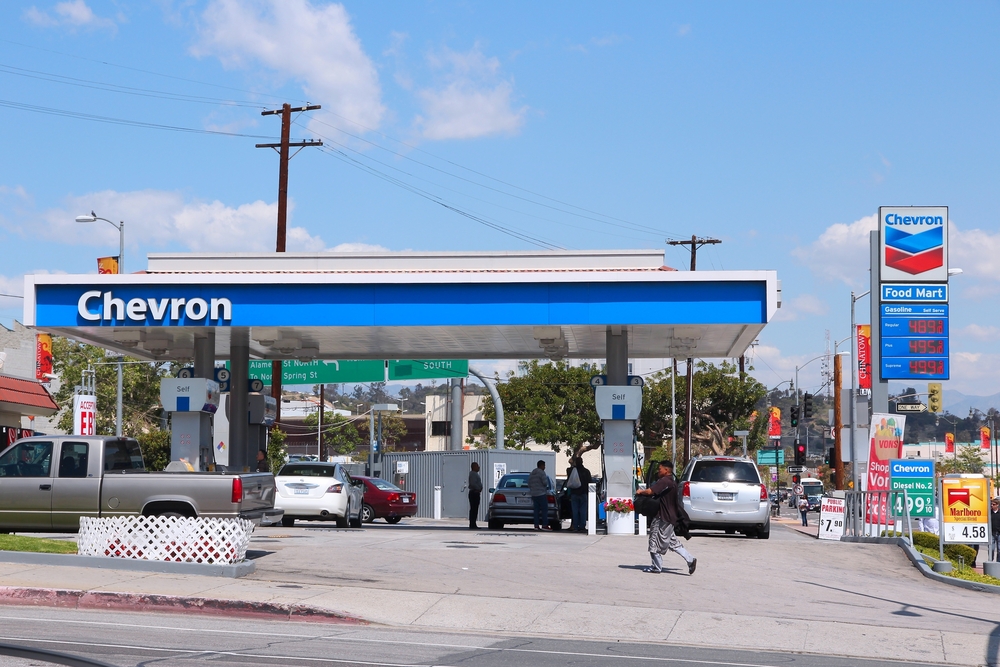
Jim Cramer Discusses Chevron Stock Outlook Amid Global Energy Disruption
- Market Reaction: Since the 13th, Chevron (NYSE:CVX) shares have declined by 1.9%, reflecting market concerns over the duration of the conflict in Iran, which heightens investor sensitivity to oil price volatility and may impact the company's short-term performance.
- Analyst Rating: RBC Capital raised Chevron's price target from $200 to $220 while maintaining an Outperform rating, indicating analysts' confidence in the company's future performance, particularly against the backdrop of an improved commodity price outlook.
- Operational Challenges: Jim Cramer noted that despite disruptions in the global energy market, there has been no significant pickup in operations in the Permian Basin, as oil companies remain cautious about market prospects, potentially limiting Chevron's long-term growth potential.
- Investment Advice: Cramer emphasized that despite the risks, he still recommends investors consider buying Chevron stock, believing that the current market environment presents opportunities for long-term investment, especially with the potential for rising oil prices.
See More

Strait of Hormuz Energy Transit Restrictions Reimposed
- Hope for Transit Resumption Fades: Following Iranian Foreign Minister Abbas Araghchi's announcement of the Strait being 'completely open', several tankers attempted to transit but were intercepted by Iranian naval forces, indicating a sharp deterioration in the situation.
- Global Energy Supply Disrupted: The strait carries about one-fifth of global LNG supplies, and Iran's sudden reversal forced multiple LNG tankers loaded in Qatar to turn back or idle, severely impacting energy supply chains.
- Market Uncertainty Intensifies: U.S. President Trump reaffirmed that the naval blockade on Iranian ports would remain, which Iran viewed as a breach of the truce, further exacerbating market volatility and uncertainty.
- High-Risk Status Persists: Insurance providers remain cautious due to ongoing threats of attacks, mines, and interceptions, maintaining the 'high-risk' status of the strait and leaving global energy markets in a state of profound uncertainty.
See More

Middle East Conflict Drives Oil Prices Higher, Benefiting Energy Stocks

- Chevron's Benefit from Rising Oil Prices: The geopolitical conflict in the Middle East has pushed oil prices higher, benefiting Chevron with a dividend yield of 3.7%, significantly above the industry average of 2.3%, which is expected to enhance its revenue and profit, thereby boosting investor confidence.
- Stability of Enterprise Products and Enbridge: Both Enterprise Products Partners and Enbridge operate midstream businesses that are less affected by oil price fluctuations, with Enterprise boasting a 5.8% dividend yield and a 27-year history of increasing distributions, showcasing its strong financial stability.
- Future of Clean Energy: NextEra Energy's dual focus on regulated electric utility and clean energy positions it well for growth, with projected dividend growth of 10% by 2026, making it attractive to renewable energy investors despite its current yield of 2.7%.
- Critical Nature of Global Energy Demand: The Middle East conflict underscores the world's reliance on energy, prompting investors to consider stable dividend stocks like Chevron, midstream companies like Enterprise and Enbridge, or the future-focused clean energy leader NextEra Energy.
See More
Chevron: A Robust Choice in Energy Stocks
- Dividend Appeal: Chevron's 3.8% dividend yield significantly surpasses the S&P 500's 1.1%, making it an attractive long-term hold for income-seeking investors, especially in a volatile market.
- Financial Strength: With a debt-to-equity ratio of approximately 0.25, Chevron demonstrates robust financial flexibility, allowing it to sustain operations and dividends during periods of low oil prices, which is crucial in the historically volatile energy sector.
- Diversification Strategy: By integrating upstream, downstream, and midstream assets, Chevron not only capitalizes on rising oil prices but also mitigates losses during downturns, ensuring stability throughout the energy cycle.
- Market Outlook: Despite high current oil prices, Chevron's business model positions it competitively for future market fluctuations, attracting long-term investors to its potential growth opportunities.
See More
S&P 500 Hits Record High, Yet PE Ratio Declines
- PE Compression: Despite the S&P 500 reaching an all-time high, the price-to-earnings (PE) ratio has declined from above 23 in October to around 22 over the past six months, indicating cautious investor sentiment regarding future earnings expectations.
- Profit Drivers: The current decline in PE ratios is heavily reliant on the artificial intelligence infrastructure boom and war-related energy gains, both of which face sustainability challenges that could lead to market volatility.
- Diverging Investor Views: Some analysts argue that valuations for AI-linked companies, particularly data center suppliers, are finally becoming justified, with PEG ratios at their most attractive levels since 2013, while others caution that this growth may be temporary.
- Geopolitical Risks: The energy sector has seen profit forecasts rise due to the conflict in Iran, yet as demonstrated by recent volatility in the Strait of Hormuz, this sector remains highly sensitive to geopolitical developments, potentially impacting future earnings stability.
See More
Escalating Geopolitical Tensions in the Middle East
- Strait of Hormuz Closure: The IRGC's abrupt reversal of the Strait's reopening, just hours after Foreign Minister Abbas Araghchi's announcement, highlights significant internal rifts between Iran's government and military, posing major risks to energy transport.
- Escalation of Military Actions: IRGC gunboats reportedly fired on commercial vessels near the Omani coast, issuing radio warnings that effectively shut down unauthorized traffic, further escalating regional tensions and impacting global energy market stability.
- Intensifying Power Struggle: Following Supreme Leader Khamenei's death, Iran's internal power struggles have intensified, with the absence of centralized authority emboldening hard-liners to operate more autonomously under the
See More
Jim Cramer Discusses Chevron Stock Outlook Amid Global Energy Disruption
- Market Reaction: Since the 13th, Chevron (NYSE:CVX) shares have declined by 1.9%, reflecting market concerns over the duration of the conflict in Iran, which heightens investor sensitivity to oil price volatility and may impact the company's short-term performance.
- Analyst Rating: RBC Capital raised Chevron's price target from $200 to $220 while maintaining an Outperform rating, indicating analysts' confidence in the company's future performance, particularly against the backdrop of an improved commodity price outlook.
- Operational Challenges: Jim Cramer noted that despite disruptions in the global energy market, there has been no significant pickup in operations in the Permian Basin, as oil companies remain cautious about market prospects, potentially limiting Chevron's long-term growth potential.
- Investment Advice: Cramer emphasized that despite the risks, he still recommends investors consider buying Chevron stock, believing that the current market environment presents opportunities for long-term investment, especially with the potential for rising oil prices.
See More
Strait of Hormuz Energy Transit Restrictions Reimposed
- Hope for Transit Resumption Fades: Following Iranian Foreign Minister Abbas Araghchi's announcement of the Strait being 'completely open', several tankers attempted to transit but were intercepted by Iranian naval forces, indicating a sharp deterioration in the situation.
- Global Energy Supply Disrupted: The strait carries about one-fifth of global LNG supplies, and Iran's sudden reversal forced multiple LNG tankers loaded in Qatar to turn back or idle, severely impacting energy supply chains.
- Market Uncertainty Intensifies: U.S. President Trump reaffirmed that the naval blockade on Iranian ports would remain, which Iran viewed as a breach of the truce, further exacerbating market volatility and uncertainty.
- High-Risk Status Persists: Insurance providers remain cautious due to ongoing threats of attacks, mines, and interceptions, maintaining the 'high-risk' status of the strait and leaving global energy markets in a state of profound uncertainty.
See More
Middle East Conflict Drives Oil Prices Higher, Benefiting Energy Stocks
- Chevron's Benefit from Rising Oil Prices: The geopolitical conflict in the Middle East has pushed oil prices higher, benefiting Chevron with a dividend yield of 3.7%, significantly above the industry average of 2.3%, which is expected to enhance its revenue and profit, thereby boosting investor confidence.
- Stability of Enterprise Products and Enbridge: Both Enterprise Products Partners and Enbridge operate midstream businesses that are less affected by oil price fluctuations, with Enterprise boasting a 5.8% dividend yield and a 27-year history of increasing distributions, showcasing its strong financial stability.
- Future of Clean Energy: NextEra Energy's dual focus on regulated electric utility and clean energy positions it well for growth, with projected dividend growth of 10% by 2026, making it attractive to renewable energy investors despite its current yield of 2.7%.
- Critical Nature of Global Energy Demand: The Middle East conflict underscores the world's reliance on energy, prompting investors to consider stable dividend stocks like Chevron, midstream companies like Enterprise and Enbridge, or the future-focused clean energy leader NextEra Energy.
See More