Redwood Capital Increases Stake in Molina Healthcare

- Stake Increase: Redwood Capital increased its stake in Molina Healthcare by 51,600 shares in Q4 2026, valued at approximately $8.48 million, indicating confidence in the company despite a 53% decline in its stock price over the past year.
- Holding Position: Following this purchase, Redwood's total holdings in Molina Healthcare reached 110,000 shares, with a quarter-end value of $19.09 million, representing about 2% of Redwood's reportable U.S. equity assets.
- Financial Performance: Despite generating over $45 billion in revenue last year, Molina Healthcare's profitability sharply declined, with adjusted EPS falling to just over $11 from $22.65 the previous year due to rising medical costs and unfavorable contract dynamics.
- Market Outlook: The market anticipates a 2% decline in Molina's premium revenue for 2026, projected at around $42 billion; however, if cost pressures ease, this could present a turnaround opportunity for investors looking for defensive, policy-driven investments.
Trade with 70% Backtested Accuracy
Analyst Views on MOH

About MOH
About the author


Wall Street Earnings Season Faces Major Test

- Earnings Season Significance: Wall Street is set for a packed earnings season featuring key companies like Capital One and Boeing, with investors eager to glean insights into the economic impact of the Iran war from these reports.
- Capital One Performance Focus: Capital One is scheduled to report earnings on Tuesday, with market attention on its consumer health metrics and the progress of its acquisitions of Discover and Brex, particularly amid rising economic uncertainties.
- Boeing Earnings Outlook: Boeing is expected to release its earnings report on Wednesday, with market focus on order volumes in both its commercial and defense sectors, as well as free cash flow performance, especially after previous unexpected losses.
- GE Vernova Order Growth: GE Vernova will report alongside Boeing, with first-quarter new orders anticipated to reach $14.4 billion, reflecting a 65% year-over-year increase, indicating strong market performance amid rising electricity demand.

US Stocks Decline as Oil Prices Surge Amid Iran Tensions


- Market Decline: The S&P 500 index fell by 0.63%, the Dow Jones Industrial Average dropped by 0.66%, and the Nasdaq 100 index decreased by 0.78%, reflecting investor concerns over geopolitical tensions, particularly the escalating situation in Iran that could impact market stability.
- Surge in Oil Prices: Crude oil prices rose over 2% to a four-week high, with the market closely watching diplomatic efforts ahead of President Trump's deadline, as failure to reach a ceasefire could lead to escalated conflict and further inflationary pressures.
- Supportive Economic Data: February's non-defense capital goods new orders increased by 0.6% month-over-month, surpassing expectations of 0.5%, indicating a rebound in capital spending, although overall market sentiment remains influenced by oil prices and geopolitical factors.
- Interest Rate Expectations Shift: The market is pricing in only a 3% chance of a 25 basis point rate hike by the Fed at the April meeting, reflecting cautious investor sentiment regarding economic outlook, especially in light of rising oil prices potentially driving inflation.

Humana Rises 10.4%, CVS Health Increases by 5.5%, UnitedHealth Group Gains 9.5%


Human Health Increase: Human health metrics have seen an increase of 10.4%.
CVS Health Growth: CVS Health reported a growth of 5.5%.
United Health Group Performance: United Health Group experienced a growth of 9.5%.
Overall Health Sector Trends: The health sector is showing positive growth trends across major companies.
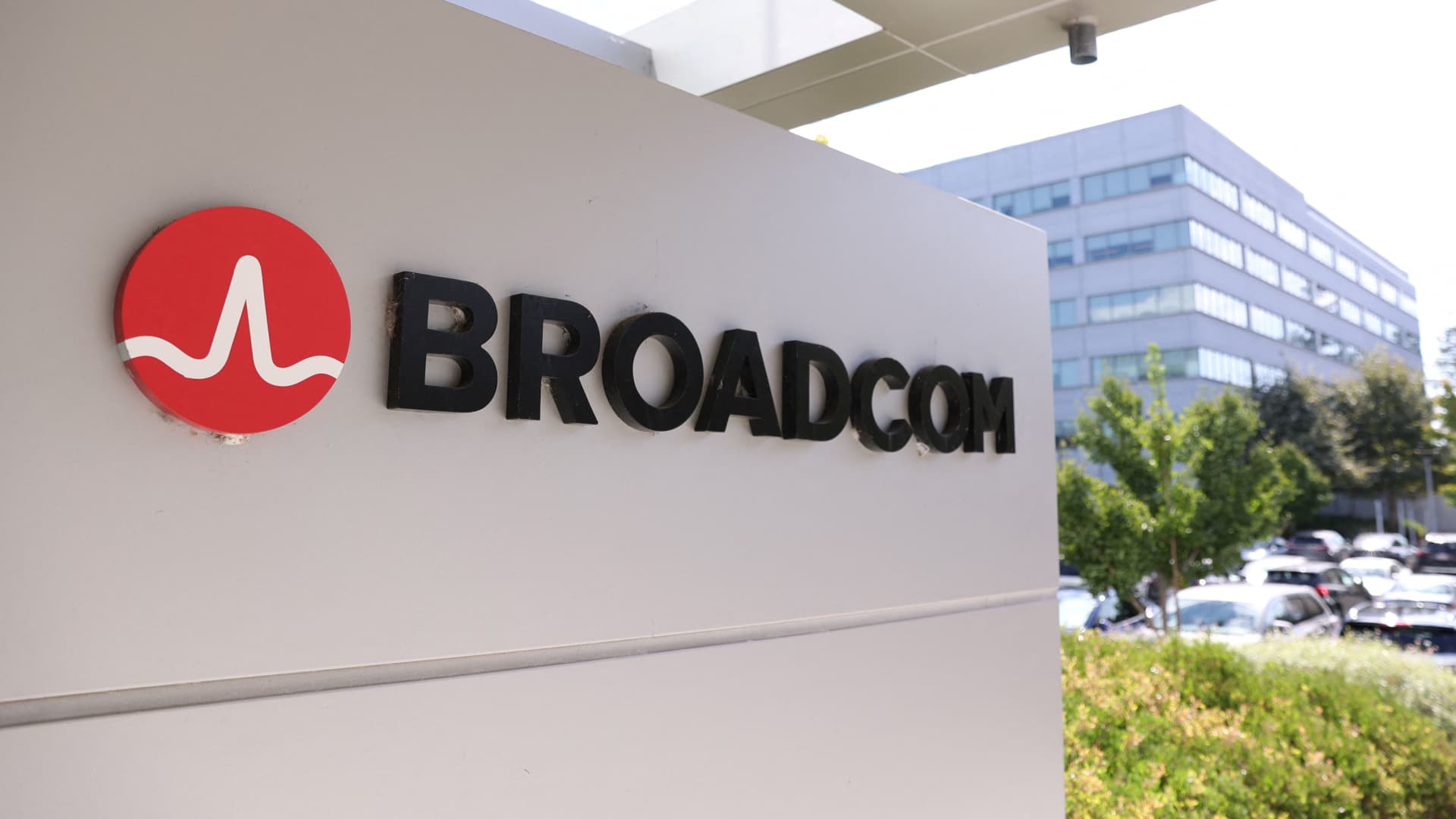
Broadcom Partners with Google for AI Chip Supply Agreement

- AI Chip Supply Agreement: Broadcom has entered into an agreement to supply AI chips to Google and signed an expanded deal with Anthropic to provide approximately 3.5 gigawatts of computing capacity, which is expected to significantly enhance Google's competitive edge in the AI sector.
- Stock Price Reaction: Broadcom shares rose by 3%, while Alphabet's shares increased slightly by 0.2%, reflecting the market's positive outlook on the collaboration and its potential to drive future technological innovations and market share growth.
- S&P 500 Component Change: Casey's General Stores will replace Hologic in the S&P 500 prior to Thursday's open, with Casey's shares rising about 1%, while Hologic's shares were halted due to the completion of its acquisition by Blackstone and TPG Global, indicating increased market confidence in Casey's.
- Medicare Payment Increase: Healthcare stocks surged as the Center for Medicare & Medicaid Services finalized a payment increase for privately run Medicare Advantage plans, with Humana's shares soaring nearly 10%, UnitedHealth rising 6%, and CVS Health advancing nearly 7%, signaling optimistic sentiment towards the healthcare insurance sector.

ELEVANCE HEALTH RISES 6%, MOLINA HEALTHCARE INCREASES 4%, CENTENE GROWS 4.2%

ELEVANCE Health Growth: ELEVANCE Health reported a 6% increase in its performance metrics.
Molina Healthcare Performance: Molina Healthcare experienced a 4% rise in its health care services.
Centene Corporation Update: Centene Corporation saw a growth of 4.2% in its health care operations.
Overall Industry Trends: The health care sector is showing positive growth trends across multiple companies.
Humana Rises 10.2%, CVS Health Increases by 6.3%, UnitedHealth Group Gains 6.8%
Human Health Increase: Human health metrics have shown an increase of 10.2%.
CVS Health Growth: CVS Health reported a growth of 6.3%.
United Health Group Performance: United Health Group experienced a rise of 6.8%.
Overall Health Sector Trends: The health sector is witnessing positive growth across various companies.
Wall Street Earnings Season Faces Major Test
- Earnings Season Significance: Wall Street is set for a packed earnings season featuring key companies like Capital One and Boeing, with investors eager to glean insights into the economic impact of the Iran war from these reports.
- Capital One Performance Focus: Capital One is scheduled to report earnings on Tuesday, with market attention on its consumer health metrics and the progress of its acquisitions of Discover and Brex, particularly amid rising economic uncertainties.
- Boeing Earnings Outlook: Boeing is expected to release its earnings report on Wednesday, with market focus on order volumes in both its commercial and defense sectors, as well as free cash flow performance, especially after previous unexpected losses.
- GE Vernova Order Growth: GE Vernova will report alongside Boeing, with first-quarter new orders anticipated to reach $14.4 billion, reflecting a 65% year-over-year increase, indicating strong market performance amid rising electricity demand.
US Stocks Decline as Oil Prices Surge Amid Iran Tensions
- Market Decline: The S&P 500 index fell by 0.63%, the Dow Jones Industrial Average dropped by 0.66%, and the Nasdaq 100 index decreased by 0.78%, reflecting investor concerns over geopolitical tensions, particularly the escalating situation in Iran that could impact market stability.
- Surge in Oil Prices: Crude oil prices rose over 2% to a four-week high, with the market closely watching diplomatic efforts ahead of President Trump's deadline, as failure to reach a ceasefire could lead to escalated conflict and further inflationary pressures.
- Supportive Economic Data: February's non-defense capital goods new orders increased by 0.6% month-over-month, surpassing expectations of 0.5%, indicating a rebound in capital spending, although overall market sentiment remains influenced by oil prices and geopolitical factors.
- Interest Rate Expectations Shift: The market is pricing in only a 3% chance of a 25 basis point rate hike by the Fed at the April meeting, reflecting cautious investor sentiment regarding economic outlook, especially in light of rising oil prices potentially driving inflation.
Humana Rises 10.4%, CVS Health Increases by 5.5%, UnitedHealth Group Gains 9.5%
Human Health Increase: Human health metrics have seen an increase of 10.4%.
CVS Health Growth: CVS Health reported a growth of 5.5%.
United Health Group Performance: United Health Group experienced a growth of 9.5%.
Overall Health Sector Trends: The health sector is showing positive growth trends across major companies.
Broadcom Partners with Google for AI Chip Supply Agreement
- AI Chip Supply Agreement: Broadcom has entered into an agreement to supply AI chips to Google and signed an expanded deal with Anthropic to provide approximately 3.5 gigawatts of computing capacity, which is expected to significantly enhance Google's competitive edge in the AI sector.
- Stock Price Reaction: Broadcom shares rose by 3%, while Alphabet's shares increased slightly by 0.2%, reflecting the market's positive outlook on the collaboration and its potential to drive future technological innovations and market share growth.
- S&P 500 Component Change: Casey's General Stores will replace Hologic in the S&P 500 prior to Thursday's open, with Casey's shares rising about 1%, while Hologic's shares were halted due to the completion of its acquisition by Blackstone and TPG Global, indicating increased market confidence in Casey's.
- Medicare Payment Increase: Healthcare stocks surged as the Center for Medicare & Medicaid Services finalized a payment increase for privately run Medicare Advantage plans, with Humana's shares soaring nearly 10%, UnitedHealth rising 6%, and CVS Health advancing nearly 7%, signaling optimistic sentiment towards the healthcare insurance sector.
ELEVANCE HEALTH RISES 6%, MOLINA HEALTHCARE INCREASES 4%, CENTENE GROWS 4.2%
ELEVANCE Health Growth: ELEVANCE Health reported a 6% increase in its performance metrics.
Molina Healthcare Performance: Molina Healthcare experienced a 4% rise in its health care services.
Centene Corporation Update: Centene Corporation saw a growth of 4.2% in its health care operations.
Overall Industry Trends: The health care sector is showing positive growth trends across multiple companies.
Humana Rises 10.2%, CVS Health Increases by 6.3%, UnitedHealth Group Gains 6.8%
Human Health Increase: Human health metrics have shown an increase of 10.2%.
CVS Health Growth: CVS Health reported a growth of 6.3%.
United Health Group Performance: United Health Group experienced a rise of 6.8%.
Overall Health Sector Trends: The health sector is witnessing positive growth across various companies.