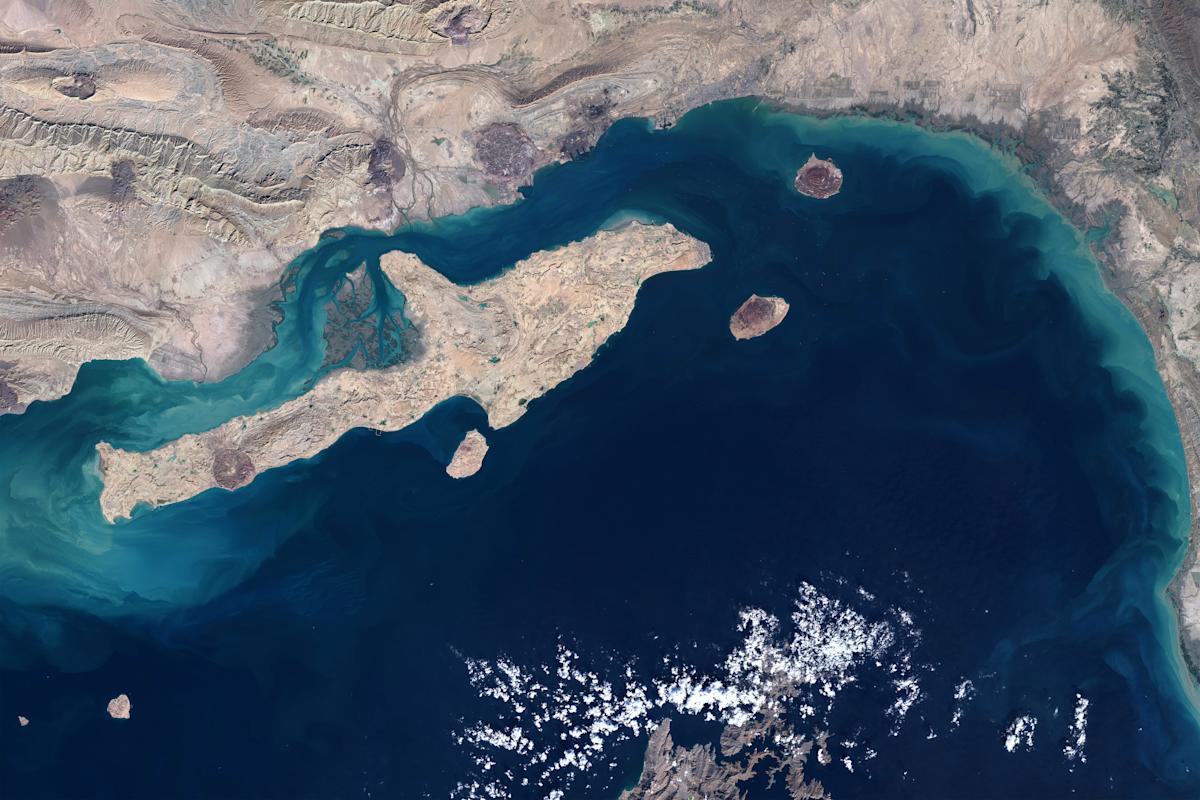
Middle East Conflict Impacts Asian Markets
Written by Emily J. Thompson, Senior Investment Analyst
Updated: 6 days ago
0mins


Source: CNBC
- Market Reaction: Japan's Nikkei 225 rose by 0.62% and South Korea's Kospi increased by 1.8%, indicating investor sensitivity to the Middle East situation, even as most Asian markets were closed for holidays.
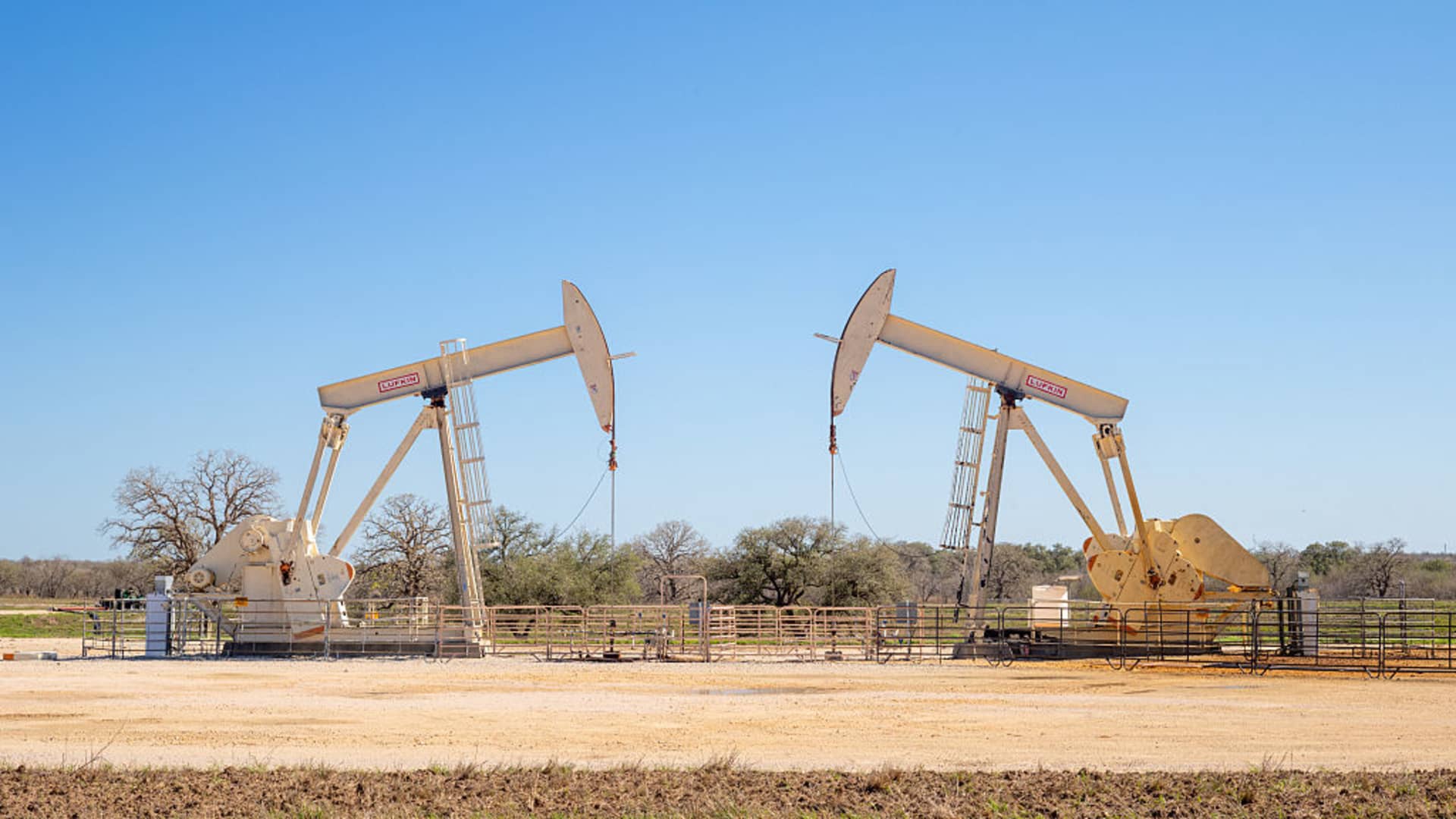
- Oil Price Fluctuations: U.S. West Texas Intermediate prices increased by 2.57% to $114.11 per barrel, while the international benchmark Brent crude rose by 2.62%, reflecting market concerns about the Middle East conflict and its potential impact on global supply.
- Trump's Threats: President Trump issued threats to attack Iran's power plants and civilian infrastructure starting Tuesday if Tehran fails to fully reopen the Strait of Hormuz, a move that could escalate regional tensions.
- OPEC Production Increase: The Organization of the Petroleum Exporting Countries and allies raised their production quotas by 206,000 barrels per day for May, although this move appeared largely symbolic due to shipping constraints caused by the ongoing war.
Trade with 70% Backtested Accuracy
Stop guessing "Should I Buy MPC?" and start using high-conviction signals backed by rigorous historical data.
Sign up today to access powerful investing tools and make smarter, data-driven decisions.
Analyst Views on MPC
Wall Street analysts forecast MPC stock price to fall
14 Analyst Rating
9 Buy
5 Hold
0 Sell
Moderate Buy
Current: 223.520

Low
184.00
Averages
201.50
High
213.00
Current: 223.520
Low
184.00
Averages
201.50
High
213.00
About MPC
Marathon Petroleum Corporation is an integrated, downstream energy company. The Company’s segments include Refining & Marketing, Midstream and Renewable Diesel. The Refining & Marketing segment refines crude oil and other feedstocks at its refineries in the Gulf Coast, Mid-Continent and West Coast regions of the United States. It sells refined products to wholesale marketing customers domestically and internationally, to buyers on the spot market, and to independent entrepreneurs who operate primarily Marathon branded outlets. The Midstream segment gathers, transports, stores and distributes crude oil, refined products, including renewable diesel, and other hydrocarbon-based products, principally for the Refining & Marketing segment via refining logistics assets, pipelines, terminals, and others. The Renewable Diesel segment processes renewable feedstocks into renewable diesel, markets renewable diesel and distributes renewable products through its Midstream segment and third parties.
About the author

Emily J. Thompson
Emily J. Thompson, a Chartered Financial Analyst (CFA) with 12 years in investment research, graduated with honors from the Wharton School. Specializing in industrial and technology stocks, she provides in-depth analysis for Intellectia’s earnings and market brief reports.
Middle East Conflict Threatens Global Economy


- Escalating Middle East Tensions: The war initiated by the U.S. and Israel against Iran has spread throughout the Middle East, threatening global economic stability, particularly impacting Lebanon and Gulf energy exporters.
- Strait of Hormuz Closure: Despite a fragile two-week ceasefire between the U.S. and Iran, traffic through the Strait of Hormuz remains largely restricted, affecting global energy supply and contributing to rising oil prices.
- Oil Price Fluctuations: As of 8:41 p.m. ET, West Texas Intermediate (WTI) rose by 0.69% to $98.55 per barrel, while Brent crude increased by 0.91% to $95.92 per barrel, reflecting market sensitivity to the Middle East situation.
- Japan's Oil Reserve Release Plan: Japan plans to release 20 days' worth of oil reserves starting in May, with current reserves sufficient for 230 days, aiming to alleviate energy supply pressures caused by the Middle East conflict.
See More
Fragile Truce Leaves Strait of Hormuz Traffic Uncertain


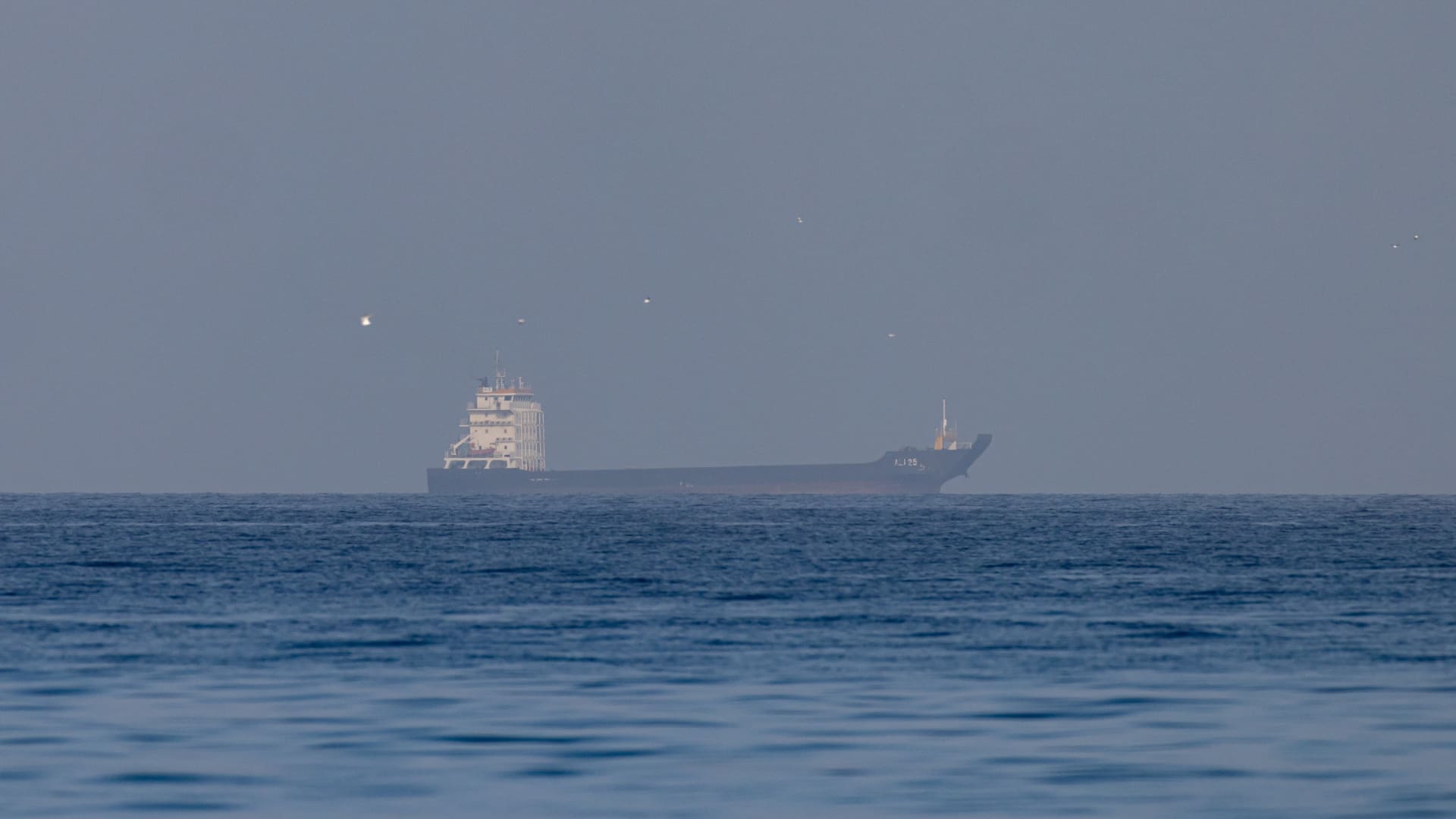
- Slow Recovery: Despite a fragile ceasefire between the U.S. and Iran, traffic through the Strait of Hormuz remains stagnant, with only four transits recorded on Wednesday, indicating a lack of market confidence that could prolong global energy supply issues.
- Vessels Anchored: Over 400 oil tankers and dozens of LNG carriers are still anchored outside the Gulf, awaiting passage signals, which suggests that transit capacity has not returned to pre-war levels, impacting the stability of the global energy market.
- Risk Assessment Impact: Hapag-Lloyd states that returning to normal shipping schedules will take weeks or even months, as hundreds of thousands of containers remain at ports, highlighting the industry's uncertainty about future transport arrangements and potential cost increases.
- Market Dynamics Shift: Analysts note that while oil prices have dropped from $110 to $97, they are expected to remain above pre-war levels due to supply disruptions, reflecting the market's reliance on the Strait of Hormuz and its associated risks.
See More

Global Stock Markets Surge on Iran Ceasefire Agreement


- Market Sentiment Rebound: Global stock markets surged on Wednesday as the US and Iran agreed to a two-week ceasefire, with the S&P 500 rising 2.51%, the Dow Jones up 2.85%, and the Nasdaq 100 increasing by 2.90%, reflecting a positive market response to easing geopolitical tensions.
- Crude Oil Price Plunge: The ceasefire news led to a more than 15% drop in crude oil prices to a 1.5-week low, alleviating inflation concerns and sparking a rally in global government bond markets, with the German 10-year Bund yield falling to a 3-week low, indicating a more optimistic outlook for the economy.
- Fed Policy Expectations: Although the market discounts only a 1% chance of a 25 bp rate hike at the upcoming April 28-29 FOMC meeting, the minutes from the March FOMC indicated heightened concerns among participants regarding upside risks to inflation and downside risks to employment, suggesting a more cautious approach to future monetary policy.
- Strong Tech Stock Performance: Chipmakers and AI infrastructure stocks saw significant gains on Wednesday, with Intel rising over 11%, driving the Nasdaq 100's increase, highlighting the tech sector's crucial role in the market recovery and further boosting investor confidence in technology stocks.
See More
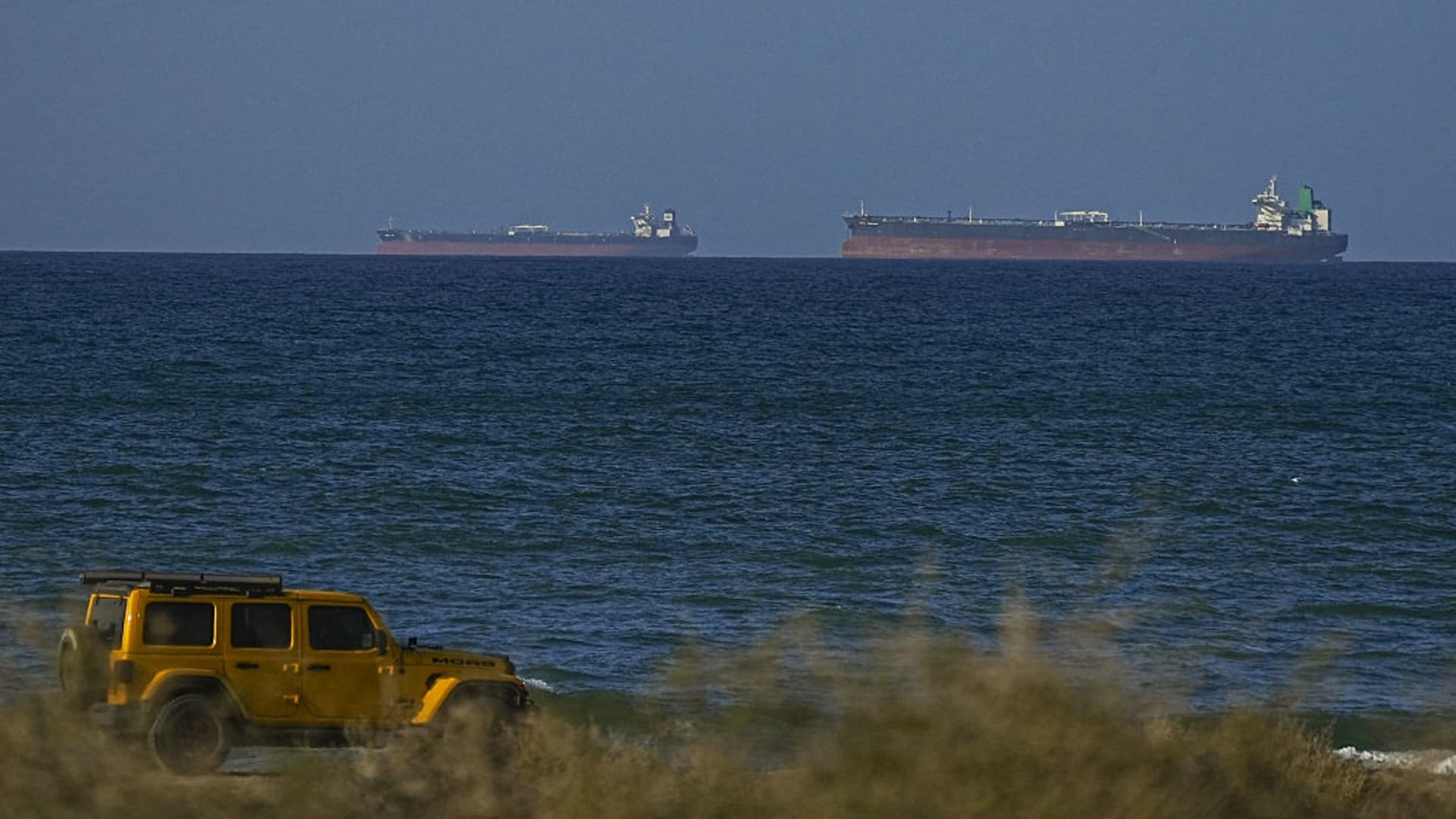
Spot Crude Prices Surge Amid Supply Disruptions

- Surge in Spot Prices: On Wednesday, the spot price for Brent crude reached $124.68 per barrel, indicating that despite the ceasefire agreement between the U.S. and Iran, significant supply disruptions persist, leading to tight oil supplies in the coming weeks.
- Futures vs. Spot Discrepancy: The spot price is nearly $30 higher than the June futures contract, which closed at $94.75 on Wednesday, suggesting that market concerns about short-term supply far exceed long-term expectations, potentially leading to increased price volatility.
- Middle East Production Constraints: Middle Eastern oil producers have shut down 13 million barrels per day due to a sharp decline in tanker traffic through the Strait of Hormuz, exacerbating supply tightness in the market, with recovery unlikely in the short term.
- Production Recovery Timeline: Experts estimate that restoring production capacity could take up to five months, particularly as Kuwait's pre-war output was 2.6 million barrels per day, with the timeline for returning to pre-war levels contingent on the durability of the ceasefire agreement.
See More

Oil Prices Drop, Potential Relief at the Pump
- Oil Price Decline: Oil prices plummeted on Wednesday following a two-week ceasefire agreement between the U.S. and Iran, with West Texas Intermediate crude futures dropping from nearly $113 to about $95, and Brent crude futures falling from $109 to $95, indicating potential relief for consumers at the gas pump.
- Gas Price Expectations: Analysts predict that gas prices may decrease by 10 to 20 cents per gallon over the next few weeks due to the ceasefire, although this forecast hinges on the ceasefire's durability; if tensions escalate, prices could spike again.
- Market Response: The national average gas price was reported at $4.16 per gallon on Wednesday, up from just under $3 before the Iran conflict began on February 28, and significantly higher than the $5.01 peak in June 2022 due to supply disruptions, reflecting the market's sensitivity to oil price fluctuations.
- Supply Chain Challenges: While the ceasefire may lead to increased oil supply, analysts caution that prices are unlikely to return to pre-conflict levels due to heightened geopolitical risks in the Middle East, compounded by seasonal demand increases during summer, which could further pressure gas prices.
See More

U.S. Violates Ceasefire Agreement, Escalating Tensions

- Ceasefire Agreement Violated: Iranian parliamentary speaker Ghalibaf accused the U.S. of violating the two-week ceasefire agreement, stating that the U.S.'s repeated breaches of commitments have deepened historical distrust, complicating future negotiation prospects.
- Specific Violations Identified: Ghalibaf highlighted three breaches of the ceasefire proposal, including Israel's ongoing attacks on Lebanon, a drone entering Iranian airspace, and the denial of Iran's right to enrich uranium, rendering bilateral ceasefire or negotiations unreasonable.
- Oil Price Volatility: Despite the fragile ceasefire, U.S. oil prices fell over 15% to nearly $95 per barrel by 2:59 PM ET, reflecting market concerns over instability that could lead to further disruptions in global oil supply.
- Strait of Hormuz Dispute: Trump stated that the ceasefire requires the complete and safe opening of the Strait of Hormuz, while Iran plans to impose tolls on passing ships, exacerbating tensions and affecting global tanker traffic through this vital route.
See More
Middle East Conflict Threatens Global Economy
- Escalating Middle East Tensions: The war initiated by the U.S. and Israel against Iran has spread throughout the Middle East, threatening global economic stability, particularly impacting Lebanon and Gulf energy exporters.
- Strait of Hormuz Closure: Despite a fragile two-week ceasefire between the U.S. and Iran, traffic through the Strait of Hormuz remains largely restricted, affecting global energy supply and contributing to rising oil prices.
- Oil Price Fluctuations: As of 8:41 p.m. ET, West Texas Intermediate (WTI) rose by 0.69% to $98.55 per barrel, while Brent crude increased by 0.91% to $95.92 per barrel, reflecting market sensitivity to the Middle East situation.
- Japan's Oil Reserve Release Plan: Japan plans to release 20 days' worth of oil reserves starting in May, with current reserves sufficient for 230 days, aiming to alleviate energy supply pressures caused by the Middle East conflict.
See More
Fragile Truce Leaves Strait of Hormuz Traffic Uncertain
- Slow Recovery: Despite a fragile ceasefire between the U.S. and Iran, traffic through the Strait of Hormuz remains stagnant, with only four transits recorded on Wednesday, indicating a lack of market confidence that could prolong global energy supply issues.
- Vessels Anchored: Over 400 oil tankers and dozens of LNG carriers are still anchored outside the Gulf, awaiting passage signals, which suggests that transit capacity has not returned to pre-war levels, impacting the stability of the global energy market.
- Risk Assessment Impact: Hapag-Lloyd states that returning to normal shipping schedules will take weeks or even months, as hundreds of thousands of containers remain at ports, highlighting the industry's uncertainty about future transport arrangements and potential cost increases.
- Market Dynamics Shift: Analysts note that while oil prices have dropped from $110 to $97, they are expected to remain above pre-war levels due to supply disruptions, reflecting the market's reliance on the Strait of Hormuz and its associated risks.
See More
Global Stock Markets Surge on Iran Ceasefire Agreement
- Market Sentiment Rebound: Global stock markets surged on Wednesday as the US and Iran agreed to a two-week ceasefire, with the S&P 500 rising 2.51%, the Dow Jones up 2.85%, and the Nasdaq 100 increasing by 2.90%, reflecting a positive market response to easing geopolitical tensions.
- Crude Oil Price Plunge: The ceasefire news led to a more than 15% drop in crude oil prices to a 1.5-week low, alleviating inflation concerns and sparking a rally in global government bond markets, with the German 10-year Bund yield falling to a 3-week low, indicating a more optimistic outlook for the economy.
- Fed Policy Expectations: Although the market discounts only a 1% chance of a 25 bp rate hike at the upcoming April 28-29 FOMC meeting, the minutes from the March FOMC indicated heightened concerns among participants regarding upside risks to inflation and downside risks to employment, suggesting a more cautious approach to future monetary policy.
- Strong Tech Stock Performance: Chipmakers and AI infrastructure stocks saw significant gains on Wednesday, with Intel rising over 11%, driving the Nasdaq 100's increase, highlighting the tech sector's crucial role in the market recovery and further boosting investor confidence in technology stocks.
See More
Spot Crude Prices Surge Amid Supply Disruptions
- Surge in Spot Prices: On Wednesday, the spot price for Brent crude reached $124.68 per barrel, indicating that despite the ceasefire agreement between the U.S. and Iran, significant supply disruptions persist, leading to tight oil supplies in the coming weeks.
- Futures vs. Spot Discrepancy: The spot price is nearly $30 higher than the June futures contract, which closed at $94.75 on Wednesday, suggesting that market concerns about short-term supply far exceed long-term expectations, potentially leading to increased price volatility.
- Middle East Production Constraints: Middle Eastern oil producers have shut down 13 million barrels per day due to a sharp decline in tanker traffic through the Strait of Hormuz, exacerbating supply tightness in the market, with recovery unlikely in the short term.
- Production Recovery Timeline: Experts estimate that restoring production capacity could take up to five months, particularly as Kuwait's pre-war output was 2.6 million barrels per day, with the timeline for returning to pre-war levels contingent on the durability of the ceasefire agreement.
See More
Oil Prices Drop, Potential Relief at the Pump
- Oil Price Decline: Oil prices plummeted on Wednesday following a two-week ceasefire agreement between the U.S. and Iran, with West Texas Intermediate crude futures dropping from nearly $113 to about $95, and Brent crude futures falling from $109 to $95, indicating potential relief for consumers at the gas pump.
- Gas Price Expectations: Analysts predict that gas prices may decrease by 10 to 20 cents per gallon over the next few weeks due to the ceasefire, although this forecast hinges on the ceasefire's durability; if tensions escalate, prices could spike again.
- Market Response: The national average gas price was reported at $4.16 per gallon on Wednesday, up from just under $3 before the Iran conflict began on February 28, and significantly higher than the $5.01 peak in June 2022 due to supply disruptions, reflecting the market's sensitivity to oil price fluctuations.
- Supply Chain Challenges: While the ceasefire may lead to increased oil supply, analysts caution that prices are unlikely to return to pre-conflict levels due to heightened geopolitical risks in the Middle East, compounded by seasonal demand increases during summer, which could further pressure gas prices.
See More
U.S. Violates Ceasefire Agreement, Escalating Tensions
- Ceasefire Agreement Violated: Iranian parliamentary speaker Ghalibaf accused the U.S. of violating the two-week ceasefire agreement, stating that the U.S.'s repeated breaches of commitments have deepened historical distrust, complicating future negotiation prospects.
- Specific Violations Identified: Ghalibaf highlighted three breaches of the ceasefire proposal, including Israel's ongoing attacks on Lebanon, a drone entering Iranian airspace, and the denial of Iran's right to enrich uranium, rendering bilateral ceasefire or negotiations unreasonable.
- Oil Price Volatility: Despite the fragile ceasefire, U.S. oil prices fell over 15% to nearly $95 per barrel by 2:59 PM ET, reflecting market concerns over instability that could lead to further disruptions in global oil supply.
- Strait of Hormuz Dispute: Trump stated that the ceasefire requires the complete and safe opening of the Strait of Hormuz, while Iran plans to impose tolls on passing ships, exacerbating tensions and affecting global tanker traffic through this vital route.
See More