Jim Cramer's Trust Portfolio Trading Update
Written by Emily J. Thompson, Senior Investment Analyst
Updated: Feb 18 2026
0mins


Should l Buy COF?
Source: CNBC
- Capital One Increase: Acquiring 30 shares of Capital One Financial at approximately $208 each raises the weighting in Jim Cramer's Trust to 3.05% from 2.9%, increasing total shares to 580, indicating confidence in the company's growth potential despite risks from proposed interest rate caps.
- Danaher Reduction: Selling 200 shares of Danaher at around $207 each decreases the weighting from 2.1% to 1.05%, realizing a disappointing 9% loss, reflecting concerns over its acquisition of pulse oximetry leader Masimo and a preference for biotech-focused acquisitions.
- Texas Roadhouse Sale: Offloading 200 shares of Texas Roadhouse at about $189 each reduces the weighting to 0.95% from 1.9%, achieving an 8% gain, yet concerns over persistent beef inflation suggest potential earnings misses in upcoming reports.
- Strategic Portfolio Adjustment: By reducing positions in underperforming stocks, Jim Cramer's Trust aims to sidestep potential earnings shortfalls, demonstrating a cautious approach to earnings expectations in the current market climate.
Trade with 70% Backtested Accuracy
Stop guessing "Should I Buy COF?" and start using high-conviction signals backed by rigorous historical data.
Sign up today to access powerful investing tools and make smarter, data-driven decisions.
Analyst Views on COF
Wall Street analysts forecast COF stock price to rise
19 Analyst Rating
16 Buy
3 Hold
0 Sell
Strong Buy
Current: 206.470

Low
256.00
Averages
280.42
High
310.00
Current: 206.470
Low
256.00
Averages
280.42
High
310.00
About COF
Capital One Financial Corporation is a diversified financial services holding company with banking and non-banking subsidiaries. The Company offers a broad spectrum of financial products and services to consumers, small businesses and commercial clients through a variety of channels. It operates through three segments: Credit Card, Consumer Banking and Commercial Banking. The Credit Card segment consists of its domestic consumer and small business card lending, and international card businesses in the United Kingdom and Canada. The Consumer Banking segment consists of its deposit gathering and lending activities for consumers and small businesses, and national auto lending. The Commercial Banking segment consists of its lending, deposit gathering, capital markets and treasury management services to commercial real estate and commercial and industrial customers. Its principal operating subsidiary is Capital One, National Association, which offers banking products and financial services.
About the author

Emily J. Thompson
Emily J. Thompson, a Chartered Financial Analyst (CFA) with 12 years in investment research, graduated with honors from the Wharton School. Specializing in industrial and technology stocks, she provides in-depth analysis for Intellectia’s earnings and market brief reports.
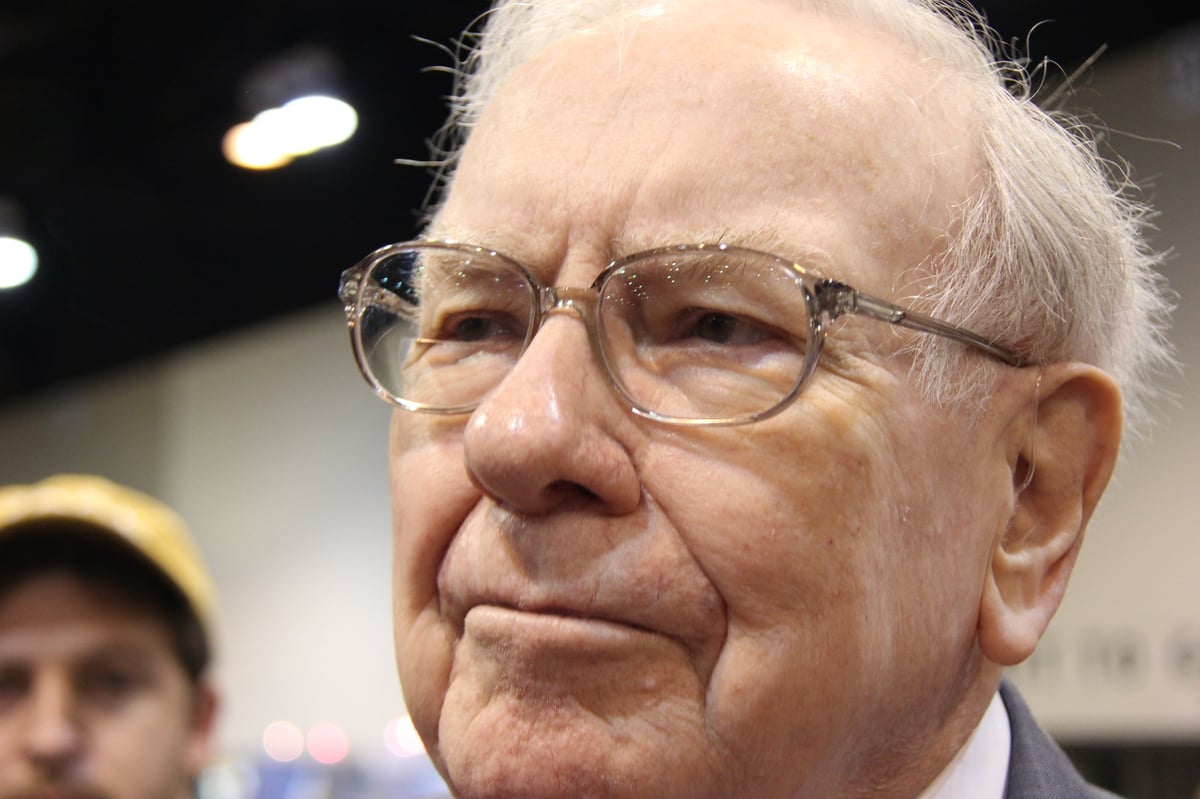
Buffett Retires, Abel Takes Over as CEO of Berkshire Hathaway


- Leadership Transition: Warren Buffett retired on December 31, 2025, with Greg Abel stepping in to manage Berkshire Hathaway's $320 billion investment portfolio, marking a significant new era for the company.
- Investment Concentration: Abel's portfolio is heavily weighted, with 10 core holdings accounting for nearly 79% of assets, including Apple at $60 billion, highlighting the company's focus on high-quality assets and long-term growth potential.
- Sustainable Competitive Advantages: Among the 20 billion-dollar investments Abel oversees, many companies like Visa and Sirius XM operate as legal monopolies, ensuring stable revenue streams and risk resilience, reflecting Berkshire's investment strategy.
- Smaller Holdings Adjustment: Abel also manages 18 relatively smaller investments, with significant reductions like the 77% cut in Amazon's stake, indicating a focus on optimizing the portfolio and potentially paving the way for future trading opportunities.
See More

Warren Buffett Retires, Greg Abel Takes Over as CEO of Berkshire Hathaway
- Leadership Transition: Warren Buffett retired as CEO on December 31, 2025, with Greg Abel taking over the management of a $320 billion investment portfolio, marking a new era for Berkshire Hathaway, although Buffett remains as chairman of the board.
- Investment Philosophy Continuity: Abel shares a similar investment philosophy with Buffett, emphasizing value investing and sustainable competitive advantages, particularly by allocating a significant portion of the company's capital to their best ideas.
- Core Holdings Concentration: The ten core positions account for nearly 79% of Berkshire's invested assets, all of which pay dividends and engage in share repurchases, demonstrating strong capital return capabilities, with Abel's management style reflected in these choices.
- Smaller Investment Dynamics: Abel oversees 18 smaller holdings ranging from $5 million to approximately $692 million, many of which are being reduced or removed from the portfolio, indicating a dynamic adjustment strategy in response to market conditions.
See More

Cash Investments Attract Investors with Diversification Benefits


- Attractive Cash Investments: According to Morningstar, cash-equivalent investments like money market funds have amassed $7.64 trillion in assets, and despite the Federal Reserve's rate cuts last year, the annualized seven-day yield remains solid at 3.45%, allowing investors to de-risk while still achieving decent returns.
- Diversification Benefits: Portfolio strategist Amy Arnott highlighted that cash has had the lowest correlation with stocks over the past three years, outperforming Treasuries, indicating that cash can more effectively mitigate investment portfolio risks, especially during economic fluctuations.
- Bond Market Dynamics: As the Fed began raising rates in 2022, the correlation between stocks and bonds turned positive, leading to bonds failing to act as the stabilizing ballast investors expected, reflecting a decline in market confidence in bonds.
- Income Opportunities: Investors can earn solid income through various means such as money market funds, certificates of deposit, Treasury bills, and high-yield savings accounts, with some online banks like Bread Financial and LendingClub offering attractive 4% annual percentage yields, underscoring the market's focus on cash yields.
See More

Wall Street Earnings Season Faces Major Test


- Earnings Season Significance: Wall Street is set for a packed earnings season featuring key companies like Capital One and Boeing, with investors eager to glean insights into the economic impact of the Iran war from these reports.
- Capital One Performance Focus: Capital One is scheduled to report earnings on Tuesday, with market attention on its consumer health metrics and the progress of its acquisitions of Discover and Brex, particularly amid rising economic uncertainties.
- Boeing Earnings Outlook: Boeing is expected to release its earnings report on Wednesday, with market focus on order volumes in both its commercial and defense sectors, as well as free cash flow performance, especially after previous unexpected losses.
- GE Vernova Order Growth: GE Vernova will report alongside Boeing, with first-quarter new orders anticipated to reach $14.4 billion, reflecting a 65% year-over-year increase, indicating strong market performance amid rising electricity demand.
See More
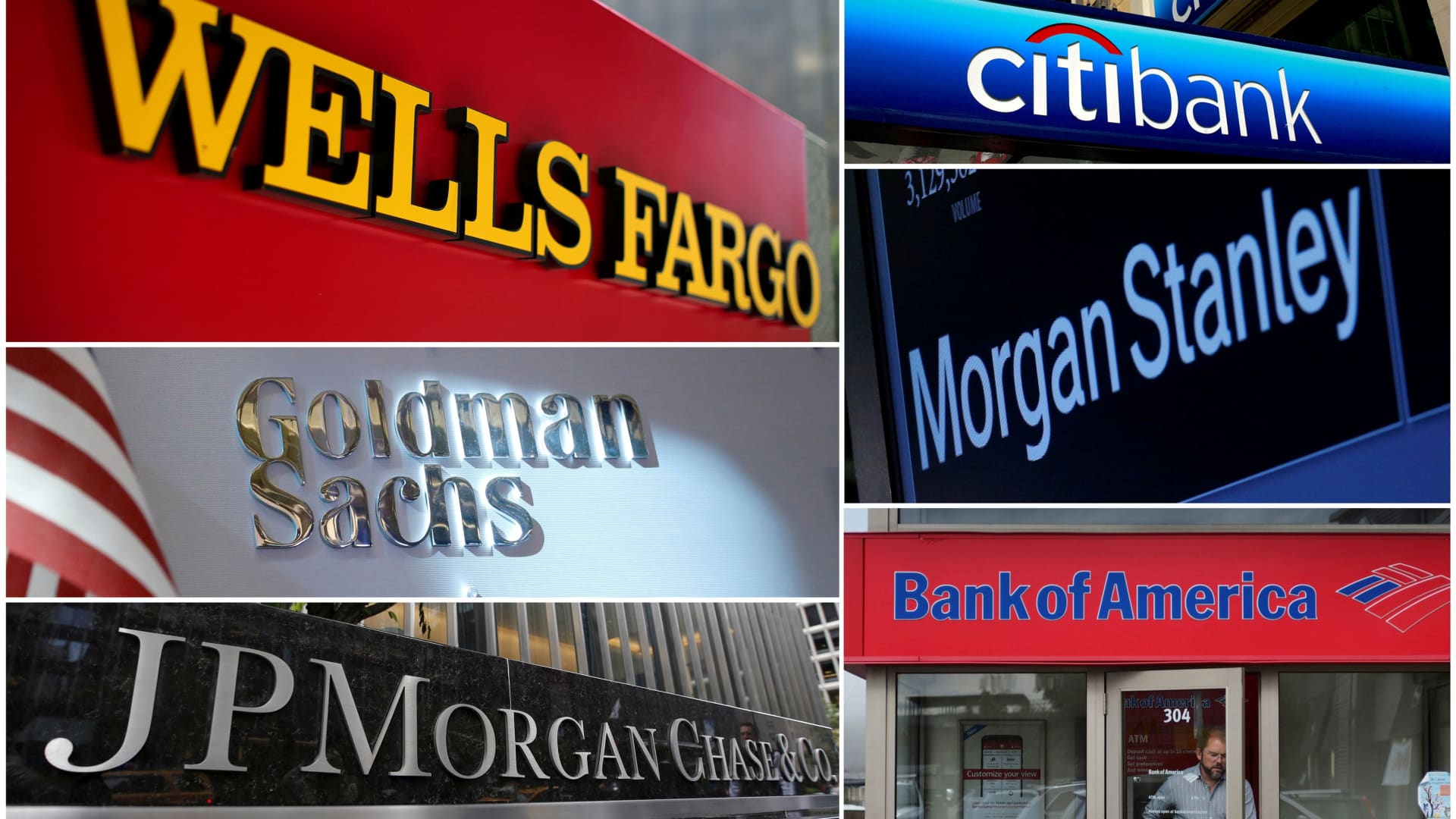
Banking Sector Shows Resilience Amid Geopolitical Turmoil


- Investment Banking Surge: Goldman Sachs reported a 48% year-over-year increase in investment banking revenue to $2.48 billion, with CEO David Solomon noting a robust investment banking environment, which significantly contributes to advisory fees and capital market revenues, showcasing the firm's strength in M&A and IPOs.
- Credit Card Growth: Despite a slight overall revenue miss, Wells Fargo's new credit card account openings surged nearly 60% year-over-year, with the consumer banking and lending division seeing a 6.6% revenue increase in Q1, indicating strong consumer spending resilience even amid rising oil prices, enhancing the bank's profitability.
- Trading Desk Performance: The volatility from the Iran-U.S. conflict led to a 27% year-over-year increase in Goldman’s equities revenue, reaching a record $5.33 billion, as clients actively repositioned portfolios, reflecting the firm's execution capabilities and risk management in a dynamic environment.
- Market Adaptability: While geopolitical uncertainty affected some deals, Morgan Stanley and Bank of America saw trading revenues rise by 29% and 30% respectively, demonstrating that banks can still capitalize on market fluctuations, highlighting their ability to adapt to changing market conditions.
See More
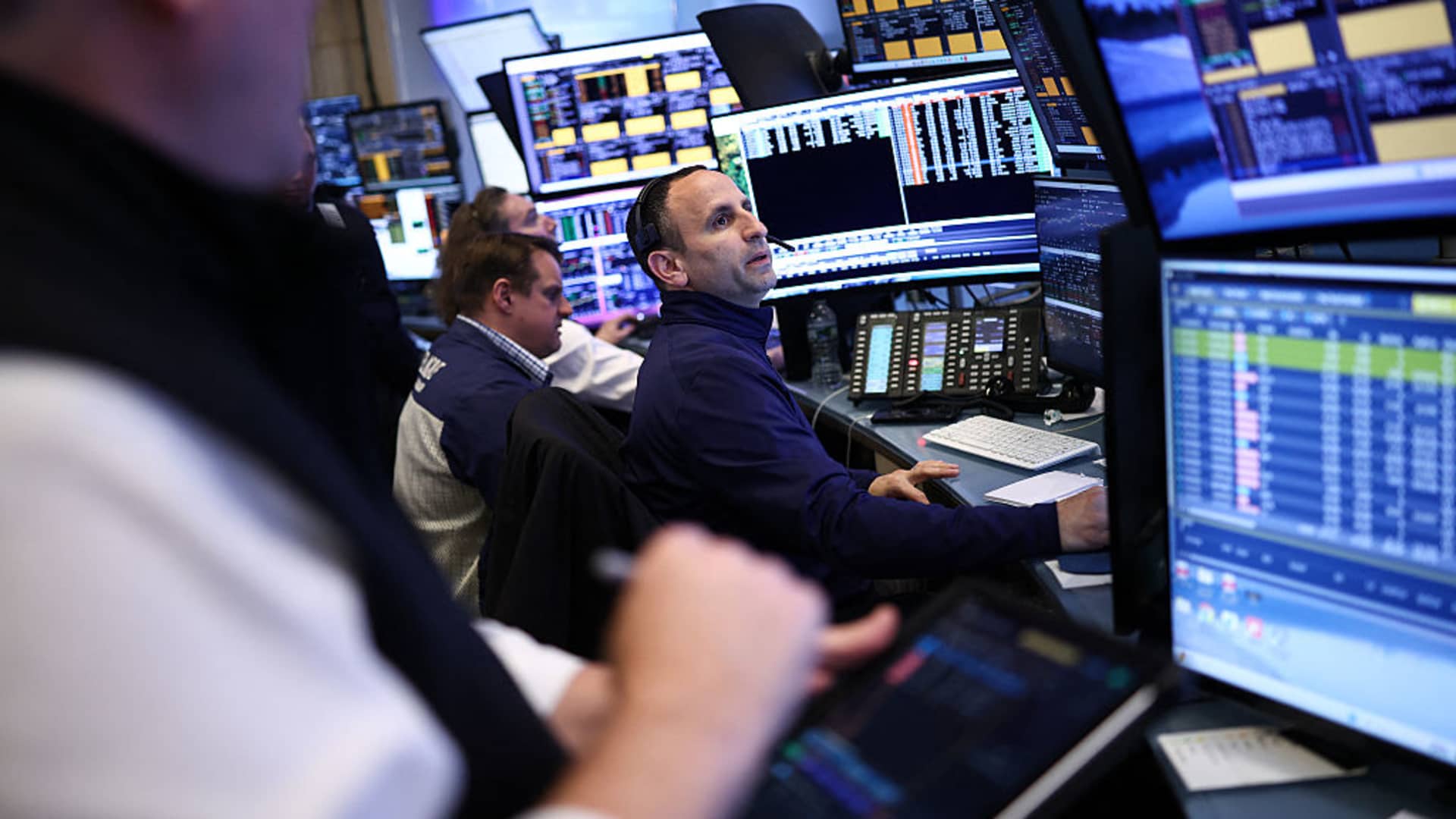
Wall Street Optimism Rises Amid Ceasefire Hopes


- Market Rebound: The S&P 500 and Nasdaq Composite reached all-time highs this week, with the S&P 500 surpassing 7,100 for the first time, reflecting strong investor confidence in economic recovery and suggesting further upward momentum for equities.
- Earnings Expectations: According to FactSet, the S&P 500 is projected to have a blended growth rate of 12.5% in Q1, with 78% of reporting companies exceeding expectations, providing a positive backdrop for the upcoming earnings season that could further bolster market confidence.
- Oil Price Volatility: While oil prices have fallen to around $80 per barrel, significantly below the $110 peak during the conflict, the market must remain vigilant regarding the potential impacts of U.S.-Iran tensions on global supply chains, particularly concerning the safety of transit through the Strait of Hormuz.
- Technical Fragility: Despite the market's strong short-term performance, analyst Craig Johnson warns that the rapid transition from oversold to overbought conditions masks underlying macroeconomic risks, urging investors to remain cautious and focus on high-quality investment opportunities.
See More
Buffett Retires, Abel Takes Over as CEO of Berkshire Hathaway
- Leadership Transition: Warren Buffett retired on December 31, 2025, with Greg Abel stepping in to manage Berkshire Hathaway's $320 billion investment portfolio, marking a significant new era for the company.
- Investment Concentration: Abel's portfolio is heavily weighted, with 10 core holdings accounting for nearly 79% of assets, including Apple at $60 billion, highlighting the company's focus on high-quality assets and long-term growth potential.
- Sustainable Competitive Advantages: Among the 20 billion-dollar investments Abel oversees, many companies like Visa and Sirius XM operate as legal monopolies, ensuring stable revenue streams and risk resilience, reflecting Berkshire's investment strategy.
- Smaller Holdings Adjustment: Abel also manages 18 relatively smaller investments, with significant reductions like the 77% cut in Amazon's stake, indicating a focus on optimizing the portfolio and potentially paving the way for future trading opportunities.
See More
Warren Buffett Retires, Greg Abel Takes Over as CEO of Berkshire Hathaway
- Leadership Transition: Warren Buffett retired as CEO on December 31, 2025, with Greg Abel taking over the management of a $320 billion investment portfolio, marking a new era for Berkshire Hathaway, although Buffett remains as chairman of the board.
- Investment Philosophy Continuity: Abel shares a similar investment philosophy with Buffett, emphasizing value investing and sustainable competitive advantages, particularly by allocating a significant portion of the company's capital to their best ideas.
- Core Holdings Concentration: The ten core positions account for nearly 79% of Berkshire's invested assets, all of which pay dividends and engage in share repurchases, demonstrating strong capital return capabilities, with Abel's management style reflected in these choices.
- Smaller Investment Dynamics: Abel oversees 18 smaller holdings ranging from $5 million to approximately $692 million, many of which are being reduced or removed from the portfolio, indicating a dynamic adjustment strategy in response to market conditions.
See More
Cash Investments Attract Investors with Diversification Benefits
- Attractive Cash Investments: According to Morningstar, cash-equivalent investments like money market funds have amassed $7.64 trillion in assets, and despite the Federal Reserve's rate cuts last year, the annualized seven-day yield remains solid at 3.45%, allowing investors to de-risk while still achieving decent returns.
- Diversification Benefits: Portfolio strategist Amy Arnott highlighted that cash has had the lowest correlation with stocks over the past three years, outperforming Treasuries, indicating that cash can more effectively mitigate investment portfolio risks, especially during economic fluctuations.
- Bond Market Dynamics: As the Fed began raising rates in 2022, the correlation between stocks and bonds turned positive, leading to bonds failing to act as the stabilizing ballast investors expected, reflecting a decline in market confidence in bonds.
- Income Opportunities: Investors can earn solid income through various means such as money market funds, certificates of deposit, Treasury bills, and high-yield savings accounts, with some online banks like Bread Financial and LendingClub offering attractive 4% annual percentage yields, underscoring the market's focus on cash yields.
See More
Wall Street Earnings Season Faces Major Test
- Earnings Season Significance: Wall Street is set for a packed earnings season featuring key companies like Capital One and Boeing, with investors eager to glean insights into the economic impact of the Iran war from these reports.
- Capital One Performance Focus: Capital One is scheduled to report earnings on Tuesday, with market attention on its consumer health metrics and the progress of its acquisitions of Discover and Brex, particularly amid rising economic uncertainties.
- Boeing Earnings Outlook: Boeing is expected to release its earnings report on Wednesday, with market focus on order volumes in both its commercial and defense sectors, as well as free cash flow performance, especially after previous unexpected losses.
- GE Vernova Order Growth: GE Vernova will report alongside Boeing, with first-quarter new orders anticipated to reach $14.4 billion, reflecting a 65% year-over-year increase, indicating strong market performance amid rising electricity demand.
See More
Banking Sector Shows Resilience Amid Geopolitical Turmoil
- Investment Banking Surge: Goldman Sachs reported a 48% year-over-year increase in investment banking revenue to $2.48 billion, with CEO David Solomon noting a robust investment banking environment, which significantly contributes to advisory fees and capital market revenues, showcasing the firm's strength in M&A and IPOs.
- Credit Card Growth: Despite a slight overall revenue miss, Wells Fargo's new credit card account openings surged nearly 60% year-over-year, with the consumer banking and lending division seeing a 6.6% revenue increase in Q1, indicating strong consumer spending resilience even amid rising oil prices, enhancing the bank's profitability.
- Trading Desk Performance: The volatility from the Iran-U.S. conflict led to a 27% year-over-year increase in Goldman’s equities revenue, reaching a record $5.33 billion, as clients actively repositioned portfolios, reflecting the firm's execution capabilities and risk management in a dynamic environment.
- Market Adaptability: While geopolitical uncertainty affected some deals, Morgan Stanley and Bank of America saw trading revenues rise by 29% and 30% respectively, demonstrating that banks can still capitalize on market fluctuations, highlighting their ability to adapt to changing market conditions.
See More
Wall Street Optimism Rises Amid Ceasefire Hopes
- Market Rebound: The S&P 500 and Nasdaq Composite reached all-time highs this week, with the S&P 500 surpassing 7,100 for the first time, reflecting strong investor confidence in economic recovery and suggesting further upward momentum for equities.
- Earnings Expectations: According to FactSet, the S&P 500 is projected to have a blended growth rate of 12.5% in Q1, with 78% of reporting companies exceeding expectations, providing a positive backdrop for the upcoming earnings season that could further bolster market confidence.
- Oil Price Volatility: While oil prices have fallen to around $80 per barrel, significantly below the $110 peak during the conflict, the market must remain vigilant regarding the potential impacts of U.S.-Iran tensions on global supply chains, particularly concerning the safety of transit through the Strait of Hormuz.
- Technical Fragility: Despite the market's strong short-term performance, analyst Craig Johnson warns that the rapid transition from oversold to overbought conditions masks underlying macroeconomic risks, urging investors to remain cautious and focus on high-quality investment opportunities.
See More