Independent Hardware Stores Struggle Against Giants
Written by Emily J. Thompson, Senior Investment Analyst
Updated: Apr 03 2026
0mins
Should l Buy HD?
Source: Yahoo Finance
- Market Share Competition: According to the Numerator Home Improvement Tracker, Home Depot held 28% of the market share in 2025, Lowe's 17%, and Amazon 11%, collectively dominating 56% of sales, which has put immense pressure on smaller hardware stores.
- Store Closure Case: Do it Best Hardware in Chillicothe, Ohio, announced its permanent closure on April 10, 2026, after 49 years of operation, citing an inability to compete with giants like Lowe's, highlighting the survival challenges faced by small retailers.
- Economic Environment Impact: Home Depot CFO Richard McPhail noted that the housing market has remained sluggish since 2023, significantly reducing demand for home improvement projects, which further exacerbates the operational difficulties for smaller hardware stores.
- Historic Store Closures: Several hardware stores that have operated for over 50 years, including Great Lakes Ace Hardware and Harpeth True Value Home Center, closed in 2026, reflecting the overall contraction of the industry and the tough circumstances for small retailers.
Trade with 70% Backtested Accuracy
Stop guessing "Should I Buy HD?" and start using high-conviction signals backed by rigorous historical data.
Sign up today to access powerful investing tools and make smarter, data-driven decisions.
Analyst Views on HD
Wall Street analysts forecast HD stock price to rise
23 Analyst Rating
17 Buy
5 Hold
1 Sell
Moderate Buy
Current: 337.150

Low
320.00
Averages
401.47
High
441.00
Current: 337.150
Low
320.00
Averages
401.47
High
441.00
About HD
The Home Depot, Inc. is a home improvement retailer. It offers its customers an assortment of home improvement products, building materials, lawn and garden products, decor products, and facilities maintenance, repair, and operations (MRO) products, in stores and online. It also provides a number of services, including home improvement installation services, and tool and equipment rental. It operates over 2,359 stores located throughout the U.S. (including the Commonwealth of Puerto Rico and the territories of the U.S. Virgin Islands and Guam), Canada, and Mexico. Its stores average over 104,000 square feet of enclosed space, with over 24,000 additional square feet of outside garden area. It also maintains a network of distribution and fulfillment centers, as well as mobile applications and e-commerce websites in the U.S., Canada, and Mexico. It serves two primary customer groups, including both do-it-yourself (DIY) and do-it-for-me (DIFM) customers and professional customers (Pros).
About the author

Emily J. Thompson
Emily J. Thompson, a Chartered Financial Analyst (CFA) with 12 years in investment research, graduated with honors from the Wharton School. Specializing in industrial and technology stocks, she provides in-depth analysis for Intellectia’s earnings and market brief reports.
Home Depot Executive Compensation and Employee Pay Analysis
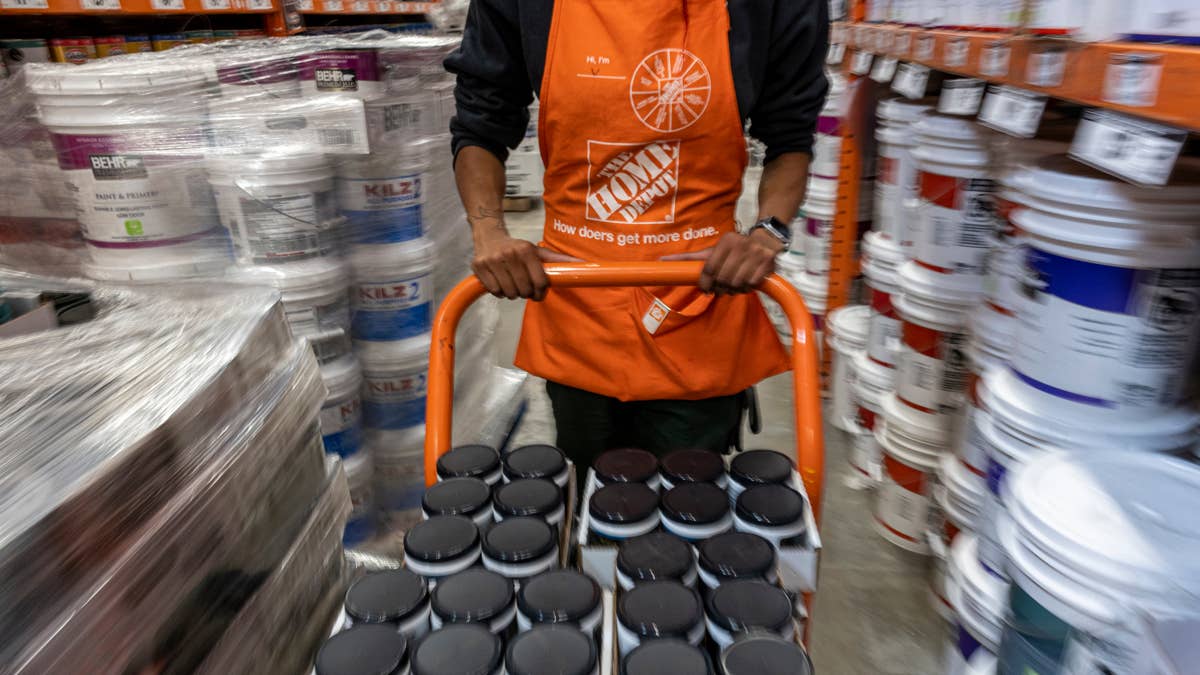
- Executive Pay Overview: Home Depot's CEO Ted Decker earned a base salary of $1.4 million in fiscal 2025, but his total compensation reached $16.19 million through stock options and cash awards, reflecting the company's generous reward strategy amid strong earnings.
- Median Employee Compensation: The median compensation for Home Depot employees in fiscal 2025 was $37,881, with a CEO-to-median-employee pay ratio of 427:1, down from 511:1 five years earlier, indicating the company's efforts towards pay equity.
- Employee Count and Pay Structure: As of the end of fiscal 2025, Home Depot had approximately 472,400 associates, most of whom are hourly workers, with customer service positions in New York offering $19.50 per hour, which is below the U.S. median annual salary of $62,608, highlighting competitive pressures in industry wages.
- Internal Promotion Opportunities: Home Depot claims that over 90% of its U.S. store leaders started as hourly associates, suggesting a strong emphasis on internal promotions and providing training and career advancement opportunities to enhance employee loyalty and drive sales.
See More
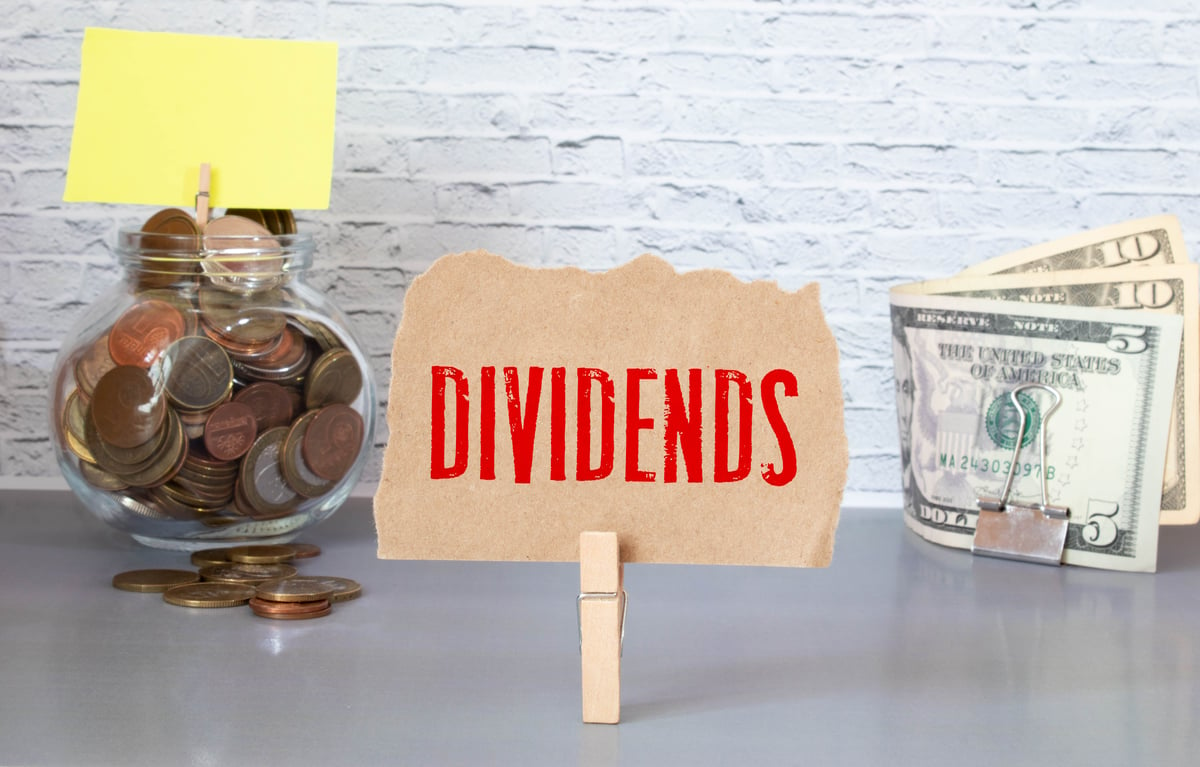
Investment Opportunities in PepsiCo and Lowe's Amid Market Trends

- PepsiCo's Growth Strategy: Despite challenges in the food and beverage sector due to the rise of weight-loss drugs, PepsiCo has successfully achieved an 8.5% net revenue growth by improving nutritional quality and reducing portion sizes, demonstrating its adaptability in adverse market conditions.
- Stable Dividend Yield: PepsiCo has raised its dividend for 54 consecutive years, currently offering a 3.6% yield, which positions it as a reliable source of passive income for investors over the next 50 years, reflecting its strong profitability and market position.
- Lowe's Market Recovery: Although the U.S. housing market is sluggish, Lowe's comparable-store sales have turned positive in the last three quarters, indicating revenue growth from existing locations and showcasing its resilience in tough times.
- Future Growth Potential: As the housing market normalizes, Lowe's demand is expected to see significant growth; despite a current dividend yield of 1.89%, management focuses more on stock buybacks, having reduced shares outstanding by 37% over the past decade, providing a solid capital return outlook for investors.
See More

Investment Opportunities in Dividend Kings
- Dividend Kings: Both PepsiCo and Lowe's are Dividend Kings, having increased their dividends for 50 consecutive years, with current yields of 3.6% and 1.95% respectively, providing a stable source of passive income during market downturns.
- Market Challenges: PepsiCo faces stagnation in sales growth due to the popularity of weight-loss drugs; however, it reported an 8.5% net revenue growth in Q1 2023, indicating a successful pivot through improved nutritional quality and pricing strategies.
- Housing Market Impact: Lowe's revenue has declined over 10% from its peak, yet comparable-store sales growth has turned positive in the last three quarters, demonstrating the company's ability to grow revenue despite a sluggish housing market.
- Future Outlook: As the housing market normalizes, Lowe's is expected to benefit from a resurgence in home renovation demand, with management focusing on stock buybacks, reducing shares outstanding by 37% over the past decade, which should enhance shareholder returns.
See More

Stocks Surge to Record Highs on Iran Peace Deal Hopes


- Market Rebound: The S&P 500 surged 4% last week, closing above 7,100 for the first time, while the Nasdaq achieved its longest winning streak since 1992 with 13 consecutive days of gains, reflecting optimism over a potential peace deal with Iran.
- Rapid Recovery: The S&P 500 rebounded from near correction territory (down about 9%) to an all-time high in just 11 trading days, marking the fastest recovery since at least 1990, indicating strong investor sentiment amid geopolitical developments.
- Software Stock Comeback: Beaten-down software stocks like Microsoft, CrowdStrike, and Salesforce emerged as top gainers, with Microsoft up 14% week-to-date, CrowdStrike gaining 11.9%, and Salesforce rising 10.4%, suggesting a renewed confidence in the software sector.
- Strong Consumer Spending: JPMorgan reported consumer spending growth exceeding 2025 levels, with credit card spending volume up 9% year-over-year, showcasing resilience among consumers and small businesses despite market volatility driven by the war.
See More

Market Surges as Strait of Hormuz Opens to Commercial Traffic


- Market Surge: The stock market surged on Friday after Iran announced the Strait of Hormuz is open to all commercial traffic, leading to a 14% drop in oil prices, with WTI trading above $80 per barrel, reflecting optimism about economic recovery.
- Transportation and Industrials Rally: Lower oil prices lifted transportation and industrial stocks, with Boeing shares rising over 3% and both Honeywell and GE Vernova increasing by 2%, indicating a resurgence of confidence in these sectors.
- Apple's Recognition: Bank of America analysts named Apple a 'high-quality' stock, noting its resilience against AI volatility and progress in on-device AI capabilities, suggesting investors will refocus on Apple's strong sales in China.
- Trade Alert Mechanism: Subscribers to the CNBC Investing Club receive trade alerts before Jim executes trades, with a 45-minute wait period post-alert to ensure transparency and strategic execution.
See More

CNBC Investing Club April Meeting Highlights


- Market Rebound Analysis: The S&P 500 index reached a record high in April, marking a significant recovery from the Iran war sell-off, indicating a renewed focus on company fundamentals despite the ongoing conflict, which underscores the importance of investor calmness.
- Nike Investment Reflection: Despite insider buying signals prompting us to increase our stake in Nike last December, we are now skeptical about CEO Elliott Hill's ability to turn the company around, and if next quarter's performance is disappointing, we will consider exiting.
- Amazon Cloud Business Recovery: Amazon's stock rebound highlights the importance of patience, as the market is gradually recognizing the strength of its AWS cloud division and online retail business, which are expected to continue growing in the future.
- Nvidia Market Leadership: Nvidia's leading position in the AI chip sector is paying off, and despite competitive pressures, its advantage in computing power positions it well to maintain market leadership going forward.
See More
Home Depot Executive Compensation and Employee Pay Analysis
- Executive Pay Overview: Home Depot's CEO Ted Decker earned a base salary of $1.4 million in fiscal 2025, but his total compensation reached $16.19 million through stock options and cash awards, reflecting the company's generous reward strategy amid strong earnings.
- Median Employee Compensation: The median compensation for Home Depot employees in fiscal 2025 was $37,881, with a CEO-to-median-employee pay ratio of 427:1, down from 511:1 five years earlier, indicating the company's efforts towards pay equity.
- Employee Count and Pay Structure: As of the end of fiscal 2025, Home Depot had approximately 472,400 associates, most of whom are hourly workers, with customer service positions in New York offering $19.50 per hour, which is below the U.S. median annual salary of $62,608, highlighting competitive pressures in industry wages.
- Internal Promotion Opportunities: Home Depot claims that over 90% of its U.S. store leaders started as hourly associates, suggesting a strong emphasis on internal promotions and providing training and career advancement opportunities to enhance employee loyalty and drive sales.
See More
Investment Opportunities in PepsiCo and Lowe's Amid Market Trends
- PepsiCo's Growth Strategy: Despite challenges in the food and beverage sector due to the rise of weight-loss drugs, PepsiCo has successfully achieved an 8.5% net revenue growth by improving nutritional quality and reducing portion sizes, demonstrating its adaptability in adverse market conditions.
- Stable Dividend Yield: PepsiCo has raised its dividend for 54 consecutive years, currently offering a 3.6% yield, which positions it as a reliable source of passive income for investors over the next 50 years, reflecting its strong profitability and market position.
- Lowe's Market Recovery: Although the U.S. housing market is sluggish, Lowe's comparable-store sales have turned positive in the last three quarters, indicating revenue growth from existing locations and showcasing its resilience in tough times.
- Future Growth Potential: As the housing market normalizes, Lowe's demand is expected to see significant growth; despite a current dividend yield of 1.89%, management focuses more on stock buybacks, having reduced shares outstanding by 37% over the past decade, providing a solid capital return outlook for investors.
See More
Investment Opportunities in Dividend Kings
- Dividend Kings: Both PepsiCo and Lowe's are Dividend Kings, having increased their dividends for 50 consecutive years, with current yields of 3.6% and 1.95% respectively, providing a stable source of passive income during market downturns.
- Market Challenges: PepsiCo faces stagnation in sales growth due to the popularity of weight-loss drugs; however, it reported an 8.5% net revenue growth in Q1 2023, indicating a successful pivot through improved nutritional quality and pricing strategies.
- Housing Market Impact: Lowe's revenue has declined over 10% from its peak, yet comparable-store sales growth has turned positive in the last three quarters, demonstrating the company's ability to grow revenue despite a sluggish housing market.
- Future Outlook: As the housing market normalizes, Lowe's is expected to benefit from a resurgence in home renovation demand, with management focusing on stock buybacks, reducing shares outstanding by 37% over the past decade, which should enhance shareholder returns.
See More
Stocks Surge to Record Highs on Iran Peace Deal Hopes
- Market Rebound: The S&P 500 surged 4% last week, closing above 7,100 for the first time, while the Nasdaq achieved its longest winning streak since 1992 with 13 consecutive days of gains, reflecting optimism over a potential peace deal with Iran.
- Rapid Recovery: The S&P 500 rebounded from near correction territory (down about 9%) to an all-time high in just 11 trading days, marking the fastest recovery since at least 1990, indicating strong investor sentiment amid geopolitical developments.
- Software Stock Comeback: Beaten-down software stocks like Microsoft, CrowdStrike, and Salesforce emerged as top gainers, with Microsoft up 14% week-to-date, CrowdStrike gaining 11.9%, and Salesforce rising 10.4%, suggesting a renewed confidence in the software sector.
- Strong Consumer Spending: JPMorgan reported consumer spending growth exceeding 2025 levels, with credit card spending volume up 9% year-over-year, showcasing resilience among consumers and small businesses despite market volatility driven by the war.
See More
Market Surges as Strait of Hormuz Opens to Commercial Traffic
- Market Surge: The stock market surged on Friday after Iran announced the Strait of Hormuz is open to all commercial traffic, leading to a 14% drop in oil prices, with WTI trading above $80 per barrel, reflecting optimism about economic recovery.
- Transportation and Industrials Rally: Lower oil prices lifted transportation and industrial stocks, with Boeing shares rising over 3% and both Honeywell and GE Vernova increasing by 2%, indicating a resurgence of confidence in these sectors.
- Apple's Recognition: Bank of America analysts named Apple a 'high-quality' stock, noting its resilience against AI volatility and progress in on-device AI capabilities, suggesting investors will refocus on Apple's strong sales in China.
- Trade Alert Mechanism: Subscribers to the CNBC Investing Club receive trade alerts before Jim executes trades, with a 45-minute wait period post-alert to ensure transparency and strategic execution.
See More
CNBC Investing Club April Meeting Highlights
- Market Rebound Analysis: The S&P 500 index reached a record high in April, marking a significant recovery from the Iran war sell-off, indicating a renewed focus on company fundamentals despite the ongoing conflict, which underscores the importance of investor calmness.
- Nike Investment Reflection: Despite insider buying signals prompting us to increase our stake in Nike last December, we are now skeptical about CEO Elliott Hill's ability to turn the company around, and if next quarter's performance is disappointing, we will consider exiting.
- Amazon Cloud Business Recovery: Amazon's stock rebound highlights the importance of patience, as the market is gradually recognizing the strength of its AWS cloud division and online retail business, which are expected to continue growing in the future.
- Nvidia Market Leadership: Nvidia's leading position in the AI chip sector is paying off, and despite competitive pressures, its advantage in computing power positions it well to maintain market leadership going forward.
See More