Ford Recalls Record Number of Vehicles
- Record Recall Numbers: Ford recalled a record 12.9 million vehicles in 2025, with the recent recall of 4.3 million nearly matching its total from 2024, highlighting significant ongoing quality control challenges for the company.
- Software Update Resolution: The recall is primarily due to the Integrated Trailer Module potentially losing communication with the vehicle while towing, which could lead to brake and turn signal failures; Ford plans to address this issue with an over-the-air software update, significantly reducing repair costs.
- Surging Warranty Costs: Ford's warranty expenses soared to approximately $2 billion in Q2 2024, representing 4% of sales, which is substantially higher than the historical average of 1.6% from 2011 to 2019, indicating a pressing need for improvements in quality management.
- Investor Risk Awareness: While the financial impact of this recall is expected to be limited, the spike in warranty costs previously caused Ford's shares to drop over 18% in July 2024, underscoring the importance for investors to closely monitor the company's quality improvement efforts.
Trade with 70% Backtested Accuracy
Analyst Views on F

About F
About the author

Ford and GM Recall Comparison Highlights
- Recall Comparison: Ford has issued 28 recalls this year affecting approximately 8 million vehicles, while GM has issued only 10 recalls impacting about 350,000 vehicles, indicating greater pressure on Ford regarding recalls.
- Latest GM Recall: GM's recent recall involves 271,770 units of the 2023-2025 Chevrolet Malibu due to concerns that rearview camera screens may display distorted or blank images, increasing the risk of accidents for drivers.
- Solution and Costs: GM will replace the rearview cameras free of charge, and while the number of recalls is lower, the associated costs still impact its financial performance.
- Market Reaction and Stock Sentiment: Over the past 24 hours, GM's stock sentiment remained neutral, while Ford's sentiment shifted from bearish to neutral, reflecting investor expectations for Ford's future improvements.
Chinese Competitor Outpaces Tesla with First US Long-Haul Electric Truck Delivery — Implications for the EV Leader?


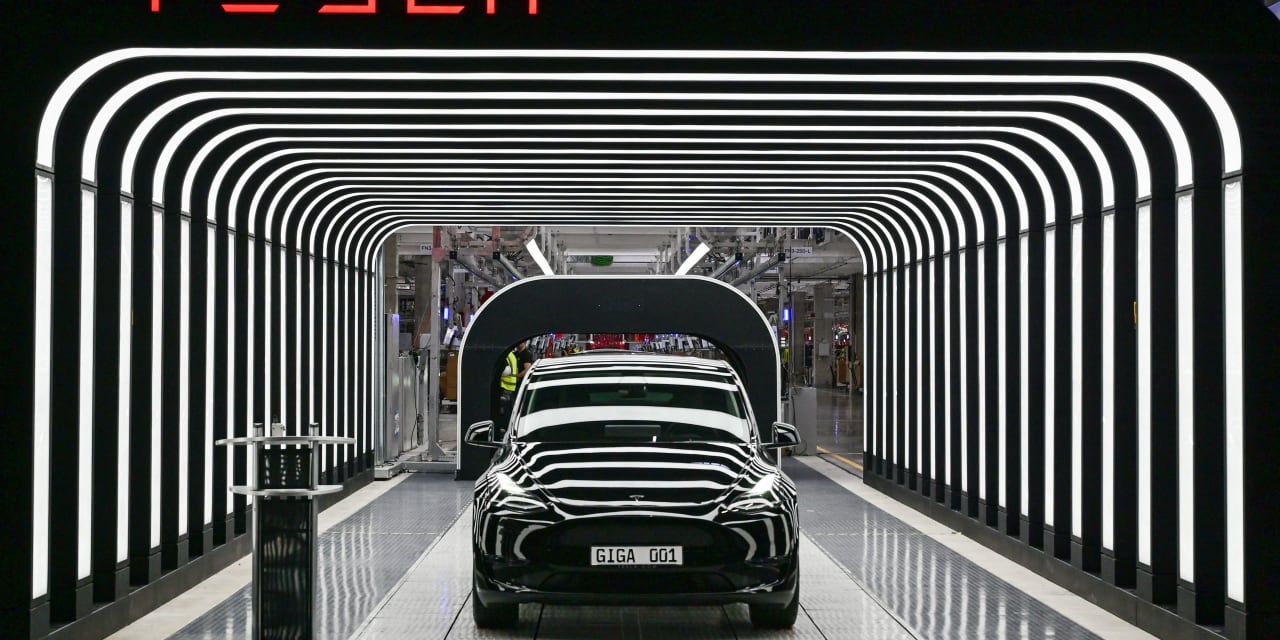
Tesla Semi Production Timeline: Tesla's full-size Class 8 electric truck, the Semi, is set to begin volume production in the first half of 2026, with vehicle deliveries expected to start this year, expanding Tesla's offerings for commercial customers.
Pricing and Competition: The 500-mile version of the Tesla Semi is quoted at $290,000, which is higher than the initial announcement but still below the industry average for Class 8 electric trucks, amidst rising competition from startups like Windrose.
Vehicle Variants and Range: The Tesla Semi will be available in two variants: standard range (approximately 325 miles) and long range (about 500 miles), with the dedicated factory in Nevada currently in the tooling phase.
Market Sentiment and Stock Performance: Tesla's stock has remained in a bearish territory recently, despite gaining 54% over the past year, reflecting mixed retail sentiment and ongoing challenges in the electric truck market.
Ford vs. Rivian: The Profitability Race

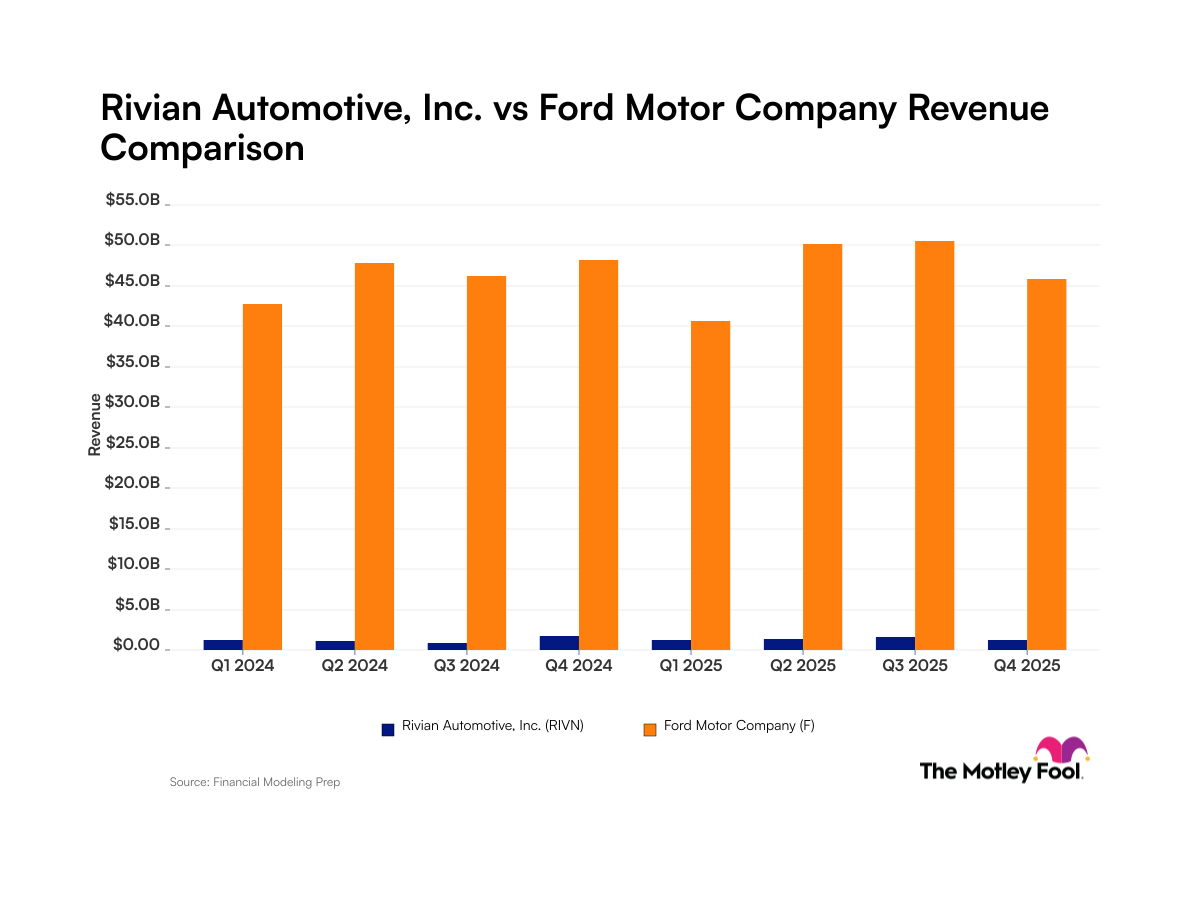
- Revenue Comparison: Ford's quarterly revenue consistently ranges from $40 billion to $50 billion throughout 2024 and 2025, while Rivian's revenue barely reaches $1.2 billion to $1.7 billion, highlighting Ford's market dominance despite both companies facing losses.
- Rivian's Strategic Moves: Rivian's autonomous deployment agreement with Uber and partnership with Volkswagen could significantly diversify its revenue streams over time, although it reported a concerning net income margin of -63% as of Q4 2025, indicative of its capital-intensive growth phase.
- Ford's Strategic Adjustments: Ford's net income margin stood at -24% in Q4 2025, which, while less severe than Rivian's, reflects the substantial costs associated with its strategic shift towards gas-powered vehicles and the establishment of a new battery division.
- Investor Focus: For retail investors, revenue serves as a foundational measure of a company's sales capability, and the widening gap between Ford and Rivian's revenues underscores potential profitability differences; thus, the next five years will reveal which company can more effectively close the gap between revenue and profitability.

Greece to Ban Social Media for Under-15s Starting 2027

- New Social Media Regulation: Greek Prime Minister Kyriakos Mitsotakis announced a ban on social media for children under 15 starting January 1, 2027, aimed at addressing rising youth anxiety and sleep deprivation, which is expected to have a profound impact on digital advertising models.
- Strong Public Support: The initiative enjoys 80% support among domestic adults, reflecting a broad societal consensus on the importance of protecting youth mental health, which may catalyze further regulatory actions within the EU.
- Big Tech Challenges: Companies like Meta and Snap may face direct threats to their user acquisition channels due to stricter age restrictions, potentially cooling their engagement metrics in the European market.
- Increased Compliance Costs: As Greece pressures the EU for unified age limits, Alphabet may encounter higher compliance costs and potential declines in ad revenue, particularly if platforms like YouTube are swept into broader regulatory bans.

Stock Index Futures Edge Higher; Four Stocks to Watch
- Ford's Rebound: Ford (F) gained 3.65% in premarket trading after the Wall Street Journal reported that the U.S. government rebuffed requests from Ford and other automakers for relief from aluminum import tariffs, stemming from supply bottlenecks caused by a fire at a Novelis plant, highlighting the direct impact of government policy on the automotive sector.
- NANO's Proposal: NANO Nuclear Energy (NNE) rose 8.4% before the opening bell after disclosing it submitted a private proposal to Dioxitek S.A., an Argentinian state-owned nuclear fuel cycle company, for the potential joint development of a natural uranium hexafluoride production facility, indicating the company's expansion potential in international markets.
- Unity's Extended Partnership: Unity (U) climbed about 9% in premarket trade after announcing the extension of its multi-year agreement with Meta to support development on its virtual reality platform, which not only solidifies their collaboration but may also enhance Unity's competitiveness in the rapidly growing VR market.
- Starbucks' New Launch: Starbucks (SBUX) advanced 2.25% in premarket trading following the official launch of its new Energy Refreshers line this week, which features handcrafted beverages with two to three times the caffeine content of its classic Refreshers, along with added B vitamins for sustained energy, showcasing the company's strategic focus on beverage innovation.

Ford Faces EU Regulatory Dispute Over Pickup Trucks
- Regulatory Dispute: U.S. automakers claim that the EU's vehicle safety regulations hinder models like the Ford F-150 from entering European markets, indicating that policy may impact car sales beyond consumer demand.
- Trade Tensions: Amid ongoing trade tensions, U.S. Ambassador to the EU Andrew Puzder stated that proposed changes to EU safety rules could violate the spirit of trade agreements, potentially limiting American car sales.
- Profitability Concerns: Full-size pickups remain among the most profitable vehicles for Ford and its Detroit competitors; while limited access to Europe may not immediately hurt profits, it complicates the sale of high-margin U.S. models internationally.
- Investor Watch: Investors are keenly awaiting any official response from the EU and whether this disagreement escalates into a larger trade or regulatory battle, which could have significant implications for Ford's market performance.
Ford and GM Recall Comparison Highlights
- Recall Comparison: Ford has issued 28 recalls this year affecting approximately 8 million vehicles, while GM has issued only 10 recalls impacting about 350,000 vehicles, indicating greater pressure on Ford regarding recalls.
- Latest GM Recall: GM's recent recall involves 271,770 units of the 2023-2025 Chevrolet Malibu due to concerns that rearview camera screens may display distorted or blank images, increasing the risk of accidents for drivers.
- Solution and Costs: GM will replace the rearview cameras free of charge, and while the number of recalls is lower, the associated costs still impact its financial performance.
- Market Reaction and Stock Sentiment: Over the past 24 hours, GM's stock sentiment remained neutral, while Ford's sentiment shifted from bearish to neutral, reflecting investor expectations for Ford's future improvements.
Chinese Competitor Outpaces Tesla with First US Long-Haul Electric Truck Delivery — Implications for the EV Leader?
Tesla Semi Production Timeline: Tesla's full-size Class 8 electric truck, the Semi, is set to begin volume production in the first half of 2026, with vehicle deliveries expected to start this year, expanding Tesla's offerings for commercial customers.
Pricing and Competition: The 500-mile version of the Tesla Semi is quoted at $290,000, which is higher than the initial announcement but still below the industry average for Class 8 electric trucks, amidst rising competition from startups like Windrose.
Vehicle Variants and Range: The Tesla Semi will be available in two variants: standard range (approximately 325 miles) and long range (about 500 miles), with the dedicated factory in Nevada currently in the tooling phase.
Market Sentiment and Stock Performance: Tesla's stock has remained in a bearish territory recently, despite gaining 54% over the past year, reflecting mixed retail sentiment and ongoing challenges in the electric truck market.
Ford vs. Rivian: The Profitability Race
- Revenue Comparison: Ford's quarterly revenue consistently ranges from $40 billion to $50 billion throughout 2024 and 2025, while Rivian's revenue barely reaches $1.2 billion to $1.7 billion, highlighting Ford's market dominance despite both companies facing losses.
- Rivian's Strategic Moves: Rivian's autonomous deployment agreement with Uber and partnership with Volkswagen could significantly diversify its revenue streams over time, although it reported a concerning net income margin of -63% as of Q4 2025, indicative of its capital-intensive growth phase.
- Ford's Strategic Adjustments: Ford's net income margin stood at -24% in Q4 2025, which, while less severe than Rivian's, reflects the substantial costs associated with its strategic shift towards gas-powered vehicles and the establishment of a new battery division.
- Investor Focus: For retail investors, revenue serves as a foundational measure of a company's sales capability, and the widening gap between Ford and Rivian's revenues underscores potential profitability differences; thus, the next five years will reveal which company can more effectively close the gap between revenue and profitability.
Greece to Ban Social Media for Under-15s Starting 2027
- New Social Media Regulation: Greek Prime Minister Kyriakos Mitsotakis announced a ban on social media for children under 15 starting January 1, 2027, aimed at addressing rising youth anxiety and sleep deprivation, which is expected to have a profound impact on digital advertising models.
- Strong Public Support: The initiative enjoys 80% support among domestic adults, reflecting a broad societal consensus on the importance of protecting youth mental health, which may catalyze further regulatory actions within the EU.
- Big Tech Challenges: Companies like Meta and Snap may face direct threats to their user acquisition channels due to stricter age restrictions, potentially cooling their engagement metrics in the European market.
- Increased Compliance Costs: As Greece pressures the EU for unified age limits, Alphabet may encounter higher compliance costs and potential declines in ad revenue, particularly if platforms like YouTube are swept into broader regulatory bans.
Stock Index Futures Edge Higher; Four Stocks to Watch
- Ford's Rebound: Ford (F) gained 3.65% in premarket trading after the Wall Street Journal reported that the U.S. government rebuffed requests from Ford and other automakers for relief from aluminum import tariffs, stemming from supply bottlenecks caused by a fire at a Novelis plant, highlighting the direct impact of government policy on the automotive sector.
- NANO's Proposal: NANO Nuclear Energy (NNE) rose 8.4% before the opening bell after disclosing it submitted a private proposal to Dioxitek S.A., an Argentinian state-owned nuclear fuel cycle company, for the potential joint development of a natural uranium hexafluoride production facility, indicating the company's expansion potential in international markets.
- Unity's Extended Partnership: Unity (U) climbed about 9% in premarket trade after announcing the extension of its multi-year agreement with Meta to support development on its virtual reality platform, which not only solidifies their collaboration but may also enhance Unity's competitiveness in the rapidly growing VR market.
- Starbucks' New Launch: Starbucks (SBUX) advanced 2.25% in premarket trading following the official launch of its new Energy Refreshers line this week, which features handcrafted beverages with two to three times the caffeine content of its classic Refreshers, along with added B vitamins for sustained energy, showcasing the company's strategic focus on beverage innovation.
Ford Faces EU Regulatory Dispute Over Pickup Trucks
- Regulatory Dispute: U.S. automakers claim that the EU's vehicle safety regulations hinder models like the Ford F-150 from entering European markets, indicating that policy may impact car sales beyond consumer demand.
- Trade Tensions: Amid ongoing trade tensions, U.S. Ambassador to the EU Andrew Puzder stated that proposed changes to EU safety rules could violate the spirit of trade agreements, potentially limiting American car sales.
- Profitability Concerns: Full-size pickups remain among the most profitable vehicles for Ford and its Detroit competitors; while limited access to Europe may not immediately hurt profits, it complicates the sale of high-margin U.S. models internationally.
- Investor Watch: Investors are keenly awaiting any official response from the EU and whether this disagreement escalates into a larger trade or regulatory battle, which could have significant implications for Ford's market performance.