Consumer Stocks Decline Late Friday Afternoon

- Weak Consumer Stock Performance: Consumer stocks broadly declined on Friday afternoon, reflecting market concerns over economic outlook, particularly amid rising inflation and interest rates, which negatively impacted investor sentiment.
- Market Reaction: The poor performance of the State Street Consumer Staples Select Sector SPDR indicates a weakening confidence in the consumer goods sector as investors grapple with uncertainties regarding future consumer spending.
- Industry Impact: The decline in the consumer goods sector may affect earnings expectations for related companies, especially as economic slowdowns could lead to increased sales pressure for businesses.
- Investor Strategy Adjustment: In light of the weak performance of consumer stocks, investors may reassess their portfolios and shift towards more defensive assets to mitigate potential market volatility.
Trade with 70% Backtested Accuracy
Analyst Views on TGT

About TGT
About the author

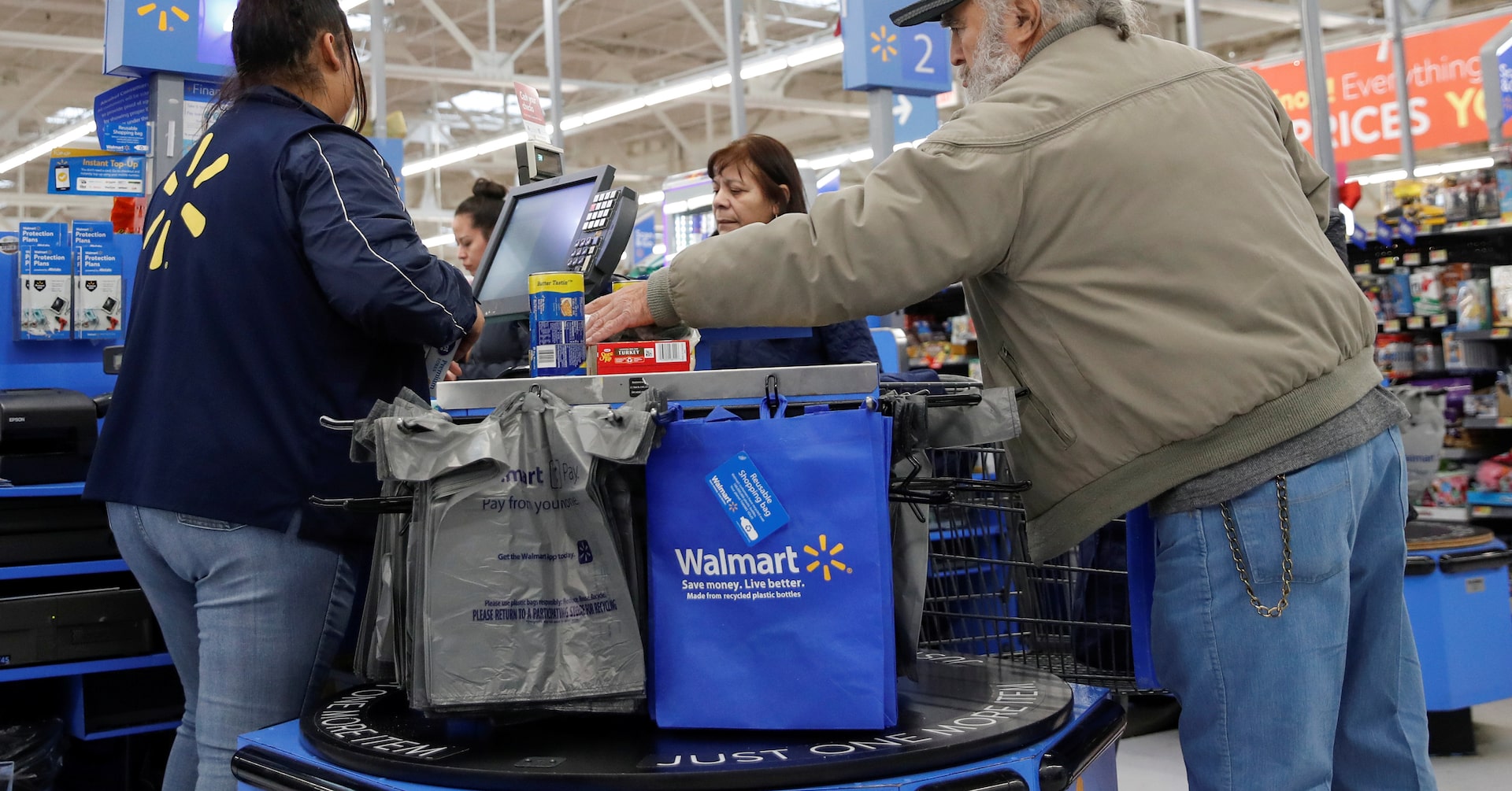
Target Soars in 2026—Wall Street Might Be Poised to Take a Break


Target's Stock Performance: Target's stock has seen a significant rise of over 20% in 2026 as investor confidence grows in the retailer's turnaround plan under new CEO Michael Fiddelke, despite previous struggles following a sharp decline after the pandemic peak.
Challenges and Competition: The company has faced challenges from competitors like Walmart, which has gained market share, while Target's stock fell more than 50% during a rough period, highlighting the volatility and pressures from inflation and changing consumer behavior.
Future Growth Expectations: Target's recent earnings report showed mixed results, with earnings per share exceeding expectations but revenue declining slightly. The company anticipates modest sales growth of about 2% year-over-year and plans to invest over $5 billion in improvements across its business.
Analyst Sentiment: Following the earnings report, analysts have raised their price targets for Target's stock, indicating a cautious optimism about the company's potential for recovery, although many remain cautious and are waiting for clearer evidence of a successful turnaround strategy.
2026 Economic Outlook and Uber Developments


- GDP Growth Slowdown: The GDP growth rate for Q1 2026 is only 0.7%, significantly lower than the previous estimate of 1.4%, indicating a sluggish economic recovery that may dampen investor confidence and negatively impact stock market performance.
- Rising Inflation Pressure: With inflation exceeding 3% in January, combined with slowing GDP growth, concerns about stagflation may arise, leading to reduced consumer spending and threatening corporate profitability.
- Surge in Oil Prices: West Texas Intermediate crude oil prices have surged from $57 on January 2 to $93, even exceeding $100 at times, increasing consumer energy expenditure pressure and potentially suppressing spending in other areas.
- Uber's Autonomous Driving Partnerships: Uber has recently formed partnerships with several companies, including Waymo and Lucid, indicating its proactive positioning in the autonomous driving sector, which may lay the groundwork for future market share growth.

2026 Economic Outlook and Oil Price Fluctuations
- GDP Growth Slowdown: The GDP growth rate for Q1 2026 is only 0.7%, significantly lower than the previous estimate of 1.4%, indicating economic stagnation that may heighten investor concerns about future economic prospects.
- High Inflation Pressure: With inflation exceeding 3% in January, combined with low growth, market fears of stagflation are rising, which could negatively impact consumer spending and business investment decisions, further dragging down economic recovery.
- Surging Oil Prices Impact: As of the recording date, West Texas Intermediate crude oil prices have reached $93 per barrel, a significant increase from $57 on January 2, which may force consumers to cut back on other expenditures due to rising energy costs, affecting overall economic activity.
- Geopolitical Risks: The rise in oil prices is primarily driven by geopolitical conflicts rather than demand growth, particularly due to uncertainties surrounding Iran, which could lead to a more pessimistic economic outlook, necessitating close monitoring of related developments.
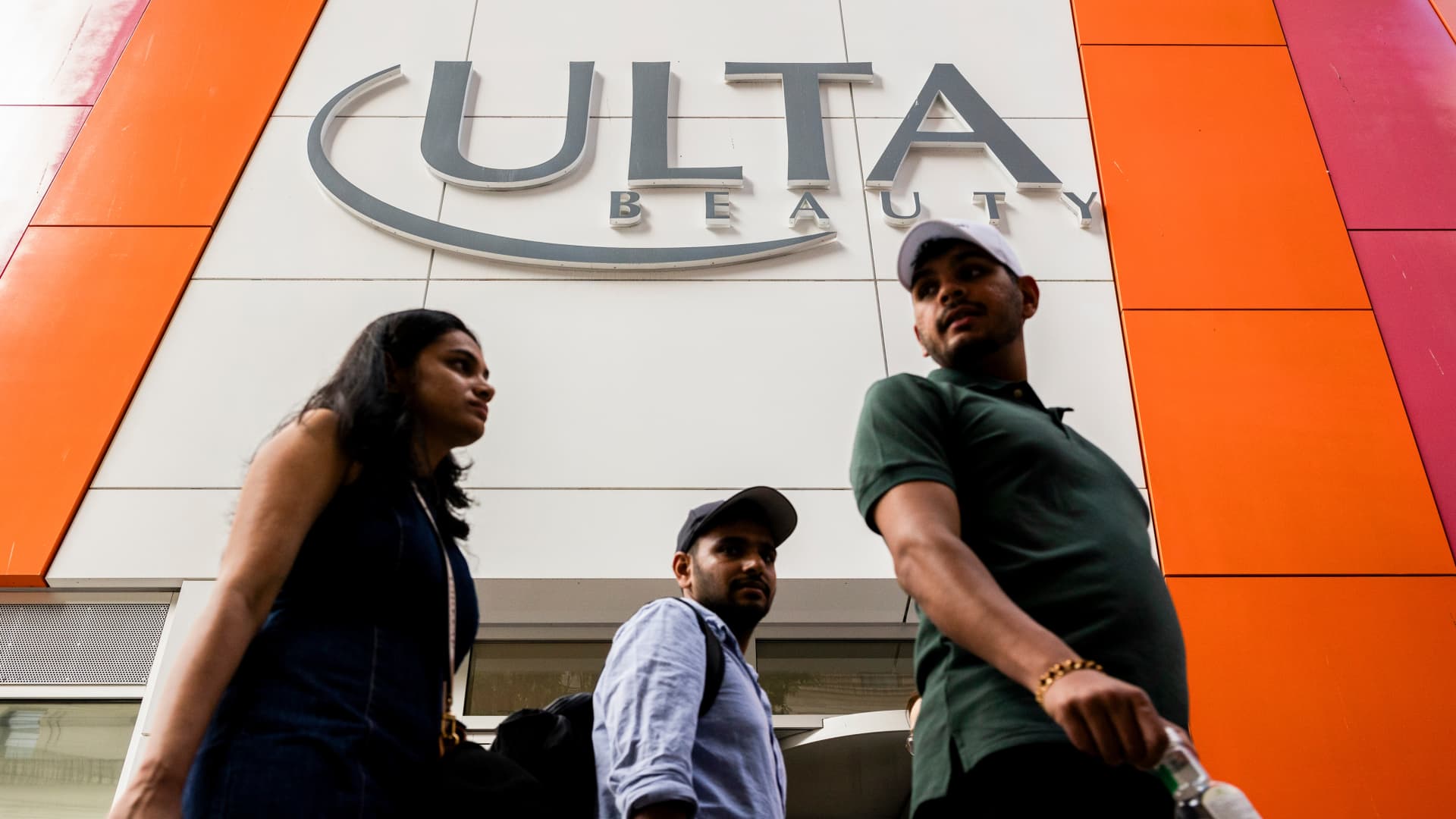
Analysis of Retail Sector Impact from Rising Oil Prices


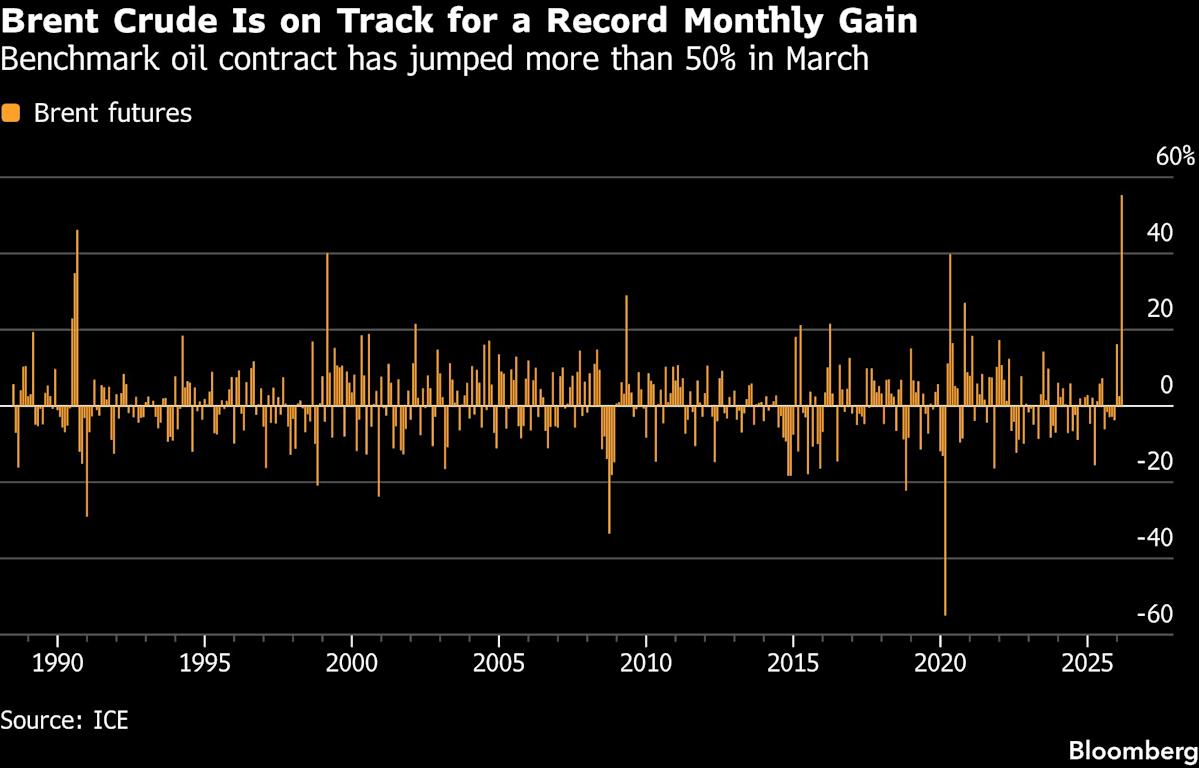
- Impact of Rising Oil Prices: Brent crude futures have surged above $110 per barrel due to the ongoing Middle East conflict, with diesel prices exceeding $5 per gallon for the first time since 2022, potentially imposing secondary effects on the U.S. retail sector and increasing household budget pressures.
- Advantage of Higher-Income Customers: Deutsche Bank analysts noted that retailers like Ulta Beauty and Costco, which cater to higher-income demographics, have historically shown a positive correlation between sales and rising oil prices, indicating better sales performance in such environments.
- Pressure on Lower-Income Customers: Conversely, retailers like BJ's Wholesale Club and Burlington Stores, which primarily serve lower-income customers, exhibit negative sales correlations with rising gas prices, highlighting a trend where lower-income consumers reduce spending as fuel costs increase.
- Inventory Management Strategy: Despite the risks associated with rising input costs, many global brands, including Amer Sports and Birkenstock, maintain over 200 days of finished goods inventory, which helps mitigate near-term margin pressures and ensures market stability amid supply chain disruptions.

Investment Opportunities in Target, Chevron, and PepsiCo

- Target's Transformation Plan: Newly appointed CEO Michael Fiddelke took over on February 1, outlining a $5 billion investment plan over the next few years to upgrade stores, hire more staff, and enhance AI capabilities, with analysts forecasting a 3% net sales growth in fiscal 2026 despite a 2% sales decline in fiscal 2025.
- Chevron's Robust Dividends: Chevron has increased its dividend for 39 consecutive years, paying $7.12 per share in 2025, yielding 3.3%; although the dividend cost was $12.8 billion, its $16.6 billion in free cash flow ensures the potential for future dividend growth.
- PepsiCo's Brand Revival: PepsiCo reported $93 billion in revenue, growing 2%, with an annual dividend of $5.69 per share yielding 3.8%; the company is cutting costs using AI and closing less productive plants to enhance brand competitiveness.
- Market Environment Impact: Amid heightened geopolitical tensions, consumers are leaning towards essentials, prompting investors to rotate into consumer staples stocks for stable dividend returns, positioning Target, Chevron, and PepsiCo as strong growth and income opportunities in this climate.

Investment Opportunities in Consumer Staples Stocks Amid Geopolitical Tensions
- Target's Challenges and Opportunities: Despite a 2% sales decline in fiscal 2025, Target (TGT) is investing $5 billion under new CEO Michael Fiddelke to upgrade stores and enhance AI capabilities, with analysts forecasting a 3% net sales growth in fiscal 2026, indicating a strategic recovery effort amidst adversity.
- Stable Dividend Returns: Target has increased its dividend for 54 consecutive years, currently at $4.56 per share with a yield of nearly 4%, significantly above the S&P 500's 1.2%, providing investors with reliable cash flow despite ongoing challenges.
- Chevron's Growth Potential: As a leading gasoline retailer, Chevron (CVX) remains well-positioned with 70% of U.S. energy consumption from its products, and its dividend, which has risen for 39 years, pays $7.12 per share with a yield of 3.3%, reflecting strong long-term demand despite geopolitical tensions.
- PepsiCo's Brand Revitalization: Facing health-conscious consumer trends, PepsiCo (PEP) is revitalizing its brands and cutting costs, maintaining a 54-year dividend growth at $5.69 per share with a yield of 3.8%, indicating its potential for recovery and growth in a challenging market.
Target Soars in 2026—Wall Street Might Be Poised to Take a Break
Target's Stock Performance: Target's stock has seen a significant rise of over 20% in 2026 as investor confidence grows in the retailer's turnaround plan under new CEO Michael Fiddelke, despite previous struggles following a sharp decline after the pandemic peak.
Challenges and Competition: The company has faced challenges from competitors like Walmart, which has gained market share, while Target's stock fell more than 50% during a rough period, highlighting the volatility and pressures from inflation and changing consumer behavior.
Future Growth Expectations: Target's recent earnings report showed mixed results, with earnings per share exceeding expectations but revenue declining slightly. The company anticipates modest sales growth of about 2% year-over-year and plans to invest over $5 billion in improvements across its business.
Analyst Sentiment: Following the earnings report, analysts have raised their price targets for Target's stock, indicating a cautious optimism about the company's potential for recovery, although many remain cautious and are waiting for clearer evidence of a successful turnaround strategy.
2026 Economic Outlook and Uber Developments
- GDP Growth Slowdown: The GDP growth rate for Q1 2026 is only 0.7%, significantly lower than the previous estimate of 1.4%, indicating a sluggish economic recovery that may dampen investor confidence and negatively impact stock market performance.
- Rising Inflation Pressure: With inflation exceeding 3% in January, combined with slowing GDP growth, concerns about stagflation may arise, leading to reduced consumer spending and threatening corporate profitability.
- Surge in Oil Prices: West Texas Intermediate crude oil prices have surged from $57 on January 2 to $93, even exceeding $100 at times, increasing consumer energy expenditure pressure and potentially suppressing spending in other areas.
- Uber's Autonomous Driving Partnerships: Uber has recently formed partnerships with several companies, including Waymo and Lucid, indicating its proactive positioning in the autonomous driving sector, which may lay the groundwork for future market share growth.
2026 Economic Outlook and Oil Price Fluctuations
- GDP Growth Slowdown: The GDP growth rate for Q1 2026 is only 0.7%, significantly lower than the previous estimate of 1.4%, indicating economic stagnation that may heighten investor concerns about future economic prospects.
- High Inflation Pressure: With inflation exceeding 3% in January, combined with low growth, market fears of stagflation are rising, which could negatively impact consumer spending and business investment decisions, further dragging down economic recovery.
- Surging Oil Prices Impact: As of the recording date, West Texas Intermediate crude oil prices have reached $93 per barrel, a significant increase from $57 on January 2, which may force consumers to cut back on other expenditures due to rising energy costs, affecting overall economic activity.
- Geopolitical Risks: The rise in oil prices is primarily driven by geopolitical conflicts rather than demand growth, particularly due to uncertainties surrounding Iran, which could lead to a more pessimistic economic outlook, necessitating close monitoring of related developments.
Analysis of Retail Sector Impact from Rising Oil Prices
- Impact of Rising Oil Prices: Brent crude futures have surged above $110 per barrel due to the ongoing Middle East conflict, with diesel prices exceeding $5 per gallon for the first time since 2022, potentially imposing secondary effects on the U.S. retail sector and increasing household budget pressures.
- Advantage of Higher-Income Customers: Deutsche Bank analysts noted that retailers like Ulta Beauty and Costco, which cater to higher-income demographics, have historically shown a positive correlation between sales and rising oil prices, indicating better sales performance in such environments.
- Pressure on Lower-Income Customers: Conversely, retailers like BJ's Wholesale Club and Burlington Stores, which primarily serve lower-income customers, exhibit negative sales correlations with rising gas prices, highlighting a trend where lower-income consumers reduce spending as fuel costs increase.
- Inventory Management Strategy: Despite the risks associated with rising input costs, many global brands, including Amer Sports and Birkenstock, maintain over 200 days of finished goods inventory, which helps mitigate near-term margin pressures and ensures market stability amid supply chain disruptions.
Investment Opportunities in Target, Chevron, and PepsiCo
- Target's Transformation Plan: Newly appointed CEO Michael Fiddelke took over on February 1, outlining a $5 billion investment plan over the next few years to upgrade stores, hire more staff, and enhance AI capabilities, with analysts forecasting a 3% net sales growth in fiscal 2026 despite a 2% sales decline in fiscal 2025.
- Chevron's Robust Dividends: Chevron has increased its dividend for 39 consecutive years, paying $7.12 per share in 2025, yielding 3.3%; although the dividend cost was $12.8 billion, its $16.6 billion in free cash flow ensures the potential for future dividend growth.
- PepsiCo's Brand Revival: PepsiCo reported $93 billion in revenue, growing 2%, with an annual dividend of $5.69 per share yielding 3.8%; the company is cutting costs using AI and closing less productive plants to enhance brand competitiveness.
- Market Environment Impact: Amid heightened geopolitical tensions, consumers are leaning towards essentials, prompting investors to rotate into consumer staples stocks for stable dividend returns, positioning Target, Chevron, and PepsiCo as strong growth and income opportunities in this climate.
Investment Opportunities in Consumer Staples Stocks Amid Geopolitical Tensions
- Target's Challenges and Opportunities: Despite a 2% sales decline in fiscal 2025, Target (TGT) is investing $5 billion under new CEO Michael Fiddelke to upgrade stores and enhance AI capabilities, with analysts forecasting a 3% net sales growth in fiscal 2026, indicating a strategic recovery effort amidst adversity.
- Stable Dividend Returns: Target has increased its dividend for 54 consecutive years, currently at $4.56 per share with a yield of nearly 4%, significantly above the S&P 500's 1.2%, providing investors with reliable cash flow despite ongoing challenges.
- Chevron's Growth Potential: As a leading gasoline retailer, Chevron (CVX) remains well-positioned with 70% of U.S. energy consumption from its products, and its dividend, which has risen for 39 years, pays $7.12 per share with a yield of 3.3%, reflecting strong long-term demand despite geopolitical tensions.
- PepsiCo's Brand Revitalization: Facing health-conscious consumer trends, PepsiCo (PEP) is revitalizing its brands and cutting costs, maintaining a 54-year dividend growth at $5.69 per share with a yield of 3.8%, indicating its potential for recovery and growth in a challenging market.