Consumer Staples Sector Sees Best Start in 25 Years
Written by Emily J. Thompson, Senior Investment Analyst
Updated: Jan 26 2026
0mins

Source: CNBC
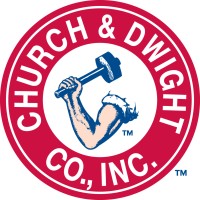
- Strong Market Performance: The Consumer Staples Index has risen 6.6% year-to-date, outperforming the S&P 500 by over 500 basis points, indicating the sector's defensive strength amid market volatility and reflecting investors' preference for stable returns.
- Fundamental Improvement: Despite facing headwinds such as elevated input costs and shifting consumer behavior during the 2023-2025 period, these pressures are beginning to ease, setting the stage for a more sustainable recovery with better performance expected ahead.
- Emerging Investment Opportunities: Analysts at Wells Fargo highlight household and personal care as areas of interest, although clearer evidence of improving data is needed to confirm trends, with Church & Dwight, Procter & Gamble, and Edgewell Personal Care receiving overweight ratings.
- Positive Beverage Stock Outlook: Beverage stocks are expected to show sustained recovery into the summer, particularly beer companies like Constellation Brands and Anheuser-Busch InBev, which are viewed as the most attractive recovery trades, reflecting market confidence in consumer staples.
Trade with 70% Backtested Accuracy
Stop guessing "Should I Buy STZ?" and start using high-conviction signals backed by rigorous historical data.
Sign up today to access powerful investing tools and make smarter, data-driven decisions.
Analyst Views on STZ
Wall Street analysts forecast STZ stock price to rise
15 Analyst Rating
7 Buy
7 Hold
1 Sell
Moderate Buy
Current: 162.280

Low
135.00
Averages
163.00
High
209.00
Current: 162.280
Low
135.00
Averages
163.00
High
209.00
About STZ
Constellation Brands, Inc. is a producer and marketer of beer, wine, and spirits with operations in the United States, Mexico, New Zealand, and Italy with brands, such as Corona Extra, Modelo Especial, Robert Mondavi Winery, Kim Crawford, The Prisoner Wine Company, High West, Casa Noble, and Mi CAMPO. Its segments include Beer, Wine and Spirits, and Corporate Operations and Other. In the Beer segment, its portfolio consists of high-end imported beer brands and ABAs. It has a perpetual brand license to produce its Mexican beer portfolio and to import, market, and sell such a portfolio in the United States. In the Wine and Spirits segment, it sells a portfolio that includes higher-end wine brands complemented by certain higher-end spirits brands. Its Corporate Operations and Other segment consists of costs of corporate development, corporate finance, corporate strategy, executive management, growth, human resources, internal audit, investor relations, IT, legal and public relations.
About the author

Emily J. Thompson
Emily J. Thompson, a Chartered Financial Analyst (CFA) with 12 years in investment research, graduated with honors from the Wharton School. Specializing in industrial and technology stocks, she provides in-depth analysis for Intellectia’s earnings and market brief reports.
Buffett Retires, Abel Takes Over as CEO of Berkshire Hathaway


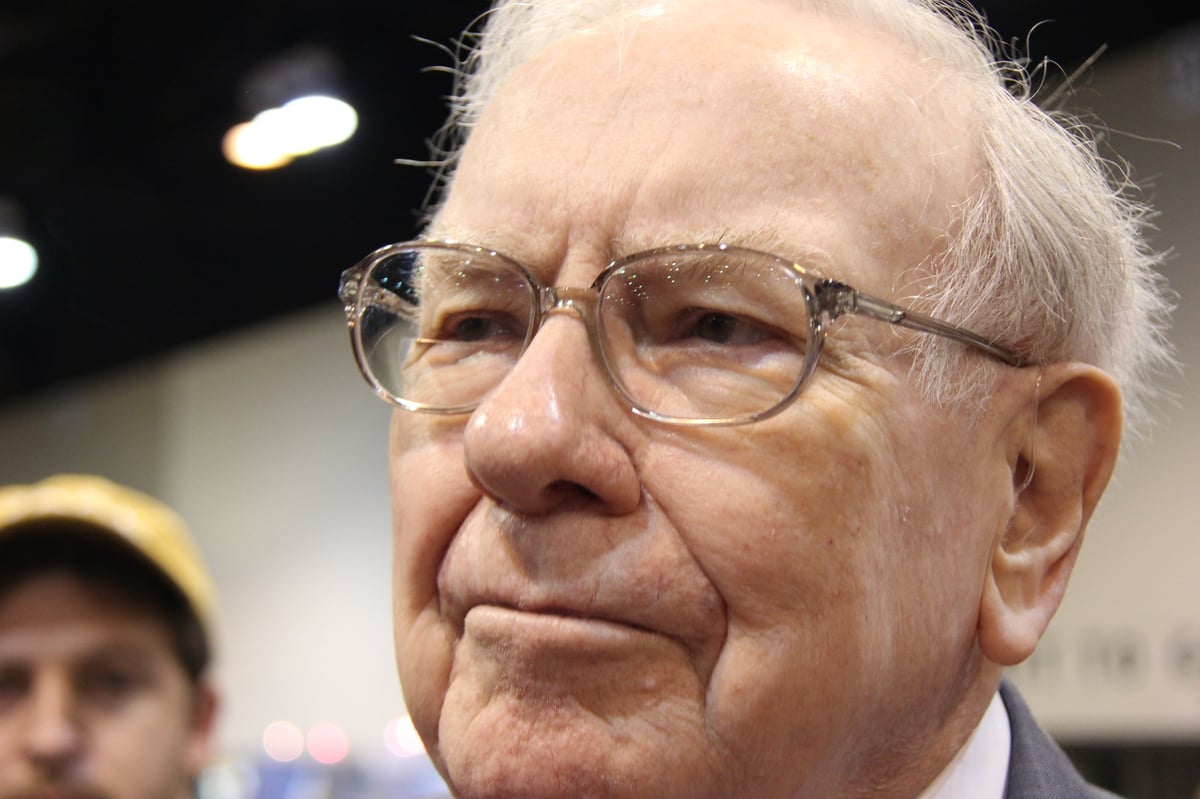
- Leadership Transition: Warren Buffett retired on December 31, 2025, with Greg Abel stepping in to manage Berkshire Hathaway's $320 billion investment portfolio, marking a significant new era for the company.
- Investment Concentration: Abel's portfolio is heavily weighted, with 10 core holdings accounting for nearly 79% of assets, including Apple at $60 billion, highlighting the company's focus on high-quality assets and long-term growth potential.
- Sustainable Competitive Advantages: Among the 20 billion-dollar investments Abel oversees, many companies like Visa and Sirius XM operate as legal monopolies, ensuring stable revenue streams and risk resilience, reflecting Berkshire's investment strategy.
- Smaller Holdings Adjustment: Abel also manages 18 relatively smaller investments, with significant reductions like the 77% cut in Amazon's stake, indicating a focus on optimizing the portfolio and potentially paving the way for future trading opportunities.
See More

Warren Buffett Retires, Greg Abel Takes Over as CEO of Berkshire Hathaway
- Leadership Transition: Warren Buffett retired as CEO on December 31, 2025, with Greg Abel taking over the management of a $320 billion investment portfolio, marking a new era for Berkshire Hathaway, although Buffett remains as chairman of the board.
- Investment Philosophy Continuity: Abel shares a similar investment philosophy with Buffett, emphasizing value investing and sustainable competitive advantages, particularly by allocating a significant portion of the company's capital to their best ideas.
- Core Holdings Concentration: The ten core positions account for nearly 79% of Berkshire's invested assets, all of which pay dividends and engage in share repurchases, demonstrating strong capital return capabilities, with Abel's management style reflected in these choices.
- Smaller Investment Dynamics: Abel oversees 18 smaller holdings ranging from $5 million to approximately $692 million, many of which are being reduced or removed from the portfolio, indicating a dynamic adjustment strategy in response to market conditions.
See More
Investors Eye Upcoming Earnings Reports as Market Catalysts

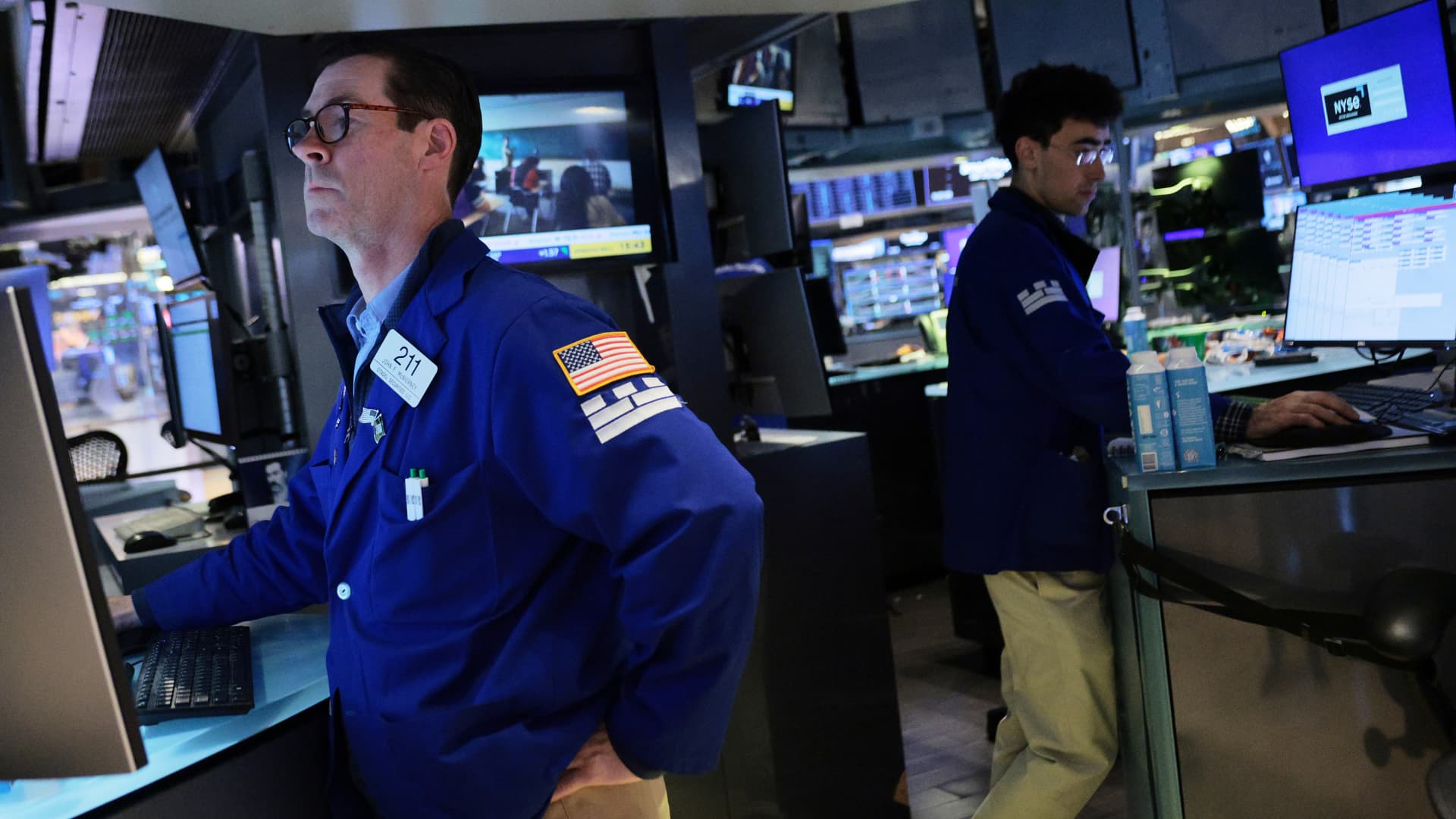
- Positive Bank Performance: Bank stocks kicked off earnings season last week, with the State Street SPDR S&P Bank ETF (KBE) gaining over 2% and marking its fifth consecutive winning week, indicating strong market leadership and potentially boosting investor confidence.
- Focus on Defense Stocks: Jay Woods highlighted that the three largest components of the iShares U.S. Aerospace & Defense ETF (ITA)—GE, RTX, and Boeing—are set to report earnings, with ITA climbing over 7% in 2026, on track for its sixth consecutive profitable year, showcasing the strength of the defense sector.
- ServiceNow Recovery Potential: ServiceNow shares have tumbled more than 35% in 2026, making it one of the worst performers in the S&P 500, but analysts believe the sell-off is overdone, with an average price target suggesting over 72% upside, making it a stock to watch.
- UnitedHealth Stock Analysis: UnitedHealth's stock has fallen over 29% in the past year, yet it is currently trading above its 200-day moving average; Woods noted that if it holds above $324 per share, it could see upside towards $353.75, while downside risks could see it drop to $300 or $287.
See More
Market Volatility and AI Outlook Analysis

- Earnings Season Outlook: As Q1 concludes, the market enters earnings season, with analysts focusing on company guidance amidst geopolitical turmoil and oil price fluctuations, which may lead firms to adjust or withdraw guidance, impacting investor confidence.
- AI Infrastructure Investment: Predictions indicate that capital expenditures from the four major hyperscalers could reach $650-$700 billion in 2026; however, power and water constraints may delay or cancel data center constructions, affecting growth potential in AI-related businesses.
- SaaS Industry Prospects: Analysts express caution regarding the future of the SaaS sector, monitoring revenue growth and margin changes, particularly as economic uncertainties may prompt companies to reduce investments, putting pressure on market valuations.
- Meta's AI Developments: Meta announced a $21 billion infrastructure deal with CoreWeave, and while its AI model has excelled in various benchmarks, the challenge remains in monetizing it effectively, especially when compared to competitors like Google and Microsoft.
See More

Market Turbulence and AI Investment Outlook
- Market Volatility Analysis: As Q1 concludes, the market faces challenges from the resumption of the Iran war and rising oil prices, with analysts predicting that companies may issue cautious guidance in the upcoming earnings season, potentially impacting investor confidence.
- AI Infrastructure Spending: The top four cloud companies are expected to allocate $650-$700 billion for capital expenditures in 2026, although power supply constraints may delay or cancel data center construction, affecting the long-term growth potential of the AI sector.
- Software Industry Outlook: Analysts are closely monitoring the SaaS sector, particularly as revenue growth slows and margin compression occurs, which could undermine investor confidence in related companies amid increasing economic uncertainty.
- Stock Buyback Trends: In light of an unclear economic outlook, companies may reduce stock buybacks, reflecting management's cautious stance on future prospects, which could influence market perceptions of these firms in the long run.
See More

Constellation Brands Stock Shows Potential for Recovery Amid Challenges

- Sales Decline Strategy: Despite a 51% drop in net sales for fiscal 2026 due to wine and spirits, Constellation Brands has shown resilience by focusing on its beer business, particularly Mexican brands like Modelo and Corona, which is expected to aid in future sales recovery.
- Dividend and Buyback Program: The company successfully completed a $924 million share buyback while maintaining a $4.12 per share dividend, demonstrating strong cash flow and commitment to shareholders, which further boosts investor confidence amid declining sales.
- Management Change and Market Response: New CEO Nicholas Fink took over on April 13, and the market has reacted positively to strategic adjustments under his leadership, with the stock steadily rising since November, reflecting investor optimism about the company's future.
- Improved Profitability: Despite sales challenges, net income for fiscal 2026 rose to nearly $1.7 billion, a significant turnaround from an $81 million loss the previous year, indicating the company's ability to remain profitable in adversity, enhancing its appeal to investors.
See More
Buffett Retires, Abel Takes Over as CEO of Berkshire Hathaway
- Leadership Transition: Warren Buffett retired on December 31, 2025, with Greg Abel stepping in to manage Berkshire Hathaway's $320 billion investment portfolio, marking a significant new era for the company.
- Investment Concentration: Abel's portfolio is heavily weighted, with 10 core holdings accounting for nearly 79% of assets, including Apple at $60 billion, highlighting the company's focus on high-quality assets and long-term growth potential.
- Sustainable Competitive Advantages: Among the 20 billion-dollar investments Abel oversees, many companies like Visa and Sirius XM operate as legal monopolies, ensuring stable revenue streams and risk resilience, reflecting Berkshire's investment strategy.
- Smaller Holdings Adjustment: Abel also manages 18 relatively smaller investments, with significant reductions like the 77% cut in Amazon's stake, indicating a focus on optimizing the portfolio and potentially paving the way for future trading opportunities.
See More
Warren Buffett Retires, Greg Abel Takes Over as CEO of Berkshire Hathaway
- Leadership Transition: Warren Buffett retired as CEO on December 31, 2025, with Greg Abel taking over the management of a $320 billion investment portfolio, marking a new era for Berkshire Hathaway, although Buffett remains as chairman of the board.
- Investment Philosophy Continuity: Abel shares a similar investment philosophy with Buffett, emphasizing value investing and sustainable competitive advantages, particularly by allocating a significant portion of the company's capital to their best ideas.
- Core Holdings Concentration: The ten core positions account for nearly 79% of Berkshire's invested assets, all of which pay dividends and engage in share repurchases, demonstrating strong capital return capabilities, with Abel's management style reflected in these choices.
- Smaller Investment Dynamics: Abel oversees 18 smaller holdings ranging from $5 million to approximately $692 million, many of which are being reduced or removed from the portfolio, indicating a dynamic adjustment strategy in response to market conditions.
See More
Investors Eye Upcoming Earnings Reports as Market Catalysts
- Positive Bank Performance: Bank stocks kicked off earnings season last week, with the State Street SPDR S&P Bank ETF (KBE) gaining over 2% and marking its fifth consecutive winning week, indicating strong market leadership and potentially boosting investor confidence.
- Focus on Defense Stocks: Jay Woods highlighted that the three largest components of the iShares U.S. Aerospace & Defense ETF (ITA)—GE, RTX, and Boeing—are set to report earnings, with ITA climbing over 7% in 2026, on track for its sixth consecutive profitable year, showcasing the strength of the defense sector.
- ServiceNow Recovery Potential: ServiceNow shares have tumbled more than 35% in 2026, making it one of the worst performers in the S&P 500, but analysts believe the sell-off is overdone, with an average price target suggesting over 72% upside, making it a stock to watch.
- UnitedHealth Stock Analysis: UnitedHealth's stock has fallen over 29% in the past year, yet it is currently trading above its 200-day moving average; Woods noted that if it holds above $324 per share, it could see upside towards $353.75, while downside risks could see it drop to $300 or $287.
See More
Market Volatility and AI Outlook Analysis
- Earnings Season Outlook: As Q1 concludes, the market enters earnings season, with analysts focusing on company guidance amidst geopolitical turmoil and oil price fluctuations, which may lead firms to adjust or withdraw guidance, impacting investor confidence.
- AI Infrastructure Investment: Predictions indicate that capital expenditures from the four major hyperscalers could reach $650-$700 billion in 2026; however, power and water constraints may delay or cancel data center constructions, affecting growth potential in AI-related businesses.
- SaaS Industry Prospects: Analysts express caution regarding the future of the SaaS sector, monitoring revenue growth and margin changes, particularly as economic uncertainties may prompt companies to reduce investments, putting pressure on market valuations.
- Meta's AI Developments: Meta announced a $21 billion infrastructure deal with CoreWeave, and while its AI model has excelled in various benchmarks, the challenge remains in monetizing it effectively, especially when compared to competitors like Google and Microsoft.
See More
Market Turbulence and AI Investment Outlook
- Market Volatility Analysis: As Q1 concludes, the market faces challenges from the resumption of the Iran war and rising oil prices, with analysts predicting that companies may issue cautious guidance in the upcoming earnings season, potentially impacting investor confidence.
- AI Infrastructure Spending: The top four cloud companies are expected to allocate $650-$700 billion for capital expenditures in 2026, although power supply constraints may delay or cancel data center construction, affecting the long-term growth potential of the AI sector.
- Software Industry Outlook: Analysts are closely monitoring the SaaS sector, particularly as revenue growth slows and margin compression occurs, which could undermine investor confidence in related companies amid increasing economic uncertainty.
- Stock Buyback Trends: In light of an unclear economic outlook, companies may reduce stock buybacks, reflecting management's cautious stance on future prospects, which could influence market perceptions of these firms in the long run.
See More
Constellation Brands Stock Shows Potential for Recovery Amid Challenges
- Sales Decline Strategy: Despite a 51% drop in net sales for fiscal 2026 due to wine and spirits, Constellation Brands has shown resilience by focusing on its beer business, particularly Mexican brands like Modelo and Corona, which is expected to aid in future sales recovery.
- Dividend and Buyback Program: The company successfully completed a $924 million share buyback while maintaining a $4.12 per share dividend, demonstrating strong cash flow and commitment to shareholders, which further boosts investor confidence amid declining sales.
- Management Change and Market Response: New CEO Nicholas Fink took over on April 13, and the market has reacted positively to strategic adjustments under his leadership, with the stock steadily rising since November, reflecting investor optimism about the company's future.
- Improved Profitability: Despite sales challenges, net income for fiscal 2026 rose to nearly $1.7 billion, a significant turnaround from an $81 million loss the previous year, indicating the company's ability to remain profitable in adversity, enhancing its appeal to investors.
See More