Despite a focus on AI spending, online advertising is a major contributor to Big Tech's growth.

Strong Growth in Digital Advertising: Major tech companies like Meta, Amazon, Alphabet, and Microsoft reported significant increases in their digital advertising revenues, with Meta leading at a 26% year-over-year growth, indicating resilience in the ad market despite economic uncertainties.
AI Investments and Economic Concerns: Despite concerns about economic instability, these companies are not reducing their AI spending, collectively expecting over $380 billion in capital expenditures this year, although Meta's stock faced a decline due to uncertainties about the returns on its AI investments.
Shifts in Advertising Budgets: Analysts suggest that companies may be reallocating their advertising budgets from traditional media to digital platforms, as evidenced by Reddit's impressive 68% sales growth, highlighting a broader trend in the advertising landscape.
Future Outlook and Consumer Spending: With the holiday season approaching, there are concerns about how economic factors might affect consumer spending and corporate marketing campaigns, making upcoming sales figures, particularly during Black Friday, a critical indicator for the advertising market.
Trade with 70% Backtested Accuracy
Analyst Views on GOOG

About GOOG
About the author

Google's Gemini AI Speaker Launching June 25

- Product Launch Details: Google's Gemini AI speaker is set to launch on June 25, with preorders starting on June 17 at a retail price of $99.99, aiming to compete directly with Amazon and Apple's smart speaker offerings.
- Technological Innovation: Built around the Gemini AI chatbot, the speaker enables more natural conversational interactions, equipped with reasoning capabilities to handle complex instructions and a Continued Conversation feature that enhances user engagement.
- Feature Highlights: The speaker boasts 10 natural-sounding voices, four color options, and 360-degree sound, can pair with Google TV streaming devices, and is capable of describing recent activities captured by Nest cameras, thereby enhancing home security.
- Market Competition Analysis: Priced competitively with Amazon's latest Echo speakers, this launch underscores Google's strategic positioning in the smart home market while reflecting its ongoing investment and innovation in AI technology.

Alphabet Faces AI Investment Challenges and Opportunities

- Market Performance Discrepancy: While the Nasdaq-100 has surged 43% due to AI, Alphabet's stock has only risen 16%, indicating relative underperformance among the 'Magnificent Seven' and potentially affecting investor confidence.
- Massive Investment Plans: Alphabet intends to invest up to $190 billion in AI infrastructure by 2026, with 60% of this expenditure allocated to servers and semiconductor chips, raising concerns among investors about short-term profitability.
- Revenue Growth Potential: In Q1 2026, Alphabet reported $110 billion in revenue, a 22% increase year-over-year, with Google Cloud revenue soaring 63% to $20 billion, highlighting strong demand and growth potential in the cloud market.
- Market Share Expansion: Google Cloud holds 14% of the global cloud infrastructure service market, and as demand for AI platform training and operation rises, Alphabet is strategically investing to solidify its market position, anticipating significant growth ahead.
Alphabet Plans $190 Billion Investment to Expand AI Infrastructure
- Capital Expenditure Plans: Alphabet has announced plans to increase capital expenditures to $190 billion by 2026, with an estimated 60% allocated for servers and semiconductor chips, aiming to support the expansion of its AI infrastructure, although investors express concerns about short-term profitability.
- Funding Strategy: The company plans to raise $80 billion through debt issuance to finance this expansion, following the successful raising of $85 billion last year, reflecting its ambitions in the AI sector, despite causing stock price declines in March and June.
- Revenue Growth: In Q1 2026, Alphabet reported revenues of $110 billion, a 22% increase year-over-year, with Google Cloud revenue soaring 63% to $20 billion, indicating strong performance in the cloud computing market, despite overall stock underperformance.
- Market Share Increase: Google Cloud currently holds 14% of the global cloud infrastructure service market, trailing only Amazon and Microsoft, and as cloud computing becomes more prevalent, Alphabet is solidifying its market position through increased investments, anticipating long-term growth.
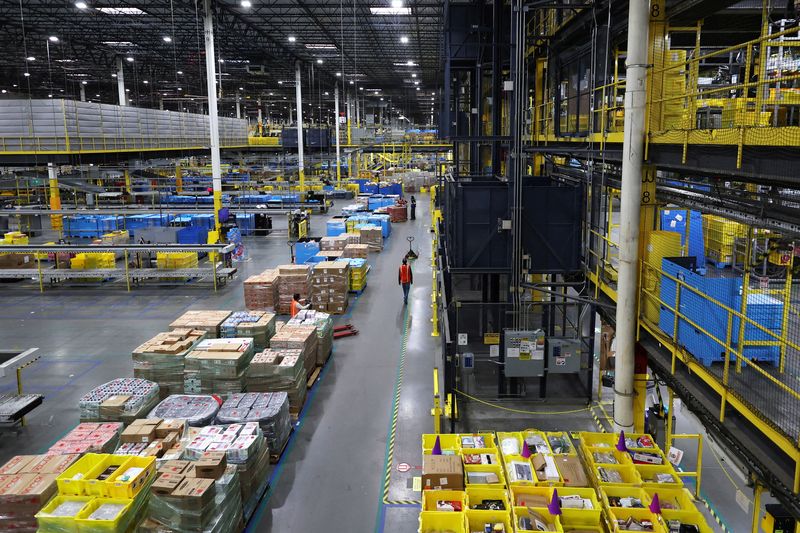
Amazon Plans to Sell Custom AI Chips, Competing with Nvidia


- Chip Sales Transformation: Amazon is in discussions to sell its custom Trainium accelerators to potential buyers, indicating a shift from solely renting through AWS to direct sales, which could challenge Nvidia's market dominance.
- Strong Market Demand: Amazon's Trainium business surpassed a $20 billion annual revenue run rate in Q1 2026, growing at a triple-digit pace, with major clients like OpenAI and Anthropic committed to using its chips, highlighting robust market demand.
- Clear Cost Advantage: Amazon argues that Trainium performs the same tasks at a lower cost than comparable GPUs, and external sales are not expected to cannibalize AWS demand, indicating its growing competitiveness in the AI computing sector.
- Positive Market Reaction: Although Amazon's plans could pressure Nvidia's pricing power, the market generally believes both can coexist, as evidenced by a 3% rise in stock prices for both companies on the day the news broke, reflecting investor optimism about market prospects.

Amazon Plans to Sell Trainium Chips to Data Centers
- New Chip Sales Direction: Amazon is reportedly in early talks to sell its Trainium accelerators to other companies' data centers, a move that could position its chips in direct competition with Nvidia's GPUs, potentially reshaping the market landscape.
- Revenue Growth Momentum: Amazon's custom chip business surpassed a $20 billion annual revenue run rate in Q1 2026, growing at a triple-digit pace, indicating strong market demand and future expansion potential.
- Strong Customer Commitments: Major clients like OpenAI and Anthropic have committed to using Trainium, with OpenAI securing about 2 gigawatts of capacity through AWS and Anthropic signing for up to 5 gigawatts, reflecting robust demand for Amazon's chips.
- Intensifying Market Competition: While Amazon's Trainium chips may pressure Nvidia's pricing power, Nvidia's business continues to accelerate, with data center revenue rising 92% year-over-year to $75.2 billion in Q1 2027, suggesting a large enough market to support both companies.

Analysis of Rigetti Computing's Stock Volatility

- Stock Pullback: Rigetti Computing's stock has fallen from an all-time high of $58 in October to around $21 currently, indicating a potential waning of market enthusiasm for quantum computing, prompting investors to carefully assess buying opportunities.
- Government Funding Support: The U.S. government announced it would provide Rigetti with up to $100 million in funding, which, despite potential strings attached, serves as a positive signal for the quantum computing industry and strengthens Rigetti's market position.
- Financial Performance: In Q1 2026, Rigetti's revenue tripled year-over-year to $4.4 million, although operating losses increased; however, the company maintains over $400 million in cash, ensuring its ability to continue development.
- Intense Market Competition: The quantum computing sector is highly competitive, with Rigetti facing challenges from companies like IonQ and D-Wave, as well as tech giants like Google and IBM; nevertheless, government backing and ample cash flow position it for future potential.
Google's Gemini AI Speaker Launching June 25
- Product Launch Details: Google's Gemini AI speaker is set to launch on June 25, with preorders starting on June 17 at a retail price of $99.99, aiming to compete directly with Amazon and Apple's smart speaker offerings.
- Technological Innovation: Built around the Gemini AI chatbot, the speaker enables more natural conversational interactions, equipped with reasoning capabilities to handle complex instructions and a Continued Conversation feature that enhances user engagement.
- Feature Highlights: The speaker boasts 10 natural-sounding voices, four color options, and 360-degree sound, can pair with Google TV streaming devices, and is capable of describing recent activities captured by Nest cameras, thereby enhancing home security.
- Market Competition Analysis: Priced competitively with Amazon's latest Echo speakers, this launch underscores Google's strategic positioning in the smart home market while reflecting its ongoing investment and innovation in AI technology.
Alphabet Faces AI Investment Challenges and Opportunities
- Market Performance Discrepancy: While the Nasdaq-100 has surged 43% due to AI, Alphabet's stock has only risen 16%, indicating relative underperformance among the 'Magnificent Seven' and potentially affecting investor confidence.
- Massive Investment Plans: Alphabet intends to invest up to $190 billion in AI infrastructure by 2026, with 60% of this expenditure allocated to servers and semiconductor chips, raising concerns among investors about short-term profitability.
- Revenue Growth Potential: In Q1 2026, Alphabet reported $110 billion in revenue, a 22% increase year-over-year, with Google Cloud revenue soaring 63% to $20 billion, highlighting strong demand and growth potential in the cloud market.
- Market Share Expansion: Google Cloud holds 14% of the global cloud infrastructure service market, and as demand for AI platform training and operation rises, Alphabet is strategically investing to solidify its market position, anticipating significant growth ahead.
Alphabet Plans $190 Billion Investment to Expand AI Infrastructure
- Capital Expenditure Plans: Alphabet has announced plans to increase capital expenditures to $190 billion by 2026, with an estimated 60% allocated for servers and semiconductor chips, aiming to support the expansion of its AI infrastructure, although investors express concerns about short-term profitability.
- Funding Strategy: The company plans to raise $80 billion through debt issuance to finance this expansion, following the successful raising of $85 billion last year, reflecting its ambitions in the AI sector, despite causing stock price declines in March and June.
- Revenue Growth: In Q1 2026, Alphabet reported revenues of $110 billion, a 22% increase year-over-year, with Google Cloud revenue soaring 63% to $20 billion, indicating strong performance in the cloud computing market, despite overall stock underperformance.
- Market Share Increase: Google Cloud currently holds 14% of the global cloud infrastructure service market, trailing only Amazon and Microsoft, and as cloud computing becomes more prevalent, Alphabet is solidifying its market position through increased investments, anticipating long-term growth.
Amazon Plans to Sell Custom AI Chips, Competing with Nvidia
- Chip Sales Transformation: Amazon is in discussions to sell its custom Trainium accelerators to potential buyers, indicating a shift from solely renting through AWS to direct sales, which could challenge Nvidia's market dominance.
- Strong Market Demand: Amazon's Trainium business surpassed a $20 billion annual revenue run rate in Q1 2026, growing at a triple-digit pace, with major clients like OpenAI and Anthropic committed to using its chips, highlighting robust market demand.
- Clear Cost Advantage: Amazon argues that Trainium performs the same tasks at a lower cost than comparable GPUs, and external sales are not expected to cannibalize AWS demand, indicating its growing competitiveness in the AI computing sector.
- Positive Market Reaction: Although Amazon's plans could pressure Nvidia's pricing power, the market generally believes both can coexist, as evidenced by a 3% rise in stock prices for both companies on the day the news broke, reflecting investor optimism about market prospects.
Amazon Plans to Sell Trainium Chips to Data Centers
- New Chip Sales Direction: Amazon is reportedly in early talks to sell its Trainium accelerators to other companies' data centers, a move that could position its chips in direct competition with Nvidia's GPUs, potentially reshaping the market landscape.
- Revenue Growth Momentum: Amazon's custom chip business surpassed a $20 billion annual revenue run rate in Q1 2026, growing at a triple-digit pace, indicating strong market demand and future expansion potential.
- Strong Customer Commitments: Major clients like OpenAI and Anthropic have committed to using Trainium, with OpenAI securing about 2 gigawatts of capacity through AWS and Anthropic signing for up to 5 gigawatts, reflecting robust demand for Amazon's chips.
- Intensifying Market Competition: While Amazon's Trainium chips may pressure Nvidia's pricing power, Nvidia's business continues to accelerate, with data center revenue rising 92% year-over-year to $75.2 billion in Q1 2027, suggesting a large enough market to support both companies.
Analysis of Rigetti Computing's Stock Volatility
- Stock Pullback: Rigetti Computing's stock has fallen from an all-time high of $58 in October to around $21 currently, indicating a potential waning of market enthusiasm for quantum computing, prompting investors to carefully assess buying opportunities.
- Government Funding Support: The U.S. government announced it would provide Rigetti with up to $100 million in funding, which, despite potential strings attached, serves as a positive signal for the quantum computing industry and strengthens Rigetti's market position.
- Financial Performance: In Q1 2026, Rigetti's revenue tripled year-over-year to $4.4 million, although operating losses increased; however, the company maintains over $400 million in cash, ensuring its ability to continue development.
- Intense Market Competition: The quantum computing sector is highly competitive, with Rigetti facing challenges from companies like IonQ and D-Wave, as well as tech giants like Google and IBM; nevertheless, government backing and ample cash flow position it for future potential.