Valero Energy Stock Rises 2.41% Amid Positive Earnings Outlook
Written by Emily J. Thompson, Senior Investment Analyst
Updated: 1 hour ago
0mins
Should l Buy VLO?
Source: NASDAQ.COM
- Stock Performance: Valero Energy (VLO) closed at $251.49, moving up 2.41% from the previous session, outperforming the S&P 500's gain of 0.08%, indicating strong market performance.
- Monthly Growth: Over the past month, Valero's stock has surged 13.72%, significantly exceeding the Oils-Energy sector's 6.52% increase and the S&P 500's 1.74% decline, highlighting the company's competitive strength in the industry.
- Earnings Expectations: Valero is set to report earnings on April 30, 2026, with an expected EPS of $2.79, reflecting a remarkable 213.48% increase from the prior year, although revenue is forecasted to decline by 7.73% to $27.92 billion, indicating a strong profitability outlook despite revenue challenges.
- Analyst Ratings: Currently holding a Zacks Rank of #3 (Hold), Valero has seen a 19.61% upward revision in EPS estimates over the past month, showcasing analysts' optimism about the company's profitability potential, even as its forward P/E ratio of 16.1 is above the industry average of 15.08.
Trade with 70% Backtested Accuracy
Stop guessing "Should I Buy VLO?" and start using high-conviction signals backed by rigorous historical data.
Sign up today to access powerful investing tools and make smarter, data-driven decisions.
Analyst Views on VLO
Wall Street analysts forecast VLO stock price to fall
17 Analyst Rating
11 Buy
6 Hold
0 Sell
Moderate Buy
Current: 245.580

Low
149.00
Averages
186.56
High
223.00
Current: 245.580
Low
149.00
Averages
186.56
High
223.00
About VLO
Valero Energy Corporation, through its subsidiaries, is a multinational manufacturer and marketer of petroleum-based and low-carbon liquid transportation fuels and petrochemical products. The Company sells its products primarily in the United States, Canada, the United Kingdom, Ireland and Latin America. Its segments include Refining, Renewable Diesel, and Ethanol. The Refining segment includes the operations of its petroleum refineries, the associated activities to market its refined petroleum products, and the logistics assets that support its refining operations. The Renewable Diesel segment represents the operations of Diamond Green Diesel (DGD), and the associated activities to market renewable diesel, renewable naphtha, and neat SAF. The Ethanol segment includes the operations of its ethanol plants and the associated activities to market its ethanol and co-products. It owns 15 petroleum refineries located in the United States, Canada and the United Kingdom.
About the author

Emily J. Thompson
Emily J. Thompson, a Chartered Financial Analyst (CFA) with 12 years in investment research, graduated with honors from the Wharton School. Specializing in industrial and technology stocks, she provides in-depth analysis for Intellectia’s earnings and market brief reports.

Valero Energy Stock Rises 2.41% Amid Positive Earnings Outlook

- Stock Performance: Valero Energy (VLO) closed at $251.49, moving up 2.41% from the previous session, outperforming the S&P 500's gain of 0.08%, indicating strong market performance.
- Monthly Growth: Over the past month, Valero's stock has surged 13.72%, significantly exceeding the Oils-Energy sector's 6.52% increase and the S&P 500's 1.74% decline, highlighting the company's competitive strength in the industry.
- Earnings Expectations: Valero is set to report earnings on April 30, 2026, with an expected EPS of $2.79, reflecting a remarkable 213.48% increase from the prior year, although revenue is forecasted to decline by 7.73% to $27.92 billion, indicating a strong profitability outlook despite revenue challenges.
- Analyst Ratings: Currently holding a Zacks Rank of #3 (Hold), Valero has seen a 19.61% upward revision in EPS estimates over the past month, showcasing analysts' optimism about the company's profitability potential, even as its forward P/E ratio of 16.1 is above the industry average of 15.08.
See More

Trump Suspends Planned Attacks on Iran for Two Weeks


- Positive Market Reaction: Following Trump's announcement to suspend planned attacks on Iranian infrastructure, Asia-Pacific markets are expected to open higher, indicating investor optimism regarding reduced geopolitical risks.
- Crude Oil Prices Plunge: In response to the news, U.S. West Texas Intermediate crude oil prices fell over 16% to $94.23 per barrel, reflecting a market reassessment of supply disruption risks.
- Japanese Stock Market Anticipation: The Nikkei 225 index is poised for gains, with Chicago contracts at 56,040, significantly up from the previous close of 53,429.56, showcasing market confidence in future economic recovery.
- Strong U.S. Futures: Dow Jones Industrial Average futures rose by 718 points, or 1.5%, while S&P 500 and Nasdaq 100 futures increased by 1.6% and 1.7%, respectively, indicating a bullish sentiment among investors regarding market prospects.
See More
Trump Suspends Attacks on Iran, Oil Prices Plummet

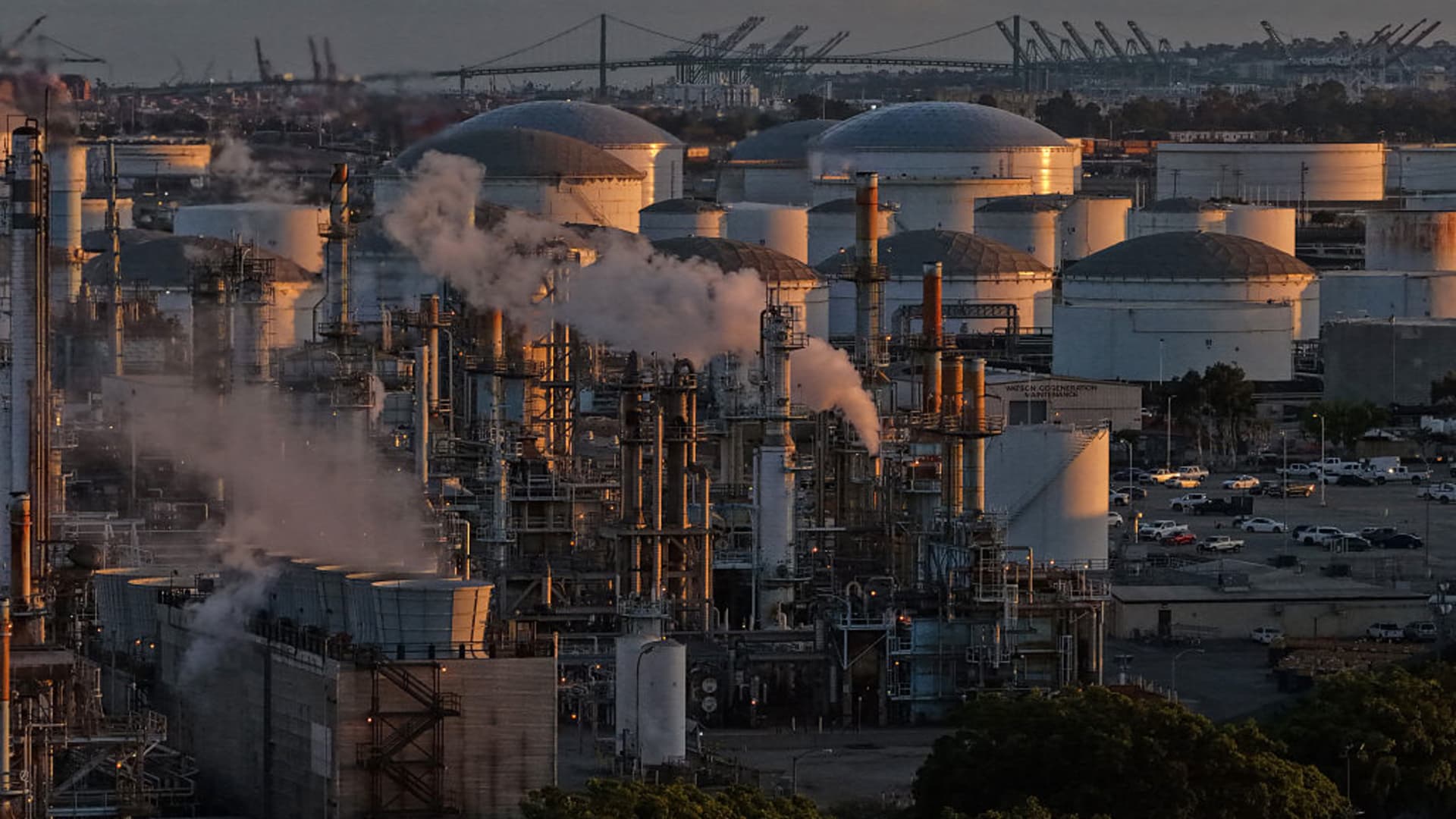
- Oil Price Drop: U.S. crude oil prices plummeted over 9% to $102.63 per barrel after Trump agreed to suspend attacks on Iran, indicating market sensitivity to geopolitical risks that could destabilize supply chains in the short term.
- Geopolitical Tensions: Trump stated on social media that he would delay attacks on Iran based on discussions with Pakistan's Prime Minister, allowing time for negotiations, a decision that may influence future Middle Eastern dynamics and global oil prices.
- Global Supply Chain Impact: Oil exports through the Strait of Hormuz have sharply declined due to Iranian attacks on commercial vessels, leading to the largest disruption of crude supplies in history, with approximately 20% of global oil passing through this critical route, potentially resulting in greater shortages in the coming weeks.
- Fuel Price Surge: Since the onset of the conflict, U.S. oil prices have soared over 60%, with jet fuel, diesel, and gasoline prices also rising sharply, as analysts warn of escalating global fuel shortages if the Strait of Hormuz does not fully reopen.
See More

US Stocks Decline as Oil Prices Surge Amid Iran Tensions


- Market Decline: The S&P 500 Index fell by 0.90%, the Dow Jones Industrial Average dropped by 0.76%, and the Nasdaq 100 Index decreased by 1.40%, reflecting investor concerns over geopolitical tensions, particularly the potential escalation of conflict between Iran and the US.
- Oil Price Surge: Crude oil prices rose over 3% to a four-week high as the market watches for Iran's response to a ceasefire deadline tonight, with failure to reach an agreement potentially leading to broader military conflict and impacting global energy supplies.
- Positive Economic Data: Despite the overall market downturn, February's non-defense capital goods new orders increased by 0.6% month-over-month, surpassing expectations of 0.5%, indicating resilience in US capital spending that could support future market stability.
- Bond Market Reaction: The 10-year Treasury note yield rose to 4.357% as rising oil prices boosted inflation expectations, while the market's diminished outlook for a Fed rate hike reflects investor caution regarding future economic policies.
See More
Airlines Face Challenges from Soaring Jet Fuel Prices


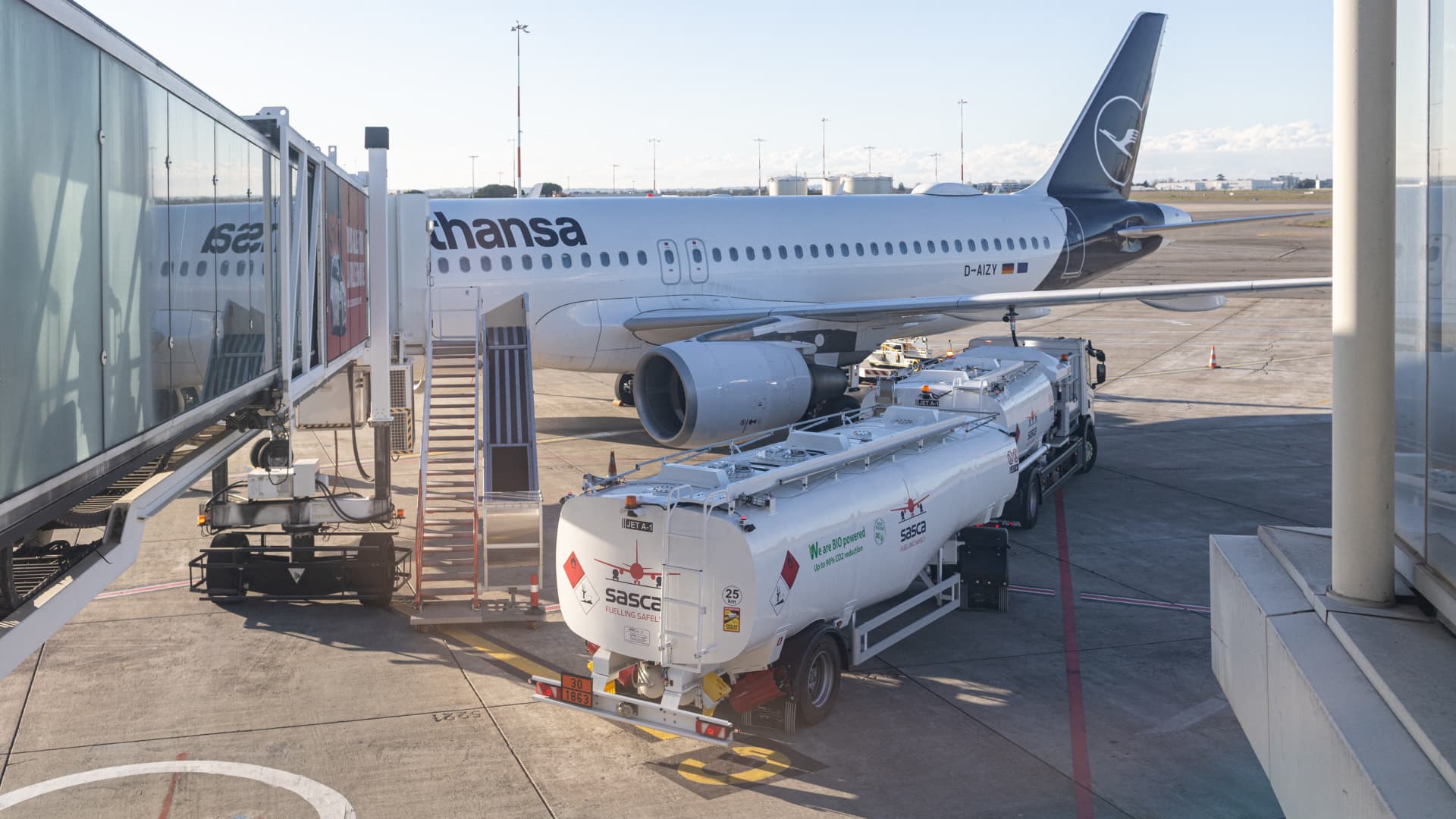
- Surging Fuel Prices: Since the U.S. and Israel's attack on Iran on February 28, jet fuel prices in the U.S. have nearly doubled from $2.50 to $4.88 per gallon, forcing airlines to consider cutting flights due to rising costs and potential demand drops.
- Flight Reduction Plans: Deutsche Lufthansa CEO Carsten Spohr announced that the airline is developing contingency plans, including the possibility of grounding aircraft, in response to the Middle East conflict and the associated risks of fuel shortages and demand declines.
- Domestic Capacity Adjustments: According to a UBS report, U.S. carriers' domestic capacity is expected to grow by 2.1% in Q2, down from the previously anticipated 2.3%, with further capacity cuts likely in the coming weeks as airlines respond to rising fuel prices.
- Ticket Price Increases: Airlines have begun raising airfare and checked baggage fees to offset increased fuel costs, and while demand remains strong, sustained high fuel prices could lead to reduced consumer spending, impacting airline profitability.
See More

Oil Prices Rise as Trump Threatens Iran Over Strait of Hormuz


- Oil Price Surge: Oil prices rose as U.S. President Trump threatened to attack Iran's infrastructure, with West Texas Intermediate crude futures increasing by 0.93% to $113.46 per barrel, reflecting market sensitivity to geopolitical tensions.
- Strait of Hormuz Situation: Trump reiterated that the U.S. would destroy Iran's power plants and bridges if the Strait of Hormuz was not reopened by the deadline, intensifying market concerns over supply disruptions and driving prices higher.
- Negotiation Dynamics: Despite Trump's pressure, Iran proposed a 10-point plan to end hostilities, including a permanent ceasefire and lifting sanctions, indicating the complexity and uncertainty of negotiations that could impact future energy supplies.
- Shipping Resumption: Shipping through the Strait of Hormuz is slowly resuming, with 8 tankers transiting on Monday, although this remains significantly below the pre-war average of 20 million barrels per day in 2025, indicating ongoing adjustments to supply shocks in the market.
See More
Valero Energy Stock Rises 2.41% Amid Positive Earnings Outlook
- Stock Performance: Valero Energy (VLO) closed at $251.49, moving up 2.41% from the previous session, outperforming the S&P 500's gain of 0.08%, indicating strong market performance.
- Monthly Growth: Over the past month, Valero's stock has surged 13.72%, significantly exceeding the Oils-Energy sector's 6.52% increase and the S&P 500's 1.74% decline, highlighting the company's competitive strength in the industry.
- Earnings Expectations: Valero is set to report earnings on April 30, 2026, with an expected EPS of $2.79, reflecting a remarkable 213.48% increase from the prior year, although revenue is forecasted to decline by 7.73% to $27.92 billion, indicating a strong profitability outlook despite revenue challenges.
- Analyst Ratings: Currently holding a Zacks Rank of #3 (Hold), Valero has seen a 19.61% upward revision in EPS estimates over the past month, showcasing analysts' optimism about the company's profitability potential, even as its forward P/E ratio of 16.1 is above the industry average of 15.08.
See More
Trump Suspends Planned Attacks on Iran for Two Weeks
- Positive Market Reaction: Following Trump's announcement to suspend planned attacks on Iranian infrastructure, Asia-Pacific markets are expected to open higher, indicating investor optimism regarding reduced geopolitical risks.
- Crude Oil Prices Plunge: In response to the news, U.S. West Texas Intermediate crude oil prices fell over 16% to $94.23 per barrel, reflecting a market reassessment of supply disruption risks.
- Japanese Stock Market Anticipation: The Nikkei 225 index is poised for gains, with Chicago contracts at 56,040, significantly up from the previous close of 53,429.56, showcasing market confidence in future economic recovery.
- Strong U.S. Futures: Dow Jones Industrial Average futures rose by 718 points, or 1.5%, while S&P 500 and Nasdaq 100 futures increased by 1.6% and 1.7%, respectively, indicating a bullish sentiment among investors regarding market prospects.
See More
Trump Suspends Attacks on Iran, Oil Prices Plummet
- Oil Price Drop: U.S. crude oil prices plummeted over 9% to $102.63 per barrel after Trump agreed to suspend attacks on Iran, indicating market sensitivity to geopolitical risks that could destabilize supply chains in the short term.
- Geopolitical Tensions: Trump stated on social media that he would delay attacks on Iran based on discussions with Pakistan's Prime Minister, allowing time for negotiations, a decision that may influence future Middle Eastern dynamics and global oil prices.
- Global Supply Chain Impact: Oil exports through the Strait of Hormuz have sharply declined due to Iranian attacks on commercial vessels, leading to the largest disruption of crude supplies in history, with approximately 20% of global oil passing through this critical route, potentially resulting in greater shortages in the coming weeks.
- Fuel Price Surge: Since the onset of the conflict, U.S. oil prices have soared over 60%, with jet fuel, diesel, and gasoline prices also rising sharply, as analysts warn of escalating global fuel shortages if the Strait of Hormuz does not fully reopen.
See More
US Stocks Decline as Oil Prices Surge Amid Iran Tensions
- Market Decline: The S&P 500 Index fell by 0.90%, the Dow Jones Industrial Average dropped by 0.76%, and the Nasdaq 100 Index decreased by 1.40%, reflecting investor concerns over geopolitical tensions, particularly the potential escalation of conflict between Iran and the US.
- Oil Price Surge: Crude oil prices rose over 3% to a four-week high as the market watches for Iran's response to a ceasefire deadline tonight, with failure to reach an agreement potentially leading to broader military conflict and impacting global energy supplies.
- Positive Economic Data: Despite the overall market downturn, February's non-defense capital goods new orders increased by 0.6% month-over-month, surpassing expectations of 0.5%, indicating resilience in US capital spending that could support future market stability.
- Bond Market Reaction: The 10-year Treasury note yield rose to 4.357% as rising oil prices boosted inflation expectations, while the market's diminished outlook for a Fed rate hike reflects investor caution regarding future economic policies.
See More
Airlines Face Challenges from Soaring Jet Fuel Prices
- Surging Fuel Prices: Since the U.S. and Israel's attack on Iran on February 28, jet fuel prices in the U.S. have nearly doubled from $2.50 to $4.88 per gallon, forcing airlines to consider cutting flights due to rising costs and potential demand drops.
- Flight Reduction Plans: Deutsche Lufthansa CEO Carsten Spohr announced that the airline is developing contingency plans, including the possibility of grounding aircraft, in response to the Middle East conflict and the associated risks of fuel shortages and demand declines.
- Domestic Capacity Adjustments: According to a UBS report, U.S. carriers' domestic capacity is expected to grow by 2.1% in Q2, down from the previously anticipated 2.3%, with further capacity cuts likely in the coming weeks as airlines respond to rising fuel prices.
- Ticket Price Increases: Airlines have begun raising airfare and checked baggage fees to offset increased fuel costs, and while demand remains strong, sustained high fuel prices could lead to reduced consumer spending, impacting airline profitability.
See More
Oil Prices Rise as Trump Threatens Iran Over Strait of Hormuz
- Oil Price Surge: Oil prices rose as U.S. President Trump threatened to attack Iran's infrastructure, with West Texas Intermediate crude futures increasing by 0.93% to $113.46 per barrel, reflecting market sensitivity to geopolitical tensions.
- Strait of Hormuz Situation: Trump reiterated that the U.S. would destroy Iran's power plants and bridges if the Strait of Hormuz was not reopened by the deadline, intensifying market concerns over supply disruptions and driving prices higher.
- Negotiation Dynamics: Despite Trump's pressure, Iran proposed a 10-point plan to end hostilities, including a permanent ceasefire and lifting sanctions, indicating the complexity and uncertainty of negotiations that could impact future energy supplies.
- Shipping Resumption: Shipping through the Strait of Hormuz is slowly resuming, with 8 tankers transiting on Monday, although this remains significantly below the pre-war average of 20 million barrels per day in 2025, indicating ongoing adjustments to supply shocks in the market.
See More