US Stocks Decline After Trump's Fed Chair Nomination
Written by Emily J. Thompson, Senior Investment Analyst
Updated: Jan 31 2026
0mins


Should l Buy AAPL?
Source: Benzinga
- Increased Market Volatility: Trump's nomination of former Fed official Warsh as the new Fed chair unsettled investors, leading to significant declines in major indices as market participants reacted to heightened uncertainty regarding future monetary policy.
- Gold and Silver Plunge: Following Warsh's nomination, gold and silver experienced their steepest declines in decades, prompting investors to reassess monetary policy risks and resulting in a substantial loss of confidence among precious metal investors.
- Corporate Earnings Impact: Microsoft saw its shares drop sharply despite reporting better-than-expected earnings, as concerns over slowing Azure growth and cautious guidance weighed heavily on investor sentiment, contrasting with Meta's stock rally driven by strong advertising and engagement metrics.
- Rising Treasury Yields: As expectations for a more hawkish Fed stance grew, Treasury yields edged higher while equities retreated, and commodities lost significant recent gains, reflecting a cautious outlook among investors regarding the economic landscape ahead.
Trade with 70% Backtested Accuracy
Stop guessing "Should I Buy AAPL?" and start using high-conviction signals backed by rigorous historical data.
Sign up today to access powerful investing tools and make smarter, data-driven decisions.
Analyst Views on AAPL
Wall Street analysts forecast AAPL stock price to rise
27 Analyst Rating
17 Buy
9 Hold
1 Sell
Moderate Buy
Current: 270.230

Low
239.00
Averages
306.89
High
350.00
Current: 270.230
Low
239.00
Averages
306.89
High
350.00
About AAPL
Apple Inc. designs, manufactures and markets smartphones, personal computers, tablets, wearables and accessories, and sells a variety of related services. Its product categories include iPhone, Mac, iPad, and Wearables, Home and Accessories. Its software platforms include iOS, iPadOS, macOS, watchOS, visionOS, and tvOS. Its services include advertising, AppleCare, cloud services, digital content and payment services. The Company operates various platforms, including the App Store, that allow customers to discover and download applications and digital content, such as books, music, video, games and podcasts. It also offers digital content through subscription-based services, including Apple Arcade, Apple Fitness+, Apple Music, Apple News+, and Apple TV+. Its products include iPhone 16 Pro, iPhone 16, iPhone 15, iPhone 14, iPhone SE, MacBook Air, MacBook Pro, iMac, Mac mini, Mac Studio, Mac Pro, iPad Pro, iPad Air, AirPods, AirPods Pro, AirPods Max, Apple TV, Apple Vision Pro and others.
About the author

Emily J. Thompson
Emily J. Thompson, a Chartered Financial Analyst (CFA) with 12 years in investment research, graduated with honors from the Wharton School. Specializing in industrial and technology stocks, she provides in-depth analysis for Intellectia’s earnings and market brief reports.
Apple's WWDC 2026 to Redesign Siri Experience

- Major Siri Overhaul: The WWDC 2026 invitations suggest a significant redesign of Siri, expected to feature a chatbot-style interface across iOS 27, iPadOS 27, and macOS 27, enhancing user interaction.
- Enhanced Multi-Tasking: The new Siri version is anticipated to better handle multiple commands, support external AI agents, and effectively utilize personal data and on-screen content to answer queries, increasing the assistant's utility.
- Performance Improvement Focus: Apple plans to emphasize performance enhancements in the next software cycle, including bug fixes, faster operations, and improved battery life, particularly optimizing for enterprise users, schools, and developing markets.
- Hardware Release Delays: Due to industry-wide memory shortages, the launch of new Mac Studio models is expected to be delayed until October, while the redesigned touchscreen MacBook Pro with M6 chips may also be postponed to late 2026 or early 2027.
See More
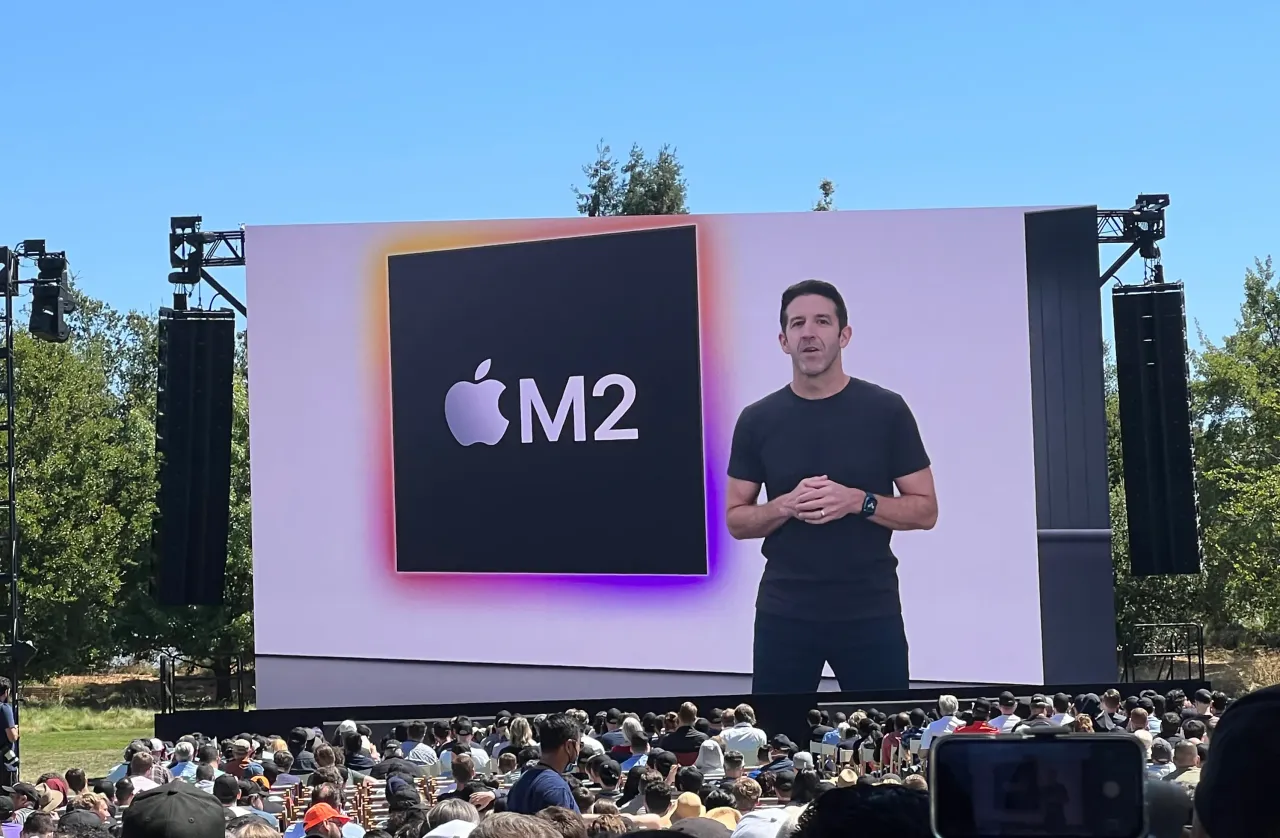
Apple Appoints New CEO, Shifts Focus to Hardware Strategy
- Leadership Transition: Apple announced that John Ternus, head of hardware, will become CEO on September 1, with Tim Cook transitioning to executive chairman, a move seen as a continuation of strategy rather than a shake-up, although concerns arise due to Ternus's lack of AI experience.
- Hardware Strategy Overhaul: Apple appointed Johny Srouji as chief hardware officer to integrate hardware engineering and technology divisions, expected to drive innovation and efficiency in hardware, particularly ahead of the upcoming WWDC and fiscal report.
- Market Reaction: Following the announcement, Apple shares fell 0.6%, breaking a five-day gain streak, reflecting cautious investor sentiment towards the new leadership, although analysts generally view Ternus's appointment positively, anticipating tighter operational execution and margin management.
- Industry Praise: Cook's departure prompted accolades from industry leaders, with analysts noting Ternus's appointment signifies Apple's ongoing focus on hardware, and despite AI competition pressures, Apple maintains control over capital expenditures, demonstrating a cautious approach to tech investments.
See More

New CEO Ternus's Strategic Vision for Apple

- AI Strategy Review: New CEO Ternus emphasized in an interview that Apple will not merely chase technology releases but focus on leveraging technology to create outstanding products, a pragmatic approach that is crucial in the face of competitors like Microsoft and Google.
- Hardware Priority: With extensive hardware engineering experience, Ternus promises to uphold a customer experience-centric philosophy akin to co-founder Steve Jobs, which will help Apple maintain its competitive edge in product innovation.
- Product Innovation and Market Response: Under Ternus's leadership, Apple has launched several new products, including the ultra-thin iPhone Air and MacBook Neo, which not only enhance Apple's market performance but also strengthen its competitiveness in the premium segment.
- In-House Chip Transition: Ternus successfully guided Apple to transition its Mac laptop line to in-house processors, ending reliance on Intel; this strategic shift significantly improved Mac performance and battery life, driving a sales resurgence and demonstrating Apple's commitment to technological innovation.
See More

Major U.S. Indexes Decline on Monday, Nasdaq Leads the Drop

- Market Performance Review: Major U.S. indexes closed lower on Monday, with the Nasdaq Composite falling 0.26% to 24,404.39, and the S&P 500 slipping 0.24% to 7,109.14, indicating a market correction after three consecutive weeks of gains.
- CEO Transition Impact: Apple announced that CEO Tim Cook would transition to executive chairman, with John Ternus succeeding him; however, this news led to a decline in AAPL shares, reflecting investor caution regarding leadership changes.
- Escalating Middle East Tensions: Tensions in the Middle East intensified as the U.S. Navy fired on and seized an Iranian ship, raising concerns about upcoming peace talks, which could influence market sentiment and investment decisions.
- Retail Sales Data Expectations: Investors are looking forward to the upcoming March retail sales figures, which are expected to show an overall increase, potentially providing market support amid the backdrop of the Senate Banking Committee's hearing for the Federal Reserve chair nomination.
See More
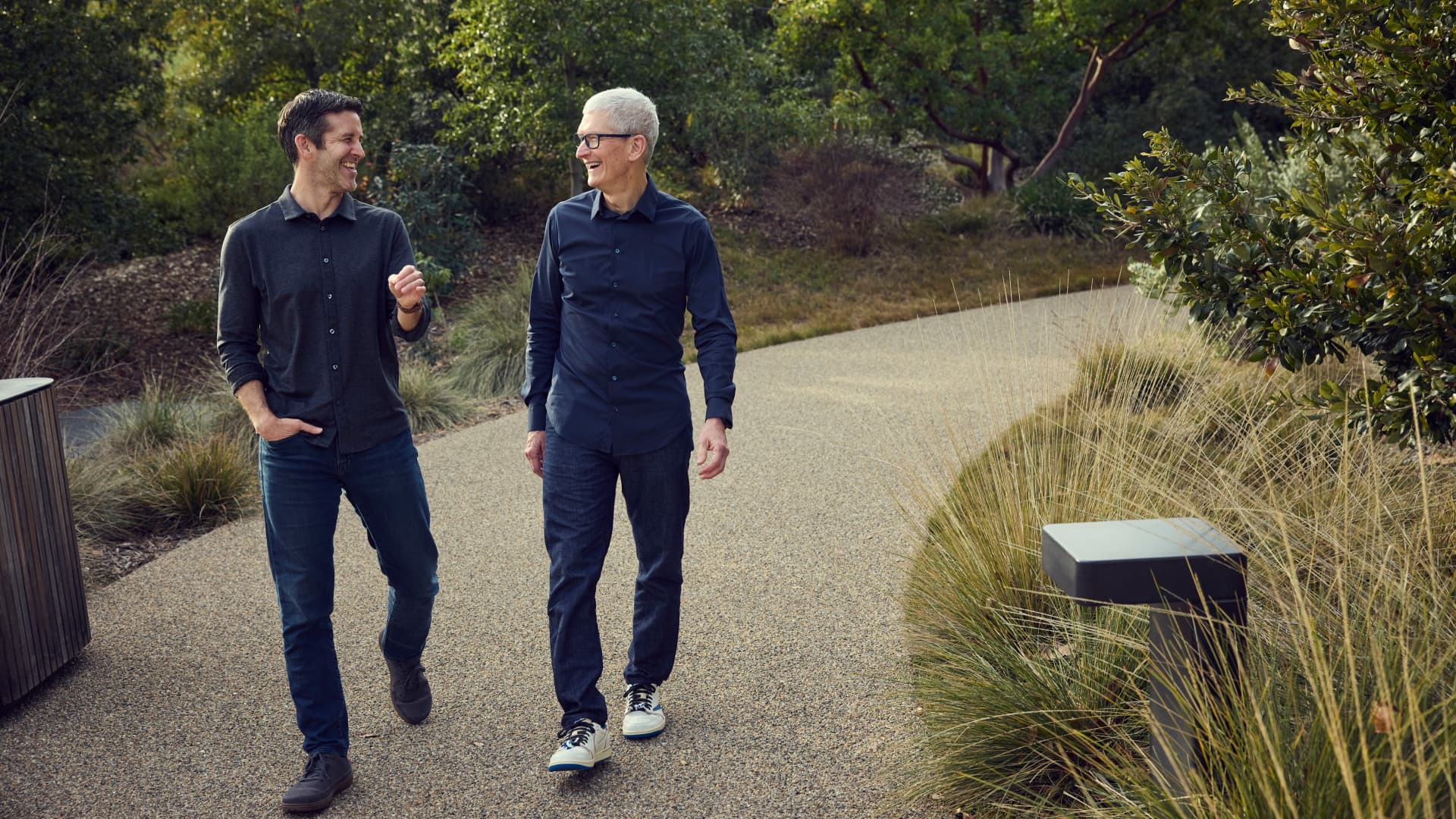
Apple Transitions Leadership to John Ternus
- Leadership Transition: Apple has announced that Senior Vice President of Hardware Engineering John Ternus will succeed Tim Cook as CEO on September 1, while Cook transitions to Executive Chairman, marking only the second leadership change since Steve Jobs, which could significantly influence the company's strategic direction moving forward.
- Market Reaction: Following the leadership change announcement, major U.S. indexes dipped, with the Nasdaq Composite ending a 13-day winning streak, indicating a cautious sentiment among investors regarding the new leadership and its potential impact on the company's performance.
- International Tensions: Despite the market's apparent shift away from the Iran conflict, President Trump continues to issue threats, stating that “lots of bombs will start going off” if no deal is reached, which could negatively affect global market sentiment and investor confidence.
- Holiday Spending Concerns: Due to the ongoing Iran war, Christmas decor manufacturers in China are worried about a poor holiday season, with expectations that American consumers will face at least a 15% price increase, which could alter future consumer spending patterns and market demand.
See More
Buffett's Potential Tech Investments: Three AI Stocks

- Nvidia's Market Dominance: Nvidia's leading position in the AI chip market makes it a likely investment for Buffett, with $216 billion in revenue and $120 billion in net income over the past 12 months, showcasing a profit margin exceeding 50% and strong future growth potential.
- Microsoft's AI Strategy: By integrating AI into its Office software, Microsoft has driven new sales opportunities, reporting over $305 billion in revenue and a profit margin of around 40% over the past four quarters, which is impressive given its large business scale despite a growth rate below 20%.
- ASML's Unique Competitive Edge: ASML holds a near-monopoly on extreme ultraviolet lithography machines, with sales growing 54% over the past three years, and while its profit margin is 30%, its pivotal role in chip manufacturing makes it an ideal choice for AI investment.
- Long-Term Appeal of Tech Stocks: Despite the volatility of tech stocks, the strong fundamentals and ongoing market demand for Nvidia, Microsoft, and ASML suggest these stocks have the potential for long-term holding in Buffett's investment portfolio.
See More
Apple's WWDC 2026 to Redesign Siri Experience
- Major Siri Overhaul: The WWDC 2026 invitations suggest a significant redesign of Siri, expected to feature a chatbot-style interface across iOS 27, iPadOS 27, and macOS 27, enhancing user interaction.
- Enhanced Multi-Tasking: The new Siri version is anticipated to better handle multiple commands, support external AI agents, and effectively utilize personal data and on-screen content to answer queries, increasing the assistant's utility.
- Performance Improvement Focus: Apple plans to emphasize performance enhancements in the next software cycle, including bug fixes, faster operations, and improved battery life, particularly optimizing for enterprise users, schools, and developing markets.
- Hardware Release Delays: Due to industry-wide memory shortages, the launch of new Mac Studio models is expected to be delayed until October, while the redesigned touchscreen MacBook Pro with M6 chips may also be postponed to late 2026 or early 2027.
See More
Apple Appoints New CEO, Shifts Focus to Hardware Strategy
- Leadership Transition: Apple announced that John Ternus, head of hardware, will become CEO on September 1, with Tim Cook transitioning to executive chairman, a move seen as a continuation of strategy rather than a shake-up, although concerns arise due to Ternus's lack of AI experience.
- Hardware Strategy Overhaul: Apple appointed Johny Srouji as chief hardware officer to integrate hardware engineering and technology divisions, expected to drive innovation and efficiency in hardware, particularly ahead of the upcoming WWDC and fiscal report.
- Market Reaction: Following the announcement, Apple shares fell 0.6%, breaking a five-day gain streak, reflecting cautious investor sentiment towards the new leadership, although analysts generally view Ternus's appointment positively, anticipating tighter operational execution and margin management.
- Industry Praise: Cook's departure prompted accolades from industry leaders, with analysts noting Ternus's appointment signifies Apple's ongoing focus on hardware, and despite AI competition pressures, Apple maintains control over capital expenditures, demonstrating a cautious approach to tech investments.
See More
New CEO Ternus's Strategic Vision for Apple
- AI Strategy Review: New CEO Ternus emphasized in an interview that Apple will not merely chase technology releases but focus on leveraging technology to create outstanding products, a pragmatic approach that is crucial in the face of competitors like Microsoft and Google.
- Hardware Priority: With extensive hardware engineering experience, Ternus promises to uphold a customer experience-centric philosophy akin to co-founder Steve Jobs, which will help Apple maintain its competitive edge in product innovation.
- Product Innovation and Market Response: Under Ternus's leadership, Apple has launched several new products, including the ultra-thin iPhone Air and MacBook Neo, which not only enhance Apple's market performance but also strengthen its competitiveness in the premium segment.
- In-House Chip Transition: Ternus successfully guided Apple to transition its Mac laptop line to in-house processors, ending reliance on Intel; this strategic shift significantly improved Mac performance and battery life, driving a sales resurgence and demonstrating Apple's commitment to technological innovation.
See More
Major U.S. Indexes Decline on Monday, Nasdaq Leads the Drop
- Market Performance Review: Major U.S. indexes closed lower on Monday, with the Nasdaq Composite falling 0.26% to 24,404.39, and the S&P 500 slipping 0.24% to 7,109.14, indicating a market correction after three consecutive weeks of gains.
- CEO Transition Impact: Apple announced that CEO Tim Cook would transition to executive chairman, with John Ternus succeeding him; however, this news led to a decline in AAPL shares, reflecting investor caution regarding leadership changes.
- Escalating Middle East Tensions: Tensions in the Middle East intensified as the U.S. Navy fired on and seized an Iranian ship, raising concerns about upcoming peace talks, which could influence market sentiment and investment decisions.
- Retail Sales Data Expectations: Investors are looking forward to the upcoming March retail sales figures, which are expected to show an overall increase, potentially providing market support amid the backdrop of the Senate Banking Committee's hearing for the Federal Reserve chair nomination.
See More
Apple Transitions Leadership to John Ternus
- Leadership Transition: Apple has announced that Senior Vice President of Hardware Engineering John Ternus will succeed Tim Cook as CEO on September 1, while Cook transitions to Executive Chairman, marking only the second leadership change since Steve Jobs, which could significantly influence the company's strategic direction moving forward.
- Market Reaction: Following the leadership change announcement, major U.S. indexes dipped, with the Nasdaq Composite ending a 13-day winning streak, indicating a cautious sentiment among investors regarding the new leadership and its potential impact on the company's performance.
- International Tensions: Despite the market's apparent shift away from the Iran conflict, President Trump continues to issue threats, stating that “lots of bombs will start going off” if no deal is reached, which could negatively affect global market sentiment and investor confidence.
- Holiday Spending Concerns: Due to the ongoing Iran war, Christmas decor manufacturers in China are worried about a poor holiday season, with expectations that American consumers will face at least a 15% price increase, which could alter future consumer spending patterns and market demand.
See More
Buffett's Potential Tech Investments: Three AI Stocks
- Nvidia's Market Dominance: Nvidia's leading position in the AI chip market makes it a likely investment for Buffett, with $216 billion in revenue and $120 billion in net income over the past 12 months, showcasing a profit margin exceeding 50% and strong future growth potential.
- Microsoft's AI Strategy: By integrating AI into its Office software, Microsoft has driven new sales opportunities, reporting over $305 billion in revenue and a profit margin of around 40% over the past four quarters, which is impressive given its large business scale despite a growth rate below 20%.
- ASML's Unique Competitive Edge: ASML holds a near-monopoly on extreme ultraviolet lithography machines, with sales growing 54% over the past three years, and while its profit margin is 30%, its pivotal role in chip manufacturing makes it an ideal choice for AI investment.
- Long-Term Appeal of Tech Stocks: Despite the volatility of tech stocks, the strong fundamentals and ongoing market demand for Nvidia, Microsoft, and ASML suggest these stocks have the potential for long-term holding in Buffett's investment portfolio.
See More