Uber vs Airbnb: Revenue Comparison
Written by Emily J. Thompson, Senior Investment Analyst
Updated: 1 day ago
0mins

Should l Buy UBER?
Source: Yahoo Finance
- Uber Revenue Growth: Uber achieved an annual revenue of $52 billion in 2025, reflecting a year-over-year growth of approximately 20%, which underscores its strong momentum in the ridesharing and delivery markets, further solidifying its market leadership.
- Airbnb Revenue Performance: Airbnb's annual revenue reached $12.3 billion in 2025, with a growth rate of about 10%, indicating stability in the short-term rental market and reflecting its brand strength and customer loyalty.
- Significant Valuation Differences: Uber's price-to-sales ratio stands at 2.9x and its price-to-earnings ratio at 15.3x, compared to Airbnb's 6.6x and 32.3x, respectively, suggesting that Uber may be undervalued in the market, potentially attracting value-seeking investors.
- Intensifying Market Competition: As the revenue gap between Uber and Airbnb widens to nearly $40 billion, investors should closely monitor the market strategies and future growth potential of both companies to make more informed investment decisions.
Trade with 70% Backtested Accuracy
Stop guessing "Should I Buy UBER?" and start using high-conviction signals backed by rigorous historical data.
Sign up today to access powerful investing tools and make smarter, data-driven decisions.
Analyst Views on UBER
Wall Street analysts forecast UBER stock price to rise
32 Analyst Rating
28 Buy
3 Hold
1 Sell
Strong Buy
Current: 72.910

Low
72.00
Averages
107.10
High
150.00
Current: 72.910
Low
72.00
Averages
107.10
High
150.00
About UBER
Uber Technologies, Inc. operates a technology platform that uses network and technology to power movement from point A to point B. It develops and operates technology applications supporting a variety of offerings on its platform (platform(s)). Its segments include Mobility, Delivery and Freight. Mobility products connect consumers with drivers who provide rides in a variety of vehicles, such as cars, auto rickshaws, motorbikes, minibuses, or taxis. Delivery offerings allow consumers to search for and discover local restaurants, order a meal, and either pick-up at the restaurant or have the meal delivered. In certain markets, the Delivery segment provides offerings for grocery, alcohol, and convenience store delivery as well as select other goods. The Freight segment connects carriers with shippers on its platform, and gives carriers upfront, pricing and the ability to book a shipment. The Freight segment also includes transportation management and other logistics service offerings.
About the author

Emily J. Thompson
Emily J. Thompson, a Chartered Financial Analyst (CFA) with 12 years in investment research, graduated with honors from the Wharton School. Specializing in industrial and technology stocks, she provides in-depth analysis for Intellectia’s earnings and market brief reports.
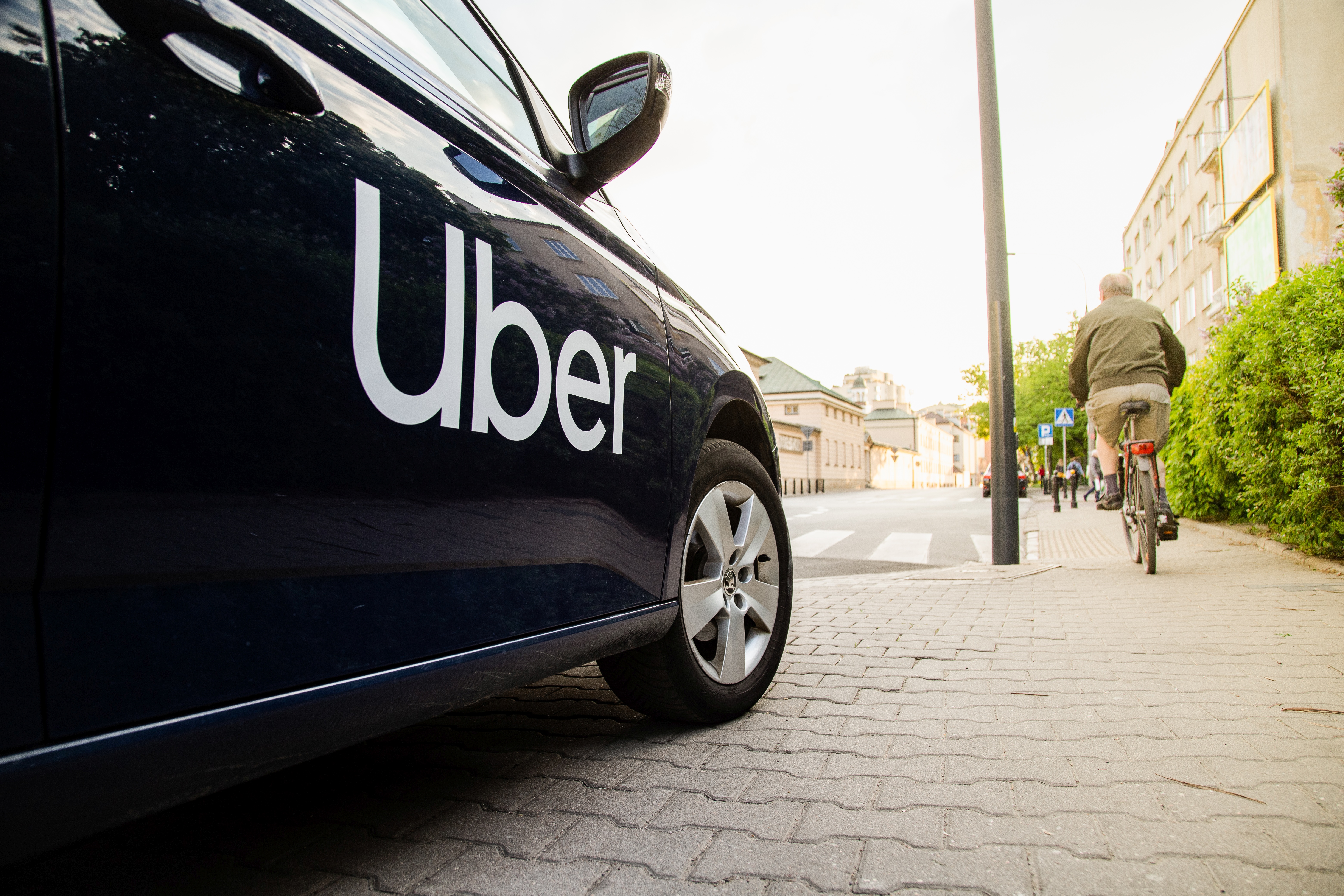
Uber Commits Over $10B to Autonomous Vehicle Strategy
- Massive Investment: Uber has committed over $10 billion to the autonomous vehicle sector, including $2.5 billion in equity stakes and $7.5 billion for future robotaxi fleets, demonstrating its determination to compete in the rapidly evolving robotaxi market.
- Market Expansion Plans: The company aims to roll out robotaxi services in at least 28 cities by 2028, a strategy that not only enhances its market coverage but could significantly increase revenue streams in the coming years.
- Strategic Partnerships: Uber has partnered with key players such as Baidu, Rivian, and Lucid, which will help accelerate technology development and market deployment, thereby strengthening Uber's position within the autonomous ecosystem.
- Intensifying Industry Competition: With competitors like Waymo and Tesla rapidly advancing in driverless services, Uber's investment reflects a growing urgency to adapt to industry changes, aiming to maintain its leadership in the ride-hailing market.
See More

Surge in Options Trading Volume for KLA and Uber
- KLA Options Volume: KLA Corp (Ticker: KLAC) saw options trading volume of 5,278 contracts today, representing approximately 527,800 shares, which is about 57.1% of its average daily trading volume of 924,415 shares over the past month, indicating heightened market interest in its future performance.
- High Volume Put Option: Among KLA's options, the $1350 strike put option stands out with 2,001 contracts traded today, equating to approximately 200,100 shares, reflecting investor expectations of a potential decline in the stock's value.
- Uber Options Activity: Uber Technologies Inc (Ticker: UBER) experienced an options trading volume of 83,842 contracts today, representing around 8.4 million shares, or about 55.8% of its average daily trading volume of 15 million shares over the past month, showcasing strong investor interest in its market performance.
- Active Call Option Trading: For Uber, the $78 strike call option saw a trading volume of 4,426 contracts, equivalent to approximately 442,600 shares, indicating a bullish sentiment among investors regarding Uber's future price movements.
See More

Tech Stocks Rebound, Nvidia on 11-Day Winning Streak

- Nvidia's Strong Performance: Nvidia shares rose about 1% as investors returned to tech stocks, positioning the company for an 11th consecutive winning session, marking the longest streak on record and reflecting renewed market confidence in the tech sector.
- Caterpillar Acquisition News: Caterpillar's stock dropped approximately 5% following reports of its acquisition of Monarch Tractor, a self-driving electric tractor company, which, while pressuring short-term stock performance, may enhance its competitive edge in the automated agricultural equipment market.
- Nike Insider Transactions: Nike shares advanced over 3% after CEO Elliott Hill and director Tim Cook disclosed purchases of over 23,000 and 25,000 shares, respectively, totaling around $2.1 million, indicating strong executive confidence in the company's future and potentially attracting more investor interest.
- DoorDash's Technological Outlook: DoorDash shares surged 8% after Barclays analysts highlighted its leadership in autonomous food delivery technology, which is expected to further drive market share growth and strengthen its competitive position in the industry.
See More
Rivian's Electric Vehicle Market Outlook


- Stock Rebound Potential: Rivian's shares have risen by 32% over the past year, and despite significant losses since its IPO, successful execution of its five-year strategy could sustain this momentum, potentially rewarding investors.
- New Model Launch: Rivian plans to introduce the R2 model in 2025 as a direct competitor to Tesla's Model Y, with customer deliveries expected to start in Q2; the lower starting price could attract more customers and significantly boost sales growth.
- Partnership with Uber: Rivian has signed a deal with Uber to supply 10,000 fully autonomous R2 models starting in 2028, with an option for an additional 40,000 by 2030, which could bring up to $1.25 billion in investment, enhancing its market position.
- Autonomous Driving Goals: Rivian aims to achieve level 4 autonomy, which would greatly enhance its competitiveness if accomplished before Tesla; however, failure to meet this deadline could negatively impact its stock price and increase investment risks.
See More
Uber Commits $10 Billion to Acquire Autonomous Vehicle Fleet

- Strategic Shift: Uber has announced a commitment of over $10 billion to acquire thousands of autonomous vehicles, marking a significant transition from its 'asset-light' model to owning a fleet, aimed at countering threats from competitors like Waymo and Tesla.
- Market Response: This move not only surpasses last year's $9.8 billion in free cash flow but also demonstrates Uber's determination in the autonomous driving sector, with plans to launch robotaxi services in 15 cities, further solidifying its market position.
- Partnerships: Uber's investment will involve collaborations with companies like Lucid, Rivian, and China's Baidu, aiming to ensure supply chain stability and enhance its competitiveness in the autonomous driving market.
- Financial Pressure: While this investment may increase financial burdens, analysts view it as a necessary step for Uber to adapt to market changes and achieve long-term growth, especially in competition with giants like Amazon and Alphabet.
See More
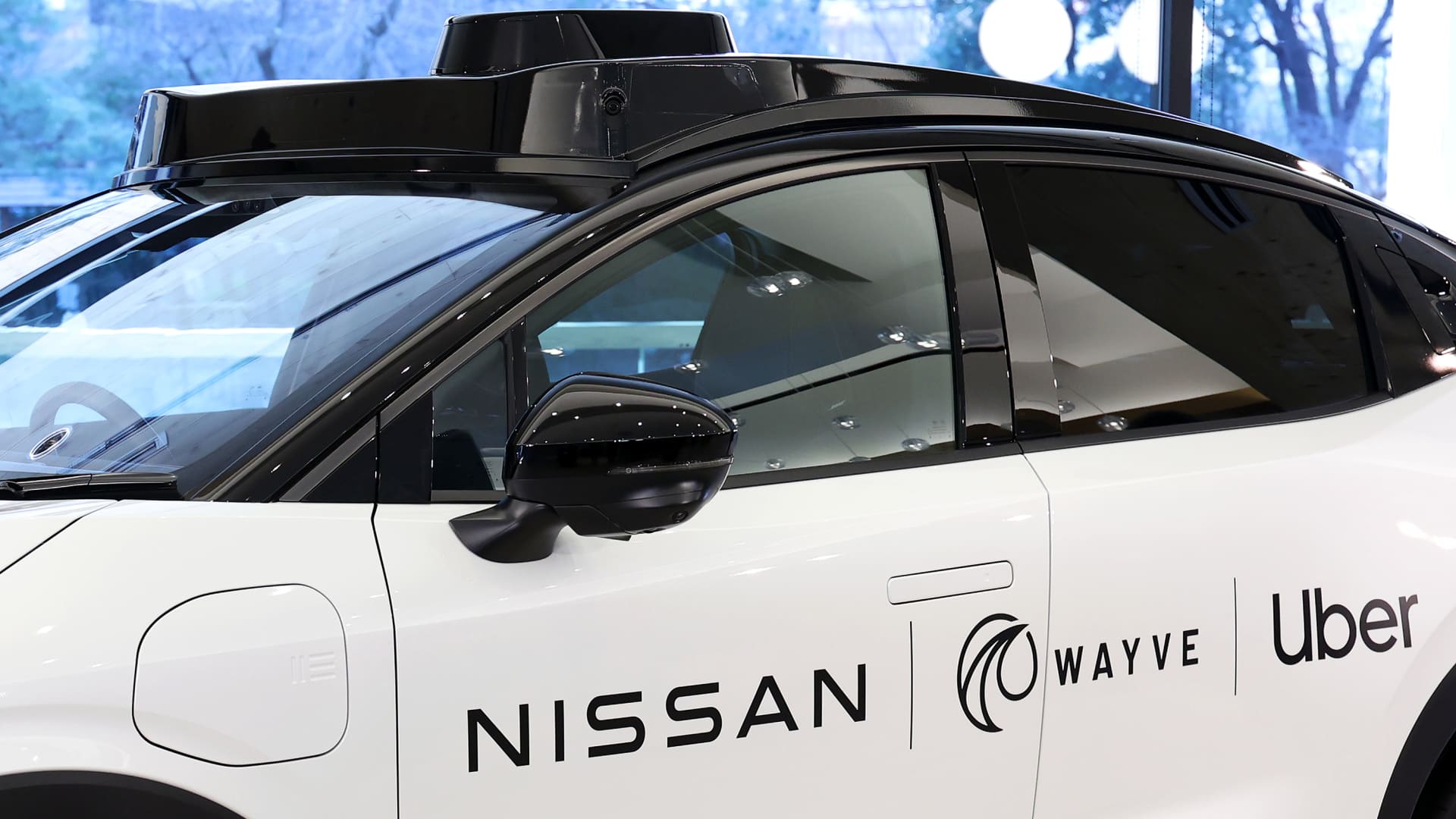
Wayve Secures $60 Million Funding to Advance Autonomous Driving Technology


- Funding Update: British autonomous driving startup Wayve announced on Wednesday that it raised $60 million from Qualcomm, AMD, and Arm, marking a follow-on investment to its $1.2 billion funding round in February, highlighting its appeal and potential in the autonomous driving sector.
- Technological Edge: Wayve's technology aims to enable cars to drive autonomously without the need for high-definition maps or extensive training in specific areas, presenting a distinct approach compared to competitors like Waymo, which could accelerate its market penetration.
- Collaborative Prospects: Wayve has signed a commercial agreement with Nissan to integrate its AI technology into Nissan's driver-assistance systems, while also collaborating with Uber to develop robotaxis, indicating its intent to expand in global markets and commercialize its offerings.
- Market Competition: Wayve is testing its driverless cars in the U.K., Germany, Japan, and the U.S., facing fierce competition from Waymo and Chinese players like Baidu, WeRide, and Pony.ai, which will impact its market share and the speed of technology adoption.
See More
Uber Commits Over $10B to Autonomous Vehicle Strategy
- Massive Investment: Uber has committed over $10 billion to the autonomous vehicle sector, including $2.5 billion in equity stakes and $7.5 billion for future robotaxi fleets, demonstrating its determination to compete in the rapidly evolving robotaxi market.
- Market Expansion Plans: The company aims to roll out robotaxi services in at least 28 cities by 2028, a strategy that not only enhances its market coverage but could significantly increase revenue streams in the coming years.
- Strategic Partnerships: Uber has partnered with key players such as Baidu, Rivian, and Lucid, which will help accelerate technology development and market deployment, thereby strengthening Uber's position within the autonomous ecosystem.
- Intensifying Industry Competition: With competitors like Waymo and Tesla rapidly advancing in driverless services, Uber's investment reflects a growing urgency to adapt to industry changes, aiming to maintain its leadership in the ride-hailing market.
See More
Surge in Options Trading Volume for KLA and Uber
- KLA Options Volume: KLA Corp (Ticker: KLAC) saw options trading volume of 5,278 contracts today, representing approximately 527,800 shares, which is about 57.1% of its average daily trading volume of 924,415 shares over the past month, indicating heightened market interest in its future performance.
- High Volume Put Option: Among KLA's options, the $1350 strike put option stands out with 2,001 contracts traded today, equating to approximately 200,100 shares, reflecting investor expectations of a potential decline in the stock's value.
- Uber Options Activity: Uber Technologies Inc (Ticker: UBER) experienced an options trading volume of 83,842 contracts today, representing around 8.4 million shares, or about 55.8% of its average daily trading volume of 15 million shares over the past month, showcasing strong investor interest in its market performance.
- Active Call Option Trading: For Uber, the $78 strike call option saw a trading volume of 4,426 contracts, equivalent to approximately 442,600 shares, indicating a bullish sentiment among investors regarding Uber's future price movements.
See More
Tech Stocks Rebound, Nvidia on 11-Day Winning Streak
- Nvidia's Strong Performance: Nvidia shares rose about 1% as investors returned to tech stocks, positioning the company for an 11th consecutive winning session, marking the longest streak on record and reflecting renewed market confidence in the tech sector.
- Caterpillar Acquisition News: Caterpillar's stock dropped approximately 5% following reports of its acquisition of Monarch Tractor, a self-driving electric tractor company, which, while pressuring short-term stock performance, may enhance its competitive edge in the automated agricultural equipment market.
- Nike Insider Transactions: Nike shares advanced over 3% after CEO Elliott Hill and director Tim Cook disclosed purchases of over 23,000 and 25,000 shares, respectively, totaling around $2.1 million, indicating strong executive confidence in the company's future and potentially attracting more investor interest.
- DoorDash's Technological Outlook: DoorDash shares surged 8% after Barclays analysts highlighted its leadership in autonomous food delivery technology, which is expected to further drive market share growth and strengthen its competitive position in the industry.
See More
Rivian's Electric Vehicle Market Outlook
- Stock Rebound Potential: Rivian's shares have risen by 32% over the past year, and despite significant losses since its IPO, successful execution of its five-year strategy could sustain this momentum, potentially rewarding investors.
- New Model Launch: Rivian plans to introduce the R2 model in 2025 as a direct competitor to Tesla's Model Y, with customer deliveries expected to start in Q2; the lower starting price could attract more customers and significantly boost sales growth.
- Partnership with Uber: Rivian has signed a deal with Uber to supply 10,000 fully autonomous R2 models starting in 2028, with an option for an additional 40,000 by 2030, which could bring up to $1.25 billion in investment, enhancing its market position.
- Autonomous Driving Goals: Rivian aims to achieve level 4 autonomy, which would greatly enhance its competitiveness if accomplished before Tesla; however, failure to meet this deadline could negatively impact its stock price and increase investment risks.
See More
Uber Commits $10 Billion to Acquire Autonomous Vehicle Fleet
- Strategic Shift: Uber has announced a commitment of over $10 billion to acquire thousands of autonomous vehicles, marking a significant transition from its 'asset-light' model to owning a fleet, aimed at countering threats from competitors like Waymo and Tesla.
- Market Response: This move not only surpasses last year's $9.8 billion in free cash flow but also demonstrates Uber's determination in the autonomous driving sector, with plans to launch robotaxi services in 15 cities, further solidifying its market position.
- Partnerships: Uber's investment will involve collaborations with companies like Lucid, Rivian, and China's Baidu, aiming to ensure supply chain stability and enhance its competitiveness in the autonomous driving market.
- Financial Pressure: While this investment may increase financial burdens, analysts view it as a necessary step for Uber to adapt to market changes and achieve long-term growth, especially in competition with giants like Amazon and Alphabet.
See More
Wayve Secures $60 Million Funding to Advance Autonomous Driving Technology
- Funding Update: British autonomous driving startup Wayve announced on Wednesday that it raised $60 million from Qualcomm, AMD, and Arm, marking a follow-on investment to its $1.2 billion funding round in February, highlighting its appeal and potential in the autonomous driving sector.
- Technological Edge: Wayve's technology aims to enable cars to drive autonomously without the need for high-definition maps or extensive training in specific areas, presenting a distinct approach compared to competitors like Waymo, which could accelerate its market penetration.
- Collaborative Prospects: Wayve has signed a commercial agreement with Nissan to integrate its AI technology into Nissan's driver-assistance systems, while also collaborating with Uber to develop robotaxis, indicating its intent to expand in global markets and commercialize its offerings.
- Market Competition: Wayve is testing its driverless cars in the U.K., Germany, Japan, and the U.S., facing fierce competition from Waymo and Chinese players like Baidu, WeRide, and Pony.ai, which will impact its market share and the speed of technology adoption.
See More