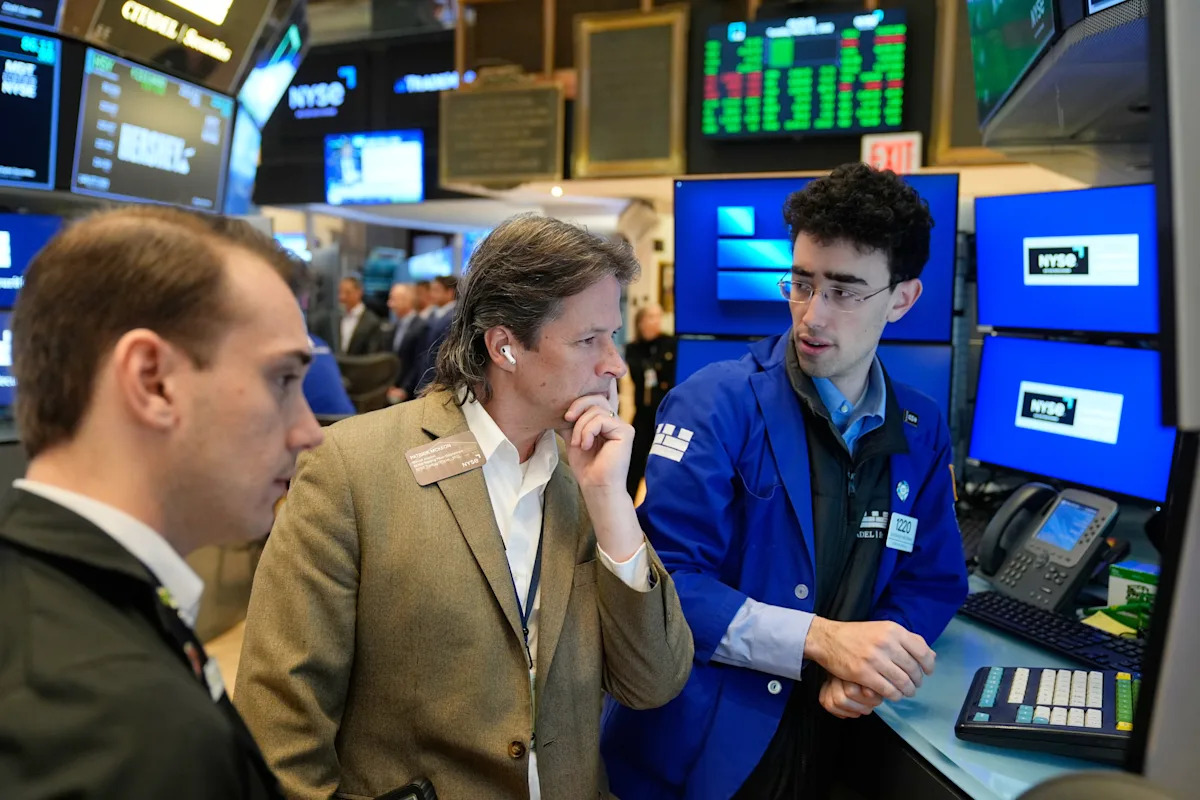
Trump's team seeks Taiwan's assistance in training workers for US chip manufacturing, sources reveal.
Taiwan-U.S. Trade Negotiations: The U.S. is negotiating a deal with Taiwan that may involve Taiwanese companies, including TSMC, investing in U.S. semiconductor manufacturing and training American workers, while Taiwan seeks to reduce tariffs on its exports to the U.S.
Investment Comparisons: Taiwan's proposed investment in the U.S. is expected to be smaller than those pledged by South Korea and Japan, which have committed $350 billion and $550 billion, respectively, to reduce U.S. tariffs.
Challenges in U.S. Operations: TSMC has faced difficulties in finding skilled workers for its U.S. projects, leading to increased costs and delays in building its new factory in Arizona.
Geopolitical Implications: Any agreement with Taiwan could provoke tensions with China, as Taiwan is claimed by Beijing, and the U.S. remains Taiwan's key international supporter despite the absence of formal diplomatic relations.
Trade with 70% Backtested Accuracy
Analyst Views on NVDA

About NVDA
About the author


GMO INTERNET INC: Announcement Regarding Fixed Asset Acquisition

Notice Regarding Acquisition: The notice addresses the acquisition of fixed assets, outlining the necessary procedures and implications for stakeholders involved.
Impact on Stakeholders: The acquisition may affect various stakeholders, including investors and employees, highlighting the importance of transparency and communication during the process.
Regulatory Compliance: Emphasis is placed on ensuring compliance with relevant regulations and guidelines throughout the acquisition process to mitigate risks.
Future Considerations: The notice suggests that further assessments and evaluations will be conducted post-acquisition to determine the long-term impact on the organization.
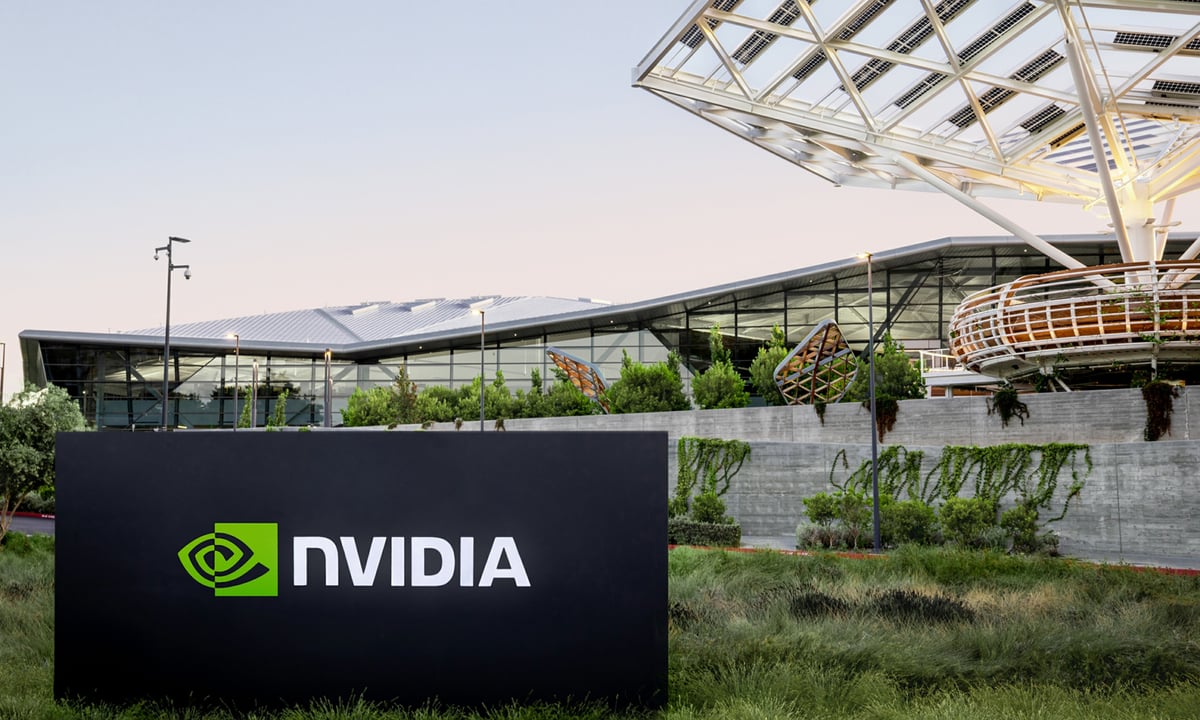
Nvidia: The Best Investment in AI Sector
- Surging AI Demand: Currently, less than 20% of businesses utilize AI according to the U.S. Census Bureau, and as more organizations adopt AI, the demand for computing power is expected to rise significantly, driving Nvidia's growth in the data center market.
- Chinese Market Recovery: After the sales ban imposed by the Trump administration, Nvidia has received approval to resume shipments to China, and successfully regaining market share could provide a new growth impetus, further solidifying its leadership in the global AI market.
- Accelerating Revenue Growth: Wall Street analysts project Nvidia's revenue growth to reach 79% next quarter and 85% the following quarter, indicating a reversal of previous tapering trends, which will significantly boost investor confidence and market expectations.
- Reasonable Valuation: With a P/E ratio of 36.2, Nvidia's valuation remains attractive given its growth potential, and the market's optimistic outlook for 2026 suggests that patient long-term investors could still profit significantly, especially as AI demand continues to rise.

OpenAI Pauses Stargate Project in the UK Due to Regulatory and Energy Costs
- Project Pause Reasons: OpenAI has announced the pause of its Stargate project in the UK due to regulatory and energy cost concerns, which were initially set to deploy up to 8,000 GPUs in partnership with Nvidia and Nscale, highlighting the challenges posed by the current market environment for large infrastructure investments.
- Future Exploration Plans: Despite the pause, OpenAI stated it will continue to explore the Stargate project and plans to restart when appropriate regulatory conditions and lower energy costs are in place, indicating the company's confidence in the UK's AI future and its long-term investment intentions.
- Talent Investment and Local Expansion: During the project pause, OpenAI is still investing in talent and expanding its local presence in the UK, aiming to support the government's commitment to adopting frontier AI in public services, demonstrating the company's ongoing commitment to the market.
- Industry Potential Outlook: An OpenAI spokesperson emphasized that despite the challenges, they remain optimistic about the UK's AI future, with London being home to their largest international research hub, indicating the company's continued dedication to helping the UK achieve its goal of becoming an AI leader.
OpenAI Raises $122 Billion; Nike Reports Disappointing Earnings


- OpenAI Funding Milestone: OpenAI has successfully raised $122 billion, achieving a valuation of $852 billion, attracting investments from giants like Amazon and Microsoft, despite not being profitable yet, indicating strong market confidence in its future.
- Nike's Earnings Decline: Nike reported revenues slightly over $11 billion, beating expectations, but the market reacted negatively to its projected 2-4% sales decline, leading to a 14% drop in stock price, reflecting dwindling investor patience with its recovery plan.
- Oracle Layoffs Impact: Oracle announced layoffs of 30,000 employees, about 18% of its global workforce, expected to save $8-10 billion annually, aimed at addressing negative cash flow and high debt, highlighting the risks of its strategic shift towards AI.
- Shifting Market Dynamics: As AI investments intensify, concerns about Oracle and OpenAI's future profitability are rising, especially given the immaturity of AI technology, which could undermine investor confidence in these companies.

OpenAI Raises $122 Billion, IPO Prospects Under Scrutiny
- Record-Breaking Funding: OpenAI has recently raised $122 billion, marking the largest single fundraising round in Silicon Valley history, although it remains unprofitable, this move may pave the way for a future IPO.
- Revenue and Loss Projections: OpenAI generates approximately $2 billion in monthly revenue but is projected to face a $14 billion loss in 2026, with an expected cash burn of $115 billion over the next two years, posing challenges for its IPO appeal.
- Layoffs and Strategic Shift: Oracle announced layoffs of 30,000 employees, about 18% of its global workforce, aiming to free up $8-$10 billion in annual cash flow to address its high debt while transitioning to a capital-intensive AI service provider.
- Market Reaction and Future Outlook: Although Oracle's stock briefly rose following the layoff announcement, it remains down 40% from recent highs, indicating low market acceptance of its new strategy, and its ability to successfully transform remains to be seen.

ETF Component Trading Dynamics Analysis

- Nvidia Trading Performance: On Friday, Nvidia (NVDA) saw a price increase of approximately 2.7% with over 59.4 million shares traded, indicating strong investor confidence that could further enhance its market share in the semiconductor industry.
- Palantir Trading Situation: Palantir Technologies (PLTR) experienced a decline of about 2.1% with over 56.4 million shares changing hands, reflecting market concerns regarding its future growth potential, which may impact its competitiveness in the data analytics sector.
- Coreweave Strong Performance: Coreweave (CRWV) surged approximately 14.8% on Friday, making it the best-performing component of the ETF, showcasing robust demand in the cloud computing market that could attract more investor interest in its business development.
- Cloudflare Trading Weakness: Cloudflare (NET) fell about 13.6%, lagging behind other components in the SPDR MSCI USA StrategicFactors ETF, which may reflect cautious market sentiment regarding its growth prospects, potentially affecting its future financing and expansion plans.
GMO INTERNET INC: Announcement Regarding Fixed Asset Acquisition
Notice Regarding Acquisition: The notice addresses the acquisition of fixed assets, outlining the necessary procedures and implications for stakeholders involved.
Impact on Stakeholders: The acquisition may affect various stakeholders, including investors and employees, highlighting the importance of transparency and communication during the process.
Regulatory Compliance: Emphasis is placed on ensuring compliance with relevant regulations and guidelines throughout the acquisition process to mitigate risks.
Future Considerations: The notice suggests that further assessments and evaluations will be conducted post-acquisition to determine the long-term impact on the organization.
Nvidia: The Best Investment in AI Sector
- Surging AI Demand: Currently, less than 20% of businesses utilize AI according to the U.S. Census Bureau, and as more organizations adopt AI, the demand for computing power is expected to rise significantly, driving Nvidia's growth in the data center market.
- Chinese Market Recovery: After the sales ban imposed by the Trump administration, Nvidia has received approval to resume shipments to China, and successfully regaining market share could provide a new growth impetus, further solidifying its leadership in the global AI market.
- Accelerating Revenue Growth: Wall Street analysts project Nvidia's revenue growth to reach 79% next quarter and 85% the following quarter, indicating a reversal of previous tapering trends, which will significantly boost investor confidence and market expectations.
- Reasonable Valuation: With a P/E ratio of 36.2, Nvidia's valuation remains attractive given its growth potential, and the market's optimistic outlook for 2026 suggests that patient long-term investors could still profit significantly, especially as AI demand continues to rise.
OpenAI Pauses Stargate Project in the UK Due to Regulatory and Energy Costs
- Project Pause Reasons: OpenAI has announced the pause of its Stargate project in the UK due to regulatory and energy cost concerns, which were initially set to deploy up to 8,000 GPUs in partnership with Nvidia and Nscale, highlighting the challenges posed by the current market environment for large infrastructure investments.
- Future Exploration Plans: Despite the pause, OpenAI stated it will continue to explore the Stargate project and plans to restart when appropriate regulatory conditions and lower energy costs are in place, indicating the company's confidence in the UK's AI future and its long-term investment intentions.
- Talent Investment and Local Expansion: During the project pause, OpenAI is still investing in talent and expanding its local presence in the UK, aiming to support the government's commitment to adopting frontier AI in public services, demonstrating the company's ongoing commitment to the market.
- Industry Potential Outlook: An OpenAI spokesperson emphasized that despite the challenges, they remain optimistic about the UK's AI future, with London being home to their largest international research hub, indicating the company's continued dedication to helping the UK achieve its goal of becoming an AI leader.
OpenAI Raises $122 Billion; Nike Reports Disappointing Earnings
- OpenAI Funding Milestone: OpenAI has successfully raised $122 billion, achieving a valuation of $852 billion, attracting investments from giants like Amazon and Microsoft, despite not being profitable yet, indicating strong market confidence in its future.
- Nike's Earnings Decline: Nike reported revenues slightly over $11 billion, beating expectations, but the market reacted negatively to its projected 2-4% sales decline, leading to a 14% drop in stock price, reflecting dwindling investor patience with its recovery plan.
- Oracle Layoffs Impact: Oracle announced layoffs of 30,000 employees, about 18% of its global workforce, expected to save $8-10 billion annually, aimed at addressing negative cash flow and high debt, highlighting the risks of its strategic shift towards AI.
- Shifting Market Dynamics: As AI investments intensify, concerns about Oracle and OpenAI's future profitability are rising, especially given the immaturity of AI technology, which could undermine investor confidence in these companies.
OpenAI Raises $122 Billion, IPO Prospects Under Scrutiny
- Record-Breaking Funding: OpenAI has recently raised $122 billion, marking the largest single fundraising round in Silicon Valley history, although it remains unprofitable, this move may pave the way for a future IPO.
- Revenue and Loss Projections: OpenAI generates approximately $2 billion in monthly revenue but is projected to face a $14 billion loss in 2026, with an expected cash burn of $115 billion over the next two years, posing challenges for its IPO appeal.
- Layoffs and Strategic Shift: Oracle announced layoffs of 30,000 employees, about 18% of its global workforce, aiming to free up $8-$10 billion in annual cash flow to address its high debt while transitioning to a capital-intensive AI service provider.
- Market Reaction and Future Outlook: Although Oracle's stock briefly rose following the layoff announcement, it remains down 40% from recent highs, indicating low market acceptance of its new strategy, and its ability to successfully transform remains to be seen.
ETF Component Trading Dynamics Analysis
- Nvidia Trading Performance: On Friday, Nvidia (NVDA) saw a price increase of approximately 2.7% with over 59.4 million shares traded, indicating strong investor confidence that could further enhance its market share in the semiconductor industry.
- Palantir Trading Situation: Palantir Technologies (PLTR) experienced a decline of about 2.1% with over 56.4 million shares changing hands, reflecting market concerns regarding its future growth potential, which may impact its competitiveness in the data analytics sector.
- Coreweave Strong Performance: Coreweave (CRWV) surged approximately 14.8% on Friday, making it the best-performing component of the ETF, showcasing robust demand in the cloud computing market that could attract more investor interest in its business development.
- Cloudflare Trading Weakness: Cloudflare (NET) fell about 13.6%, lagging behind other components in the SPDR MSCI USA StrategicFactors ETF, which may reflect cautious market sentiment regarding its growth prospects, potentially affecting its future financing and expansion plans.