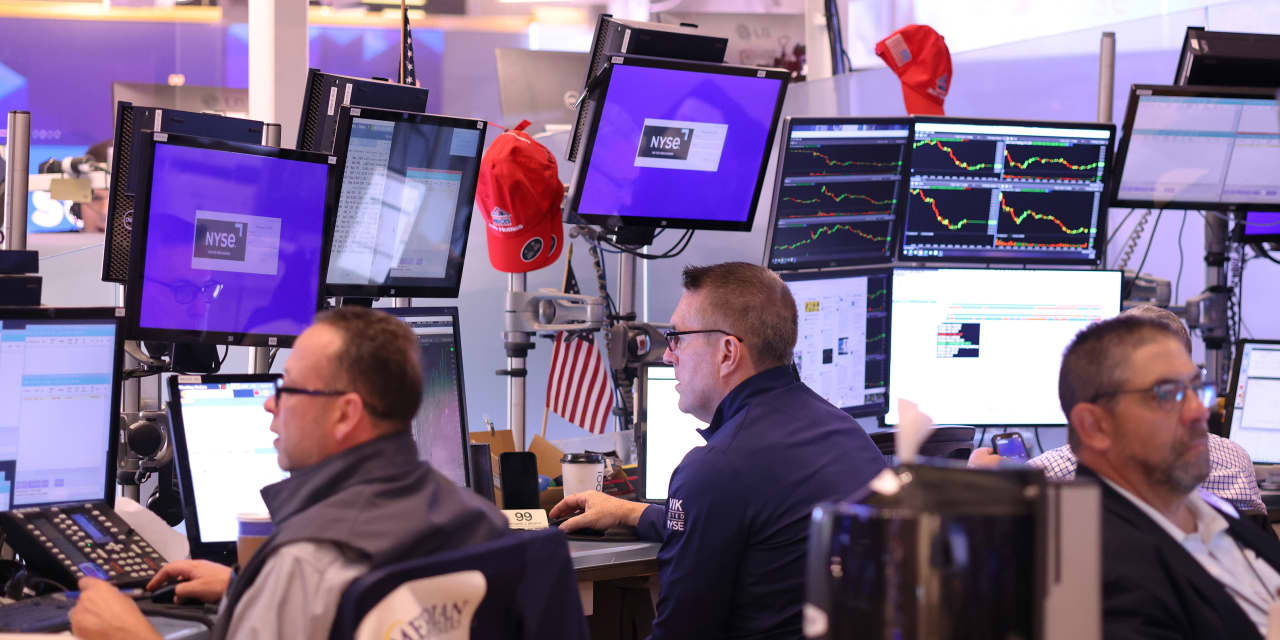
Trump Backs Credit Card Competition Act, Visa and Mastercard Shares Plunge
Written by Emily J. Thompson, Senior Investment Analyst
Updated: Jan 14 2026
0mins


Should l Buy AFRM?
Source: Benzinga
- Legislative Impact: Trump's support for the Credit Card Competition Act could force large banks to allow credit cards to route transactions over at least two unaffiliated networks, breaking Visa and Mastercard's near-duopoly, leading to respective stock declines of 4.5% and 3.8%.
- Market Structure Changes: According to Goldman Sachs, potential significant changes in the credit card market structure may pressure Visa and Mastercard in the near term, with a projected 5% drop in credit card volumes reducing their earnings by approximately 3% and 1%, respectively.
- Fee Reduction Risks: If U.S. interchange fees are pushed down to global norms, it could have broad implications for bank revenues and consumer spending behavior, as current U.S. fees sit around 200 basis points, significantly higher than in other major countries.
- Small Merchant Benefits: Large merchants may benefit from lower acceptance costs, but small merchants might see limited advantages, as processors may not fully pass on the benefits of lower fees, resulting in increased net take rates for them.
Trade with 70% Backtested Accuracy
Stop guessing "Should I Buy AFRM?" and start using high-conviction signals backed by rigorous historical data.
Sign up today to access powerful investing tools and make smarter, data-driven decisions.
Analyst Views on AFRM
Wall Street analysts forecast AFRM stock price to rise
22 Analyst Rating
17 Buy
5 Hold
0 Sell
Strong Buy
Current: 64.280

Low
65.00
Averages
87.72
High
107.00
Current: 64.280
Low
65.00
Averages
87.72
High
107.00
About AFRM
Affirm Holdings, Inc. provides consumers with an alternative to traditional payment options. The Company is engaged in building a payment network. Its platform comprises three core elements: point-of-sale payment solutions for consumers, merchant commerce solutions, and a consumer-focused app. Its Affirm App and Website provide tailored offers from merchants based on consumers' preferences. Consumers can apply at affirm.com or via the Affirm App and, upon approval, receive a single-use virtual card to use online or in-store. Its Affirm Card allows consumers to link a bank account to pay in full, or apply to pay overtime through the Affirm App. It offers users an in-app post-purchase feature that allows them to instantly apply to convert any eligible debit transaction into an installment loan. Through the Affirm app and in partnership with Cross River Bank, it offers a savings account, with no minimum deposit requirements or fees.
About the author

Emily J. Thompson
Emily J. Thompson, a Chartered Financial Analyst (CFA) with 12 years in investment research, graduated with honors from the Wharton School. Specializing in industrial and technology stocks, she provides in-depth analysis for Intellectia’s earnings and market brief reports.

Morgan Stanley Bullish on Upcoming Earnings Stocks


- Strong Earnings Season Start: So far, nearly 28% of S&P 500 companies have reported earnings, with about 82% exceeding Wall Street expectations, indicating robust market performance that could boost investor confidence.
- Affirm Holdings Optimism: Morgan Stanley anticipates that Affirm will exceed gross merchandise volume expectations in its upcoming report next month and may raise its margin and earnings per share targets at its investor day, despite a 14% drop in its stock in 2026.
- Positive Outlook for Old Dominion Freight Line: While investors remain cautious, Morgan Stanley analysts believe Old Dominion has a favorable outlook entering its report next week, expecting positive forward-looking commentary, with shares up over 40% in 2026.
- Walmart Sales Growth Expectations: Morgan Stanley expects Walmart to report higher-than-expected U.S. comparable store sales and faster operating income growth, with shares climbing nearly 17% this year, on track for its fourth consecutive annual rise.
See More
JPMorgan Expands Tech Investment Banking Team with Veteran Hires


- Executive Recruitment: JPMorgan has hired two veteran technology bankers from Bank of America, namely Kaushik Banerjee, the global head of semiconductor investment banking, and Homan Milani, a senior internet investment banker, significantly strengthening its tech investment banking team.
- Semiconductor Expertise: Banerjee has advised on nearly a dozen marquee semiconductor transactions at Bank of America, including the restructuring of Renesas' $2.1 billion investment in Wolfspeed, showcasing his deep background and influence in the semiconductor sector.
- Internet Investment Banking Leadership: Milani, who led the internet investment banking division at Bank of America, worked on M&A and financing deals for notable companies like DoorDash and Unity Software, and is expected to drive JPMorgan's strategic initiatives in AI.
- Enhanced Market Position: JPMorgan has significantly increased its investment in technology banking and M&A teams in recent years, emerging at the top of the league tables for fees from U.S. and global tech deals, indicating its competitive advantage in the rapidly evolving tech market.
See More

Circle Internet Group Sees Surge in Options Trading Volume


- Surge in Options Volume: Circle Internet Group Inc Class A (CRCL) recorded an options trading volume of 179,848 contracts today, equivalent to approximately 18 million shares, which represents a significant 111.4% of its average daily trading volume over the past month, indicating strong market interest.
- High Strike Activity: Notably, the $110 strike call option expiring on April 17, 2026, saw 26,772 contracts traded today, representing about 2.7 million underlying shares, suggesting a heightened investor expectation for future price increases.
- Affirm Holdings Options Activity: In parallel, Affirm Holdings Inc (AFRM) has seen an options trading volume of 49,241 contracts today, translating to approximately 4.9 million shares, which is 101.9% of its average daily trading volume over the past month, reflecting ongoing market interest in the company.
- Bullish Call Trends: Specifically, the $75 strike call option expiring on May 15, 2026, has recorded a trading volume of 6,111 contracts today, equivalent to about 611,100 shares, indicating a bullish sentiment among investors regarding AFRM's future performance.
See More

Morgan Stanley Bullish on Affirm Holdings' Growth Potential

- Earnings Guidance Revisions: Morgan Stanley anticipates that Affirm will update its projections for gross merchandise volume, profitability, and earnings per share at the upcoming Investor Forum, potentially boosting market confidence in its future growth trajectory.
- Price Target Increase: The firm reiterated its ‘Overweight’ rating on Affirm and set a price target of $76, implying a 26% upside from Thursday's closing price, indicating strong bullish sentiment towards the stock.
- Sentiment Shift: Driven by high message volume, retail sentiment around Affirm shifted from ‘bullish’ to ‘extremely bullish’, reflecting investor optimism about its future performance, with the stock rising over 6% on Friday afternoon.
- Credit Concerns Overstated: Despite heightened market anxiety regarding private credit exposure, Morgan Stanley believes these fears are exaggerated, as stable asset-backed securities spreads indicate healthy demand and continued access to funding in capital markets.
See More

Market Surges as Strait of Hormuz Opens to Commercial Traffic


- Market Surge: The stock market surged on Friday after Iran announced the Strait of Hormuz is open to all commercial traffic, leading to a 14% drop in oil prices, with WTI trading above $80 per barrel, reflecting optimism about economic recovery.
- Transportation and Industrials Rally: Lower oil prices lifted transportation and industrial stocks, with Boeing shares rising over 3% and both Honeywell and GE Vernova increasing by 2%, indicating a resurgence of confidence in these sectors.
- Apple's Recognition: Bank of America analysts named Apple a 'high-quality' stock, noting its resilience against AI volatility and progress in on-device AI capabilities, suggesting investors will refocus on Apple's strong sales in China.
- Trade Alert Mechanism: Subscribers to the CNBC Investing Club receive trade alerts before Jim executes trades, with a 45-minute wait period post-alert to ensure transparency and strategic execution.
See More

Energy Stocks Plummet While Travel Stocks Rally


- Energy Stocks Plummet: Energy stocks fell sharply as oil prices dropped over 12% after Iran opened the Strait of Hormuz during the ceasefire between Israel and Lebanon, with APA Corporation down more than 9% and Valero Energy falling over 8.5%, negatively impacting overall confidence in the energy sector.
- Travel Stocks Rally: Following Iran's announcement to open the Strait of Hormuz for commercial shipping, Royal Caribbean surged 9.7%, United Airlines jumped over 9%, and Expedia gained 5%, reflecting optimistic market sentiment regarding travel recovery.
- Critical Metals Surge: Greenland's government approved the transfer of a 50.5% interest in Tanbreez Mining to Critical Metals, increasing its stake in the rare earths mine to 92.5%, which propelled the company's shares up over 40%, highlighting the strategic importance of rare earth resources.
- Netflix Disappoints: Streaming giant Netflix saw its stock drop 9% as it projected second-quarter earnings of 78 cents per share, missing the 84 cents forecast by analysts, compounded by co-founder Reed Hastings' announcement to leave the board in June, further dampening investor confidence.
See More
Morgan Stanley Bullish on Upcoming Earnings Stocks
- Strong Earnings Season Start: So far, nearly 28% of S&P 500 companies have reported earnings, with about 82% exceeding Wall Street expectations, indicating robust market performance that could boost investor confidence.
- Affirm Holdings Optimism: Morgan Stanley anticipates that Affirm will exceed gross merchandise volume expectations in its upcoming report next month and may raise its margin and earnings per share targets at its investor day, despite a 14% drop in its stock in 2026.
- Positive Outlook for Old Dominion Freight Line: While investors remain cautious, Morgan Stanley analysts believe Old Dominion has a favorable outlook entering its report next week, expecting positive forward-looking commentary, with shares up over 40% in 2026.
- Walmart Sales Growth Expectations: Morgan Stanley expects Walmart to report higher-than-expected U.S. comparable store sales and faster operating income growth, with shares climbing nearly 17% this year, on track for its fourth consecutive annual rise.
See More
JPMorgan Expands Tech Investment Banking Team with Veteran Hires
- Executive Recruitment: JPMorgan has hired two veteran technology bankers from Bank of America, namely Kaushik Banerjee, the global head of semiconductor investment banking, and Homan Milani, a senior internet investment banker, significantly strengthening its tech investment banking team.
- Semiconductor Expertise: Banerjee has advised on nearly a dozen marquee semiconductor transactions at Bank of America, including the restructuring of Renesas' $2.1 billion investment in Wolfspeed, showcasing his deep background and influence in the semiconductor sector.
- Internet Investment Banking Leadership: Milani, who led the internet investment banking division at Bank of America, worked on M&A and financing deals for notable companies like DoorDash and Unity Software, and is expected to drive JPMorgan's strategic initiatives in AI.
- Enhanced Market Position: JPMorgan has significantly increased its investment in technology banking and M&A teams in recent years, emerging at the top of the league tables for fees from U.S. and global tech deals, indicating its competitive advantage in the rapidly evolving tech market.
See More
Circle Internet Group Sees Surge in Options Trading Volume
- Surge in Options Volume: Circle Internet Group Inc Class A (CRCL) recorded an options trading volume of 179,848 contracts today, equivalent to approximately 18 million shares, which represents a significant 111.4% of its average daily trading volume over the past month, indicating strong market interest.
- High Strike Activity: Notably, the $110 strike call option expiring on April 17, 2026, saw 26,772 contracts traded today, representing about 2.7 million underlying shares, suggesting a heightened investor expectation for future price increases.
- Affirm Holdings Options Activity: In parallel, Affirm Holdings Inc (AFRM) has seen an options trading volume of 49,241 contracts today, translating to approximately 4.9 million shares, which is 101.9% of its average daily trading volume over the past month, reflecting ongoing market interest in the company.
- Bullish Call Trends: Specifically, the $75 strike call option expiring on May 15, 2026, has recorded a trading volume of 6,111 contracts today, equivalent to about 611,100 shares, indicating a bullish sentiment among investors regarding AFRM's future performance.
See More
Morgan Stanley Bullish on Affirm Holdings' Growth Potential
- Earnings Guidance Revisions: Morgan Stanley anticipates that Affirm will update its projections for gross merchandise volume, profitability, and earnings per share at the upcoming Investor Forum, potentially boosting market confidence in its future growth trajectory.
- Price Target Increase: The firm reiterated its ‘Overweight’ rating on Affirm and set a price target of $76, implying a 26% upside from Thursday's closing price, indicating strong bullish sentiment towards the stock.
- Sentiment Shift: Driven by high message volume, retail sentiment around Affirm shifted from ‘bullish’ to ‘extremely bullish’, reflecting investor optimism about its future performance, with the stock rising over 6% on Friday afternoon.
- Credit Concerns Overstated: Despite heightened market anxiety regarding private credit exposure, Morgan Stanley believes these fears are exaggerated, as stable asset-backed securities spreads indicate healthy demand and continued access to funding in capital markets.
See More
Market Surges as Strait of Hormuz Opens to Commercial Traffic
- Market Surge: The stock market surged on Friday after Iran announced the Strait of Hormuz is open to all commercial traffic, leading to a 14% drop in oil prices, with WTI trading above $80 per barrel, reflecting optimism about economic recovery.
- Transportation and Industrials Rally: Lower oil prices lifted transportation and industrial stocks, with Boeing shares rising over 3% and both Honeywell and GE Vernova increasing by 2%, indicating a resurgence of confidence in these sectors.
- Apple's Recognition: Bank of America analysts named Apple a 'high-quality' stock, noting its resilience against AI volatility and progress in on-device AI capabilities, suggesting investors will refocus on Apple's strong sales in China.
- Trade Alert Mechanism: Subscribers to the CNBC Investing Club receive trade alerts before Jim executes trades, with a 45-minute wait period post-alert to ensure transparency and strategic execution.
See More
Energy Stocks Plummet While Travel Stocks Rally
- Energy Stocks Plummet: Energy stocks fell sharply as oil prices dropped over 12% after Iran opened the Strait of Hormuz during the ceasefire between Israel and Lebanon, with APA Corporation down more than 9% and Valero Energy falling over 8.5%, negatively impacting overall confidence in the energy sector.
- Travel Stocks Rally: Following Iran's announcement to open the Strait of Hormuz for commercial shipping, Royal Caribbean surged 9.7%, United Airlines jumped over 9%, and Expedia gained 5%, reflecting optimistic market sentiment regarding travel recovery.
- Critical Metals Surge: Greenland's government approved the transfer of a 50.5% interest in Tanbreez Mining to Critical Metals, increasing its stake in the rare earths mine to 92.5%, which propelled the company's shares up over 40%, highlighting the strategic importance of rare earth resources.
- Netflix Disappoints: Streaming giant Netflix saw its stock drop 9% as it projected second-quarter earnings of 78 cents per share, missing the 84 cents forecast by analysts, compounded by co-founder Reed Hastings' announcement to leave the board in June, further dampening investor confidence.
See More