Top Five Blue Chip Dividend Stocks for Steady Returns
Written by Emily J. Thompson, Senior Investment Analyst
Updated: Apr 01 2026
0mins


Source: Fool
- Coca-Cola's Stability: Coca-Cola (KO) has increased its dividend for 64 consecutive years, currently yielding 2.8%, with an expected annual growth of 7% over the next 3-5 years, providing investors with stable cash flow and long-term growth potential.
- McDonald's Resilience: McDonald's (MCD) excels during economic slowdowns with over 45,000 locations and a 2.4% dividend yield, while analysts project an 8% annual earnings growth, ensuring continued returns for shareholders.
- Procter & Gamble's Brand Loyalty: Procter & Gamble (PG) has demonstrated resilience with 69 years of dividend increases and a current yield of 3%, with expected annual earnings growth of 4%, ensuring the sustainability of its dividends during economic downturns.
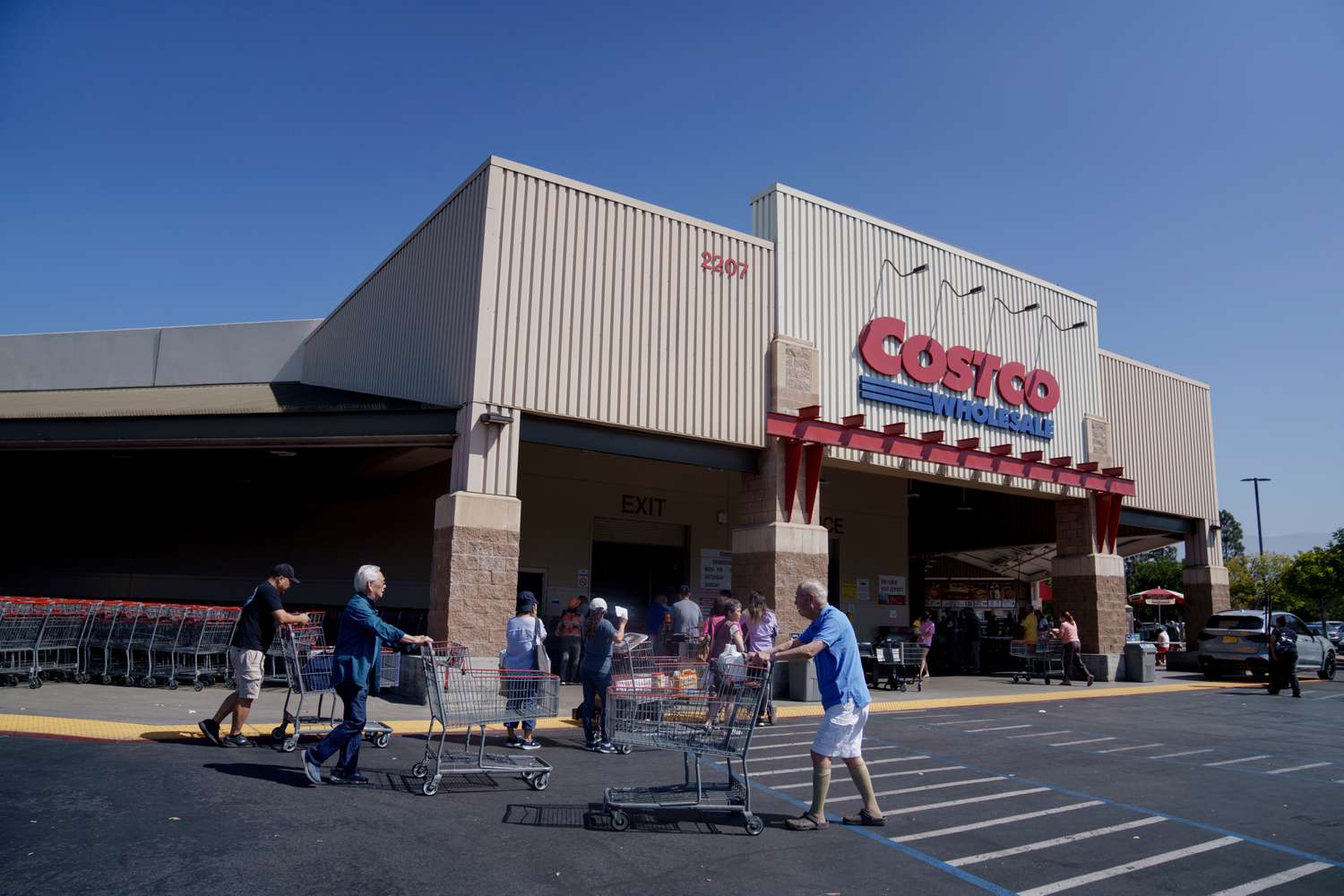
- Walmart's Market Advantage: Walmart (WMT), the world's largest retailer, boasts a 53-year history of dividend growth, currently yielding 0.8%, with a projected annual growth of 9%, providing strong market adaptability and growth potential for investors.
Trade with 70% Backtested Accuracy
Stop guessing "Should I Buy KO?" and start using high-conviction signals backed by rigorous historical data.
Sign up today to access powerful investing tools and make smarter, data-driven decisions.
Analyst Views on KO
Wall Street analysts forecast KO stock price to fall
14 Analyst Rating
13 Buy
1 Hold
0 Sell
Strong Buy
Current: 82.530

Low
71.00
Averages
79.33
High
85.00
Current: 82.530
Low
71.00
Averages
79.33
High
85.00
About KO
The Coca-Cola Company is a beverage company. The Company's segments include Europe, Middle East and Africa (EMEA); Latin America; North America; Asia Pacific, and Bottling Investments. It sells multiple brands across several beverage categories worldwide. Its portfolio of sparkling soft drink brands includes Coca-Cola, Sprite and Fanta. Its water, sports, coffee and tea brands include Dasani, smartwater, vitaminwater, Topo Chico, BODYARMOR, Powerade, Costa, Georgia, Fuze Tea, Gold Peak and Ayataka. Its juice, value-added dairy and plant-based beverage brands include Minute Maid, Simply, innocent, Del Valle, fairlife and Santa Clara. It operates in two lines of business: concentrate operations and finished product operations. Its concentrate operations sell beverage concentrates, syrups, including fountain syrups, and certain finished beverages to authorized bottling operations. Its finished product operations sell sparkling soft drinks and a variety of other finished beverages.
About the author

Emily J. Thompson
Emily J. Thompson, a Chartered Financial Analyst (CFA) with 12 years in investment research, graduated with honors from the Wharton School. Specializing in industrial and technology stocks, she provides in-depth analysis for Intellectia’s earnings and market brief reports.

Coca-Cola Sales Improve, Morgan Stanley Maintains Bullish Outlook

- Sales Growth Trend: Morgan Stanley highlighted improving sales for Coca-Cola's Fairlife premium dairy brand, with demand significantly rising in recent weeks based on U.S. retail scanner data, indicating enhanced growth potential in the premium market.
- Price Target Maintenance: The firm maintained an ‘Overweight’ rating on Coca-Cola with a price target of $89, implying a 6% upside from the stock's last closing price, reflecting analysts' optimistic outlook on the company's future performance.
- World Cup Marketing Strategy: Ahead of the upcoming FIFA World Cup, Coca-Cola is rolling out tech-driven fan experiences aimed at enhancing engagement with younger consumers in North America, alongside launching new ads and limited-edition packaging to boost brand visibility.
- Retail Sentiment Optimism: On Stocktwits, retail sentiment around Coca-Cola remains bullish, with message volume surging 550% over the past month, indicating strong market interest and confidence in the stock's performance.
See More

Analysis of Retirement Asset Management Strategies
- Tax Impact Analysis: By spreading the sale of $1.36 million in embedded gains across four retirement years, the majority of gains can be kept within the 15% federal long-term capital gains tax bracket, potentially saving six figures in taxes and avoiding over $400,000 in tax liabilities that could arise from a single-year liquidation.
- NUA Option Advantage: If any of the stock is held within a 401(k), utilizing the Net Unrealized Appreciation (NUA) election allows the $1.36 million appreciation to be taxed at long-term capital gains rates upon sale, rather than ordinary income rates, making this strategy particularly effective when the cost basis is low.
- Charitable Trust Strategy: Donating shares to a Charitable Remainder Trust enables the stock to be sold without immediate capital gains tax, while providing a lifetime income stream; although this may result in lower cash flow compared to an outright sale, it is a viable tax planning strategy for those with charitable intentions.
- Retirement Planning Pitfalls: Many retirees mistakenly sell all their concentrated stock in the retirement year, leading to peak ordinary income and significantly higher tax burdens, thus emphasizing the importance of utilizing the low-tax window between retirement and the start of Social Security for harvesting gains.
See More

Buffett vs. Musk: The Debate on Competitive Moats


- Definition of Moats: Warren Buffett has long used the term 'moat' to describe a company's enduring competitive advantage, while Elon Musk argues that moats are outdated, emphasizing that the pace of innovation is the fundamental determinant of competitiveness.
- Tesla's Open Strategy: During Tesla's earnings call, Musk expressed willingness to open the Supercharger network to competitors, a strategy that could impact Tesla's competitive position in the EV market, although Buffett remains skeptical about this approach.
- Candy Market Challenge: Musk announced plans to enter the candy industry, claiming he would build a moat to fend off competition, while Buffett pointed out that established brands like Snickers and M&M's have strong moats, presenting significant challenges for Musk.
- GEICO's Branding Strategy: Buffett cited GEICO's Gecko as an example of effective branding that creates a moat, highlighting that a strong brand image can generate competitive advantages, with GEICO's recent partnership with a WNBA player further enhancing its investment in women's sports.
See More

PepsiCo's Growth Potential Unfolds Amid Strategic Transformation

- Significant Revenue Growth: PepsiCo reported an 8.5% year-over-year revenue increase to $19.4 billion in its recent Q1 results, demonstrating the effectiveness of its strategies in product innovation and international market expansion, thereby strengthening its position in the competitive beverage market.
- Health Product Trend: The company is reformulating its product portfolio to align with the health food trend, launching low-sugar and no artificial ingredient products like Gatorade, with functional food and drink sales expected to increase by $39 billion from 2024 to 2029, providing strong momentum for PepsiCo's future growth.
- International Market Expansion: PepsiCo generates 40% of its revenue from international markets, compared to Coca-Cola's 60%, indicating lower penetration in international markets; achieving a higher international revenue ratio over the next decade could yield an incremental revenue opportunity of $19 billion for the company.
- Margin Improvement: PepsiCo's operating margin reached 16.5% in Q1 2026, up from 14.4% in Q1 2025, primarily driven by productivity enhancements through digital initiatives and supply chain integration, which will further boost the company's profitability.
See More

Coca-Cola Thrives Amid Inflationary Pressures

- Producer Price Index Surge: The May Producer Price Index (PPI) rose by 1.1%, resulting in a 6.5% wholesale inflation rate over the past 12 months, marking the highest level since November 2022, indicating some vulnerability for consumer staples stocks.
- Coca-Cola's Resilience: Coca-Cola has outperformed the S&P 500 this year and hit a 52-week high the day before the PPI report, showcasing its execution prowess and brand strength in a challenging operating environment.
- Learning from Rivals: Unlike competitors, Coca-Cola is not relying on price hikes to counter rising costs; instead, it is focusing on less commodity-intensive drinks to sustain sales growth, allowing it to appeal to both high-end and cost-conscious consumers amid inflationary pressures.
- Stable Dividend Appeal: Coca-Cola offers a 2.6% dividend yield, having increased its payout for 64 consecutive years, demonstrating its stability as a blue-chip stock that provides protection for investors during market downturns, with its dividend growth aligning with the average inflation rate over the past two decades.
See More

Coca-Cola Resilient Against Rising Producer Prices
- Strong Stock Performance: Coca-Cola's shares have outperformed the S&P 500 by more than 2-to-1 this year, hitting a 52-week high just before the PPI report, reflecting the company's execution capabilities and market confidence in a challenging environment.
- Successful Pricing Strategy: Despite facing inflationary pressures from constrained aluminum and plastic supplies, Coca-Cola has avoided raising prices, instead opting to push less commodity-intensive drinks, thereby sidestepping the billions in losses that rival PepsiCo incurred from price hikes.
- Stable Dividend Growth: With a dividend yield of 2.6% and a history of 64 consecutive years of dividend increases, Coca-Cola not only demonstrates financial health but also provides investors with protection during market volatility, particularly in an inflationary context.
- High Market Recognition: Morgan Stanley has named Coca-Cola its top pick in the beverage sector, citing its superior ability to maintain prices in the face of inflation compared to competitors, which further bolsters investor confidence in its future performance.
See More
Coca-Cola Sales Improve, Morgan Stanley Maintains Bullish Outlook
- Sales Growth Trend: Morgan Stanley highlighted improving sales for Coca-Cola's Fairlife premium dairy brand, with demand significantly rising in recent weeks based on U.S. retail scanner data, indicating enhanced growth potential in the premium market.
- Price Target Maintenance: The firm maintained an ‘Overweight’ rating on Coca-Cola with a price target of $89, implying a 6% upside from the stock's last closing price, reflecting analysts' optimistic outlook on the company's future performance.
- World Cup Marketing Strategy: Ahead of the upcoming FIFA World Cup, Coca-Cola is rolling out tech-driven fan experiences aimed at enhancing engagement with younger consumers in North America, alongside launching new ads and limited-edition packaging to boost brand visibility.
- Retail Sentiment Optimism: On Stocktwits, retail sentiment around Coca-Cola remains bullish, with message volume surging 550% over the past month, indicating strong market interest and confidence in the stock's performance.
See More
Analysis of Retirement Asset Management Strategies
- Tax Impact Analysis: By spreading the sale of $1.36 million in embedded gains across four retirement years, the majority of gains can be kept within the 15% federal long-term capital gains tax bracket, potentially saving six figures in taxes and avoiding over $400,000 in tax liabilities that could arise from a single-year liquidation.
- NUA Option Advantage: If any of the stock is held within a 401(k), utilizing the Net Unrealized Appreciation (NUA) election allows the $1.36 million appreciation to be taxed at long-term capital gains rates upon sale, rather than ordinary income rates, making this strategy particularly effective when the cost basis is low.
- Charitable Trust Strategy: Donating shares to a Charitable Remainder Trust enables the stock to be sold without immediate capital gains tax, while providing a lifetime income stream; although this may result in lower cash flow compared to an outright sale, it is a viable tax planning strategy for those with charitable intentions.
- Retirement Planning Pitfalls: Many retirees mistakenly sell all their concentrated stock in the retirement year, leading to peak ordinary income and significantly higher tax burdens, thus emphasizing the importance of utilizing the low-tax window between retirement and the start of Social Security for harvesting gains.
See More
Buffett vs. Musk: The Debate on Competitive Moats
- Definition of Moats: Warren Buffett has long used the term 'moat' to describe a company's enduring competitive advantage, while Elon Musk argues that moats are outdated, emphasizing that the pace of innovation is the fundamental determinant of competitiveness.
- Tesla's Open Strategy: During Tesla's earnings call, Musk expressed willingness to open the Supercharger network to competitors, a strategy that could impact Tesla's competitive position in the EV market, although Buffett remains skeptical about this approach.
- Candy Market Challenge: Musk announced plans to enter the candy industry, claiming he would build a moat to fend off competition, while Buffett pointed out that established brands like Snickers and M&M's have strong moats, presenting significant challenges for Musk.
- GEICO's Branding Strategy: Buffett cited GEICO's Gecko as an example of effective branding that creates a moat, highlighting that a strong brand image can generate competitive advantages, with GEICO's recent partnership with a WNBA player further enhancing its investment in women's sports.
See More
PepsiCo's Growth Potential Unfolds Amid Strategic Transformation
- Significant Revenue Growth: PepsiCo reported an 8.5% year-over-year revenue increase to $19.4 billion in its recent Q1 results, demonstrating the effectiveness of its strategies in product innovation and international market expansion, thereby strengthening its position in the competitive beverage market.
- Health Product Trend: The company is reformulating its product portfolio to align with the health food trend, launching low-sugar and no artificial ingredient products like Gatorade, with functional food and drink sales expected to increase by $39 billion from 2024 to 2029, providing strong momentum for PepsiCo's future growth.
- International Market Expansion: PepsiCo generates 40% of its revenue from international markets, compared to Coca-Cola's 60%, indicating lower penetration in international markets; achieving a higher international revenue ratio over the next decade could yield an incremental revenue opportunity of $19 billion for the company.
- Margin Improvement: PepsiCo's operating margin reached 16.5% in Q1 2026, up from 14.4% in Q1 2025, primarily driven by productivity enhancements through digital initiatives and supply chain integration, which will further boost the company's profitability.
See More
Coca-Cola Thrives Amid Inflationary Pressures
- Producer Price Index Surge: The May Producer Price Index (PPI) rose by 1.1%, resulting in a 6.5% wholesale inflation rate over the past 12 months, marking the highest level since November 2022, indicating some vulnerability for consumer staples stocks.
- Coca-Cola's Resilience: Coca-Cola has outperformed the S&P 500 this year and hit a 52-week high the day before the PPI report, showcasing its execution prowess and brand strength in a challenging operating environment.
- Learning from Rivals: Unlike competitors, Coca-Cola is not relying on price hikes to counter rising costs; instead, it is focusing on less commodity-intensive drinks to sustain sales growth, allowing it to appeal to both high-end and cost-conscious consumers amid inflationary pressures.
- Stable Dividend Appeal: Coca-Cola offers a 2.6% dividend yield, having increased its payout for 64 consecutive years, demonstrating its stability as a blue-chip stock that provides protection for investors during market downturns, with its dividend growth aligning with the average inflation rate over the past two decades.
See More
Coca-Cola Resilient Against Rising Producer Prices
- Strong Stock Performance: Coca-Cola's shares have outperformed the S&P 500 by more than 2-to-1 this year, hitting a 52-week high just before the PPI report, reflecting the company's execution capabilities and market confidence in a challenging environment.
- Successful Pricing Strategy: Despite facing inflationary pressures from constrained aluminum and plastic supplies, Coca-Cola has avoided raising prices, instead opting to push less commodity-intensive drinks, thereby sidestepping the billions in losses that rival PepsiCo incurred from price hikes.
- Stable Dividend Growth: With a dividend yield of 2.6% and a history of 64 consecutive years of dividend increases, Coca-Cola not only demonstrates financial health but also provides investors with protection during market volatility, particularly in an inflationary context.
- High Market Recognition: Morgan Stanley has named Coca-Cola its top pick in the beverage sector, citing its superior ability to maintain prices in the face of inflation compared to competitors, which further bolsters investor confidence in its future performance.
See More