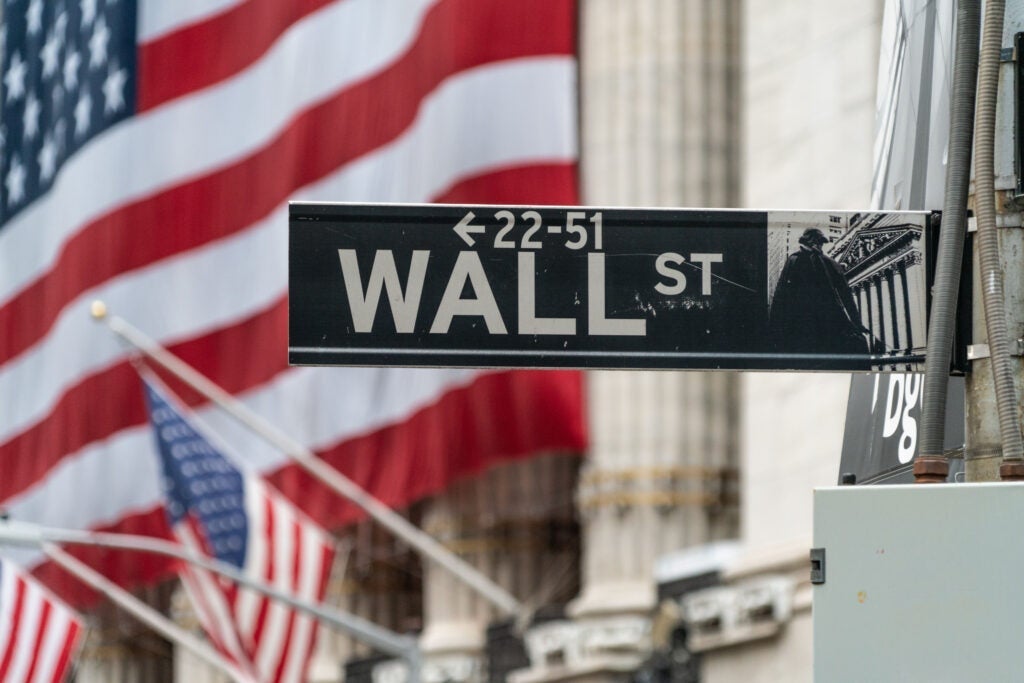
Top 4 U.S. Banks' Stocks Drop 5%-7% Amid Proposed Credit Card Rate Cap
Written by Emily J. Thompson, Senior Investment Analyst
Updated: Jan 15 2026
0mins

Source: NASDAQ.COM
- Earnings Impact: The four largest U.S. banks (JPMorgan Chase, Bank of America, Citigroup, and Wells Fargo) reported mixed earnings results, with JPMorgan and Bank of America exceeding revenue and earnings estimates, yet their stock prices fell 5%-7% due to concerns over a political proposal, indicating market anxiety about future profitability.
- Rate Cap Proposal: President Trump's proposal to cap credit card interest rates at 10%, effective January 20, could significantly impact banks' interest income, potentially leading to a loss of up to $100 billion annually, which would severely undermine the profitability of major banks.
- Market Reaction: Bank executives warned during earnings calls that the rate cap and Credit Card Competition Act could restrict consumer access to credit, negatively affecting the economy; JPMorgan's CFO highlighted that this poses a significant challenge to their business model, reflecting the market's sensitivity to policy changes.
- Investor Attention: Although the proposal has bipartisan support in Congress, the lack of endorsement from Republican leadership necessitates close monitoring by investors to assess the potential impact on bank stocks, especially given the current economic climate that may exert additional pressure on their performance.
Trade with 70% Backtested Accuracy
Stop guessing "Should I Buy BAC?" and start using high-conviction signals backed by rigorous historical data.
Sign up today to access powerful investing tools and make smarter, data-driven decisions.
Analyst Views on BAC
Wall Street analysts forecast BAC stock price to rise
19 Analyst Rating
15 Buy
4 Hold
0 Sell
Strong Buy
Current: 48.560

Low
55.00
Averages
61.64
High
71.00
Current: 48.560
Low
55.00
Averages
61.64
High
71.00
About BAC
Bank of America Corporation is a bank holding company and a financial holding company. Its segments include Consumer Banking, Global Wealth & Investment Management (GWIM), Global Banking and Global Markets. Consumer Banking segment offers a range of credit, banking and investment products and services to consumers and small businesses. The GWIM includes two businesses: Merrill Wealth Management, which provides tailored solutions to meet clients' needs through a full set of investment management, brokerage, banking and retirement products and Bank of America Private Bank, which provides comprehensive wealth management solutions. Global Banking segment provides a range of lending-related products and services, integrated working capital management and treasury solutions, and underwriting and advisory services. Global Markets segment offers sales and trading services and research services to institutional clients across fixed-income, credit, currency, commodity, and equity businesses.
About the author

Emily J. Thompson
Emily J. Thompson, a Chartered Financial Analyst (CFA) with 12 years in investment research, graduated with honors from the Wharton School. Specializing in industrial and technology stocks, she provides in-depth analysis for Intellectia’s earnings and market brief reports.
Bank of America Reports 10% Increase in Investment Banking Revenue

- Investment Banking Growth: Bank of America Co-President Dean Athanasia reported a year-over-year increase of approximately 10% in investment banking revenue, indicating strong performance in market activities that is expected to continue driving overall performance.
- Strong Global Market Performance: Athanasia noted that global markets are also experiencing low double-digit growth, and despite potential volatility from the Middle East conflict impacting quarter-end results, the company is confident in achieving its 16th consecutive quarter of year-over-year growth.
- Net Interest Income Expectations: Bank of America anticipates a year-over-year increase of at least 7% in net interest income for Q1, reflecting solid performance in interest income, although deposit growth is planned to remain in the low single digits.
- Wealth Management Fee Increase: In wealth management, fees have risen in double digits year-over-year, indicating strong market demand, while the company aims for 4%-5% net new asset growth in the medium term to further enhance its competitive position.
See More

Latest Wall Street Rating Updates


- JPMorgan Upgrades Oracle: JPMorgan upgraded Oracle from neutral to overweight, citing a 55% drop in shares since mid-September that has de-risked valuation, while shifting investor expectations to a lower bar for FY30 targets and OpenAI ramp.
- Evercore Reiterates Netflix Outperform: Evercore ISI's survey indicates strengthening customer satisfaction and pricing power for Netflix, reinforcing its status as a high-quality asset in global streaming, supported by unmatched scale and localized content production.
- Barclays Double Upgrades Arthur J. Gallagher: Barclays upgraded Arthur J. Gallagher from underweight to overweight, viewing the insurance company as a “great” defensive play in the current market environment, highlighting its resilience amid economic uncertainty.
- Barclays Reiterates Tesla Equal Weight: Barclays noted Tesla's battery energy storage system sales are capacity constrained, but expansion supports robust growth ahead, with expectations for Tesla to maintain top global market share in 2025, showcasing significant potential in the storage market.
See More
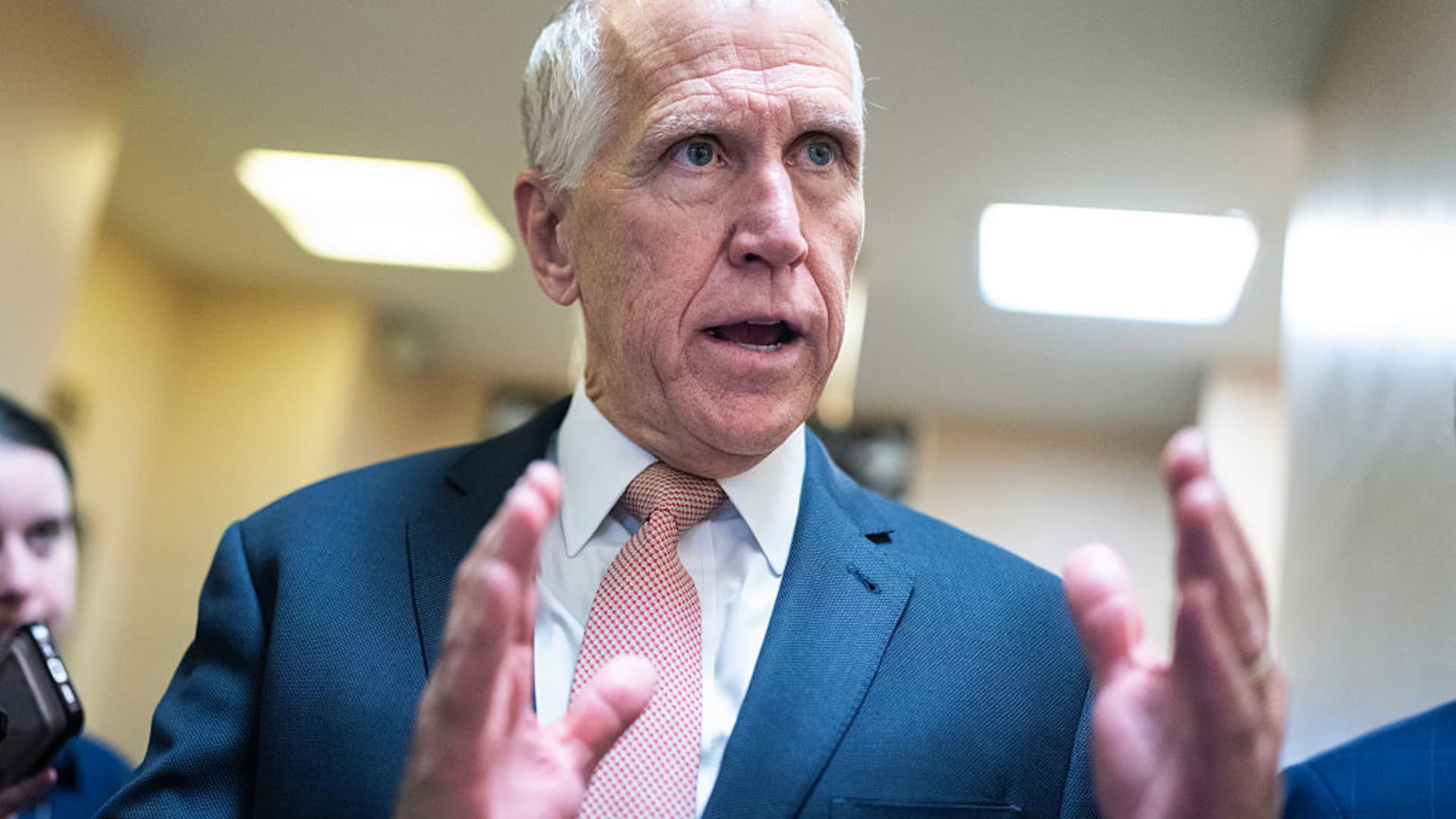
Senator Blocks Confirmation of Fed Nominee Warsh Amid Investigation

- Confirmation Block: Senator Thom Tillis from North Carolina stated that he will not vote for any Fed nominees, including Kevin Warsh, until the criminal investigation into Fed Chair Jerome Powell is resolved, indicating strong dissatisfaction with the Fed nomination process.
- Political Context: Tillis believes that the investigation into Powell is politically motivated, particularly due to Powell's refusal to cut interest rates as quickly as demanded by President Trump, complicating the confirmation of Fed nominees.
- Evaluation of Warsh: Despite expressing admiration for Warsh's skills, stating he is 'already impressed' with his work, Tillis remains firm on not voting, reflecting a lack of trust in the current Fed leadership.
- Process Over Personal: Tillis emphasized that this is not about personal issues but rather about procedural integrity, indicating that he prioritizes the completeness and transparency of the nomination process, which could impact future Fed nominations and policy directions.
See More
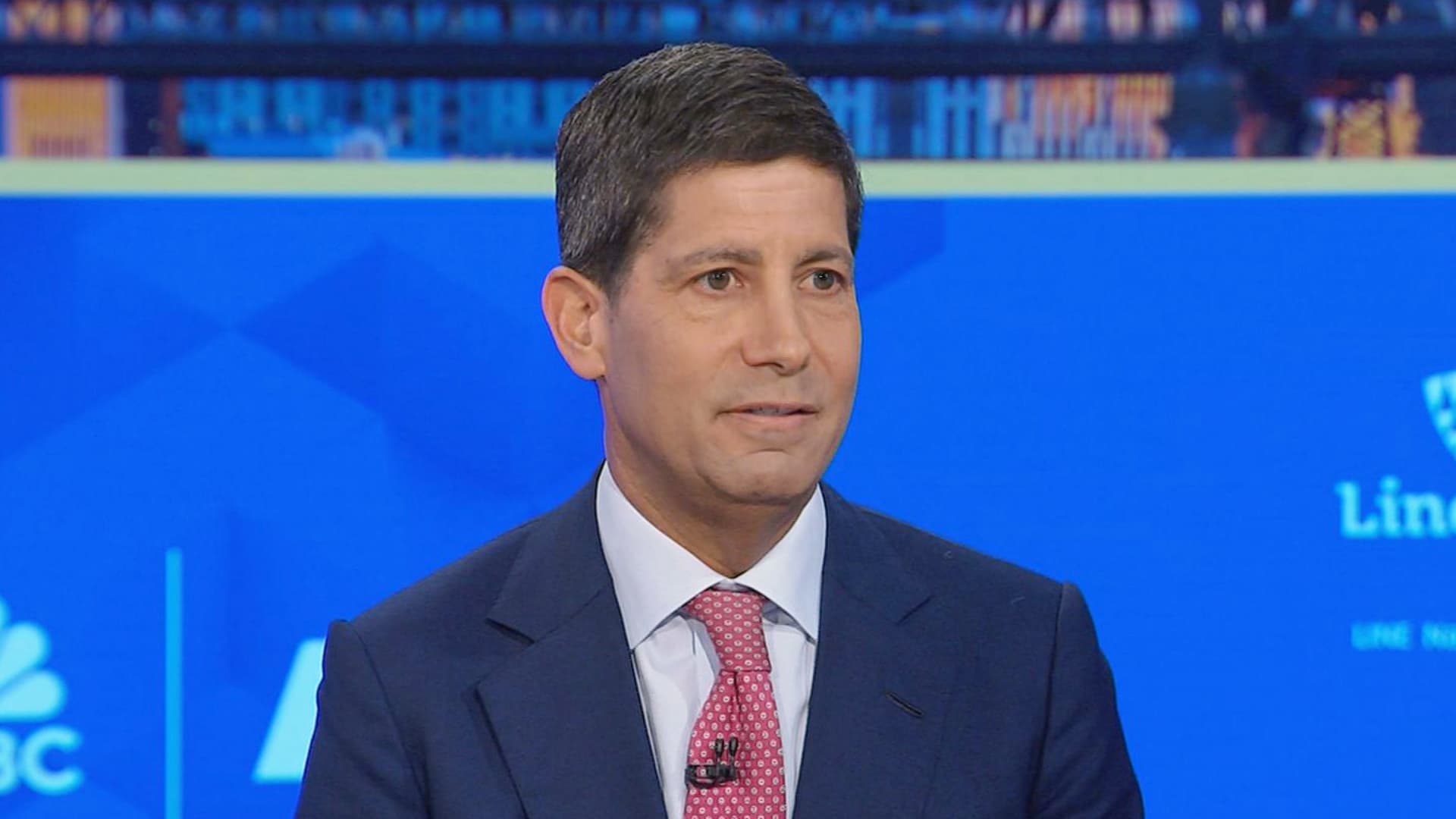
Kevin Warsh Faces Challenges as Fed Chair Amid Inflation and Labor Market Pressures

- Challenging Economic Landscape: Kevin Warsh is set to take over as Fed Chair amid dual pressures of high inflation and a weakening labor market, particularly as the Iran war has driven energy prices sharply higher, with U.S. crude oil briefly exceeding $100 a barrel, potentially exacerbating stagflation risks.
- Policy Dilemma: Warsh faces tough choices between raising rates to combat inflation and lowering them to support economic growth, especially as manufacturing costs continue to rise, which could lead to divisions within the Fed regarding future policy directions.
- Consumer Spending Surge: Despite these challenges, consumer spending rose 3.2% year-over-year in February, marking the largest increase in over three years; however, the disparity in after-tax wage growth—4.2% for high earners versus just 0.6% for low earners—highlights the worsening issue of income inequality.
- Shifting Market Expectations: Market expectations for Fed rate cuts have diminished, with traders now anticipating the first cut not until September and some even believing there will be no further cuts until 2027, reflecting concerns over a potentially hawkish stance from the Fed in response to inflation pressures.
See More

Paramount Skydance's Stock Declines: The Long Road to Merger Profitability.

- Acquisition Success: Paramount Skydance successfully acquired Warner Bros. Discovery, outmaneuvering Netflix in the process.
- Integration Challenges: The integration of the newly acquired company will be a complex and time-consuming process, according to BofA Securities.
See More
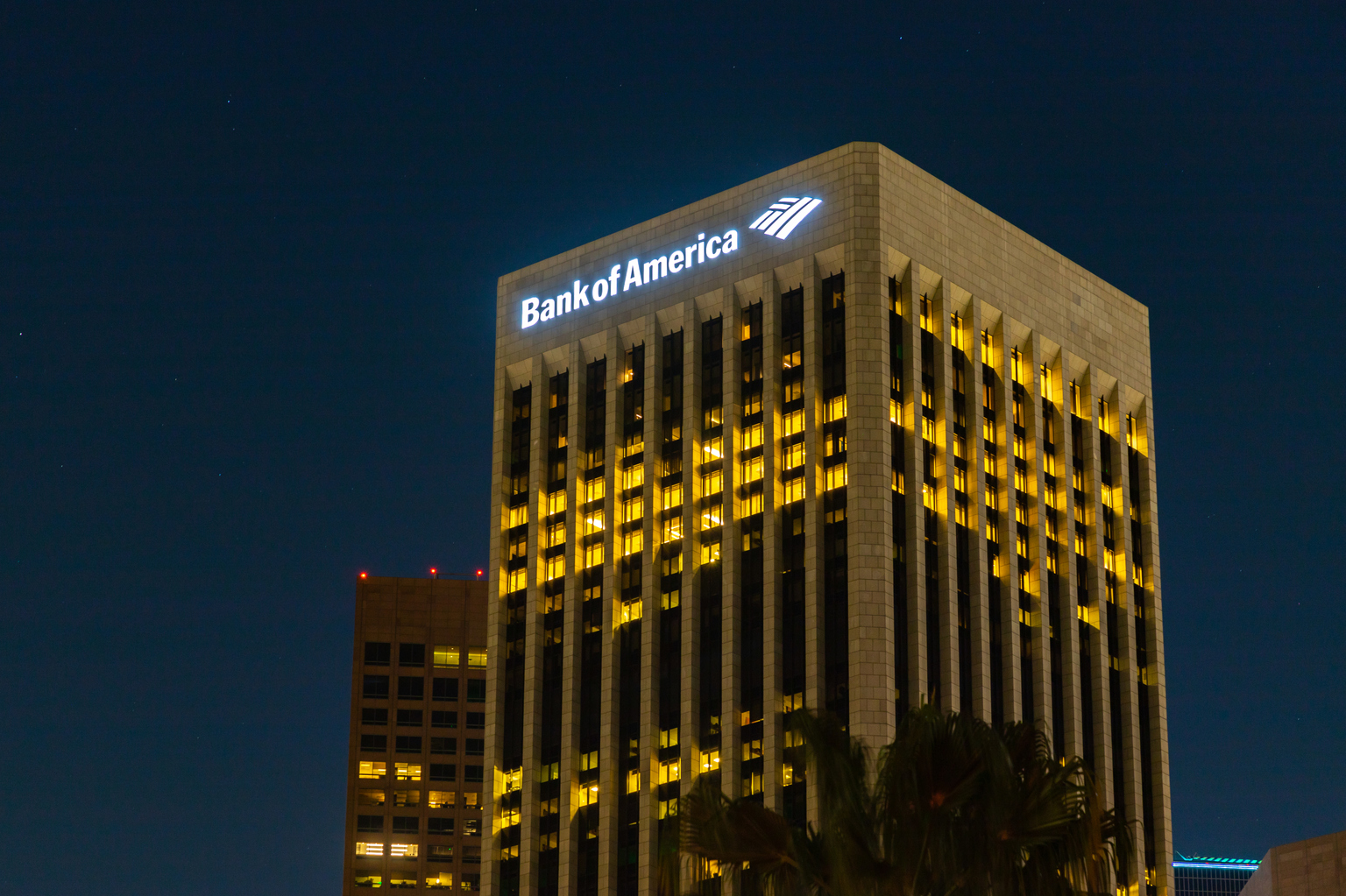
Bank of America CEO Optimistic About U.S. Economy
- Economic Growth Outlook: Bank of America CEO Brian Moynihan stated at the Financial Services Conference that GDP estimates for 2026 have been revised upward to 2.8%, indicating a sustained positive momentum in the economy and reflecting growing investor confidence in the U.S. market.
- Consumer Spending Increase: Data shows that Bank of America customers spent 5% more in January compared to the previous year, with growth across all income levels, demonstrating resilient consumer spending despite affordability concerns, and no major economist expects unemployment to exceed 4.6% in 2026.
- AI Investment: Moynihan emphasized that Bank of America has invested approximately $3 billion over the past decade in data cleansing to ensure the accuracy of its AI assistant, Erica, which now serves 20 million users and handles the workload equivalent to 11,000 full-time employees, showcasing the bank's ongoing commitment to digital transformation.
- Strategic Expansion Plans: Bank of America is expanding into previously underserved markets, including building branches in Ohio, where it had no presence until recently despite its 240-year history, demonstrating its strategic determination in operational efficiency and market penetration.
See More
Bank of America Reports 10% Increase in Investment Banking Revenue
- Investment Banking Growth: Bank of America Co-President Dean Athanasia reported a year-over-year increase of approximately 10% in investment banking revenue, indicating strong performance in market activities that is expected to continue driving overall performance.
- Strong Global Market Performance: Athanasia noted that global markets are also experiencing low double-digit growth, and despite potential volatility from the Middle East conflict impacting quarter-end results, the company is confident in achieving its 16th consecutive quarter of year-over-year growth.
- Net Interest Income Expectations: Bank of America anticipates a year-over-year increase of at least 7% in net interest income for Q1, reflecting solid performance in interest income, although deposit growth is planned to remain in the low single digits.
- Wealth Management Fee Increase: In wealth management, fees have risen in double digits year-over-year, indicating strong market demand, while the company aims for 4%-5% net new asset growth in the medium term to further enhance its competitive position.
See More
Latest Wall Street Rating Updates
- JPMorgan Upgrades Oracle: JPMorgan upgraded Oracle from neutral to overweight, citing a 55% drop in shares since mid-September that has de-risked valuation, while shifting investor expectations to a lower bar for FY30 targets and OpenAI ramp.
- Evercore Reiterates Netflix Outperform: Evercore ISI's survey indicates strengthening customer satisfaction and pricing power for Netflix, reinforcing its status as a high-quality asset in global streaming, supported by unmatched scale and localized content production.
- Barclays Double Upgrades Arthur J. Gallagher: Barclays upgraded Arthur J. Gallagher from underweight to overweight, viewing the insurance company as a “great” defensive play in the current market environment, highlighting its resilience amid economic uncertainty.
- Barclays Reiterates Tesla Equal Weight: Barclays noted Tesla's battery energy storage system sales are capacity constrained, but expansion supports robust growth ahead, with expectations for Tesla to maintain top global market share in 2025, showcasing significant potential in the storage market.
See More
Senator Blocks Confirmation of Fed Nominee Warsh Amid Investigation
- Confirmation Block: Senator Thom Tillis from North Carolina stated that he will not vote for any Fed nominees, including Kevin Warsh, until the criminal investigation into Fed Chair Jerome Powell is resolved, indicating strong dissatisfaction with the Fed nomination process.
- Political Context: Tillis believes that the investigation into Powell is politically motivated, particularly due to Powell's refusal to cut interest rates as quickly as demanded by President Trump, complicating the confirmation of Fed nominees.
- Evaluation of Warsh: Despite expressing admiration for Warsh's skills, stating he is 'already impressed' with his work, Tillis remains firm on not voting, reflecting a lack of trust in the current Fed leadership.
- Process Over Personal: Tillis emphasized that this is not about personal issues but rather about procedural integrity, indicating that he prioritizes the completeness and transparency of the nomination process, which could impact future Fed nominations and policy directions.
See More
Kevin Warsh Faces Challenges as Fed Chair Amid Inflation and Labor Market Pressures
- Challenging Economic Landscape: Kevin Warsh is set to take over as Fed Chair amid dual pressures of high inflation and a weakening labor market, particularly as the Iran war has driven energy prices sharply higher, with U.S. crude oil briefly exceeding $100 a barrel, potentially exacerbating stagflation risks.
- Policy Dilemma: Warsh faces tough choices between raising rates to combat inflation and lowering them to support economic growth, especially as manufacturing costs continue to rise, which could lead to divisions within the Fed regarding future policy directions.
- Consumer Spending Surge: Despite these challenges, consumer spending rose 3.2% year-over-year in February, marking the largest increase in over three years; however, the disparity in after-tax wage growth—4.2% for high earners versus just 0.6% for low earners—highlights the worsening issue of income inequality.
- Shifting Market Expectations: Market expectations for Fed rate cuts have diminished, with traders now anticipating the first cut not until September and some even believing there will be no further cuts until 2027, reflecting concerns over a potentially hawkish stance from the Fed in response to inflation pressures.
See More
Paramount Skydance's Stock Declines: The Long Road to Merger Profitability.
- Acquisition Success: Paramount Skydance successfully acquired Warner Bros. Discovery, outmaneuvering Netflix in the process.
- Integration Challenges: The integration of the newly acquired company will be a complex and time-consuming process, according to BofA Securities.
See More
Bank of America CEO Optimistic About U.S. Economy
- Economic Growth Outlook: Bank of America CEO Brian Moynihan stated at the Financial Services Conference that GDP estimates for 2026 have been revised upward to 2.8%, indicating a sustained positive momentum in the economy and reflecting growing investor confidence in the U.S. market.
- Consumer Spending Increase: Data shows that Bank of America customers spent 5% more in January compared to the previous year, with growth across all income levels, demonstrating resilient consumer spending despite affordability concerns, and no major economist expects unemployment to exceed 4.6% in 2026.
- AI Investment: Moynihan emphasized that Bank of America has invested approximately $3 billion over the past decade in data cleansing to ensure the accuracy of its AI assistant, Erica, which now serves 20 million users and handles the workload equivalent to 11,000 full-time employees, showcasing the bank's ongoing commitment to digital transformation.
- Strategic Expansion Plans: Bank of America is expanding into previously underserved markets, including building branches in Ohio, where it had no presence until recently despite its 240-year history, demonstrating its strategic determination in operational efficiency and market penetration.
See More