Tax Refunds Increase This Year: Implications for Consumer Spending.


Tax Changes Impact: The 2026 tax-filing season will be the first to implement changes from the One Big Beautiful Bill Act (OBBBA), leading to expected higher refunds compared to previous years.
Refund Statistics: Current IRS statistics show that refunds are averaging an increase of 11.5% this year.
Consumer Spending Boost: The anticipated increase in cash flow from higher refunds is likely to enhance consumer spending in the first half of the year.
Potential Challenges: Factors such as rising oil prices and slow tax processing may offset some of the expected gains in consumer spending.
Trade with 70% Backtested Accuracy
Analyst Views on JPM

About JPM
About the author

JPMorgan Increases Mixed Shelf Offering Size to $125 Billion from $80 Billion

JPMorgan's Mixed Shelf Offering: JPMorgan has raised the size of its mixed shelf offering to up to $125 billion, significantly increasing from the previous limit of $80 billion.
Purpose of the Offering: The mixed shelf offering allows JPMorgan to issue various types of securities, providing flexibility in capital raising efforts.

S&P 500 Index Hits Record High Amid Market Recovery


- Market Recovery: The S&P 500 index reached a new record high on April 15 after a 9% decline, reflecting a rebound in investor sentiment, particularly following the U.S.-Iran ceasefire agreement that alleviated fears of a global energy shortage.
- Oil Price Volatility Risk: Despite the market recovery, Iran's recent restrictions on commercial vessels in the Strait of Hormuz could lead to another spike in oil prices, potentially pressuring corporate earnings and necessitating caution from investors regarding short-term market fluctuations.
- Investment Strategy Adjustment: With a low expense ratio of 0.03%, the Vanguard S&P 500 ETF may yield modest returns of 5% or less over the next decade at current highs, prompting a recommendation for investors to adopt a strategy of regular small investments to mitigate risks of market corrections.
- Long-Term Return Potential: While the S&P 500 has delivered a compound annual return of 10.5% since 1957, the current price-to-earnings ratio exceeding 20 times necessitates careful evaluation of future investment opportunities to avoid significant losses from large investments at market peaks.
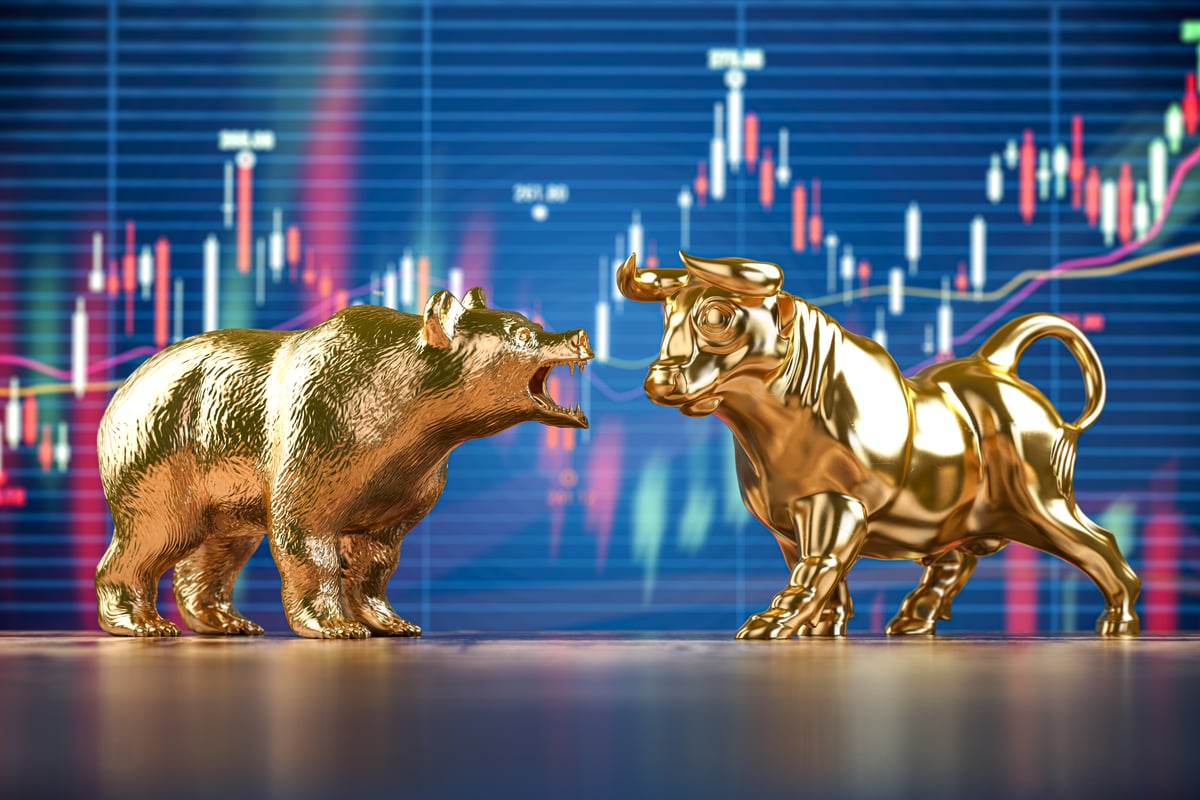
S&P 500 Hits Record High Amid Ceasefire Agreement
- Market Sentiment Recovery: Following the ceasefire agreement between the U.S. and Iran on April 8, the S&P 500 reached a record high on April 15, indicating a strong rebound from a recent 9% peak-to-trough decline and a restoration of investor confidence.
- Strait of Hormuz Significance: This waterway handles 25% of the world's seaborne oil supply daily, and its reopening alleviated fears of a global energy shortage, although Iran's recent restrictions on commercial vessels create uncertainty for future developments.
- Tech Sector Dominance: The top three companies in the S&P 500, Nvidia, Apple, and Microsoft, represent a combined market cap of $12 trillion, highlighting the significant role of the technology sector in the index and its potential for future growth.
- Investment Strategy Adjustment: With the S&P 500 currently trading at over 20 times forward earnings and projected annual returns potentially below 5% over the next decade, investors are advised to consider dollar-cost averaging through smaller, consistent investments rather than making large lump-sum purchases at record highs.

Wall Street Lowers Market Expectations Amid Conflict

- Market Expectations Downgraded: Following the Iran conflict, firms like JPMorgan and Wells Fargo have cut their S&P 500 forecasts, with Wells Fargo reducing its target from 7,800 to 7,300, indicating a cautious outlook for the market.
- Significant Oil Price Impact: Elevated oil prices and record-low consumer confidence suggest that market performance may underperform expectations, raising concerns about potential economic recession risks.
- Poor Historical Forecast Accuracy: Over the past six years, Wall Street has significantly underestimated year-end market closes in five out of six years, particularly in 2022 when a bear market caught many off guard, highlighting the limitations of these predictions.
- Uncertain Future Outlook: While the 2026 market setup resembles that of April 2025, the potential long-term impact on oil and gas flows through the Strait of Hormuz raises concerns about a global recession, necessitating cautious investor strategies.

Wall Street Cuts S&P 500 Targets Amid Iran War
- Wall Street Target Cuts: Major firms like JPMorgan Chase and Wells Fargo have reduced their S&P 500 price targets in light of the Iran war, with Wells Fargo lowering its forecast from 7,800 to 7,300, indicating a cautious outlook on market performance.
- Historical Forecast Errors: Over the past six years, Wall Street has significantly underestimated market performance in five of those years, with discrepancies reaching as high as 28%, suggesting that investors should be wary of relying too heavily on Wall Street's predictions, especially in the current uncertain economic climate.
- Market Response and Risks: Although the market has rebounded recently, elevated oil prices and record-low consumer confidence may still lead to underperformance, and if tensions in Iran persist, the risk of a global recession could increase significantly.
- Long-Term Investment Strategy: Despite short-term risks, history shows that investors who remain committed typically see returns, thus when considering investments in the S&P 500, investors should focus on long-term gains rather than short-term fluctuations.
Understanding Investment Terms: Volume 8


- Retirement Smile: The retirement smile describes the spending pattern of retirees, which starts high, dips in the middle years, and rises again due to increased healthcare costs, significantly impacting financial planning strategies.
- Depreciation Concept: Depreciation is the accounting process of spreading the cost of long-lived assets over their useful life, affecting reported profitability, especially in capital-intensive industries like AI data centers.
- Dollar-Cost Averaging: Dollar-cost averaging involves regularly purchasing stocks or index funds at different price points, helping investors maintain a consistent investment rhythm amidst market volatility, making it suitable for long-term investing.
- Risk Tolerance: Risk tolerance refers to an investor's comfort with market volatility and potential losses, often revealed during market downturns, and requires self-reflection to fully understand.
JPMorgan Increases Mixed Shelf Offering Size to $125 Billion from $80 Billion
JPMorgan's Mixed Shelf Offering: JPMorgan has raised the size of its mixed shelf offering to up to $125 billion, significantly increasing from the previous limit of $80 billion.
Purpose of the Offering: The mixed shelf offering allows JPMorgan to issue various types of securities, providing flexibility in capital raising efforts.
S&P 500 Index Hits Record High Amid Market Recovery
- Market Recovery: The S&P 500 index reached a new record high on April 15 after a 9% decline, reflecting a rebound in investor sentiment, particularly following the U.S.-Iran ceasefire agreement that alleviated fears of a global energy shortage.
- Oil Price Volatility Risk: Despite the market recovery, Iran's recent restrictions on commercial vessels in the Strait of Hormuz could lead to another spike in oil prices, potentially pressuring corporate earnings and necessitating caution from investors regarding short-term market fluctuations.
- Investment Strategy Adjustment: With a low expense ratio of 0.03%, the Vanguard S&P 500 ETF may yield modest returns of 5% or less over the next decade at current highs, prompting a recommendation for investors to adopt a strategy of regular small investments to mitigate risks of market corrections.
- Long-Term Return Potential: While the S&P 500 has delivered a compound annual return of 10.5% since 1957, the current price-to-earnings ratio exceeding 20 times necessitates careful evaluation of future investment opportunities to avoid significant losses from large investments at market peaks.
S&P 500 Hits Record High Amid Ceasefire Agreement
- Market Sentiment Recovery: Following the ceasefire agreement between the U.S. and Iran on April 8, the S&P 500 reached a record high on April 15, indicating a strong rebound from a recent 9% peak-to-trough decline and a restoration of investor confidence.
- Strait of Hormuz Significance: This waterway handles 25% of the world's seaborne oil supply daily, and its reopening alleviated fears of a global energy shortage, although Iran's recent restrictions on commercial vessels create uncertainty for future developments.
- Tech Sector Dominance: The top three companies in the S&P 500, Nvidia, Apple, and Microsoft, represent a combined market cap of $12 trillion, highlighting the significant role of the technology sector in the index and its potential for future growth.
- Investment Strategy Adjustment: With the S&P 500 currently trading at over 20 times forward earnings and projected annual returns potentially below 5% over the next decade, investors are advised to consider dollar-cost averaging through smaller, consistent investments rather than making large lump-sum purchases at record highs.
Wall Street Lowers Market Expectations Amid Conflict
- Market Expectations Downgraded: Following the Iran conflict, firms like JPMorgan and Wells Fargo have cut their S&P 500 forecasts, with Wells Fargo reducing its target from 7,800 to 7,300, indicating a cautious outlook for the market.
- Significant Oil Price Impact: Elevated oil prices and record-low consumer confidence suggest that market performance may underperform expectations, raising concerns about potential economic recession risks.
- Poor Historical Forecast Accuracy: Over the past six years, Wall Street has significantly underestimated year-end market closes in five out of six years, particularly in 2022 when a bear market caught many off guard, highlighting the limitations of these predictions.
- Uncertain Future Outlook: While the 2026 market setup resembles that of April 2025, the potential long-term impact on oil and gas flows through the Strait of Hormuz raises concerns about a global recession, necessitating cautious investor strategies.
Wall Street Cuts S&P 500 Targets Amid Iran War
- Wall Street Target Cuts: Major firms like JPMorgan Chase and Wells Fargo have reduced their S&P 500 price targets in light of the Iran war, with Wells Fargo lowering its forecast from 7,800 to 7,300, indicating a cautious outlook on market performance.
- Historical Forecast Errors: Over the past six years, Wall Street has significantly underestimated market performance in five of those years, with discrepancies reaching as high as 28%, suggesting that investors should be wary of relying too heavily on Wall Street's predictions, especially in the current uncertain economic climate.
- Market Response and Risks: Although the market has rebounded recently, elevated oil prices and record-low consumer confidence may still lead to underperformance, and if tensions in Iran persist, the risk of a global recession could increase significantly.
- Long-Term Investment Strategy: Despite short-term risks, history shows that investors who remain committed typically see returns, thus when considering investments in the S&P 500, investors should focus on long-term gains rather than short-term fluctuations.
Understanding Investment Terms: Volume 8
- Retirement Smile: The retirement smile describes the spending pattern of retirees, which starts high, dips in the middle years, and rises again due to increased healthcare costs, significantly impacting financial planning strategies.
- Depreciation Concept: Depreciation is the accounting process of spreading the cost of long-lived assets over their useful life, affecting reported profitability, especially in capital-intensive industries like AI data centers.
- Dollar-Cost Averaging: Dollar-cost averaging involves regularly purchasing stocks or index funds at different price points, helping investors maintain a consistent investment rhythm amidst market volatility, making it suitable for long-term investing.
- Risk Tolerance: Risk tolerance refers to an investor's comfort with market volatility and potential losses, often revealed during market downturns, and requires self-reflection to fully understand.