Taiwan Semiconductor and Broadcom: Investment Opportunities Beyond the Magnificent Seven
Written by Emily J. Thompson, Senior Investment Analyst
Updated: 1 day ago
0mins
Should l Buy TSM?
Source: Fool
- TSMC's Growth Potential: Taiwan Semiconductor expects AI chip revenue to grow at a compound annual growth rate of mid to high 50% from 2024 to 2029, with overall revenue projected to increase by about 25%, highlighting its significance and competitiveness in the AI sector.
- Market Leadership: As the world's largest chip foundry, TSMC not only manufactures chips for competitors like Nvidia and Broadcom but also solidifies partnerships through its advanced technology, thereby enhancing its market position.
- Broadcom's Custom AI Chips: Broadcom has seen significant success in the AI computing space, generating $8.4 billion in revenue from custom AI chips in Q1 of fiscal 2026, with expectations to exceed $100 billion by 2027, indicating strong market demand and growth potential.
- Investment Timing: Currently, both TSMC and Broadcom's stock prices are below their all-time highs, at $377.93 and $368.87 respectively, providing investors with an opportunity to capitalize on these quality stocks, which are expected to outperform the Magnificent Seven.
Trade with 70% Backtested Accuracy
Stop guessing "Should I Buy TSM?" and start using high-conviction signals backed by rigorous historical data.
Sign up today to access powerful investing tools and make smarter, data-driven decisions.
Analyst Views on TSM
Wall Street analysts forecast TSM stock price to fall
8 Analyst Rating
7 Buy
1 Hold
0 Sell
Strong Buy
Current: 365.490

Low
63.24
Averages
313.46
High
390.00
Current: 365.490
Low
63.24
Averages
313.46
High
390.00
About TSM
Taiwan Semiconductor Manufacturing Co Ltd is a Taiwan-based integrated circuit foundry service provider. The Company is primarily engaged in integrated circuit manufacturing services. It offers advanced process technologies, specialised process solutions, advanced photomask and silicon stacking, and packaging-related technologies, while supporting a comprehensive design ecosystem. The Company's products serve diverse electronic sectors including artificial intelligence, high-performance computing, wired and wireless communications, automotive and industrial equipment, personal computing, information applications, consumer electronics, smart internet of things, and wearable devices.
About the author

Emily J. Thompson
Emily J. Thompson, a Chartered Financial Analyst (CFA) with 12 years in investment research, graduated with honors from the Wharton School. Specializing in industrial and technology stocks, she provides in-depth analysis for Intellectia’s earnings and market brief reports.
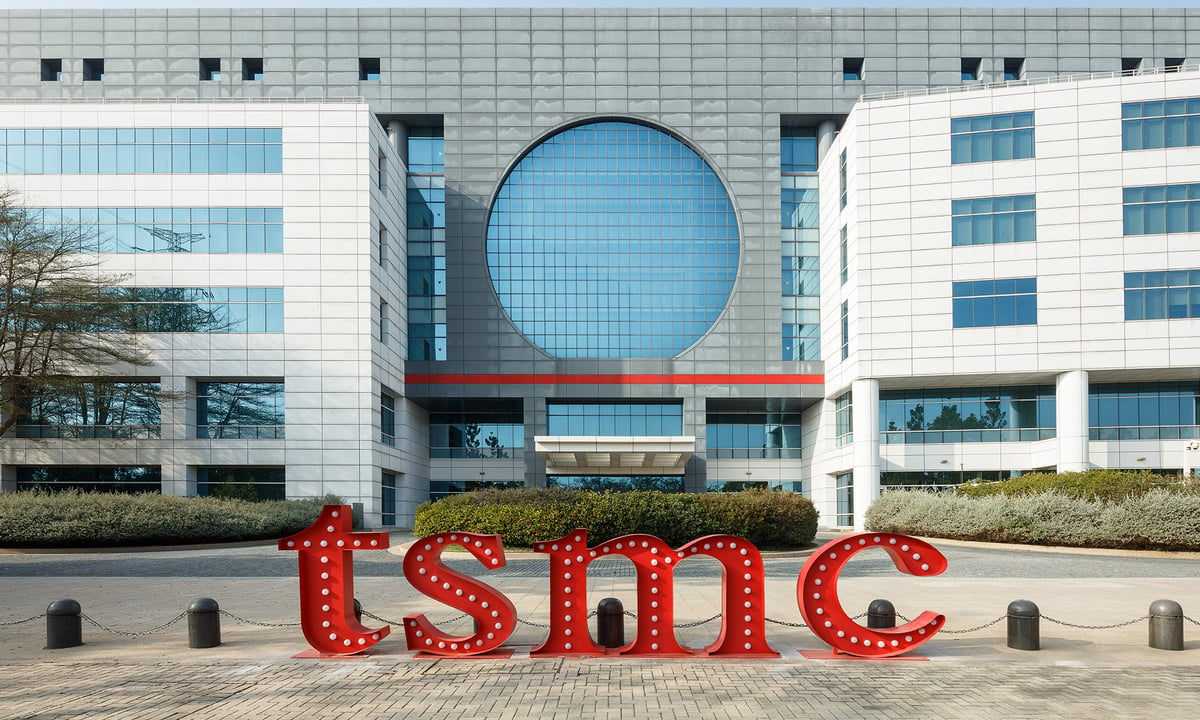
TSMC: The Leader in AI Chip Market

- Strong Market Demand: According to Dell'Oro Group, data center spending is projected to reach $1.7 trillion by 2030, providing a potential market for chips worth hundreds of billions, with TSMC positioned to benefit as a leading chip manufacturer.
- Significant Revenue Growth: TSMC achieved double-digit revenue growth in 2025, with an annual production capacity exceeding 17 million 12-inch equivalent wafers, supporting $122 billion in annual revenue, making it one of the largest semiconductor companies globally.
- AI Chip Growth Expectations: Management anticipates over 50% annual growth in AI chips through 2029, indicating strong long-term demand for advanced process technologies, despite the cyclical risks inherent in the industry.
- Increasing Market Share: TSMC's market share reached 72% in the second half of 2025, demonstrating its strong position in the competitive foundry market, and its 45% profit margin underscores its customer relationships and scale advantages.
See More

TSMC: Leading Player in AI Chip Market
- Market Share Growth: TSMC's market share reached 72% in the second half of 2025, showcasing its strong competitive edge in chip manufacturing, with significant profit potential from the projected $1.7 trillion data center spending market.
- Production Capacity Increase: The company's annual production capacity rose from 16 million to 17 million wafers in 2023, supporting its $122 billion annual revenue and further solidifying its position as the largest semiconductor company globally.
- Long-Term Demand Outlook: Despite concerns over potential AI spending slowdowns, management anticipates over 50% annual growth in AI chips through 2029, indicating confidence in future market demand and strategic positioning.
- Strong Profitability: TSMC boasts a profit margin of 45%, reflecting its close customer relationships and scale advantages, allowing it to maintain a leading position in a highly competitive market.
See More

Tech Stock Volatility Amid AI Hardware Growth


- AI Hardware Sales Surge: Nvidia's sales rose 73% to $68.1 billion in Q4 2026, with non-GAAP EPS increasing 82% to $1.62, demonstrating strong performance in the AI market and reinforcing its market leadership.
- Market Dominance: Nvidia holds an 86% share of the AI data center processor market, TSMC manufactures 70% of the world's processors, and Broadcom is projected to capture 60% of the ASIC market next year, highlighting their competitive advantages in AI hardware.
- Major Partnership Agreements: Broadcom signed a long-term deal with Google to design Tensor Processing Units for AI data centers, potentially generating $63 billion in revenue over the next two years, underscoring its critical role in AI infrastructure.
- Ongoing Investment Signals: TSMC plans to invest $165 billion in the U.S. to meet the growing demand for processors, with Apple securing over half of TSMC's 2-nanometer capacity, reflecting confidence in AI infrastructure spending and strong market demand.
See More

AI Stocks: Speculation vs. Solid Performance
- Investor Confidence Survey: Research from Motley Fool indicates that 41% of investors believe the rise in AI stocks is primarily speculative, reflecting market concerns about a potential AI bubble, which may lead to more cautious investment decisions in the future.
- Strong Financial Performance: Companies like Nvidia, Taiwan Semiconductor, and Broadcom continue to see rising sales and earnings in the AI hardware sector, with Nvidia holding an 86% market share in AI data center processors, showcasing their dominant position and potential for future growth.
- Major Partnership Agreements: Broadcom has signed a long-term agreement with Google to design Tensor Processing Units (TPUs) for AI data centers, with projected revenue from Anthropic potentially reaching $63 billion over the next two years, highlighting Broadcom's critical role in AI infrastructure.
- Signals of Continued Investment: TSMC plans to invest $165 billion in new facilities, with Apple securing over half of TSMC's 2-nanometer processor capacity, indicating strong demand for advanced processors and further solidifying its leadership in the global semiconductor market.
See More

Beijing Unveils Goodwill Measures to Foster Cross-Strait Economic Integration
- Policy Announcement: Beijing has announced a series of measures aimed at easing cross-strait tensions, particularly focusing on sectors like agriculture and tourism that have faced significant disruptions, indicating a strategic shift towards Taiwan's economic integration.
- Support for Agriculture and Tourism: The new policy commits to facilitating the sale of Taiwanese agricultural and fishery products in mainland markets while streamlining investment processes for Taiwanese firms entering China, which is expected to positively impact Taiwanese exporters.
- Resumption of Group Travel: The measures also mention the resumption of outbound group travel to Taiwan, which has been largely frozen since 2019, aiming to enhance cross-strait exchanges despite the ongoing freeze on official communications.
- Cautious Political Response: While the economic measures may alleviate pressure on specific industries, the political response in Taipei remains cautious, with the DPP reiterating that any formal negotiations require government authorization, emphasizing the need to protect Taiwan's democracy and national interests.
See More

U.S.-Iran Talks End Without Agreement, Futures Outlook Uncertain


- Negotiation Outcome Poor: The lengthy U.S.-Iran talks concluded without an agreement, with Vice President J.D. Vance stating that Tehran has “chosen not to accept our terms,” which could lead to increased tensions and affect international market stability.
- Market Reaction Expectations: The absence of an agreement may create greater uncertainty for futures market investors, particularly in the energy and commodities sectors, potentially leading to increased price volatility and impacting the profit outlook for related companies.
- Geopolitical Risk Increase: The failure of negotiations could escalate geopolitical tensions in the Middle East, affecting global supply chains, especially oil supplies, thereby negatively impacting global economic recovery.
- Policy Adjustment Possibility: The U.S. government may need to reassess its policy towards Iran, considering stronger measures in response to Tehran's stance, which will have profound implications for international relations and future negotiation strategies.
See More
TSMC: The Leader in AI Chip Market
- Strong Market Demand: According to Dell'Oro Group, data center spending is projected to reach $1.7 trillion by 2030, providing a potential market for chips worth hundreds of billions, with TSMC positioned to benefit as a leading chip manufacturer.
- Significant Revenue Growth: TSMC achieved double-digit revenue growth in 2025, with an annual production capacity exceeding 17 million 12-inch equivalent wafers, supporting $122 billion in annual revenue, making it one of the largest semiconductor companies globally.
- AI Chip Growth Expectations: Management anticipates over 50% annual growth in AI chips through 2029, indicating strong long-term demand for advanced process technologies, despite the cyclical risks inherent in the industry.
- Increasing Market Share: TSMC's market share reached 72% in the second half of 2025, demonstrating its strong position in the competitive foundry market, and its 45% profit margin underscores its customer relationships and scale advantages.
See More
TSMC: Leading Player in AI Chip Market
- Market Share Growth: TSMC's market share reached 72% in the second half of 2025, showcasing its strong competitive edge in chip manufacturing, with significant profit potential from the projected $1.7 trillion data center spending market.
- Production Capacity Increase: The company's annual production capacity rose from 16 million to 17 million wafers in 2023, supporting its $122 billion annual revenue and further solidifying its position as the largest semiconductor company globally.
- Long-Term Demand Outlook: Despite concerns over potential AI spending slowdowns, management anticipates over 50% annual growth in AI chips through 2029, indicating confidence in future market demand and strategic positioning.
- Strong Profitability: TSMC boasts a profit margin of 45%, reflecting its close customer relationships and scale advantages, allowing it to maintain a leading position in a highly competitive market.
See More
Tech Stock Volatility Amid AI Hardware Growth
- AI Hardware Sales Surge: Nvidia's sales rose 73% to $68.1 billion in Q4 2026, with non-GAAP EPS increasing 82% to $1.62, demonstrating strong performance in the AI market and reinforcing its market leadership.
- Market Dominance: Nvidia holds an 86% share of the AI data center processor market, TSMC manufactures 70% of the world's processors, and Broadcom is projected to capture 60% of the ASIC market next year, highlighting their competitive advantages in AI hardware.
- Major Partnership Agreements: Broadcom signed a long-term deal with Google to design Tensor Processing Units for AI data centers, potentially generating $63 billion in revenue over the next two years, underscoring its critical role in AI infrastructure.
- Ongoing Investment Signals: TSMC plans to invest $165 billion in the U.S. to meet the growing demand for processors, with Apple securing over half of TSMC's 2-nanometer capacity, reflecting confidence in AI infrastructure spending and strong market demand.
See More
AI Stocks: Speculation vs. Solid Performance
- Investor Confidence Survey: Research from Motley Fool indicates that 41% of investors believe the rise in AI stocks is primarily speculative, reflecting market concerns about a potential AI bubble, which may lead to more cautious investment decisions in the future.
- Strong Financial Performance: Companies like Nvidia, Taiwan Semiconductor, and Broadcom continue to see rising sales and earnings in the AI hardware sector, with Nvidia holding an 86% market share in AI data center processors, showcasing their dominant position and potential for future growth.
- Major Partnership Agreements: Broadcom has signed a long-term agreement with Google to design Tensor Processing Units (TPUs) for AI data centers, with projected revenue from Anthropic potentially reaching $63 billion over the next two years, highlighting Broadcom's critical role in AI infrastructure.
- Signals of Continued Investment: TSMC plans to invest $165 billion in new facilities, with Apple securing over half of TSMC's 2-nanometer processor capacity, indicating strong demand for advanced processors and further solidifying its leadership in the global semiconductor market.
See More
Beijing Unveils Goodwill Measures to Foster Cross-Strait Economic Integration
- Policy Announcement: Beijing has announced a series of measures aimed at easing cross-strait tensions, particularly focusing on sectors like agriculture and tourism that have faced significant disruptions, indicating a strategic shift towards Taiwan's economic integration.
- Support for Agriculture and Tourism: The new policy commits to facilitating the sale of Taiwanese agricultural and fishery products in mainland markets while streamlining investment processes for Taiwanese firms entering China, which is expected to positively impact Taiwanese exporters.
- Resumption of Group Travel: The measures also mention the resumption of outbound group travel to Taiwan, which has been largely frozen since 2019, aiming to enhance cross-strait exchanges despite the ongoing freeze on official communications.
- Cautious Political Response: While the economic measures may alleviate pressure on specific industries, the political response in Taipei remains cautious, with the DPP reiterating that any formal negotiations require government authorization, emphasizing the need to protect Taiwan's democracy and national interests.
See More
U.S.-Iran Talks End Without Agreement, Futures Outlook Uncertain
- Negotiation Outcome Poor: The lengthy U.S.-Iran talks concluded without an agreement, with Vice President J.D. Vance stating that Tehran has “chosen not to accept our terms,” which could lead to increased tensions and affect international market stability.
- Market Reaction Expectations: The absence of an agreement may create greater uncertainty for futures market investors, particularly in the energy and commodities sectors, potentially leading to increased price volatility and impacting the profit outlook for related companies.
- Geopolitical Risk Increase: The failure of negotiations could escalate geopolitical tensions in the Middle East, affecting global supply chains, especially oil supplies, thereby negatively impacting global economic recovery.
- Policy Adjustment Possibility: The U.S. government may need to reassess its policy towards Iran, considering stronger measures in response to Tehran's stance, which will have profound implications for international relations and future negotiation strategies.
See More