"Stream to Speed Up: Netflix Sets New $120 Goal"
Goldman Sachs Upgrade: Goldman Sachs has upgraded Netflix's rating to "Buy" with a price target of $120, signaling a significant shift in the investment community's perception of the streaming giant.
Strategic Evolution: Netflix is transitioning from a focus on user growth to a more sustainable model emphasizing profitability, innovative strategies, and impressive earnings, which has led to a notable increase in revenue.
Diversification and Engagement: The company is expanding its entertainment ecosystem by venturing into gaming and live events, aiming to enhance user engagement and create a competitive edge in the market.
Financial Performance: Netflix's recent earnings report showed a 17.6% year-over-year revenue increase, reinforcing its position as a leading media powerhouse and validating its strategic pivots.
Trade with 70% Backtested Accuracy
Analyst Views on NFLX

About NFLX
About the author


Netflix Reports Record 2025 Earnings Ahead of Q1 2026 Results

- Strong User Growth: By the end of 2025, Netflix surpassed 325 million paying subscribers, significantly outpacing rivals HBO Max and Disney+, which each have around 131 million, solidifying its dominance in the streaming market and expected to continue attracting new users and increasing market share.
- Surge in Ad Revenue: In 2025, Netflix's advertising revenue reached $1.5 billion, growing over 150%, with expectations to double again in 2026; while the ad-supported subscription model generates lower initial revenue, the long-term value increases as the subscriber base expands.
- Impressive Financial Performance: Netflix anticipates first-quarter 2026 revenue of $12.2 billion, reflecting a 15.3% year-over-year growth, marking an acceleration in revenue growth, with projected earnings of $0.76 per share, the highest in company history, boosting investor confidence.
- Attractive Stock Valuation: With a current P/E ratio of 40.3, below the five-year average of 42.5, and projected earnings growth to $3.17 per share in 2026, Netflix's stock would need to rise 52% to maintain its current valuation, indicating strong potential returns for investors.

Netflix Stock Volatility and Long-Term Investment Value

- Strong Market Performance: Despite a 26% decline in Netflix's stock price over the past year, it has surged 847% over the last decade, indicating its potential for long-term investment and market recognition.
- Volatility Characteristics: With a beta value of 1.7, Netflix's stock exhibits significant volatility, requiring investors to possess patience to navigate the pressures of short-term market fluctuations.
- Historical Lessons: Reflecting on the 2011 Qwikster incident, Netflix managed to achieve over 8,000% long-term returns despite facing market skepticism, underscoring the importance of holding investments through uncertainty.
- Future Outlook: Although challenged by market saturation and limited growth prospects, analysts believe Netflix can still outperform the market in the next decade, with its current stock price offering a 26% discount from last summer's peak, presenting a compelling investment opportunity.
Disney Plans to Lay Off 1,000 Employees Amid Market Challenges

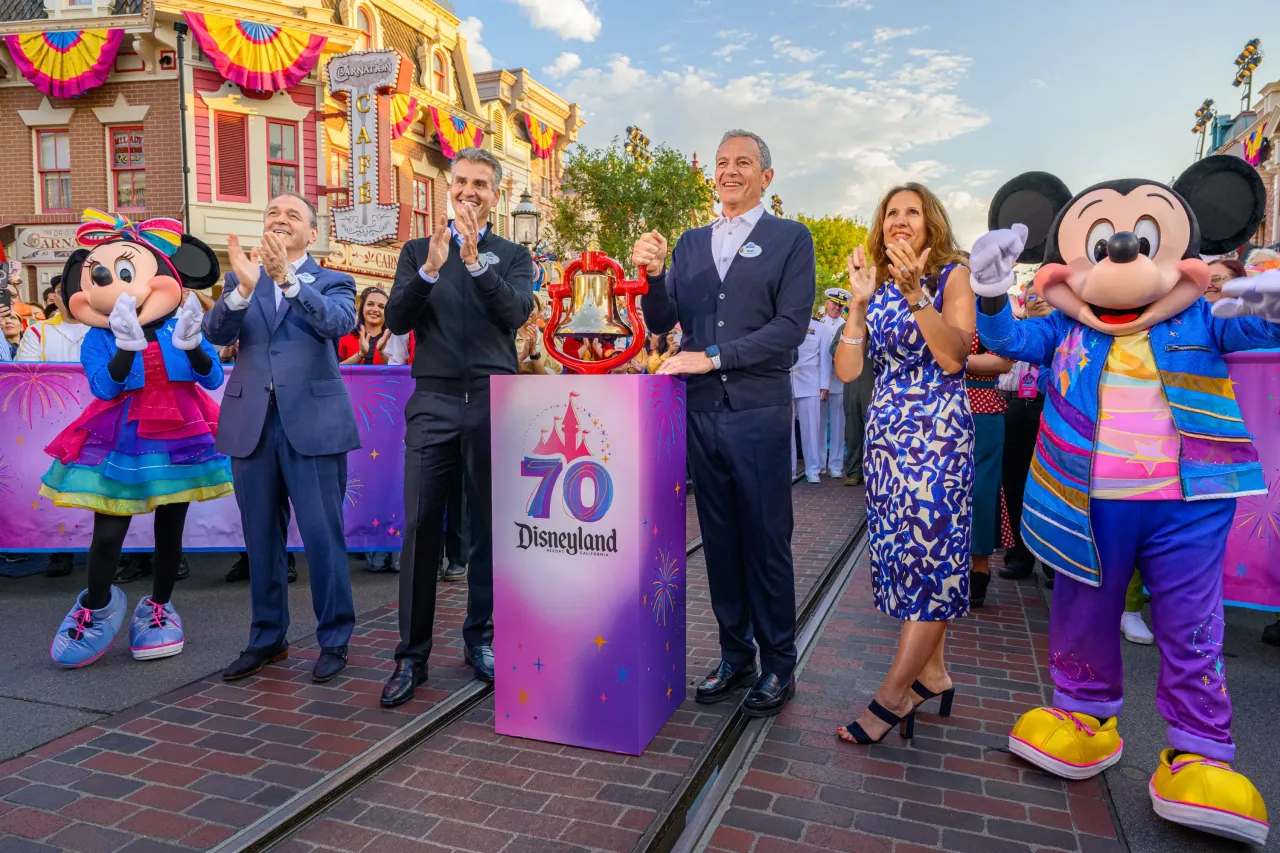
- Layoff Announcement: Disney plans to eliminate up to 1,000 positions primarily affecting its marketing department, marking the first major move under new CEO Josh D’Amaro, which highlights the company's struggles in a competitive streaming landscape.
- Market Reaction: Following the layoff news, Disney's stock fell 0.2% in Thursday's premarket session, although shares have risen nearly 8% since hitting a 52-week low on March 27; however, they remain down 13% year-to-date, indicating investor concerns about the company's outlook.
- Industry Trends: Like other Hollywood studios, Disney is facing slower growth due to competition from streaming services such as Netflix and Amazon Prime Video, with the entire industry implementing workforce reductions, as seen with Sony Pictures, Paramount, and Warner Bros. Discovery in recent months.
- Retail Sentiment: According to Stocktwits, retail sentiment for DIS has been declining since the beginning of the month, showing a 'bearish' outlook early Thursday, reflecting a lack of confidence among investors in the company's future, despite some users humorously noting that even superhero jobs are no longer safe.
Jeff Shell Resigns as President of Paramount Skydance Amid SEC Lawsuit

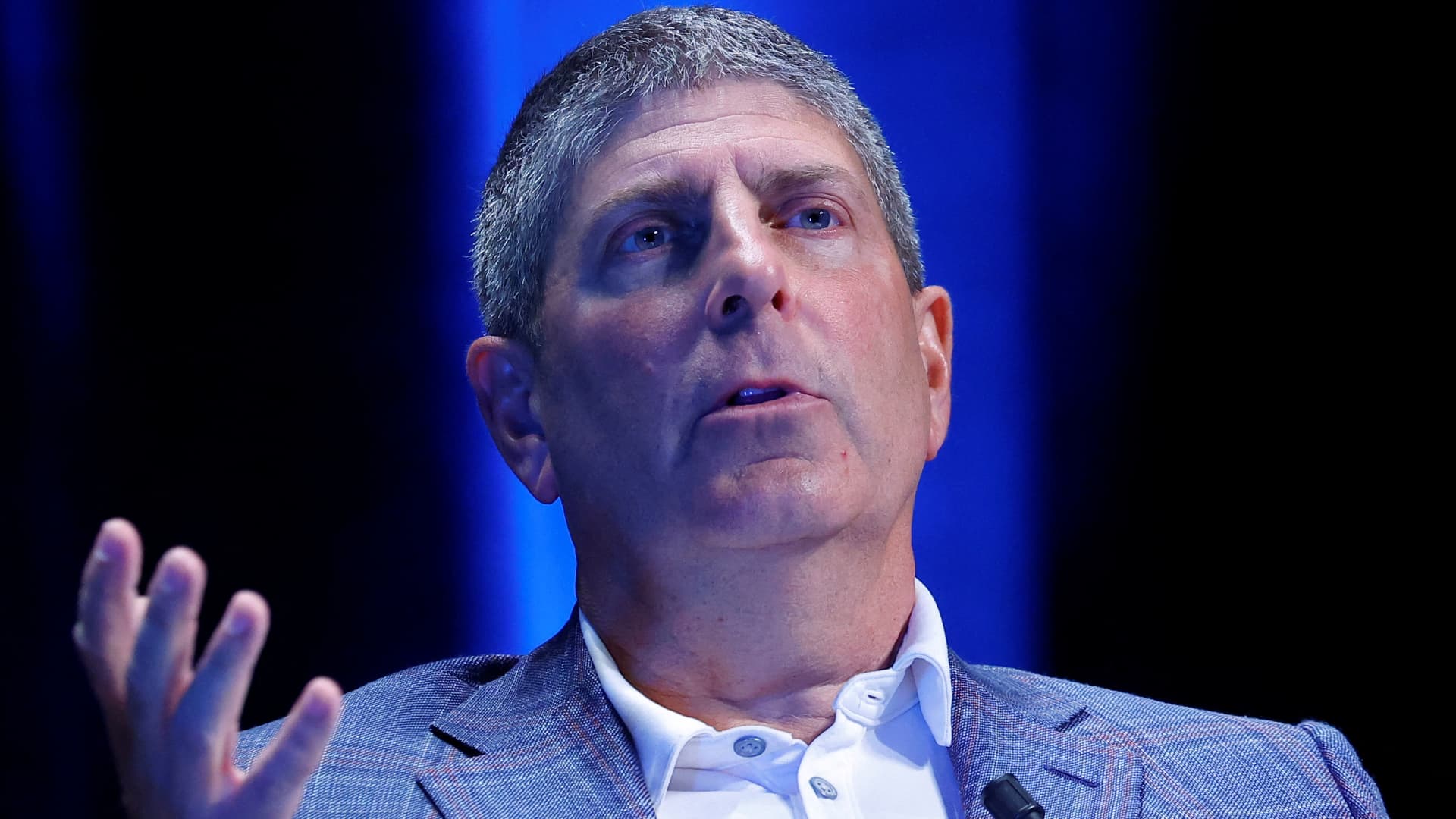
- Resignation Reason: Jeff Shell resigned from his position as President of Paramount Skydance due to a lawsuit alleging SEC violations, although the company stated that no SEC violations were found and labeled the claims as 'baseless'.
- Legal Action: Shell has opted to take 'forceful legal action' in response to the lawsuit, indicating his commitment to defending his reputation while also reflecting the company's supportive stance in this matter.
- Strategic Company Shift: Following Paramount's successful acquisition of Warner Bros. Discovery, Shell's future role remains undefined, particularly with the influx of new executives, which could impact the company's leadership structure and decision-making processes.
- Past Controversies: Shell previously resigned as CEO of NBCUniversal in 2023 due to an 'inappropriate relationship' with an employee, and this resignation further complicates his controversial image in the industry, potentially harming Paramount's brand reputation.

Jeff Shell Leaves Paramount Presidency Amid SEC Lawsuit Allegations
- Executive Departure: Jeff Shell has stepped down as President of Paramount amid a lawsuit alleging SEC rule violations, although the company asserts that these claims are 'baseless'.
- Legal Action: Shell has opted to pursue 'forceful legal action' in response to the lawsuit, indicating his commitment to defending his reputation, which may also impact the company's governance structure.
- Acquisition Context: Following Paramount's successful acquisition of Warner Bros. Discovery in 2023, Shell's future role has become uncertain, particularly since he was not involved in the deal negotiations, potentially leading to a reshuffling of management.
- Past Controversies: Shell previously resigned as CEO of NBCUniversal in 2023 after admitting to an 'inappropriate relationship' with an employee, further intensifying scrutiny on his professional trajectory.

Revolutionizing Investment Mindsets and Strategies


- Habits and Identity: David Gardner quotes James Clear, emphasizing that habits are pathways to identity change, suggesting that investors shape their self-perception through daily actions, thereby enhancing long-term investment success.
- Investing to Predict the Future: Kleiner Perkins' idea that “we invest to predict the future” highlights how investors become more observant of market dynamics when they hold stocks, improving their foresight of future trends.
- Market Uncertainty: By referencing Shakespeare, Gardner points out the “stubbornness of fortune” in investing, stressing the importance of long-term holding and regular investing to navigate the uncertainties brought by market fluctuations.
- Responsible Questioning: Gardner discusses Warren Berger's perspective, emphasizing that in an age of information overload, investors should question with curiosity rather than antagonism to improve the quality of their investment decisions.
Netflix Reports Record 2025 Earnings Ahead of Q1 2026 Results
- Strong User Growth: By the end of 2025, Netflix surpassed 325 million paying subscribers, significantly outpacing rivals HBO Max and Disney+, which each have around 131 million, solidifying its dominance in the streaming market and expected to continue attracting new users and increasing market share.
- Surge in Ad Revenue: In 2025, Netflix's advertising revenue reached $1.5 billion, growing over 150%, with expectations to double again in 2026; while the ad-supported subscription model generates lower initial revenue, the long-term value increases as the subscriber base expands.
- Impressive Financial Performance: Netflix anticipates first-quarter 2026 revenue of $12.2 billion, reflecting a 15.3% year-over-year growth, marking an acceleration in revenue growth, with projected earnings of $0.76 per share, the highest in company history, boosting investor confidence.
- Attractive Stock Valuation: With a current P/E ratio of 40.3, below the five-year average of 42.5, and projected earnings growth to $3.17 per share in 2026, Netflix's stock would need to rise 52% to maintain its current valuation, indicating strong potential returns for investors.
Netflix Stock Volatility and Long-Term Investment Value
- Strong Market Performance: Despite a 26% decline in Netflix's stock price over the past year, it has surged 847% over the last decade, indicating its potential for long-term investment and market recognition.
- Volatility Characteristics: With a beta value of 1.7, Netflix's stock exhibits significant volatility, requiring investors to possess patience to navigate the pressures of short-term market fluctuations.
- Historical Lessons: Reflecting on the 2011 Qwikster incident, Netflix managed to achieve over 8,000% long-term returns despite facing market skepticism, underscoring the importance of holding investments through uncertainty.
- Future Outlook: Although challenged by market saturation and limited growth prospects, analysts believe Netflix can still outperform the market in the next decade, with its current stock price offering a 26% discount from last summer's peak, presenting a compelling investment opportunity.
Disney Plans to Lay Off 1,000 Employees Amid Market Challenges
- Layoff Announcement: Disney plans to eliminate up to 1,000 positions primarily affecting its marketing department, marking the first major move under new CEO Josh D’Amaro, which highlights the company's struggles in a competitive streaming landscape.
- Market Reaction: Following the layoff news, Disney's stock fell 0.2% in Thursday's premarket session, although shares have risen nearly 8% since hitting a 52-week low on March 27; however, they remain down 13% year-to-date, indicating investor concerns about the company's outlook.
- Industry Trends: Like other Hollywood studios, Disney is facing slower growth due to competition from streaming services such as Netflix and Amazon Prime Video, with the entire industry implementing workforce reductions, as seen with Sony Pictures, Paramount, and Warner Bros. Discovery in recent months.
- Retail Sentiment: According to Stocktwits, retail sentiment for DIS has been declining since the beginning of the month, showing a 'bearish' outlook early Thursday, reflecting a lack of confidence among investors in the company's future, despite some users humorously noting that even superhero jobs are no longer safe.
Jeff Shell Resigns as President of Paramount Skydance Amid SEC Lawsuit
- Resignation Reason: Jeff Shell resigned from his position as President of Paramount Skydance due to a lawsuit alleging SEC violations, although the company stated that no SEC violations were found and labeled the claims as 'baseless'.
- Legal Action: Shell has opted to take 'forceful legal action' in response to the lawsuit, indicating his commitment to defending his reputation while also reflecting the company's supportive stance in this matter.
- Strategic Company Shift: Following Paramount's successful acquisition of Warner Bros. Discovery, Shell's future role remains undefined, particularly with the influx of new executives, which could impact the company's leadership structure and decision-making processes.
- Past Controversies: Shell previously resigned as CEO of NBCUniversal in 2023 due to an 'inappropriate relationship' with an employee, and this resignation further complicates his controversial image in the industry, potentially harming Paramount's brand reputation.
Jeff Shell Leaves Paramount Presidency Amid SEC Lawsuit Allegations
- Executive Departure: Jeff Shell has stepped down as President of Paramount amid a lawsuit alleging SEC rule violations, although the company asserts that these claims are 'baseless'.
- Legal Action: Shell has opted to pursue 'forceful legal action' in response to the lawsuit, indicating his commitment to defending his reputation, which may also impact the company's governance structure.
- Acquisition Context: Following Paramount's successful acquisition of Warner Bros. Discovery in 2023, Shell's future role has become uncertain, particularly since he was not involved in the deal negotiations, potentially leading to a reshuffling of management.
- Past Controversies: Shell previously resigned as CEO of NBCUniversal in 2023 after admitting to an 'inappropriate relationship' with an employee, further intensifying scrutiny on his professional trajectory.
Revolutionizing Investment Mindsets and Strategies
- Habits and Identity: David Gardner quotes James Clear, emphasizing that habits are pathways to identity change, suggesting that investors shape their self-perception through daily actions, thereby enhancing long-term investment success.
- Investing to Predict the Future: Kleiner Perkins' idea that “we invest to predict the future” highlights how investors become more observant of market dynamics when they hold stocks, improving their foresight of future trends.
- Market Uncertainty: By referencing Shakespeare, Gardner points out the “stubbornness of fortune” in investing, stressing the importance of long-term holding and regular investing to navigate the uncertainties brought by market fluctuations.
- Responsible Questioning: Gardner discusses Warren Berger's perspective, emphasizing that in an age of information overload, investors should question with curiosity rather than antagonism to improve the quality of their investment decisions.