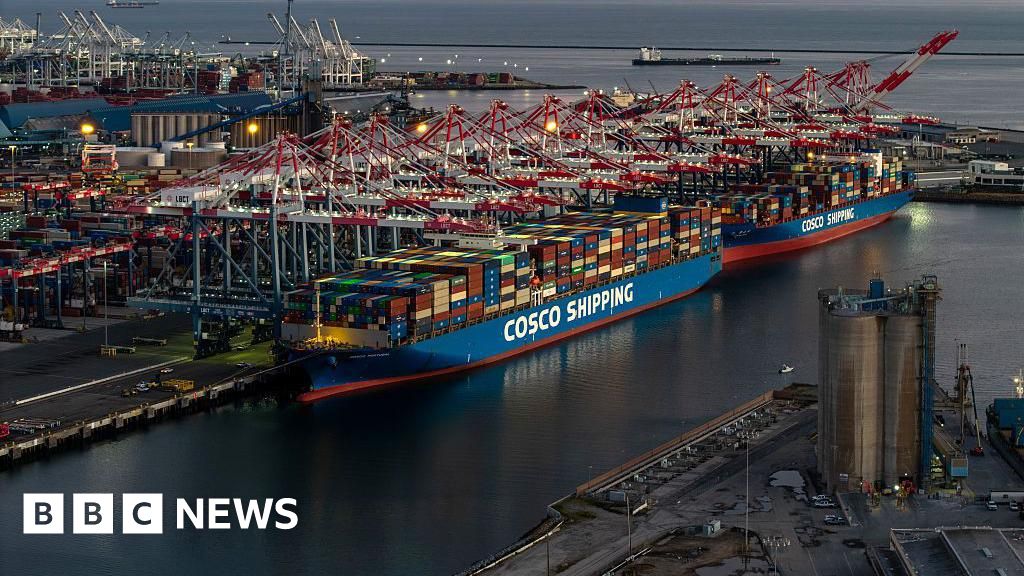
Starbucks (SBUX) Closes 400 Stores, Focuses on Profitability and Customer Experience
Written by Emily J. Thompson, Senior Investment Analyst
Updated: Jan 16 2026
0mins
Should l Buy SBUX?
Source: seekingalpha
- Stock Fluctuation: Starbucks (SBUX) shares closed 0.3% lower at $93.01 after six consecutive sessions of gains, despite a nearly 9% increase over the past month, indicating heightened market volatility as the stock lost over 8% last year.
- Analyst Ratings: Seeking Alpha's Quant Rating gives SBUX a Hold score of 2.90, with an A for profitability prospects but a D for valuation, reflecting market caution regarding its current valuation amidst mixed performance indicators.
- Competition and Risks: Analysts highlight risks from increased competition, labor actions, tariffs, and a weak valuation of its China joint venture, noting that potential rate cuts may provide some relief, yet the current risk-reward profile does not justify a buy.
- Strategic Adjustments: Under CEO Brian Niccol's leadership, Starbucks permanently closed about 400 U.S. stores last year to refocus on profitability and customer experience, with analysts suggesting the company has moved past the most challenging phase of its turnaround, indicating potential for future performance improvement.
Trade with 70% Backtested Accuracy
Stop guessing "Should I Buy SBUX?" and start using high-conviction signals backed by rigorous historical data.
Sign up today to access powerful investing tools and make smarter, data-driven decisions.
Analyst Views on SBUX
Wall Street analysts forecast SBUX stock price to fall
21 Analyst Rating
12 Buy
7 Hold
2 Sell
Moderate Buy
Current: 101.440

Low
59.00
Averages
96.12
High
115.00
Current: 101.440
Low
59.00
Averages
96.12
High
115.00
About SBUX
Starbucks Corporations is a roaster, marketer, and retailer of specialty coffee globally. Its North America segment includes the United States and Canada. Its International segment includes China, Japan, Asia Pacific, Europe, Middle East and Africa, Latin America, and the Caribbean. Its North America and International segments include both Company-operated and licensed stores. The Channel Development segment includes roasted whole bean and ground coffees, Starbucks-branded single-serve products, a variety of ready-to-drink beverages, such as Frappuccino and Starbucks Doubleshot, foodservice products, and other branded products sold outside the Company-operated and licensed stores. A large portion of its Channel Development business operates under a licensed model of the Global Coffee Alliance with Nestle, while its global ready-to-drink businesses operate under collaborative relationships with PepsiCo, Inc., Tingyi-Ashi Beverages Holding Co., Ltd., Arla Foods amba, Nestle, and others.
About the author

Emily J. Thompson
Emily J. Thompson, a Chartered Financial Analyst (CFA) with 12 years in investment research, graduated with honors from the Wharton School. Specializing in industrial and technology stocks, she provides in-depth analysis for Intellectia’s earnings and market brief reports.
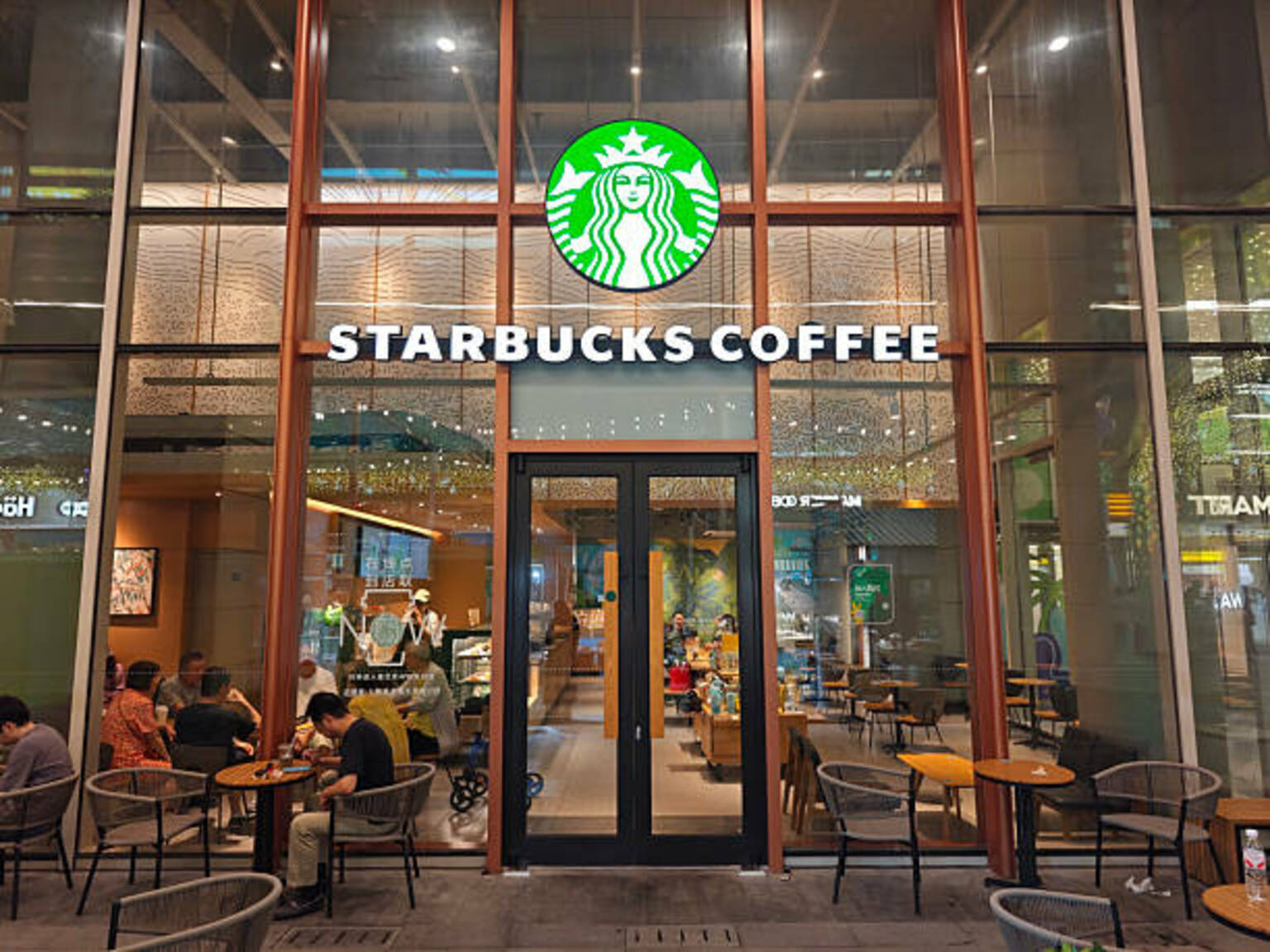
Starbucks Stock Ends Six-Day Winning Streak
- Stock Pullback: Starbucks (SBUX) shares closed 1.4% lower at $99.99 on Thursday after six consecutive days of gains, indicating short-term market volatility despite a nearly 21% increase year-to-date.
- Divergent Analyst Ratings: Seeking Alpha's Quant Rating gives SBUX a Hold rating with a score of 3.11, reflecting cautious market sentiment, as 17 analysts rated it Buy, 17 Hold, and 4 Sell, highlighting concerns over profitability.
- Deteriorating Profitability: Analyst Sanjay Chandiraman noted that returns on tangible assets and earnings yield have worsened, leading to a valuation above historical norms, which may undermine investor confidence moving forward.
- Lackluster Growth Outlook: Analyst Bela Lakos downgraded Starbucks from Buy to Hold due to declining profitability and an uninspiring growth outlook, suggesting challenges to the company's competitive position in the current market environment.
See More
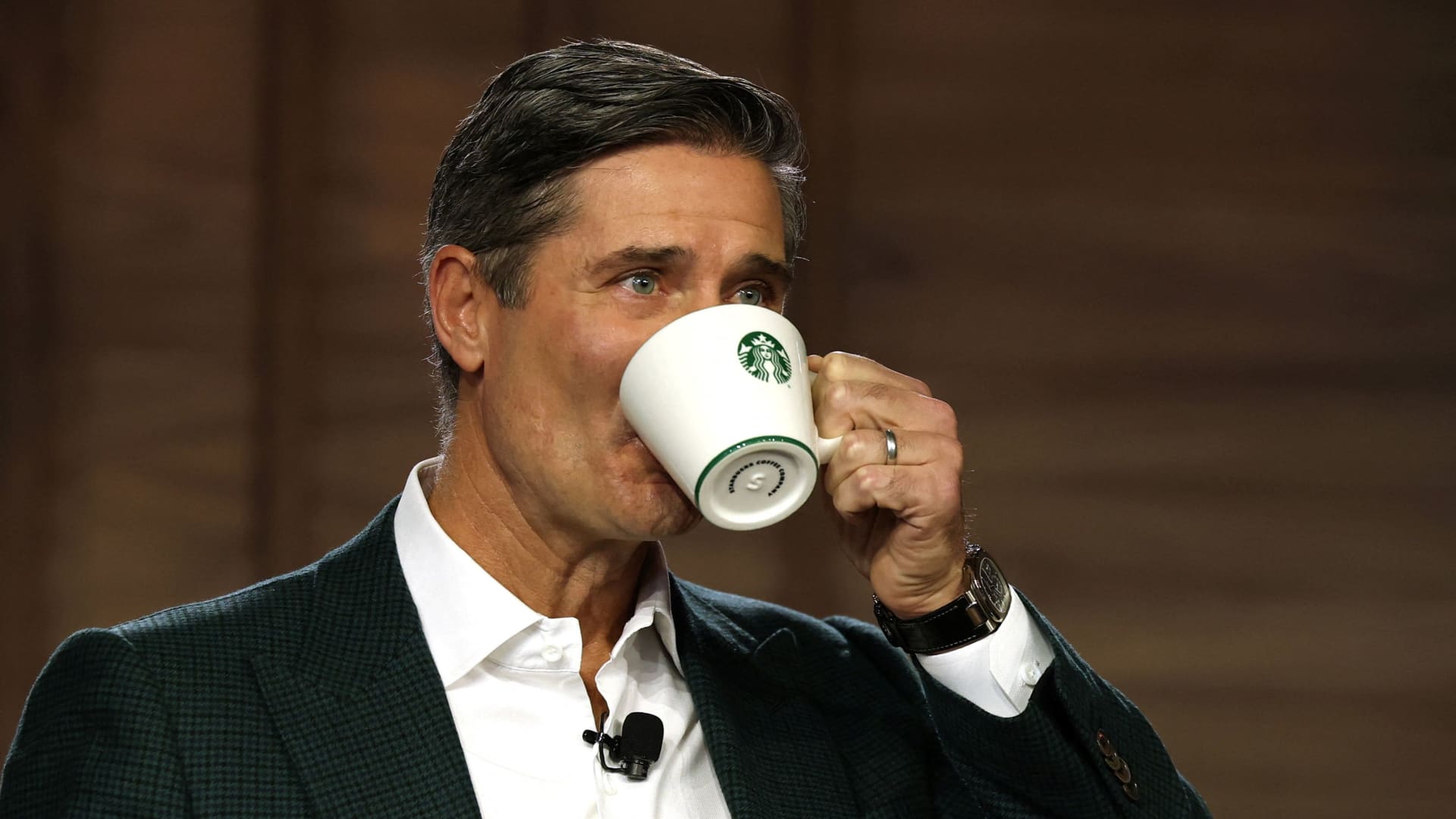
Starbucks Stock Shows Potential for Rebound

- Market Performance Analysis: Starbucks (SBUX) has seen a 20% decline over the past five years, while the consumer discretionary sector has annualized growth of 8% and the S&P 500 at 13%, indicating significant competitive pressures and challenges.
- Sales Growth Recovery: As of January, U.S. comparable sales grew by 4% and international sales by 5%, marking the first increase in transactions after eight quarters of decline, signaling signs of recovery for the company.
- New CEO Strategy: New CEO Brian Niccol has launched the 'Back to Starbucks' strategy aimed at simplifying the menu, enhancing customer experience, and improving store operations, which is expected to expand overall margins and reduce administrative expenses.
- Technical Analysis: Starbucks' stock has formed a key breakout above $100, and if it maintains this level, it could rebound towards the $120 high, indicating strong technical support and investor confidence.
See More

Target's 31% Stock Surge: Analyzing the Drivers


- Stock Surge: Target (TGT) has surged 31% over the past three months, contrasting with a 1.9% decline in the S&P 500, indicating a growing investor confidence in newly appointed CEO Michael Fiddelke, despite the stock being down over 25% in the last three years.
- Sales Slowdown Challenges: Although Target's sales have significantly declined during the pandemic and operating margins have yet to recover to pre-pandemic levels, the company is working to attract consumers by enhancing in-store experiences and increasing digital sales channels, particularly under economic pressure.
- Strategic Investment Plans: The new CEO plans to open over 30 new stores this fiscal year and complete more than 130 full-store remodels, with capital expenditures set to increase by 25% compared to fiscal 2025, demonstrating the company's strong commitment to future growth.
- Dividend Stability: Target has raised its dividend for the 54th consecutive year to $1.14 per share quarterly, equating to an annual dividend of $4.56, and as a member of the 'Dividend Kings', it offers a 3.8% yield, providing a reliable income source for long-term investors.
See More

Target Reports Weak Results and 2026 Guidance Amid Spending Increase
- Weak Performance: Target's fiscal 2026 guidance indicates only 2% net sales growth, and despite a 31% stock price increase over the past three months, it remains down over 50% from its all-time high, reflecting market concerns about its recovery potential.
- Increased Spending Strategy: Amid weak consumer spending, Target plans to boost capital expenditures by 25% in fiscal 2026, opening over 30 new stores and completing more than 130 full-store remodels, aiming to enhance customer experience and drive sales.
- Dividend Stability: Target has raised its dividend for the 54th consecutive year to $1.14 per share, equating to an annual dividend of $4.56, indicating the company's ability to support its high-yield dividend from operations, appealing to long-term investors.
- Market Optimism: Despite uncertainties, the market reacts positively to new CEO Michael Fiddelke's strategic plan, believing it may help the company gradually return to growth, although it will take time to validate its effectiveness.
See More

Income Fund Excels Thanks to Stocks Like Starbucks, Amgen, and CVS


- Hilda Applbaum's Passion: Hilda Applbaum, a resident of Oakland, California, takes great pride in her blueberry bushes.
- Gardening Joy: She enjoys the process of planting seedlings, nurturing their growth, and harvesting the berries for her morning yogurt.
See More
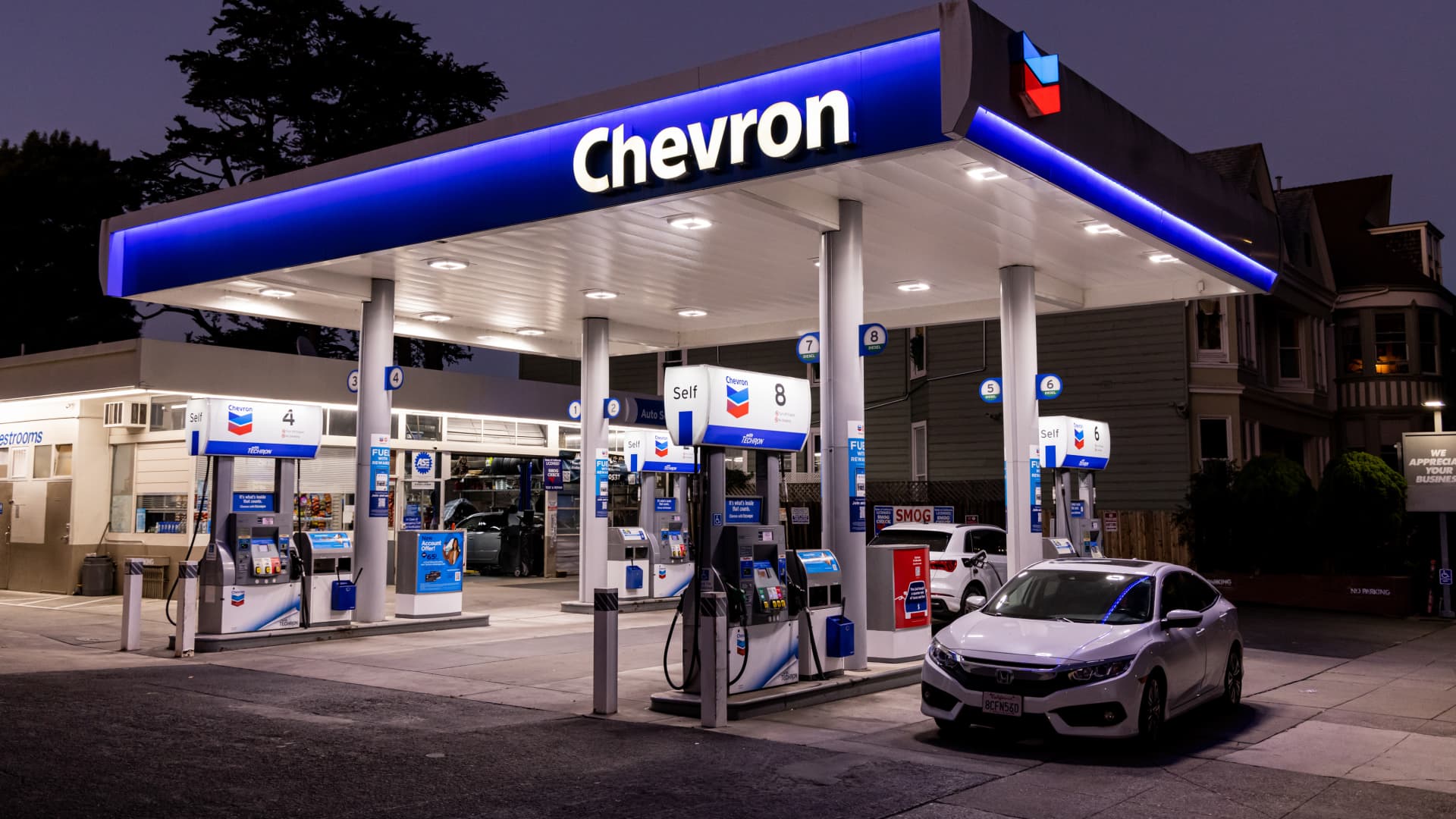
Oil Price Surge Drives Significant Stock Movements
- Oil Price Impact: Oil prices surged past $110 per barrel due to the ongoing Iran conflict, leading Chevron to hit an all-time high, while Talos Energy rose by 5%, and ConocoPhillips and Northern Oil gained 2% and 3% respectively, indicating strong performance among oil companies in a high-price environment.
- Hims & Hers Health Surge: The company's stock soared 39% after striking a deal with Novo Nordisk to sell its weight-loss drug, resolving a lawsuit over a copycat version, which is expected to significantly enhance its market share and brand reputation.
- Live Nation Settlement Near: Live Nation's shares rose 6% as it nears a settlement with the Department of Justice regarding monopoly allegations in the live concert industry, which, if successful, will stabilize and expand its future business operations.
- United Therapeutics Buyback Plan: The pharmaceutical company's shares increased by over 8% after its board authorized a $2 billion stock repurchase plan, with $1.5 billion allocated for accelerated buybacks, which is expected to boost investor confidence and enhance shareholder value.
See More
Starbucks Stock Ends Six-Day Winning Streak
- Stock Pullback: Starbucks (SBUX) shares closed 1.4% lower at $99.99 on Thursday after six consecutive days of gains, indicating short-term market volatility despite a nearly 21% increase year-to-date.
- Divergent Analyst Ratings: Seeking Alpha's Quant Rating gives SBUX a Hold rating with a score of 3.11, reflecting cautious market sentiment, as 17 analysts rated it Buy, 17 Hold, and 4 Sell, highlighting concerns over profitability.
- Deteriorating Profitability: Analyst Sanjay Chandiraman noted that returns on tangible assets and earnings yield have worsened, leading to a valuation above historical norms, which may undermine investor confidence moving forward.
- Lackluster Growth Outlook: Analyst Bela Lakos downgraded Starbucks from Buy to Hold due to declining profitability and an uninspiring growth outlook, suggesting challenges to the company's competitive position in the current market environment.
See More
Starbucks Stock Shows Potential for Rebound
- Market Performance Analysis: Starbucks (SBUX) has seen a 20% decline over the past five years, while the consumer discretionary sector has annualized growth of 8% and the S&P 500 at 13%, indicating significant competitive pressures and challenges.
- Sales Growth Recovery: As of January, U.S. comparable sales grew by 4% and international sales by 5%, marking the first increase in transactions after eight quarters of decline, signaling signs of recovery for the company.
- New CEO Strategy: New CEO Brian Niccol has launched the 'Back to Starbucks' strategy aimed at simplifying the menu, enhancing customer experience, and improving store operations, which is expected to expand overall margins and reduce administrative expenses.
- Technical Analysis: Starbucks' stock has formed a key breakout above $100, and if it maintains this level, it could rebound towards the $120 high, indicating strong technical support and investor confidence.
See More
Target's 31% Stock Surge: Analyzing the Drivers
- Stock Surge: Target (TGT) has surged 31% over the past three months, contrasting with a 1.9% decline in the S&P 500, indicating a growing investor confidence in newly appointed CEO Michael Fiddelke, despite the stock being down over 25% in the last three years.
- Sales Slowdown Challenges: Although Target's sales have significantly declined during the pandemic and operating margins have yet to recover to pre-pandemic levels, the company is working to attract consumers by enhancing in-store experiences and increasing digital sales channels, particularly under economic pressure.
- Strategic Investment Plans: The new CEO plans to open over 30 new stores this fiscal year and complete more than 130 full-store remodels, with capital expenditures set to increase by 25% compared to fiscal 2025, demonstrating the company's strong commitment to future growth.
- Dividend Stability: Target has raised its dividend for the 54th consecutive year to $1.14 per share quarterly, equating to an annual dividend of $4.56, and as a member of the 'Dividend Kings', it offers a 3.8% yield, providing a reliable income source for long-term investors.
See More
Target Reports Weak Results and 2026 Guidance Amid Spending Increase
- Weak Performance: Target's fiscal 2026 guidance indicates only 2% net sales growth, and despite a 31% stock price increase over the past three months, it remains down over 50% from its all-time high, reflecting market concerns about its recovery potential.
- Increased Spending Strategy: Amid weak consumer spending, Target plans to boost capital expenditures by 25% in fiscal 2026, opening over 30 new stores and completing more than 130 full-store remodels, aiming to enhance customer experience and drive sales.
- Dividend Stability: Target has raised its dividend for the 54th consecutive year to $1.14 per share, equating to an annual dividend of $4.56, indicating the company's ability to support its high-yield dividend from operations, appealing to long-term investors.
- Market Optimism: Despite uncertainties, the market reacts positively to new CEO Michael Fiddelke's strategic plan, believing it may help the company gradually return to growth, although it will take time to validate its effectiveness.
See More
Income Fund Excels Thanks to Stocks Like Starbucks, Amgen, and CVS
- Hilda Applbaum's Passion: Hilda Applbaum, a resident of Oakland, California, takes great pride in her blueberry bushes.
- Gardening Joy: She enjoys the process of planting seedlings, nurturing their growth, and harvesting the berries for her morning yogurt.
See More
Oil Price Surge Drives Significant Stock Movements
- Oil Price Impact: Oil prices surged past $110 per barrel due to the ongoing Iran conflict, leading Chevron to hit an all-time high, while Talos Energy rose by 5%, and ConocoPhillips and Northern Oil gained 2% and 3% respectively, indicating strong performance among oil companies in a high-price environment.
- Hims & Hers Health Surge: The company's stock soared 39% after striking a deal with Novo Nordisk to sell its weight-loss drug, resolving a lawsuit over a copycat version, which is expected to significantly enhance its market share and brand reputation.
- Live Nation Settlement Near: Live Nation's shares rose 6% as it nears a settlement with the Department of Justice regarding monopoly allegations in the live concert industry, which, if successful, will stabilize and expand its future business operations.
- United Therapeutics Buyback Plan: The pharmaceutical company's shares increased by over 8% after its board authorized a $2 billion stock repurchase plan, with $1.5 billion allocated for accelerated buybacks, which is expected to boost investor confidence and enhance shareholder value.
See More