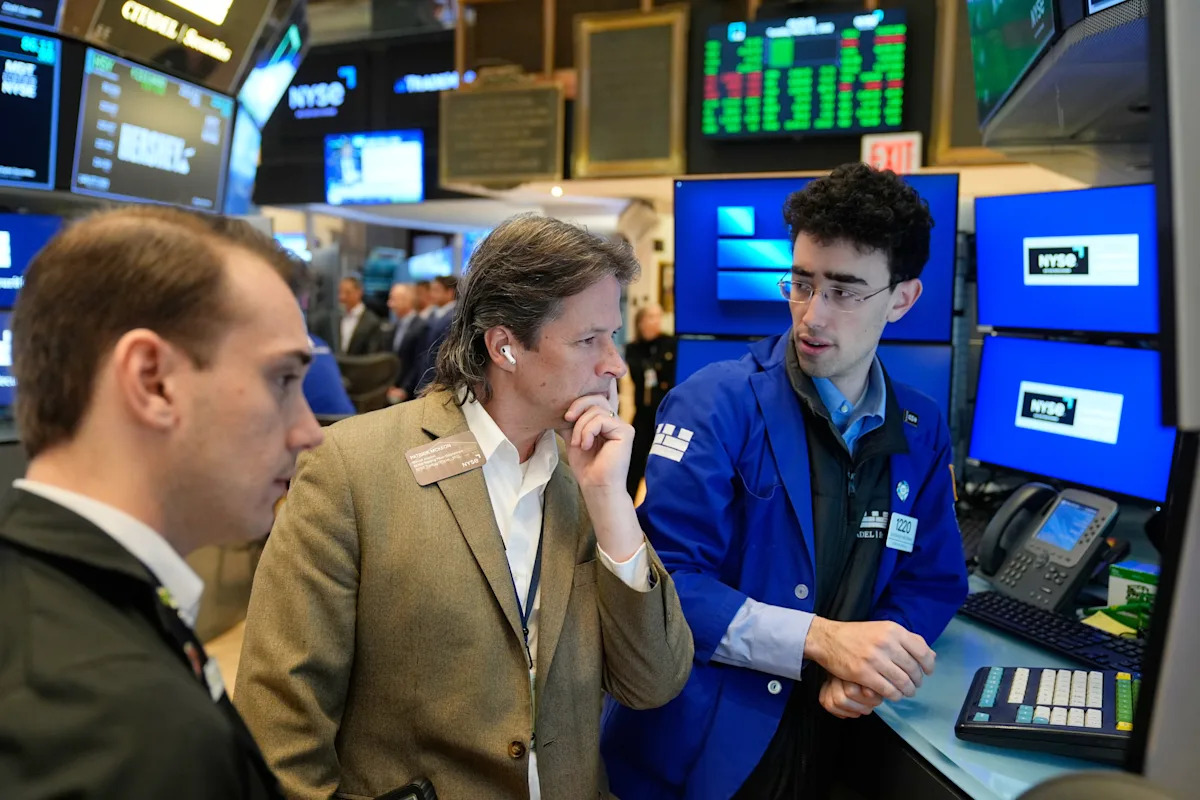
Sneaker Industry Faces Severe Challenges
Written by Emily J. Thompson, Senior Investment Analyst
Updated: 2 days ago
0mins


Should l Buy NKE?
Source: Fool
- Significant Value Decline: Nike has lost nearly 70% of its market value over the past five years, reflecting a harsh reality of slowing growth and shrinking margins, which has weakened investor confidence in the industry.
- Inventory Pressure Intensifies: Following a surge in sales during the pandemic, companies like Nike and Allbirds are now facing excess inventory, forcing them to resort to markdowns that compress margins and dilute their premium appeal.
- Increased Competition: In the Chinese market, Nike and Allbirds are facing fierce competition from local brands like Anta and Li-Ning, while global inflation and rising interest rates are also throttling consumer spending on high-end footwear.
- Strategic Missteps: Nike has alienated wholesale retail partners by overly relying on its own channels, while Allbirds has lost its product identity by launching too many styles, leading to a rapid decline in brand relevance.
Trade with 70% Backtested Accuracy
Stop guessing "Should I Buy NKE?" and start using high-conviction signals backed by rigorous historical data.
Sign up today to access powerful investing tools and make smarter, data-driven decisions.
Analyst Views on NKE
Wall Street analysts forecast NKE stock price to rise
21 Analyst Rating
14 Buy
7 Hold
0 Sell
Moderate Buy
Current: 44.000

Low
62.00
Averages
76.11
High
110.00
Current: 44.000
Low
62.00
Averages
76.11
High
110.00
About NKE
NIKE, Inc. is engaged in the designing, marketing and distributing of athletic footwear, apparel, equipment and accessories and services for sports and fitness activities. The Company's operating segments include North America; Europe, Middle East & Africa (EMEA); Greater China; and Asia Pacific & Latin America (APLA). It sells a line of equipment and accessories under the NIKE Brand name, including bags, socks, sport balls, eyewear, timepieces, digital devices, bats, gloves, protective equipment and other equipment designed for sports activities. It also designs products specifically for the Jordan Brand and Converse. The Jordan Brand designs, distributes and licenses athletic and casual footwear, apparel and accessories predominantly focused on basketball performance and culture using the Jumpman trademark. The Company also designs, distributes and licenses casual sneakers, apparel and accessories under the Chuck Taylor, All Star, One Star, Star Chevron and Jack Purcell trademarks.
About the author

Emily J. Thompson
Emily J. Thompson, a Chartered Financial Analyst (CFA) with 12 years in investment research, graduated with honors from the Wharton School. Specializing in industrial and technology stocks, she provides in-depth analysis for Intellectia’s earnings and market brief reports.

HSBC Downgrades Nike Rating and Price Target
- Rating Downgrade: HSBC downgraded Nike's rating from buy to hold and slashed its price target from $90 to $48, indicating a 12.6% upside from Friday's close, reflecting diminished confidence in Nike's future performance.
- Strategic Transformation Challenges: Despite Nike's announcement of a corporate strategy shift in 2024 aimed at revitalizing its brand through product innovation and new leadership, investor faith in the company's ability to realize this vision has significantly waned, leading to a 33% decline in stock price year-to-date.
- Macroeconomic Pressures: Nike faces pressures from potential increases in shipping costs linked to Trump's tariffs and the Iran war, with a lackluster sales outlook released recently causing a double-digit decline in stock, further exacerbating market concerns about its future.
- Intensifying Competition: Nike is experiencing fierce competition in the footwear market from upstarts like Hoka and resurgent rivals such as Adidas, with analysts noting that the lack of clarity around the U.S.-China trade war continues to weigh on the stock.
See More

Trump's Tariff Suspension Could Boost Stock Market


- Potential Impact of Tariff Suspension: If Trump suspends tariffs, many companies, particularly those importing clothing and toys like Nike and Mattel, are expected to see immediate earnings boosts, which could enhance market confidence significantly.
- Fed's Flexibility: The suspension of tariffs would provide the Federal Reserve with greater flexibility to potentially lower interest rates, which would be positive news for many stocks, especially given that inflation has risen due to tariffs.
- Temporary Market Rebound: Although a tariff suspension could trigger an initial market rebound, the momentum may be fleeting due to other factors such as geopolitical risks, necessitating caution among investors.
- Diversified Investment Strategy: In an uncertain market environment, investors should ensure their portfolios are well-diversified to cushion against underperforming sectors, with a long-term mindset being crucial to navigate market volatility.
See More
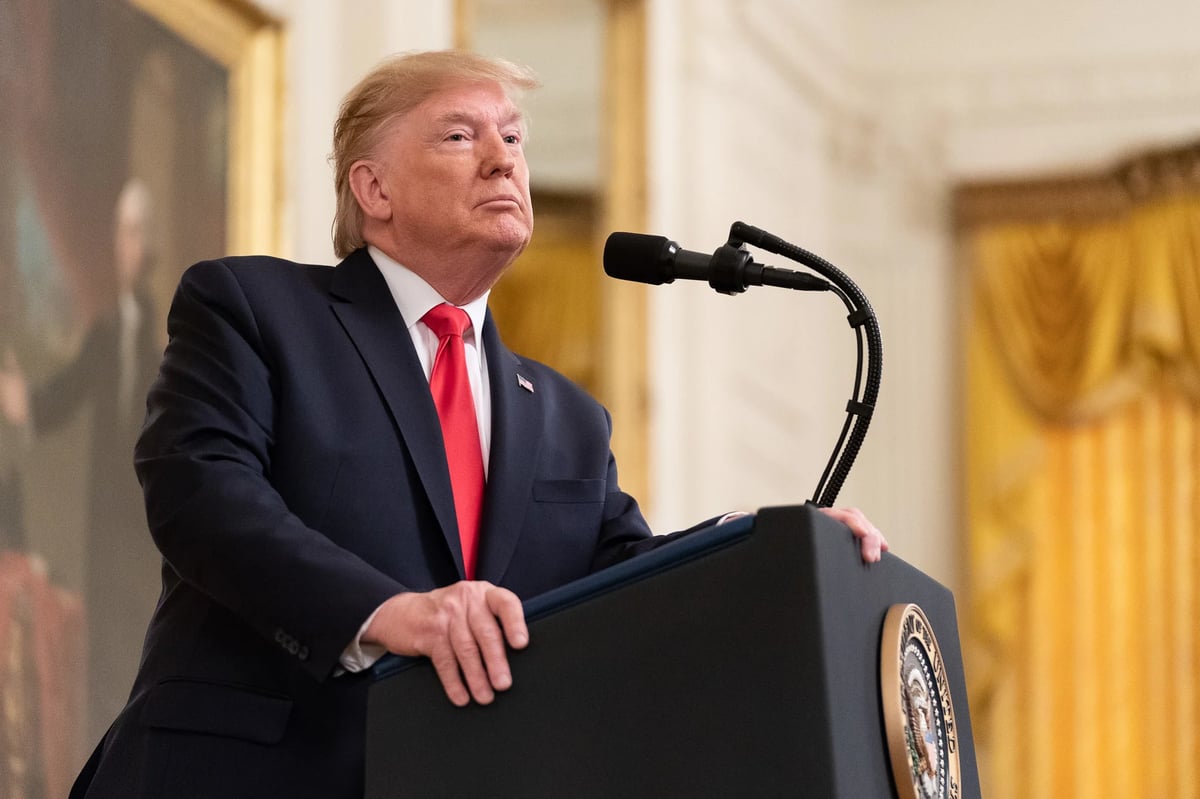
Trump's Potential Tariff Suspension Could Spark Market Rally
- Market Performance Monitoring: Trump has frequently referenced stock market performance on social media, claiming 53 all-time highs since the election, indicating his view of the market as a key indicator of his administration's performance, which may influence future policy decisions.
- Potential Impact of Tariff Suspension: Should Trump decide to suspend tariffs, many affected companies, such as Nike and Mattel, could see immediate earnings boosts, potentially driving stock prices higher, especially ahead of the upcoming congressional elections.
- Federal Reserve Policy Flexibility: The suspension of tariffs could provide the Federal Reserve with more room to lower interest rates, further stimulating the stock market, particularly as Trump's tariffs have been identified as a contributing factor to inflation.
- Complexity of Market Reactions: While a tariff suspension may lead to a short-term market rebound, geopolitical risks and skepticism about the permanence of such a suspension could limit the sustainability of the rally, prompting investors to maintain diversified portfolios to mitigate potential volatility.
See More

Amazon's Interest in Globalstar Sparks Market Buzz

- Amazon's Acquisition Interest: Amazon's rumored acquisition of satellite company Globalstar has led to an approximately 8% increase in its stock price, indicating a strategic move to accelerate its expansion in the space sector, particularly in competition with Starlink.
- Value of Globalstar: Globalstar holds valuable spectrum licenses in over 120 countries, which is expected to provide Amazon with a reliable revenue stream as it develops its space business, although no specific acquisition price has been disclosed yet.
- RH's Performance Decline: RH (formerly Restoration Hardware) saw its stock plunge about 19% following its latest earnings report, primarily due to management's pessimistic guidance for future sales, highlighting ongoing challenges in a tough market environment.
- Market Environment Impact: RH's stock has dropped 81% over the past five years, largely due to a weak housing market and reduced consumer spending, with management's optimistic guidance failing to convince investors, resulting in diminished market confidence.
See More

Amazon's Rumored Acquisition of Globalstar Sparks Market Interest
- Amazon Acquisition Rumors: Amazon is reportedly considering acquiring satellite company Globalstar for approximately $8 billion, which holds valuable spectrum licenses in over 120 countries, potentially accelerating Amazon's entry into the satellite internet market, although the deal is not finalized yet, leading to positive market reactions.
- Globalstar's Market Position: In 2025, a single customer, likely Apple, accounted for 63% of Globalstar's revenue, indicating a high dependency on major clients, which raises concerns about future revenue stability, especially after Amazon's acquisition could affect its relationship with Apple.
- Strategic Importance of Space Investments: Amazon plans to launch 3,200 satellites to compete with Starlink, which currently operates over 10,000 satellites, and acquiring Globalstar would help Amazon shorten its market entry timeline, although its investments in space remain in the very early stages.
- RH Stock Performance Decline: Shares of RH (formerly Restoration Hardware) plummeted 19% following its latest earnings report, primarily due to management's pessimistic guidance on future sales, reflecting ongoing challenges the company faces in a difficult market environment.
See More

Weekly Insider Trading Overview: Executive Transactions

- Executive Sell-Off: Marvell Technology's EVP and Chief Legal Officer Mark Casper sold 6,900 shares at $109.45 each for a total of $755,205, reducing his holdings by 32.57%, indicating a cautious outlook on the company's future.
- Brand Executive Transactions: Lululemon's Chief Brand Officer Nicole Neuburger sold 622 shares at $161 each for $100,142, lowering her stake by 3.14%, reflecting a strategic response to market volatility.
- CEO Significant Sell-Off: Credo Technology's CEO William Brennan sold 12,298 shares at $101.45 each, totaling $1.2 million, diluting his holdings by 0.61%, which may impact market confidence in his leadership.
- Director Purchases: Nike's director Robert Swan purchased 11,781 shares at $42.44 each for $500,002, increasing his holdings to 56,654 shares, demonstrating confidence in the company's future growth.
See More
HSBC Downgrades Nike Rating and Price Target
- Rating Downgrade: HSBC downgraded Nike's rating from buy to hold and slashed its price target from $90 to $48, indicating a 12.6% upside from Friday's close, reflecting diminished confidence in Nike's future performance.
- Strategic Transformation Challenges: Despite Nike's announcement of a corporate strategy shift in 2024 aimed at revitalizing its brand through product innovation and new leadership, investor faith in the company's ability to realize this vision has significantly waned, leading to a 33% decline in stock price year-to-date.
- Macroeconomic Pressures: Nike faces pressures from potential increases in shipping costs linked to Trump's tariffs and the Iran war, with a lackluster sales outlook released recently causing a double-digit decline in stock, further exacerbating market concerns about its future.
- Intensifying Competition: Nike is experiencing fierce competition in the footwear market from upstarts like Hoka and resurgent rivals such as Adidas, with analysts noting that the lack of clarity around the U.S.-China trade war continues to weigh on the stock.
See More
Trump's Tariff Suspension Could Boost Stock Market
- Potential Impact of Tariff Suspension: If Trump suspends tariffs, many companies, particularly those importing clothing and toys like Nike and Mattel, are expected to see immediate earnings boosts, which could enhance market confidence significantly.
- Fed's Flexibility: The suspension of tariffs would provide the Federal Reserve with greater flexibility to potentially lower interest rates, which would be positive news for many stocks, especially given that inflation has risen due to tariffs.
- Temporary Market Rebound: Although a tariff suspension could trigger an initial market rebound, the momentum may be fleeting due to other factors such as geopolitical risks, necessitating caution among investors.
- Diversified Investment Strategy: In an uncertain market environment, investors should ensure their portfolios are well-diversified to cushion against underperforming sectors, with a long-term mindset being crucial to navigate market volatility.
See More
Trump's Potential Tariff Suspension Could Spark Market Rally
- Market Performance Monitoring: Trump has frequently referenced stock market performance on social media, claiming 53 all-time highs since the election, indicating his view of the market as a key indicator of his administration's performance, which may influence future policy decisions.
- Potential Impact of Tariff Suspension: Should Trump decide to suspend tariffs, many affected companies, such as Nike and Mattel, could see immediate earnings boosts, potentially driving stock prices higher, especially ahead of the upcoming congressional elections.
- Federal Reserve Policy Flexibility: The suspension of tariffs could provide the Federal Reserve with more room to lower interest rates, further stimulating the stock market, particularly as Trump's tariffs have been identified as a contributing factor to inflation.
- Complexity of Market Reactions: While a tariff suspension may lead to a short-term market rebound, geopolitical risks and skepticism about the permanence of such a suspension could limit the sustainability of the rally, prompting investors to maintain diversified portfolios to mitigate potential volatility.
See More
Amazon's Interest in Globalstar Sparks Market Buzz
- Amazon's Acquisition Interest: Amazon's rumored acquisition of satellite company Globalstar has led to an approximately 8% increase in its stock price, indicating a strategic move to accelerate its expansion in the space sector, particularly in competition with Starlink.
- Value of Globalstar: Globalstar holds valuable spectrum licenses in over 120 countries, which is expected to provide Amazon with a reliable revenue stream as it develops its space business, although no specific acquisition price has been disclosed yet.
- RH's Performance Decline: RH (formerly Restoration Hardware) saw its stock plunge about 19% following its latest earnings report, primarily due to management's pessimistic guidance for future sales, highlighting ongoing challenges in a tough market environment.
- Market Environment Impact: RH's stock has dropped 81% over the past five years, largely due to a weak housing market and reduced consumer spending, with management's optimistic guidance failing to convince investors, resulting in diminished market confidence.
See More
Amazon's Rumored Acquisition of Globalstar Sparks Market Interest
- Amazon Acquisition Rumors: Amazon is reportedly considering acquiring satellite company Globalstar for approximately $8 billion, which holds valuable spectrum licenses in over 120 countries, potentially accelerating Amazon's entry into the satellite internet market, although the deal is not finalized yet, leading to positive market reactions.
- Globalstar's Market Position: In 2025, a single customer, likely Apple, accounted for 63% of Globalstar's revenue, indicating a high dependency on major clients, which raises concerns about future revenue stability, especially after Amazon's acquisition could affect its relationship with Apple.
- Strategic Importance of Space Investments: Amazon plans to launch 3,200 satellites to compete with Starlink, which currently operates over 10,000 satellites, and acquiring Globalstar would help Amazon shorten its market entry timeline, although its investments in space remain in the very early stages.
- RH Stock Performance Decline: Shares of RH (formerly Restoration Hardware) plummeted 19% following its latest earnings report, primarily due to management's pessimistic guidance on future sales, reflecting ongoing challenges the company faces in a difficult market environment.
See More
Weekly Insider Trading Overview: Executive Transactions
- Executive Sell-Off: Marvell Technology's EVP and Chief Legal Officer Mark Casper sold 6,900 shares at $109.45 each for a total of $755,205, reducing his holdings by 32.57%, indicating a cautious outlook on the company's future.
- Brand Executive Transactions: Lululemon's Chief Brand Officer Nicole Neuburger sold 622 shares at $161 each for $100,142, lowering her stake by 3.14%, reflecting a strategic response to market volatility.
- CEO Significant Sell-Off: Credo Technology's CEO William Brennan sold 12,298 shares at $101.45 each, totaling $1.2 million, diluting his holdings by 0.61%, which may impact market confidence in his leadership.
- Director Purchases: Nike's director Robert Swan purchased 11,781 shares at $42.44 each for $500,002, increasing his holdings to 56,654 shares, demonstrating confidence in the company's future growth.
See More