RTH and VDC: Two ETFs That May Perform Strongly Following Walmart's Q3 Earnings Report


Walmart Q3 Earnings Expectations: Walmart is expected to report Q3 earnings of $0.61 per share, a 5.2% increase year-over-year, with revenues projected at $177.14 billion, up 4.5% from the previous year.
ETFs Offering Walmart Exposure: Investors can consider ETFs like RTH and VDC for indirect exposure to Walmart, with RTH holding 9.48% of Walmart and VDC holding 14.26%, providing a diversified investment option in the retail sector.
RTH ETF Performance: The RTH ETF, focused on consumer discretionary stocks, has $253.85 million in assets and a year-to-date increase of 11%, with a Strong Buy consensus rating and a price target suggesting a 22.70% upside.
VDC ETF Overview: The VDC ETF, tracking large-cap consumer staples, has $7.19 billion in assets, a 0.58% year-to-date increase, and a Moderate Buy consensus rating, indicating a 17.03% upside potential.
Trade with 70% Backtested Accuracy
Analyst Views on COST

About COST
About the author


Nasdaq Pullback and Investment Strategies


- Market Pullback: In 2026, the Nasdaq Composite experienced a 5% pullback driven by cooling investor sentiment, shifting interest rate expectations, and selective profit-taking in high-valuation stocks, indicating increased pressure on growth stocks.
- Historical Comparison: This drawdown mirrors the Nasdaq's over 30% decline in 2022, highlighting that during inflation and rate hikes, market confidence in growth stocks can severely wane, emphasizing the importance of focusing on fundamentals rather than mere growth narratives.
- Resilient Company Performance: In 2022, companies like Microsoft and Apple showed relative strength, with Microsoft down only 28% and Apple 26%, demonstrating that firms providing essential services can maintain cash flow and competitive advantages even under economic stress.
- Investment Strategy Insights: Historical trends suggest that high-quality blue-chip stocks often rebound after market pullbacks, encouraging investors to seize opportunities presented by short-term volatility while focusing on long-term growth potential rather than fearing market declines.

Costco Leverages Gas Prices to Attract Members
- Gas Price Strategy: Costco strategically sets gas prices about $0.20 to $0.30 below competitors, attracting new members and encouraging renewals, thereby enhancing membership value during economic stress.
- Significant Membership Growth: In Q2 of fiscal 2026, paid membership increased by 4.8% year-over-year, while comparable sales (excluding gas) rose by 6.7%, indicating robust membership expansion and the positive impact of gas pricing.
- Impact of Oil Price Volatility: The ongoing conflict in Iran has caused global oil price fluctuations; however, Costco's gas pricing strategy allows it to maintain a competitive edge, converting volatility into a stable source of membership revenue.
- Long-term Investment Value: Costco's gas pricing strategy not only mitigates the impact of rising energy costs but also provides predictable value for shareholders, making it one of the few retailers effectively managing cost increases in the current market.

Costco Leverages Gas Prices to Boost Memberships
- Membership Growth Strategy: Costco's strategy of pricing gasoline approximately $0.20 to $0.30 per gallon below competitors attracts new members and encourages renewals, which is expected to enhance its competitiveness in the retail market.
- Economic Pressure Response: With national average gas prices nearing $4 per gallon, the value proposition of Costco becomes increasingly apparent, leading consumers under economic stress to invest in memberships, thereby boosting membership numbers.
- Sales Growth Metrics: As of the second quarter of fiscal 2026, Costco's paid membership grew by 4.8% year-over-year, while comparable sales (excluding gas) increased by 6.7%, indicating that the membership base is expanding even amidst rising gas prices, further enhancing the company's profitability.
- Stable Business Model: Costco's gasoline pricing strategy transforms a volatile commodity into a stable membership driver, providing a unique risk mitigation capability in the retail sector and establishing itself as a reliable source of value for investors.

Costco's Gas Pricing Strategy Attracts Members

- Gas Price Competitive Edge: Costco's gas prices are approximately $0.20 to $0.30 lower than competitors, currently at $3.60 per gallon, which attracts more members and enhances market competitiveness.
- Significant Membership Growth: As of Q2 of fiscal 2026, paid membership grew by 4.8% year-over-year, while comparable sales (excluding gas) increased by 6.7%, indicating steady expansion of the membership base.
- Strategic Price Adjustments: Costco quickly raises gas prices when costs increase but lowers them more slowly when costs fall, ensuring competitiveness while protecting margins, which enhances the company's resilience in volatile markets.
- Value Proposition Under Economic Pressure: During economic stress, consumers are more likely to invest in Costco memberships, as savings on gas can fully cover the $65 membership fee, further solidifying the company's revenue streams.
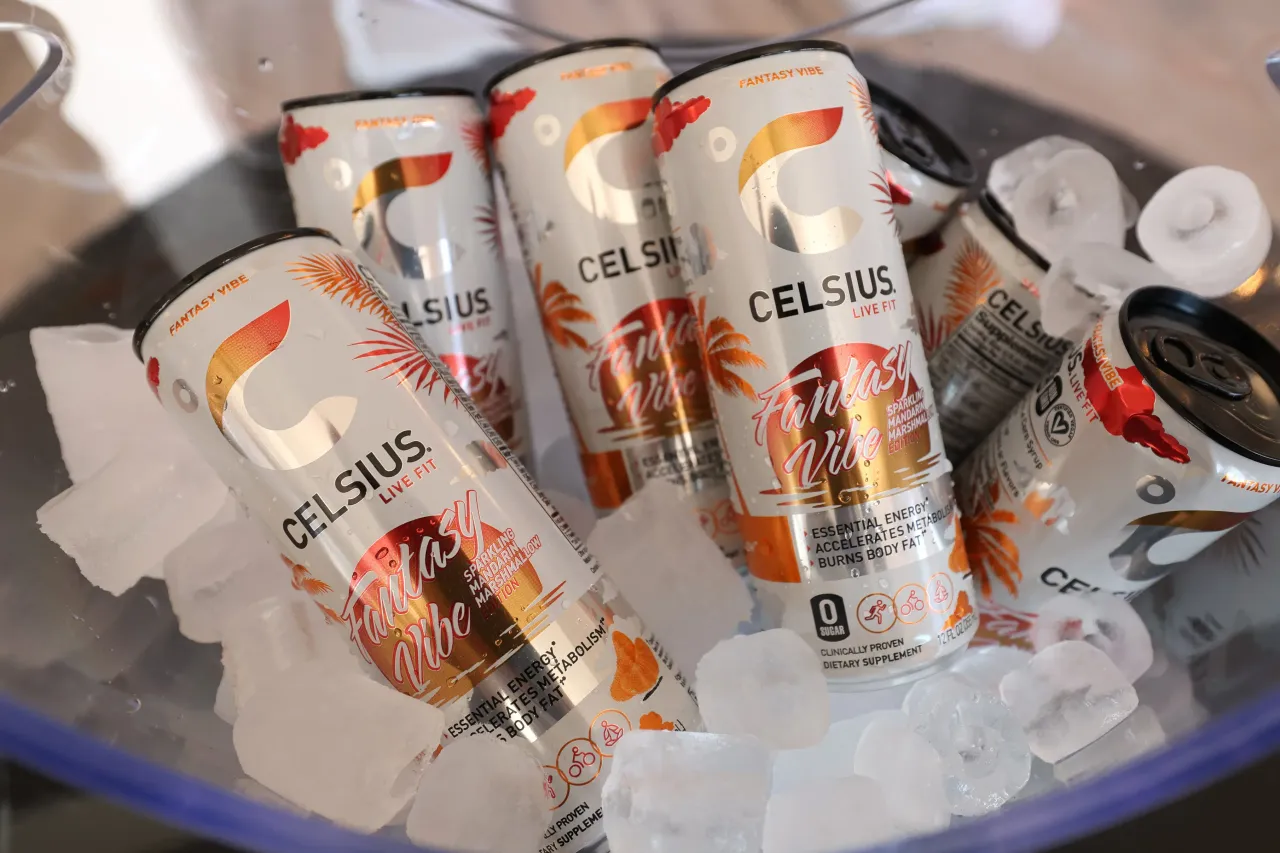
Costco's New Energy Drink Launch Has Limited Impact on Celsius
- Product Launch: Costco's Kirkland Signature brand has introduced a new 'Sparkling Energy Drink' that closely resembles Celsius in can size, caffeine content, and flavors, potentially exerting short-term pressure on Celsius's market performance.
- Stock Volatility: Following the launch of the new drink, Celsius Holdings saw its shares drop by 7%, indicating market sensitivity to new competitive products, although analysts believe that long-term sales will not be significantly impacted.
- Retail Investor Sentiment: According to Stocktwits data, retail investor chatter around Celsius surged by 4200% in the past 24 hours, reflecting a significant increase in investor interest, with sentiment shifting from 'neutral' to 'extremely bullish'.
- Analyst Ratings Remain Positive: Despite the new competition, Stifel maintains a 'Buy' rating on Celsius, with 18 out of 22 analysts covering CELH stock rating it 'Buy' or higher, indicating strong market confidence in Celsius's future growth prospects.
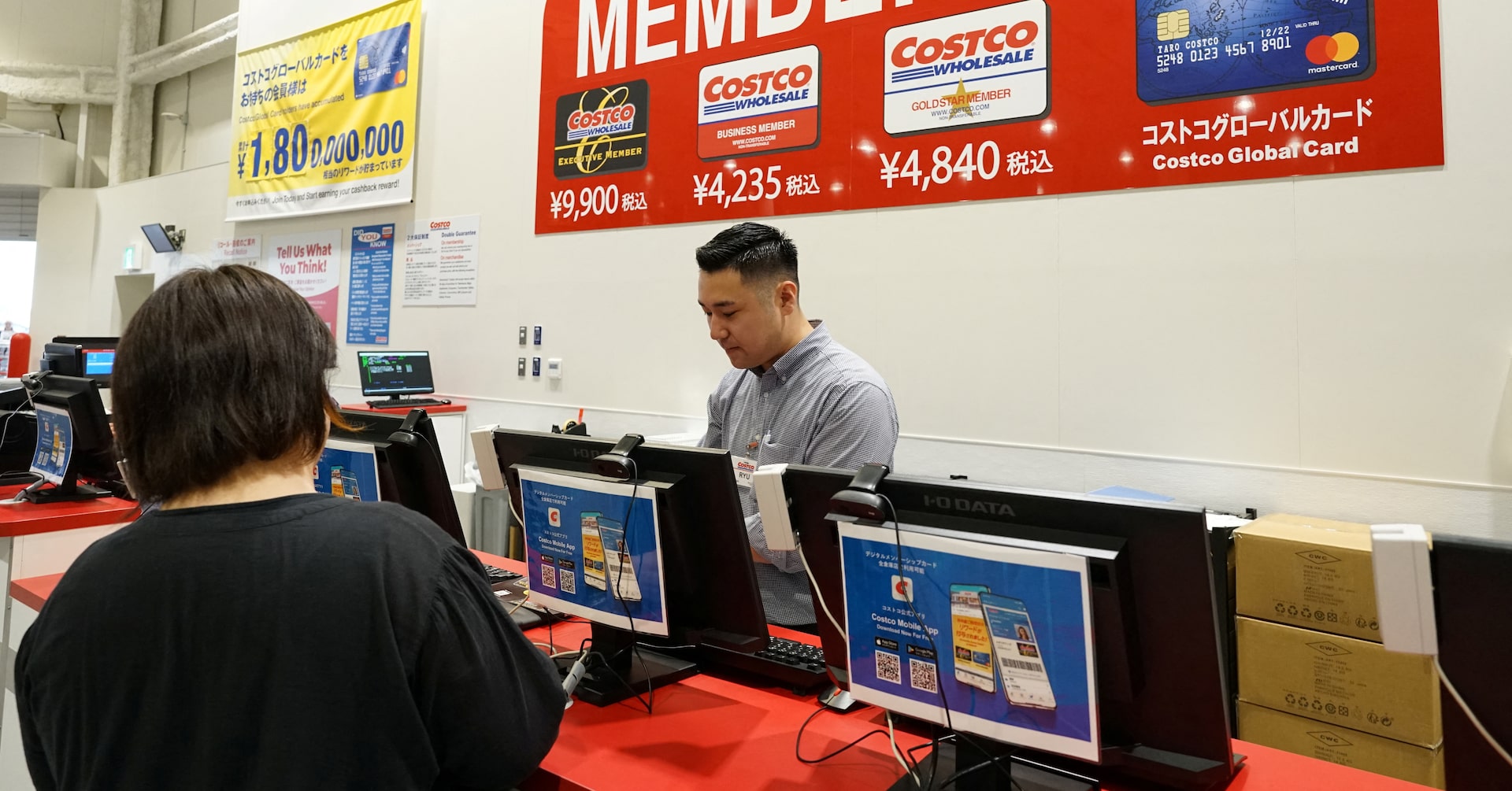
Costco Shares Snap Losing Streak, Plans First Standalone Gas Station
- Stock Rebound: Costco (COST) shares rose 0.8% to $973.68 on Tuesday, breaking a six-session losing streak, although the stock is down 1% over the past month, it has gained over 12% year-to-date, indicating resilience compared to the broader market.
- New Business Expansion: The company plans to open its first standalone gas station in Mission Viejo, California, in June, which is expected to enhance its service network and potentially attract more members, further driving sales growth.
- Profitability Analysis: According to Seeking Alpha, Costco delivers superior revenue and net income per employee, with higher ROE and top-line growth, making it more attractive for long-term investors despite similar forward P/E multiples due to its higher growth potential.
- Analyst Ratings: On Wall Street, 23 analysts rated Costco as Buy or better, while 12 recommended Hold and two suggested Strong Sell, reflecting a divergence in market sentiment regarding its future performance.
Nasdaq Pullback and Investment Strategies
- Market Pullback: In 2026, the Nasdaq Composite experienced a 5% pullback driven by cooling investor sentiment, shifting interest rate expectations, and selective profit-taking in high-valuation stocks, indicating increased pressure on growth stocks.
- Historical Comparison: This drawdown mirrors the Nasdaq's over 30% decline in 2022, highlighting that during inflation and rate hikes, market confidence in growth stocks can severely wane, emphasizing the importance of focusing on fundamentals rather than mere growth narratives.
- Resilient Company Performance: In 2022, companies like Microsoft and Apple showed relative strength, with Microsoft down only 28% and Apple 26%, demonstrating that firms providing essential services can maintain cash flow and competitive advantages even under economic stress.
- Investment Strategy Insights: Historical trends suggest that high-quality blue-chip stocks often rebound after market pullbacks, encouraging investors to seize opportunities presented by short-term volatility while focusing on long-term growth potential rather than fearing market declines.
Costco Leverages Gas Prices to Attract Members
- Gas Price Strategy: Costco strategically sets gas prices about $0.20 to $0.30 below competitors, attracting new members and encouraging renewals, thereby enhancing membership value during economic stress.
- Significant Membership Growth: In Q2 of fiscal 2026, paid membership increased by 4.8% year-over-year, while comparable sales (excluding gas) rose by 6.7%, indicating robust membership expansion and the positive impact of gas pricing.
- Impact of Oil Price Volatility: The ongoing conflict in Iran has caused global oil price fluctuations; however, Costco's gas pricing strategy allows it to maintain a competitive edge, converting volatility into a stable source of membership revenue.
- Long-term Investment Value: Costco's gas pricing strategy not only mitigates the impact of rising energy costs but also provides predictable value for shareholders, making it one of the few retailers effectively managing cost increases in the current market.
Costco Leverages Gas Prices to Boost Memberships
- Membership Growth Strategy: Costco's strategy of pricing gasoline approximately $0.20 to $0.30 per gallon below competitors attracts new members and encourages renewals, which is expected to enhance its competitiveness in the retail market.
- Economic Pressure Response: With national average gas prices nearing $4 per gallon, the value proposition of Costco becomes increasingly apparent, leading consumers under economic stress to invest in memberships, thereby boosting membership numbers.
- Sales Growth Metrics: As of the second quarter of fiscal 2026, Costco's paid membership grew by 4.8% year-over-year, while comparable sales (excluding gas) increased by 6.7%, indicating that the membership base is expanding even amidst rising gas prices, further enhancing the company's profitability.
- Stable Business Model: Costco's gasoline pricing strategy transforms a volatile commodity into a stable membership driver, providing a unique risk mitigation capability in the retail sector and establishing itself as a reliable source of value for investors.
Costco's Gas Pricing Strategy Attracts Members
- Gas Price Competitive Edge: Costco's gas prices are approximately $0.20 to $0.30 lower than competitors, currently at $3.60 per gallon, which attracts more members and enhances market competitiveness.
- Significant Membership Growth: As of Q2 of fiscal 2026, paid membership grew by 4.8% year-over-year, while comparable sales (excluding gas) increased by 6.7%, indicating steady expansion of the membership base.
- Strategic Price Adjustments: Costco quickly raises gas prices when costs increase but lowers them more slowly when costs fall, ensuring competitiveness while protecting margins, which enhances the company's resilience in volatile markets.
- Value Proposition Under Economic Pressure: During economic stress, consumers are more likely to invest in Costco memberships, as savings on gas can fully cover the $65 membership fee, further solidifying the company's revenue streams.
Costco's New Energy Drink Launch Has Limited Impact on Celsius
- Product Launch: Costco's Kirkland Signature brand has introduced a new 'Sparkling Energy Drink' that closely resembles Celsius in can size, caffeine content, and flavors, potentially exerting short-term pressure on Celsius's market performance.
- Stock Volatility: Following the launch of the new drink, Celsius Holdings saw its shares drop by 7%, indicating market sensitivity to new competitive products, although analysts believe that long-term sales will not be significantly impacted.
- Retail Investor Sentiment: According to Stocktwits data, retail investor chatter around Celsius surged by 4200% in the past 24 hours, reflecting a significant increase in investor interest, with sentiment shifting from 'neutral' to 'extremely bullish'.
- Analyst Ratings Remain Positive: Despite the new competition, Stifel maintains a 'Buy' rating on Celsius, with 18 out of 22 analysts covering CELH stock rating it 'Buy' or higher, indicating strong market confidence in Celsius's future growth prospects.
Costco Shares Snap Losing Streak, Plans First Standalone Gas Station
- Stock Rebound: Costco (COST) shares rose 0.8% to $973.68 on Tuesday, breaking a six-session losing streak, although the stock is down 1% over the past month, it has gained over 12% year-to-date, indicating resilience compared to the broader market.
- New Business Expansion: The company plans to open its first standalone gas station in Mission Viejo, California, in June, which is expected to enhance its service network and potentially attract more members, further driving sales growth.
- Profitability Analysis: According to Seeking Alpha, Costco delivers superior revenue and net income per employee, with higher ROE and top-line growth, making it more attractive for long-term investors despite similar forward P/E multiples due to its higher growth potential.
- Analyst Ratings: On Wall Street, 23 analysts rated Costco as Buy or better, while 12 recommended Hold and two suggested Strong Sell, reflecting a divergence in market sentiment regarding its future performance.