RH Stock Short Interest Hits Record High of 26.7%


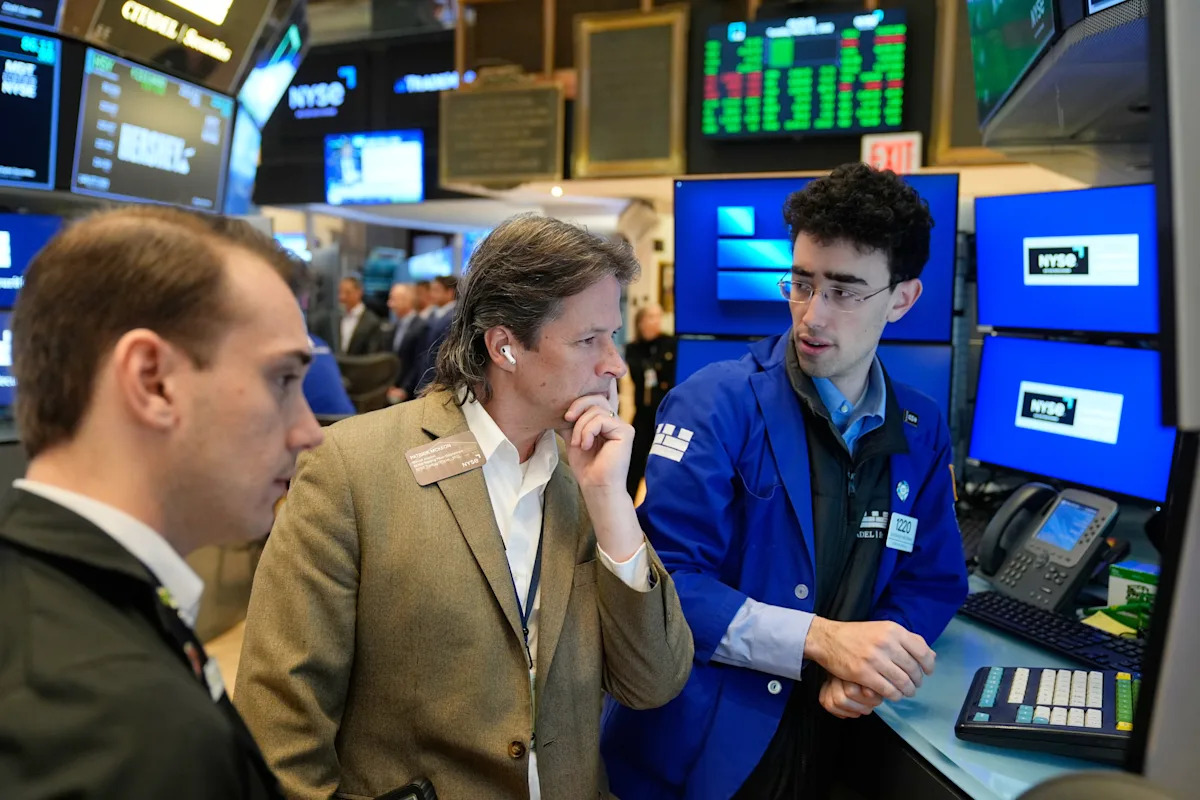
Welcome to this week's installment of "The Short Interest Report" - The Fly's weekly recap of short interest trends among some of the most widely followed high-short-float stocks. Using the data from our partner, which utilizes the latest information from stock lenders to estimate short interest changes for thousands of publicly traded companies, this report will screen for some of biggest changes in short interest as a percentage of free float and days-to-cover ratios while also considering the short interest data on some of the more volatile and heavier-traded names of the week. Based on the availability of data from Ortex, the report tracks the trading period that covers prior Friday through Thursday of this week, excluding holidays. As a basis of comparison for stocks discussed below, the S&P 500 index was down 2.3%, the Nasdaq Composite was down 1.9%, the Russell 2000 index was down 3.7%, the Russell 2000 Growth ETFwas down 3.7%, and the Russell 2000 Value ETFwas down 3.7% in the five-day trading session range through March 12.SHORT INTEREST GAINERSOrtex-reported short interest on RHover the past three weeks has been a one-way street higher from 21% to nearly 27% while the stock has erased the entirety of its 30% gain made over the first two weeks of January and then lost even more ground. This week, the increase in bearish appetite has been more pronounced, with shorts as a percentage of free float jumping three and a half percentage points to 26.7% - a record high for the high-end furnishing distributor. Days to cover on the stock has also increased notably from 3.5 to 4.0 despite the rise in trading volume. Zooming out, RH shares had more than doubled from the "Liberation Day" lows last April, though following the recent downdraft, the stock has now come in to within 5% of that trough. In the five-day period covered through Thursday of this week, shares of RH were off by 14%.Ortex-reported short interest on United Parkssoared this week as bears latched on to the momentum of the stock price breaking down from its 2026 trading range to the lowest levels since mid-November, with traders pressing their bets that the rise in travel costs and risks will impact discretionary theme park spending. Shorts as a percentage of free float leapt from 23.9% to 35.6% - the highest level on record. Days to cover on the name nudged from 6.0 to 6.1, with the lower margin of increase reflecting the rise in trading volume on the stock. Shares fell about 12% in the five-day period covered, and year-to-date, the stock is now off by 14%.Ortex-reported short interest on Netskopehad troughed around 25% in mid-February, just ahead of the stock's bounce following a 45% decline through the first half of last month. Bearish positioning has advanced for four consecutive weeks since then as the stock traded in a wide range, though the company's post-earnings double-digit fall this week supported the increase in positioning. Shorts as a percentage of free float on Netskope was up from 37.6% to 45.4% - a two-month high – while the stock fell 17.5% in the five-day period covered. Year-to-date, Netskope is now down 45%.SHORT INTEREST DECLINERSOrtex-reported short interest on Avis Budgethas bounced around the 55%-65% range since November of last year, even though the stock has traded around with a much more negative bias. This week, a decline in short positioning from 63.5% to 55.8% is reflective of the bears reducing exposure, with the spike in trading volume over the course of the week following the company's earnings in mid-February also pressuring its days-to-cover levels – down from 13.2 to 11.3. Avis Budget was up 2.3% in the five-day period covered through Thursday – the best performer among mid-to-large cap Leasing names this week – though the stock is also one of the bigger decliners in the industry on a year-to-date basis, with a loss of over 20% much more emblematic of the headwinds faced by the adjacent travel industry.
Trade with 70% Backtested Accuracy
Analyst Views on RH

About RH
About the author


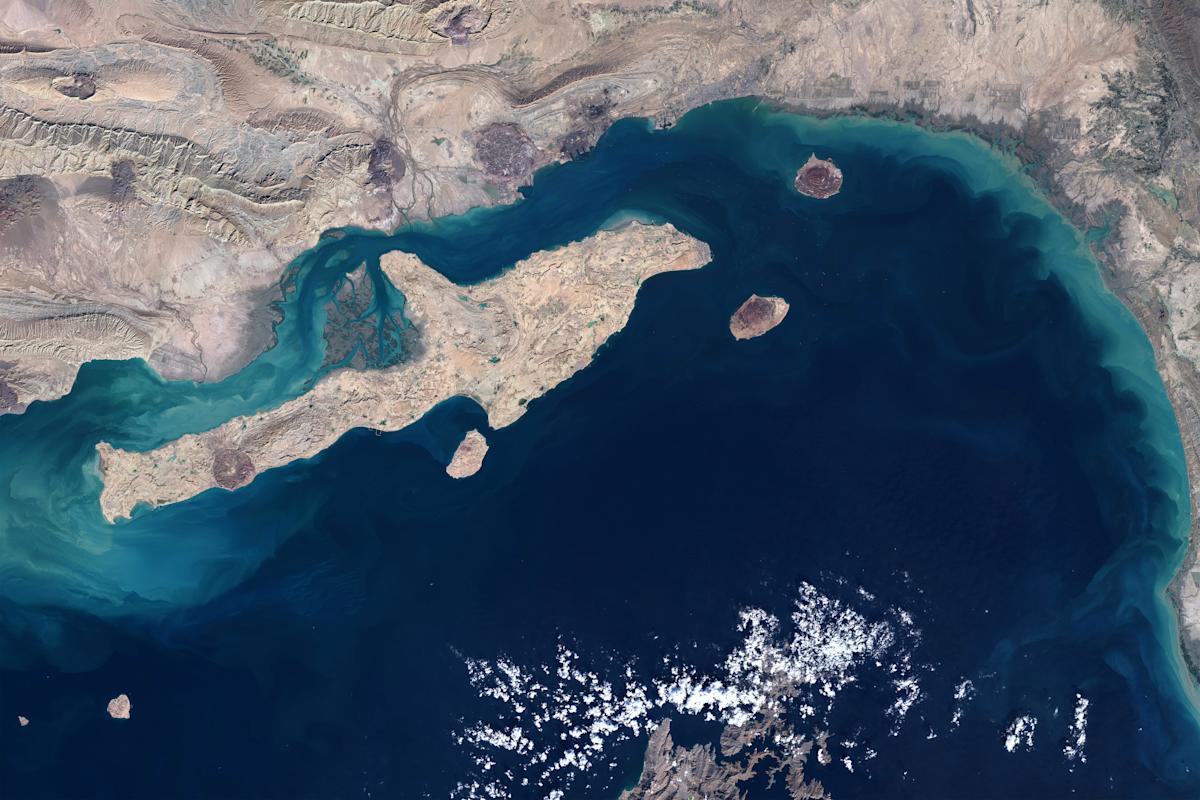
Indian Textile Industry Faces New Challenges Amid Iran War

- Export Decline: India's textile exports from April 2025 to February 2026 totaled $29.5 billion, a slight drop from $29.8 billion the previous year, indicating the fragility of recovery in an industry aiming for $100 billion in exports by 2030.
- Rising Costs: The Iran war has driven raw material and packaging costs up, with polyester prices increasing over 40% since the conflict began, complicating companies' ability to pass costs onto customers and impacting production and profitability.
- Weak Demand: Although tariff relief from the U.S. provided temporary respite, industry leaders warn that a prolonged war could dampen U.S. consumer demand, leading to declining sales and rising inventories, posing significant challenges for retailers.
- Production Cuts: Companies like Filatex have already reduced production by 25% and are awaiting demand recovery, with widespread concerns that failure to pass on costs could lead to larger-scale production cuts, further affecting employment and economic growth.
Market Watch: Oil Price Surge and Stock Market Turmoil

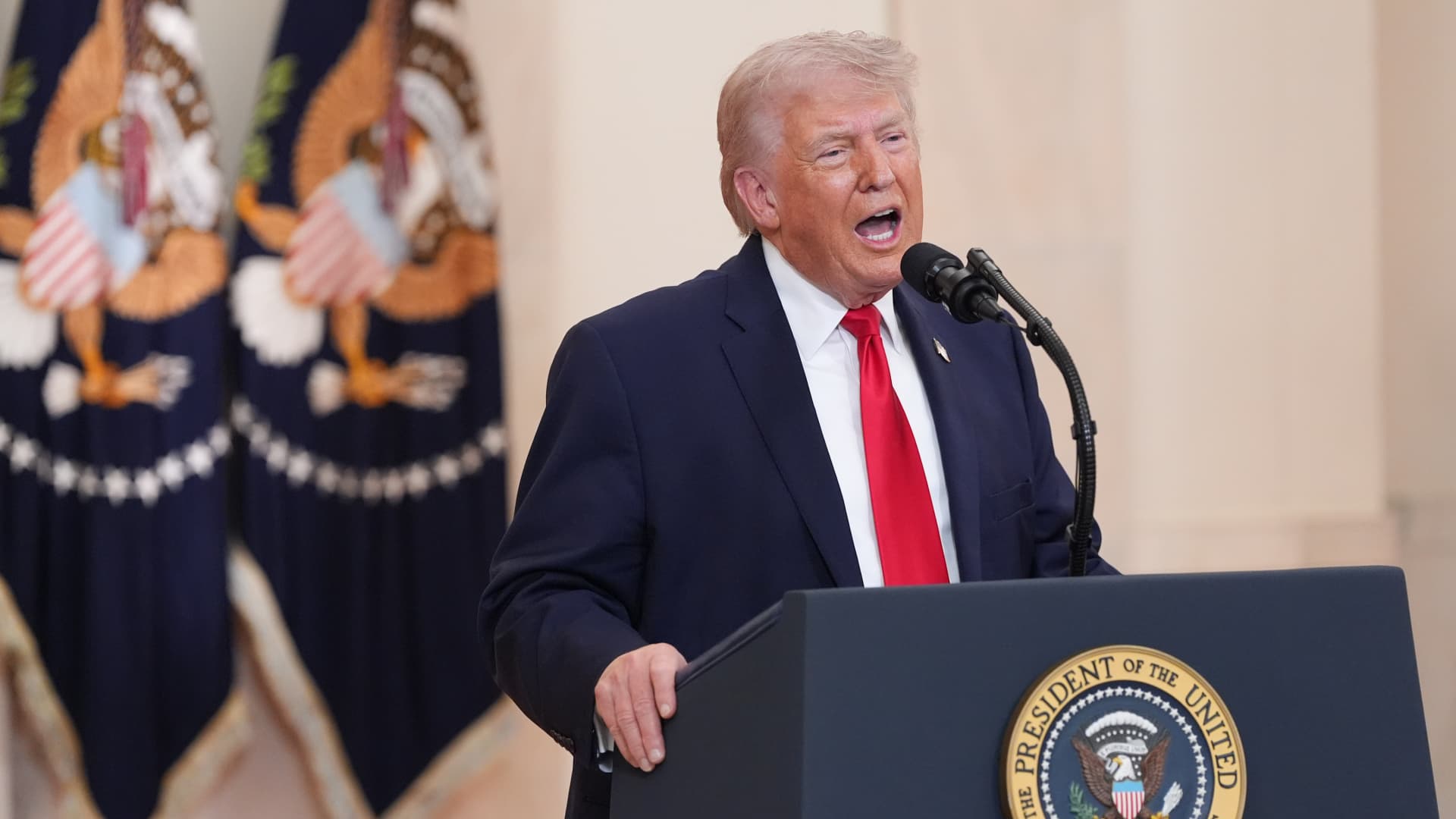
- Oil Price Surge Impact: Following President Trump's address on the Iran war, which raised escalation concerns, U.S. crude benchmark WTI surged 9% to $109 a barrel, putting downward pressure on the stock market and negatively affecting investor sentiment.
- Bank of America Upgrades Vale: Bank of America upgraded Vale from hold to buy, suggesting that now is an attractive entry point for investors in the iron ore producer, despite Vale's stock dropping nearly 7% since the Iran conflict began, while iron ore prices have risen about 8%.
- Wix's Outlook Downgraded: UBS downgraded Wix from buy to hold, with analysts believing its 2026 outlook indicates a slowdown in core business growth from 12% last year to 8% this year, and despite efforts to integrate AI capabilities, the company remains vulnerable to disruption by AI.
- Cheniere Energy Price Target Increased: Citigroup raised Cheniere Energy's price target from $280 to $330 while reiterating its buy rating, as supply disruptions in the Middle East could benefit U.S. LNG exports long-term, with shares up about 17% since the war began.
Indian Markets Rattle Amid Iran War Turmoil
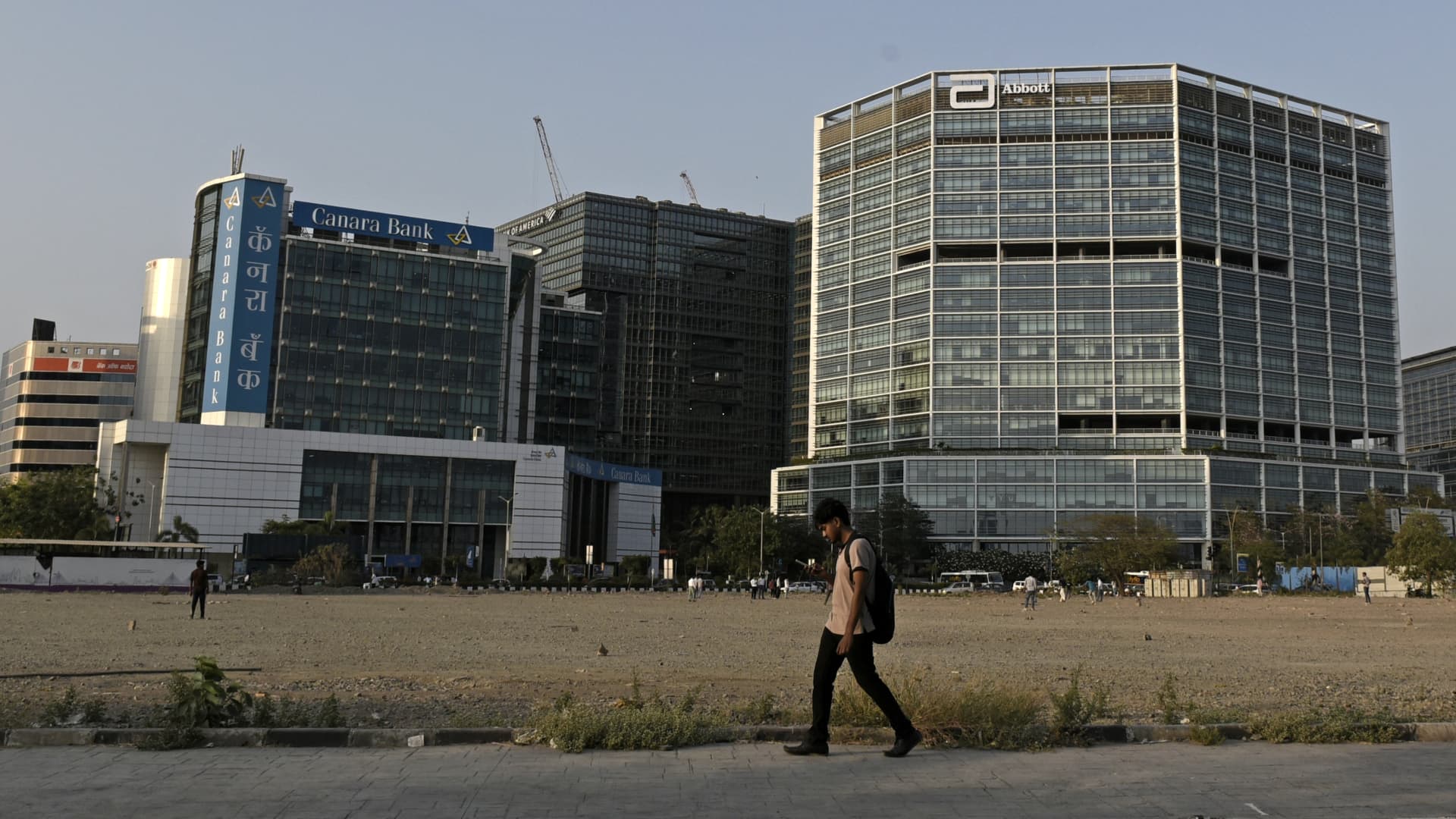
- Foreign Capital Exodus: Amid the turmoil of the Iran war, Indian markets experienced a record foreign investor sell-off exceeding $12 billion in March, resulting in a more than 10% drop in the Nifty 50 index, highlighting significant concerns over future economic growth prospects.
- Diminished Growth Outlook: India's Chief Economic Advisor V. Anantha Nageswaran warned that rising energy costs and supply chain disruptions pose considerable downside risks to the forecasted 7.0%-7.4% growth for FY 2027, with expectations of a significant widening of the trade deficit exacerbating fiscal pressures.
- Government Intervention: In response to economic strains, the Indian government implemented two key measures, including limiting banks' currency-hedging positions and cutting excise duties on petrol and diesel by 10 rupees per liter, which will significantly impact tax revenues and potentially hinder government spending capabilities.
- Weak Job Market: While India's consumption narrative continues to attract foreign investment, the lack of white-collar job creation undermines this story, with reports indicating that only a small percentage of graduates secure stable employment within a year of graduation, posing a long-term challenge to economic growth.

US Stocks Close Higher Amid Optimism Over Middle East Conflict Resolution

- Market Rally: The S&P 500 rose by 0.72%, the Dow Jones increased by 0.48%, and the Nasdaq 100 climbed by 1.18%, reflecting growing investor optimism regarding a potential resolution to the Middle East conflict, which has bolstered market confidence.
- Strong Economic Data: The US ADP employment change for March increased by 62,000, surpassing expectations of 40,000, while February retail sales rose by 0.6% month-over-month, indicating robust economic recovery that could influence Federal Reserve policy decisions.
- Interest Rate Expectations: Despite positive economic indicators, hawkish comments from St. Louis Fed President raised concerns about inflation and employment, leading to a mere 1% chance of a 25 basis point rate hike at the upcoming April FOMC meeting, reflecting cautious market sentiment.
- Divergent Stock Performances: Target Hospitality surged over 36% after securing a multi-year contract worth over $550 million, while Nike fell more than 15% due to revenue forecasts indicating a decline, highlighting the market's varied outlook on different companies' futures.

RH Faces Investor Claims Investigation Following Q4 Results
- Financial Disclosure Impact: On March 31, 2026, RH reported a 3.7% revenue growth for Q4 2025, but disclosed a $30 million negative impact on net revenues due to higher than anticipated backorder and special-order balances, highlighting significant challenges in supply chain management.
- Weather-Related Losses: Additionally, adverse weather conditions contributed to an extra $10 million loss, exacerbating investor concerns regarding the company's operational capabilities and potentially affecting future financial performance.
- Sharp Stock Decline: Following the earnings report, RH's stock price plummeted in after-hours trading, resulting in substantial investor losses and reflecting a lack of confidence in the company's financial health, which may lead to further legal actions.
- Legal Investigation Initiated: Johnson Fistel, PLLP is investigating whether RH complied with federal securities laws, encouraging investors who suffered losses from holding RH stock to join the investigation, indicating potential concerns over corporate governance and transparency.
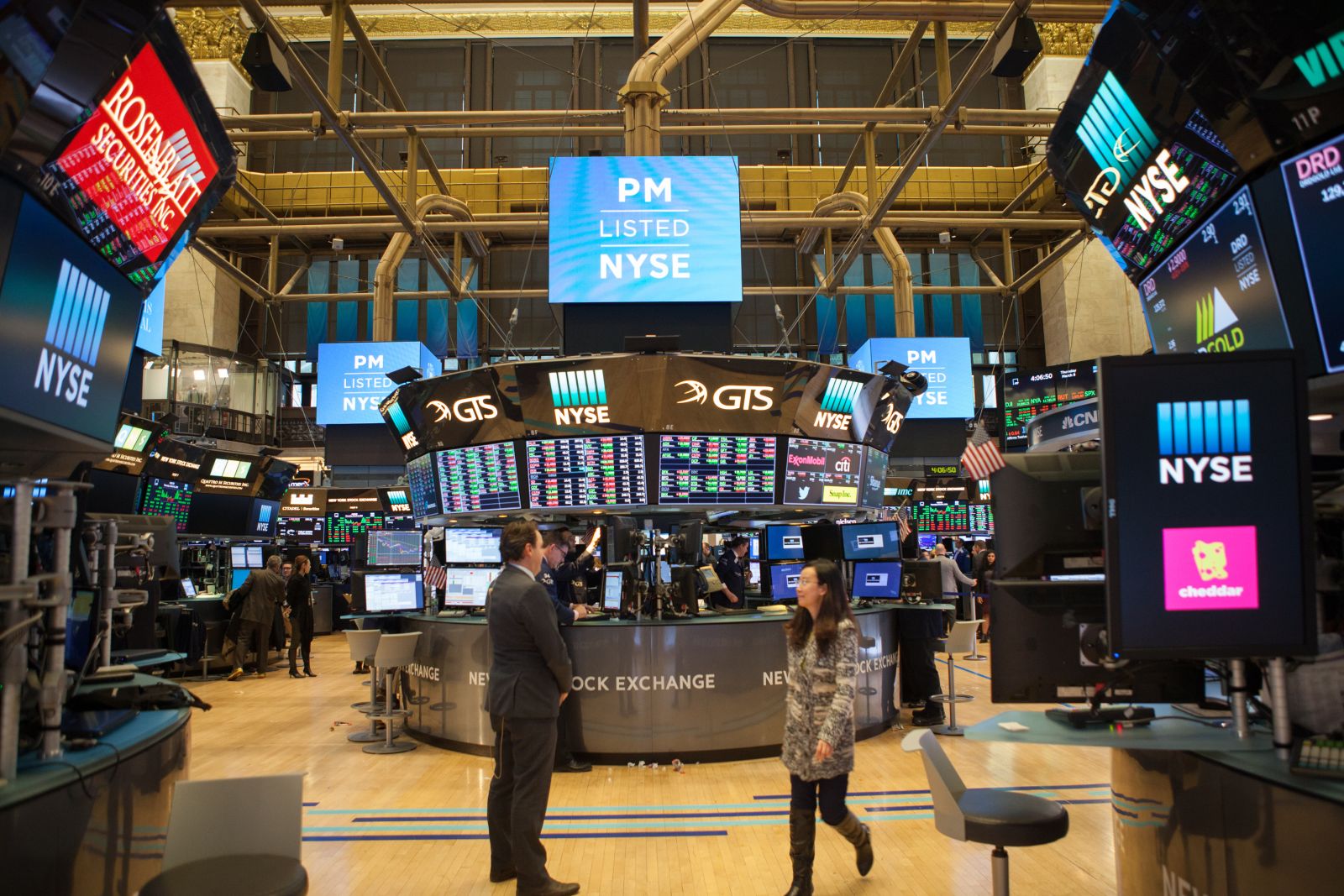
US Stocks Rise on Optimism Over Middle East Conflict Resolution
- Market Rally: The S&P 500 Index rose by 0.97%, the Dow Jones Industrial Average by 0.86%, and the Nasdaq 100 by 1.45%, reflecting growing investor confidence amid optimism that the Middle East conflict may soon conclude, which could stabilize global markets.
- Strong Economic Data: The US ADP employment change for March increased by 62,000, surpassing expectations of 40,000, while February retail sales rose by 0.6% month-over-month, indicating robust economic recovery that may influence Federal Reserve policy decisions.
- Interest Rate Outlook: Despite a mere 1% chance of a 25 basis point rate hike at the upcoming FOMC meeting, hawkish comments from St. Louis Fed President raised concerns about inflation and employment risks, potentially affecting investor sentiment and market dynamics.
- Divergent Stock Performances: Target Hospitality surged by over 37% after securing a multi-year contract worth over $550 million, while Nike fell by more than 13% due to revenue forecasts indicating a decline, highlighting varied market reactions to company-specific news.
Indian Textile Industry Faces New Challenges Amid Iran War
- Export Decline: India's textile exports from April 2025 to February 2026 totaled $29.5 billion, a slight drop from $29.8 billion the previous year, indicating the fragility of recovery in an industry aiming for $100 billion in exports by 2030.
- Rising Costs: The Iran war has driven raw material and packaging costs up, with polyester prices increasing over 40% since the conflict began, complicating companies' ability to pass costs onto customers and impacting production and profitability.
- Weak Demand: Although tariff relief from the U.S. provided temporary respite, industry leaders warn that a prolonged war could dampen U.S. consumer demand, leading to declining sales and rising inventories, posing significant challenges for retailers.
- Production Cuts: Companies like Filatex have already reduced production by 25% and are awaiting demand recovery, with widespread concerns that failure to pass on costs could lead to larger-scale production cuts, further affecting employment and economic growth.
Market Watch: Oil Price Surge and Stock Market Turmoil
- Oil Price Surge Impact: Following President Trump's address on the Iran war, which raised escalation concerns, U.S. crude benchmark WTI surged 9% to $109 a barrel, putting downward pressure on the stock market and negatively affecting investor sentiment.
- Bank of America Upgrades Vale: Bank of America upgraded Vale from hold to buy, suggesting that now is an attractive entry point for investors in the iron ore producer, despite Vale's stock dropping nearly 7% since the Iran conflict began, while iron ore prices have risen about 8%.
- Wix's Outlook Downgraded: UBS downgraded Wix from buy to hold, with analysts believing its 2026 outlook indicates a slowdown in core business growth from 12% last year to 8% this year, and despite efforts to integrate AI capabilities, the company remains vulnerable to disruption by AI.
- Cheniere Energy Price Target Increased: Citigroup raised Cheniere Energy's price target from $280 to $330 while reiterating its buy rating, as supply disruptions in the Middle East could benefit U.S. LNG exports long-term, with shares up about 17% since the war began.
Indian Markets Rattle Amid Iran War Turmoil
- Foreign Capital Exodus: Amid the turmoil of the Iran war, Indian markets experienced a record foreign investor sell-off exceeding $12 billion in March, resulting in a more than 10% drop in the Nifty 50 index, highlighting significant concerns over future economic growth prospects.
- Diminished Growth Outlook: India's Chief Economic Advisor V. Anantha Nageswaran warned that rising energy costs and supply chain disruptions pose considerable downside risks to the forecasted 7.0%-7.4% growth for FY 2027, with expectations of a significant widening of the trade deficit exacerbating fiscal pressures.
- Government Intervention: In response to economic strains, the Indian government implemented two key measures, including limiting banks' currency-hedging positions and cutting excise duties on petrol and diesel by 10 rupees per liter, which will significantly impact tax revenues and potentially hinder government spending capabilities.
- Weak Job Market: While India's consumption narrative continues to attract foreign investment, the lack of white-collar job creation undermines this story, with reports indicating that only a small percentage of graduates secure stable employment within a year of graduation, posing a long-term challenge to economic growth.
US Stocks Close Higher Amid Optimism Over Middle East Conflict Resolution
- Market Rally: The S&P 500 rose by 0.72%, the Dow Jones increased by 0.48%, and the Nasdaq 100 climbed by 1.18%, reflecting growing investor optimism regarding a potential resolution to the Middle East conflict, which has bolstered market confidence.
- Strong Economic Data: The US ADP employment change for March increased by 62,000, surpassing expectations of 40,000, while February retail sales rose by 0.6% month-over-month, indicating robust economic recovery that could influence Federal Reserve policy decisions.
- Interest Rate Expectations: Despite positive economic indicators, hawkish comments from St. Louis Fed President raised concerns about inflation and employment, leading to a mere 1% chance of a 25 basis point rate hike at the upcoming April FOMC meeting, reflecting cautious market sentiment.
- Divergent Stock Performances: Target Hospitality surged over 36% after securing a multi-year contract worth over $550 million, while Nike fell more than 15% due to revenue forecasts indicating a decline, highlighting the market's varied outlook on different companies' futures.
RH Faces Investor Claims Investigation Following Q4 Results
- Financial Disclosure Impact: On March 31, 2026, RH reported a 3.7% revenue growth for Q4 2025, but disclosed a $30 million negative impact on net revenues due to higher than anticipated backorder and special-order balances, highlighting significant challenges in supply chain management.
- Weather-Related Losses: Additionally, adverse weather conditions contributed to an extra $10 million loss, exacerbating investor concerns regarding the company's operational capabilities and potentially affecting future financial performance.
- Sharp Stock Decline: Following the earnings report, RH's stock price plummeted in after-hours trading, resulting in substantial investor losses and reflecting a lack of confidence in the company's financial health, which may lead to further legal actions.
- Legal Investigation Initiated: Johnson Fistel, PLLP is investigating whether RH complied with federal securities laws, encouraging investors who suffered losses from holding RH stock to join the investigation, indicating potential concerns over corporate governance and transparency.
US Stocks Rise on Optimism Over Middle East Conflict Resolution
- Market Rally: The S&P 500 Index rose by 0.97%, the Dow Jones Industrial Average by 0.86%, and the Nasdaq 100 by 1.45%, reflecting growing investor confidence amid optimism that the Middle East conflict may soon conclude, which could stabilize global markets.
- Strong Economic Data: The US ADP employment change for March increased by 62,000, surpassing expectations of 40,000, while February retail sales rose by 0.6% month-over-month, indicating robust economic recovery that may influence Federal Reserve policy decisions.
- Interest Rate Outlook: Despite a mere 1% chance of a 25 basis point rate hike at the upcoming FOMC meeting, hawkish comments from St. Louis Fed President raised concerns about inflation and employment risks, potentially affecting investor sentiment and market dynamics.
- Divergent Stock Performances: Target Hospitality surged by over 37% after securing a multi-year contract worth over $550 million, while Nike fell by more than 13% due to revenue forecasts indicating a decline, highlighting varied market reactions to company-specific news.