Progressive Stock Recovers with 6.1% Dividend Yield

- Stock Recovery: Progressive's stock has begun to bounce back after a 20% decline, currently priced at $212.98, indicating market recognition of its long-term resilience and likely attracting more investor interest.
- Stable Income: Despite third-quarter revenue falling short of expectations, Progressive has achieved revenue growth in every quarter over the past decade, demonstrating the resilience of the insurance industry and ensuring continued dividend payments in the future.
- Dividend Growth Potential: The company's forward-looking dividend yield stands at 6.1%, not only providing an attractive return for investors but also reflecting its competitive edge and profitability in the market.
- Market Outlook: As investors increasingly recognize Progressive's long-term growth potential, its stock price is expected to continue recovering, thereby strengthening its market position within the insurance sector.
Trade with 70% Backtested Accuracy
Analyst Views on PGR

About PGR
About the author

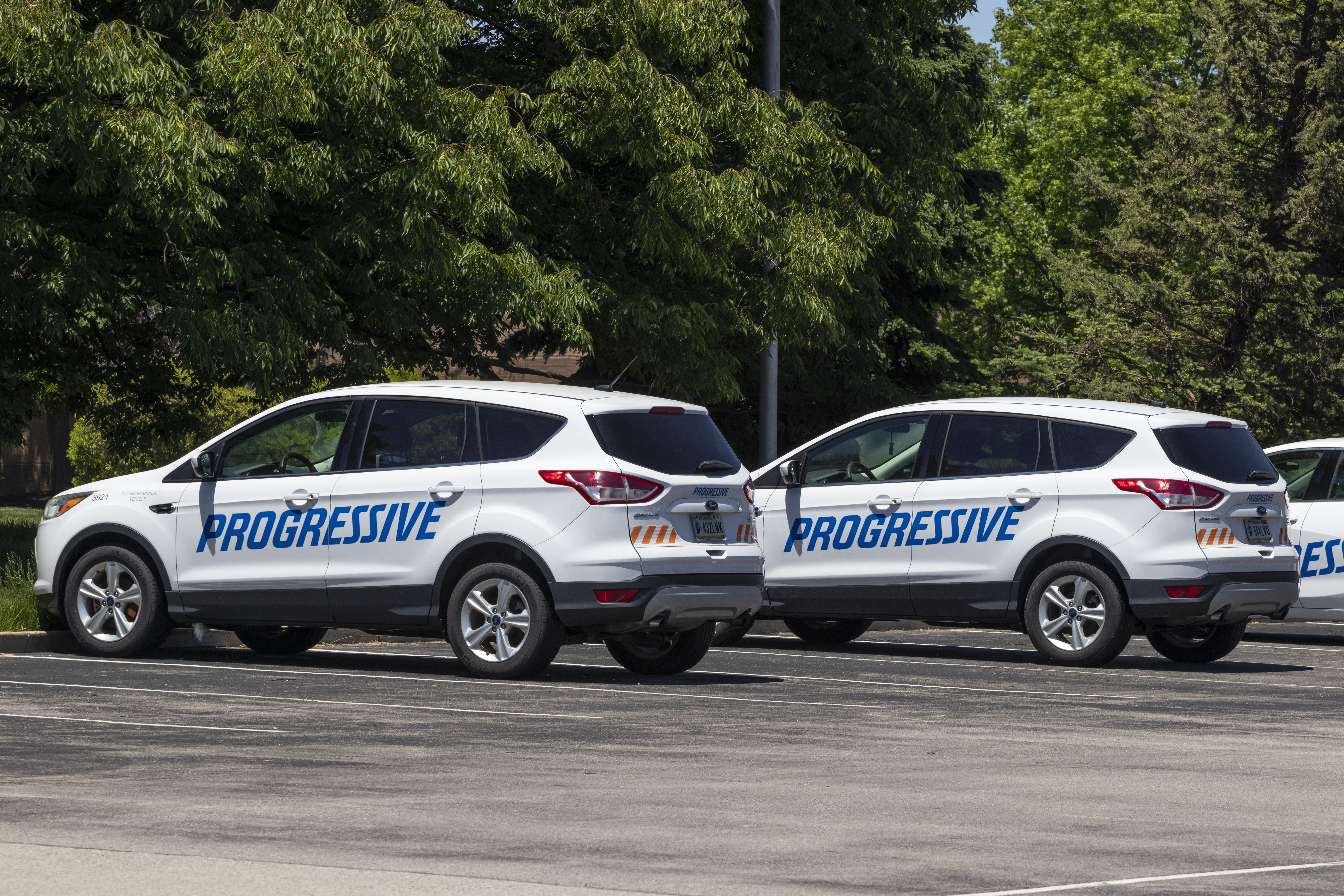
Progressive Reports 5% Year-over-Year Growth in February Net Premiums

- Net Premium Growth: Progressive's net premiums written in February rose 5% year-over-year to approximately $7.00 billion from $6.68 billion, indicating the company's solid performance in the market despite moderating growth rates.
- Increase in Net Premiums Earned: The net premiums earned increased by 8% to $6.53 billion in February, reflecting effective strategies in policy sales and customer retention, further solidifying its market position.
- Slight Rise in Earnings Per Share: Net income per share available to common shareholders increased by 2% year-over-year to $1.61, indicating stable profitability despite market challenges.
- Improved Investment Returns: Progressive reported a pretax net realized gain on securities of $5 million in February, a significant improvement from -$110 million in February 2025, showcasing the company's effectiveness in investment management and risk control.

Wall Street's Latest Ratings Overview

- Nvidia Strategy Reaffirmed: Morgan Stanley reiterates Nvidia as overweight, highlighting its cost leadership strategy presented at the GTC Conference, indicating that the company's competitive edge in AI will strengthen, likely driving future earnings growth.
- Uber Partnership Expansion: Deutsche Bank reiterates Uber as a buy, emphasizing that its expanded partnership with Nvidia will significantly scale operations, marking a deeper relationship that could open new revenue streams for Uber.
- Amazon's AI Advantage: Needham reiterates Amazon as a buy, believing that its vast product catalog and fulfillment network will position it favorably in the AI market, expected to drive revenue growth and solidify its market leadership.
- Lemonade Insurance Upgrade: Morgan Stanley upgrades Lemonade from equal weight to overweight, stressing that its partnership with Tesla provides a first-mover advantage in data analysis, likely enhancing its competitive position and driving future growth.

Comparative Analysis of Progressive and Root Insurance Companies

- Market Share Comparison: Progressive holds a 17% market share in the U.S. auto insurance market as the second-largest underwriter, with growth reliant on competing against other large rivals and optimizing costs, while Root operates in only 36 states by the end of 2025, presenting greater market expansion potential.
- Premium Growth Data: Between 2023 and 2025, Root's premiums written surged from $733 million to $1.5 billion, with its combined ratio improving from 133.2% to 98.2%, indicating a significant enhancement in profitability and competitiveness in the market.
- Tech-Driven Distribution Strategy: Root has made telematics enrollment the default, embedding technology into dealer and manufacturer systems, successfully partnering with Carvana to place products directly in front of vehicle purchasers, which has fueled rapid revenue growth.
- Valuation and Growth Potential: Root trades at a price-to-book ratio of 3x compared to Progressive's 4.1x, with Root's faster growth and untapped market opportunities suggesting it may outperform Progressive in the long run, despite the latter's brand recognition advantage.

AVLV Stock Price Analysis and ETF Dynamics
- Price Fluctuation Analysis: AVLV's 52-week low is $55.67 and high is $84.74, with the current trading price at $80.87, indicating stock price volatility near its high, which may influence investor buying decisions.
- Technical Analysis Tool: Comparing the current stock price to the 200-day moving average can provide valuable technical analysis insights for investors, helping to assess price trends and potential buying opportunities.
- ETF Trading Mechanism: Exchange-traded funds (ETFs) trade like stocks, where investors buy and sell 'units' that can be created or destroyed based on investor demand, impacting ETF liquidity and market performance.
- Inflows and Outflows Monitoring: Weekly monitoring of changes in ETF shares outstanding focuses on those experiencing notable inflows (new units created) or outflows (old units destroyed), assessing their impact on underlying assets and market trends.

Three Undervalued Stocks to Consider
- Uber Technologies Outlook: Uber Technologies (UBER) shares are currently priced at only 17 times the projected per-share profit of $4.33, and despite facing regulatory pressures and competition from autonomous driving technology, the company is expected to achieve double-digit revenue growth in the future, presenting a potential value opportunity for investors.
- Progressive Insurance Challenges: Progressive (PGR) shares have fallen 28% since last May, and while revenue growth of 7% is anticipated this year, earnings per share are expected to decline from $18.25 last year to $16.12, yet its forward P/E ratio is below 13, with an attractive dividend yield of 6.6%, appealing to income-seeking investors.
- Novo Nordisk Market Opportunities: Novo Nordisk (NVO) is currently trading at less than 11 times earnings, and despite facing competitive pressures and declining market share, the success of its weight-loss drug Wegovy still provides potential catalysts such as updates on CagriSema clinical trials that could reignite investor interest.
- Future Growth Potential: Although Novo Nordisk's stock has dropped over 70% from its mid-2024 peak, the upcoming regulatory approvals and clinical progress of new drugs may sustain optimism about its future growth potential, attracting more investor attention.

Want to Protect Your Portfolio? Begin with These 3 Stocks

Insurance Sector Resilience: The insurance industry, particularly companies like Chubb, Progressive, and Arch Capital, has shown strong financial results and resilience, driven by steady premium collections and disciplined underwriting practices.
Investment Growth: These companies are attracting investor attention due to their ability to generate significant investment income, with Chubb reporting a record net income of $10.3 billion and Progressive achieving a 12% increase in net premiums.
Market Positioning: Progressive has leveraged technology to enhance its pricing precision in auto insurance, resulting in impressive market share growth, while Arch Capital focuses on specialty insurance markets, leading to strong profitability.
Investor Appeal: Despite some analysts rating these stocks as "Hold," their combination of stability and long-term profitability potential makes them attractive options for investors seeking resilience in uncertain market conditions.
Progressive Reports 5% Year-over-Year Growth in February Net Premiums
- Net Premium Growth: Progressive's net premiums written in February rose 5% year-over-year to approximately $7.00 billion from $6.68 billion, indicating the company's solid performance in the market despite moderating growth rates.
- Increase in Net Premiums Earned: The net premiums earned increased by 8% to $6.53 billion in February, reflecting effective strategies in policy sales and customer retention, further solidifying its market position.
- Slight Rise in Earnings Per Share: Net income per share available to common shareholders increased by 2% year-over-year to $1.61, indicating stable profitability despite market challenges.
- Improved Investment Returns: Progressive reported a pretax net realized gain on securities of $5 million in February, a significant improvement from -$110 million in February 2025, showcasing the company's effectiveness in investment management and risk control.
Wall Street's Latest Ratings Overview
- Nvidia Strategy Reaffirmed: Morgan Stanley reiterates Nvidia as overweight, highlighting its cost leadership strategy presented at the GTC Conference, indicating that the company's competitive edge in AI will strengthen, likely driving future earnings growth.
- Uber Partnership Expansion: Deutsche Bank reiterates Uber as a buy, emphasizing that its expanded partnership with Nvidia will significantly scale operations, marking a deeper relationship that could open new revenue streams for Uber.
- Amazon's AI Advantage: Needham reiterates Amazon as a buy, believing that its vast product catalog and fulfillment network will position it favorably in the AI market, expected to drive revenue growth and solidify its market leadership.
- Lemonade Insurance Upgrade: Morgan Stanley upgrades Lemonade from equal weight to overweight, stressing that its partnership with Tesla provides a first-mover advantage in data analysis, likely enhancing its competitive position and driving future growth.
Comparative Analysis of Progressive and Root Insurance Companies
- Market Share Comparison: Progressive holds a 17% market share in the U.S. auto insurance market as the second-largest underwriter, with growth reliant on competing against other large rivals and optimizing costs, while Root operates in only 36 states by the end of 2025, presenting greater market expansion potential.
- Premium Growth Data: Between 2023 and 2025, Root's premiums written surged from $733 million to $1.5 billion, with its combined ratio improving from 133.2% to 98.2%, indicating a significant enhancement in profitability and competitiveness in the market.
- Tech-Driven Distribution Strategy: Root has made telematics enrollment the default, embedding technology into dealer and manufacturer systems, successfully partnering with Carvana to place products directly in front of vehicle purchasers, which has fueled rapid revenue growth.
- Valuation and Growth Potential: Root trades at a price-to-book ratio of 3x compared to Progressive's 4.1x, with Root's faster growth and untapped market opportunities suggesting it may outperform Progressive in the long run, despite the latter's brand recognition advantage.
AVLV Stock Price Analysis and ETF Dynamics
- Price Fluctuation Analysis: AVLV's 52-week low is $55.67 and high is $84.74, with the current trading price at $80.87, indicating stock price volatility near its high, which may influence investor buying decisions.
- Technical Analysis Tool: Comparing the current stock price to the 200-day moving average can provide valuable technical analysis insights for investors, helping to assess price trends and potential buying opportunities.
- ETF Trading Mechanism: Exchange-traded funds (ETFs) trade like stocks, where investors buy and sell 'units' that can be created or destroyed based on investor demand, impacting ETF liquidity and market performance.
- Inflows and Outflows Monitoring: Weekly monitoring of changes in ETF shares outstanding focuses on those experiencing notable inflows (new units created) or outflows (old units destroyed), assessing their impact on underlying assets and market trends.
Three Undervalued Stocks to Consider
- Uber Technologies Outlook: Uber Technologies (UBER) shares are currently priced at only 17 times the projected per-share profit of $4.33, and despite facing regulatory pressures and competition from autonomous driving technology, the company is expected to achieve double-digit revenue growth in the future, presenting a potential value opportunity for investors.
- Progressive Insurance Challenges: Progressive (PGR) shares have fallen 28% since last May, and while revenue growth of 7% is anticipated this year, earnings per share are expected to decline from $18.25 last year to $16.12, yet its forward P/E ratio is below 13, with an attractive dividend yield of 6.6%, appealing to income-seeking investors.
- Novo Nordisk Market Opportunities: Novo Nordisk (NVO) is currently trading at less than 11 times earnings, and despite facing competitive pressures and declining market share, the success of its weight-loss drug Wegovy still provides potential catalysts such as updates on CagriSema clinical trials that could reignite investor interest.
- Future Growth Potential: Although Novo Nordisk's stock has dropped over 70% from its mid-2024 peak, the upcoming regulatory approvals and clinical progress of new drugs may sustain optimism about its future growth potential, attracting more investor attention.
Want to Protect Your Portfolio? Begin with These 3 Stocks
Insurance Sector Resilience: The insurance industry, particularly companies like Chubb, Progressive, and Arch Capital, has shown strong financial results and resilience, driven by steady premium collections and disciplined underwriting practices.
Investment Growth: These companies are attracting investor attention due to their ability to generate significant investment income, with Chubb reporting a record net income of $10.3 billion and Progressive achieving a 12% increase in net premiums.
Market Positioning: Progressive has leveraged technology to enhance its pricing precision in auto insurance, resulting in impressive market share growth, while Arch Capital focuses on specialty insurance markets, leading to strong profitability.
Investor Appeal: Despite some analysts rating these stocks as "Hold," their combination of stability and long-term profitability potential makes them attractive options for investors seeking resilience in uncertain market conditions.