Phillips 66 Reports Up to $1B Losses Due to Commodity Price Surge
Written by Emily J. Thompson, Senior Investment Analyst
Updated: 1 hour ago
0mins
Should l Buy PSX?
Source: seekingalpha
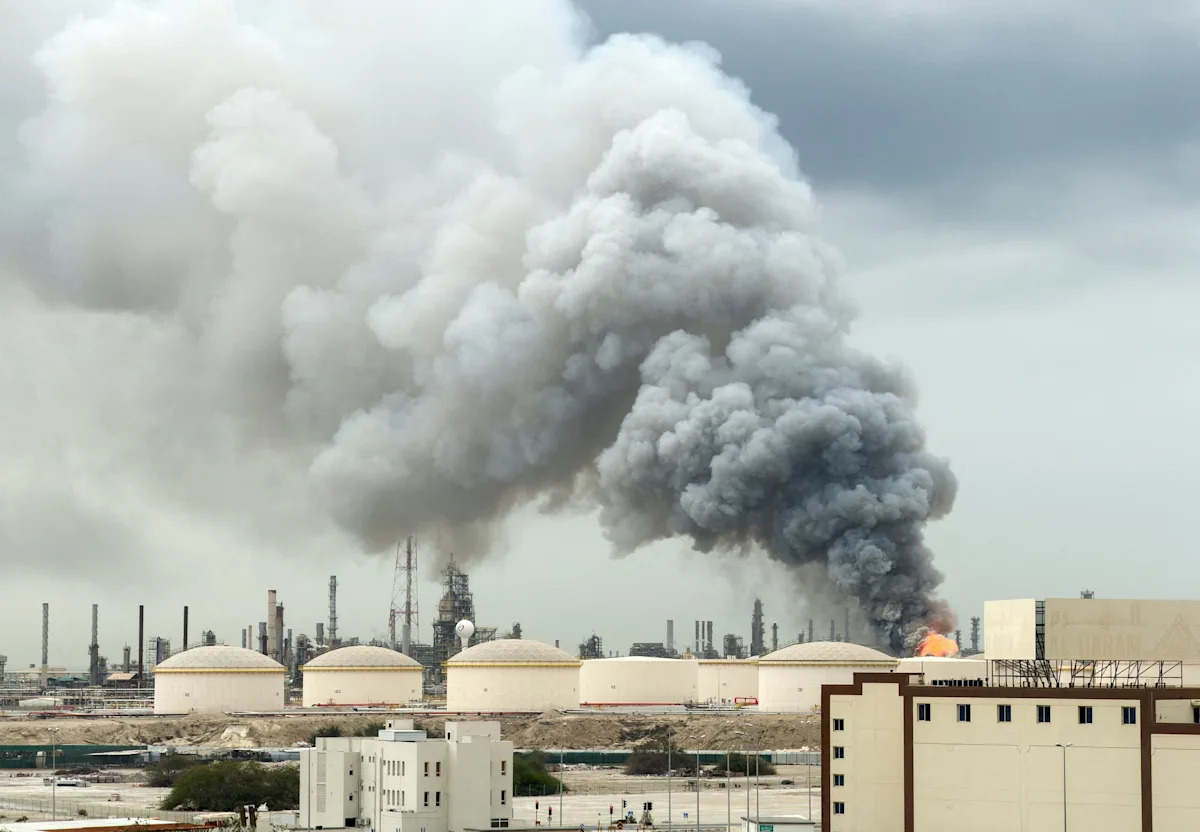
- Commodity Price Impact: Phillips 66 reported that the ongoing Middle East conflict has led to a sharp increase in crude and fuel prices, resulting in pre-tax mark-to-market losses of up to $1 billion, highlighting the direct financial impact of market volatility on the company.
- Projected Loss Range: The company anticipates losses in the range of $750 million to $1.05 billion on its standard net-short position related to crude, refined oil products, natural gas liquids, and renewable feedstocks, indicating vulnerability in its commodity market exposure.
- Segment-Specific Impacts: The refining segment is expected to incur losses of $350 million to $450 million, while the marketing and specialties segment is projected to take a hit of $300 million to $400 million, and the renewable fuels segment is forecasted to record losses of $100 million to $200 million, demonstrating varied performance across its diversified operations during the crisis.
- Liquidity Management Measures: To manage the impacts of commodity price volatility, the company has drawn a new $2.25 billion 364-day term loan and increased its accounts receivables securitization facility from $1.25 billion to $1.75 billion, ensuring sufficient liquidity in an uncertain environment.
Trade with 70% Backtested Accuracy
Stop guessing "Should I Buy PSX?" and start using high-conviction signals backed by rigorous historical data.
Sign up today to access powerful investing tools and make smarter, data-driven decisions.
Analyst Views on PSX
Wall Street analysts forecast PSX stock price to fall
15 Analyst Rating
8 Buy
7 Hold
0 Sell
Moderate Buy
Current: 176.210

Low
110.00
Averages
132.40
High
162.00
Current: 176.210
Low
110.00
Averages
132.40
High
162.00
About PSX
Phillips 66 is a diversified and integrated downstream energy provider that manufactures, transports and markets products. The Company's Midstream segment provides crude oil and refined petroleum product transportation, terminating and processing services, as well as natural gas and natural gas liquids (NGL) transportation, storage, fractionation, gathering, processing and marketing services. Its Chemicals segment consists of its 50% equity investment in Chevron Phillips Chemical Company LLC, which manufactures and markets petrochemicals and plastics on a worldwide basis. Its Refining segment refines crude oil and other feedstocks into petroleum products, such as gasoline, distillates, including aviation fuels. Its Marketing and Specialties segment purchases for resale and markets refined products, mainly in the United States and Europe. Its Renewable Fuels segment processes renewable feedstocks into renewable products at the Rodeo Renewable Energy Complex and at its Humber Refinery.
About the author

Emily J. Thompson
Emily J. Thompson, a Chartered Financial Analyst (CFA) with 12 years in investment research, graduated with honors from the Wharton School. Specializing in industrial and technology stocks, she provides in-depth analysis for Intellectia’s earnings and market brief reports.
Oil Prices Rise as Trump Threatens Iran Over Strait of Hormuz


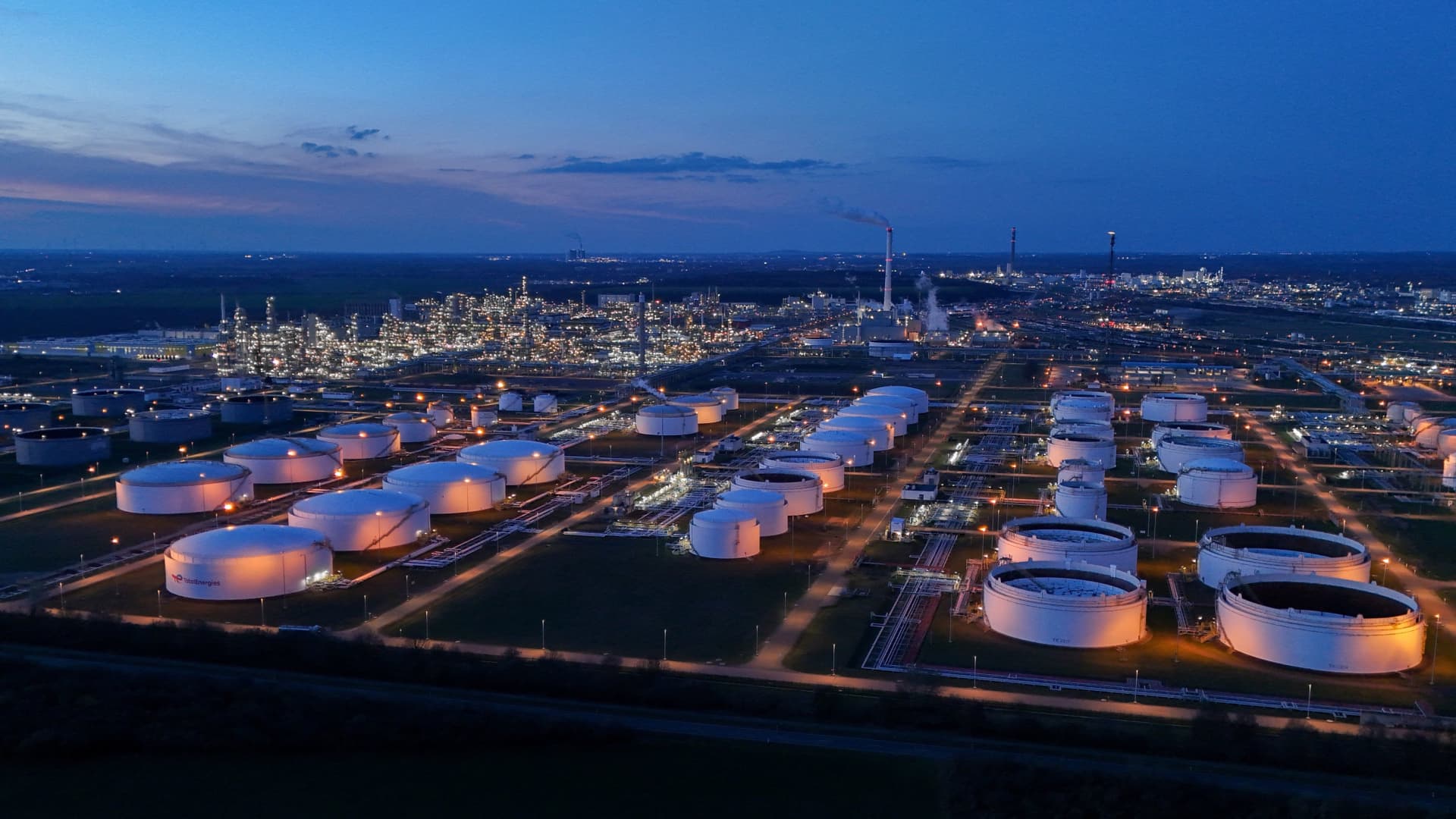
- Oil Price Surge: Oil prices rose as U.S. President Trump threatened to attack Iran's infrastructure, with West Texas Intermediate crude futures increasing by 0.93% to $113.46 per barrel, reflecting market sensitivity to geopolitical tensions.
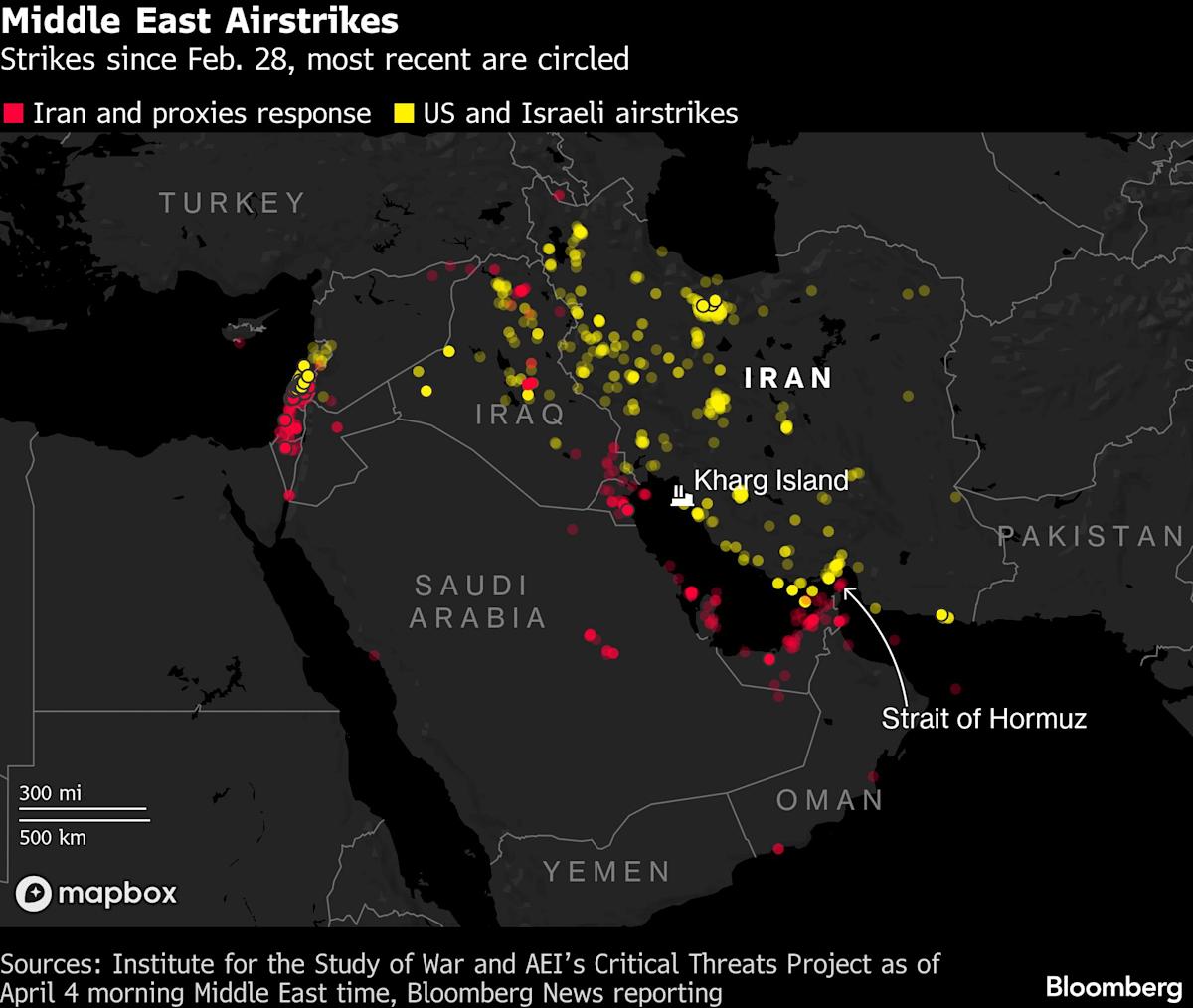
- Strait of Hormuz Situation: Trump reiterated that the U.S. would destroy Iran's power plants and bridges if the Strait of Hormuz was not reopened by the deadline, intensifying market concerns over supply disruptions and driving prices higher.
- Negotiation Dynamics: Despite Trump's pressure, Iran proposed a 10-point plan to end hostilities, including a permanent ceasefire and lifting sanctions, indicating the complexity and uncertainty of negotiations that could impact future energy supplies.
- Shipping Resumption: Shipping through the Strait of Hormuz is slowly resuming, with 8 tankers transiting on Monday, although this remains significantly below the pre-war average of 20 million barrels per day in 2025, indicating ongoing adjustments to supply shocks in the market.
See More

Phillips 66 Reports Up to $1B Losses Due to Commodity Price Surge

- Commodity Price Impact: Phillips 66 reported that the ongoing Middle East conflict has led to a sharp increase in crude and fuel prices, resulting in pre-tax mark-to-market losses of up to $1 billion, highlighting the direct financial impact of market volatility on the company.
- Projected Loss Range: The company anticipates losses in the range of $750 million to $1.05 billion on its standard net-short position related to crude, refined oil products, natural gas liquids, and renewable feedstocks, indicating vulnerability in its commodity market exposure.
- Segment-Specific Impacts: The refining segment is expected to incur losses of $350 million to $450 million, while the marketing and specialties segment is projected to take a hit of $300 million to $400 million, and the renewable fuels segment is forecasted to record losses of $100 million to $200 million, demonstrating varied performance across its diversified operations during the crisis.
- Liquidity Management Measures: To manage the impacts of commodity price volatility, the company has drawn a new $2.25 billion 364-day term loan and increased its accounts receivables securitization facility from $1.25 billion to $1.75 billion, ensuring sufficient liquidity in an uncertain environment.
See More

Asia-Pacific Markets Set to Open Higher Amid Mixed Messaging on Iran Conflict


- Positive Market Reaction: Asia-Pacific markets are set to open higher on Tuesday, influenced by gains on Wall Street, reflecting investor optimism about market prospects, especially during this critical time for global energy supplies.
- Escalating Iran Tensions: President Trump has threatened to target Iran's civilian infrastructure if a peace deal is not reached within 24 hours, a hardline stance that could heighten market uncertainty and impact energy price volatility.
- Rising Energy Prices: As of 7:20 PM ET, West Texas Intermediate crude futures rose by 0.7% to $113.25 per barrel, while Brent crude gained about 0.68%, indicating market concerns over potential supply disruptions.
- Optimistic Outlook for Japan: Japan's Nikkei 225 index is poised for gains, with the Chicago contract at 53,915, showcasing investor confidence in the Japanese market, which may drive overall regional market performance.
See More
Middle East Conflict Impacts Asian Markets

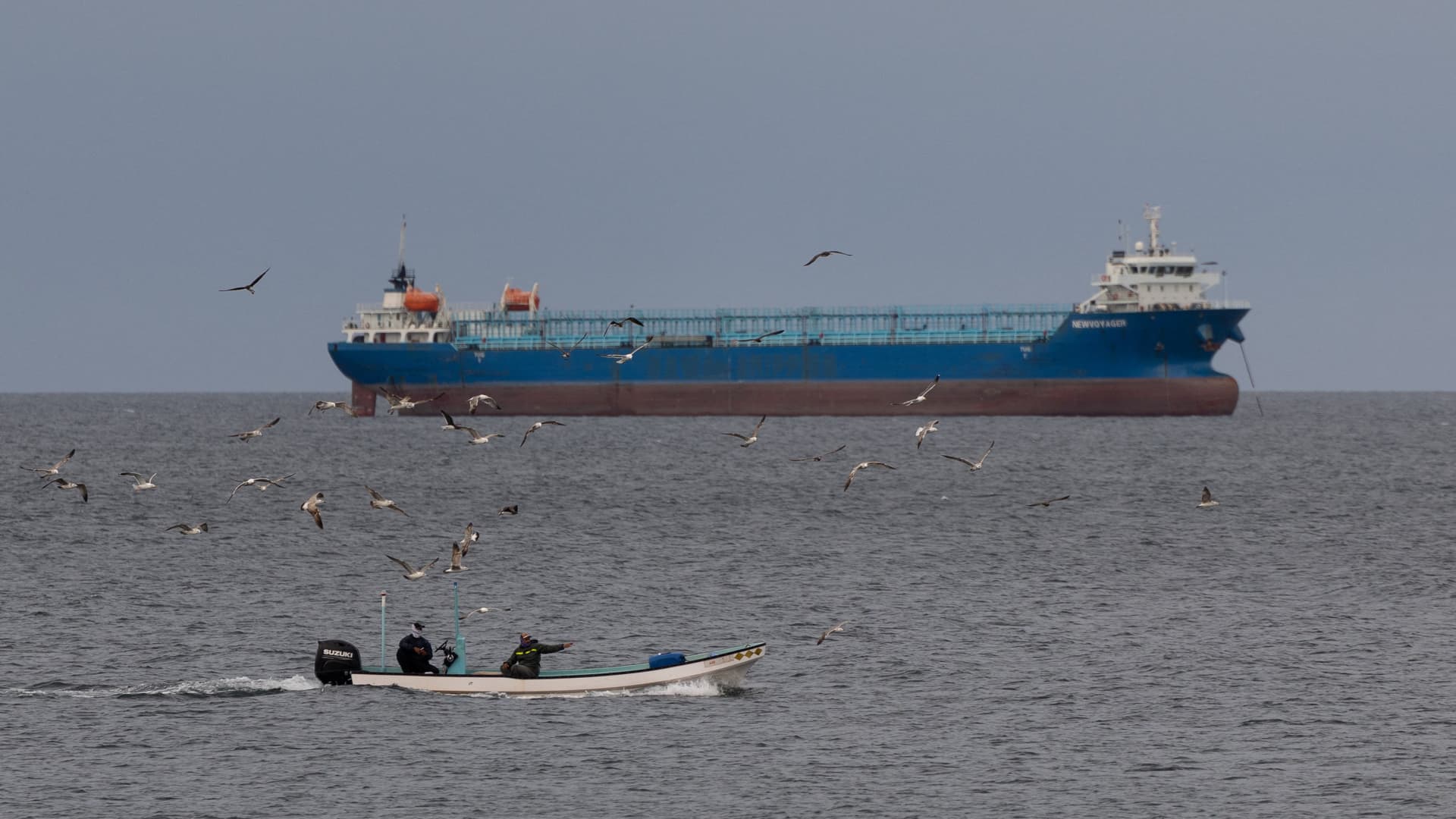
- Market Reaction: Japan's Nikkei 225 rose by 0.62% and South Korea's Kospi increased by 1.8%, indicating investor sensitivity to the Middle East situation, even as most Asian markets were closed for holidays.
- Oil Price Fluctuations: U.S. West Texas Intermediate prices increased by 2.57% to $114.11 per barrel, while the international benchmark Brent crude rose by 2.62%, reflecting market concerns about the Middle East conflict and its potential impact on global supply.
- Trump's Threats: President Trump issued threats to attack Iran's power plants and civilian infrastructure starting Tuesday if Tehran fails to fully reopen the Strait of Hormuz, a move that could escalate regional tensions.
- OPEC Production Increase: The Organization of the Petroleum Exporting Countries and allies raised their production quotas by 206,000 barrels per day for May, although this move appeared largely symbolic due to shipping constraints caused by the ongoing war.
See More
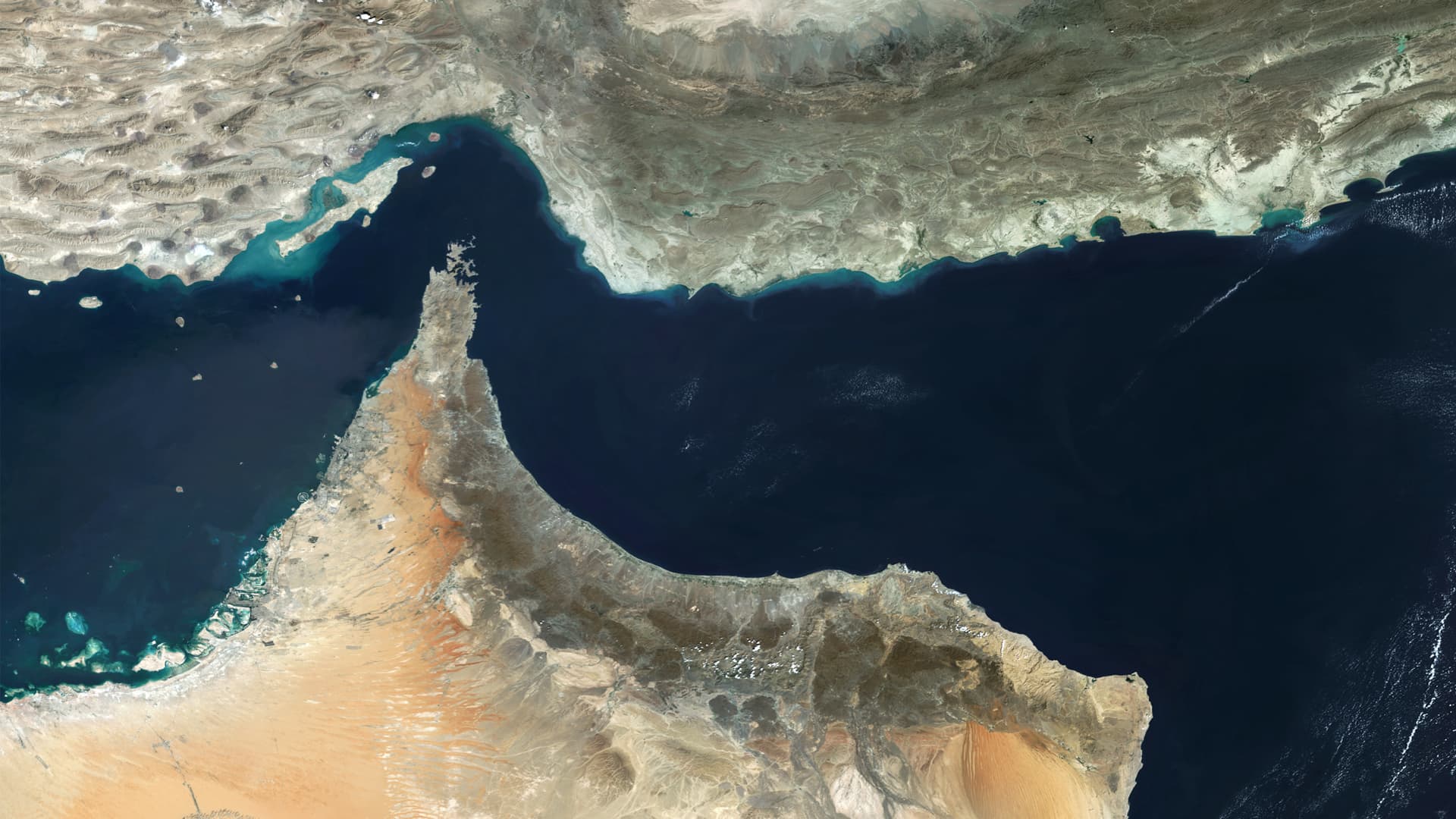
Escalating Strait of Hormuz Situation Drives Oil Prices Higher


- Oil Price Surge: U.S. crude oil prices rose 2.35% to $114.16 per barrel on Sunday, while international benchmark Brent prices increased 1.72% to $110.91 per barrel, reflecting strong market reactions to supply disruptions.
- Trump's Threat: President Trump threatened Iran via social media, demanding the opening of the Strait of Hormuz by Tuesday or face attacks on its power plants, which has heightened market uncertainty.
- Supply Disruption Impact: The closure of the Strait is expected to result in nearly 1 billion barrels of oil lost by the end of the month, including 600 million barrels of crude and 350 million barrels of refined products, marking the largest oil supply disruption in history.
- OPEC+ Production Increase: The eight members of OPEC+ agreed to increase production by 206,000 barrels per day in May, but uncertainties remain regarding how this oil will reach global markets while the Strait remains closed.
See More

Private Jet Travel Faces Challenges Amid Soaring Fuel Prices
- Fuel Price Surge Impact: The Iran war has driven jet fuel prices to an average of $4.65 per gallon globally, significantly increasing private flight costs, with Vimana recently booking a $520,000 flight from Dubai to London, up from $400,000 in 2023, reflecting a 30% increase.
- Rising Flight Prices: Since the onset of the Iran conflict, jet charter prices have surged by an average of 5% to 15%, with some flights experiencing increases of up to 20%, leading affluent travelers to face unexpected fees, although they are generally less sensitive to price fluctuations.
- Steady Market Demand: Despite soaring fuel prices, the private flying market remains robust, with WingX reporting a 5% year-over-year increase in flights for the week ending March 22, and Flexjet noting a 15% rise in utilization among fractional owners, indicating sustained demand from high-net-worth clients.
- Airlines' Response Strategies: Some operators are mitigating costs by refueling in countries with cheaper fuel, even if it results in longer flight times; however, clients continue to prefer private flights to avoid long airport lines, especially during disruptions caused by government shutdowns.
See More
Oil Prices Rise as Trump Threatens Iran Over Strait of Hormuz
- Oil Price Surge: Oil prices rose as U.S. President Trump threatened to attack Iran's infrastructure, with West Texas Intermediate crude futures increasing by 0.93% to $113.46 per barrel, reflecting market sensitivity to geopolitical tensions.
- Strait of Hormuz Situation: Trump reiterated that the U.S. would destroy Iran's power plants and bridges if the Strait of Hormuz was not reopened by the deadline, intensifying market concerns over supply disruptions and driving prices higher.
- Negotiation Dynamics: Despite Trump's pressure, Iran proposed a 10-point plan to end hostilities, including a permanent ceasefire and lifting sanctions, indicating the complexity and uncertainty of negotiations that could impact future energy supplies.
- Shipping Resumption: Shipping through the Strait of Hormuz is slowly resuming, with 8 tankers transiting on Monday, although this remains significantly below the pre-war average of 20 million barrels per day in 2025, indicating ongoing adjustments to supply shocks in the market.
See More
Phillips 66 Reports Up to $1B Losses Due to Commodity Price Surge
- Commodity Price Impact: Phillips 66 reported that the ongoing Middle East conflict has led to a sharp increase in crude and fuel prices, resulting in pre-tax mark-to-market losses of up to $1 billion, highlighting the direct financial impact of market volatility on the company.
- Projected Loss Range: The company anticipates losses in the range of $750 million to $1.05 billion on its standard net-short position related to crude, refined oil products, natural gas liquids, and renewable feedstocks, indicating vulnerability in its commodity market exposure.
- Segment-Specific Impacts: The refining segment is expected to incur losses of $350 million to $450 million, while the marketing and specialties segment is projected to take a hit of $300 million to $400 million, and the renewable fuels segment is forecasted to record losses of $100 million to $200 million, demonstrating varied performance across its diversified operations during the crisis.
- Liquidity Management Measures: To manage the impacts of commodity price volatility, the company has drawn a new $2.25 billion 364-day term loan and increased its accounts receivables securitization facility from $1.25 billion to $1.75 billion, ensuring sufficient liquidity in an uncertain environment.
See More
Asia-Pacific Markets Set to Open Higher Amid Mixed Messaging on Iran Conflict
- Positive Market Reaction: Asia-Pacific markets are set to open higher on Tuesday, influenced by gains on Wall Street, reflecting investor optimism about market prospects, especially during this critical time for global energy supplies.
- Escalating Iran Tensions: President Trump has threatened to target Iran's civilian infrastructure if a peace deal is not reached within 24 hours, a hardline stance that could heighten market uncertainty and impact energy price volatility.
- Rising Energy Prices: As of 7:20 PM ET, West Texas Intermediate crude futures rose by 0.7% to $113.25 per barrel, while Brent crude gained about 0.68%, indicating market concerns over potential supply disruptions.
- Optimistic Outlook for Japan: Japan's Nikkei 225 index is poised for gains, with the Chicago contract at 53,915, showcasing investor confidence in the Japanese market, which may drive overall regional market performance.
See More
Middle East Conflict Impacts Asian Markets
- Market Reaction: Japan's Nikkei 225 rose by 0.62% and South Korea's Kospi increased by 1.8%, indicating investor sensitivity to the Middle East situation, even as most Asian markets were closed for holidays.
- Oil Price Fluctuations: U.S. West Texas Intermediate prices increased by 2.57% to $114.11 per barrel, while the international benchmark Brent crude rose by 2.62%, reflecting market concerns about the Middle East conflict and its potential impact on global supply.
- Trump's Threats: President Trump issued threats to attack Iran's power plants and civilian infrastructure starting Tuesday if Tehran fails to fully reopen the Strait of Hormuz, a move that could escalate regional tensions.
- OPEC Production Increase: The Organization of the Petroleum Exporting Countries and allies raised their production quotas by 206,000 barrels per day for May, although this move appeared largely symbolic due to shipping constraints caused by the ongoing war.
See More
Escalating Strait of Hormuz Situation Drives Oil Prices Higher
- Oil Price Surge: U.S. crude oil prices rose 2.35% to $114.16 per barrel on Sunday, while international benchmark Brent prices increased 1.72% to $110.91 per barrel, reflecting strong market reactions to supply disruptions.
- Trump's Threat: President Trump threatened Iran via social media, demanding the opening of the Strait of Hormuz by Tuesday or face attacks on its power plants, which has heightened market uncertainty.
- Supply Disruption Impact: The closure of the Strait is expected to result in nearly 1 billion barrels of oil lost by the end of the month, including 600 million barrels of crude and 350 million barrels of refined products, marking the largest oil supply disruption in history.
- OPEC+ Production Increase: The eight members of OPEC+ agreed to increase production by 206,000 barrels per day in May, but uncertainties remain regarding how this oil will reach global markets while the Strait remains closed.
See More
Private Jet Travel Faces Challenges Amid Soaring Fuel Prices
- Fuel Price Surge Impact: The Iran war has driven jet fuel prices to an average of $4.65 per gallon globally, significantly increasing private flight costs, with Vimana recently booking a $520,000 flight from Dubai to London, up from $400,000 in 2023, reflecting a 30% increase.
- Rising Flight Prices: Since the onset of the Iran conflict, jet charter prices have surged by an average of 5% to 15%, with some flights experiencing increases of up to 20%, leading affluent travelers to face unexpected fees, although they are generally less sensitive to price fluctuations.
- Steady Market Demand: Despite soaring fuel prices, the private flying market remains robust, with WingX reporting a 5% year-over-year increase in flights for the week ending March 22, and Flexjet noting a 15% rise in utilization among fractional owners, indicating sustained demand from high-net-worth clients.
- Airlines' Response Strategies: Some operators are mitigating costs by refueling in countries with cheaper fuel, even if it results in longer flight times; however, clients continue to prefer private flights to avoid long airport lines, especially during disruptions caused by government shutdowns.
See More