Phillips 66 and Kinder Morgan Extend Western Gateway Pipeline Open Season

Phillips 66 (PSX) and Kinder Morgan (KMI) announced an extension of the second open season for the Western Gateway Pipeline, a newly proposed refined products pipeline system. The second open season provided additional receipt points and deliveries into the Los Angeles market via Kinder Morgan's SFPP Watson to Colton, California line. Based on continued interest, the extended open season, which will now close on April 15 at noon CT, will provide prospective shippers with additional time to complete commercial evaluations of the recently updated Transportation Services Agreement, including certain rates, and secure internal approvals for remaining capacity on the Western Gateway system.
Trade with 70% Backtested Accuracy
Analyst Views on PSX

About PSX
About the author

Trump Considers Ending War in Iran Amid Oil Price Fluctuations


- Oil Price Fluctuations: Oil prices reversed course as traders reacted to Trump's statements about potentially ending U.S. operations against Iran, with WTI futures dropping 0.72% to $102.14 per barrel and Brent crude falling 1% to $111.55, indicating market sensitivity to geopolitical risks.
- Escalating Military Threats: Trump threatened to attack Iran's energy infrastructure if Tehran does not reopen the Strait of Hormuz, which could escalate regional tensions and disrupt global energy supply chains, reflecting the precarious balance of power in the region.
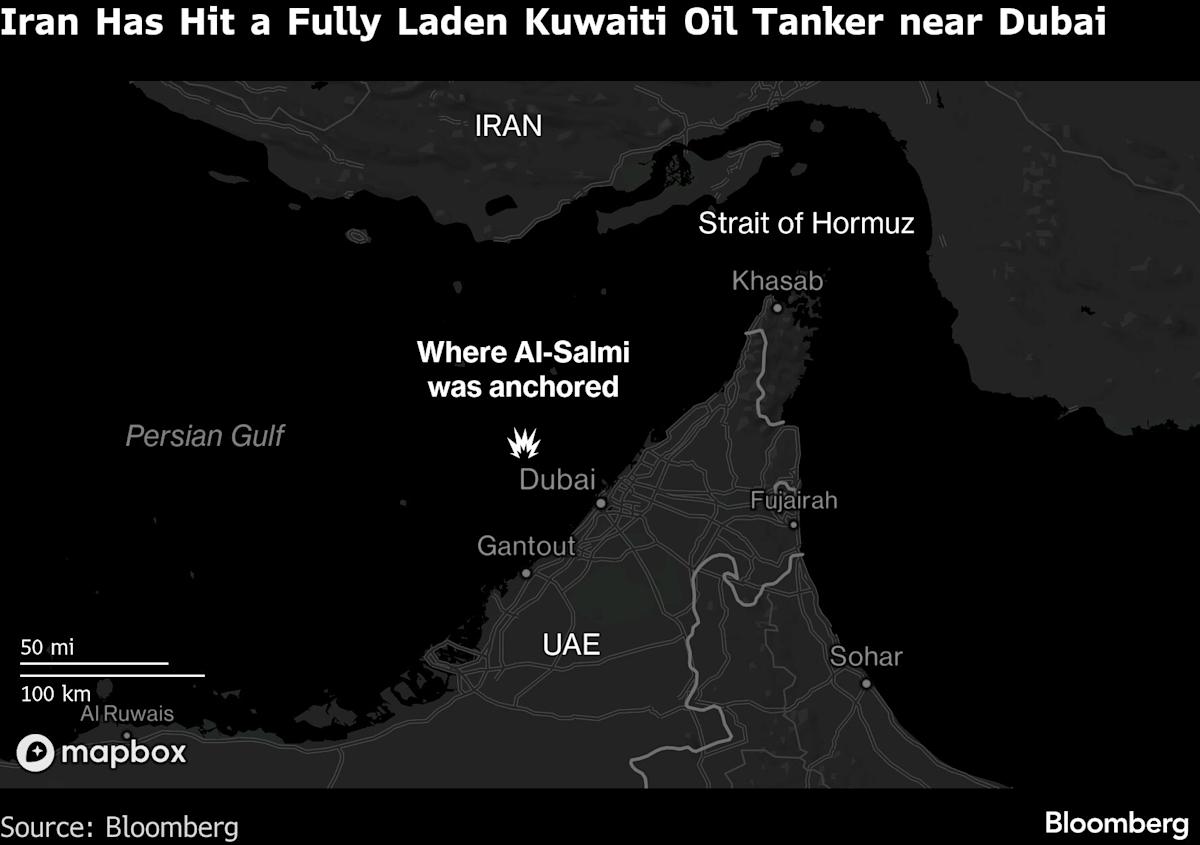
- Ongoing Conflict: The Iran war has entered its fifth week, with Tehran striking a fully laden Kuwaiti oil tanker, prompting firefighting operations in Dubai's port, although no injuries were reported, highlighting the conflict's expanding impact on maritime security.
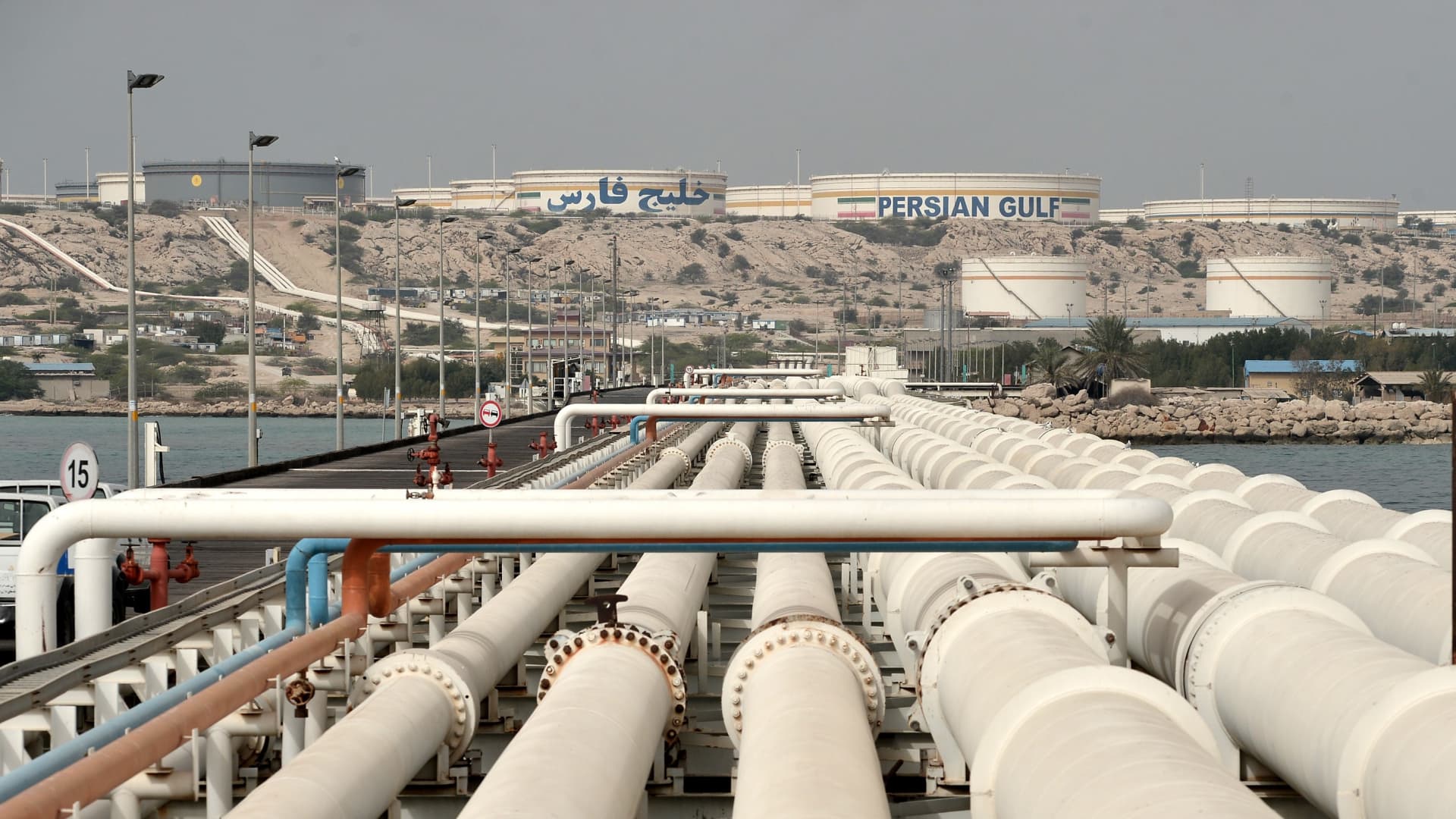
- Ground Troop Considerations: Trump is reportedly weighing the option of deploying ground forces to seize Kharg Island, a critical fuel hub, which could increase U.S. casualties and extend the war's duration and costs, raising concerns among experts about the potential consequences of such actions.

The Iran Conflict May Persist: Current Investment Opportunities for Success.


- Current Market Status: The Nasdaq is currently in a correction, having dropped over 10% from its recent highs.
- Bear Market Concerns: There are increasing fears that the Nasdaq may soon enter a bear market, defined as a decline of 20%.
- Wall Street Perspective: Despite the downturn, there is a common belief on Wall Street that opportunities for profit exist in other sectors.
- Market Sentiment: The overall sentiment reflects anxiety about the tech-heavy index's performance amidst potential further declines.

Locating Profitable Stocks During the Iran War Crisis


Current Market Status: The Nasdaq Composite is currently in a correction, having fallen over 10% from its recent highs.
Bear Market Concerns: There are increasing fears that the index may soon enter a bear market, defined as a decline of 20% or more.
Wall Street Perspective: Despite the downturn, the sentiment on Wall Street remains optimistic, suggesting that there are always opportunities for gains in other sectors.
Investment Outlook: Investors are encouraged to look for potential bull markets in different areas, even amidst the current challenges faced by the tech-heavy index.

Impact of Iran War on U.S. Economy Intensifies

- Strait of Hormuz Closure Risk: Iran's attacks on civilian ships and energy infrastructure have led to a near standstill in the Strait of Hormuz, threatening about 20% of global oil supply, and if not reopened within the next three weeks, energy prices could surge, putting pressure on the global economy.
- Oil Price Volatility: Brent crude futures have risen 36% since February 27, while Dubai crude prices have surged 76%, highlighting a significant disparity between paper prices and physical delivery prices, reflecting market concerns over future supply shortages.
- Strategic Reserve Release: The U.S. government plans to release 400 million barrels from its strategic oil reserves, the largest release on record, aimed at alleviating market pressure; however, analysts warn that the effectiveness of this measure will diminish by mid-April, potentially leading to soaring oil prices.
- Market Confidence Erosion: Despite a slight uptick in the S&P 500 amid optimism over Trump's delay of military action, the index fell 3.4% in subsequent days, indicating investor concerns about inflation and interest rate prospects, leading to a significant deterioration in market sentiment.
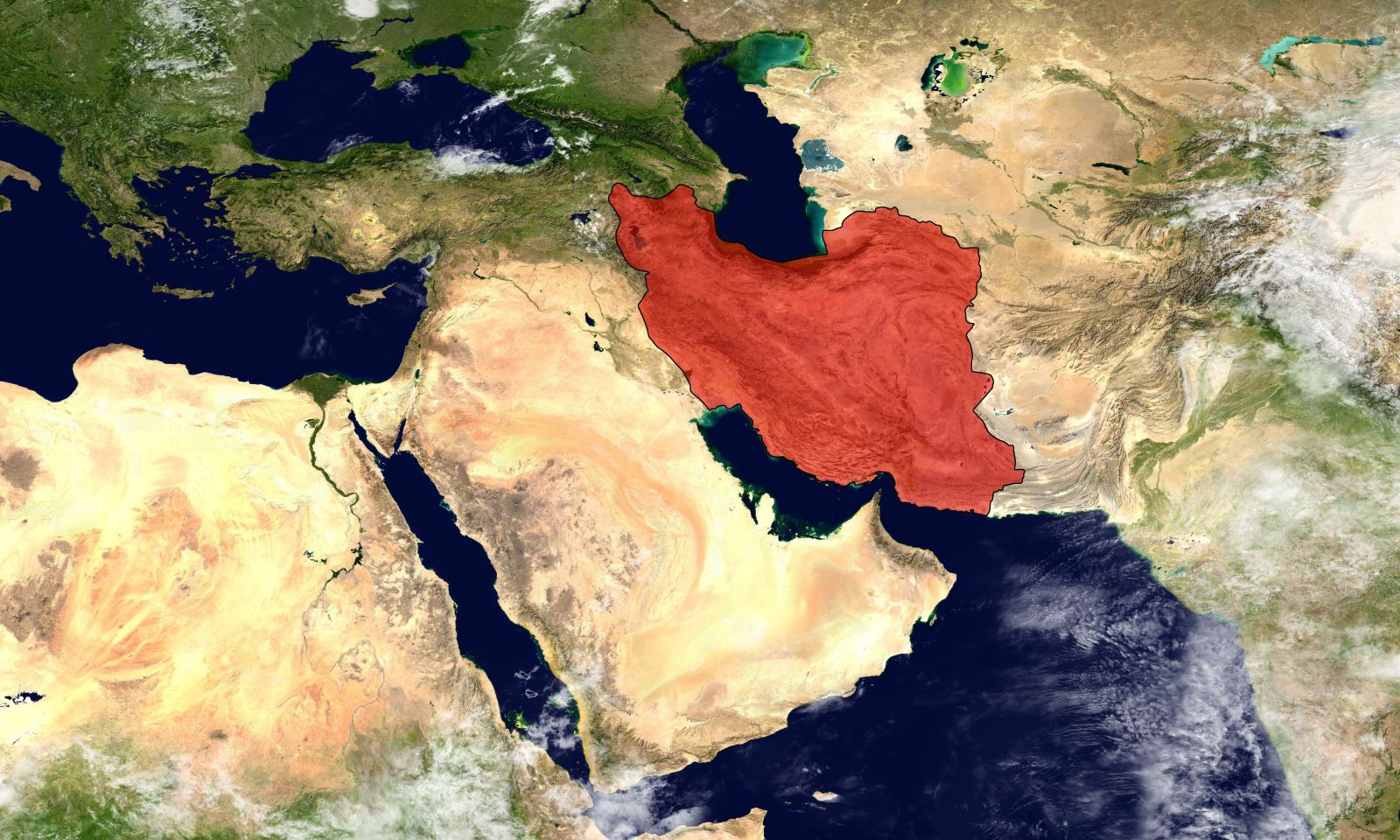
US Stocks Plunge as Oil Prices Surge Amid Iran Conflict


- Market Decline: The S&P 500 index fell by 1.67%, marking a 7-month low, while the Nasdaq 100 and Dow Jones Industrial Average dropped by 1.93% and 1.73%, respectively, indicating heightened concerns over economic slowdown.
- Oil Price Surge: WTI crude oil prices surged over 5% due to fears surrounding the Iran conflict, which not only exacerbates inflation expectations but may also compel the Federal Reserve to tighten monetary policy, impacting overall economic growth.
- Consumer Sentiment Drop: The University of Michigan's consumer sentiment index was revised down to 53.3 from 55.5, below the expected 54.0, reflecting a pessimistic outlook among consumers regarding future economic conditions, potentially suppressing consumer spending.
- Escalating US-China Trade Tensions: China launched investigations into US trade practices targeting restrictions on Chinese goods, which could further disrupt global supply chains and increase market uncertainty.

How Delta and United Navigate Challenges in the Airline Industry


- Delta Air Lines Performance: Delta Air Lines shares are down only 3% for the year, outperforming the S&P 500 despite industry challenges.
- Jet Fuel Price Impact: The airline is facing a significant 62% increase in jet fuel prices since February, which typically affects profitability.
- Industry Profit Estimates: There has been a general reduction in profit estimates across the airline industry, yet Delta's stock remains relatively stable.
- Unusual Market Behavior: The current performance of Delta's stock is noted as unusual for the airline industry, which is typically more volatile.
Trump Considers Ending War in Iran Amid Oil Price Fluctuations
- Oil Price Fluctuations: Oil prices reversed course as traders reacted to Trump's statements about potentially ending U.S. operations against Iran, with WTI futures dropping 0.72% to $102.14 per barrel and Brent crude falling 1% to $111.55, indicating market sensitivity to geopolitical risks.
- Escalating Military Threats: Trump threatened to attack Iran's energy infrastructure if Tehran does not reopen the Strait of Hormuz, which could escalate regional tensions and disrupt global energy supply chains, reflecting the precarious balance of power in the region.
- Ongoing Conflict: The Iran war has entered its fifth week, with Tehran striking a fully laden Kuwaiti oil tanker, prompting firefighting operations in Dubai's port, although no injuries were reported, highlighting the conflict's expanding impact on maritime security.
- Ground Troop Considerations: Trump is reportedly weighing the option of deploying ground forces to seize Kharg Island, a critical fuel hub, which could increase U.S. casualties and extend the war's duration and costs, raising concerns among experts about the potential consequences of such actions.
The Iran Conflict May Persist: Current Investment Opportunities for Success.
- Current Market Status: The Nasdaq is currently in a correction, having dropped over 10% from its recent highs.
- Bear Market Concerns: There are increasing fears that the Nasdaq may soon enter a bear market, defined as a decline of 20%.
- Wall Street Perspective: Despite the downturn, there is a common belief on Wall Street that opportunities for profit exist in other sectors.
- Market Sentiment: The overall sentiment reflects anxiety about the tech-heavy index's performance amidst potential further declines.
Locating Profitable Stocks During the Iran War Crisis
Current Market Status: The Nasdaq Composite is currently in a correction, having fallen over 10% from its recent highs.
Bear Market Concerns: There are increasing fears that the index may soon enter a bear market, defined as a decline of 20% or more.
Wall Street Perspective: Despite the downturn, the sentiment on Wall Street remains optimistic, suggesting that there are always opportunities for gains in other sectors.
Investment Outlook: Investors are encouraged to look for potential bull markets in different areas, even amidst the current challenges faced by the tech-heavy index.
Impact of Iran War on U.S. Economy Intensifies
- Strait of Hormuz Closure Risk: Iran's attacks on civilian ships and energy infrastructure have led to a near standstill in the Strait of Hormuz, threatening about 20% of global oil supply, and if not reopened within the next three weeks, energy prices could surge, putting pressure on the global economy.
- Oil Price Volatility: Brent crude futures have risen 36% since February 27, while Dubai crude prices have surged 76%, highlighting a significant disparity between paper prices and physical delivery prices, reflecting market concerns over future supply shortages.
- Strategic Reserve Release: The U.S. government plans to release 400 million barrels from its strategic oil reserves, the largest release on record, aimed at alleviating market pressure; however, analysts warn that the effectiveness of this measure will diminish by mid-April, potentially leading to soaring oil prices.
- Market Confidence Erosion: Despite a slight uptick in the S&P 500 amid optimism over Trump's delay of military action, the index fell 3.4% in subsequent days, indicating investor concerns about inflation and interest rate prospects, leading to a significant deterioration in market sentiment.
US Stocks Plunge as Oil Prices Surge Amid Iran Conflict
- Market Decline: The S&P 500 index fell by 1.67%, marking a 7-month low, while the Nasdaq 100 and Dow Jones Industrial Average dropped by 1.93% and 1.73%, respectively, indicating heightened concerns over economic slowdown.
- Oil Price Surge: WTI crude oil prices surged over 5% due to fears surrounding the Iran conflict, which not only exacerbates inflation expectations but may also compel the Federal Reserve to tighten monetary policy, impacting overall economic growth.
- Consumer Sentiment Drop: The University of Michigan's consumer sentiment index was revised down to 53.3 from 55.5, below the expected 54.0, reflecting a pessimistic outlook among consumers regarding future economic conditions, potentially suppressing consumer spending.
- Escalating US-China Trade Tensions: China launched investigations into US trade practices targeting restrictions on Chinese goods, which could further disrupt global supply chains and increase market uncertainty.
How Delta and United Navigate Challenges in the Airline Industry
- Delta Air Lines Performance: Delta Air Lines shares are down only 3% for the year, outperforming the S&P 500 despite industry challenges.
- Jet Fuel Price Impact: The airline is facing a significant 62% increase in jet fuel prices since February, which typically affects profitability.
- Industry Profit Estimates: There has been a general reduction in profit estimates across the airline industry, yet Delta's stock remains relatively stable.
- Unusual Market Behavior: The current performance of Delta's stock is noted as unusual for the airline industry, which is typically more volatile.