Novo Nordisk Launches Higher-Dose Wegovy HD
Written by Emily J. Thompson, Senior Investment Analyst
Updated: 2 days ago
0mins
Should l Buy NVO?
Novo Nordisk announced that it has made a higher-dose version of its blockbuster weight-loss drug Wegovy available across the United States, Reuters reports. The 7.2-milligram dose, branded as Wegovy HD, gained approval under the FDA Commissioner's National Priority Review Voucher program last month.
Trade with 70% Backtested Accuracy
Stop guessing "Should I Buy NVO?" and start using high-conviction signals backed by rigorous historical data.
Sign up today to access powerful investing tools and make smarter, data-driven decisions.
Analyst Views on NVO
Wall Street analysts forecast NVO stock price to rise
8 Analyst Rating
4 Buy
3 Hold
1 Sell
Moderate Buy
Current: 36.910

Low
42.00
Averages
54.67
High
70.00
Current: 36.910
Low
42.00
Averages
54.67
High
70.00
About NVO
Novo Nordisk A/S is a global healthcare company engaged in diabetes care. The Company is also engaged in the discovery, development, manufacturing and marketing of pharmaceutical products. The Company operates through two business segments: diabetes and obesity care, and biopharmaceuticals. The Company's diabetes and obesity care segment covers insulin, GLP-1, other protein-related products, such as glucagon, protein-related delivery systems and needles, and oral anti-diabetic drugs. The Company's biopharmaceuticals segment covers the therapy areas of hemophilia care, growth hormone therapy and hormone replacement therapy. The Company also offers Saxenda product to treat obesity. It offers a range of products, including NovoLog/NovoRapid; NovoLog Mix/NovoMix; Prandin/NovoNorm; NovoSeven; Norditropin, and Vagifem. As of December 31, 2016, it marketed its products in over 180 countries. Its regional structure consists of two commercial units: North America and International Operations.
About the author

Emily J. Thompson
Emily J. Thompson, a Chartered Financial Analyst (CFA) with 12 years in investment research, graduated with honors from the Wharton School. Specializing in industrial and technology stocks, she provides in-depth analysis for Intellectia’s earnings and market brief reports.

GLP-1 Drugs Drive Growth in U.S. Apparel Spending
- Surge in Apparel Demand: Approximately 80% of GLP-1 users anticipate needing new clothing due to size changes, with a Circana survey revealing that 55% of active users have already purchased new items, indicating a fresh wave of consumer spending in the apparel market.
- Significant Market Potential: Bernstein estimates that GLP-1 users could purchase between 150 million and 700 million apparel items due to weight loss, translating to an additional $13 billion in annual spending in the U.S. apparel sector, highlighting robust market demand.
- Brands Adapting to Change: Retailers like Stitch Fix have launched targeted marketing campaigns for weight loss users, with client mentions of weight loss requests tripling over the past two years, demonstrating brands' proactive adaptation to this emerging trend.
- Shift in Consumer Behavior: An increasing number of consumers are opting for more affordable clothing during their weight loss journey, with Destination XL's CEO noting that about 25% of their customers are using GLP-1 drugs, leading to a preference for cost-effective options.
See More
India's Low-Cost Drug Surge Disrupts Market Dynamics

- Market Share Shift: In India, Novo Nordisk's semaglutide has increased its share in the GLP-1 market from 25% to 33% in March, indicating that low-cost generics are rapidly reshaping market dynamics and undermining Eli Lilly's competitive edge.
- Sales Decline: Eli Lilly's Mounjaro saw its sales drop to 1.14 billion rupees ($12.3 million) in March from 1.35 billion rupees the previous month, highlighting the direct impact of generics on branded drug revenues.
- Intensifying Competition: Torrent Pharmaceuticals has emerged as the largest local competitor for semaglutide with an 8% market share, while Novo retains a dominant 70%, suggesting that the entry of generics will further intensify market competition.
- Patent Expiry Impact: As global patents expire, the Indian market serves as a critical case study for observing how generics can erode the dominance of branded drugs, with future price wars likely to have profound implications for Eli Lilly's market strategy.
See More

Indian Textile Industry Faces New Challenges Amid Iran War

- Export Decline: India's textile exports from April 2025 to February 2026 totaled $29.5 billion, a slight drop from $29.8 billion the previous year, indicating the fragility of recovery in an industry aiming for $100 billion in exports by 2030.
- Rising Costs: The Iran war has driven raw material and packaging costs up, with polyester prices increasing over 40% since the conflict began, complicating companies' ability to pass costs onto customers and impacting production and profitability.
- Weak Demand: Although tariff relief from the U.S. provided temporary respite, industry leaders warn that a prolonged war could dampen U.S. consumer demand, leading to declining sales and rising inventories, posing significant challenges for retailers.
- Production Cuts: Companies like Filatex have already reduced production by 25% and are awaiting demand recovery, with widespread concerns that failure to pass on costs could lead to larger-scale production cuts, further affecting employment and economic growth.
See More

Pharma Giants Compete: Novo Nordisk vs Eli Lilly
- Market Share Competition: Novo Nordisk faces competition in the U.S. GLP-1 drug market from Eli Lilly, which currently holds a 60% market share, leading to a decline in Novo's market position and impacting its future revenue growth potential.
- Product Innovation and Sales: Novo's oral Wegovy drug has been approved and shows rapid market uptake, with initial data indicating that 36% of users are new to GLP-1 drugs, potentially expanding the patient base and enhancing the company's competitiveness in the fast-growing weight loss drug market.
- Eli Lilly's Strong Performance: Eli Lilly achieved over $36 billion in revenue last year through Mounjaro and Zepbound, demonstrating robust growth in the weight loss drug market, and its newly approved oral drug Foundayo may further strengthen its market position.
- Investment and Future Outlook: While Novo's lower valuation may attract investors, Eli Lilly's strong performance in the oral GLP-1 market and the launch of new products could give it an edge in future market competition, affecting Novo's growth prospects.
See More

Pharma Giants Compete in Booming $100 Billion Market
- Market Size Forecast: Analysts predict that the weight loss drug market will reach nearly $100 billion by the end of the decade, indicating strong growth potential that attracts investor interest in leading companies' long-term prospects.
- Product Innovation Leadership: Novo Nordisk was the first to launch GLP-1 drugs, with soaring sales, particularly as early uptake of oral Wegovy exceeded 36%, suggesting potential to attract more patients and further drive revenue growth.
- Changing Competitive Landscape: Eli Lilly has successfully captured a 60% market share in the U.S. through heavy investments in manufacturing, with Mounjaro and Zepbound generating over $36 billion in revenue last year, showcasing strong market performance.
- Future Outlook: With the recent launch of Eli Lilly's oral weight loss drug Foundayo, competition is set to intensify, potentially impacting Novo Nordisk's market share and stock performance, prompting investors to closely monitor this dynamic.
See More
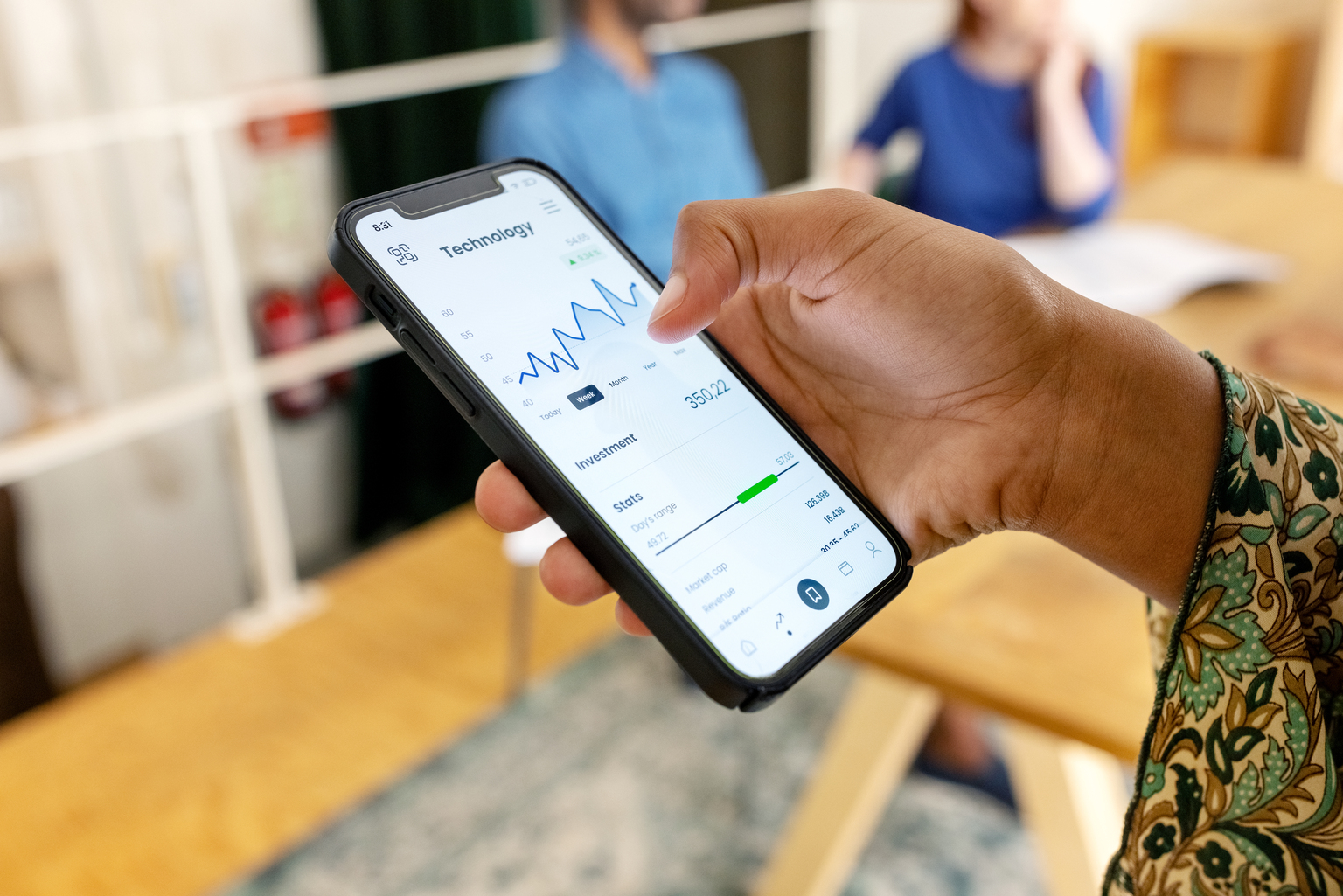
Analysts Upgrade AEO and TSLA Ratings Amid Market Pressures
- AEO Upgrade: Analyst Jay Capital upgraded American Eagle Outfitters (AEO) from Sell to Hold, citing a strong 23% comp growth in the Aerie brand and early signs of stabilization in the American Eagle brand, with the stock now fairly valued at 9.4x NTM P/E despite tariff pressures, indicating improved fundamentals.
- TSLA Upgrade: The Techie upgraded Tesla (TSLA) to Buy, believing that after a significant 21.5% year-to-date selloff, the risk-reward profile has become favorable, with international growth catalysts and long-term optionality in autonomy and energy positioning Tesla well for a rebound if geopolitical and tariff issues are resolved.
- NVO Downgrade: Analyst Terry Chrisomalis downgraded Novo Nordisk (NVO) from Buy to Sell due to Cagri Sema's clinical failure to outperform Eli Lilly's tirzepatide, alongside looming patent cliffs and intensifying GLP-1 competition, projecting a sales decline for 2026 and highlighting growth challenges.
- MSFT Downgrade: YR Research downgraded Microsoft (MSFT) to Hold, noting a 31% share drawdown, but emphasized that Microsoft is falling behind competitors like Google and Amazon in critical AI infrastructure areas, with significant headwinds from rapid competitor growth and hardware advancements, leading to market skepticism about re-rating the stock.
See More
GLP-1 Drugs Drive Growth in U.S. Apparel Spending
- Surge in Apparel Demand: Approximately 80% of GLP-1 users anticipate needing new clothing due to size changes, with a Circana survey revealing that 55% of active users have already purchased new items, indicating a fresh wave of consumer spending in the apparel market.
- Significant Market Potential: Bernstein estimates that GLP-1 users could purchase between 150 million and 700 million apparel items due to weight loss, translating to an additional $13 billion in annual spending in the U.S. apparel sector, highlighting robust market demand.
- Brands Adapting to Change: Retailers like Stitch Fix have launched targeted marketing campaigns for weight loss users, with client mentions of weight loss requests tripling over the past two years, demonstrating brands' proactive adaptation to this emerging trend.
- Shift in Consumer Behavior: An increasing number of consumers are opting for more affordable clothing during their weight loss journey, with Destination XL's CEO noting that about 25% of their customers are using GLP-1 drugs, leading to a preference for cost-effective options.
See More
India's Low-Cost Drug Surge Disrupts Market Dynamics
- Market Share Shift: In India, Novo Nordisk's semaglutide has increased its share in the GLP-1 market from 25% to 33% in March, indicating that low-cost generics are rapidly reshaping market dynamics and undermining Eli Lilly's competitive edge.
- Sales Decline: Eli Lilly's Mounjaro saw its sales drop to 1.14 billion rupees ($12.3 million) in March from 1.35 billion rupees the previous month, highlighting the direct impact of generics on branded drug revenues.
- Intensifying Competition: Torrent Pharmaceuticals has emerged as the largest local competitor for semaglutide with an 8% market share, while Novo retains a dominant 70%, suggesting that the entry of generics will further intensify market competition.
- Patent Expiry Impact: As global patents expire, the Indian market serves as a critical case study for observing how generics can erode the dominance of branded drugs, with future price wars likely to have profound implications for Eli Lilly's market strategy.
See More
Indian Textile Industry Faces New Challenges Amid Iran War
- Export Decline: India's textile exports from April 2025 to February 2026 totaled $29.5 billion, a slight drop from $29.8 billion the previous year, indicating the fragility of recovery in an industry aiming for $100 billion in exports by 2030.
- Rising Costs: The Iran war has driven raw material and packaging costs up, with polyester prices increasing over 40% since the conflict began, complicating companies' ability to pass costs onto customers and impacting production and profitability.
- Weak Demand: Although tariff relief from the U.S. provided temporary respite, industry leaders warn that a prolonged war could dampen U.S. consumer demand, leading to declining sales and rising inventories, posing significant challenges for retailers.
- Production Cuts: Companies like Filatex have already reduced production by 25% and are awaiting demand recovery, with widespread concerns that failure to pass on costs could lead to larger-scale production cuts, further affecting employment and economic growth.
See More
Pharma Giants Compete: Novo Nordisk vs Eli Lilly
- Market Share Competition: Novo Nordisk faces competition in the U.S. GLP-1 drug market from Eli Lilly, which currently holds a 60% market share, leading to a decline in Novo's market position and impacting its future revenue growth potential.
- Product Innovation and Sales: Novo's oral Wegovy drug has been approved and shows rapid market uptake, with initial data indicating that 36% of users are new to GLP-1 drugs, potentially expanding the patient base and enhancing the company's competitiveness in the fast-growing weight loss drug market.
- Eli Lilly's Strong Performance: Eli Lilly achieved over $36 billion in revenue last year through Mounjaro and Zepbound, demonstrating robust growth in the weight loss drug market, and its newly approved oral drug Foundayo may further strengthen its market position.
- Investment and Future Outlook: While Novo's lower valuation may attract investors, Eli Lilly's strong performance in the oral GLP-1 market and the launch of new products could give it an edge in future market competition, affecting Novo's growth prospects.
See More
Pharma Giants Compete in Booming $100 Billion Market
- Market Size Forecast: Analysts predict that the weight loss drug market will reach nearly $100 billion by the end of the decade, indicating strong growth potential that attracts investor interest in leading companies' long-term prospects.
- Product Innovation Leadership: Novo Nordisk was the first to launch GLP-1 drugs, with soaring sales, particularly as early uptake of oral Wegovy exceeded 36%, suggesting potential to attract more patients and further drive revenue growth.
- Changing Competitive Landscape: Eli Lilly has successfully captured a 60% market share in the U.S. through heavy investments in manufacturing, with Mounjaro and Zepbound generating over $36 billion in revenue last year, showcasing strong market performance.
- Future Outlook: With the recent launch of Eli Lilly's oral weight loss drug Foundayo, competition is set to intensify, potentially impacting Novo Nordisk's market share and stock performance, prompting investors to closely monitor this dynamic.
See More
Analysts Upgrade AEO and TSLA Ratings Amid Market Pressures
- AEO Upgrade: Analyst Jay Capital upgraded American Eagle Outfitters (AEO) from Sell to Hold, citing a strong 23% comp growth in the Aerie brand and early signs of stabilization in the American Eagle brand, with the stock now fairly valued at 9.4x NTM P/E despite tariff pressures, indicating improved fundamentals.
- TSLA Upgrade: The Techie upgraded Tesla (TSLA) to Buy, believing that after a significant 21.5% year-to-date selloff, the risk-reward profile has become favorable, with international growth catalysts and long-term optionality in autonomy and energy positioning Tesla well for a rebound if geopolitical and tariff issues are resolved.
- NVO Downgrade: Analyst Terry Chrisomalis downgraded Novo Nordisk (NVO) from Buy to Sell due to Cagri Sema's clinical failure to outperform Eli Lilly's tirzepatide, alongside looming patent cliffs and intensifying GLP-1 competition, projecting a sales decline for 2026 and highlighting growth challenges.
- MSFT Downgrade: YR Research downgraded Microsoft (MSFT) to Hold, noting a 31% share drawdown, but emphasized that Microsoft is falling behind competitors like Google and Amazon in critical AI infrastructure areas, with significant headwinds from rapid competitor growth and hardware advancements, leading to market skepticism about re-rating the stock.
See More