Netflix Stock Volatility and Long-Term Investment Value
Written by Emily J. Thompson, Senior Investment Analyst
Updated: 3 days ago
0mins

Should l Buy NFLX?
Source: Fool
- Strong Market Performance: Despite a 26% decline in Netflix's stock price over the past year, it has surged 847% over the last decade, indicating its potential for long-term investment and market recognition.
- Volatility Characteristics: With a beta value of 1.7, Netflix's stock exhibits significant volatility, requiring investors to possess patience to navigate the pressures of short-term market fluctuations.
- Historical Lessons: Reflecting on the 2011 Qwikster incident, Netflix managed to achieve over 8,000% long-term returns despite facing market skepticism, underscoring the importance of holding investments through uncertainty.
- Future Outlook: Although challenged by market saturation and limited growth prospects, analysts believe Netflix can still outperform the market in the next decade, with its current stock price offering a 26% discount from last summer's peak, presenting a compelling investment opportunity.
Trade with 70% Backtested Accuracy
Stop guessing "Should I Buy NFLX?" and start using high-conviction signals backed by rigorous historical data.
Sign up today to access powerful investing tools and make smarter, data-driven decisions.
Analyst Views on NFLX
Wall Street analysts forecast NFLX stock price to rise
38 Analyst Rating
27 Buy
10 Hold
1 Sell
Moderate Buy
Current: 102.050

Low
92.00
Averages
114.18
High
150.00
Current: 102.050
Low
92.00
Averages
114.18
High
150.00
About NFLX
Netflix, Inc. is a provider of entertainment services. The Company acquires, licenses and produces content, including original programming. It provides paid memberships in over 190 countries offering television (TV) series, films and games across a variety of genres and languages. It allows members to play, pause and resume watching as much as they want, anytime, anywhere, and can change their plans at any time. The Company offers members the ability to receive streaming content through a host of Internet-connected devices, including TVs, digital video players, TV set-top boxes and mobile devices. It is engaged in scaling its streaming service, such as introducing games and advertising on its service, as well as offering live programming. It is developing technology and utilizing third-party cloud computing, technology and other services. The Company is also engaged in scaling its own studio operations to produce original content.
About the author

Emily J. Thompson
Emily J. Thompson, a Chartered Financial Analyst (CFA) with 12 years in investment research, graduated with honors from the Wharton School. Specializing in industrial and technology stocks, she provides in-depth analysis for Intellectia’s earnings and market brief reports.

Earnings Season Kicks Off Amid Investor Anticipation

- Earnings Wave: This week, 27 S&P 500 companies, including banking giants like JPMorgan Chase and Goldman Sachs, are set to report earnings, and despite the tense situation in the Middle East, analysts expect a strong earnings season with S&P 500 first-quarter profits projected to grow 13% year-over-year, marking the sixth consecutive quarter of double-digit profit growth.
- Goldman Sachs Forecast: Goldman Sachs is expected to report earnings on Monday, with analysts forecasting double-digit earnings and revenue growth driven by strong performance in equities trading, asset, and wealth management units, and historical data shows the bank beats profit expectations 87% of the time.
- Johnson & Johnson Momentum: Johnson & Johnson is set to report earnings on Tuesday, and while its earnings per share are expected to decline slightly year-over-year, the stock has risen 15% year-to-date, prompting analysts to watch for potential stock price boosts post-report, with a historical 95% success rate in beating earnings expectations.
- Morgan Stanley Growth Outlook: Morgan Stanley is scheduled to report earnings on Thursday, with analysts predicting a roughly 15% year-on-year growth in earnings, primarily benefiting from its wealth management division, and historical data indicates the firm has beaten earnings expectations in every quarter since early 2023.
See More
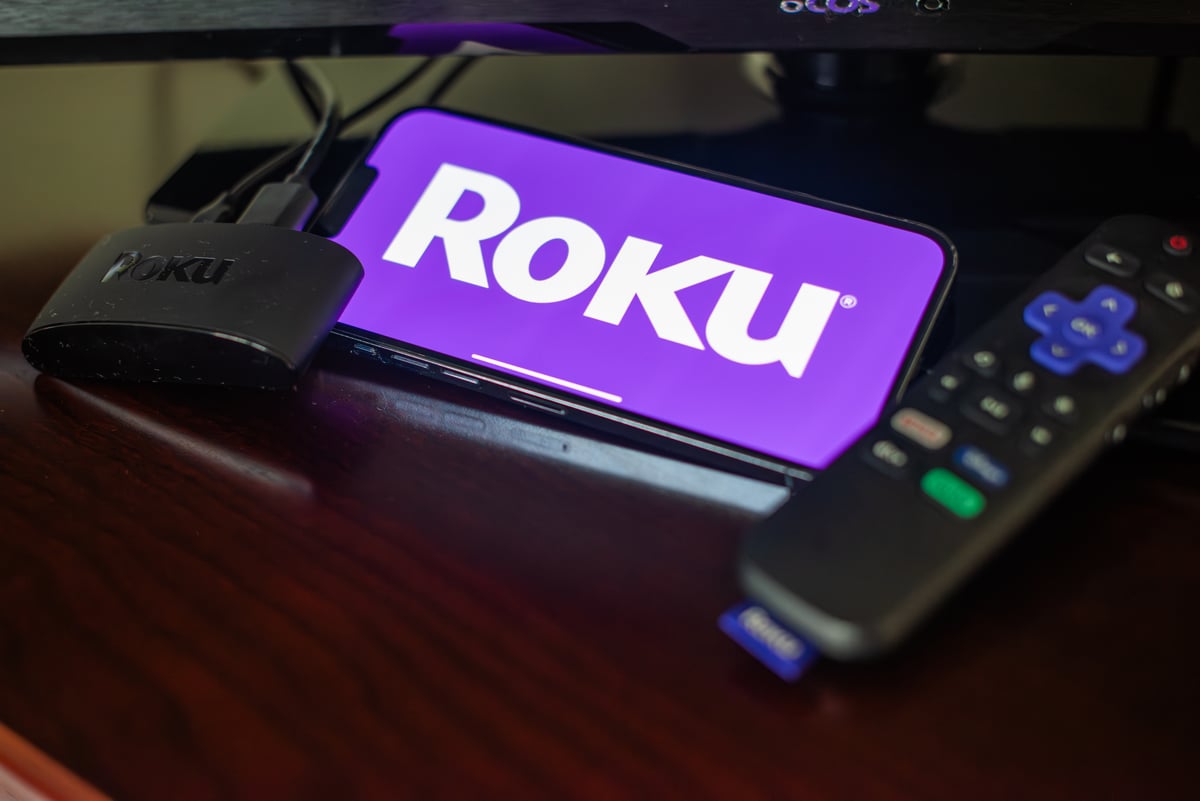
Impact of Netflix Price Hike on Roku's Business
- Netflix Stock Performance: Over the past two decades, Netflix's shares have surged nearly 26,000%, driven by ongoing subscriber growth and robust revenue and profit increases, showcasing its strong pricing power in the streaming market.
- Pricing Strategy: Netflix recently raised prices for U.S. customers by $1 to $2, believing that the value of its content justifies this strategy, thereby enhancing its profitability and potentially impacting Roku's advertising revenue.
- Roku Advertising Revenue Potential: Roku's advertising segment accounted for 87% of its total revenue in 2025, and Netflix's price hike may lead more subscribers to opt for the cheaper ad-supported tier, providing Roku with additional advertising revenue.
- Market Outlook Analysis: While Netflix's pricing adjustments may have a limited impact on Roku's financial situation, Roku's strong position in the streaming industry and its growing viewer base provide a solid foundation for future advertising revenue growth.
See More

Impact of Netflix Price Hike on Roku
- Netflix Pricing Strategy: Netflix has raised subscription prices by $1 to $2 in the U.S., showcasing its strong pricing power, which is expected to further drive revenue growth, although this may push some users towards cheaper ad-supported tiers.
- Roku Advertising Revenue Potential: With 87% of its total revenue coming from advertising, Roku stands to gain additional ad revenue as Netflix's price hike may lead more users to opt for ad-supported streaming services, enhancing its market competitiveness.
- User Behavior Shift: Over 60% of consumers feel overwhelmed by streaming options, and Roku's platform aggregates various subscriptions, meaning Netflix's price increase could lead users to spend more time on The Roku Channel, boosting viewership and ad revenue.
- Investment Opportunity Analysis: Roku's shares are currently trading 79% below their peak, and given the ongoing growth in the streaming industry, investors may consider buying Roku stock now for potential higher returns in the future.
See More
Analysis of Netflix's Hidden Liabilities

- Hidden Liabilities Revealed: Netflix's balance sheet shows about $14.5 billion in debt, but the $7.4 billion in stock options not accounted for makes the capital structure appear heavier, potentially impacting investor confidence.
- Value of Stock Options: As of year-end, Netflix had approximately 127.7 million vested stock options with an average exercise price of $36.07, while the current stock price hovers near $100, creating a potential value of $7.4 billion that indicates future economic burdens on the company.
- Accounting Treatment Controversy: While stock options are treated as compensation and dilution in accounting, some valuation models, like UBS's HOLT model, consider them as debt, which could significantly increase Netflix's leverage ratio and affect assessments of its financial health.
- Market Reaction Potential: As scrutiny on stock-based compensation intensifies, investors may reassess Netflix's financial situation; if stock compensation is viewed as a hard obligation, it could negatively impact its stock price.
See More

Netflix Price Hike Addresses Rising Content Costs

- Subscription Fee Increase: Netflix raised prices across its ad-supported, standard, and premium tiers last month, which is expected to generate additional revenue and alleviate concerns about rising content costs, projected to increase by 10% in 2026.
- Changing Competitive Landscape: Since launching streaming services in 2007, Netflix has faced fierce competition from Amazon, Disney, and others, necessitating continuous content innovation to maintain market share, particularly in sports, concerts, and video podcasts.
- Cash Flow Management: Netflix aims to use the new subscription revenue to cover content expenses, avoiding a return to heavy debt reliance, thereby enhancing investor confidence in the company's financial health and operational sustainability.
- Future Earnings Report Focus: Investors will focus on Netflix's upcoming Q1 2026 earnings report due on April 16, with particular attention to revenue growth, ad sales, and free cash flow to assess the company's performance in content development and subscriber retention.
See More

Netflix Raises Prices to Offset Content Costs
- Membership Price Increase: Netflix recently raised prices across its ad-supported, standard, and premium membership plans, which is expected to boost revenue and alleviate investor concerns regarding the company's expanding content budget.
- Content Spending Plans: The company plans to significantly increase content spending in 2026, with content costs projected to rise by 10%, driving Netflix to seek unique content to stand out in the highly competitive streaming market.
- Revenue Growth Expectations: While the price hikes may lead to some user drop-offs or downgrades, the anticipated revenue increase should help the company cover content costs through cash flow, avoiding a return to significant debt levels.
- Future Earnings Report Focus: Investors will focus on revenue growth, ad sales, and free cash flow in Netflix's upcoming earnings report due on April 16, 2026, to assess the company's performance in content development and user satisfaction.
See More
Earnings Season Kicks Off Amid Investor Anticipation
- Earnings Wave: This week, 27 S&P 500 companies, including banking giants like JPMorgan Chase and Goldman Sachs, are set to report earnings, and despite the tense situation in the Middle East, analysts expect a strong earnings season with S&P 500 first-quarter profits projected to grow 13% year-over-year, marking the sixth consecutive quarter of double-digit profit growth.
- Goldman Sachs Forecast: Goldman Sachs is expected to report earnings on Monday, with analysts forecasting double-digit earnings and revenue growth driven by strong performance in equities trading, asset, and wealth management units, and historical data shows the bank beats profit expectations 87% of the time.
- Johnson & Johnson Momentum: Johnson & Johnson is set to report earnings on Tuesday, and while its earnings per share are expected to decline slightly year-over-year, the stock has risen 15% year-to-date, prompting analysts to watch for potential stock price boosts post-report, with a historical 95% success rate in beating earnings expectations.
- Morgan Stanley Growth Outlook: Morgan Stanley is scheduled to report earnings on Thursday, with analysts predicting a roughly 15% year-on-year growth in earnings, primarily benefiting from its wealth management division, and historical data indicates the firm has beaten earnings expectations in every quarter since early 2023.
See More
Impact of Netflix Price Hike on Roku's Business
- Netflix Stock Performance: Over the past two decades, Netflix's shares have surged nearly 26,000%, driven by ongoing subscriber growth and robust revenue and profit increases, showcasing its strong pricing power in the streaming market.
- Pricing Strategy: Netflix recently raised prices for U.S. customers by $1 to $2, believing that the value of its content justifies this strategy, thereby enhancing its profitability and potentially impacting Roku's advertising revenue.
- Roku Advertising Revenue Potential: Roku's advertising segment accounted for 87% of its total revenue in 2025, and Netflix's price hike may lead more subscribers to opt for the cheaper ad-supported tier, providing Roku with additional advertising revenue.
- Market Outlook Analysis: While Netflix's pricing adjustments may have a limited impact on Roku's financial situation, Roku's strong position in the streaming industry and its growing viewer base provide a solid foundation for future advertising revenue growth.
See More
Impact of Netflix Price Hike on Roku
- Netflix Pricing Strategy: Netflix has raised subscription prices by $1 to $2 in the U.S., showcasing its strong pricing power, which is expected to further drive revenue growth, although this may push some users towards cheaper ad-supported tiers.
- Roku Advertising Revenue Potential: With 87% of its total revenue coming from advertising, Roku stands to gain additional ad revenue as Netflix's price hike may lead more users to opt for ad-supported streaming services, enhancing its market competitiveness.
- User Behavior Shift: Over 60% of consumers feel overwhelmed by streaming options, and Roku's platform aggregates various subscriptions, meaning Netflix's price increase could lead users to spend more time on The Roku Channel, boosting viewership and ad revenue.
- Investment Opportunity Analysis: Roku's shares are currently trading 79% below their peak, and given the ongoing growth in the streaming industry, investors may consider buying Roku stock now for potential higher returns in the future.
See More
Analysis of Netflix's Hidden Liabilities
- Hidden Liabilities Revealed: Netflix's balance sheet shows about $14.5 billion in debt, but the $7.4 billion in stock options not accounted for makes the capital structure appear heavier, potentially impacting investor confidence.
- Value of Stock Options: As of year-end, Netflix had approximately 127.7 million vested stock options with an average exercise price of $36.07, while the current stock price hovers near $100, creating a potential value of $7.4 billion that indicates future economic burdens on the company.
- Accounting Treatment Controversy: While stock options are treated as compensation and dilution in accounting, some valuation models, like UBS's HOLT model, consider them as debt, which could significantly increase Netflix's leverage ratio and affect assessments of its financial health.
- Market Reaction Potential: As scrutiny on stock-based compensation intensifies, investors may reassess Netflix's financial situation; if stock compensation is viewed as a hard obligation, it could negatively impact its stock price.
See More
Netflix Price Hike Addresses Rising Content Costs
- Subscription Fee Increase: Netflix raised prices across its ad-supported, standard, and premium tiers last month, which is expected to generate additional revenue and alleviate concerns about rising content costs, projected to increase by 10% in 2026.
- Changing Competitive Landscape: Since launching streaming services in 2007, Netflix has faced fierce competition from Amazon, Disney, and others, necessitating continuous content innovation to maintain market share, particularly in sports, concerts, and video podcasts.
- Cash Flow Management: Netflix aims to use the new subscription revenue to cover content expenses, avoiding a return to heavy debt reliance, thereby enhancing investor confidence in the company's financial health and operational sustainability.
- Future Earnings Report Focus: Investors will focus on Netflix's upcoming Q1 2026 earnings report due on April 16, with particular attention to revenue growth, ad sales, and free cash flow to assess the company's performance in content development and subscriber retention.
See More
Netflix Raises Prices to Offset Content Costs
- Membership Price Increase: Netflix recently raised prices across its ad-supported, standard, and premium membership plans, which is expected to boost revenue and alleviate investor concerns regarding the company's expanding content budget.
- Content Spending Plans: The company plans to significantly increase content spending in 2026, with content costs projected to rise by 10%, driving Netflix to seek unique content to stand out in the highly competitive streaming market.
- Revenue Growth Expectations: While the price hikes may lead to some user drop-offs or downgrades, the anticipated revenue increase should help the company cover content costs through cash flow, avoiding a return to significant debt levels.
- Future Earnings Report Focus: Investors will focus on revenue growth, ad sales, and free cash flow in Netflix's upcoming earnings report due on April 16, 2026, to assess the company's performance in content development and user satisfaction.
See More