Morgan Stanley Expects Apple Q2 Earnings to Exceed Expectations
Written by Emily J. Thompson, Senior Investment Analyst
Updated: 2 days ago
0mins
Should l Buy AAPL?
Morgan Stanley notes memory inflation will pressure Apple margins, but call this "well-known" and expects gross margin downside to be more than offset by revenue upside in the June quarter guidance. All of this is seen making "for a better than feared earnings and a clearing event into WWDC this June and the iPhone launch in September," the analyst tells investors in a preview of the company's fiscal Q2 report. For the June quarter, the firm is 5% above Street revenue estimates, but 170 basis points below Street gross margin forecasts, leading to largely in-line EPS estimate of $1.74, adds the analyst, who has an Overweight rating and $315 price target on Apple shares.
Trade with 70% Backtested Accuracy
Stop guessing "Should I Buy AAPL?" and start using high-conviction signals backed by rigorous historical data.
Sign up today to access powerful investing tools and make smarter, data-driven decisions.
Analyst Views on AAPL
Wall Street analysts forecast AAPL stock price to rise
27 Analyst Rating
17 Buy
9 Hold
1 Sell
Moderate Buy
Current: 273.170

Low
239.00
Averages
306.89
High
350.00
Current: 273.170
Low
239.00
Averages
306.89
High
350.00
About AAPL
Apple Inc. designs, manufactures and markets smartphones, personal computers, tablets, wearables and accessories, and sells a variety of related services. Its product categories include iPhone, Mac, iPad, and Wearables, Home and Accessories. Its software platforms include iOS, iPadOS, macOS, watchOS, visionOS, and tvOS. Its services include advertising, AppleCare, cloud services, digital content and payment services. The Company operates various platforms, including the App Store, that allow customers to discover and download applications and digital content, such as books, music, video, games and podcasts. It also offers digital content through subscription-based services, including Apple Arcade, Apple Fitness+, Apple Music, Apple News+, and Apple TV+. Its products include iPhone 16 Pro, iPhone 16, iPhone 15, iPhone 14, iPhone SE, MacBook Air, MacBook Pro, iMac, Mac mini, Mac Studio, Mac Pro, iPad Pro, iPad Air, AirPods, AirPods Pro, AirPods Max, Apple TV, Apple Vision Pro and others.
About the author

Emily J. Thompson
Emily J. Thompson, a Chartered Financial Analyst (CFA) with 12 years in investment research, graduated with honors from the Wharton School. Specializing in industrial and technology stocks, she provides in-depth analysis for Intellectia’s earnings and market brief reports.

SpaceX and Others Set to Launch Historic IPOs Amid Unprecedented Losses


- IPO Market Outlook: SpaceX, OpenAI, and Anthropic are projected to create a combined market value of $3 trillion, despite all three being unprofitable, which is unprecedented in U.S. IPO history and could significantly impact investor confidence in high-growth tech stocks.
- Profitability Challenges: SpaceX reported a nearly $5 billion loss on over $18.6 billion in revenue last year, highlighting severe profitability challenges, while OpenAI and Anthropic are also preparing for IPOs without profitability, potentially affecting investor decisions.
- Concentration Risk: The planned IPOs of these three companies may exacerbate market concentration risks, especially given that the so-called Magnificent Seven already account for about one-third of the S&P 500 index weight, leading to potential over-reliance on tech stocks by investors.
- Profitability Threshold Impact: According to S&P Dow Jones Indices, companies must achieve four consecutive quarters of profit to be considered for inclusion in the S&P 500, meaning SpaceX, OpenAI, and Anthropic may face years without structural buying support, impacting their long-term stock performance.
See More

Michael Burry Bets on PayPal and Other Software Stocks


- PayPal Investment: Michael Burry has initiated a 3.5% position in PayPal, which has fallen below $50 per share due to AI concerns; however, its prudent stock-based compensation policy and discounted valuation make it attractive in the competitive digital payments market.
- Salesforce Outlook: Burry plans to increase his stake in Salesforce, which has dropped nearly 30% this year, yet its 23% share of the global CRM market and AI-driven Agentforce product provide a competitive edge, with the stock currently trading at 14 times forward earnings.
- MSCI Potential: Burry also intends to buy MSCI, which has risen 6% this year; despite facing AI competition in financial research tools, its current price-to-earnings ratio of 31 is below the five-year average, indicating potential value.
- Market Dynamics Analysis: Burry views the recent sell-off in software stocks as a
See More
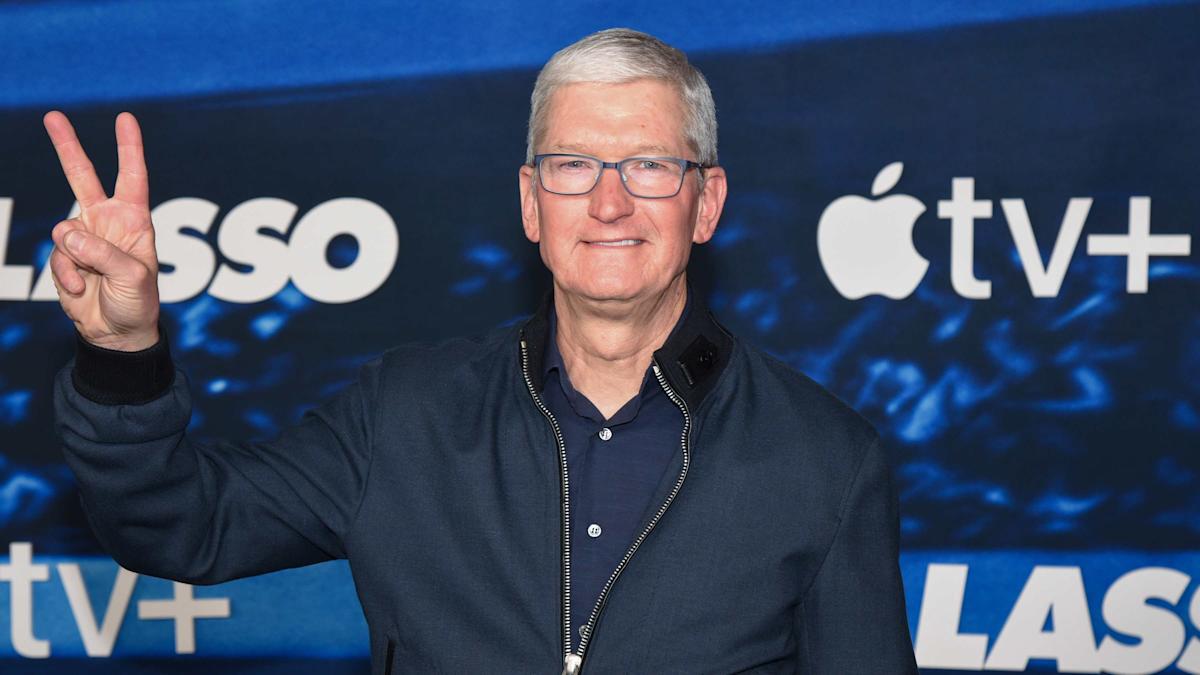
Tim Cook Announces Resignation as Apple CEO

- Cook's Resignation Context: Tim Cook announced his resignation as Apple CEO effective September 1, with longtime insider John Ternus taking over, marking a significant transition after 15 years at the helm and reflecting a broader trend of executive turnover.
- CEO Transition Trends: Data from Russell Reynolds indicates that 77 new CEOs were appointed across 13 indexes in Q1 2026, the highest total since at least 2018, highlighting increasing executive mobility, particularly as CEO departures hit a record high in 2025.
- Executive Tenure Changes: The average tenure of outgoing CEOs in the U.S. rose sharply from 8.3 years in 2025 to 11.8 years, according to Russell Reynolds, suggesting a growing stability among executives while also indicating pressures for change within industries.
- Industry Influencing Factors: The reshaping of corporate environments by AI and shifts in labor market expectations have led many executives, after navigating economic challenges from the financial crisis, the COVID-19 pandemic, and significant inflation, to opt for resignation, reflecting a cautious outlook on future challenges.
See More

Norway's Sovereign Wealth Fund Reports Q1 Loss of $68.44 Billion

- Quarterly Loss Overview: Norway's sovereign wealth fund reported a first-quarter loss of 636 billion Norwegian crowns (approximately $68.44 billion), primarily due to the impact of the Middle East war on global stock markets, reflecting the challenging market environment.
- Investment Return Analysis: The fund posted a negative return of 1.9% for the January-March period, although it outperformed its benchmark index by 0.01 percentage points, indicating relative resilience under adverse market conditions.
- Asset Class Performance: Equity investments saw a negative return of 2.6%, fixed income declined by 0.2%, while unlisted real estate rose by 1.2%, and unlisted renewable energy infrastructure fell by 1.9%, showcasing volatility across different asset classes.
- Holding Composition: As of early 2026, the fund held its largest stakes in over 7,000 companies globally, primarily in major tech firms like Nvidia, Apple, and Microsoft, highlighting the sensitivity of its portfolio to fluctuations in U.S. tech stocks.
See More

Apple Appoints New CEO as AI Strategy Faces Scrutiny
- New CEO Appointment: Apple has appointed John Ternus, head of its hardware division, as the new CEO effective September 1, marking a significant leadership change that is expected to influence future strategic direction and decision-making efficiency.
- AI Strategy Challenges: Despite facing criticism from users and investors regarding delays in AI feature rollouts compared to competitors, analysts believe these concerns may be overstated, as Apple retains the ability to steadily advance its AI initiatives within its ecosystem.
- iPhone Ecosystem Advantage: With over 2 billion users globally, Apple devices have solidified their core role in users' daily lives, particularly as the iPhone 17 series has driven sales growth and enhanced interaction with AI services.
- Earnings Report Outlook: Apple's upcoming Q2 earnings report, scheduled for next Thursday, is expected to show a 15% year-over-year sales increase to $109.7 billion and an 18% profit rise to $1.95 per share, marking the first earnings call for new CEO Ternus, which adds significant importance to the event.
See More

U.S. Stocks Rise, Nasdaq Hits Record High


- Nasdaq Hits Record High: The Nasdaq 100 rose by 1.73%, reaching a new record high, reflecting strong investor confidence in tech stocks, particularly driven by robust corporate earnings, which may attract further investment in the tech sector.
- Earnings Beat Expectations: Companies like GE, Boeing, and Masco reported Q1 revenues of $9.34 billion, negative $1.45 billion, and $1.92 billion respectively, all exceeding market expectations, which boosted overall market sentiment and indicated signs of economic recovery.
- Oil Price Surge Affects Markets: WTI crude oil prices rose over 3% due to the blockade of the Strait of Hormuz, potentially exacerbating the global energy crisis and influencing market inflation expectations, thereby affecting investor risk appetite.
- Mortgage Applications Increase: U.S. MBA mortgage applications rose by 7.9% in the week ending April 17, with the purchase mortgage sub-index up 10.1%, indicating a rebound in housing demand that could positively impact the real estate market.
See More
SpaceX and Others Set to Launch Historic IPOs Amid Unprecedented Losses
- IPO Market Outlook: SpaceX, OpenAI, and Anthropic are projected to create a combined market value of $3 trillion, despite all three being unprofitable, which is unprecedented in U.S. IPO history and could significantly impact investor confidence in high-growth tech stocks.
- Profitability Challenges: SpaceX reported a nearly $5 billion loss on over $18.6 billion in revenue last year, highlighting severe profitability challenges, while OpenAI and Anthropic are also preparing for IPOs without profitability, potentially affecting investor decisions.
- Concentration Risk: The planned IPOs of these three companies may exacerbate market concentration risks, especially given that the so-called Magnificent Seven already account for about one-third of the S&P 500 index weight, leading to potential over-reliance on tech stocks by investors.
- Profitability Threshold Impact: According to S&P Dow Jones Indices, companies must achieve four consecutive quarters of profit to be considered for inclusion in the S&P 500, meaning SpaceX, OpenAI, and Anthropic may face years without structural buying support, impacting their long-term stock performance.
See More
Michael Burry Bets on PayPal and Other Software Stocks
- PayPal Investment: Michael Burry has initiated a 3.5% position in PayPal, which has fallen below $50 per share due to AI concerns; however, its prudent stock-based compensation policy and discounted valuation make it attractive in the competitive digital payments market.
- Salesforce Outlook: Burry plans to increase his stake in Salesforce, which has dropped nearly 30% this year, yet its 23% share of the global CRM market and AI-driven Agentforce product provide a competitive edge, with the stock currently trading at 14 times forward earnings.
- MSCI Potential: Burry also intends to buy MSCI, which has risen 6% this year; despite facing AI competition in financial research tools, its current price-to-earnings ratio of 31 is below the five-year average, indicating potential value.
- Market Dynamics Analysis: Burry views the recent sell-off in software stocks as a
See More
Tim Cook Announces Resignation as Apple CEO
- Cook's Resignation Context: Tim Cook announced his resignation as Apple CEO effective September 1, with longtime insider John Ternus taking over, marking a significant transition after 15 years at the helm and reflecting a broader trend of executive turnover.
- CEO Transition Trends: Data from Russell Reynolds indicates that 77 new CEOs were appointed across 13 indexes in Q1 2026, the highest total since at least 2018, highlighting increasing executive mobility, particularly as CEO departures hit a record high in 2025.
- Executive Tenure Changes: The average tenure of outgoing CEOs in the U.S. rose sharply from 8.3 years in 2025 to 11.8 years, according to Russell Reynolds, suggesting a growing stability among executives while also indicating pressures for change within industries.
- Industry Influencing Factors: The reshaping of corporate environments by AI and shifts in labor market expectations have led many executives, after navigating economic challenges from the financial crisis, the COVID-19 pandemic, and significant inflation, to opt for resignation, reflecting a cautious outlook on future challenges.
See More
Norway's Sovereign Wealth Fund Reports Q1 Loss of $68.44 Billion
- Quarterly Loss Overview: Norway's sovereign wealth fund reported a first-quarter loss of 636 billion Norwegian crowns (approximately $68.44 billion), primarily due to the impact of the Middle East war on global stock markets, reflecting the challenging market environment.
- Investment Return Analysis: The fund posted a negative return of 1.9% for the January-March period, although it outperformed its benchmark index by 0.01 percentage points, indicating relative resilience under adverse market conditions.
- Asset Class Performance: Equity investments saw a negative return of 2.6%, fixed income declined by 0.2%, while unlisted real estate rose by 1.2%, and unlisted renewable energy infrastructure fell by 1.9%, showcasing volatility across different asset classes.
- Holding Composition: As of early 2026, the fund held its largest stakes in over 7,000 companies globally, primarily in major tech firms like Nvidia, Apple, and Microsoft, highlighting the sensitivity of its portfolio to fluctuations in U.S. tech stocks.
See More
Apple Appoints New CEO as AI Strategy Faces Scrutiny
- New CEO Appointment: Apple has appointed John Ternus, head of its hardware division, as the new CEO effective September 1, marking a significant leadership change that is expected to influence future strategic direction and decision-making efficiency.
- AI Strategy Challenges: Despite facing criticism from users and investors regarding delays in AI feature rollouts compared to competitors, analysts believe these concerns may be overstated, as Apple retains the ability to steadily advance its AI initiatives within its ecosystem.
- iPhone Ecosystem Advantage: With over 2 billion users globally, Apple devices have solidified their core role in users' daily lives, particularly as the iPhone 17 series has driven sales growth and enhanced interaction with AI services.
- Earnings Report Outlook: Apple's upcoming Q2 earnings report, scheduled for next Thursday, is expected to show a 15% year-over-year sales increase to $109.7 billion and an 18% profit rise to $1.95 per share, marking the first earnings call for new CEO Ternus, which adds significant importance to the event.
See More
U.S. Stocks Rise, Nasdaq Hits Record High
- Nasdaq Hits Record High: The Nasdaq 100 rose by 1.73%, reaching a new record high, reflecting strong investor confidence in tech stocks, particularly driven by robust corporate earnings, which may attract further investment in the tech sector.
- Earnings Beat Expectations: Companies like GE, Boeing, and Masco reported Q1 revenues of $9.34 billion, negative $1.45 billion, and $1.92 billion respectively, all exceeding market expectations, which boosted overall market sentiment and indicated signs of economic recovery.
- Oil Price Surge Affects Markets: WTI crude oil prices rose over 3% due to the blockade of the Strait of Hormuz, potentially exacerbating the global energy crisis and influencing market inflation expectations, thereby affecting investor risk appetite.
- Mortgage Applications Increase: U.S. MBA mortgage applications rose by 7.9% in the week ending April 17, with the purchase mortgage sub-index up 10.1%, indicating a rebound in housing demand that could positively impact the real estate market.
See More