MKBHD Praises Tesla Model Y Performance, Calls FSD Technology 'The Best'
Written by Emily J. Thompson, Senior Investment Analyst
Updated: Jan 17 2026
0mins


Should l Buy TSLA?
Source: Yahoo Finance
- Software Excellence: In his review of the Tesla Model Y Performance, MKBHD praised the 16-inch touchscreen software as 'the best,' although he noted the need for physical buttons to enhance user experience, highlighting Tesla's leadership in automotive software.
- Self-Driving Technology Praise: He described Tesla's self-driving technology as 'the best I've ever tried,' which not only boosts consumer confidence in Tesla but may also attract more users to its electric vehicles.
- FSD Subscription Model: CEO Elon Musk announced that the Full Self-Driving (FSD) service will be available as a $99/month subscription starting next month, a move that could drive technology adoption but raises concerns among experts about Tesla's fading technological edge.
- Strong Model Y Sales: According to Cox Automotive, the Model Y became the best-selling EV in the U.S. market in 2025, with over 93,000 units sold in Q4 and cumulative sales exceeding 357,528 units, demonstrating Tesla's robust performance in the electric vehicle market.
Trade with 70% Backtested Accuracy
Stop guessing "Should I Buy TSLA?" and start using high-conviction signals backed by rigorous historical data.
Sign up today to access powerful investing tools and make smarter, data-driven decisions.
Analyst Views on TSLA
Wall Street analysts forecast TSLA stock price to rise
30 Analyst Rating
12 Buy
11 Hold
7 Sell
Hold
Current: 345.620

Low
25.28
Averages
401.93
High
600.00
Current: 345.620
Low
25.28
Averages
401.93
High
600.00
About TSLA
Tesla, Inc. designs, develops, manufactures, sells and leases high-performance fully electric vehicles and energy generation and storage systems, and offers services related to its products. Its segments include automotive, and energy generation and storage. The automotive segment includes the design, development, manufacturing, sales and leasing of high-performance fully electric vehicles, and sales of automotive regulatory credits. It also includes sales of used vehicles, non-warranty maintenance services and collisions, part sales, paid supercharging, insurance services revenue and retail merchandise sales. The energy generation and storage segment include the design, manufacture, installation, sales and leasing of solar energy generation and energy storage products and related services and sales of solar energy systems incentives. Its consumer vehicles include the Model 3, Y, S, X and Cybertruck. Its lithium-ion battery energy storage products include Powerwall and Megapack.
About the author

Emily J. Thompson
Emily J. Thompson, a Chartered Financial Analyst (CFA) with 12 years in investment research, graduated with honors from the Wharton School. Specializing in industrial and technology stocks, she provides in-depth analysis for Intellectia’s earnings and market brief reports.
Tesla's Core Business Faces Challenges

- Delivery Shortfall: Tesla reported first-quarter deliveries of 358,023 vehicles, a 6% increase year-over-year, yet this fell short of analysts' expectations of 365,000, indicating weakness in its core EV business that could undermine future market confidence.
- Energy Storage Decline: The company's energy storage deployments dropped to 8.8 GWh from 10.4 GWh last year, significantly missing the 14.4 GWh consensus, reflecting challenges in diversifying its business portfolio.
- Increased Competition: Tesla faces intensified competition in China, the largest EV market, as numerous domestic manufacturers emerge, alongside the rise of startups like Rivian, which may erode Tesla's market share and brand influence.
- Unfulfilled Autonomy Promises: Despite Musk's claims that Tesla would operate autonomous vehicles in 8 to 10 cities by the end of 2025, progress has been slow, with the company admitting that remote operators are needed to take control of vehicles in some instances, highlighting difficulties in delivering on technological promises.
See More
Dutch Regulators Approve Tesla's Self-Driving Software with Human Supervision
- Regulatory Approval: Dutch regulators have approved Tesla's Full Self-Driving Supervised system for use on highways and city streets, marking a European first after 18 months of testing, which indicates a positive contribution to road safety.
- Technology Rollout: Tesla plans to quickly roll out the technology in the Netherlands and aims to apply for broader EU usage, reflecting its strategic intent to expand in the European market and enhance brand influence and market share.
- Market Response: Although TSLA shares fell 0.48% premarket to $347.31, the company's European sales showed tentative recovery in February for the first time in over a year, indicating potential alleviation of sales pressure due to an aging EV lineup and political controversies.
- Long-Term Strategy: The widespread rollout of full self-driving technology is central to Tesla's long-term growth strategy, as CEO Elon Musk's expectations for AI-driven autonomous software and robotaxis could become a significant revenue source, further solidifying its $1 trillion valuation.
See More
ARKQ ETF Shows Strong Performance, Promising Future

- Significant Returns: The ARK Autonomous Technology & Robotics ETF achieved a remarkable 92% gain over the past year, significantly outperforming the S&P 500's 30.7% increase, highlighting its strong rebound in the robotics and automation sectors and attracting investor interest.
- High Concentration: This ETF holds only 30 to 50 stocks, with top holdings including Tesla (9.47%) and Teradyne (9.05%), focusing on companies related to autonomy and artificial intelligence, which enhances the specialization and targeting of its investment portfolio.
- Superior Long-Term Returns: Since its inception on September 30, 2014, ARKQ has averaged annual returns of 17.53%, significantly exceeding the S&P 500's long-term average of 10%, indicating its potential and appeal in tech stock investments.
- Investment Risks and Opportunities: While ARKQ's concentrated investments may face market volatility risks, maintaining past return levels could allow investors to reach $1 million after 22 years with a $500 monthly investment, showcasing its long-term investment attractiveness.
See More
Latest Wall Street Ratings Overview


- Tesla Rating Maintained: Wells Fargo reiterates its underweight rating on Tesla ahead of earnings, indicating a cautious outlook due to limited progress on Robotaxi and Optimus, suggesting a strategic pivot towards Semi and Roadster could be necessary for future growth.
- Starbucks Rating Upgrade: Jefferies upgrades Starbucks from sell to hold, citing stabilization in the U.S. market, and while the stock trades at a high premium, the expectation of more realistic earnings estimates reflects a more optimistic view on the company's future performance.
- Nokia Transformation: Bank of America upgrades Nokia from neutral to buy, highlighting its transition into an optical powerhouse, which positions the company favorably in the telecom equipment market and suggests significant growth potential ahead.
- Chime Financial Rating Initiated: Wells Fargo initiates coverage on Chime Financial with an overweight rating, recognizing its strong growth and profitability in the digital banking sector, and anticipates a positive impact from the upcoming tax season.
See More
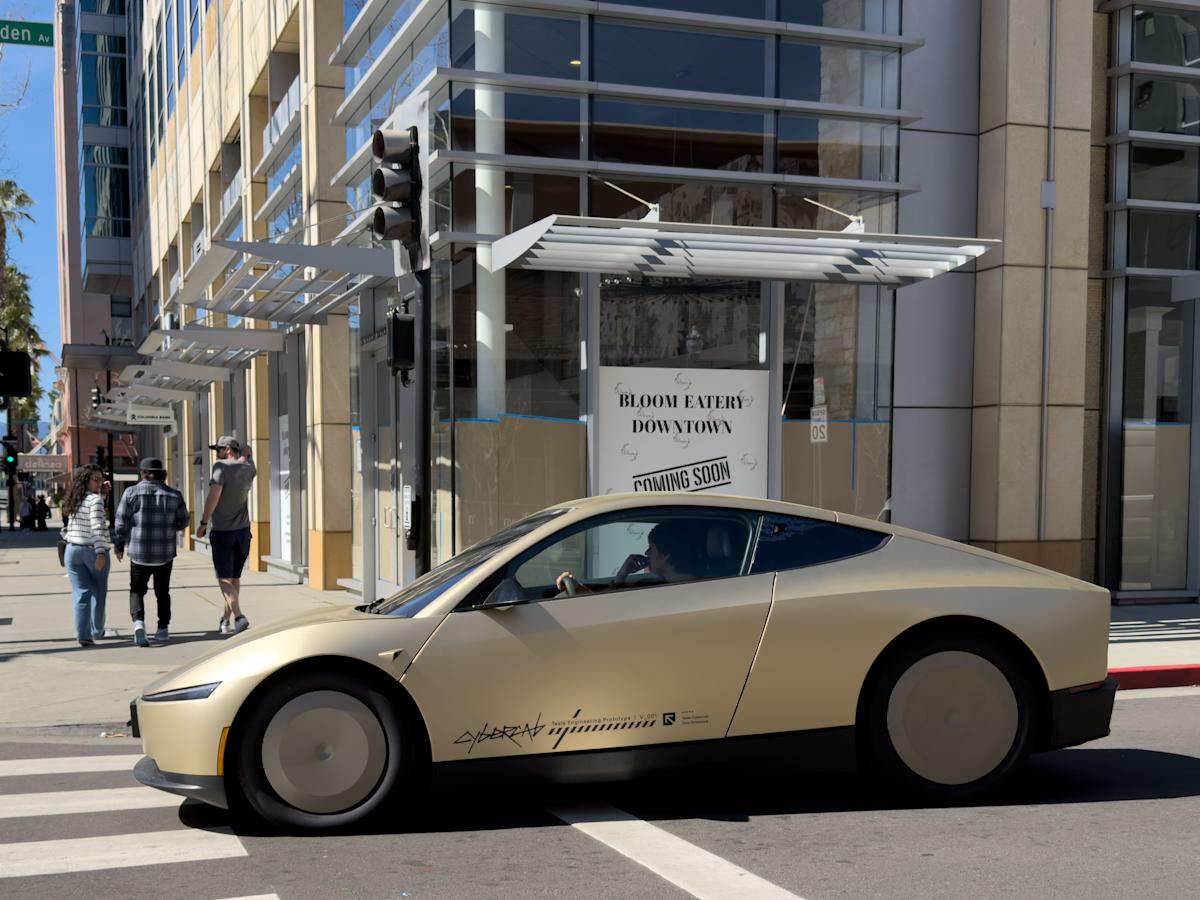
Tesla's Robotaxi Faces Significant Challenges
- Robotaxi Experience: Deutsche Bank analyst's recent robotaxi ride in Austin revealed that while the safety monitor did not intervene, it highlighted Tesla's ongoing validation phase, indicating that the technology is not yet fully mature, which could impact market confidence.
- Travel Time Issues: In heavy traffic, Tesla's robotaxi extended a 20-minute trip to nearly 40 minutes due to its choice of unauthorized local routes, demonstrating deficiencies in route logic that may affect user experience and acceptance.
- Sales Miss Expectations: Tesla delivered 358,023 vehicles in Q1, falling short of analyst estimates of 366,000 to 370,000 units, and although this represents a 6.3% year-over-year increase, it shows a significant decline compared to last year's record fourth quarter, reflecting weak market demand.
- Intensifying Market Competition: Tesla faces fierce competition from Chinese EV manufacturers like BYD and traditional automakers, particularly in the context of high interest rates and the expiration of tax incentives, which may further suppress its market share and stock performance.
See More
SpaceX Plans IPO with Valuation Up to $1.75 Trillion

- IPO Filing: SpaceX confidentially filed for an IPO on April 1, targeting a valuation of up to $1.75 trillion and aiming to raise approximately $75 billion, potentially making it one of the largest IPOs in history, surpassing Saudi Aramco's $29.4 billion.
- Sales Data Insight: With last year's sales between $15 billion and $16 billion, SpaceX's valuation reflects a staggering 63 times sales, significantly exceeding the historically sustainable P/S ratio of 30, indicating overly optimistic market expectations for its future performance.
- Market Risk Warning: While SpaceX holds significant positions in the artificial intelligence and space infrastructure markets, its capital-intensive nature and risks of production delays, coupled with the potential for an AI bubble, suggest that investors should proceed with caution.
- Historical Lessons: Historical data shows that many high-growth companies peak at P/S ratios between 30 and 45, and SpaceX's inflated valuation may foreshadow future market volatility, reminiscent of Tesla's challenges in the electric vehicle sector.
See More
Tesla's Core Business Faces Challenges
- Delivery Shortfall: Tesla reported first-quarter deliveries of 358,023 vehicles, a 6% increase year-over-year, yet this fell short of analysts' expectations of 365,000, indicating weakness in its core EV business that could undermine future market confidence.
- Energy Storage Decline: The company's energy storage deployments dropped to 8.8 GWh from 10.4 GWh last year, significantly missing the 14.4 GWh consensus, reflecting challenges in diversifying its business portfolio.
- Increased Competition: Tesla faces intensified competition in China, the largest EV market, as numerous domestic manufacturers emerge, alongside the rise of startups like Rivian, which may erode Tesla's market share and brand influence.
- Unfulfilled Autonomy Promises: Despite Musk's claims that Tesla would operate autonomous vehicles in 8 to 10 cities by the end of 2025, progress has been slow, with the company admitting that remote operators are needed to take control of vehicles in some instances, highlighting difficulties in delivering on technological promises.
See More
Dutch Regulators Approve Tesla's Self-Driving Software with Human Supervision
- Regulatory Approval: Dutch regulators have approved Tesla's Full Self-Driving Supervised system for use on highways and city streets, marking a European first after 18 months of testing, which indicates a positive contribution to road safety.
- Technology Rollout: Tesla plans to quickly roll out the technology in the Netherlands and aims to apply for broader EU usage, reflecting its strategic intent to expand in the European market and enhance brand influence and market share.
- Market Response: Although TSLA shares fell 0.48% premarket to $347.31, the company's European sales showed tentative recovery in February for the first time in over a year, indicating potential alleviation of sales pressure due to an aging EV lineup and political controversies.
- Long-Term Strategy: The widespread rollout of full self-driving technology is central to Tesla's long-term growth strategy, as CEO Elon Musk's expectations for AI-driven autonomous software and robotaxis could become a significant revenue source, further solidifying its $1 trillion valuation.
See More
ARKQ ETF Shows Strong Performance, Promising Future
- Significant Returns: The ARK Autonomous Technology & Robotics ETF achieved a remarkable 92% gain over the past year, significantly outperforming the S&P 500's 30.7% increase, highlighting its strong rebound in the robotics and automation sectors and attracting investor interest.
- High Concentration: This ETF holds only 30 to 50 stocks, with top holdings including Tesla (9.47%) and Teradyne (9.05%), focusing on companies related to autonomy and artificial intelligence, which enhances the specialization and targeting of its investment portfolio.
- Superior Long-Term Returns: Since its inception on September 30, 2014, ARKQ has averaged annual returns of 17.53%, significantly exceeding the S&P 500's long-term average of 10%, indicating its potential and appeal in tech stock investments.
- Investment Risks and Opportunities: While ARKQ's concentrated investments may face market volatility risks, maintaining past return levels could allow investors to reach $1 million after 22 years with a $500 monthly investment, showcasing its long-term investment attractiveness.
See More
Latest Wall Street Ratings Overview
- Tesla Rating Maintained: Wells Fargo reiterates its underweight rating on Tesla ahead of earnings, indicating a cautious outlook due to limited progress on Robotaxi and Optimus, suggesting a strategic pivot towards Semi and Roadster could be necessary for future growth.
- Starbucks Rating Upgrade: Jefferies upgrades Starbucks from sell to hold, citing stabilization in the U.S. market, and while the stock trades at a high premium, the expectation of more realistic earnings estimates reflects a more optimistic view on the company's future performance.
- Nokia Transformation: Bank of America upgrades Nokia from neutral to buy, highlighting its transition into an optical powerhouse, which positions the company favorably in the telecom equipment market and suggests significant growth potential ahead.
- Chime Financial Rating Initiated: Wells Fargo initiates coverage on Chime Financial with an overweight rating, recognizing its strong growth and profitability in the digital banking sector, and anticipates a positive impact from the upcoming tax season.
See More
Tesla's Robotaxi Faces Significant Challenges
- Robotaxi Experience: Deutsche Bank analyst's recent robotaxi ride in Austin revealed that while the safety monitor did not intervene, it highlighted Tesla's ongoing validation phase, indicating that the technology is not yet fully mature, which could impact market confidence.
- Travel Time Issues: In heavy traffic, Tesla's robotaxi extended a 20-minute trip to nearly 40 minutes due to its choice of unauthorized local routes, demonstrating deficiencies in route logic that may affect user experience and acceptance.
- Sales Miss Expectations: Tesla delivered 358,023 vehicles in Q1, falling short of analyst estimates of 366,000 to 370,000 units, and although this represents a 6.3% year-over-year increase, it shows a significant decline compared to last year's record fourth quarter, reflecting weak market demand.
- Intensifying Market Competition: Tesla faces fierce competition from Chinese EV manufacturers like BYD and traditional automakers, particularly in the context of high interest rates and the expiration of tax incentives, which may further suppress its market share and stock performance.
See More
SpaceX Plans IPO with Valuation Up to $1.75 Trillion
- IPO Filing: SpaceX confidentially filed for an IPO on April 1, targeting a valuation of up to $1.75 trillion and aiming to raise approximately $75 billion, potentially making it one of the largest IPOs in history, surpassing Saudi Aramco's $29.4 billion.
- Sales Data Insight: With last year's sales between $15 billion and $16 billion, SpaceX's valuation reflects a staggering 63 times sales, significantly exceeding the historically sustainable P/S ratio of 30, indicating overly optimistic market expectations for its future performance.
- Market Risk Warning: While SpaceX holds significant positions in the artificial intelligence and space infrastructure markets, its capital-intensive nature and risks of production delays, coupled with the potential for an AI bubble, suggest that investors should proceed with caution.
- Historical Lessons: Historical data shows that many high-growth companies peak at P/S ratios between 30 and 45, and SpaceX's inflated valuation may foreshadow future market volatility, reminiscent of Tesla's challenges in the electric vehicle sector.
See More