Micron Technology, Nike, FedEx And Other Big Stocks Moving Lower In Friday's Pre-Market Session
Written by Emily J. Thompson, Senior Investment Analyst
Updated: Mar 21 2025
0mins


Source: Benzinga
U.S. Stock Market Overview: U.S. stock futures are down, with the Dow futures dropping around 100 points. Micron Technology reported strong second-quarter earnings but saw its shares fall 2.6% in pre-market trading.
Other Notable Stock Movements: Several companies experienced significant declines in pre-market trading, including InnovAge Holding Corp (-20%), MAC Copper Limited (-14.8%), and FedEx Corporation (-7.7%), despite some reporting better-than-expected earnings.
Trade with 70% Backtested Accuracy
Stop guessing "Should I Buy NKE?" and start using high-conviction signals backed by rigorous historical data.
Sign up today to access powerful investing tools and make smarter, data-driven decisions.
Analyst Views on NKE
Wall Street analysts forecast NKE stock price to rise
21 Analyst Rating
14 Buy
7 Hold
0 Sell
Moderate Buy
Current: 53.440

Low
62.00
Averages
76.11
High
110.00
Current: 53.440
Low
62.00
Averages
76.11
High
110.00
About NKE
NIKE, Inc. is engaged in the designing, marketing and distributing of athletic footwear, apparel, equipment and accessories and services for sports and fitness activities. The Company's operating segments include North America; Europe, Middle East & Africa (EMEA); Greater China; and Asia Pacific & Latin America (APLA). It sells a line of equipment and accessories under the NIKE Brand name, including bags, socks, sport balls, eyewear, timepieces, digital devices, bats, gloves, protective equipment and other equipment designed for sports activities. It also designs products specifically for the Jordan Brand and Converse. The Jordan Brand designs, distributes and licenses athletic and casual footwear, apparel and accessories predominantly focused on basketball performance and culture using the Jumpman trademark. The Company also designs, distributes and licenses casual sneakers, apparel and accessories under the Chuck Taylor, All Star, One Star, Star Chevron and Jack Purcell trademarks.
About the author

Emily J. Thompson
Emily J. Thompson, a Chartered Financial Analyst (CFA) with 12 years in investment research, graduated with honors from the Wharton School. Specializing in industrial and technology stocks, she provides in-depth analysis for Intellectia’s earnings and market brief reports.

Nike's Revenue Rises 8% in Quarter, Gross Margin Declines

- Wholesale Revenue Growth: Nike's wholesale revenue increased by 8% year-over-year to $7.5 billion in Q2 2026, indicating strong performance in the North American market, despite ongoing sales pressures.
- Direct Sales Decline: The company's direct sales revenue fell by 8% year-over-year to $4.6 billion, primarily dragged down by a 14% decline in digital sales, reflecting challenges in its digital channel.
- Margin Compression: Nike's gross margin decreased by 300 basis points year-over-year to 40.6%, mainly due to rising tariffs in North America, leading to a 32% drop in net income to $792 million, highlighting significant profitability pressures.
- Effective Inventory Management: By the end of Q2, Nike's inventory stood at $7.7 billion, down 3% year-over-year, allowing the company to better introduce new products and reduce reliance on promotions to clear excess stock.
See More

Nike's Earnings Report Shows Signs of Recovery
- Wholesale Channel Recovery: Nike's fiscal Q2 2026 total revenue reached $12.4 billion, up 1% year-over-year, with wholesale revenue hitting $7.5 billion, an 8% increase, indicating strong growth in North America and successful repair of retail partner relationships.
- Direct Sales Decline: Despite the positive wholesale performance, Nike's direct sales revenue fell 8% year-over-year to $4.6 billion, with digital sales down 14%, highlighting the need for improvement in its direct-to-consumer business to regain growth momentum.
- Effective Inventory Management: By the end of Q2, Nike's inventory stood at $7.7 billion, down 3% year-over-year, allowing the company to introduce new products without relying on margin-eroding promotions, thereby enhancing its competitive position in the market.
- Profitability Under Pressure: Nike's gross margin decreased by 300 basis points to 40.6%, with net income plummeting 32% to $792 million, reflecting the adverse impact of high tariffs, although the CEO emphasized ongoing efforts to drive long-term growth and profitability improvements.
See More

Nike Stock Plummets, Profitability Under Pressure

- Sales Recovery Signs: Nike's fiscal Q2 2026 total revenue reached $12.4 billion, up 1% year-over-year, indicating stabilization in sales, particularly with wholesale revenue rising 8% to $7.5 billion, reflecting positive progress in repairing relationships with retail partners.
- Weak Direct Sales: Despite strong wholesale performance, Nike's direct sales revenue fell 8% year-over-year to $4.6 billion, with digital sales declining 14%, highlighting the need for improvement in the company's digital transformation efforts, which could impact future market share.
- Effective Inventory Management: By the end of Q2, Nike's inventory stood at $7.7 billion, down 3% year-over-year, allowing the company to introduce new products without relying on promotions, thereby maintaining brand image and profit margins.
- Profitability Decline: Nike's gross margin decreased by 300 basis points year-over-year to 40.6%, primarily due to rising tariffs in North America, resulting in a 32% year-over-year drop in net income to $792 million, indicating significant challenges in restoring profitability.
See More
Investment Analysis of Nike and Lululemon Opportunities

- Nike's Declining Performance: Nike is projected to generate $46.7 billion in revenue for fiscal 2026, reflecting a 9% decline from two years prior, indicating significant pressure in the competitive market and a pressing need for product innovation and marketing to reverse its fortunes.
- Lululemon's Sales Weakness: While Lululemon's overall revenue grew by 4.8% in fiscal 2025, its U.S. sales dipped by 6%, compounded by leadership changes that introduce uncertainty, raising concerns about its future growth potential.
- Brand Power Comparison: Nike boasts unmatched brand influence, planning to allocate 10% of its revenue to marketing, whereas Lululemon's price-to-sales ratio stands at 1.7, the lowest in 16 years, highlighting its valuation attractiveness amidst challenges.
- Investment Risks and Opportunities: Despite facing distinct challenges, investors willing to accept higher risks may find both stocks compelling additions to their portfolios, especially if market conditions improve and earnings stabilize.
See More

Nike vs. Lululemon: Market Comparison
- Nike Revenue Forecast: Nike is projected to generate $46.7 billion in revenue for fiscal 2026, reflecting a 9% decline from two years prior, indicating instability in revenue and profit trends that necessitate a turnaround through product innovation and marketing.
- Lululemon Sales Decline: Lululemon experienced a 6% sales drop in its key U.S. market during Q4 of fiscal 2025, despite an overall revenue increase of 4.8%, with founder criticisms regarding a lack of product innovation exacerbating market concerns about its future.
- Brand Strength Comparison: Nike boasts unmatched brand value, planning to allocate 10% of its revenue to marketing, while Lululemon's price-to-sales ratio stands at 1.7, the lowest in 16 years, highlighting the differences in their market positioning.
- Investor Risk Assessment: Despite uncertainties facing both companies, investors searching for discount opportunities may find these stocks appealing, especially with the potential for earnings stabilization and growth, making them suitable for a diversified portfolio.
See More
Impact of NIL on Cinderella Stories in March Madness

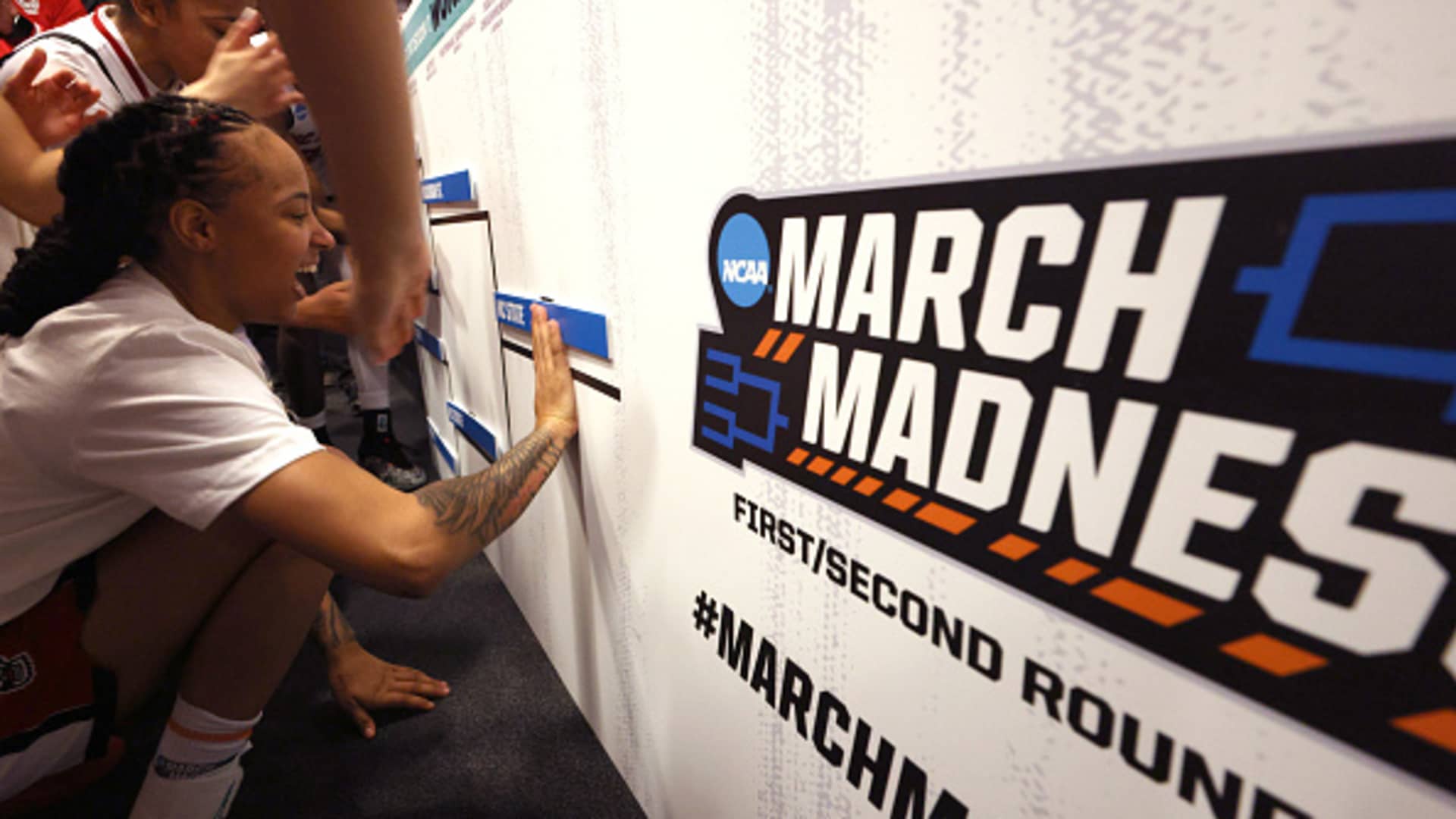
- NIL's Competitive Impact: With the introduction of NIL (name, image, and likeness) compensation, former coach Jim Boeheim stated that schools need to invest at least $10 million to compete for a national championship, which would require men's basketball to consume 50% of the total budget.
- Disappearance of Cinderella Stories: Successes of mid-major schools like VCU are seen as vital marketing tools; however, Boeheim warns that the influence of NIL may make it increasingly difficult for these schools to replicate past glories, leading to the potential disappearance of Cinderella stories.
- Unequal Funding Distribution: VCU spent about $5 million on men's basketball this season, but under the NIL framework, top players are more likely to transfer to wealthier schools, undermining the competitiveness of mid-major programs.
- Viewership Ratings Paradox: Despite last year's tournament featuring almost no upsets, it achieved the highest ratings since 1993, with CBS Sports President noting that viewers prefer watching powerhouse teams, which may further dim the future of Cinderella stories.
See More
Nike's Revenue Rises 8% in Quarter, Gross Margin Declines
- Wholesale Revenue Growth: Nike's wholesale revenue increased by 8% year-over-year to $7.5 billion in Q2 2026, indicating strong performance in the North American market, despite ongoing sales pressures.
- Direct Sales Decline: The company's direct sales revenue fell by 8% year-over-year to $4.6 billion, primarily dragged down by a 14% decline in digital sales, reflecting challenges in its digital channel.
- Margin Compression: Nike's gross margin decreased by 300 basis points year-over-year to 40.6%, mainly due to rising tariffs in North America, leading to a 32% drop in net income to $792 million, highlighting significant profitability pressures.
- Effective Inventory Management: By the end of Q2, Nike's inventory stood at $7.7 billion, down 3% year-over-year, allowing the company to better introduce new products and reduce reliance on promotions to clear excess stock.
See More
Nike's Earnings Report Shows Signs of Recovery
- Wholesale Channel Recovery: Nike's fiscal Q2 2026 total revenue reached $12.4 billion, up 1% year-over-year, with wholesale revenue hitting $7.5 billion, an 8% increase, indicating strong growth in North America and successful repair of retail partner relationships.
- Direct Sales Decline: Despite the positive wholesale performance, Nike's direct sales revenue fell 8% year-over-year to $4.6 billion, with digital sales down 14%, highlighting the need for improvement in its direct-to-consumer business to regain growth momentum.
- Effective Inventory Management: By the end of Q2, Nike's inventory stood at $7.7 billion, down 3% year-over-year, allowing the company to introduce new products without relying on margin-eroding promotions, thereby enhancing its competitive position in the market.
- Profitability Under Pressure: Nike's gross margin decreased by 300 basis points to 40.6%, with net income plummeting 32% to $792 million, reflecting the adverse impact of high tariffs, although the CEO emphasized ongoing efforts to drive long-term growth and profitability improvements.
See More
Nike Stock Plummets, Profitability Under Pressure
- Sales Recovery Signs: Nike's fiscal Q2 2026 total revenue reached $12.4 billion, up 1% year-over-year, indicating stabilization in sales, particularly with wholesale revenue rising 8% to $7.5 billion, reflecting positive progress in repairing relationships with retail partners.
- Weak Direct Sales: Despite strong wholesale performance, Nike's direct sales revenue fell 8% year-over-year to $4.6 billion, with digital sales declining 14%, highlighting the need for improvement in the company's digital transformation efforts, which could impact future market share.
- Effective Inventory Management: By the end of Q2, Nike's inventory stood at $7.7 billion, down 3% year-over-year, allowing the company to introduce new products without relying on promotions, thereby maintaining brand image and profit margins.
- Profitability Decline: Nike's gross margin decreased by 300 basis points year-over-year to 40.6%, primarily due to rising tariffs in North America, resulting in a 32% year-over-year drop in net income to $792 million, indicating significant challenges in restoring profitability.
See More
Investment Analysis of Nike and Lululemon Opportunities
- Nike's Declining Performance: Nike is projected to generate $46.7 billion in revenue for fiscal 2026, reflecting a 9% decline from two years prior, indicating significant pressure in the competitive market and a pressing need for product innovation and marketing to reverse its fortunes.
- Lululemon's Sales Weakness: While Lululemon's overall revenue grew by 4.8% in fiscal 2025, its U.S. sales dipped by 6%, compounded by leadership changes that introduce uncertainty, raising concerns about its future growth potential.
- Brand Power Comparison: Nike boasts unmatched brand influence, planning to allocate 10% of its revenue to marketing, whereas Lululemon's price-to-sales ratio stands at 1.7, the lowest in 16 years, highlighting its valuation attractiveness amidst challenges.
- Investment Risks and Opportunities: Despite facing distinct challenges, investors willing to accept higher risks may find both stocks compelling additions to their portfolios, especially if market conditions improve and earnings stabilize.
See More
Nike vs. Lululemon: Market Comparison
- Nike Revenue Forecast: Nike is projected to generate $46.7 billion in revenue for fiscal 2026, reflecting a 9% decline from two years prior, indicating instability in revenue and profit trends that necessitate a turnaround through product innovation and marketing.
- Lululemon Sales Decline: Lululemon experienced a 6% sales drop in its key U.S. market during Q4 of fiscal 2025, despite an overall revenue increase of 4.8%, with founder criticisms regarding a lack of product innovation exacerbating market concerns about its future.
- Brand Strength Comparison: Nike boasts unmatched brand value, planning to allocate 10% of its revenue to marketing, while Lululemon's price-to-sales ratio stands at 1.7, the lowest in 16 years, highlighting the differences in their market positioning.
- Investor Risk Assessment: Despite uncertainties facing both companies, investors searching for discount opportunities may find these stocks appealing, especially with the potential for earnings stabilization and growth, making them suitable for a diversified portfolio.
See More
Impact of NIL on Cinderella Stories in March Madness
- NIL's Competitive Impact: With the introduction of NIL (name, image, and likeness) compensation, former coach Jim Boeheim stated that schools need to invest at least $10 million to compete for a national championship, which would require men's basketball to consume 50% of the total budget.
- Disappearance of Cinderella Stories: Successes of mid-major schools like VCU are seen as vital marketing tools; however, Boeheim warns that the influence of NIL may make it increasingly difficult for these schools to replicate past glories, leading to the potential disappearance of Cinderella stories.
- Unequal Funding Distribution: VCU spent about $5 million on men's basketball this season, but under the NIL framework, top players are more likely to transfer to wealthier schools, undermining the competitiveness of mid-major programs.
- Viewership Ratings Paradox: Despite last year's tournament featuring almost no upsets, it achieved the highest ratings since 1993, with CBS Sports President noting that viewers prefer watching powerhouse teams, which may further dim the future of Cinderella stories.
See More