Marathon Petroleum Reports Record Quarterly Cash Flow
Written by Emily J. Thompson, Senior Investment Analyst
Updated: Feb 21 2026
0mins


Should l Buy MPC?
Source: NASDAQ.COM
- Record Cash Flow: Marathon Petroleum achieved a quarterly cash flow of $2.7 billion, nearly 60% higher than the previous year, reflecting significant improvements in refining profits and operational efficiency, thereby reinforcing its market leadership.
- Dividends and Buyback Plans: The company returned $4.5 billion to shareholders over the past year through a combination of share repurchases and dividends, with MPLX distributions to Marathon expected to exceed $3.5 billion annually over the next two years, ensuring continued shareholder returns.
- Refining Margin Increase: The refining margin hit $18.65 per barrel in the fourth quarter, a 44% year-over-year increase, benefiting from capturing 114% of the benchmark crack spread, showcasing the company's strong profitability amid market fluctuations.
- Future Outlook and Risks: Management anticipates capital returns in 2026 to match last year's levels, although there is a risk of cyclic compression in crack spreads; however, tight global refining supply and steady demand are expected to support the company's profitability.
Trade with 70% Backtested Accuracy
Stop guessing "Should I Buy MPC?" and start using high-conviction signals backed by rigorous historical data.
Sign up today to access powerful investing tools and make smarter, data-driven decisions.
Analyst Views on MPC
Wall Street analysts forecast MPC stock price to fall
14 Analyst Rating
9 Buy
5 Hold
0 Sell
Moderate Buy
Current: 215.230

Low
184.00
Averages
201.50
High
213.00
Current: 215.230
Low
184.00
Averages
201.50
High
213.00
About MPC
Marathon Petroleum Corporation is an integrated, downstream energy company. The Company’s segments include Refining & Marketing, Midstream and Renewable Diesel. The Refining & Marketing segment refines crude oil and other feedstocks at its refineries in the Gulf Coast, Mid-Continent and West Coast regions of the United States. It sells refined products to wholesale marketing customers domestically and internationally, to buyers on the spot market, and to independent entrepreneurs who operate primarily Marathon branded outlets. The Midstream segment gathers, transports, stores and distributes crude oil, refined products, including renewable diesel, and other hydrocarbon-based products, principally for the Refining & Marketing segment via refining logistics assets, pipelines, terminals, and others. The Renewable Diesel segment processes renewable feedstocks into renewable diesel, markets renewable diesel and distributes renewable products through its Midstream segment and third parties.
About the author

Emily J. Thompson
Emily J. Thompson, a Chartered Financial Analyst (CFA) with 12 years in investment research, graduated with honors from the Wharton School. Specializing in industrial and technology stocks, she provides in-depth analysis for Intellectia’s earnings and market brief reports.
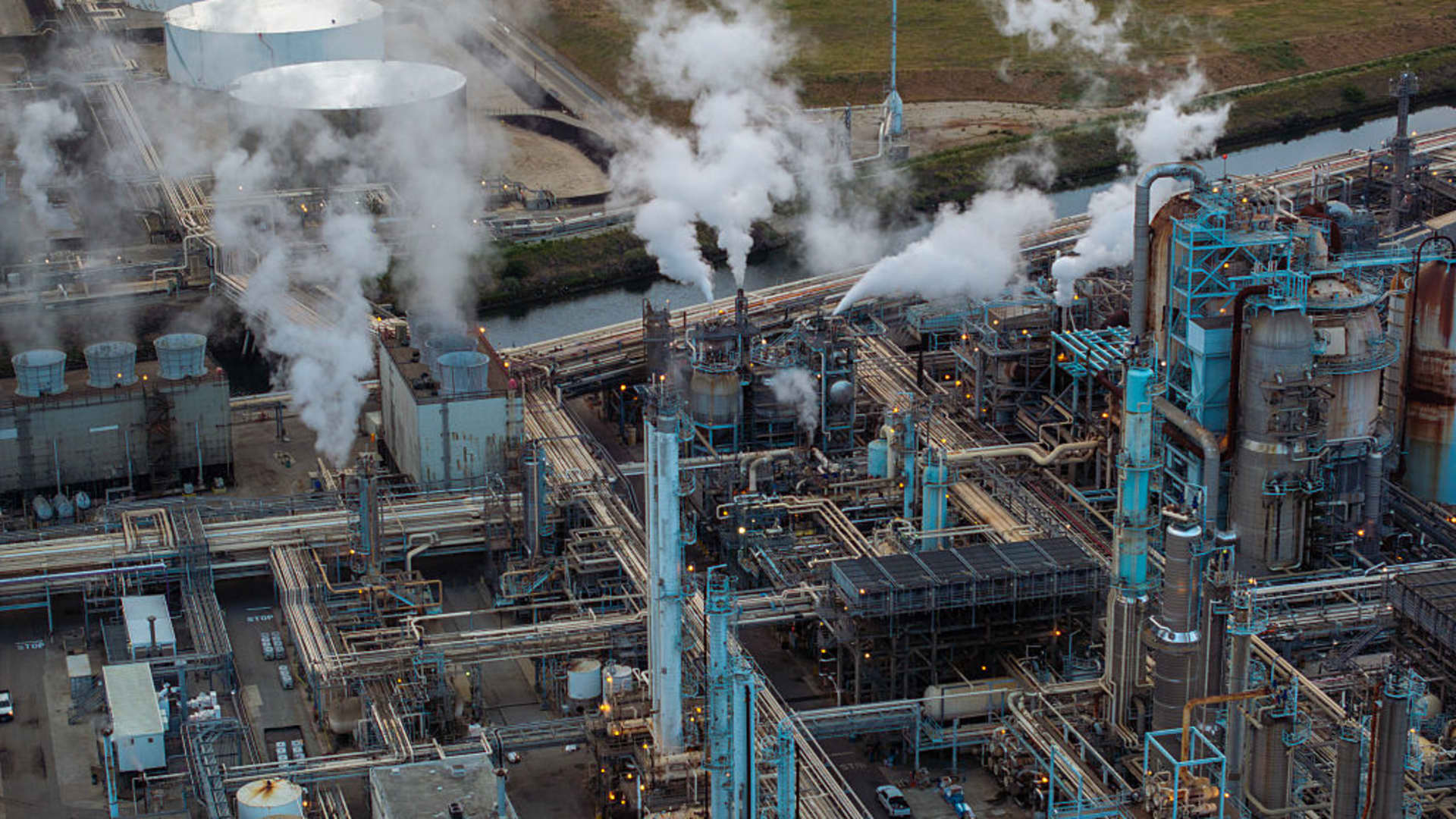
IEA Announces Historic Release of Oil Reserves Amid Middle East Conflict


- Historic Reserve Release: The International Energy Agency's decision to release 400 million barrels of crude oil marks the largest coordinated drawdown since its inception in 1974, aimed at addressing global oil supply disruptions caused by the Middle East conflict, highlighting policymakers' serious concerns over soaring oil prices.
- U.S. Strategic Reserve Involvement: The U.S. will tap 172 million barrels from its Strategic Petroleum Reserve as part of the global coordinated effort; however, oil prices surged over 8%, indicating market skepticism regarding the effectiveness of these measures in quickly alleviating supply shocks.
- Strait of Hormuz Transport Disruption: Approximately 20 million barrels of crude oil and petroleum products transit the Strait of Hormuz daily, accounting for about 20% of global oil consumption, and the conflict has severely disrupted these flows, exacerbating market fears over oil prices.
- Future Price Expectations: Analysts predict that if the conflict lasts for months, oil prices could surge to $120 to $150 per barrel to curb demand, particularly in developing economies, indicating that the market may be underestimating the potential scale and duration of the crisis.
See More
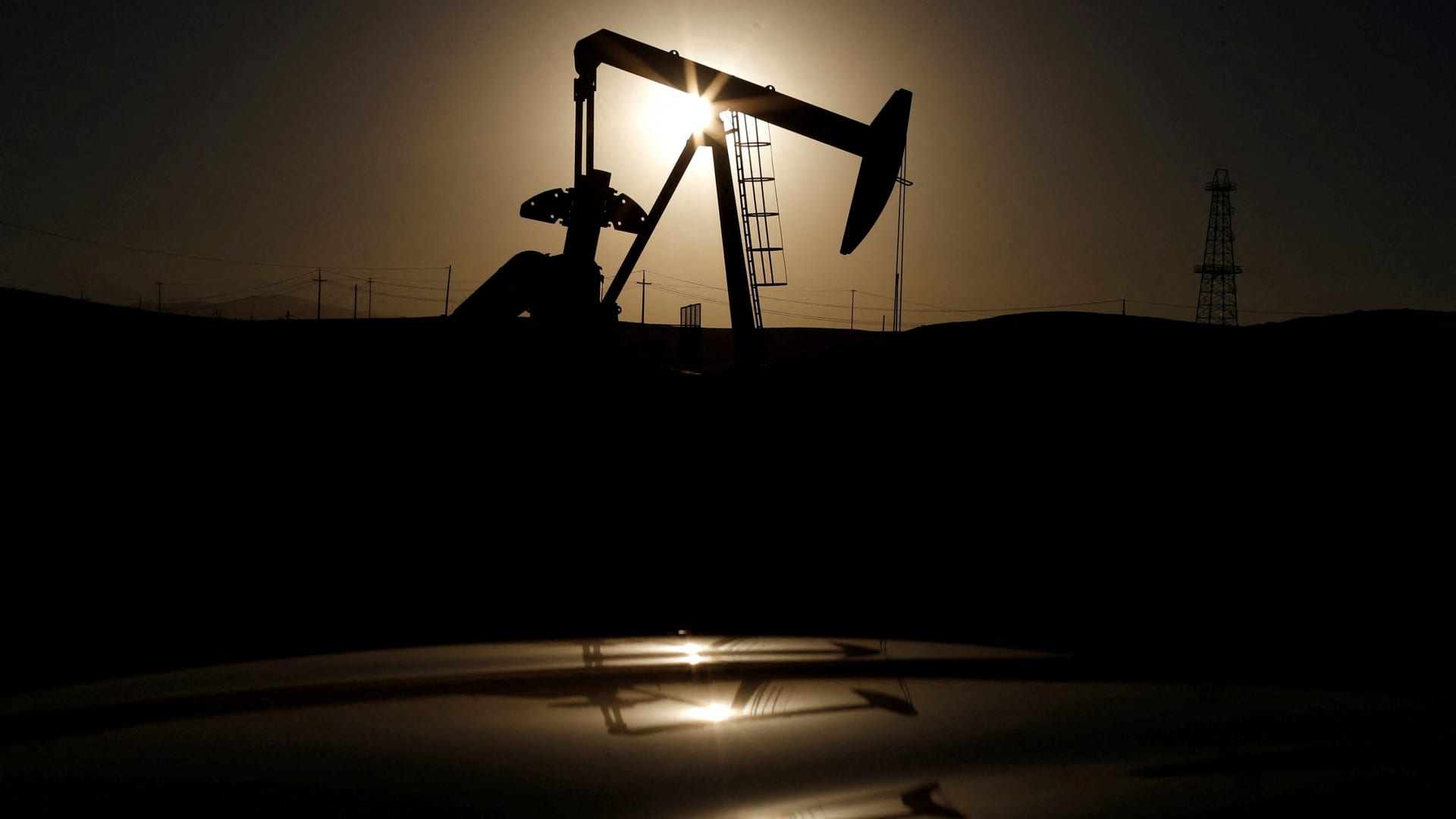
Oil Prices Surge Over 7% Amid Middle East Supply Shock


- Surge in Oil Prices: Oil prices have surged over 7% due to the supply shock from the Middle East conflict, with West Texas Intermediate rising 7.5% to $93.8 per barrel and Brent crude increasing 7.74% to $99.1, reflecting strong market reactions to supply shortages.
- Historic Reserve Release: The International Energy Agency announced the release of 400 million barrels of oil from emergency reserves across its 32 member countries, marking the largest coordinated drawdown since the 1973 oil embargo, aimed at alleviating market tensions.
- U.S. Strategic Reserve: The U.S. plans to release 172 million barrels from its Strategic Petroleum Reserve, with shipments expected to begin next week and take approximately 120 days to complete; however, this measure may not fully address the supply gap caused by disruptions in the Strait of Hormuz.
- Market Sentiment Tension: Despite the IEA's unprecedented intervention, market reactions remain fraught with panic and uncertainty, as analysts suggest that the current supply gap may take longer to resolve, indicating potential for continued price increases in the future.
See More

Rising Oil Prices Impact Market, Cramer Analyzes Investment Themes

- Oil Price Surge Impact: The ongoing Iran war has driven WTI crude oil prices above $88 per barrel, marking a year-to-date increase of over 50%, which could pressure the stock market, as evidenced by the S&P 500's slight decline amid a 5% rise in oil prices.
- Strategic Petroleum Reserve Release: President Trump announced the release of the U.S. Strategic Petroleum Reserve to alleviate energy prices, while the International Energy Agency agreed to release 400 million barrels of oil to address global supply disruptions, although these measures are seen as temporary fixes.
- Strong Data Center Infrastructure: Cramer highlighted Oracle's robust earnings as validation of the AI-driven data center infrastructure theme, indicating that its buildout is progressing better than expected, potentially offering new opportunities for investors.
- Ongoing Memory Shortage: Commentary from Hewlett Packard Enterprise suggests that the shortage of memory used in AI and computing systems may persist longer than anticipated, providing potential investment opportunities for related companies.
See More
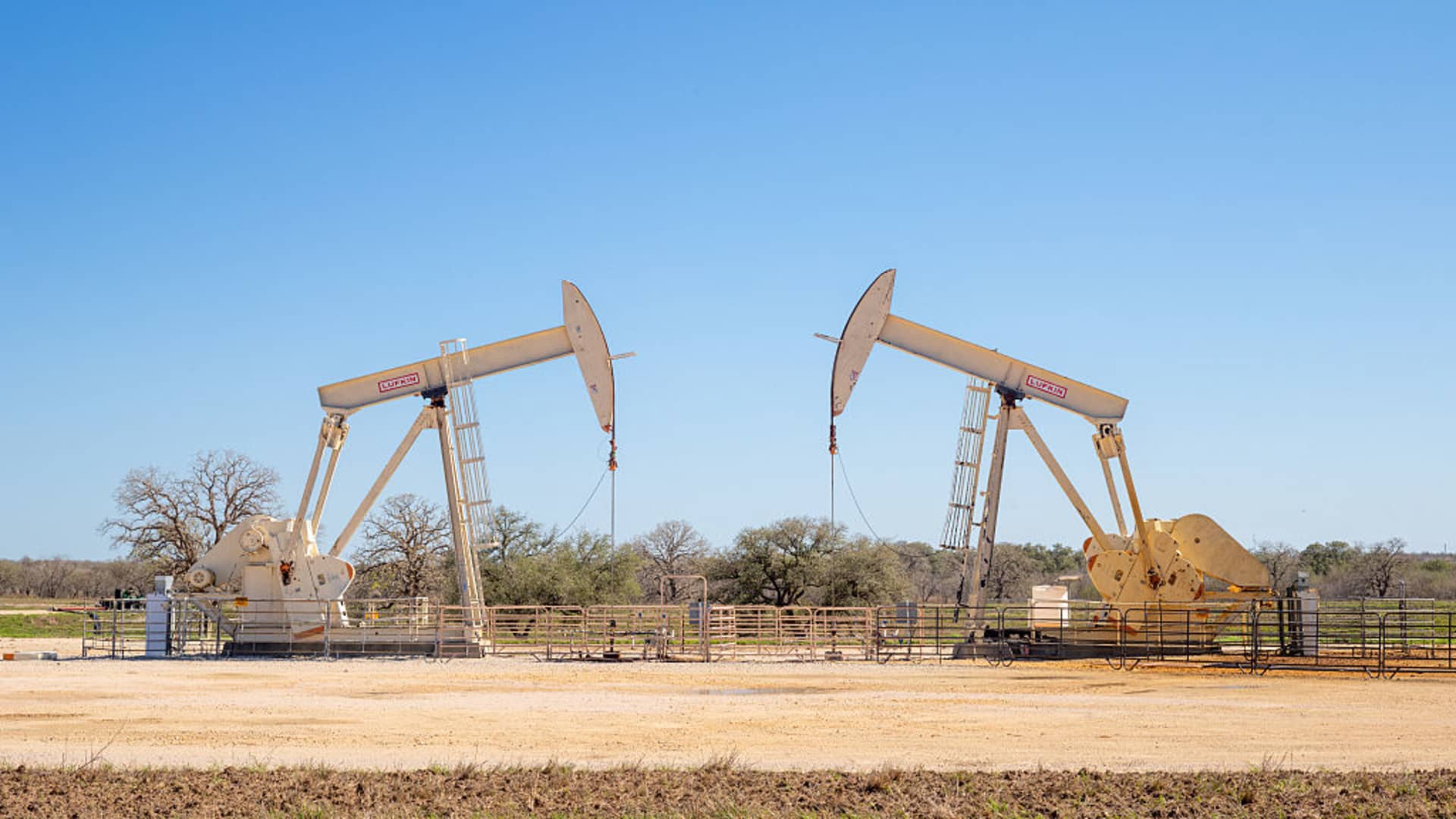
Asia-Pacific Markets Set to Fall Amid Oil Price Volatility
- Historic IEA Action: The International Energy Agency plans to release 400 million barrels of oil in response to supply disruptions caused by the Iran war, marking the largest emergency release in the agency's history aimed at stabilizing global energy markets, although no specific timeline for market entry has been set.
- U.S. Strategic Reserve Release: Energy Secretary Chris Wright announced the release of 172 million barrels from the Strategic Petroleum Reserve to lower energy costs, aligning with President Trump's strategy to mitigate domestic oil price pressures amid rising geopolitical tensions.
- Market Impact from Oil Volatility: As of 7:20 PM ET, West Texas Intermediate prices surged 5.2% to $91.8 per barrel, reflecting market sensitivity to supply disruptions, which may lead to further declines in Asia-Pacific markets as investors react to these fluctuations.
- Declining Asia-Pacific Indices: The Australian S&P/ASX 200 index fell 1.2% in early trading, while Japan's Nikkei 225 is also poised for a decline, indicating investor concerns over oil price volatility and Middle Eastern tensions, which could negatively affect overall market sentiment.
See More

U.S. Stocks Show Minor Fluctuations Amid Rising Oil Prices

- Oil Price Surge Impacts Market: Despite the IEA's decision to release 400 million barrels from strategic reserves to address supply disruptions in the Strait of Hormuz, oil prices rose by 4.6%, exerting downward pressure on the stock market, particularly amid the ongoing conflict in Iran.
- Limited Impact from Inflation Data: February's CPI rose 2.4% year-over-year, with core CPI at 2.5%, which, while close to five-year lows, remains above the Fed's 2% target, leading to a muted market reaction and reflecting investor concerns over future inflation pressures.
- Mixed Performance in Tech Stocks: Following Oracle's strong AI demand announcement, tech stocks received a boost with Oracle's shares rising over 9%, yet other tech stocks like IBM and Microsoft saw slight declines, indicating ongoing uncertainty in investor confidence within the tech sector.
- Private Credit Market Struggles: JPMorgan Chase's restriction on lending to private credit funds has led to an exodus of investors from the $1.8 trillion sector, exacerbating market uncertainty and negatively impacting overall stock performance.
See More
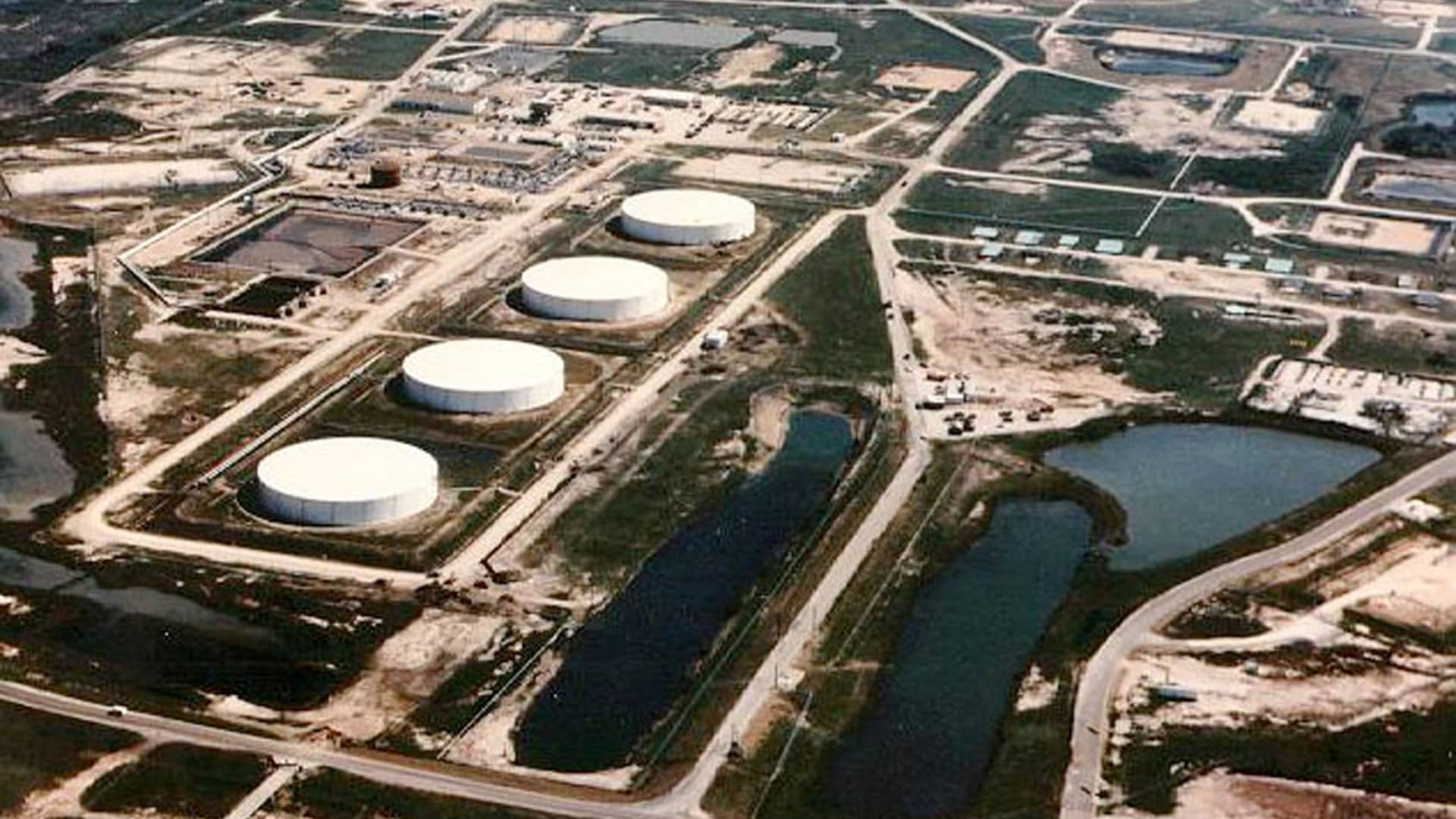
Trump Plans to Tap Strategic Petroleum Reserve Amid Iran War
- Energy Cost Mitigation: Trump announced plans to tap the Strategic Petroleum Reserve to lower energy costs, a move expected to alleviate pressures from global oil supply disruptions due to the Iran war, although it may impact reserve levels in the short term.
- Rising Gas Prices: Gasoline prices in the U.S. have surged to about $3.58 per gallon, a nearly 22% increase from last month's $2.94, which will directly affect consumer spending and economic recovery efforts.
- International Energy Agency Action: The International Energy Agency agreed to release 400 million barrels of oil to address supply disruptions, marking the largest stockpile release in over 50 years, highlighting the urgent need for stability in global markets.
- Current Reserve Status: The U.S. currently holds 415 million barrels in its Strategic Petroleum Reserve, approximately 58% of its authorized capacity of 714 million barrels, and Trump's decisions will significantly influence the U.S.'s role and leverage in the international energy market.
See More
IEA Announces Historic Release of Oil Reserves Amid Middle East Conflict
- Historic Reserve Release: The International Energy Agency's decision to release 400 million barrels of crude oil marks the largest coordinated drawdown since its inception in 1974, aimed at addressing global oil supply disruptions caused by the Middle East conflict, highlighting policymakers' serious concerns over soaring oil prices.
- U.S. Strategic Reserve Involvement: The U.S. will tap 172 million barrels from its Strategic Petroleum Reserve as part of the global coordinated effort; however, oil prices surged over 8%, indicating market skepticism regarding the effectiveness of these measures in quickly alleviating supply shocks.
- Strait of Hormuz Transport Disruption: Approximately 20 million barrels of crude oil and petroleum products transit the Strait of Hormuz daily, accounting for about 20% of global oil consumption, and the conflict has severely disrupted these flows, exacerbating market fears over oil prices.
- Future Price Expectations: Analysts predict that if the conflict lasts for months, oil prices could surge to $120 to $150 per barrel to curb demand, particularly in developing economies, indicating that the market may be underestimating the potential scale and duration of the crisis.
See More
Oil Prices Surge Over 7% Amid Middle East Supply Shock
- Surge in Oil Prices: Oil prices have surged over 7% due to the supply shock from the Middle East conflict, with West Texas Intermediate rising 7.5% to $93.8 per barrel and Brent crude increasing 7.74% to $99.1, reflecting strong market reactions to supply shortages.
- Historic Reserve Release: The International Energy Agency announced the release of 400 million barrels of oil from emergency reserves across its 32 member countries, marking the largest coordinated drawdown since the 1973 oil embargo, aimed at alleviating market tensions.
- U.S. Strategic Reserve: The U.S. plans to release 172 million barrels from its Strategic Petroleum Reserve, with shipments expected to begin next week and take approximately 120 days to complete; however, this measure may not fully address the supply gap caused by disruptions in the Strait of Hormuz.
- Market Sentiment Tension: Despite the IEA's unprecedented intervention, market reactions remain fraught with panic and uncertainty, as analysts suggest that the current supply gap may take longer to resolve, indicating potential for continued price increases in the future.
See More
Rising Oil Prices Impact Market, Cramer Analyzes Investment Themes
- Oil Price Surge Impact: The ongoing Iran war has driven WTI crude oil prices above $88 per barrel, marking a year-to-date increase of over 50%, which could pressure the stock market, as evidenced by the S&P 500's slight decline amid a 5% rise in oil prices.
- Strategic Petroleum Reserve Release: President Trump announced the release of the U.S. Strategic Petroleum Reserve to alleviate energy prices, while the International Energy Agency agreed to release 400 million barrels of oil to address global supply disruptions, although these measures are seen as temporary fixes.
- Strong Data Center Infrastructure: Cramer highlighted Oracle's robust earnings as validation of the AI-driven data center infrastructure theme, indicating that its buildout is progressing better than expected, potentially offering new opportunities for investors.
- Ongoing Memory Shortage: Commentary from Hewlett Packard Enterprise suggests that the shortage of memory used in AI and computing systems may persist longer than anticipated, providing potential investment opportunities for related companies.
See More
Asia-Pacific Markets Set to Fall Amid Oil Price Volatility
- Historic IEA Action: The International Energy Agency plans to release 400 million barrels of oil in response to supply disruptions caused by the Iran war, marking the largest emergency release in the agency's history aimed at stabilizing global energy markets, although no specific timeline for market entry has been set.
- U.S. Strategic Reserve Release: Energy Secretary Chris Wright announced the release of 172 million barrels from the Strategic Petroleum Reserve to lower energy costs, aligning with President Trump's strategy to mitigate domestic oil price pressures amid rising geopolitical tensions.
- Market Impact from Oil Volatility: As of 7:20 PM ET, West Texas Intermediate prices surged 5.2% to $91.8 per barrel, reflecting market sensitivity to supply disruptions, which may lead to further declines in Asia-Pacific markets as investors react to these fluctuations.
- Declining Asia-Pacific Indices: The Australian S&P/ASX 200 index fell 1.2% in early trading, while Japan's Nikkei 225 is also poised for a decline, indicating investor concerns over oil price volatility and Middle Eastern tensions, which could negatively affect overall market sentiment.
See More
U.S. Stocks Show Minor Fluctuations Amid Rising Oil Prices
- Oil Price Surge Impacts Market: Despite the IEA's decision to release 400 million barrels from strategic reserves to address supply disruptions in the Strait of Hormuz, oil prices rose by 4.6%, exerting downward pressure on the stock market, particularly amid the ongoing conflict in Iran.
- Limited Impact from Inflation Data: February's CPI rose 2.4% year-over-year, with core CPI at 2.5%, which, while close to five-year lows, remains above the Fed's 2% target, leading to a muted market reaction and reflecting investor concerns over future inflation pressures.
- Mixed Performance in Tech Stocks: Following Oracle's strong AI demand announcement, tech stocks received a boost with Oracle's shares rising over 9%, yet other tech stocks like IBM and Microsoft saw slight declines, indicating ongoing uncertainty in investor confidence within the tech sector.
- Private Credit Market Struggles: JPMorgan Chase's restriction on lending to private credit funds has led to an exodus of investors from the $1.8 trillion sector, exacerbating market uncertainty and negatively impacting overall stock performance.
See More
Trump Plans to Tap Strategic Petroleum Reserve Amid Iran War
- Energy Cost Mitigation: Trump announced plans to tap the Strategic Petroleum Reserve to lower energy costs, a move expected to alleviate pressures from global oil supply disruptions due to the Iran war, although it may impact reserve levels in the short term.
- Rising Gas Prices: Gasoline prices in the U.S. have surged to about $3.58 per gallon, a nearly 22% increase from last month's $2.94, which will directly affect consumer spending and economic recovery efforts.
- International Energy Agency Action: The International Energy Agency agreed to release 400 million barrels of oil to address supply disruptions, marking the largest stockpile release in over 50 years, highlighting the urgent need for stability in global markets.
- Current Reserve Status: The U.S. currently holds 415 million barrels in its Strategic Petroleum Reserve, approximately 58% of its authorized capacity of 714 million barrels, and Trump's decisions will significantly influence the U.S.'s role and leverage in the international energy market.
See More