Launch of Australia's First Secure AI Factory by Cisco and Sharon AI
Written by Emily J. Thompson, Senior Investment Analyst
Updated: Feb 23 2026
0mins

Should l Buy CSCO?
Source: Newsfilter
- Secure AI Infrastructure: Cisco and Sharon AI have launched Australia's first Cisco Secure AI Factory, powered by 1024 NVIDIA Blackwell Ultra GPUs, ensuring all data processing remains within the country, thereby enhancing national sovereignty and security in the AI sector.
- Support for National AI Plan: This factory not only provides enterprises with high-performance AI infrastructure but also aligns with Australia's National AI Plan, accelerating AI adoption and innovation across the Asia-Pacific region, thus strengthening the country's competitive position in the global AI market.
- Diverse Solutions Offered: Sharon AI will offer a variety of solutions tailored to different industries, along with a sandbox environment for customers to experiment with proof-of-concepts, further promoting enterprise exploration and application in the AI domain.
- Future Collaboration Outlook: The partnership between Cisco and Sharon AI extends beyond the current initiative, with plans to expand AI infrastructure in 2026 and beyond, driving enterprise AI adoption in the Asia-Pacific region and reinforcing Australia's leadership in the global AI ecosystem.
Trade with 70% Backtested Accuracy
Stop guessing "Should I Buy CSCO?" and start using high-conviction signals backed by rigorous historical data.
Sign up today to access powerful investing tools and make smarter, data-driven decisions.
Analyst Views on CSCO
Wall Street analysts forecast CSCO stock price to rise
13 Analyst Rating
10 Buy
3 Hold
0 Sell
Strong Buy
Current: 83.700

Low
76.00
Averages
91.30
High
100.00
Current: 83.700
Low
76.00
Averages
91.30
High
100.00
About CSCO
Cisco Systems, Inc. designs and sells a range of technologies that power the Internet. The Company is integrating its product portfolios across networking, security, collaboration, applications and cloud. The Company's segments include the Americas; Europe, Middle East, and Africa (EMEA), and Asia Pacific, Japan, and China (APJC). Its Networking product category represents its core networking technologies of switching, routing, wireless, fifth generation (5G), silicon, optics solutions and compute products. Its Security product category consists of its cloud and application security, industrial security, network security, and user and device security offerings. Its Collaboration product category consists of its meetings, collaboration devices, calling, contact center and platform as a service (CPaaS) offering. Its Observability product category consists of its full stack observability offerings.
About the author

Emily J. Thompson
Emily J. Thompson, a Chartered Financial Analyst (CFA) with 12 years in investment research, graduated with honors from the Wharton School. Specializing in industrial and technology stocks, she provides in-depth analysis for Intellectia’s earnings and market brief reports.
Cisco Releases State of Industrial AI Report

- Current AI Deployment: Cisco's latest report reveals that 61% of industrial organizations are now using AI in live operations, indicating a shift from experimentation to real-world applications that directly impact performance and safety.
- Increased Spending Plans: The survey indicates that 83% of organizations plan to boost AI investments, with nearly 87% expecting meaningful outcomes within the next two years, reflecting strong confidence in AI's benefits.
- Challenges Faced: Despite the acceleration in AI adoption, many organizations are hindered by gaps in network infrastructure and cybersecurity readiness, which may limit the sustainable scaling of AI across core physical environments.
- Key Success Factors: Cisco executives emphasize that success hinges on treating infrastructure, cybersecurity, and IT/OT collaboration as foundational elements rather than optional, to effectively support AI applications at the edge and at scale.
See More
Flex Ltd.: The King of Contract Manufacturing


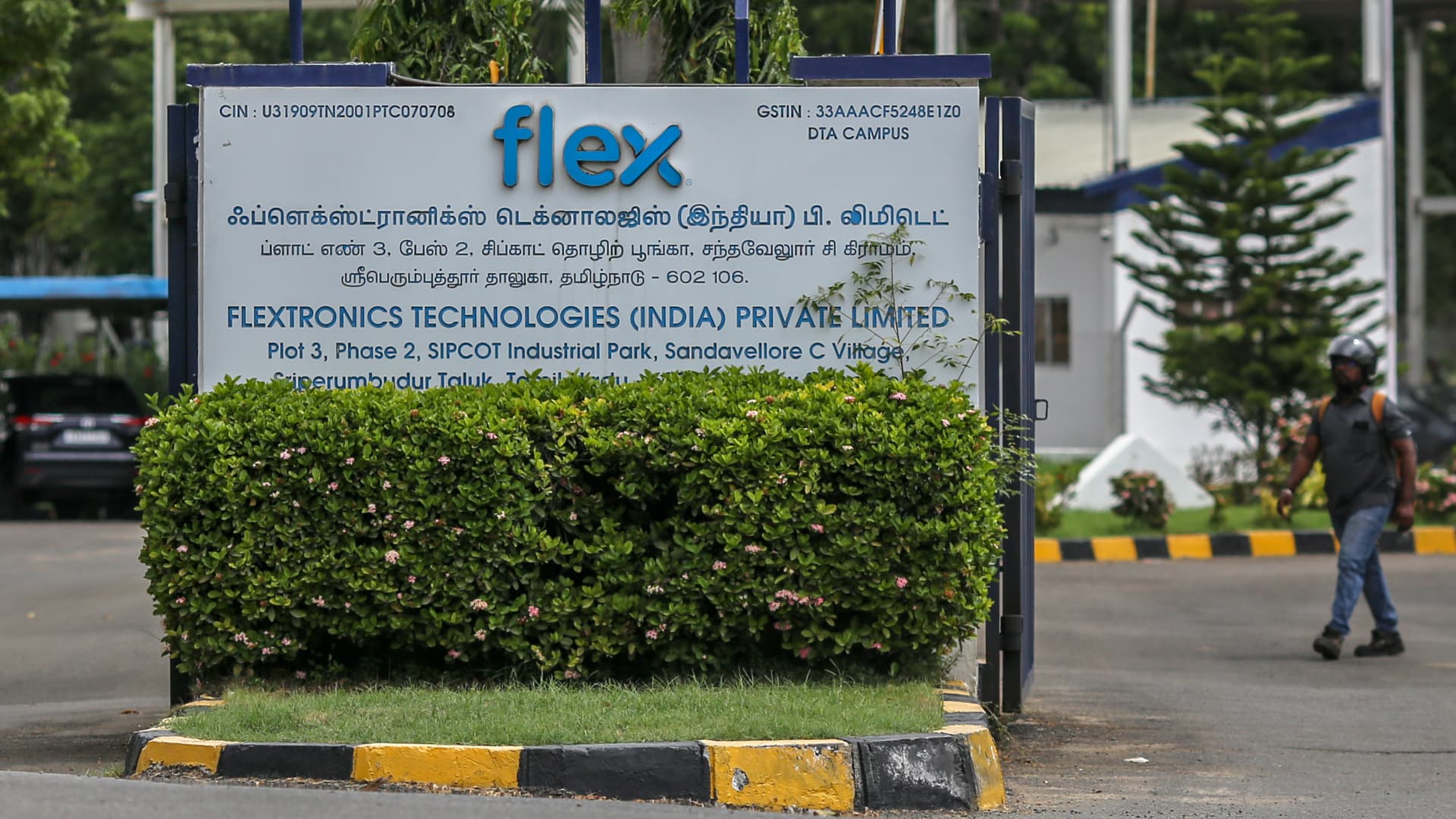
- Data Center Growth: Flex's data center manufacturing segment grew by 50% year-over-year, with a forecasted 35% growth for the next year, indicating its crucial role in the rapidly expanding AI sector and enhancing its revenue structure.
- Margin Improvement: Flex's gross margin nearly doubled from 5.5% in 2020 to 8.4% in 2025, reflecting increased profitability in its high-value product lines and solidifying its competitive position in the contract manufacturing market.
- Earnings Per Share Growth: Over the past eight years, Flex has achieved an impressive 51% annual growth in earnings per share while reducing its share count by 27%, demonstrating successful capital management through stock buybacks that bolster investor confidence.
- Technological Trend Adaptation: Flex's transformation in designing, manufacturing, and managing high-end electronic products has positioned it as a critical player in global supply chains, particularly in automotive electronics and medical devices, further enhancing its market competitiveness.
See More
Google Expands Partnership with Intel for AI Chips


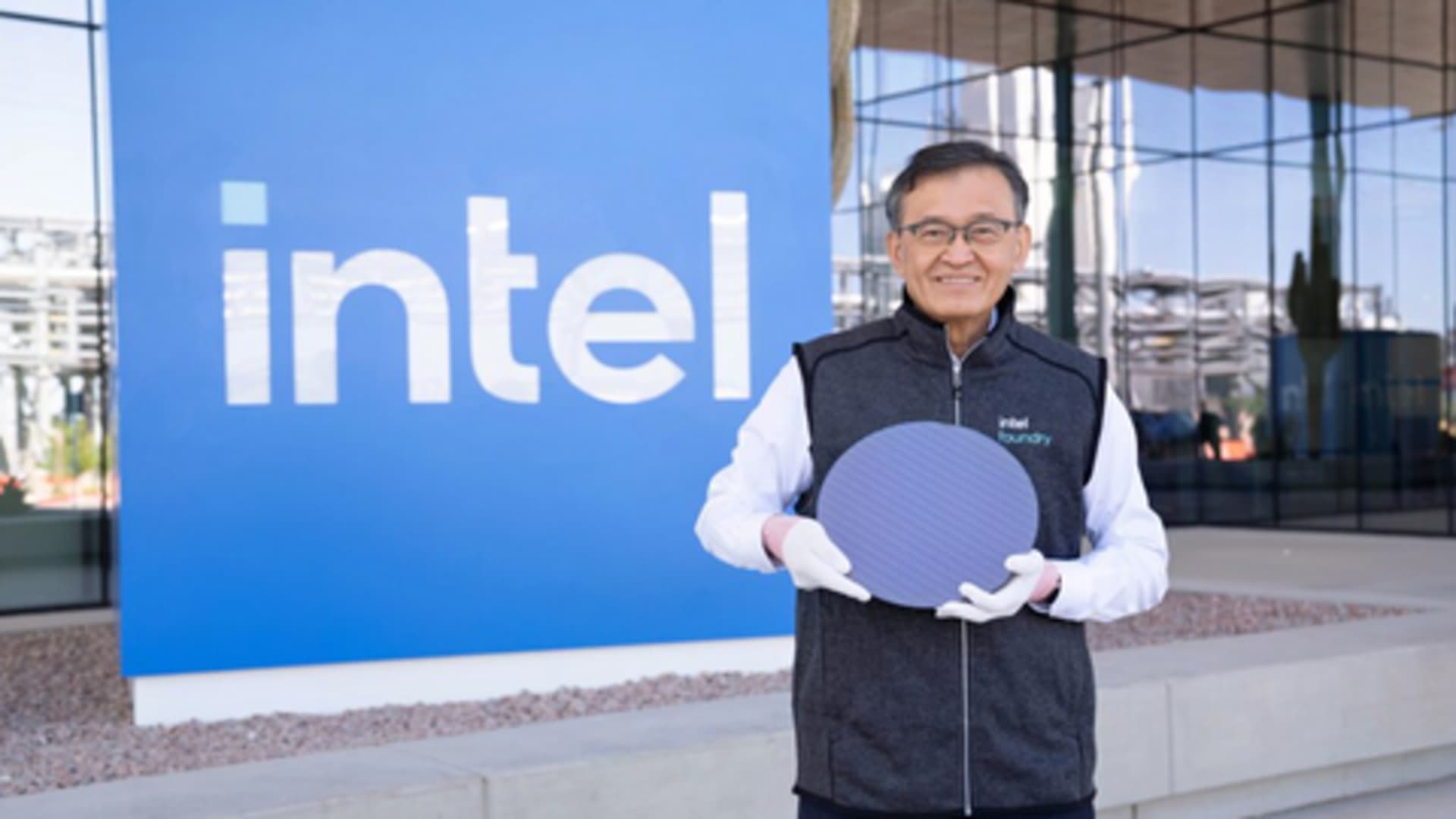
- Partnership Expansion: Google has committed to using multiple generations of Intel's Xeon 6 processors in its AI data centers, further solidifying a partnership that dates back nearly three decades, which is expected to enhance Google's computational capabilities in AI.
- Market Competition: The Intel Xeon 6 processors will support AI training and inference workloads, potentially giving Intel a stronger competitive position in the AI market dominated by Nvidia, addressing the growing demands for performance and efficiency.
- Technological Innovation: Google and Intel are also collaborating on the Infrastructure Processing Unit (IPU), designed to offload tasks from the main CPU, optimizing networking, storage, and security functions in data centers, thereby improving overall computational efficiency.
- Future Outlook: Despite facing challenges in keeping pace with technology trends, Intel's latest Xeon processors, manufactured using its advanced 18A technology at a new Arizona facility, demonstrate its ongoing investment and potential in high-end chip manufacturing.
See More

Anthropic Launches Claude Mythos, A New Era in AI Security

- AI Model Launch: Anthropic unveiled the Claude Mythos Preview, the most advanced general-purpose AI model to date, focusing on coding and agentic tasks, marking a significant advancement in AI's role in cybersecurity.
- Vulnerability Detection: The Claude Mythos Preview has identified thousands of zero-day vulnerabilities across major operating systems and web browsers, compelling the industry to act swiftly to prevent potential cyberattacks.
- Industry Collaboration: Anthropic initiated Project Glasswing, uniting tech giants like Nvidia, Amazon, and Apple to address the vulnerabilities identified by Claude Mythos, ensuring the security of critical infrastructure.
- Financial Backing: Anthropic is backing the project with $100 million in usage credits and has raised $4 million for open-source security organizations, highlighting the industry's urgent commitment to AI security.
See More

Anthropic Launches Project Glasswing, Boosting Cybersecurity Stocks


- Project Background: Anthropic's Project Glasswing aims to enhance the security of critical global software through partnerships with giants like Amazon, Apple, and Microsoft, which is expected to significantly boost these companies' market competitiveness.
- Market Reaction: The announcement led to a substantial rebound in cybersecurity stocks, reigniting investor confidence in AI-related companies, indicating a rising market emphasis on cybersecurity needs.
- Strategic Collaboration: By partnering with multiple industry leaders, Anthropic underscores the complexity of cybersecurity issues, highlighting that no single organization can tackle these challenges alone, reflecting an urgent need for collaboration within the industry.
- Future Outlook: As AI technology continues to evolve, cybersecurity firms will face new challenges and opportunities, and Anthropic's initiative may drive technological innovation and market demand growth within the sector.
See More

Nvidia Secures TSMC's Advanced Packaging Capacity


- Capacity Shortage: Nvidia has reserved the majority of TSMC's advanced packaging capacity, which is primarily located in Asia, leading to a potential bottleneck in AI chip production that could impact future market supply.
- Accelerated Tech Investment: TSMC is constructing two new plants in Arizona to enhance its packaging capabilities, which is expected to significantly reduce turnaround times for customers, thereby strengthening its competitive position in the U.S. market.
- Surging Market Demand: TSMC's CoWoS technology is experiencing a staggering 80% compound annual growth rate, highlighting the increasing complexity of chips driven by AI, making packaging technology a focal point of industry attention and reshaping the semiconductor landscape.
- Diversified Clientele: Intel is conducting some packaging at its Arizona facility, and while it has yet to secure a major external customer, partnerships with Amazon and Cisco indicate its potential in the packaging market, paving the way for future customer relationships.
See More
Cisco Releases State of Industrial AI Report
- Current AI Deployment: Cisco's latest report reveals that 61% of industrial organizations are now using AI in live operations, indicating a shift from experimentation to real-world applications that directly impact performance and safety.
- Increased Spending Plans: The survey indicates that 83% of organizations plan to boost AI investments, with nearly 87% expecting meaningful outcomes within the next two years, reflecting strong confidence in AI's benefits.
- Challenges Faced: Despite the acceleration in AI adoption, many organizations are hindered by gaps in network infrastructure and cybersecurity readiness, which may limit the sustainable scaling of AI across core physical environments.
- Key Success Factors: Cisco executives emphasize that success hinges on treating infrastructure, cybersecurity, and IT/OT collaboration as foundational elements rather than optional, to effectively support AI applications at the edge and at scale.
See More
Flex Ltd.: The King of Contract Manufacturing
- Data Center Growth: Flex's data center manufacturing segment grew by 50% year-over-year, with a forecasted 35% growth for the next year, indicating its crucial role in the rapidly expanding AI sector and enhancing its revenue structure.
- Margin Improvement: Flex's gross margin nearly doubled from 5.5% in 2020 to 8.4% in 2025, reflecting increased profitability in its high-value product lines and solidifying its competitive position in the contract manufacturing market.
- Earnings Per Share Growth: Over the past eight years, Flex has achieved an impressive 51% annual growth in earnings per share while reducing its share count by 27%, demonstrating successful capital management through stock buybacks that bolster investor confidence.
- Technological Trend Adaptation: Flex's transformation in designing, manufacturing, and managing high-end electronic products has positioned it as a critical player in global supply chains, particularly in automotive electronics and medical devices, further enhancing its market competitiveness.
See More
Google Expands Partnership with Intel for AI Chips
- Partnership Expansion: Google has committed to using multiple generations of Intel's Xeon 6 processors in its AI data centers, further solidifying a partnership that dates back nearly three decades, which is expected to enhance Google's computational capabilities in AI.
- Market Competition: The Intel Xeon 6 processors will support AI training and inference workloads, potentially giving Intel a stronger competitive position in the AI market dominated by Nvidia, addressing the growing demands for performance and efficiency.
- Technological Innovation: Google and Intel are also collaborating on the Infrastructure Processing Unit (IPU), designed to offload tasks from the main CPU, optimizing networking, storage, and security functions in data centers, thereby improving overall computational efficiency.
- Future Outlook: Despite facing challenges in keeping pace with technology trends, Intel's latest Xeon processors, manufactured using its advanced 18A technology at a new Arizona facility, demonstrate its ongoing investment and potential in high-end chip manufacturing.
See More
Anthropic Launches Claude Mythos, A New Era in AI Security
- AI Model Launch: Anthropic unveiled the Claude Mythos Preview, the most advanced general-purpose AI model to date, focusing on coding and agentic tasks, marking a significant advancement in AI's role in cybersecurity.
- Vulnerability Detection: The Claude Mythos Preview has identified thousands of zero-day vulnerabilities across major operating systems and web browsers, compelling the industry to act swiftly to prevent potential cyberattacks.
- Industry Collaboration: Anthropic initiated Project Glasswing, uniting tech giants like Nvidia, Amazon, and Apple to address the vulnerabilities identified by Claude Mythos, ensuring the security of critical infrastructure.
- Financial Backing: Anthropic is backing the project with $100 million in usage credits and has raised $4 million for open-source security organizations, highlighting the industry's urgent commitment to AI security.
See More
Anthropic Launches Project Glasswing, Boosting Cybersecurity Stocks
- Project Background: Anthropic's Project Glasswing aims to enhance the security of critical global software through partnerships with giants like Amazon, Apple, and Microsoft, which is expected to significantly boost these companies' market competitiveness.
- Market Reaction: The announcement led to a substantial rebound in cybersecurity stocks, reigniting investor confidence in AI-related companies, indicating a rising market emphasis on cybersecurity needs.
- Strategic Collaboration: By partnering with multiple industry leaders, Anthropic underscores the complexity of cybersecurity issues, highlighting that no single organization can tackle these challenges alone, reflecting an urgent need for collaboration within the industry.
- Future Outlook: As AI technology continues to evolve, cybersecurity firms will face new challenges and opportunities, and Anthropic's initiative may drive technological innovation and market demand growth within the sector.
See More
Nvidia Secures TSMC's Advanced Packaging Capacity
- Capacity Shortage: Nvidia has reserved the majority of TSMC's advanced packaging capacity, which is primarily located in Asia, leading to a potential bottleneck in AI chip production that could impact future market supply.
- Accelerated Tech Investment: TSMC is constructing two new plants in Arizona to enhance its packaging capabilities, which is expected to significantly reduce turnaround times for customers, thereby strengthening its competitive position in the U.S. market.
- Surging Market Demand: TSMC's CoWoS technology is experiencing a staggering 80% compound annual growth rate, highlighting the increasing complexity of chips driven by AI, making packaging technology a focal point of industry attention and reshaping the semiconductor landscape.
- Diversified Clientele: Intel is conducting some packaging at its Arizona facility, and while it has yet to secure a major external customer, partnerships with Amazon and Cisco indicate its potential in the packaging market, paving the way for future customer relationships.
See More