Keep a Close Eye on Tesla Model Y/3 Q1 Delivery Figures — Analyst Cautions as S/X Production Winds Down


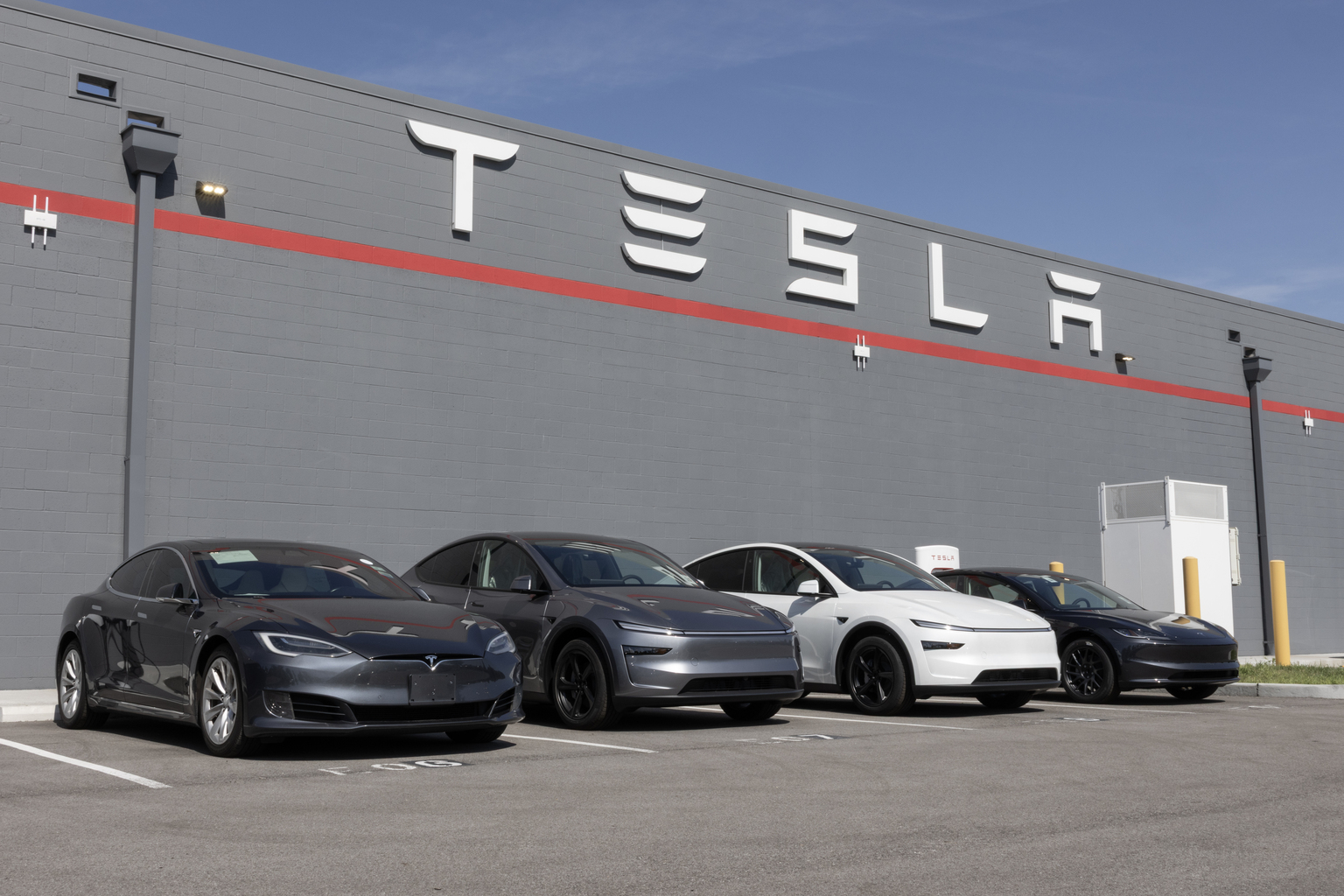
Tesla's Sales and Market Performance: Tesla's Model Y and 3 deliveries are expected to show stability following the expiration of tax credits in the U.S., with about 40% of Tesla's sales coming from the U.S. market, where three-quarters took advantage of the expired tax credit.
Delivery Estimates: Analysts predict Tesla's Model 3/Y deliveries will be around 330,000 units, lower than previous estimates, while overall delivery volume for the first quarter is expected to reach 345,000 units, marking a 2% growth.
Future Developments: Tesla is focusing on the development of its robotaxi network and improving the performance of its self-driving software, with expectations of a significant increase in energy storage deployments in the upcoming quarter.
Investor Sentiment: Retail sentiment around Tesla's stock remains bearish, but the stock has gained 33% over the past year, indicating a mixed outlook among investors despite recent challenges.
Trade with 70% Backtested Accuracy
Analyst Views on TSLA

About TSLA
About the author

Tesla Approaches 10 Billion Full Self-Driving Miles Milestone

- Milestone Achievement: Tesla (TSLA) is nearing the milestone of 10 billion full self-driving miles, reinforcing its lead in autonomy, although the FSD system still requires driver attention, indicating a transitional phase in autonomous driving.
- Capex Concerns: Morgan Stanley analyst Andrew Percoco highlighted that Tesla's capital expenditures are projected to reach $20.7 billion in 2026, aligning with the company's guidance but raising concerns as free cash flow turns negative, necessitating clearer evidence of unsupervised autonomy to support stock valuation.
- Robotaxi Operations: Tesla's current robotaxi activities in Austin are still small-scale and moving towards less supervised driving, but not yet considered a broad commercial rollout, with initial production of CyberCab expected to begin this month, indicating gradual progress in autonomous vehicle deployment.
- Earnings Report Anticipation: Tesla is set to report Q1 earnings on April 22 after market close, with investors keenly awaiting insights on the latest developments regarding robotaxi and CyberCab rollouts during the earnings conference call, which could influence market sentiment significantly.

Tesla's Optimus Robot Production Plans Unveiled
- Production Timeline: Tesla plans to begin production of the Optimus robot by the end of 2026, with an expected annual capacity of one million units, which will significantly diversify the company's product line and drive future revenue growth.
- Production Line Shift: The company will halt production of the Model S and Model X in California to repurpose those lines for Optimus manufacturing, a strategic shift that not only optimizes resource allocation but may also enhance overall production efficiency.
- Chinese Factory Potential: Tesla's China president stated that the Shanghai gigafactory is capable of supporting the mass production of Optimus, indicating the company's strong commitment to the Chinese market and potentially strengthening its competitive position in the global robotics market.
- Positive Market Reaction: TSLA stock rose 4% following the announcement, reflecting increased investor confidence in the Optimus project, with the stock gaining 45% over the past 12 months, indicating a bullish outlook on the company's future growth.

US-Iran Tensions Impact Market Dynamics

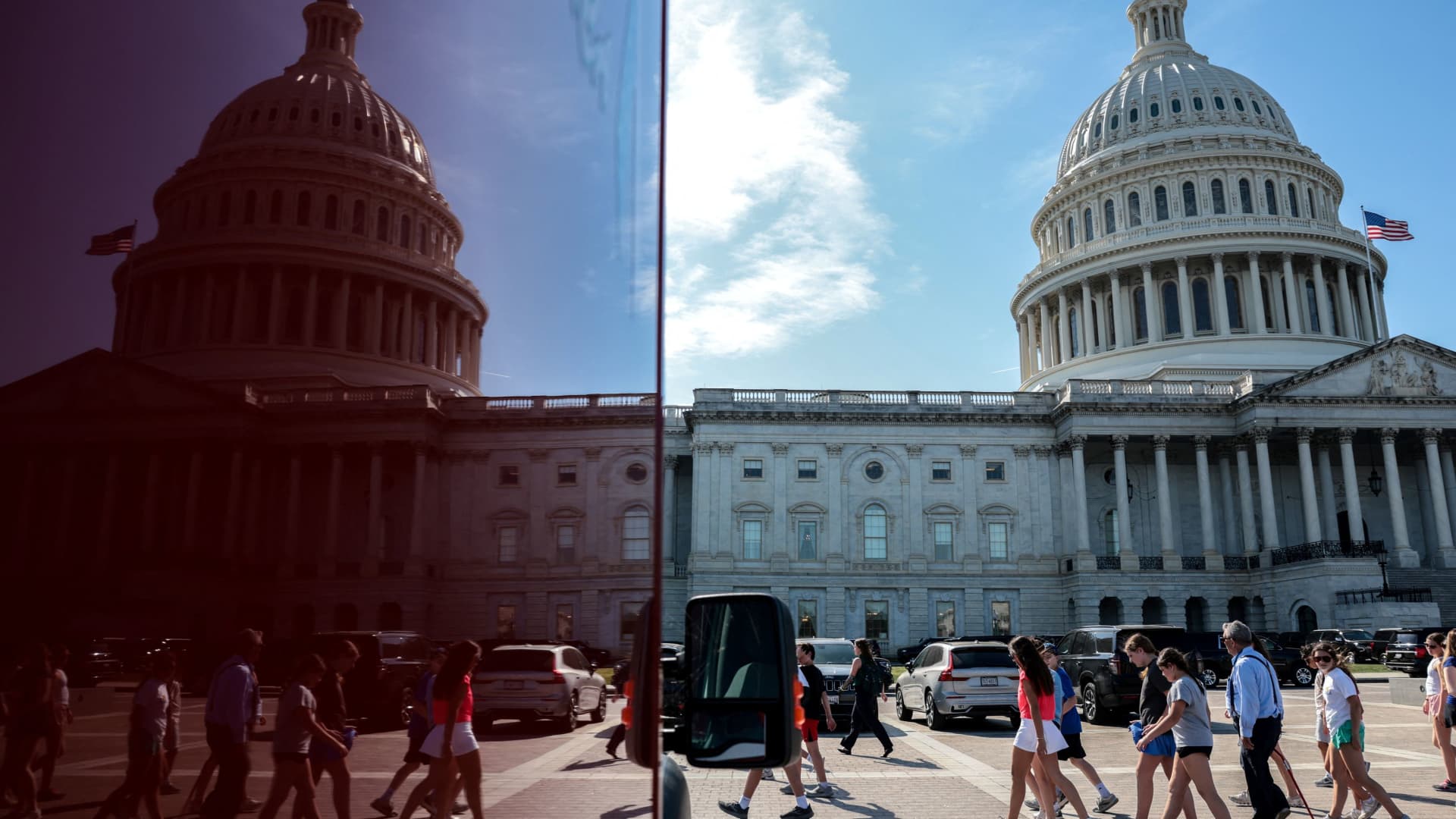
- Market Recovery: The S&P 500 has erased all declines since the onset of the Iran war and is nearing an all-time high, reflecting investor optimism about potential progress in US-Iran negotiations, which could drive further stock market gains.
- Economic Blockade Impact: The full implementation of the US blockade on Iranian ports has cut off international sea trade that powers about 90% of Iran's economy, potentially leading to further economic deterioration in Iran while also creating ripple effects in the global energy market.
- International Relations Strain: The US's maximum pressure campaign not only affects Iran but also strains relationships with China and India, particularly as nearly all Iranian oil exports are directed to China, complicating regional dynamics.
- Corporate Developments: European chip manufacturing giant ASML has exceeded first-quarter revenue expectations with sales topping 8.8 billion euros, indicating that the tech sector continues to show robust growth amid global economic uncertainties, likely attracting more investor interest.
U.S.-Iran Negotiation Optimism Fuels Stock Market Rally


- Stock Market Surge: The S&P 500 index has rallied for nine out of the last ten trading sessions, nearing its all-time high, driven by investor optimism regarding U.S.-Iran negotiations, indicating strong confidence in future economic recovery.
- Strait of Hormuz Blockade: President Trump announced a new blockade of the Strait of Hormuz, impacting about 20% of global oil supply, with over 10,000 U.S. military personnel and several warships enforcing it, further complicating the uncertain situation in the Middle East.
- Aviation Industry Crisis: Experts warn that if the blockade persists, Europe's airline industry could face a

Intel Stock Soars 70% Amid AI Partnerships and Investments


- Significant Stock Surge: Intel's stock has soared nearly 70% this year, reaching $65 per share, marking a new 52-week and multi-year high, reflecting increased market confidence in its turnaround strategy driven by AI partnerships and external investments.
- Strategic Partnerships: Intel has formed a high-profile partnership with Elon Musk's Terafab, becoming its primary foundry partner and providing manufacturing technology to support the production of 1 terawatt of AI compute annually, which not only enhances Intel's market position but also validates its foundry ambitions.
- Financial Injections and Improvements: Intel has secured investments totaling $15.9 billion from Nvidia, SoftBank, and the U.S. government, which not only alleviates financial stress but also strengthens its strategic importance in the semiconductor industry, aiding its path to profitability.
- Rising Profit Expectations: Although Intel reported a net loss in 2025, it is expected to achieve GAAP profitability in 2026, with annual sales projected to exceed $50 billion, indicating ongoing improvement in financial fundamentals amid strong demand for data center CPUs and AI chips.
US Stocks Surge as Oil Prices Plunge Amid Ceasefire Talks


- Market Rally: The S&P 500 rose by 1.18%, reaching a two-month high, while the Nasdaq 100 increased by 1.81%, reflecting strong investor optimism ahead of the earnings season, particularly as major banks prepare to report.
- Oil Price Plunge: WTI crude oil prices fell over 7% due to potential US-Iran ceasefire extensions, which will lower jet fuel costs for airlines, thereby boosting profitability and further supporting stock market gains.
- Inflation Data Impact: The March PPI report showed a 4.0% year-over-year increase, below the expected 4.6%, indicating easing inflation pressures that could influence the Fed's rate hike decisions, leading to more cautious market expectations regarding future monetary policy.
- Airline Stocks Surge: American Airlines Group saw its stock rise over 8% as a result of falling oil prices, demonstrating market confidence in the airline industry's recovery and reflecting investor optimism about the profitability potential from lower fuel costs.
Tesla Approaches 10 Billion Full Self-Driving Miles Milestone
- Milestone Achievement: Tesla (TSLA) is nearing the milestone of 10 billion full self-driving miles, reinforcing its lead in autonomy, although the FSD system still requires driver attention, indicating a transitional phase in autonomous driving.
- Capex Concerns: Morgan Stanley analyst Andrew Percoco highlighted that Tesla's capital expenditures are projected to reach $20.7 billion in 2026, aligning with the company's guidance but raising concerns as free cash flow turns negative, necessitating clearer evidence of unsupervised autonomy to support stock valuation.
- Robotaxi Operations: Tesla's current robotaxi activities in Austin are still small-scale and moving towards less supervised driving, but not yet considered a broad commercial rollout, with initial production of CyberCab expected to begin this month, indicating gradual progress in autonomous vehicle deployment.
- Earnings Report Anticipation: Tesla is set to report Q1 earnings on April 22 after market close, with investors keenly awaiting insights on the latest developments regarding robotaxi and CyberCab rollouts during the earnings conference call, which could influence market sentiment significantly.
Tesla's Optimus Robot Production Plans Unveiled
- Production Timeline: Tesla plans to begin production of the Optimus robot by the end of 2026, with an expected annual capacity of one million units, which will significantly diversify the company's product line and drive future revenue growth.
- Production Line Shift: The company will halt production of the Model S and Model X in California to repurpose those lines for Optimus manufacturing, a strategic shift that not only optimizes resource allocation but may also enhance overall production efficiency.
- Chinese Factory Potential: Tesla's China president stated that the Shanghai gigafactory is capable of supporting the mass production of Optimus, indicating the company's strong commitment to the Chinese market and potentially strengthening its competitive position in the global robotics market.
- Positive Market Reaction: TSLA stock rose 4% following the announcement, reflecting increased investor confidence in the Optimus project, with the stock gaining 45% over the past 12 months, indicating a bullish outlook on the company's future growth.
US-Iran Tensions Impact Market Dynamics
- Market Recovery: The S&P 500 has erased all declines since the onset of the Iran war and is nearing an all-time high, reflecting investor optimism about potential progress in US-Iran negotiations, which could drive further stock market gains.
- Economic Blockade Impact: The full implementation of the US blockade on Iranian ports has cut off international sea trade that powers about 90% of Iran's economy, potentially leading to further economic deterioration in Iran while also creating ripple effects in the global energy market.
- International Relations Strain: The US's maximum pressure campaign not only affects Iran but also strains relationships with China and India, particularly as nearly all Iranian oil exports are directed to China, complicating regional dynamics.
- Corporate Developments: European chip manufacturing giant ASML has exceeded first-quarter revenue expectations with sales topping 8.8 billion euros, indicating that the tech sector continues to show robust growth amid global economic uncertainties, likely attracting more investor interest.
U.S.-Iran Negotiation Optimism Fuels Stock Market Rally
- Stock Market Surge: The S&P 500 index has rallied for nine out of the last ten trading sessions, nearing its all-time high, driven by investor optimism regarding U.S.-Iran negotiations, indicating strong confidence in future economic recovery.
- Strait of Hormuz Blockade: President Trump announced a new blockade of the Strait of Hormuz, impacting about 20% of global oil supply, with over 10,000 U.S. military personnel and several warships enforcing it, further complicating the uncertain situation in the Middle East.
- Aviation Industry Crisis: Experts warn that if the blockade persists, Europe's airline industry could face a
Intel Stock Soars 70% Amid AI Partnerships and Investments
- Significant Stock Surge: Intel's stock has soared nearly 70% this year, reaching $65 per share, marking a new 52-week and multi-year high, reflecting increased market confidence in its turnaround strategy driven by AI partnerships and external investments.
- Strategic Partnerships: Intel has formed a high-profile partnership with Elon Musk's Terafab, becoming its primary foundry partner and providing manufacturing technology to support the production of 1 terawatt of AI compute annually, which not only enhances Intel's market position but also validates its foundry ambitions.
- Financial Injections and Improvements: Intel has secured investments totaling $15.9 billion from Nvidia, SoftBank, and the U.S. government, which not only alleviates financial stress but also strengthens its strategic importance in the semiconductor industry, aiding its path to profitability.
- Rising Profit Expectations: Although Intel reported a net loss in 2025, it is expected to achieve GAAP profitability in 2026, with annual sales projected to exceed $50 billion, indicating ongoing improvement in financial fundamentals amid strong demand for data center CPUs and AI chips.
US Stocks Surge as Oil Prices Plunge Amid Ceasefire Talks
- Market Rally: The S&P 500 rose by 1.18%, reaching a two-month high, while the Nasdaq 100 increased by 1.81%, reflecting strong investor optimism ahead of the earnings season, particularly as major banks prepare to report.
- Oil Price Plunge: WTI crude oil prices fell over 7% due to potential US-Iran ceasefire extensions, which will lower jet fuel costs for airlines, thereby boosting profitability and further supporting stock market gains.
- Inflation Data Impact: The March PPI report showed a 4.0% year-over-year increase, below the expected 4.6%, indicating easing inflation pressures that could influence the Fed's rate hike decisions, leading to more cautious market expectations regarding future monetary policy.
- Airline Stocks Surge: American Airlines Group saw its stock rise over 8% as a result of falling oil prices, demonstrating market confidence in the airline industry's recovery and reflecting investor optimism about the profitability potential from lower fuel costs.