Investment Opportunities in Agentic AI
Written by Emily J. Thompson, Senior Investment Analyst
Updated: Apr 08 2026
0mins


Should l Buy GOOGL?
Source: Fool
- Market Leadership: Nvidia leads the parallel processing chip market with its GPUs known for flexibility and speed, boasting a market cap of $4.3 trillion and a daily gain of 2.06%, reflecting strong investor confidence.
- Custom Chip Advantage: Broadcom focuses on designing application-specific integrated circuits (ASICs) for specific computing needs, offering superior cost performance in certain scenarios, with a market cap of $1.6 trillion and a daily gain of 4.90%, indicating market recognition of its products.
- Cloud Computing Growth: Google's Tensor Processing Units (TPUs) drive rapid growth for Google Cloud, which also relies on Nvidia's GPUs, with a market cap of $3.7 trillion and a daily gain of 3.71%, showcasing its strong competitive position in the AI agent market.
- Free Model Strategy: Alphabet's Gemma 4, a low-cost AI agent model, is offered for free, lowering entry barriers and potentially attracting long-term customers, thereby enhancing its market position in the AI agent space.
Trade with 70% Backtested Accuracy
Stop guessing "Should I Buy GOOGL?" and start using high-conviction signals backed by rigorous historical data.
Sign up today to access powerful investing tools and make smarter, data-driven decisions.
Analyst Views on GOOGL
Wall Street analysts forecast GOOGL stock price to rise
33 Analyst Rating
26 Buy
7 Hold
0 Sell
Strong Buy
Current: 337.420

Low
305.00
Averages
374.25
High
400.00
Current: 337.420
Low
305.00
Averages
374.25
High
400.00
About GOOGL
Alphabet Inc. is a holding company. The Company's segments include Google Services, Google Cloud, and Other Bets. The Google Services segment includes products and services such as ads, Android, Chrome, devices, Google Maps, Google Play, Search, and YouTube. The Google Cloud segment includes infrastructure and platform services, collaboration tools, and other services for enterprise customers. Its Other Bets segment is engaged in the sale of healthcare-related services and Internet services. Its Google Cloud provides enterprise-ready cloud services, including Google Cloud Platform and Google Workspace. Google Cloud Platform provides access to solutions such as artificial intelligence (AI) offerings, including its AI infrastructure, Vertex AI platform, and Gemini for Google Cloud; cybersecurity, and data and analytics. Google Workspace includes cloud-based communication and collaboration tools for enterprises, such as Calendar, Gmail, Docs, Drive, and Meet.
About the author

Emily J. Thompson
Emily J. Thompson, a Chartered Financial Analyst (CFA) with 12 years in investment research, graduated with honors from the Wharton School. Specializing in industrial and technology stocks, she provides in-depth analysis for Intellectia’s earnings and market brief reports.

Alphabet's Strategic Investments in SpaceX and Anthropic


- Market Valuation Potential: SpaceX's market cap is estimated to exceed $1 trillion, with Alphabet holding approximately 6% of the shares, indicating potential returns in the billions, showcasing its strategic positioning in the space industry.
- AI Investment Returns: Alphabet's investment in Anthropic represents about 14%, and as the AI market rapidly expands, the value of these investments is expected to rise significantly, further solidifying Alphabet's leadership in the AI sector.
- Cloud Computing Growth: Google Cloud's revenue surged 48% year-over-year in Q4, driven by the competitiveness of its custom AI chips, indicating Alphabet's success in integrating cloud computing with AI, which will boost overall revenue growth.
- Capital Expenditure Strategy: Alphabet's substantial investments in data centers will provide robust support for future AI developments, and if it were to sell its stakes in SpaceX and Anthropic, it could free up enough capital for further expansion, demonstrating its flexible capital management capabilities.
See More
Amazon to Invest $25 Billion in AI Startup Anthropic


- Massive Investment: Amazon announced it will invest up to $25 billion in AI startup Anthropic, building on a previous $8 billion investment, with $5 billion effective immediately and an additional $20 billion tied to specific commercial milestones, reflecting Amazon's strong confidence in the AI sector.
- Cloud Collaboration: Anthropic agreed to spend over $100 billion on Amazon Web Services (AWS) over the next decade, including Amazon's custom AI chips Trainium and tens of millions of Graviton cores, further solidifying Amazon's leadership in the cloud computing market.
- Enhanced Computing Power: Anthropic will have access to up to 5 gigawatts of compute capacity to train its Claude AI models, significantly boosting the performance and availability of its AI systems, thereby enhancing its competitive edge in the rapidly evolving AI landscape.
- Market Potential: Should Anthropic achieve an $800 billion valuation, Amazon's estimated 16% to 18% stake could yield up to $144 billion in value for shareholders, highlighting the strategic significance and potential returns of this investment.
See More
Top Dividend Stocks for Stability Amid Market Volatility


- Walmart's Stability: Walmart (WMT) showcases its ability to maintain profitability amid economic fluctuations with a 0.74% dividend yield and 53 consecutive years of dividend increases, reporting $713.2 billion in revenue for FY 2022, surpassing the combined revenues of Alphabet and Microsoft, highlighting its strong market position.
- Coca-Cola's Brand Advantage: Coca-Cola (KO) ensures stable cash flow with a 2.73% dividend yield and 64 consecutive years of dividend increases, leveraging its asset-light business model and global distribution network, with a payout ratio of approximately 67%, demonstrating sustainable profitability across economic conditions.
- Altria's Pricing Power: Altria (MO) maintains a 6.50% dividend yield and a record of 60 dividend increases, utilizing its strong brand and pricing power to sustain profitability during economic downturns, with an expected payout ratio around 80%, ensuring returns for investors.
- Investment Value of Dividend Stocks: These three companies, recognized as 'Dividend Kings', provide stable cash flows amid market uncertainties, appealing to investors seeking safe investments, underscoring the significance of high-quality dividend stocks in volatile markets.
See More

Microsoft Faces Mass Lawsuit Over Cloud Software Pricing
- Lawsuit Background: A London tribunal ruled that Microsoft faces a collective lawsuit for allegedly overcharging nearly 60,000 British businesses for Windows Server software on cloud services, with claims potentially reaching £2.1 billion ($2.8 billion), which could significantly impact Microsoft's financial outlook.
- Competition Law Dispute: Competition lawyer Maria Luisa Stasi argues on behalf of affected businesses that Microsoft's wholesale pricing for Windows Server exceeds that of Azure, leading to increased costs for competitors like Amazon AWS and Google Cloud, thereby distorting market competition.
- Court Ruling: Despite Microsoft's claims that the lawsuit lacks a viable method for calculating alleged losses, the London Competition Appeal Tribunal has allowed the case to proceed to trial, a decision that may influence Microsoft's future pricing strategies and market conduct.
- Regulatory Scrutiny: Regulatory bodies in the UK, Europe, and the US are investigating Microsoft's practices, with the CMA previously noting that Microsoft's licensing practices materially disadvantage competitors in cloud services, indicating a tightening regulatory environment.
See More
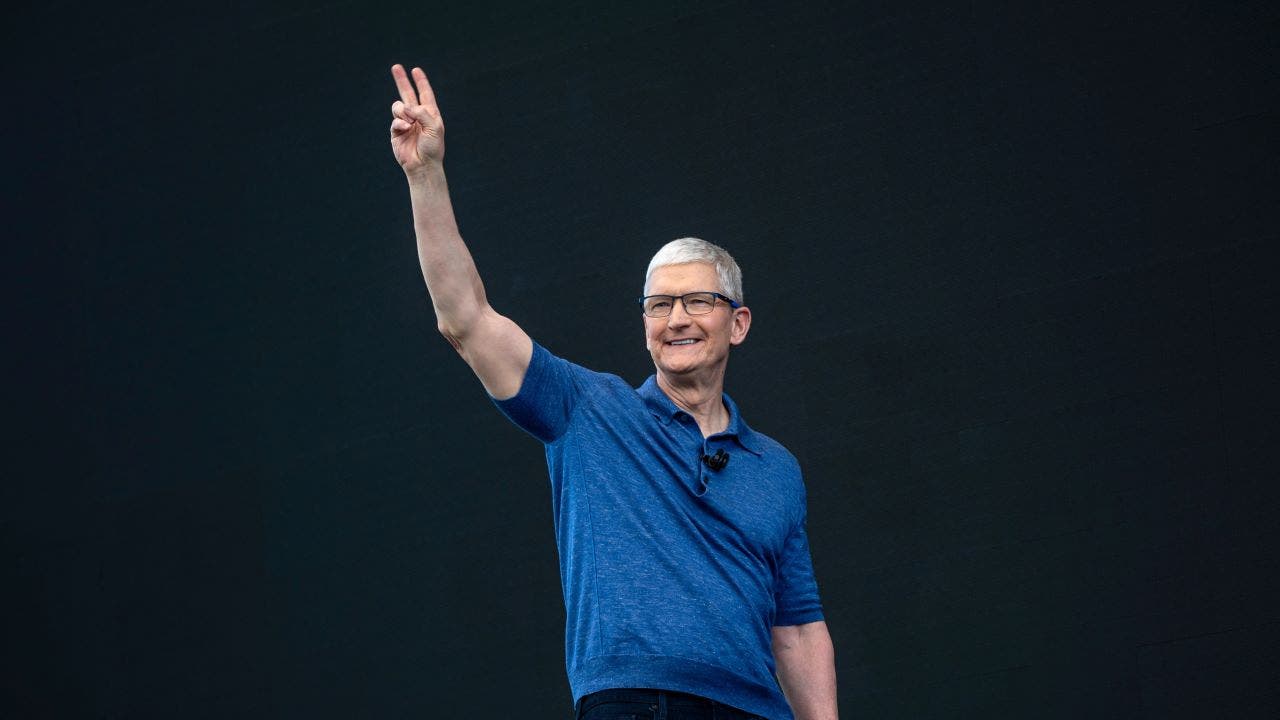
Apple Appoints John Ternus as New CEO

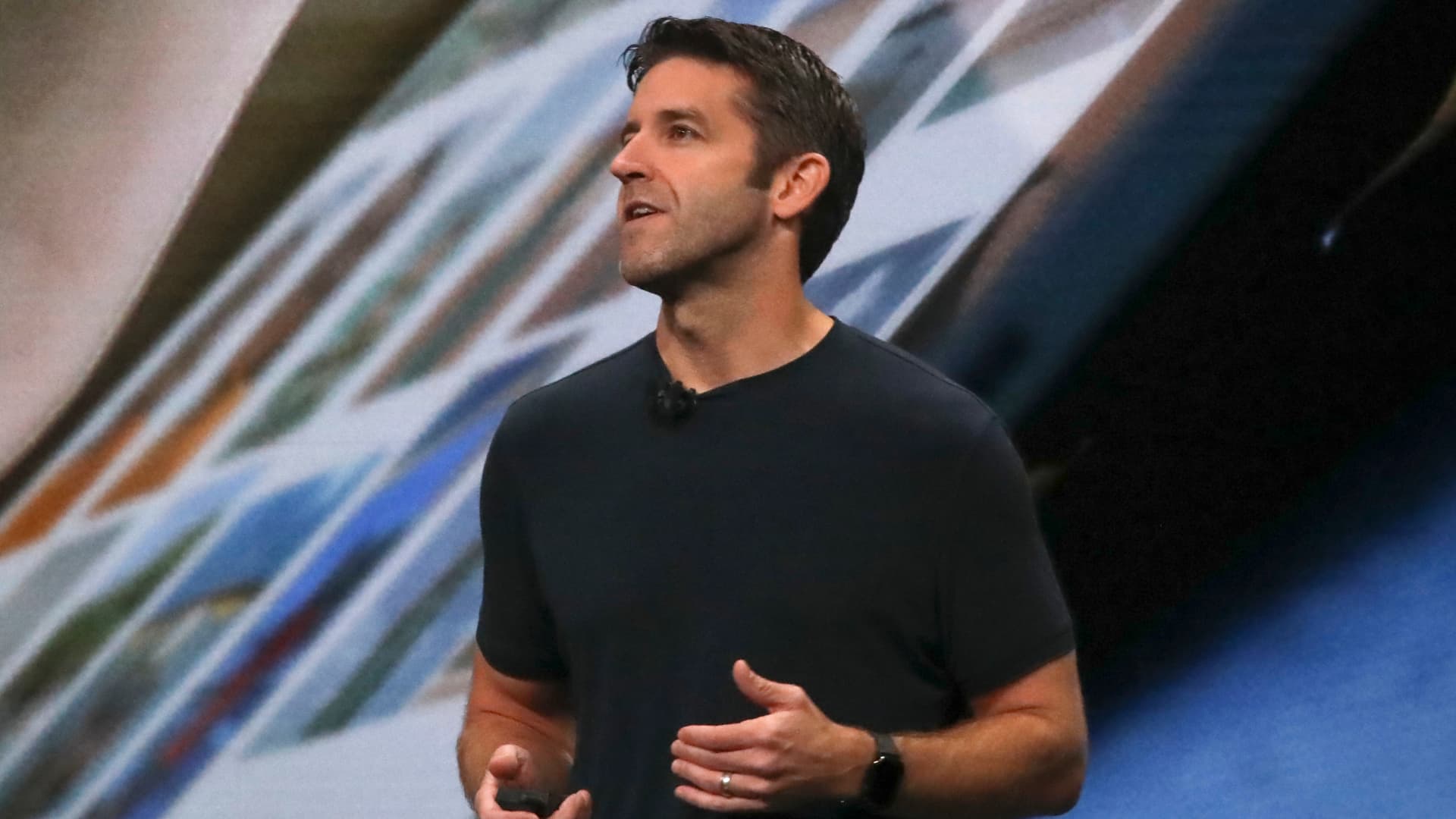
- Leadership Transition: Apple announced that current CEO Tim Cook will step down in September, appointing John Ternus, senior vice president of hardware engineering, as his successor; Ternus, who has been with Apple for over 25 years, has led the development of key products like the iPad, AirPods, and iPhone, highlighting the company's commitment to internal talent and succession planning.
- AI Strategy Challenge: Upon taking the helm, Ternus faces the significant task of revamping Apple's artificial intelligence strategy, particularly as the company has encountered development hurdles with its Siri model, leading to market speculation about his ability to drive innovation in AI to catch up with competitors.
- Analyst Optimism: Wall Street analysts view Ternus's promotion as a potential catalyst for revitalizing Apple and its AI strategy, with Morgan Stanley analysts noting that his appointment underscores Apple's continued focus on product-centric strategies, reinforcing its core competitive advantages in the market.
- Career Background: Ternus graduated from the University of Pennsylvania and has held several key positions at Apple, ultimately becoming senior vice president of hardware engineering; his extensive experience and deep understanding of Apple's culture provide a solid foundation for his future leadership role.
See More
Apple CEO Tim Cook Steps Down, New Leadership Raises Questions
- Leadership Change: Apple CEO Tim Cook's resignation marks a significant shift, as the stock has surged nearly 2,000% since he took over in 2011, potentially impacting investor confidence moving forward.
- New CEO Background: John Ternus, set to take over on September 1, brings extensive hardware engineering experience and has contributed to the design of key products like the iPad and AirPods, suggesting a potentially more innovative leadership style.
- Market Performance Analysis: Although Apple experienced slow revenue growth under Cook, it has only recently begun to recover, and the company's lag in critical areas like artificial intelligence could affect its future performance.
- Stock Valuation Risks: With a current P/E ratio near 35, significantly higher than the S&P 500's 25.4, if Ternus fails to meet high market expectations, the stock price may face downward pressure.
See More
Alphabet's Strategic Investments in SpaceX and Anthropic
- Market Valuation Potential: SpaceX's market cap is estimated to exceed $1 trillion, with Alphabet holding approximately 6% of the shares, indicating potential returns in the billions, showcasing its strategic positioning in the space industry.
- AI Investment Returns: Alphabet's investment in Anthropic represents about 14%, and as the AI market rapidly expands, the value of these investments is expected to rise significantly, further solidifying Alphabet's leadership in the AI sector.
- Cloud Computing Growth: Google Cloud's revenue surged 48% year-over-year in Q4, driven by the competitiveness of its custom AI chips, indicating Alphabet's success in integrating cloud computing with AI, which will boost overall revenue growth.
- Capital Expenditure Strategy: Alphabet's substantial investments in data centers will provide robust support for future AI developments, and if it were to sell its stakes in SpaceX and Anthropic, it could free up enough capital for further expansion, demonstrating its flexible capital management capabilities.
See More
Amazon to Invest $25 Billion in AI Startup Anthropic
- Massive Investment: Amazon announced it will invest up to $25 billion in AI startup Anthropic, building on a previous $8 billion investment, with $5 billion effective immediately and an additional $20 billion tied to specific commercial milestones, reflecting Amazon's strong confidence in the AI sector.
- Cloud Collaboration: Anthropic agreed to spend over $100 billion on Amazon Web Services (AWS) over the next decade, including Amazon's custom AI chips Trainium and tens of millions of Graviton cores, further solidifying Amazon's leadership in the cloud computing market.
- Enhanced Computing Power: Anthropic will have access to up to 5 gigawatts of compute capacity to train its Claude AI models, significantly boosting the performance and availability of its AI systems, thereby enhancing its competitive edge in the rapidly evolving AI landscape.
- Market Potential: Should Anthropic achieve an $800 billion valuation, Amazon's estimated 16% to 18% stake could yield up to $144 billion in value for shareholders, highlighting the strategic significance and potential returns of this investment.
See More
Top Dividend Stocks for Stability Amid Market Volatility
- Walmart's Stability: Walmart (WMT) showcases its ability to maintain profitability amid economic fluctuations with a 0.74% dividend yield and 53 consecutive years of dividend increases, reporting $713.2 billion in revenue for FY 2022, surpassing the combined revenues of Alphabet and Microsoft, highlighting its strong market position.
- Coca-Cola's Brand Advantage: Coca-Cola (KO) ensures stable cash flow with a 2.73% dividend yield and 64 consecutive years of dividend increases, leveraging its asset-light business model and global distribution network, with a payout ratio of approximately 67%, demonstrating sustainable profitability across economic conditions.
- Altria's Pricing Power: Altria (MO) maintains a 6.50% dividend yield and a record of 60 dividend increases, utilizing its strong brand and pricing power to sustain profitability during economic downturns, with an expected payout ratio around 80%, ensuring returns for investors.
- Investment Value of Dividend Stocks: These three companies, recognized as 'Dividend Kings', provide stable cash flows amid market uncertainties, appealing to investors seeking safe investments, underscoring the significance of high-quality dividend stocks in volatile markets.
See More
Microsoft Faces Mass Lawsuit Over Cloud Software Pricing
- Lawsuit Background: A London tribunal ruled that Microsoft faces a collective lawsuit for allegedly overcharging nearly 60,000 British businesses for Windows Server software on cloud services, with claims potentially reaching £2.1 billion ($2.8 billion), which could significantly impact Microsoft's financial outlook.
- Competition Law Dispute: Competition lawyer Maria Luisa Stasi argues on behalf of affected businesses that Microsoft's wholesale pricing for Windows Server exceeds that of Azure, leading to increased costs for competitors like Amazon AWS and Google Cloud, thereby distorting market competition.
- Court Ruling: Despite Microsoft's claims that the lawsuit lacks a viable method for calculating alleged losses, the London Competition Appeal Tribunal has allowed the case to proceed to trial, a decision that may influence Microsoft's future pricing strategies and market conduct.
- Regulatory Scrutiny: Regulatory bodies in the UK, Europe, and the US are investigating Microsoft's practices, with the CMA previously noting that Microsoft's licensing practices materially disadvantage competitors in cloud services, indicating a tightening regulatory environment.
See More
Apple Appoints John Ternus as New CEO
- Leadership Transition: Apple announced that current CEO Tim Cook will step down in September, appointing John Ternus, senior vice president of hardware engineering, as his successor; Ternus, who has been with Apple for over 25 years, has led the development of key products like the iPad, AirPods, and iPhone, highlighting the company's commitment to internal talent and succession planning.
- AI Strategy Challenge: Upon taking the helm, Ternus faces the significant task of revamping Apple's artificial intelligence strategy, particularly as the company has encountered development hurdles with its Siri model, leading to market speculation about his ability to drive innovation in AI to catch up with competitors.
- Analyst Optimism: Wall Street analysts view Ternus's promotion as a potential catalyst for revitalizing Apple and its AI strategy, with Morgan Stanley analysts noting that his appointment underscores Apple's continued focus on product-centric strategies, reinforcing its core competitive advantages in the market.
- Career Background: Ternus graduated from the University of Pennsylvania and has held several key positions at Apple, ultimately becoming senior vice president of hardware engineering; his extensive experience and deep understanding of Apple's culture provide a solid foundation for his future leadership role.
See More
Apple CEO Tim Cook Steps Down, New Leadership Raises Questions
- Leadership Change: Apple CEO Tim Cook's resignation marks a significant shift, as the stock has surged nearly 2,000% since he took over in 2011, potentially impacting investor confidence moving forward.
- New CEO Background: John Ternus, set to take over on September 1, brings extensive hardware engineering experience and has contributed to the design of key products like the iPad and AirPods, suggesting a potentially more innovative leadership style.
- Market Performance Analysis: Although Apple experienced slow revenue growth under Cook, it has only recently begun to recover, and the company's lag in critical areas like artificial intelligence could affect its future performance.
- Stock Valuation Risks: With a current P/E ratio near 35, significantly higher than the S&P 500's 25.4, if Ternus fails to meet high market expectations, the stock price may face downward pressure.
See More