

Intel's 18A Process Goes Live, Leading TSMC by 6-12 Months
Written by Emily J. Thompson, Senior Investment Analyst
Updated: Jan 21 2026
0mins

Source: NASDAQ.COM
- Technological Leadership: Intel's 18A process has entered production, featuring exclusive backside power delivery technology that significantly enhances chip performance and efficiency, likely to have a profound impact on market competition.
- Market Advantage: The launch of Intel's Panther Lake CPUs this month marks the first products utilizing the 18A process, representing a crucial advancement in its competition with TSMC, which is expected to attract more customer interest.
- Efficiency Gains: With backside power delivery, Intel achieved a 6% boost in chip frequency during early testing, meaning chips can run faster at the same power consumption or use less power while maintaining performance, enhancing product competitiveness.
- Future Outlook: Intel plans to introduce its 14A process in 2027, expected to again lead TSMC, further solidifying its innovative position in the semiconductor industry and aiding in securing external customers to enhance the long-term success of its foundry business.
Trade with 70% Backtested Accuracy
Stop guessing "Should I Buy INTC?" and start using high-conviction signals backed by rigorous historical data.
Sign up today to access powerful investing tools and make smarter, data-driven decisions.
Analyst Views on INTC
Wall Street analysts forecast INTC stock price to fall
29 Analyst Rating
5 Buy
19 Hold
5 Sell
Hold
Current: 127.020

Low
20.00
Averages
39.30
High
52.00
Current: 127.020
Low
20.00
Averages
39.30
High
52.00
About INTC
Intel Corporation is a global designer and manufacturer of semiconductor products. The Company's segments include Intel Products, Intel Foundry, and All Other. Its Intel Products comprise Client Computing Group (CCG) and Data Center and AI (DCAI). CCG delivers platforms and processors that power PCs and edge devices, enabling enhanced performance, connectivity and user experience for consumer and commercial markets with capabilities that also support retail, industrial robotics and AI ecosystems at the edge. DCAI delivers workload-optimized solutions based upon its x86 architecture for data centers, including CPUs, AI accelerators, NICs, IPUs and custom ASICs, enabling performance and scalability for cloud, enterprise, telecommunication and HPC environments. The Intel Foundry segment comprises technology development, manufacturing and foundry services, developing new semiconductor process technologies and advanced packaging technologies. All Other segments include Mobileye and Other.
About the author

Emily J. Thompson
Emily J. Thompson, a Chartered Financial Analyst (CFA) with 12 years in investment research, graduated with honors from the Wharton School. Specializing in industrial and technology stocks, she provides in-depth analysis for Intellectia’s earnings and market brief reports.
Intel's Stock Triples Amid AI Boom and Foundry Growth

- Significant Investment Returns: A $10,000 investment in Intel on January 2 at $39.38 per share is now worth approximately $30,561, demonstrating that investors have seen over a threefold return in just six months, reflecting increased market confidence in Intel's transformation.
- Strong Revenue Growth: Recent reports indicate that Intel's data center and AI revenue rose 22% year-over-year to $5.1 billion, while foundry revenue grew 16% to $5.4 billion, showcasing the company's robust performance in emerging markets and ongoing business transformation.
- Restored Market Confidence: Intel's stock peaked at $139.63 in late June before a market pullback, indicating that investor confidence in the company's future growth is gradually recovering, despite the fact that the company remains unprofitable over the past 12 months.
- Future Challenges and Opportunities: Intel is set to report its second-quarter results on July 23, with the market keenly watching for growth in foundry revenue, gross margins, and new customer acquisitions, as these factors will directly impact the company's future valuation and investor confidence.
See More
Intel's Dramatic Comeback in Semiconductor Industry
- Leadership Change: Under CEO Lip-Bu Tan, Intel is gradually regaining competitiveness in the semiconductor industry, with investor confidence significantly increasing, although the stock has risen 425% over the past year, it faces challenges in performance over the next five years.
- Technological Breakthrough: Intel has mastered the 18A manufacturing process, enabling the production of 1.8-nanometer chips, which positions it favorably in the next-generation AI processor competition and may help it compete with TSMC in manufacturing.
- Market Outlook: According to Grand View Research, the AI chip market is projected to grow at a CAGR of 29% through 2030, providing a favorable market environment for Intel's business transformation, especially as demand for CPUs in data centers continues to rise.
- Financial Status: Despite Intel's revenue reaching $13.6 billion in Q1 2026, a 7% year-over-year increase, its $3.7 billion net loss indicates ongoing financial pressure, with analysts forecasting only 11% revenue growth in 2026, highlighting a significant gap with competitors.
See More
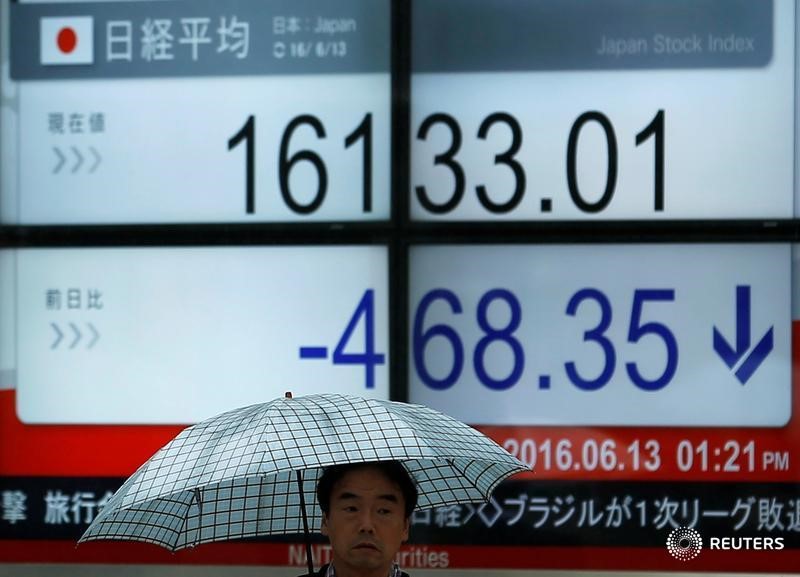
Semiconductor Stocks Rebound, ASML Price Target Raised

- Semiconductor ETF Rebound: The iShares Semiconductor ETF (SOXX) rose over 2.5% in premarket trading on Monday, recovering from a two-day slide last week that saw an 11% drop, indicating renewed market confidence in the semiconductor sector.
- Intel and AMD Gains: Intel and Advanced Micro Devices (AMD) saw their shares increase by 2.5% and 3% respectively, reflecting investor optimism about a recovery in the semiconductor market, particularly driven by rising demand from artificial intelligence.
- ASML Price Target Increase: ASML's stock rose by 4% after Bernstein raised its price target by over 30% to $2,300, with analysts citing unprecedented expansion in both logic and DRAM capacity as a key driver.
- Telecom Stock Recovery: T-Mobile U.S. shares increased by more than 1.5% after Bank of America upgraded its rating from neutral to buy, with analysts suggesting that peak bearishness in the telecommunications sector has been reached, noting the stock's more than 20% decline from its 2026 highs is overdone.
See More

iShares Semiconductor ETF Rises 12.6% in June

- Strong June Performance: The iShares Semiconductor ETF rose 12.6% in June, marking a robust performance for the semiconductor sector, and despite a dip in July, it has surged 88% in 2026, indicating significant recovery potential in the industry.
- Industry Structure Analysis: The ETF tracks the NYSE Semiconductor Index, which consists of 30 U.S.-listed semiconductor companies, with the top five capped at 8%, allowing for broad exposure to semiconductor stocks and mitigating over-reliance on any single company.
- Capital Expenditure Drive: Micron Technology announced plans to increase its fiscal 2026 capital spending to $27 billion from $15.9 billion in 2025, reflecting strong demand for memory chips and a market characterized by supply-demand imbalances.
- Investment Opportunities: The market dynamics in June present diverse investment themes for semiconductor investors, who can capture upside potential by purchasing the iShares ETF, ensuring they benefit from the industry's recovery.
See More
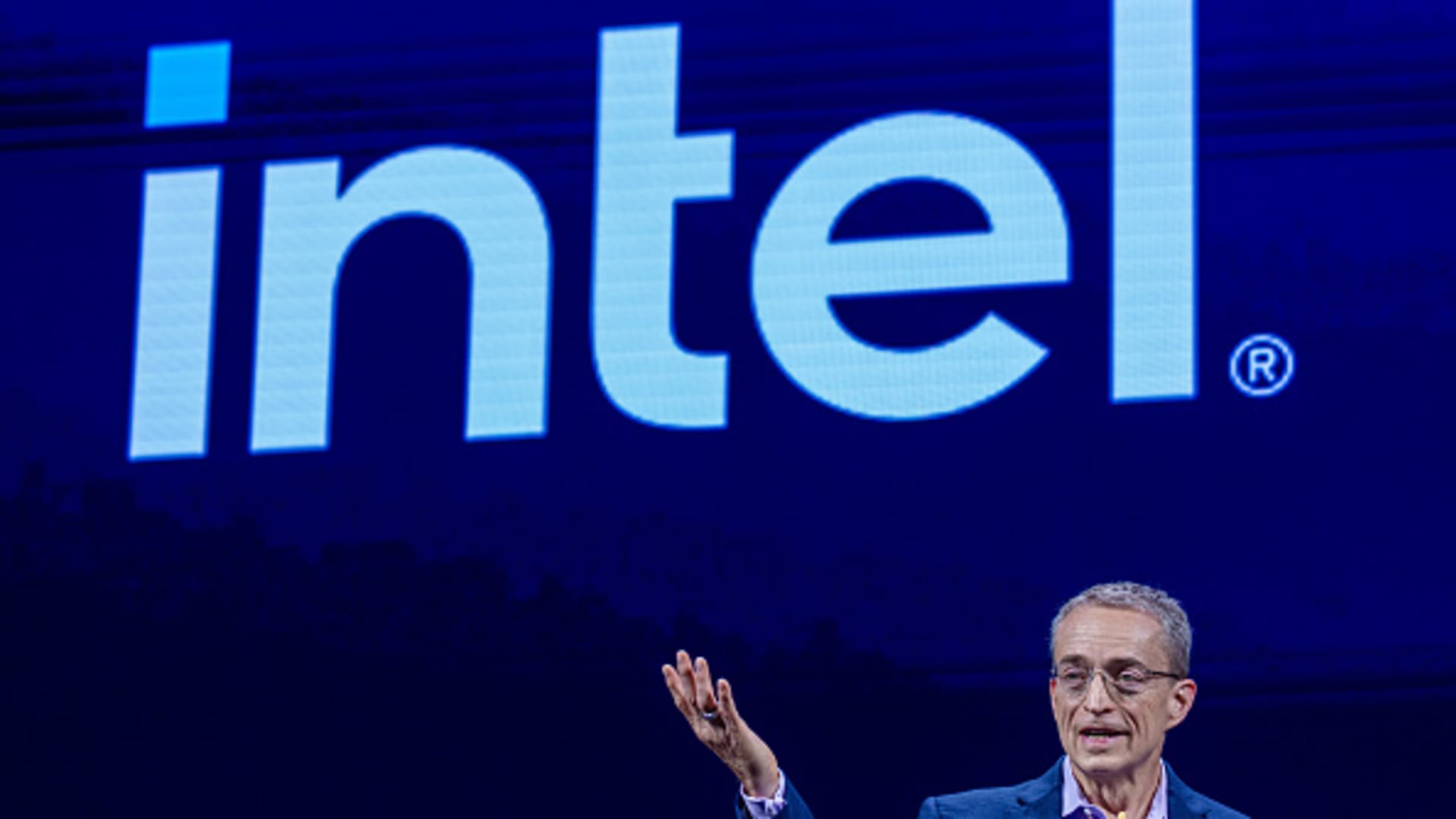
Strong Performance of Semiconductor ETF Draws Investor Attention
- ETF Performance Surge: The iShares Semiconductor ETF (NASDAQ: SOXX) rose 12.6% in June, indicating a robust recovery in the semiconductor sector, and despite a dip in July, it has surged 88% in 2026, reflecting strong market demand and investor confidence.
- Diversified Investment Strategy: The ETF ensures portfolio diversity by holding modified float-adjusted market-cap-weighted positions in the 30 largest U.S.-listed semiconductor companies, with the top five capped at 8%, effectively reducing reliance on Nvidia and enhancing overall investment stability.
- Capital Expenditure Surge: Micron Technology confirmed it will increase its fiscal capital spending to $27 billion in fiscal 2026, up from $15.9 billion in 2025, indicating sustained strong demand for memory chips and further driving growth potential in the semiconductor industry.
- Significant Industry Trends: June's industry dynamics highlighted a surge in demand for AI chips and rising capital expenditures; although Trump's claim of a chip manufacturing agreement between Intel and Apple remains unconfirmed, it has already boosted Intel's stock price, showcasing optimistic market expectations for the semiconductor sector.
See More

Nvidia's Dominance in the AI Chip Market
- Market Share Competition: Nvidia's dominance in the AI chip market has led to a staggering 900% stock price increase over the past five years; however, in the first half of 2023, investors rotated towards AI stocks that had not surged as much, resulting in AMD and Intel soaring 171% and 278%, respectively, while Nvidia only gained 7.2%.
- CPU Market Strategy: Nvidia plans to launch its first standalone CPU as part of the Vera Rubin platform, aiming to penetrate the $200 billion CPU market, where it has had minimal presence, with expectations of dominating the data center CPU market and forecasting $20 billion in standalone CPU sales this year.
- Intel's Recovery: Intel has exceeded revenue expectations for six consecutive quarters, with a 7% revenue increase in the latest quarter, bolstered by a 10% stake from the U.S. government, indicating potential recovery in the AI market, despite its lagging performance in the GPU sector.
- Valuation Advantage: With a forward P/E ratio of about 22x, Nvidia appears relatively cheap compared to the recently surged AMD and Intel, which may lead investors to favor Nvidia in the second half, predicting a rebound in its stock price to surpass its competitors.
See More
Intel's Stock Triples Amid AI Boom and Foundry Growth
- Significant Investment Returns: A $10,000 investment in Intel on January 2 at $39.38 per share is now worth approximately $30,561, demonstrating that investors have seen over a threefold return in just six months, reflecting increased market confidence in Intel's transformation.
- Strong Revenue Growth: Recent reports indicate that Intel's data center and AI revenue rose 22% year-over-year to $5.1 billion, while foundry revenue grew 16% to $5.4 billion, showcasing the company's robust performance in emerging markets and ongoing business transformation.
- Restored Market Confidence: Intel's stock peaked at $139.63 in late June before a market pullback, indicating that investor confidence in the company's future growth is gradually recovering, despite the fact that the company remains unprofitable over the past 12 months.
- Future Challenges and Opportunities: Intel is set to report its second-quarter results on July 23, with the market keenly watching for growth in foundry revenue, gross margins, and new customer acquisitions, as these factors will directly impact the company's future valuation and investor confidence.
See More
Intel's Dramatic Comeback in Semiconductor Industry
- Leadership Change: Under CEO Lip-Bu Tan, Intel is gradually regaining competitiveness in the semiconductor industry, with investor confidence significantly increasing, although the stock has risen 425% over the past year, it faces challenges in performance over the next five years.
- Technological Breakthrough: Intel has mastered the 18A manufacturing process, enabling the production of 1.8-nanometer chips, which positions it favorably in the next-generation AI processor competition and may help it compete with TSMC in manufacturing.
- Market Outlook: According to Grand View Research, the AI chip market is projected to grow at a CAGR of 29% through 2030, providing a favorable market environment for Intel's business transformation, especially as demand for CPUs in data centers continues to rise.
- Financial Status: Despite Intel's revenue reaching $13.6 billion in Q1 2026, a 7% year-over-year increase, its $3.7 billion net loss indicates ongoing financial pressure, with analysts forecasting only 11% revenue growth in 2026, highlighting a significant gap with competitors.
See More
Semiconductor Stocks Rebound, ASML Price Target Raised
- Semiconductor ETF Rebound: The iShares Semiconductor ETF (SOXX) rose over 2.5% in premarket trading on Monday, recovering from a two-day slide last week that saw an 11% drop, indicating renewed market confidence in the semiconductor sector.
- Intel and AMD Gains: Intel and Advanced Micro Devices (AMD) saw their shares increase by 2.5% and 3% respectively, reflecting investor optimism about a recovery in the semiconductor market, particularly driven by rising demand from artificial intelligence.
- ASML Price Target Increase: ASML's stock rose by 4% after Bernstein raised its price target by over 30% to $2,300, with analysts citing unprecedented expansion in both logic and DRAM capacity as a key driver.
- Telecom Stock Recovery: T-Mobile U.S. shares increased by more than 1.5% after Bank of America upgraded its rating from neutral to buy, with analysts suggesting that peak bearishness in the telecommunications sector has been reached, noting the stock's more than 20% decline from its 2026 highs is overdone.
See More
iShares Semiconductor ETF Rises 12.6% in June
- Strong June Performance: The iShares Semiconductor ETF rose 12.6% in June, marking a robust performance for the semiconductor sector, and despite a dip in July, it has surged 88% in 2026, indicating significant recovery potential in the industry.
- Industry Structure Analysis: The ETF tracks the NYSE Semiconductor Index, which consists of 30 U.S.-listed semiconductor companies, with the top five capped at 8%, allowing for broad exposure to semiconductor stocks and mitigating over-reliance on any single company.
- Capital Expenditure Drive: Micron Technology announced plans to increase its fiscal 2026 capital spending to $27 billion from $15.9 billion in 2025, reflecting strong demand for memory chips and a market characterized by supply-demand imbalances.
- Investment Opportunities: The market dynamics in June present diverse investment themes for semiconductor investors, who can capture upside potential by purchasing the iShares ETF, ensuring they benefit from the industry's recovery.
See More
Strong Performance of Semiconductor ETF Draws Investor Attention
- ETF Performance Surge: The iShares Semiconductor ETF (NASDAQ: SOXX) rose 12.6% in June, indicating a robust recovery in the semiconductor sector, and despite a dip in July, it has surged 88% in 2026, reflecting strong market demand and investor confidence.
- Diversified Investment Strategy: The ETF ensures portfolio diversity by holding modified float-adjusted market-cap-weighted positions in the 30 largest U.S.-listed semiconductor companies, with the top five capped at 8%, effectively reducing reliance on Nvidia and enhancing overall investment stability.
- Capital Expenditure Surge: Micron Technology confirmed it will increase its fiscal capital spending to $27 billion in fiscal 2026, up from $15.9 billion in 2025, indicating sustained strong demand for memory chips and further driving growth potential in the semiconductor industry.
- Significant Industry Trends: June's industry dynamics highlighted a surge in demand for AI chips and rising capital expenditures; although Trump's claim of a chip manufacturing agreement between Intel and Apple remains unconfirmed, it has already boosted Intel's stock price, showcasing optimistic market expectations for the semiconductor sector.
See More
Nvidia's Dominance in the AI Chip Market
- Market Share Competition: Nvidia's dominance in the AI chip market has led to a staggering 900% stock price increase over the past five years; however, in the first half of 2023, investors rotated towards AI stocks that had not surged as much, resulting in AMD and Intel soaring 171% and 278%, respectively, while Nvidia only gained 7.2%.
- CPU Market Strategy: Nvidia plans to launch its first standalone CPU as part of the Vera Rubin platform, aiming to penetrate the $200 billion CPU market, where it has had minimal presence, with expectations of dominating the data center CPU market and forecasting $20 billion in standalone CPU sales this year.
- Intel's Recovery: Intel has exceeded revenue expectations for six consecutive quarters, with a 7% revenue increase in the latest quarter, bolstered by a 10% stake from the U.S. government, indicating potential recovery in the AI market, despite its lagging performance in the GPU sector.
- Valuation Advantage: With a forward P/E ratio of about 22x, Nvidia appears relatively cheap compared to the recently surged AMD and Intel, which may lead investors to favor Nvidia in the second half, predicting a rebound in its stock price to surpass its competitors.
See More




