HSBC Plans Major Job Cuts Amid AI Shift
- Job Cut Plans: HSBC is considering cutting approximately 20,000 jobs over the next few years, representing about 10% of its total workforce, indicating a significant shift in the company's approach to artificial intelligence technology.
- Impact on Non-client Roles: The roles most likely to be affected are non-client facing positions in global service centers, with the assessment still in its early stages, suggesting a reevaluation of operational models to enhance efficiency.
- Restructuring Efforts: Since CEO Georges Elhedery took over in 2024, HSBC has undergone radical restructuring, cutting thousands of jobs and divesting certain businesses while merging or closing others to adapt to market changes.
- Technology-driven Transformation: This job cut plan not only reflects HSBC's increasing reliance on artificial intelligence but may also trigger similar transformations across other financial institutions on Wall Street, signaling a future where the finance industry is more technology-dependent.
Trade with 70% Backtested Accuracy
Analyst Views on HSBC
About HSBC
About the author

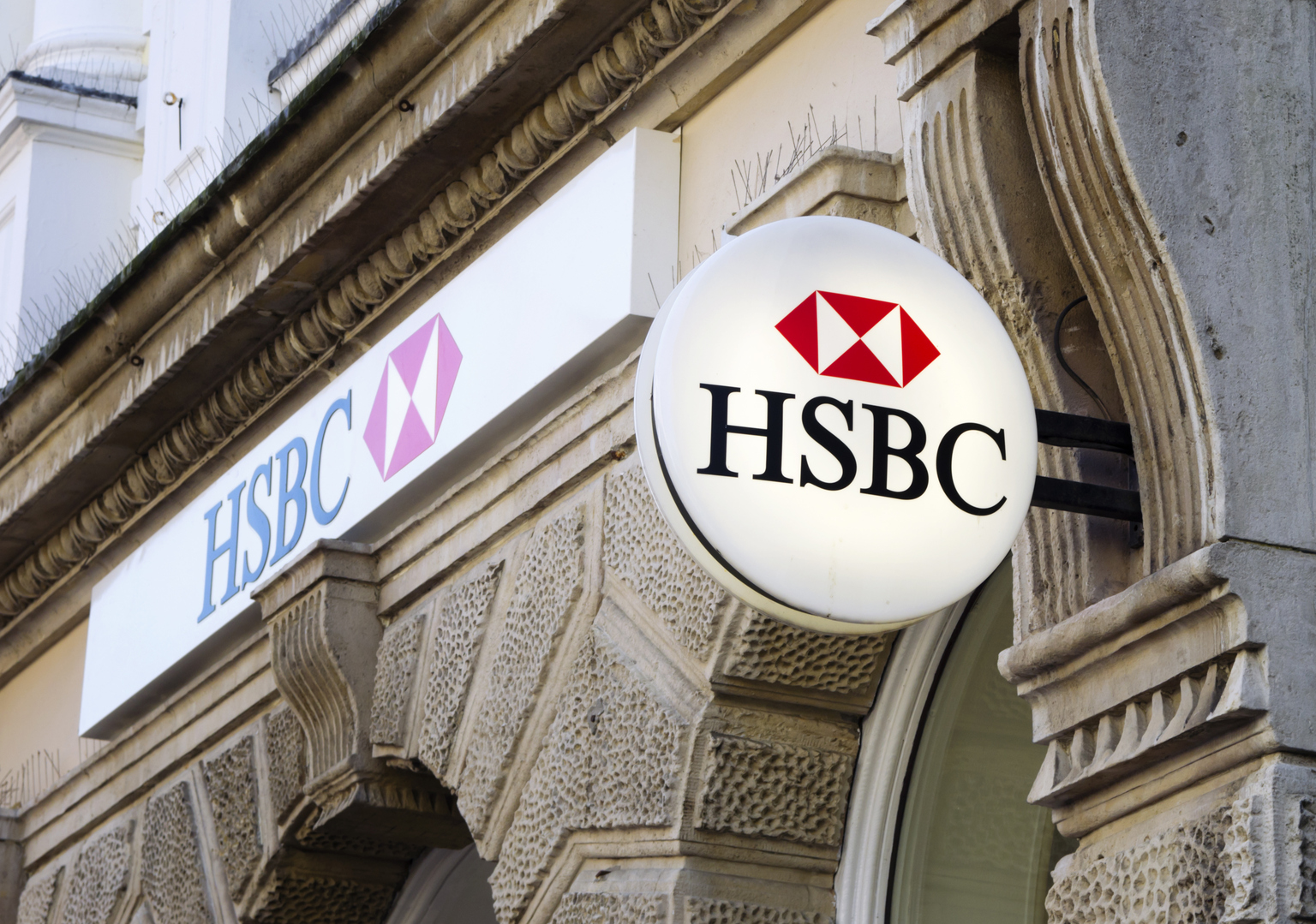
HSBC Plans Major Job Cuts Amid AI Shift

- Job Cut Plans: HSBC is considering cutting approximately 20,000 jobs over the next few years, representing about 10% of its total workforce, indicating a significant shift in the company's approach to artificial intelligence technology.
- Impact on Non-client Roles: The roles most likely to be affected are non-client facing positions in global service centers, with the assessment still in its early stages, suggesting a reevaluation of operational models to enhance efficiency.
- Restructuring Efforts: Since CEO Georges Elhedery took over in 2024, HSBC has undergone radical restructuring, cutting thousands of jobs and divesting certain businesses while merging or closing others to adapt to market changes.
- Technology-driven Transformation: This job cut plan not only reflects HSBC's increasing reliance on artificial intelligence but may also trigger similar transformations across other financial institutions on Wall Street, signaling a future where the finance industry is more technology-dependent.

Pop Mart Partners with Sony for Labubu Film

- Film Development Partnership: Pop Mart is collaborating with Sony Pictures to develop a movie centered around the Labubu character, marking a significant step in expanding its popular toy IP to the big screen, which is expected to attract more consumer attention.
- Market Performance Analysis: According to data provided by Pop Mart, products from 'The Monsters' series accounted for 34.7% of the company's total revenue in the first half of 2025, highlighting the series' importance in the market, although analysts warn of potential growth slowdown in 2026.
- Brand Strategy Transformation: The Chief Operating Officer of Pop Mart stated that movies not only allow consumers to intuitively understand the characters' world but also generate a wealth of material for product and theme park design, reflecting the company's strategic thinking in brand expansion.
- Future Outlook: Despite analysts predicting a potential 11% to 13% decline in earnings for 2026, Pop Mart is seeking to maintain brand vitality through its film project, demonstrating its long-term planning in IP development.

HSBC's Asia Strategy Proves Successful Amid Global Tensions
HSBC's Resilience: Despite a challenging global banking environment, HSBC Holdings remains stable, focusing its strategy on Asia, which now generates most of its business and has historically strong ties in the region.
Financial Performance: HSBC reported a pre-tax profit of $29.9 billion, slightly down from the previous year due to one-off charges, but above expectations, with a strong return on tangible equity of 17.2% anticipated for the coming years.
Investment Appeal: The bank's strong profitability, high dividend yield, and ongoing share buybacks make it an attractive option for investors seeking global financial exposure at reasonable prices.
Risks and Challenges: HSBC faces potential headwinds from geopolitical tensions, economic conditions in Asia, and regulatory complexities, which could impact its performance and operational stability.

HSBC and Standard Chartered Set to Obtain Hong Kong Stablecoin Licenses
- Stablecoin License Issuance: The Hong Kong Monetary Authority plans to issue stablecoin licenses to HSBC and Standard Chartered within two weeks, potentially as early as March 24, although the exact number and timetable remain unconfirmed, indicating proactive regulatory developments in Hong Kong's digital currency landscape.
- Local Currency Focus: The initial issuance of stablecoin licenses will likely concentrate on local currency, with Standard Chartered already announcing plans to issue a Hong Kong dollar-pegged stablecoin, which could enhance Hong Kong's competitiveness in the digital finance sector.
- Surprising HSBC Participation: HSBC, the largest bank in Hong Kong by assets, did not participate in the HKMA-led stablecoin issuer sandbox, making its potential license approval surprising and possibly altering market perceptions of its digital currency strategy.
- Policy Impact Research: A working paper from the European Central Bank highlights that broad adoption of stablecoins could weaken monetary policy transmission and affect bank intermediation, revealing potential risks and challenges of stablecoins in the global financial system.

HSBC Research Reveals Financial Fluency Gap Among Affluent Women
- Financial Fluency Gap: HSBC's research in partnership with Ipsos reveals that 70% of affluent women believe personalized financial advice tailored to their life stages would enhance their financial decisions, indicating a strong demand for customized services.
- Long-Term Care Preparedness: Only 32% of affluent women feel prepared for their long-term care needs, and just 29% feel ready for aging costs, highlighting a lack of confidence in navigating complex financial decisions that could impact their wealth management effectiveness.
- Planning Priorities: Nearly two-thirds of affluent women report that they plan financially not just for themselves but prioritize financial security for their loved ones, reflecting their significant role in wealth transfer, especially as the Great Wealth Transfer approaches.
- Opportunity for Financial Institutions: As women take on increasingly pivotal roles in global wealth management, financial institutions must move beyond traditional financial literacy efforts to provide targeted financial fluency guidance that helps women navigate their evolving financial priorities.

Three Companies That Recently Revealed Significant Dividend Hikes

Income Investors Shift to Equities: Over the past two years, income investors have increasingly turned to the equities market to offset the Federal Reserve's interest rate cuts, which have diminished yields on fixed-income products.
Impact of Geopolitical Events: Recent military actions involving the U.S. and Israel against Iran have raised inflationary fears and contributed to rising oil prices, complicating the Federal Reserve's monetary policy decisions.
Dividend Stocks as Attractive Options: Companies that are actively increasing their dividends are becoming appealing to investors seeking passive income, with several stocks highlighted for their potential to generate cash flow.
Market Performance and Recommendations: Analysts have identified five stocks that are currently recommended for purchase, suggesting they are well-positioned for growth amid broader market conditions.
HSBC Plans Major Job Cuts Amid AI Shift
- Job Cut Plans: HSBC is considering cutting approximately 20,000 jobs over the next few years, representing about 10% of its total workforce, indicating a significant shift in the company's approach to artificial intelligence technology.
- Impact on Non-client Roles: The roles most likely to be affected are non-client facing positions in global service centers, with the assessment still in its early stages, suggesting a reevaluation of operational models to enhance efficiency.
- Restructuring Efforts: Since CEO Georges Elhedery took over in 2024, HSBC has undergone radical restructuring, cutting thousands of jobs and divesting certain businesses while merging or closing others to adapt to market changes.
- Technology-driven Transformation: This job cut plan not only reflects HSBC's increasing reliance on artificial intelligence but may also trigger similar transformations across other financial institutions on Wall Street, signaling a future where the finance industry is more technology-dependent.
Pop Mart Partners with Sony for Labubu Film
- Film Development Partnership: Pop Mart is collaborating with Sony Pictures to develop a movie centered around the Labubu character, marking a significant step in expanding its popular toy IP to the big screen, which is expected to attract more consumer attention.
- Market Performance Analysis: According to data provided by Pop Mart, products from 'The Monsters' series accounted for 34.7% of the company's total revenue in the first half of 2025, highlighting the series' importance in the market, although analysts warn of potential growth slowdown in 2026.
- Brand Strategy Transformation: The Chief Operating Officer of Pop Mart stated that movies not only allow consumers to intuitively understand the characters' world but also generate a wealth of material for product and theme park design, reflecting the company's strategic thinking in brand expansion.
- Future Outlook: Despite analysts predicting a potential 11% to 13% decline in earnings for 2026, Pop Mart is seeking to maintain brand vitality through its film project, demonstrating its long-term planning in IP development.
HSBC's Asia Strategy Proves Successful Amid Global Tensions
HSBC's Resilience: Despite a challenging global banking environment, HSBC Holdings remains stable, focusing its strategy on Asia, which now generates most of its business and has historically strong ties in the region.
Financial Performance: HSBC reported a pre-tax profit of $29.9 billion, slightly down from the previous year due to one-off charges, but above expectations, with a strong return on tangible equity of 17.2% anticipated for the coming years.
Investment Appeal: The bank's strong profitability, high dividend yield, and ongoing share buybacks make it an attractive option for investors seeking global financial exposure at reasonable prices.
Risks and Challenges: HSBC faces potential headwinds from geopolitical tensions, economic conditions in Asia, and regulatory complexities, which could impact its performance and operational stability.
HSBC and Standard Chartered Set to Obtain Hong Kong Stablecoin Licenses
- Stablecoin License Issuance: The Hong Kong Monetary Authority plans to issue stablecoin licenses to HSBC and Standard Chartered within two weeks, potentially as early as March 24, although the exact number and timetable remain unconfirmed, indicating proactive regulatory developments in Hong Kong's digital currency landscape.
- Local Currency Focus: The initial issuance of stablecoin licenses will likely concentrate on local currency, with Standard Chartered already announcing plans to issue a Hong Kong dollar-pegged stablecoin, which could enhance Hong Kong's competitiveness in the digital finance sector.
- Surprising HSBC Participation: HSBC, the largest bank in Hong Kong by assets, did not participate in the HKMA-led stablecoin issuer sandbox, making its potential license approval surprising and possibly altering market perceptions of its digital currency strategy.
- Policy Impact Research: A working paper from the European Central Bank highlights that broad adoption of stablecoins could weaken monetary policy transmission and affect bank intermediation, revealing potential risks and challenges of stablecoins in the global financial system.
HSBC Research Reveals Financial Fluency Gap Among Affluent Women
- Financial Fluency Gap: HSBC's research in partnership with Ipsos reveals that 70% of affluent women believe personalized financial advice tailored to their life stages would enhance their financial decisions, indicating a strong demand for customized services.
- Long-Term Care Preparedness: Only 32% of affluent women feel prepared for their long-term care needs, and just 29% feel ready for aging costs, highlighting a lack of confidence in navigating complex financial decisions that could impact their wealth management effectiveness.
- Planning Priorities: Nearly two-thirds of affluent women report that they plan financially not just for themselves but prioritize financial security for their loved ones, reflecting their significant role in wealth transfer, especially as the Great Wealth Transfer approaches.
- Opportunity for Financial Institutions: As women take on increasingly pivotal roles in global wealth management, financial institutions must move beyond traditional financial literacy efforts to provide targeted financial fluency guidance that helps women navigate their evolving financial priorities.
Three Companies That Recently Revealed Significant Dividend Hikes
Income Investors Shift to Equities: Over the past two years, income investors have increasingly turned to the equities market to offset the Federal Reserve's interest rate cuts, which have diminished yields on fixed-income products.
Impact of Geopolitical Events: Recent military actions involving the U.S. and Israel against Iran have raised inflationary fears and contributed to rising oil prices, complicating the Federal Reserve's monetary policy decisions.
Dividend Stocks as Attractive Options: Companies that are actively increasing their dividends are becoming appealing to investors seeking passive income, with several stocks highlighted for their potential to generate cash flow.
Market Performance and Recommendations: Analysts have identified five stocks that are currently recommended for purchase, suggesting they are well-positioned for growth amid broader market conditions.