IEA Announces Historic Release of Oil Reserves Amid Middle East Conflict
Written by Emily J. Thompson, Senior Investment Analyst
Updated: 1 hour ago
0mins
Source: CNBC
- Historic Reserve Release: The International Energy Agency's decision to release 400 million barrels of crude oil marks the largest coordinated drawdown since its inception in 1974, aimed at addressing global oil supply disruptions caused by the Middle East conflict, highlighting policymakers' serious concerns over soaring oil prices.
- U.S. Strategic Reserve Involvement: The U.S. will tap 172 million barrels from its Strategic Petroleum Reserve as part of the global coordinated effort; however, oil prices surged over 8%, indicating market skepticism regarding the effectiveness of these measures in quickly alleviating supply shocks.
- Strait of Hormuz Transport Disruption: Approximately 20 million barrels of crude oil and petroleum products transit the Strait of Hormuz daily, accounting for about 20% of global oil consumption, and the conflict has severely disrupted these flows, exacerbating market fears over oil prices.
- Future Price Expectations: Analysts predict that if the conflict lasts for months, oil prices could surge to $120 to $150 per barrel to curb demand, particularly in developing economies, indicating that the market may be underestimating the potential scale and duration of the crisis.
Trade with 70% Backtested Accuracy
Stop guessing "Should I Buy PSX?" and start using high-conviction signals backed by rigorous historical data.
Sign up today to access powerful investing tools and make smarter, data-driven decisions.
Analyst Views on PSX
Wall Street analysts forecast PSX stock price to fall
15 Analyst Rating
8 Buy
7 Hold
0 Sell
Moderate Buy
Current: 162.500

Low
110.00
Averages
132.40
High
162.00
Current: 162.500
Low
110.00
Averages
132.40
High
162.00
About PSX
Phillips 66 is a diversified and integrated downstream energy provider that manufactures, transports and markets products. The Company's Midstream segment provides crude oil and refined petroleum product transportation, terminating and processing services, as well as natural gas and natural gas liquids (NGL) transportation, storage, fractionation, gathering, processing and marketing services. Its Chemicals segment consists of its 50% equity investment in Chevron Phillips Chemical Company LLC, which manufactures and markets petrochemicals and plastics on a worldwide basis. Its Refining segment refines crude oil and other feedstocks into petroleum products, such as gasoline, distillates, including aviation fuels. Its Marketing and Specialties segment purchases for resale and markets refined products, mainly in the United States and Europe. Its Renewable Fuels segment processes renewable feedstocks into renewable products at the Rodeo Renewable Energy Complex and at its Humber Refinery.
About the author

Emily J. Thompson
Emily J. Thompson, a Chartered Financial Analyst (CFA) with 12 years in investment research, graduated with honors from the Wharton School. Specializing in industrial and technology stocks, she provides in-depth analysis for Intellectia’s earnings and market brief reports.
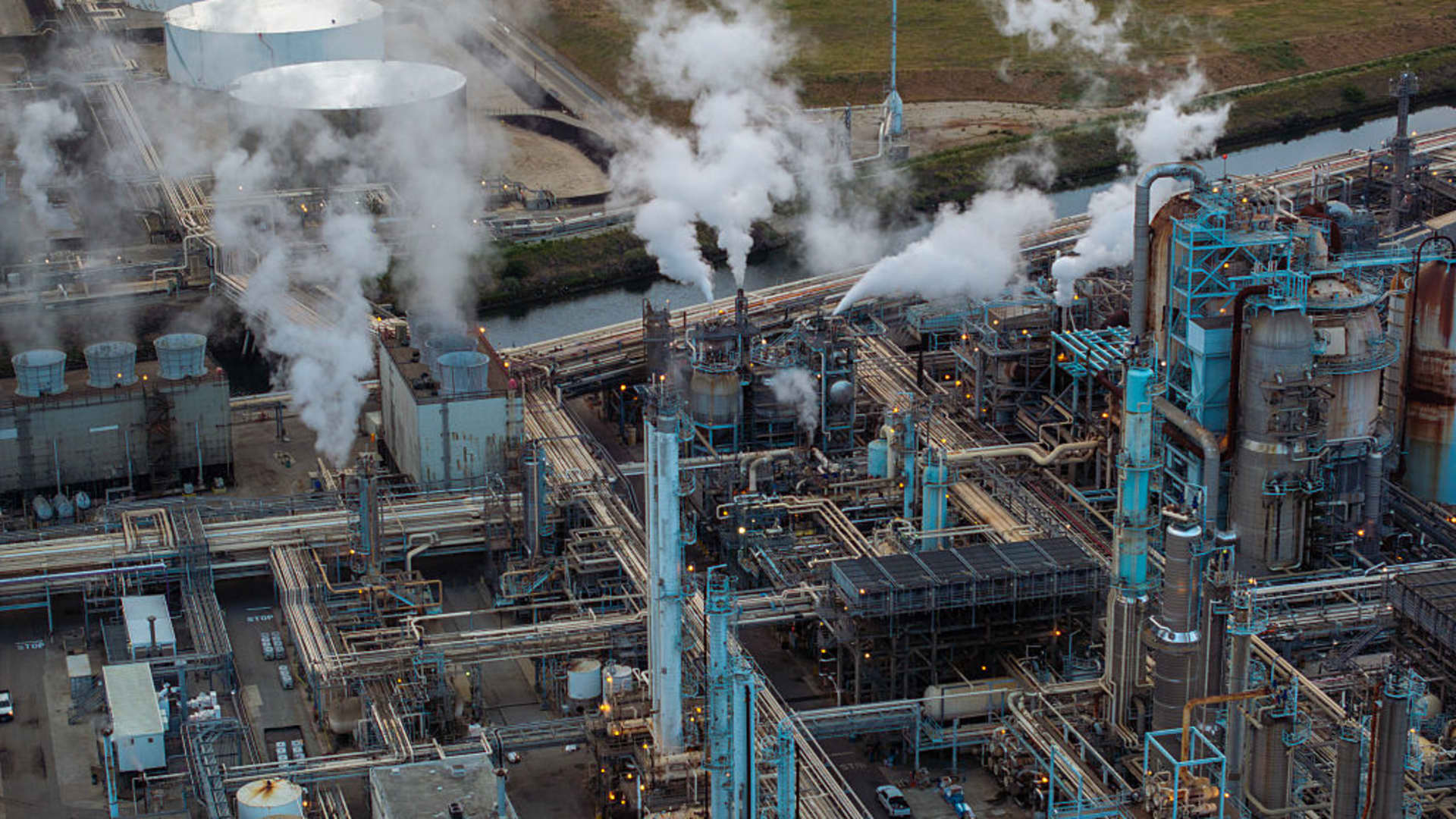
IEA Announces Historic Release of Oil Reserves Amid Middle East Conflict


- Historic Reserve Release: The International Energy Agency's decision to release 400 million barrels of crude oil marks the largest coordinated drawdown since its inception in 1974, aimed at addressing global oil supply disruptions caused by the Middle East conflict, highlighting policymakers' serious concerns over soaring oil prices.
- U.S. Strategic Reserve Involvement: The U.S. will tap 172 million barrels from its Strategic Petroleum Reserve as part of the global coordinated effort; however, oil prices surged over 8%, indicating market skepticism regarding the effectiveness of these measures in quickly alleviating supply shocks.
- Strait of Hormuz Transport Disruption: Approximately 20 million barrels of crude oil and petroleum products transit the Strait of Hormuz daily, accounting for about 20% of global oil consumption, and the conflict has severely disrupted these flows, exacerbating market fears over oil prices.
- Future Price Expectations: Analysts predict that if the conflict lasts for months, oil prices could surge to $120 to $150 per barrel to curb demand, particularly in developing economies, indicating that the market may be underestimating the potential scale and duration of the crisis.
See More

Rising Oil Prices Impact Market, Cramer Analyzes Investment Themes

- Oil Price Surge Impact: The ongoing Iran war has driven WTI crude oil prices above $88 per barrel, marking a year-to-date increase of over 50%, which could pressure the stock market, as evidenced by the S&P 500's slight decline amid a 5% rise in oil prices.
- Strategic Petroleum Reserve Release: President Trump announced the release of the U.S. Strategic Petroleum Reserve to alleviate energy prices, while the International Energy Agency agreed to release 400 million barrels of oil to address global supply disruptions, although these measures are seen as temporary fixes.
- Strong Data Center Infrastructure: Cramer highlighted Oracle's robust earnings as validation of the AI-driven data center infrastructure theme, indicating that its buildout is progressing better than expected, potentially offering new opportunities for investors.
- Ongoing Memory Shortage: Commentary from Hewlett Packard Enterprise suggests that the shortage of memory used in AI and computing systems may persist longer than anticipated, providing potential investment opportunities for related companies.
See More
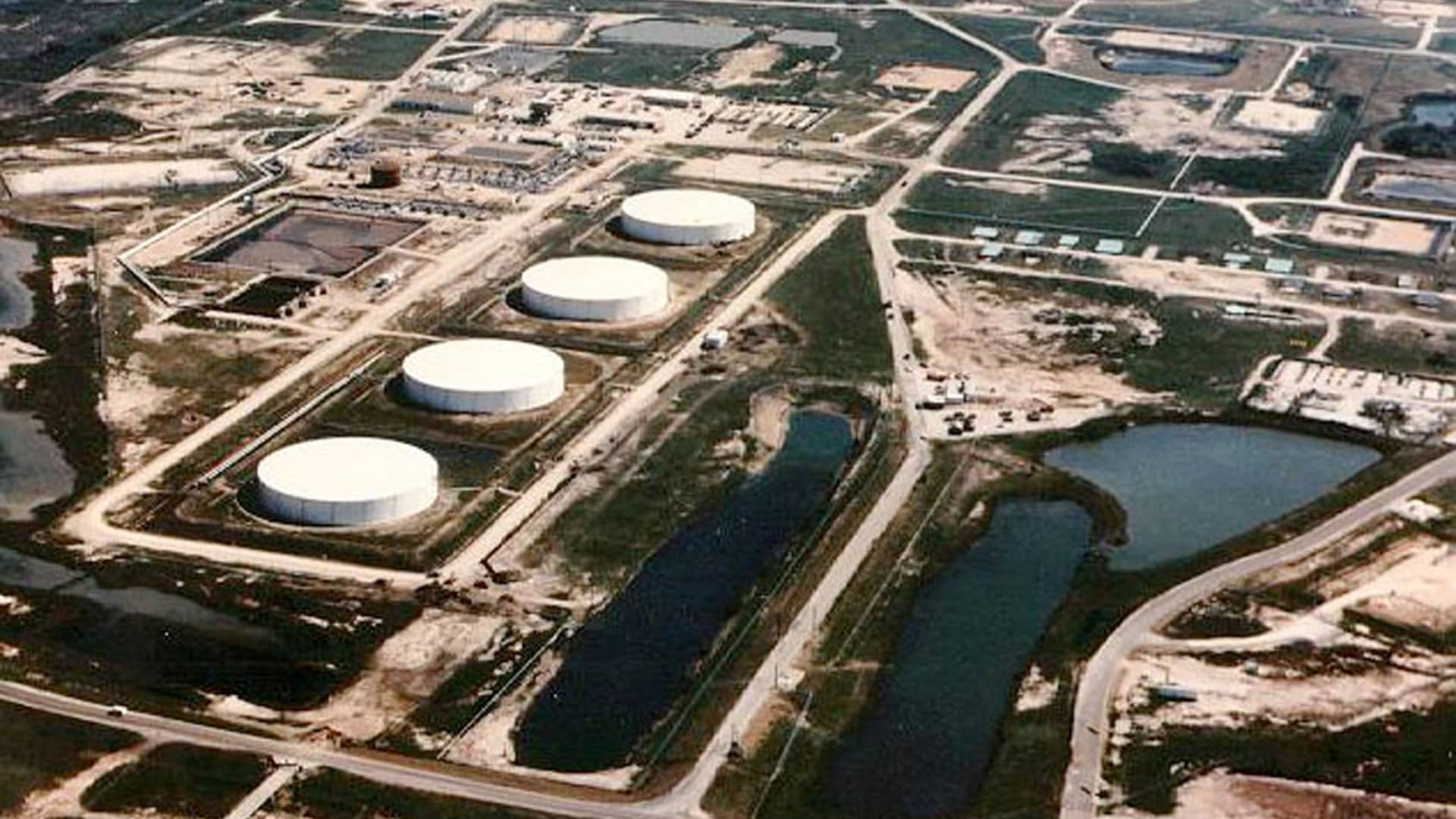
Trump Plans to Tap Strategic Petroleum Reserve Amid Iran War


- Energy Cost Mitigation: Trump announced plans to tap the Strategic Petroleum Reserve to lower energy costs, a move expected to alleviate pressures from global oil supply disruptions due to the Iran war, although it may impact reserve levels in the short term.
- Rising Gas Prices: Gasoline prices in the U.S. have surged to about $3.58 per gallon, a nearly 22% increase from last month's $2.94, which will directly affect consumer spending and economic recovery efforts.
- International Energy Agency Action: The International Energy Agency agreed to release 400 million barrels of oil to address supply disruptions, marking the largest stockpile release in over 50 years, highlighting the urgent need for stability in global markets.
- Current Reserve Status: The U.S. currently holds 415 million barrels in its Strategic Petroleum Reserve, approximately 58% of its authorized capacity of 714 million barrels, and Trump's decisions will significantly influence the U.S.'s role and leverage in the international energy market.
See More

Refining Sector Enters Earnings Supercycle


- Surging Refining Margins: The ongoing Iran-U.S. conflict has led to a significant increase in refining margins, with gasoline crack spreads currently around $28 per barrel and diesel crack spreads reaching $67 per barrel, indicating substantial profit potential for refiners amid high demand and supply constraints.
- Historic Strategic Reserve Release: The International Energy Agency announced the release of 400 million barrels from strategic reserves by its 32 member nations, marking the largest coordinated release in its 51-year history, which propelled Brent crude prices above $93 and WTI up 6.1% to $88.56.
- Potential Earnings Windfall: U.S. refining capacity is projected to reach 18.4 million barrels per day by 2025, and with the current blended crack spread of $40 per barrel, this implies an annualized gross refining margin potential of $268 billion, or approximately $168 billion in a conservative scenario, highlighting the industry's immense profit opportunities.
- Strong Market Response: Historically, refining stocks have performed exceptionally well during supply tightness, as seen in 2004-2005 and 2022, where Valero Energy and HF Sinclair saw stock price increases of 239% and 265% respectively, suggesting that current market conditions could lead to similarly strong returns for refining equities.
See More

U.S. to Build First Oil Refinery in 50 Years, $300 Billion Deal

- Historic Investment: President Trump announced that the U.S. will get its first oil refinery in 50 years, funded by Indian billionaire Mukesh Ambani's Reliance Industries, with a staggering $300 billion deal marking the largest in U.S. history.
- Enhanced National Security: The new refinery, located at the port of Brownsville, Texas, is designed to process 100% American shale oil, aiming to bolster national security and significantly increase U.S. energy production capabilities.
- Significant Economic Impact: Trump stated that the project will deliver billions of dollars in economic impact, further driving the domestic energy sector's growth and creating numerous job opportunities in related industries.
- Environmental Commitment: The refinery is set to be the cleanest in the world, reflecting a commitment to environmental sustainability while showcasing the U.S.'s strategic shift towards sustainable energy production.
See More

Upcoming U.S. Inflation Data Release

- Inflation Data Forecast: The U.S. Consumer Price Index is set to be released on Wednesday at 8:30 AM, with a month-over-month increase expected at 0.3% and a year-over-year increase at 2.4%, which will significantly impact market sentiment.
- Treasury Yield Dynamics: The current yield on the U.S. 10-year Treasury note stands at 4.156%, with the 2-year yield at 3.592% and the 3-month yield at 3.686%, indicating a cautious market outlook on future interest rate movements.
- Oil Price Fluctuations: Oil prices have risen due to reports of Iran laying anti-ship mines in the Strait of Hormuz, with West Texas Intermediate crude gaining 30% since the onset of the conflict and Brent crude up over 20%, despite overall declines in the commodity market.
- Market Focus: Campbell's is scheduled to report quarterly results on Wednesday morning, having seen its stock fall 12% over the past three months and more than 43% from its peak a year ago, making its performance a key point of interest for investors.
See More
IEA Announces Historic Release of Oil Reserves Amid Middle East Conflict
- Historic Reserve Release: The International Energy Agency's decision to release 400 million barrels of crude oil marks the largest coordinated drawdown since its inception in 1974, aimed at addressing global oil supply disruptions caused by the Middle East conflict, highlighting policymakers' serious concerns over soaring oil prices.
- U.S. Strategic Reserve Involvement: The U.S. will tap 172 million barrels from its Strategic Petroleum Reserve as part of the global coordinated effort; however, oil prices surged over 8%, indicating market skepticism regarding the effectiveness of these measures in quickly alleviating supply shocks.
- Strait of Hormuz Transport Disruption: Approximately 20 million barrels of crude oil and petroleum products transit the Strait of Hormuz daily, accounting for about 20% of global oil consumption, and the conflict has severely disrupted these flows, exacerbating market fears over oil prices.
- Future Price Expectations: Analysts predict that if the conflict lasts for months, oil prices could surge to $120 to $150 per barrel to curb demand, particularly in developing economies, indicating that the market may be underestimating the potential scale and duration of the crisis.
See More
Rising Oil Prices Impact Market, Cramer Analyzes Investment Themes
- Oil Price Surge Impact: The ongoing Iran war has driven WTI crude oil prices above $88 per barrel, marking a year-to-date increase of over 50%, which could pressure the stock market, as evidenced by the S&P 500's slight decline amid a 5% rise in oil prices.
- Strategic Petroleum Reserve Release: President Trump announced the release of the U.S. Strategic Petroleum Reserve to alleviate energy prices, while the International Energy Agency agreed to release 400 million barrels of oil to address global supply disruptions, although these measures are seen as temporary fixes.
- Strong Data Center Infrastructure: Cramer highlighted Oracle's robust earnings as validation of the AI-driven data center infrastructure theme, indicating that its buildout is progressing better than expected, potentially offering new opportunities for investors.
- Ongoing Memory Shortage: Commentary from Hewlett Packard Enterprise suggests that the shortage of memory used in AI and computing systems may persist longer than anticipated, providing potential investment opportunities for related companies.
See More
Trump Plans to Tap Strategic Petroleum Reserve Amid Iran War
- Energy Cost Mitigation: Trump announced plans to tap the Strategic Petroleum Reserve to lower energy costs, a move expected to alleviate pressures from global oil supply disruptions due to the Iran war, although it may impact reserve levels in the short term.
- Rising Gas Prices: Gasoline prices in the U.S. have surged to about $3.58 per gallon, a nearly 22% increase from last month's $2.94, which will directly affect consumer spending and economic recovery efforts.
- International Energy Agency Action: The International Energy Agency agreed to release 400 million barrels of oil to address supply disruptions, marking the largest stockpile release in over 50 years, highlighting the urgent need for stability in global markets.
- Current Reserve Status: The U.S. currently holds 415 million barrels in its Strategic Petroleum Reserve, approximately 58% of its authorized capacity of 714 million barrels, and Trump's decisions will significantly influence the U.S.'s role and leverage in the international energy market.
See More
Refining Sector Enters Earnings Supercycle
- Surging Refining Margins: The ongoing Iran-U.S. conflict has led to a significant increase in refining margins, with gasoline crack spreads currently around $28 per barrel and diesel crack spreads reaching $67 per barrel, indicating substantial profit potential for refiners amid high demand and supply constraints.
- Historic Strategic Reserve Release: The International Energy Agency announced the release of 400 million barrels from strategic reserves by its 32 member nations, marking the largest coordinated release in its 51-year history, which propelled Brent crude prices above $93 and WTI up 6.1% to $88.56.
- Potential Earnings Windfall: U.S. refining capacity is projected to reach 18.4 million barrels per day by 2025, and with the current blended crack spread of $40 per barrel, this implies an annualized gross refining margin potential of $268 billion, or approximately $168 billion in a conservative scenario, highlighting the industry's immense profit opportunities.
- Strong Market Response: Historically, refining stocks have performed exceptionally well during supply tightness, as seen in 2004-2005 and 2022, where Valero Energy and HF Sinclair saw stock price increases of 239% and 265% respectively, suggesting that current market conditions could lead to similarly strong returns for refining equities.
See More
U.S. to Build First Oil Refinery in 50 Years, $300 Billion Deal
- Historic Investment: President Trump announced that the U.S. will get its first oil refinery in 50 years, funded by Indian billionaire Mukesh Ambani's Reliance Industries, with a staggering $300 billion deal marking the largest in U.S. history.
- Enhanced National Security: The new refinery, located at the port of Brownsville, Texas, is designed to process 100% American shale oil, aiming to bolster national security and significantly increase U.S. energy production capabilities.
- Significant Economic Impact: Trump stated that the project will deliver billions of dollars in economic impact, further driving the domestic energy sector's growth and creating numerous job opportunities in related industries.
- Environmental Commitment: The refinery is set to be the cleanest in the world, reflecting a commitment to environmental sustainability while showcasing the U.S.'s strategic shift towards sustainable energy production.
See More
Upcoming U.S. Inflation Data Release
- Inflation Data Forecast: The U.S. Consumer Price Index is set to be released on Wednesday at 8:30 AM, with a month-over-month increase expected at 0.3% and a year-over-year increase at 2.4%, which will significantly impact market sentiment.
- Treasury Yield Dynamics: The current yield on the U.S. 10-year Treasury note stands at 4.156%, with the 2-year yield at 3.592% and the 3-month yield at 3.686%, indicating a cautious market outlook on future interest rate movements.
- Oil Price Fluctuations: Oil prices have risen due to reports of Iran laying anti-ship mines in the Strait of Hormuz, with West Texas Intermediate crude gaining 30% since the onset of the conflict and Brent crude up over 20%, despite overall declines in the commodity market.
- Market Focus: Campbell's is scheduled to report quarterly results on Wednesday morning, having seen its stock fall 12% over the past three months and more than 43% from its peak a year ago, making its performance a key point of interest for investors.
See More