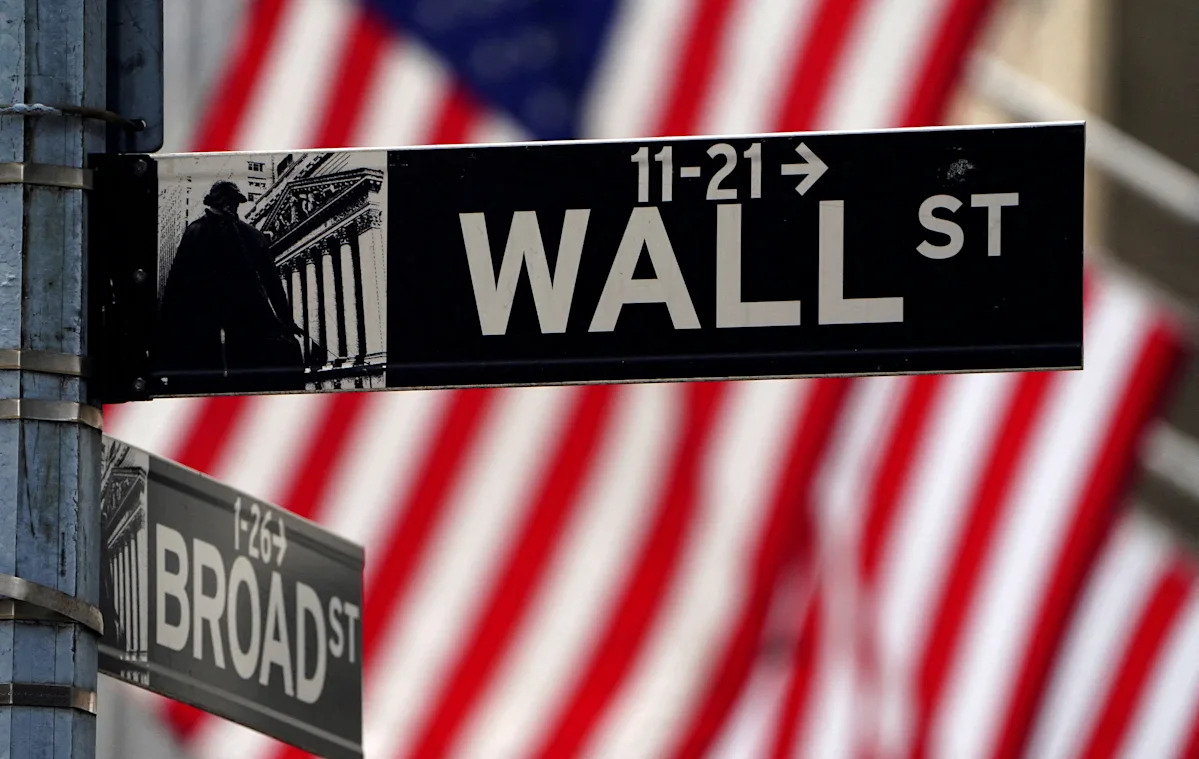
Goldman Sachs Q1 2026 Financial Report Analysis
Written by Emily J. Thompson, Senior Investment Analyst
Updated: 10 hours ago
0mins

Source: Fool
- Strong Financial Performance: Goldman Sachs reported net revenues of $17.2 billion for Q1 2026, a 14% year-over-year increase that exceeded Wall Street expectations, indicating robust performance in investment banking and likely driving stock price appreciation.
- Earnings Per Share Beat: The bank's earnings per share reached $17.55, surpassing the expected $16.49, which pushed the return on equity to 19.8%, demonstrating high operational efficiency and potentially attracting more investor interest.
- Asset Management Growth: Goldman’s Asset and Wealth Management unit generated $4.08 billion this quarter, a 10% increase from last year, although slightly below Wall Street targets, reflecting increased management fees due to asset growth.
- Market Volatility Impact: While FICC revenue fell by 10%, equity revenue surged by 27%, indicating that Goldman's equity trading business thrived amid market volatility and high trading volumes, potentially setting the stage for future profit growth.
Trade with 70% Backtested Accuracy
Stop guessing "Should I Buy GS?" and start using high-conviction signals backed by rigorous historical data.
Sign up today to access powerful investing tools and make smarter, data-driven decisions.
Analyst Views on GS
Wall Street analysts forecast GS stock price to rise
12 Analyst Rating
5 Buy
7 Hold
0 Sell
Moderate Buy
Current: 900.000

Low
604.00
Averages
951.45
High
1100
Current: 900.000
Low
604.00
Averages
951.45
High
1100
About GS
The Goldman Sachs Group, Inc. is a global financial institution that delivers a range of financial services to a large and diversified client base that includes corporations, financial institutions, governments and individuals. Its segments include Global Banking & Markets, Asset & Wealth Management and Platform Solutions. The Global Banking & Markets segment offers a range of services, including financing, advisory services, risk distribution, and hedging for its institutional and corporate clients. It facilitates client transactions and makes markets in fixed income, equity, currency and commodity products. The Asset & Wealth Management segment manages assets and offers investment products across all asset classes to a diverse set of clients. It also provides investing and wealth advisory solutions. The Platform Solutions segment includes consumer platforms, such as partnerships offering credit cards and point-of-sale financing, and transaction banking and other platform businesses.
About the author

Emily J. Thompson
Emily J. Thompson, a Chartered Financial Analyst (CFA) with 12 years in investment research, graduated with honors from the Wharton School. Specializing in industrial and technology stocks, she provides in-depth analysis for Intellectia’s earnings and market brief reports.
Best Time to Lock in High CD Rates

- Current CD Rate Overview: The best CD rates are typically offered for terms of one year or less, with online banks and credit unions providing the highest rates, reaching up to 4.05% APY, indicating that investors should lock in rates before they decline further.
- Interest Earnings Calculation: For instance, investing $1,000 in a one-year CD at 1.52% APY results in a year-end balance of $1,015.20, demonstrating that even lower rates can yield stable returns, emphasizing the importance of selecting the right CD.
- High Deposit Earnings: Choosing a one-year CD at 4% APY with a $10,000 deposit would yield a total of $10,407.42 at maturity, earning $407.42 in interest, illustrating that larger deposits significantly enhance earning potential.
- Diversity of CD Types: Beyond traditional CDs, investors can consider options like bump-up CDs, no-penalty CDs, and jumbo CDs, which may offer lower rates but provide greater flexibility and potential returns.
See More

Analysis of Banking and Semiconductor Earnings Reports


- Strong Banking Performance: Bank of America reported a 17% year-over-year increase in earnings for Q1, with net interest income exceeding expectations, and trading revenue and investment banking fees growing by 30% and 21% respectively, indicating heightened trading activity due to market volatility, which enhances profitability.
- Improved Credit Quality: The bank's provision for credit losses was about $200 million less than expected, with a net charge-off ratio improving by 6 basis points year-over-year to 0.48%, suggesting a healthy consumer credit environment that may further support future earnings growth.
- Robust Semiconductor Demand: Taiwan Semiconductor reported a 35% year-over-year revenue growth in Q1, with a gross margin of 66%, indicating that demand driven by high-performance computing and AI exceeds its production capacity, reflecting a positive industry outlook.
- Stable ASML Equipment Sales: ASML sold 79 lithography machines this quarter, generating over $10 billion in revenue, slightly above expectations, demonstrating strong market demand, while maintenance service revenue grew by 17%, indicating increased customer reliance on its equipment.
See More
Bank of America and Schwab Q1 Earnings Analysis
- Bank of America Performance: Bank of America reported a 17% year-over-year increase in earnings for Q1, with net interest income exceeding expectations and significant rises in trading and investment banking fees, indicating enhanced client activity amid market volatility and strengthening its competitive position.
- Schwab Trading Volume Record: Schwab's average daily trading volume surged 34% year-over-year in Q1, setting a new record, although revenue grew 16% year-over-year, falling short of market expectations, which has put pressure on its stock price and reflects cautious sentiment about future performance.
- Semiconductor Sector Insights: TSMC's Q1 revenue grew 35% year-over-year, with a gross margin of 66%, driven by strong AI demand, prompting the company to continue investing to meet market needs, signaling long-term growth potential in the industry.
- ASML Equipment Sales Steady: ASML sold 79 lithography machines in Q1, generating over $10 billion in revenue, slightly exceeding expectations, but caution is warranted as a single machine can significantly impact results, with overall demand remaining strong, indicating an optimistic industry outlook.
See More

Goldman Sachs Reports Strong Q1 Earnings

- Earnings Highlights: Goldman Sachs reported Q1 net revenues of $17.2 billion, a 14% year-over-year increase that surpassed Wall Street expectations, indicating strong market performance and likely attracting more investor interest.
- Earnings Per Share Beat: The earnings per share came in at $17.55, exceeding Wall Street's forecast of $16.49, which pushed the return on equity to 19.8%, reflecting improved operational efficiency within the firm.
- Asset Management Growth: The Asset and Wealth Management unit generated $4.08 billion in revenue this quarter, a 10% increase from last year, although slightly below market expectations, indicating growth in management fees due to an increase in total assets under management.
- Market Dynamics Analysis: While FICC revenue fell by 10%, equity revenue surged by 27%, demonstrating that Goldman Sachs' trading business is thriving in a volatile and bullish market environment, suggesting potential continued benefits from the resurgence of capital markets.
See More
Goldman Sachs Q1 2026 Financial Report Analysis
- Strong Financial Performance: Goldman Sachs reported net revenues of $17.2 billion for Q1 2026, a 14% year-over-year increase that exceeded Wall Street expectations, indicating robust performance in investment banking and likely driving stock price appreciation.
- Earnings Per Share Beat: The bank's earnings per share reached $17.55, surpassing the expected $16.49, which pushed the return on equity to 19.8%, demonstrating high operational efficiency and potentially attracting more investor interest.
- Asset Management Growth: Goldman’s Asset and Wealth Management unit generated $4.08 billion this quarter, a 10% increase from last year, although slightly below Wall Street targets, reflecting increased management fees due to asset growth.
- Market Volatility Impact: While FICC revenue fell by 10%, equity revenue surged by 27%, indicating that Goldman's equity trading business thrived amid market volatility and high trading volumes, potentially setting the stage for future profit growth.
See More
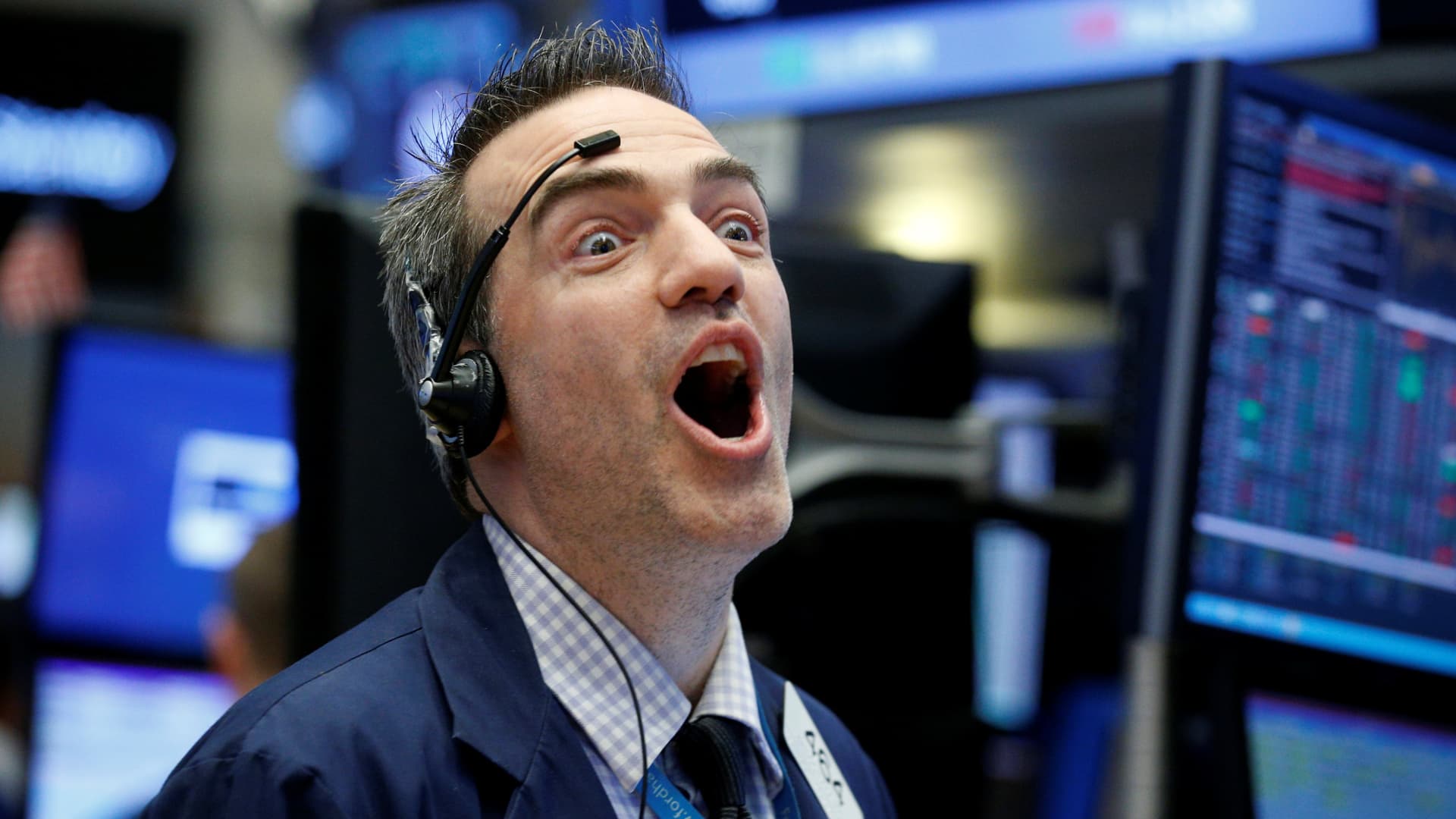
Stocks Surge to Record Highs on Iran Peace Deal Hopes

- Market Rebound: The S&P 500 surged 4% last week, closing above 7,100 for the first time, while the Nasdaq achieved its longest winning streak since 1992 with 13 consecutive days of gains, reflecting optimism over a potential peace deal with Iran.
- Rapid Recovery: The S&P 500 rebounded from near correction territory (down about 9%) to an all-time high in just 11 trading days, marking the fastest recovery since at least 1990, indicating strong investor sentiment amid geopolitical developments.
- Software Stock Comeback: Beaten-down software stocks like Microsoft, CrowdStrike, and Salesforce emerged as top gainers, with Microsoft up 14% week-to-date, CrowdStrike gaining 11.9%, and Salesforce rising 10.4%, suggesting a renewed confidence in the software sector.
- Strong Consumer Spending: JPMorgan reported consumer spending growth exceeding 2025 levels, with credit card spending volume up 9% year-over-year, showcasing resilience among consumers and small businesses despite market volatility driven by the war.
See More
Best Time to Lock in High CD Rates
- Current CD Rate Overview: The best CD rates are typically offered for terms of one year or less, with online banks and credit unions providing the highest rates, reaching up to 4.05% APY, indicating that investors should lock in rates before they decline further.
- Interest Earnings Calculation: For instance, investing $1,000 in a one-year CD at 1.52% APY results in a year-end balance of $1,015.20, demonstrating that even lower rates can yield stable returns, emphasizing the importance of selecting the right CD.
- High Deposit Earnings: Choosing a one-year CD at 4% APY with a $10,000 deposit would yield a total of $10,407.42 at maturity, earning $407.42 in interest, illustrating that larger deposits significantly enhance earning potential.
- Diversity of CD Types: Beyond traditional CDs, investors can consider options like bump-up CDs, no-penalty CDs, and jumbo CDs, which may offer lower rates but provide greater flexibility and potential returns.
See More
Analysis of Banking and Semiconductor Earnings Reports
- Strong Banking Performance: Bank of America reported a 17% year-over-year increase in earnings for Q1, with net interest income exceeding expectations, and trading revenue and investment banking fees growing by 30% and 21% respectively, indicating heightened trading activity due to market volatility, which enhances profitability.
- Improved Credit Quality: The bank's provision for credit losses was about $200 million less than expected, with a net charge-off ratio improving by 6 basis points year-over-year to 0.48%, suggesting a healthy consumer credit environment that may further support future earnings growth.
- Robust Semiconductor Demand: Taiwan Semiconductor reported a 35% year-over-year revenue growth in Q1, with a gross margin of 66%, indicating that demand driven by high-performance computing and AI exceeds its production capacity, reflecting a positive industry outlook.
- Stable ASML Equipment Sales: ASML sold 79 lithography machines this quarter, generating over $10 billion in revenue, slightly above expectations, demonstrating strong market demand, while maintenance service revenue grew by 17%, indicating increased customer reliance on its equipment.
See More
Bank of America and Schwab Q1 Earnings Analysis
- Bank of America Performance: Bank of America reported a 17% year-over-year increase in earnings for Q1, with net interest income exceeding expectations and significant rises in trading and investment banking fees, indicating enhanced client activity amid market volatility and strengthening its competitive position.
- Schwab Trading Volume Record: Schwab's average daily trading volume surged 34% year-over-year in Q1, setting a new record, although revenue grew 16% year-over-year, falling short of market expectations, which has put pressure on its stock price and reflects cautious sentiment about future performance.
- Semiconductor Sector Insights: TSMC's Q1 revenue grew 35% year-over-year, with a gross margin of 66%, driven by strong AI demand, prompting the company to continue investing to meet market needs, signaling long-term growth potential in the industry.
- ASML Equipment Sales Steady: ASML sold 79 lithography machines in Q1, generating over $10 billion in revenue, slightly exceeding expectations, but caution is warranted as a single machine can significantly impact results, with overall demand remaining strong, indicating an optimistic industry outlook.
See More
Goldman Sachs Reports Strong Q1 Earnings
- Earnings Highlights: Goldman Sachs reported Q1 net revenues of $17.2 billion, a 14% year-over-year increase that surpassed Wall Street expectations, indicating strong market performance and likely attracting more investor interest.
- Earnings Per Share Beat: The earnings per share came in at $17.55, exceeding Wall Street's forecast of $16.49, which pushed the return on equity to 19.8%, reflecting improved operational efficiency within the firm.
- Asset Management Growth: The Asset and Wealth Management unit generated $4.08 billion in revenue this quarter, a 10% increase from last year, although slightly below market expectations, indicating growth in management fees due to an increase in total assets under management.
- Market Dynamics Analysis: While FICC revenue fell by 10%, equity revenue surged by 27%, demonstrating that Goldman Sachs' trading business is thriving in a volatile and bullish market environment, suggesting potential continued benefits from the resurgence of capital markets.
See More
Goldman Sachs Q1 2026 Financial Report Analysis
- Strong Financial Performance: Goldman Sachs reported net revenues of $17.2 billion for Q1 2026, a 14% year-over-year increase that exceeded Wall Street expectations, indicating robust performance in investment banking and likely driving stock price appreciation.
- Earnings Per Share Beat: The bank's earnings per share reached $17.55, surpassing the expected $16.49, which pushed the return on equity to 19.8%, demonstrating high operational efficiency and potentially attracting more investor interest.
- Asset Management Growth: Goldman’s Asset and Wealth Management unit generated $4.08 billion this quarter, a 10% increase from last year, although slightly below Wall Street targets, reflecting increased management fees due to asset growth.
- Market Volatility Impact: While FICC revenue fell by 10%, equity revenue surged by 27%, indicating that Goldman's equity trading business thrived amid market volatility and high trading volumes, potentially setting the stage for future profit growth.
See More
Stocks Surge to Record Highs on Iran Peace Deal Hopes
- Market Rebound: The S&P 500 surged 4% last week, closing above 7,100 for the first time, while the Nasdaq achieved its longest winning streak since 1992 with 13 consecutive days of gains, reflecting optimism over a potential peace deal with Iran.
- Rapid Recovery: The S&P 500 rebounded from near correction territory (down about 9%) to an all-time high in just 11 trading days, marking the fastest recovery since at least 1990, indicating strong investor sentiment amid geopolitical developments.
- Software Stock Comeback: Beaten-down software stocks like Microsoft, CrowdStrike, and Salesforce emerged as top gainers, with Microsoft up 14% week-to-date, CrowdStrike gaining 11.9%, and Salesforce rising 10.4%, suggesting a renewed confidence in the software sector.
- Strong Consumer Spending: JPMorgan reported consumer spending growth exceeding 2025 levels, with credit card spending volume up 9% year-over-year, showcasing resilience among consumers and small businesses despite market volatility driven by the war.
See More