Germany Limits Fuel Price Increases Amid Crisis
Written by Emily J. Thompson, Senior Investment Analyst
Updated: 7 hours ago
0mins
Source: CNBC
- Response to Price Surge: In light of soaring fuel prices due to the Iran conflict, the German government has implemented regulations limiting gas stations to one price increase per day, aimed at alleviating public burden and stabilizing the market.
- Price Fluctuation Regulation: The new rule allows price adjustments only at noon, preventing the previous scenario where prices changed up to 22 times a day, intending to break the 'rocket and feather effect' where prices rise quickly but fall slowly.
- Penalty Mechanism Introduced: Oil companies violating the daily price increase limit face fines of up to €100,000 (approximately $116,000), demonstrating the government's zero-tolerance stance on price manipulation.
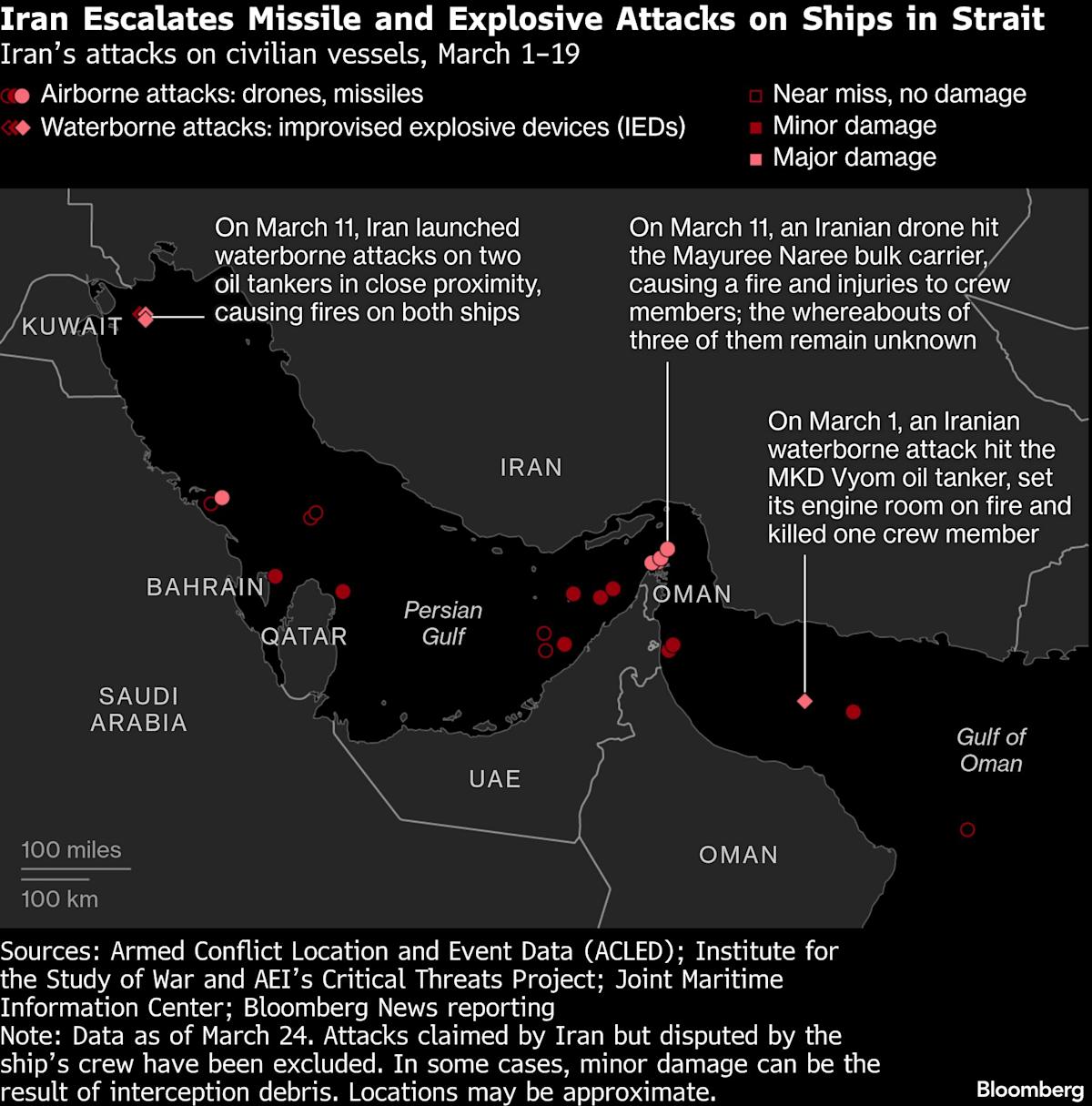
- Impact of International Oil Prices: With oil prices surpassing $100 per barrel due to disruptions in the Strait of Hormuz, Germany's measures align with other European countries' strategies, reflecting a collective response to the ongoing energy crisis.
Trade with 70% Backtested Accuracy
Stop guessing "Should I Buy COP?" and start using high-conviction signals backed by rigorous historical data.
Sign up today to access powerful investing tools and make smarter, data-driven decisions.
Analyst Views on COP
Wall Street analysts forecast COP stock price to fall
19 Analyst Rating
15 Buy
3 Hold
1 Sell
Moderate Buy
Current: 132.000

Low
98.00
Averages
115.67
High
133.00
Current: 132.000
Low
98.00
Averages
115.67
High
133.00
About COP
ConocoPhillips is an exploration and production company. Its Alaska segment primarily explores for, produces, transports and markets crude oil, natural gas and NGLs. The Lower 48 segment consists of operations located in the 48 contiguous states in the United States and the Gulf of Mexico. Canadian operations consist of the Surmont oil sands development in Alberta, the liquids-rich Montney unconventional play in British Columbia and commercial operations. The Europe, Middle East and North Africa segment consists of operations principally located in the Norwegian sector of the North Sea, the Norwegian Sea, Qatar, Libya, Equatorial Guinea and commercial and terminalling operations in the United Kingdom. Asia Pacific segment has exploration and production operations in China, Malaysia, Australia and commercial operations in China, Singapore and Japan. Other International segment includes interests in Colombia as well as contingencies associated with prior operations in other countries.
About the author

Emily J. Thompson
Emily J. Thompson, a Chartered Financial Analyst (CFA) with 12 years in investment research, graduated with honors from the Wharton School. Specializing in industrial and technology stocks, she provides in-depth analysis for Intellectia’s earnings and market brief reports.
High Net Worth Investors Navigate Market Volatility Amid Geopolitical Tensions


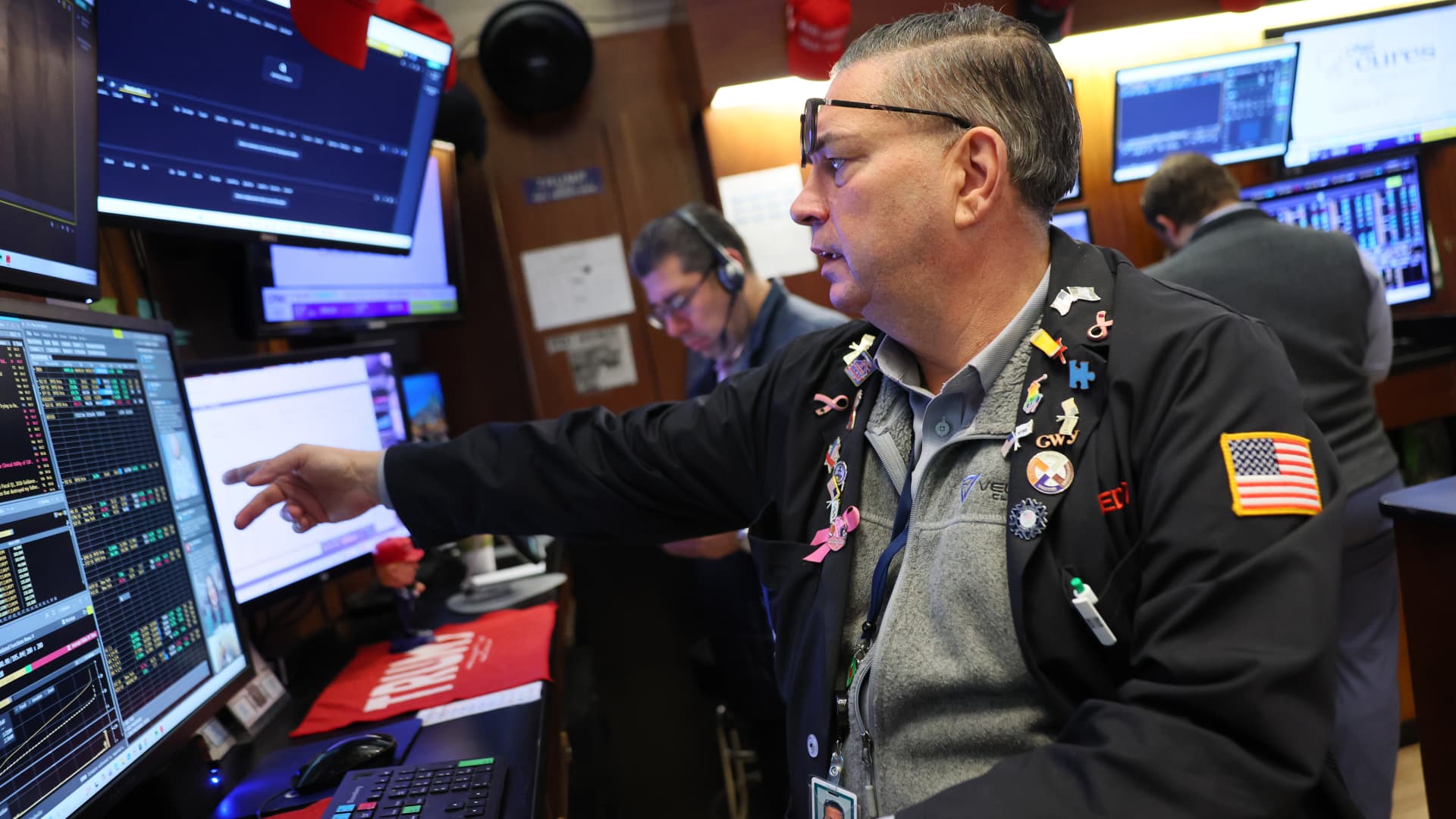
- Cash is King: R360's ultra-high net worth investors are currently holding up to 30% in cash and short-duration debt, reflecting a strategy to maintain liquidity amidst market volatility, emphasizing a long-term investment philosophy.
- Treasury Market Opportunities: With the 10-year Treasury yield rising to 4.3%, high net worth investors are showing strong interest in intermediate fixed income products, indicating an increasing demand for stable returns in the current interest rate environment.
- Tech Stock Buying Opportunities: Sameer Samana from Wells Fargo notes that the sharp pullback in equities has created opportunities for high net worth investors to buy tech stocks at more reasonable valuations, particularly in the software and hardware sectors, reflecting confidence in future growth potential.
- Energy and Commodity Investments: Charlie Garcia from R360 states that investors have shifted 40% of their new money into energy and commodities, particularly Canadian Natural Resources and major oil companies, signaling a long-term bullish outlook on the energy market despite potential short-term oil price fluctuations.
See More

Iran and U.S. Engage in Online Propaganda War


- Escalation of Online Propaganda: Iran is actively engaging in an online propaganda war against the U.S. by posting ironic and pop-culture-infused content on social media, particularly targeting Trump, which reflects its assertive stance in the information warfare landscape.
- Impactful Video Dissemination: Utilizing AI-generated animated videos to showcase military successes, Iran aims to attract younger audiences and undermine the U.S. military image through humor and visual appeal, thereby enhancing its international standing.
- U.S. Counter-Strategy: The Trump administration has blended wartime messaging with internet culture, releasing controversial military videos that, despite criticism, have garnered nearly 100 million views among young people, indicating their effectiveness in outreach.
- Economic Impact Warning: Iran's parliamentary speaker cautioned investors about the potential influence of Trump's war updates on stock markets, suggesting a reverse correlation between market reactions and Trump's statements, further highlighting the war's threats to global economy and energy prices.
See More
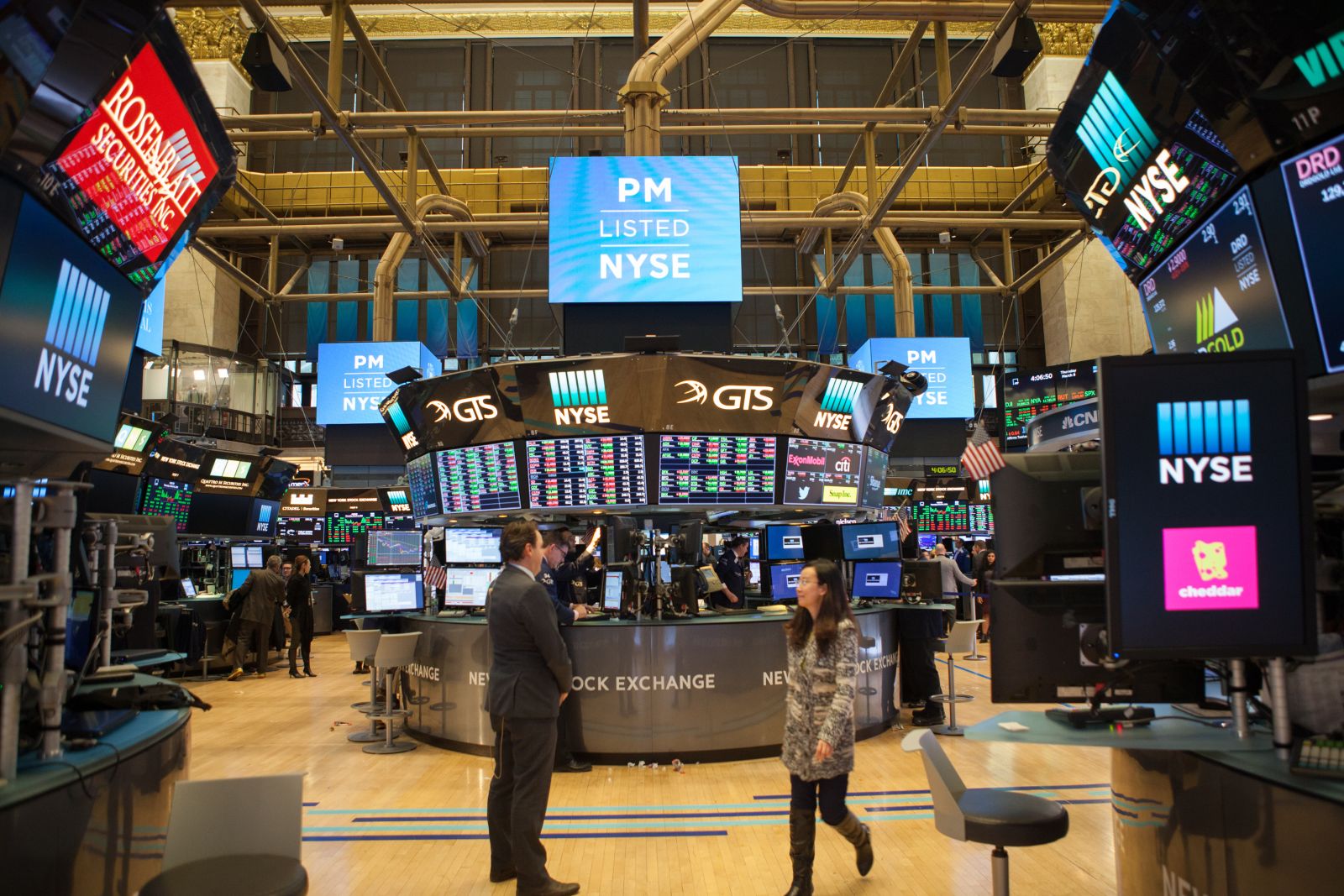
US Stocks Rise on Optimism Over Middle East Conflict Resolution

- Market Rally: The S&P 500 Index rose by 0.97%, the Dow Jones Industrial Average by 0.86%, and the Nasdaq 100 by 1.45%, reflecting growing investor confidence amid optimism that the Middle East conflict may soon conclude, which could stabilize global markets.
- Strong Economic Data: The US ADP employment change for March increased by 62,000, surpassing expectations of 40,000, while February retail sales rose by 0.6% month-over-month, indicating robust economic recovery that may influence Federal Reserve policy decisions.
- Interest Rate Outlook: Despite a mere 1% chance of a 25 basis point rate hike at the upcoming FOMC meeting, hawkish comments from St. Louis Fed President raised concerns about inflation and employment risks, potentially affecting investor sentiment and market dynamics.
- Divergent Stock Performances: Target Hospitality surged by over 37% after securing a multi-year contract worth over $550 million, while Nike fell by more than 13% due to revenue forecasts indicating a decline, highlighting varied market reactions to company-specific news.
See More

Eli Lilly Gains FDA Approval, Shares Rise


- FDA Drug Approval: Eli Lilly's once-daily GLP-1 pill Foundayo received FDA approval, leading to a 4% rise in shares, which will enhance the company's competitive edge in the obesity treatment market and drive future sales growth.
- Cybersecurity Incident Impact: Hasbro's shares fell over 4% due to a cybersecurity incident involving unauthorized network access, with the company investigating the full impact and implementing protective measures, potentially increasing operational costs in the short term.
- Tobacco Product Delay: Philip Morris International's shares dropped more than 5% after the FDA delayed authorization for nicotine pouch sales, which may hinder the company's future market expansion plans, particularly among new user demographics.
- Semiconductor Buyback Plan: Intel announced a $14.2 billion buyback of a 49% stake in its Ireland Fab 34 joint venture, resulting in a 9% increase in shares, with funding sourced from cash on hand and approximately $6.5 billion in new debt, expected to strengthen its position in the global semiconductor market.
See More
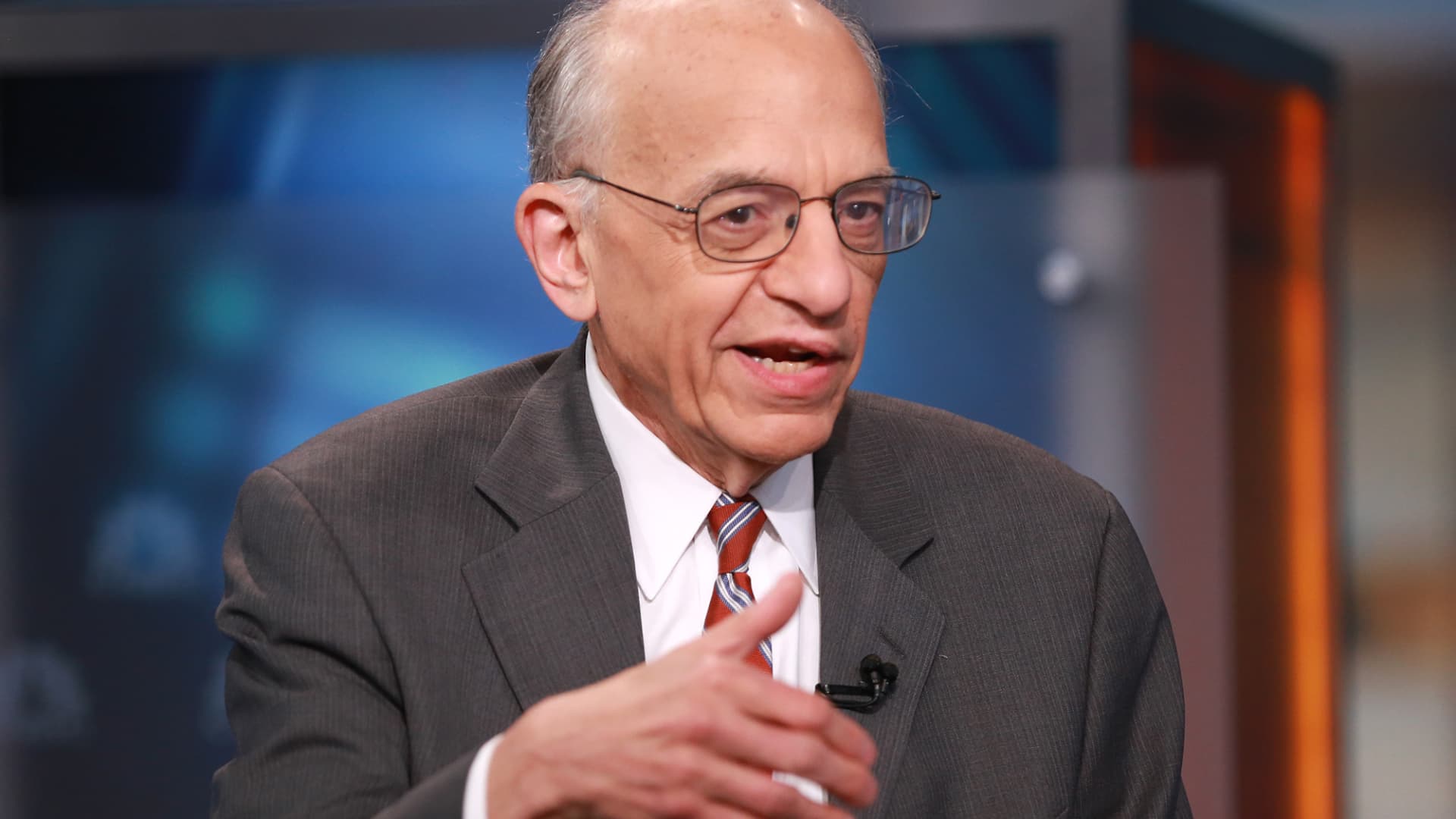
U.S. Economy Has Room to Expand Amid Gas Prices


- Gas Prices Impact on Economy: According to Jeremy Siegel, a professor emeritus at the Wharton School of the University of Pennsylvania, the U.S. economy can still expand as long as gasoline prices remain below $4 per gallon, despite investor concerns that rising prices could increase household costs and inflation.
- Historical Price Comparison: Siegel noted that although U.S. gasoline prices have surged above $4 per gallon for the first time since 2022, spiking over 30% since the U.S. and Israel first attacked Iran in late February, these prices are not considered high when adjusted for inflation historically.
- Market Confidence Restoration: He mentioned encouraging signs that the U.S.-Iran war may soon conclude, including Israeli Prime Minister Netanyahu's statement that Iran no longer poses an existential threat, which could alleviate market concerns regarding oil prices.
- Economic Growth Outlook: Siegel believes that despite a weakening labor market potentially leading to sluggish economic growth, the economy still has room to expand if oil prices remain at reasonable levels, indicating resilience in the market.
See More

Germany Limits Fuel Price Increases Amid Crisis
- Response to Price Surge: In light of soaring fuel prices due to the Iran conflict, the German government has implemented regulations limiting gas stations to one price increase per day, aimed at alleviating public burden and stabilizing the market.
- Price Fluctuation Regulation: The new rule allows price adjustments only at noon, preventing the previous scenario where prices changed up to 22 times a day, intending to break the 'rocket and feather effect' where prices rise quickly but fall slowly.
- Penalty Mechanism Introduced: Oil companies violating the daily price increase limit face fines of up to €100,000 (approximately $116,000), demonstrating the government's zero-tolerance stance on price manipulation.
- Impact of International Oil Prices: With oil prices surpassing $100 per barrel due to disruptions in the Strait of Hormuz, Germany's measures align with other European countries' strategies, reflecting a collective response to the ongoing energy crisis.
See More
High Net Worth Investors Navigate Market Volatility Amid Geopolitical Tensions
- Cash is King: R360's ultra-high net worth investors are currently holding up to 30% in cash and short-duration debt, reflecting a strategy to maintain liquidity amidst market volatility, emphasizing a long-term investment philosophy.
- Treasury Market Opportunities: With the 10-year Treasury yield rising to 4.3%, high net worth investors are showing strong interest in intermediate fixed income products, indicating an increasing demand for stable returns in the current interest rate environment.
- Tech Stock Buying Opportunities: Sameer Samana from Wells Fargo notes that the sharp pullback in equities has created opportunities for high net worth investors to buy tech stocks at more reasonable valuations, particularly in the software and hardware sectors, reflecting confidence in future growth potential.
- Energy and Commodity Investments: Charlie Garcia from R360 states that investors have shifted 40% of their new money into energy and commodities, particularly Canadian Natural Resources and major oil companies, signaling a long-term bullish outlook on the energy market despite potential short-term oil price fluctuations.
See More
Iran and U.S. Engage in Online Propaganda War
- Escalation of Online Propaganda: Iran is actively engaging in an online propaganda war against the U.S. by posting ironic and pop-culture-infused content on social media, particularly targeting Trump, which reflects its assertive stance in the information warfare landscape.
- Impactful Video Dissemination: Utilizing AI-generated animated videos to showcase military successes, Iran aims to attract younger audiences and undermine the U.S. military image through humor and visual appeal, thereby enhancing its international standing.
- U.S. Counter-Strategy: The Trump administration has blended wartime messaging with internet culture, releasing controversial military videos that, despite criticism, have garnered nearly 100 million views among young people, indicating their effectiveness in outreach.
- Economic Impact Warning: Iran's parliamentary speaker cautioned investors about the potential influence of Trump's war updates on stock markets, suggesting a reverse correlation between market reactions and Trump's statements, further highlighting the war's threats to global economy and energy prices.
See More
US Stocks Rise on Optimism Over Middle East Conflict Resolution
- Market Rally: The S&P 500 Index rose by 0.97%, the Dow Jones Industrial Average by 0.86%, and the Nasdaq 100 by 1.45%, reflecting growing investor confidence amid optimism that the Middle East conflict may soon conclude, which could stabilize global markets.
- Strong Economic Data: The US ADP employment change for March increased by 62,000, surpassing expectations of 40,000, while February retail sales rose by 0.6% month-over-month, indicating robust economic recovery that may influence Federal Reserve policy decisions.
- Interest Rate Outlook: Despite a mere 1% chance of a 25 basis point rate hike at the upcoming FOMC meeting, hawkish comments from St. Louis Fed President raised concerns about inflation and employment risks, potentially affecting investor sentiment and market dynamics.
- Divergent Stock Performances: Target Hospitality surged by over 37% after securing a multi-year contract worth over $550 million, while Nike fell by more than 13% due to revenue forecasts indicating a decline, highlighting varied market reactions to company-specific news.
See More
Eli Lilly Gains FDA Approval, Shares Rise
- FDA Drug Approval: Eli Lilly's once-daily GLP-1 pill Foundayo received FDA approval, leading to a 4% rise in shares, which will enhance the company's competitive edge in the obesity treatment market and drive future sales growth.
- Cybersecurity Incident Impact: Hasbro's shares fell over 4% due to a cybersecurity incident involving unauthorized network access, with the company investigating the full impact and implementing protective measures, potentially increasing operational costs in the short term.
- Tobacco Product Delay: Philip Morris International's shares dropped more than 5% after the FDA delayed authorization for nicotine pouch sales, which may hinder the company's future market expansion plans, particularly among new user demographics.
- Semiconductor Buyback Plan: Intel announced a $14.2 billion buyback of a 49% stake in its Ireland Fab 34 joint venture, resulting in a 9% increase in shares, with funding sourced from cash on hand and approximately $6.5 billion in new debt, expected to strengthen its position in the global semiconductor market.
See More
U.S. Economy Has Room to Expand Amid Gas Prices
- Gas Prices Impact on Economy: According to Jeremy Siegel, a professor emeritus at the Wharton School of the University of Pennsylvania, the U.S. economy can still expand as long as gasoline prices remain below $4 per gallon, despite investor concerns that rising prices could increase household costs and inflation.
- Historical Price Comparison: Siegel noted that although U.S. gasoline prices have surged above $4 per gallon for the first time since 2022, spiking over 30% since the U.S. and Israel first attacked Iran in late February, these prices are not considered high when adjusted for inflation historically.
- Market Confidence Restoration: He mentioned encouraging signs that the U.S.-Iran war may soon conclude, including Israeli Prime Minister Netanyahu's statement that Iran no longer poses an existential threat, which could alleviate market concerns regarding oil prices.
- Economic Growth Outlook: Siegel believes that despite a weakening labor market potentially leading to sluggish economic growth, the economy still has room to expand if oil prices remain at reasonable levels, indicating resilience in the market.
See More
Germany Limits Fuel Price Increases Amid Crisis
- Response to Price Surge: In light of soaring fuel prices due to the Iran conflict, the German government has implemented regulations limiting gas stations to one price increase per day, aimed at alleviating public burden and stabilizing the market.
- Price Fluctuation Regulation: The new rule allows price adjustments only at noon, preventing the previous scenario where prices changed up to 22 times a day, intending to break the 'rocket and feather effect' where prices rise quickly but fall slowly.
- Penalty Mechanism Introduced: Oil companies violating the daily price increase limit face fines of up to €100,000 (approximately $116,000), demonstrating the government's zero-tolerance stance on price manipulation.
- Impact of International Oil Prices: With oil prices surpassing $100 per barrel due to disruptions in the Strait of Hormuz, Germany's measures align with other European countries' strategies, reflecting a collective response to the ongoing energy crisis.
See More