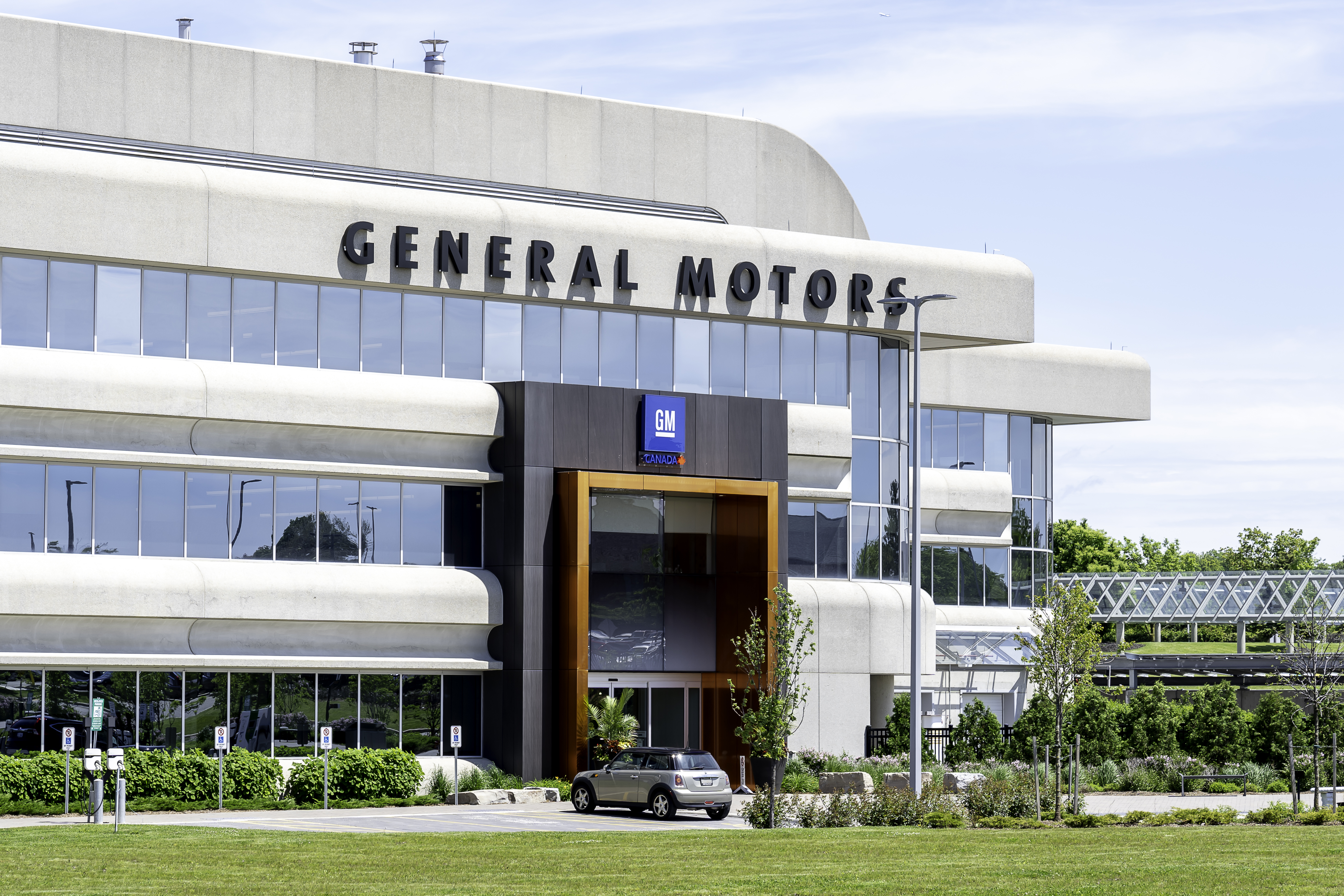
General Motors Invests $1.4 Billion to Boost Production
Written by Emily J. Thompson, Senior Investment Analyst
Updated: 3 days ago
0mins
Should l Buy GM?
Source: Newsfilter
- Significant Investment: General Motors has announced an investment of approximately $1.4 billion in three U.S. factories and one Canadian plant, aimed at enhancing its capacity to produce combustion-engine vehicles in response to declining demand for electric vehicles.
- Commitment to Domestic Manufacturing: Over the past year, GM has invested $6 billion in U.S. factories, and this new investment further underscores the company's strong support for American manufacturing, aligning with the Trump administration's push for increased domestic investment.
- Diversification of Product Lines: The investment will focus on the production of gasoline engines, transmissions, and metal castings, ensuring GM's competitiveness in the traditional automotive market while preparing for potential shifts in market demand.
- Market Demand Dynamics: As electric vehicle demand fluctuates, GM aims to maintain its market share and meet consumer demand for traditional vehicles by increasing its investment in combustion engine production.
Trade with 70% Backtested Accuracy
Stop guessing "Should I Buy GM?" and start using high-conviction signals backed by rigorous historical data.
Sign up today to access powerful investing tools and make smarter, data-driven decisions.
Analyst Views on GM
Wall Street analysts forecast GM stock price to rise
19 Analyst Rating
14 Buy
4 Hold
1 Sell
Moderate Buy
Current: 76.890

Low
57.00
Averages
95.06
High
122.00
Current: 76.890
Low
57.00
Averages
95.06
High
122.00
About GM
General Motors Company designs, builds and sells trucks, crossovers, cars and automobile parts and provides software-enabled services and subscriptions worldwide. The Company's segments include GMNA, GMI and GM Financial. Its GM North America (GMNA) and GM International (GMI) segment develop, manufacture and/or markets vehicles under the Buick, Cadillac, Chevrolet and GMC brands. The Company's GM Financial segment provides automotive financing and related services. The Company is also focused on investing in electric vehicles (EVs) and autonomous vehicles (Avs), software-enabled services and subscriptions and new business opportunities. The Company's portfolio includes OnStar, GM Energy, GM Insurance, GM Genuine Parts, and the GM Company Store. Its OnStar portfolio offers safety, connectivity and hands-free driver assistance technologies. Its GM Energy provides Home EV Charging, Public EV Charging, Vehicle-To-Home and Energy Storage services.
About the author

Emily J. Thompson
Emily J. Thompson, a Chartered Financial Analyst (CFA) with 12 years in investment research, graduated with honors from the Wharton School. Specializing in industrial and technology stocks, she provides in-depth analysis for Intellectia’s earnings and market brief reports.

General Motors Q1 Earnings Exceed Expectations

- Profitability Boost: General Motors reported an adjusted EPS of $3.70 for Q1, significantly surpassing the $2.62 consensus estimate by 41%, indicating the company's ability to achieve profit growth even in challenging conditions, which enhances investor confidence.
- Revenue and Cost Management: Despite a 0.9% year-over-year revenue decline to $43.62 billion and a drop in global vehicle sales to 1.295 million units, the company effectively offset the sales decline through pricing discipline and cost management, ensuring profitability improvements.
- Enhanced Shareholder Returns: GM repurchased $800 million in shares during Q1, reducing the diluted share count from 1.002 billion to 926 million, which mechanically boosts EPS and reflects the company's ongoing improvements in capital efficiency.
- Optimistic Outlook: The company raised its full-year 2026 adjusted EPS guidance to $11.50 to $13.50 and revised down tariff cost estimates, demonstrating management's confidence in future performance and further solidifying market optimism towards General Motors.
See More
Middle East Conflict Raises Auto Industry Costs

- Increased Cost Pressure: Detroit's major automakers anticipate that rising commodity prices linked to the Middle East conflict could add approximately $5 billion to industry costs in 2023, intensifying pressure on already thin profit margins and forcing companies to implement stricter cost controls.
- Profit Forecast Downgrade: General Motors has warned that inflation related to commodities, freight, and memory chips could reduce its annual adjusted operating profit by as much as $2 billion, exceeding its previous estimate of $1.5 billion, highlighting the severe challenges facing the industry.
- Aluminum Price Surge: Aluminum prices have surged sharply on the London Metal Exchange since the onset of the war, potentially adding hundreds or even thousands of dollars to vehicle production costs, particularly as Ford grapples with aluminum shortages and has turned to imported metal, further escalating expenses.
- Consumer Price Sensitivity: Despite elevated vehicle prices post-pandemic, consumers are increasingly sensitive to further price hikes, and analysts caution that if inflation persists, automakers may have little choice but to raise sticker prices across the industry to maintain profitability.
See More

German Stock Market Hit Hard by New COVID Variant Concerns


- Market Reaction: The German stock market has faced a significant blow due to concerns over a new COVID variant emerging in South Africa, leading to a sharp decline in major indices and reflecting investor anxiety about a potential resurgence of the pandemic.
- Holiday Impact: With most global stock markets closed for Labor Day, trading volumes have plummeted, particularly in Asia where markets in Hong Kong and the mainland remained shut, exacerbating market uncertainty.
- Economic Outlook: Despite the European Central Bank and Bank of England holding rates steady, expectations for future rate hikes have risen, with traders pricing in a 75% chance of an ECB hike in June, which could impact investor confidence moving forward.
- Industry Dynamics: In the U.S., Apple has issued a better-than-expected revenue forecast, showcasing strong sales and earnings, which may positively influence global markets, particularly in the tech sector.
See More
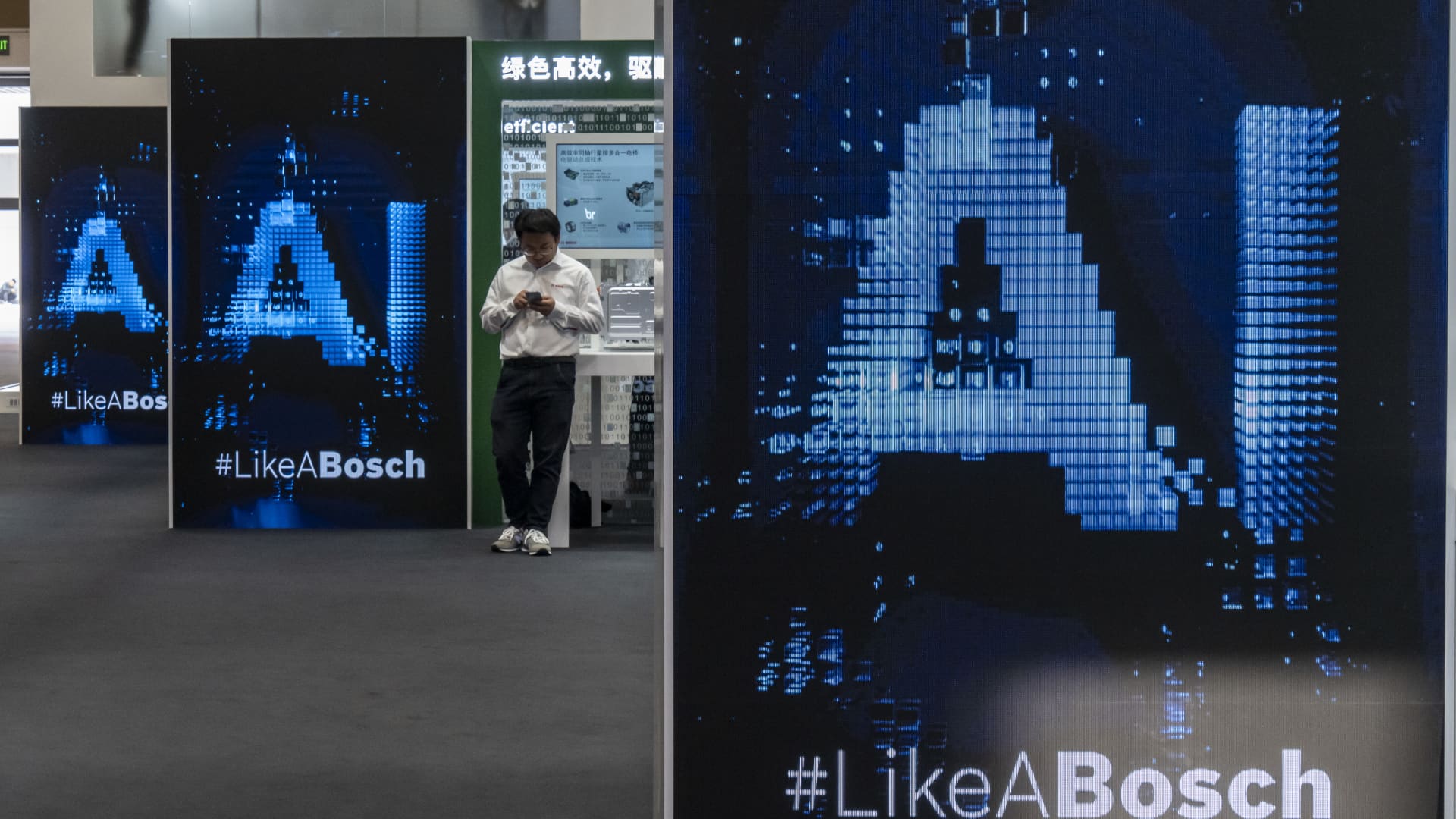
Intensifying AI Feature Competition in China's EV Market


- AI Feature Adoption: Over 50 car brands have integrated ByteDance's Doubao AI model, which is now present in 145 car models and over 7 million vehicles, indicating widespread adoption of AI technology in China's EV market, although companies must rapidly adapt to consumer demand for smart features amid fierce competition.
- Ongoing Price War: Despite the rapid rollout of new features, automakers face persistent sales pressure, with industry experts noting that the price war is unlikely to cease in the near term, compelling companies to continuously compete on technology updates and user experience to maintain market share.
- Speed of Tech Updates: Automakers can quickly deploy tech updates via over-the-air methods, as noted by the CEO of the Audi and SAIC Cooperation Project, highlighting the flexibility to respond to market changes, even as technology becomes increasingly homogeneous, necessitating differentiated competitive strategies.
- Nio's Market Performance: Nio claims its ES8 model has delivered 100,000 units in just 215 days within the 400,000 yuan and above segment, showcasing its ability to attract consumers despite cost pressures and slower market growth, while offering unique customer experiences and premium interior materials.
See More

Apple Beats Earnings Estimates, Shares Rise Over 3%


- Apple's Strong Performance: Apple exceeded earnings expectations in its latest report, with both revenue and profit growth driving shares up over 3% in after-hours trading, despite iPhone sales falling short, indicating strong demand for its services segment.
- Energy Stocks Surge: Following the outbreak of the Iran war, Chevron and Exxon Mobil saw their shares rise by 9.3% and 9.1%, respectively, reflecting market confidence in the energy sector amid heightened global energy tensions.
- Berkshire Hathaway's Decline: Berkshire Hathaway's A shares have dropped over 5% year-to-date and 11% over the year, raising concerns among investors about its long-term growth prospects, with the current share price at $711,900.
- Weakness in Auto Sector: Major automakers have experienced significant stock declines over the past three months, with Toyota, Ford, and General Motors down 15%, 13%, and 8.5%, respectively, reflecting a pessimistic outlook for recovery in the automotive industry.
See More
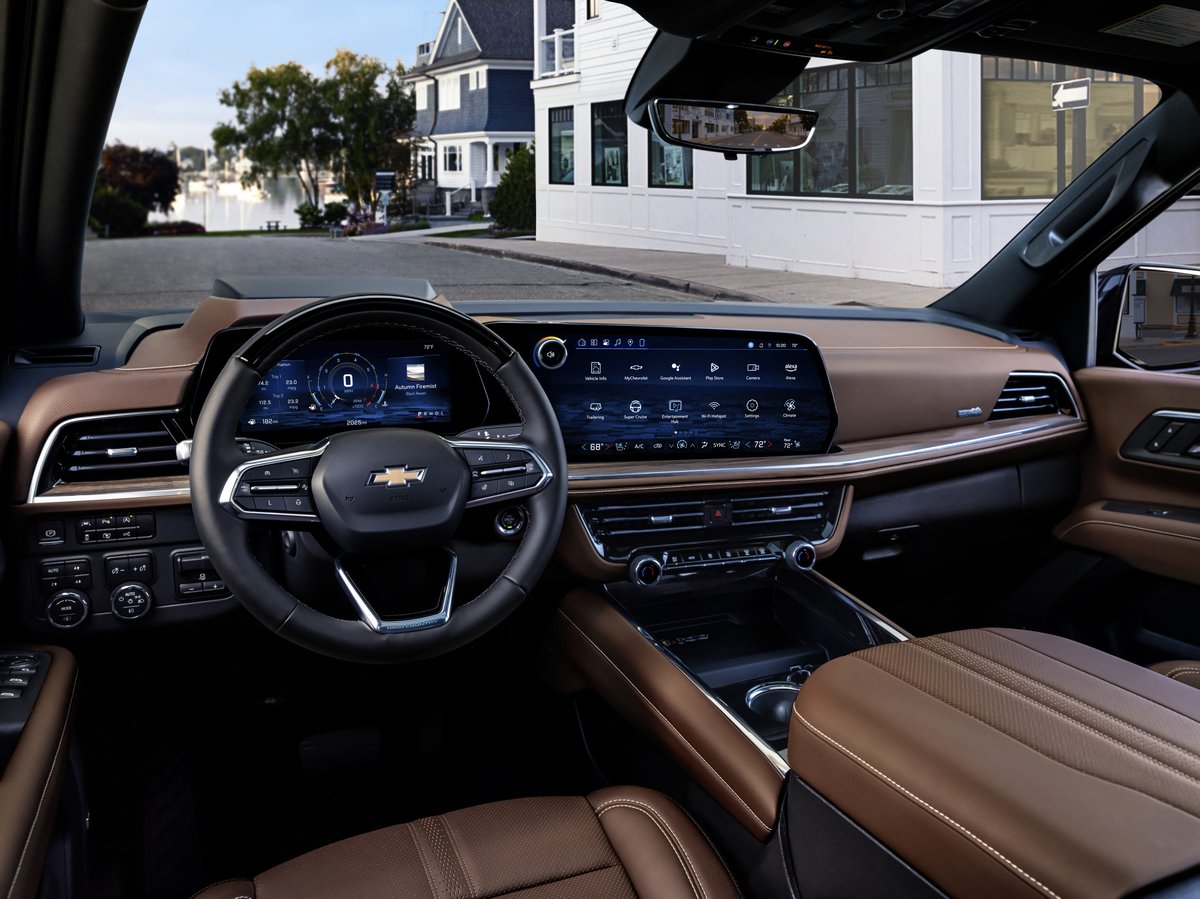
General Motors' Subscription Business Shows Significant Growth Potential
- Strong Shareholder Returns: General Motors has repurchased billions in stock over recent years, successfully turned around its money-losing operations in China, and navigated challenges like chip shortages and tariffs, nearly doubling the S&P 500's return, showcasing its financial resilience.
- Subscription Business Growth: GM's OnStar and Super Cruise subscription services are rapidly expanding, with management anticipating these will become major profit drivers, particularly as Super Cruise paid subscribers are expected to exceed 850,000 by year-end, indicating robust market demand.
- Robust Revenue Growth: OnStar ended Q1 with deferred revenue of $5.8 billion, up over 50% year-over-year, while recognized revenue surpassed $750 million, a 20% increase, highlighting significant progress in GM's high-margin connected business.
- Market Valuation Potential: GM's CFO noted that the high margins from the connected business could potentially dwarf its wholesale operations, and despite facing subscription fatigue, the growth in this area presents new opportunities for investors, which may not be fully reflected in the current stock price.
See More
General Motors Q1 Earnings Exceed Expectations
- Profitability Boost: General Motors reported an adjusted EPS of $3.70 for Q1, significantly surpassing the $2.62 consensus estimate by 41%, indicating the company's ability to achieve profit growth even in challenging conditions, which enhances investor confidence.
- Revenue and Cost Management: Despite a 0.9% year-over-year revenue decline to $43.62 billion and a drop in global vehicle sales to 1.295 million units, the company effectively offset the sales decline through pricing discipline and cost management, ensuring profitability improvements.
- Enhanced Shareholder Returns: GM repurchased $800 million in shares during Q1, reducing the diluted share count from 1.002 billion to 926 million, which mechanically boosts EPS and reflects the company's ongoing improvements in capital efficiency.
- Optimistic Outlook: The company raised its full-year 2026 adjusted EPS guidance to $11.50 to $13.50 and revised down tariff cost estimates, demonstrating management's confidence in future performance and further solidifying market optimism towards General Motors.
See More
Middle East Conflict Raises Auto Industry Costs
- Increased Cost Pressure: Detroit's major automakers anticipate that rising commodity prices linked to the Middle East conflict could add approximately $5 billion to industry costs in 2023, intensifying pressure on already thin profit margins and forcing companies to implement stricter cost controls.
- Profit Forecast Downgrade: General Motors has warned that inflation related to commodities, freight, and memory chips could reduce its annual adjusted operating profit by as much as $2 billion, exceeding its previous estimate of $1.5 billion, highlighting the severe challenges facing the industry.
- Aluminum Price Surge: Aluminum prices have surged sharply on the London Metal Exchange since the onset of the war, potentially adding hundreds or even thousands of dollars to vehicle production costs, particularly as Ford grapples with aluminum shortages and has turned to imported metal, further escalating expenses.
- Consumer Price Sensitivity: Despite elevated vehicle prices post-pandemic, consumers are increasingly sensitive to further price hikes, and analysts caution that if inflation persists, automakers may have little choice but to raise sticker prices across the industry to maintain profitability.
See More
German Stock Market Hit Hard by New COVID Variant Concerns
- Market Reaction: The German stock market has faced a significant blow due to concerns over a new COVID variant emerging in South Africa, leading to a sharp decline in major indices and reflecting investor anxiety about a potential resurgence of the pandemic.
- Holiday Impact: With most global stock markets closed for Labor Day, trading volumes have plummeted, particularly in Asia where markets in Hong Kong and the mainland remained shut, exacerbating market uncertainty.
- Economic Outlook: Despite the European Central Bank and Bank of England holding rates steady, expectations for future rate hikes have risen, with traders pricing in a 75% chance of an ECB hike in June, which could impact investor confidence moving forward.
- Industry Dynamics: In the U.S., Apple has issued a better-than-expected revenue forecast, showcasing strong sales and earnings, which may positively influence global markets, particularly in the tech sector.
See More
Intensifying AI Feature Competition in China's EV Market
- AI Feature Adoption: Over 50 car brands have integrated ByteDance's Doubao AI model, which is now present in 145 car models and over 7 million vehicles, indicating widespread adoption of AI technology in China's EV market, although companies must rapidly adapt to consumer demand for smart features amid fierce competition.
- Ongoing Price War: Despite the rapid rollout of new features, automakers face persistent sales pressure, with industry experts noting that the price war is unlikely to cease in the near term, compelling companies to continuously compete on technology updates and user experience to maintain market share.
- Speed of Tech Updates: Automakers can quickly deploy tech updates via over-the-air methods, as noted by the CEO of the Audi and SAIC Cooperation Project, highlighting the flexibility to respond to market changes, even as technology becomes increasingly homogeneous, necessitating differentiated competitive strategies.
- Nio's Market Performance: Nio claims its ES8 model has delivered 100,000 units in just 215 days within the 400,000 yuan and above segment, showcasing its ability to attract consumers despite cost pressures and slower market growth, while offering unique customer experiences and premium interior materials.
See More
Apple Beats Earnings Estimates, Shares Rise Over 3%
- Apple's Strong Performance: Apple exceeded earnings expectations in its latest report, with both revenue and profit growth driving shares up over 3% in after-hours trading, despite iPhone sales falling short, indicating strong demand for its services segment.
- Energy Stocks Surge: Following the outbreak of the Iran war, Chevron and Exxon Mobil saw their shares rise by 9.3% and 9.1%, respectively, reflecting market confidence in the energy sector amid heightened global energy tensions.
- Berkshire Hathaway's Decline: Berkshire Hathaway's A shares have dropped over 5% year-to-date and 11% over the year, raising concerns among investors about its long-term growth prospects, with the current share price at $711,900.
- Weakness in Auto Sector: Major automakers have experienced significant stock declines over the past three months, with Toyota, Ford, and General Motors down 15%, 13%, and 8.5%, respectively, reflecting a pessimistic outlook for recovery in the automotive industry.
See More
General Motors' Subscription Business Shows Significant Growth Potential
- Strong Shareholder Returns: General Motors has repurchased billions in stock over recent years, successfully turned around its money-losing operations in China, and navigated challenges like chip shortages and tariffs, nearly doubling the S&P 500's return, showcasing its financial resilience.
- Subscription Business Growth: GM's OnStar and Super Cruise subscription services are rapidly expanding, with management anticipating these will become major profit drivers, particularly as Super Cruise paid subscribers are expected to exceed 850,000 by year-end, indicating robust market demand.
- Robust Revenue Growth: OnStar ended Q1 with deferred revenue of $5.8 billion, up over 50% year-over-year, while recognized revenue surpassed $750 million, a 20% increase, highlighting significant progress in GM's high-margin connected business.
- Market Valuation Potential: GM's CFO noted that the high margins from the connected business could potentially dwarf its wholesale operations, and despite facing subscription fatigue, the growth in this area presents new opportunities for investors, which may not be fully reflected in the current stock price.
See More