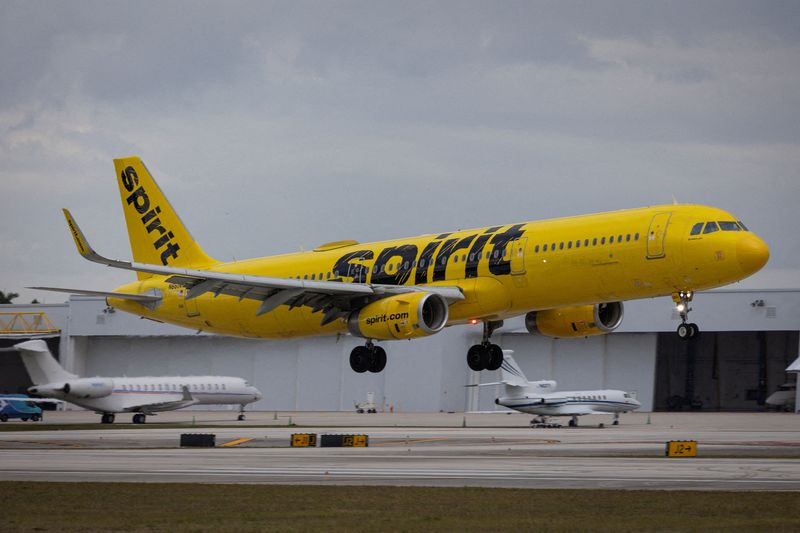
Spirit Airlines Shutdown Strands Passengers, Competitors Step In
Written by Emily J. Thompson, Senior Investment Analyst
Updated: 1 hour ago
0mins
Should l Buy AAL?
Source: seekingalpha
- Impact of Shutdown: The shutdown of Spirit Airlines (FLYYQ) has stranded numerous passengers, marking a significant event in the ultra-low-cost airline sector, prompting competitors to swiftly act to fill the market void.
- Competitor Rescue Fares: Airlines such as American (AAL), United (UAL), and Delta (DAL) have launched limited-time 'rescue fare' programs aimed at attracting former Spirit passengers, with some fares requiring booking at airport counters, highlighting the intense competition in the market.
- Capacity Adjustments: American Airlines has indicated it may deploy larger aircraft on key routes, while United Airlines is considering adding flights in overlapping markets, demonstrating that airlines are actively adjusting to meet demand and enhance market share.
- Employee Assistance Measures: To assist Spirit Airlines (FLYYQ) employees, competitors are offering travel benefits and fast-tracked interview opportunities, showcasing industry cooperation and support aimed at mitigating the impact of employee layoffs.
Trade with 70% Backtested Accuracy
Stop guessing "Should I Buy AAL?" and start using high-conviction signals backed by rigorous historical data.
Sign up today to access powerful investing tools and make smarter, data-driven decisions.
Analyst Views on AAL
Wall Street analysts forecast AAL stock price to rise
15 Analyst Rating
7 Buy
7 Hold
1 Sell
Moderate Buy
Current: 11.710

Low
11.00
Averages
17.93
High
22.00
Current: 11.710
Low
11.00
Averages
17.93
High
22.00
About AAL
American Airlines Group Inc. is a holding company. Its primary business activity is the operation of a major network air carrier, providing scheduled air transportation for passengers and cargo through its hubs in Charlotte, Chicago, Dallas/Fort Worth, Los Angeles, Miami, New York, Philadelphia, Phoenix and Washington, D.C. and partner gateways, including in London, Doha, Madrid, Seattle/Tacoma, Sydney and Tokyo, among others. Together with its regional airline subsidiaries and third-party regional carriers operating as American Eagle. Its cargo division provides a wide range of freight and mail services, with facilities and interline connections available across the globe. It operates approximately 977 mainline aircraft supported by its regional airline subsidiaries and third-party regional carriers, which together operate an additional 585 regional aircraft. Its subsidiaries include American Airlines, Inc., Envoy Aviation Group Inc., PSA Airlines, Inc. and Piedmont Airlines, Inc.
About the author

Emily J. Thompson
Emily J. Thompson, a Chartered Financial Analyst (CFA) with 12 years in investment research, graduated with honors from the Wharton School. Specializing in industrial and technology stocks, she provides in-depth analysis for Intellectia’s earnings and market brief reports.
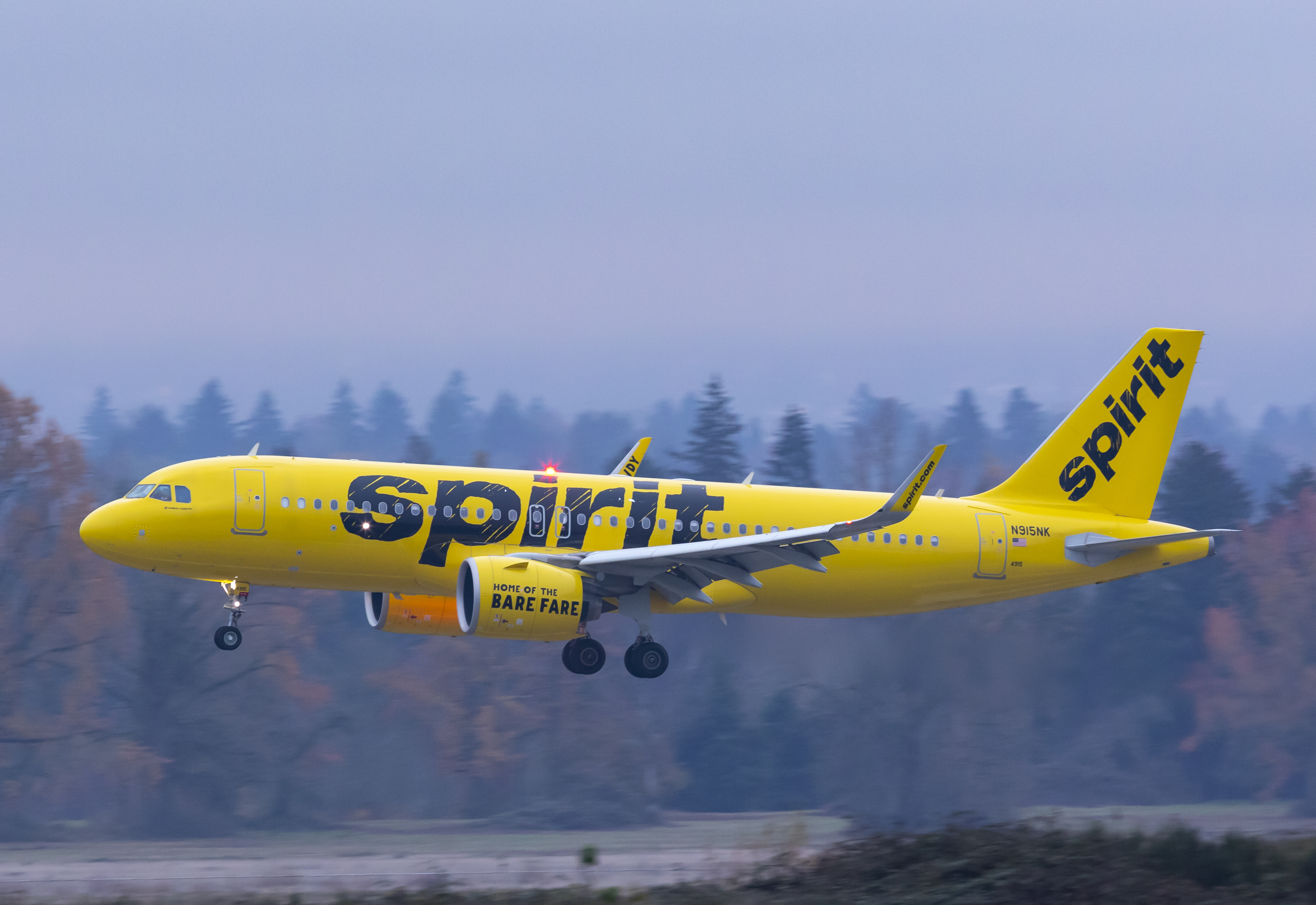
Spirit Airlines Shutdown Strands Passengers, Competitors Step In
- Impact of Shutdown: The shutdown of Spirit Airlines (FLYYQ) has stranded numerous passengers, marking a significant event in the ultra-low-cost airline sector, prompting competitors to swiftly act to fill the market void.
- Competitor Rescue Fares: Airlines such as American (AAL), United (UAL), and Delta (DAL) have launched limited-time 'rescue fare' programs aimed at attracting former Spirit passengers, with some fares requiring booking at airport counters, highlighting the intense competition in the market.
- Capacity Adjustments: American Airlines has indicated it may deploy larger aircraft on key routes, while United Airlines is considering adding flights in overlapping markets, demonstrating that airlines are actively adjusting to meet demand and enhance market share.
- Employee Assistance Measures: To assist Spirit Airlines (FLYYQ) employees, competitors are offering travel benefits and fast-tracked interview opportunities, showcasing industry cooperation and support aimed at mitigating the impact of employee layoffs.
See More

Spirit Airlines Ceases Operations, Ending 30-Year Run

- Shutdown Announcement: Spirit Airlines announced its cessation of operations on May 2, ending a 34-year run of low-cost air travel, resulting in over 17,000 job losses, highlighting the dual pressures of intensified competition and rising costs in the airline industry.
- Final Flights: On its last operational day, Spirit transported over 50,000 passengers despite facing a cash flow crisis and an unfulfilled $500 million bailout proposal, demonstrating the urgency of its operations and strong customer demand.
- Market Share and Competition: With approximately 4% market share in the U.S., Spirit struggled to remain profitable due to fierce competition from larger rivals like Delta and American Airlines, alongside its own cost structure issues, reflecting the survival challenges faced by low-cost carriers.
- Industry Impact: The collapse of Spirit Airlines not only affected its customers and employees but also prompted other airlines like United and JetBlue to adjust fares to assist stranded passengers, illustrating the interdependence and dynamics within the airline industry.
See More
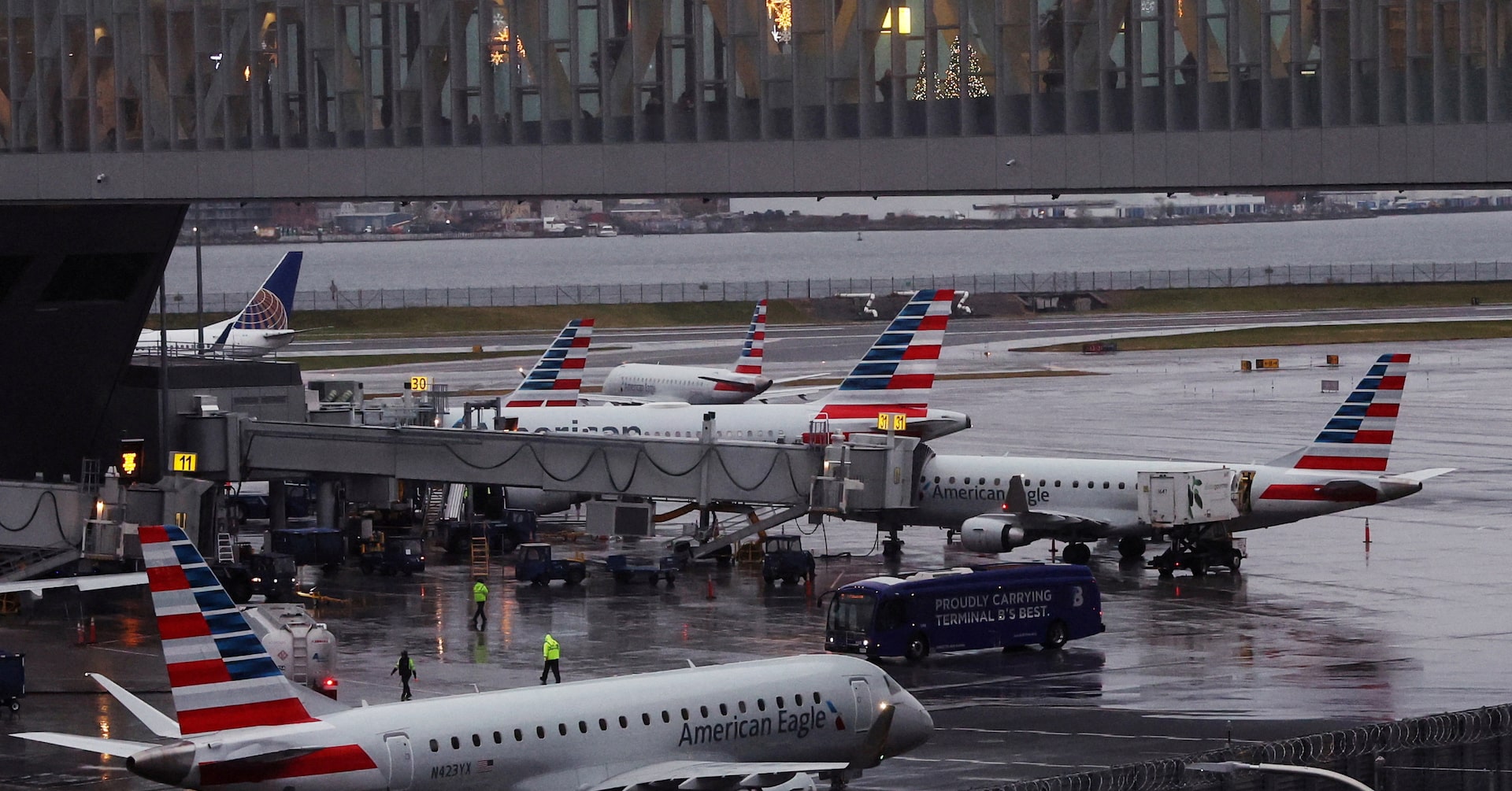
Spirit Airlines Ceases Operations, 17,000 Employees Laid Off
- Operational Shutdown: Spirit Airlines officially ceased operations at 3 a.m. Saturday, marking the end of its three-decade service providing discount air travel across the U.S. and parts of the Caribbean and Latin America, resulting in over 17,000 employees losing their jobs and significantly impacting their families and communities.
- Failed Government Bailout: After last-minute negotiations with the Trump administration fell through, Spirit failed to secure a bailout of up to $500 million, leading bondholders to reject the proposal and exacerbating the airline's financial crisis.
- Market Share and Competitive Pressure: Despite holding approximately 4% of the U.S. market share, Spirit faced intense competition from larger rivals like Delta, United, and American Airlines, compounded by its own low-fare strategy and rising costs, resulting in continuous losses over the past few years.
- Employee Support Requests: The airline's employee union has urged the federal government to provide a $600 weekly unemployment supplement to assist laid-off pilots and flight attendants, emphasizing that standard unemployment coverage does not replace full wages and that enhanced support is crucial for stabilizing households.
See More
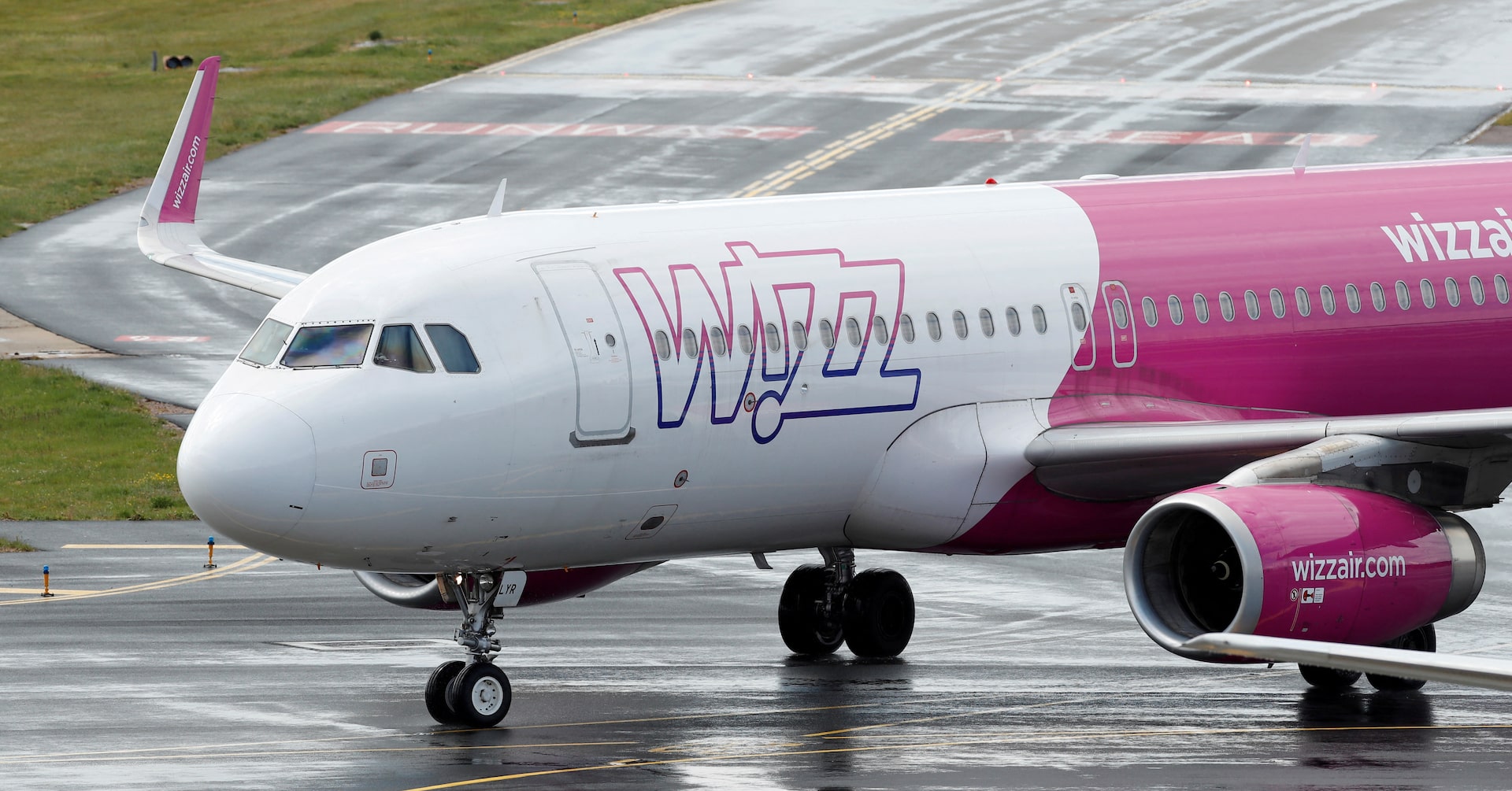
Spirit Airlines Shutdown Leaves Travelers Stranded and Options Limited


- Airline Shutdown: Spirit Airlines abruptly ceased operations on Saturday due to financial pressures, stranding thousands of passengers and staff across the U.S., Caribbean, and Latin America, significantly impacting low-income and working-class travelers who relied on its low-cost options.
- Rising Fuel Costs: The airline's inability to cope with sharply rising fuel prices, exacerbated by the Iran war, ultimately led to its closure, which is expected to increase travel costs for American consumers amidst a broader inflationary environment.
- Market Response: Following Spirit's shutdown, other airlines such as Frontier, JetBlue, and Southwest quickly introduced discounted fares and new route plans to fill the gap, demonstrating the industry's responsiveness to the demand for affordable travel options.
- Traveler Sentiment: Many former Spirit passengers expressed their disappointment on social media, highlighting that the price difference with other carriers could exceed $1,000, indicating that numerous families may now find vacations financially out of reach.
See More

American Airlines Steps Up to Assist Spirit Airlines Customers and Employees

Support for Spirit Airlines: American Airlines has taken action to support Spirit Airlines' customers and team members amid ongoing challenges in the airline industry.
Customer and Team Member Focus: The initiative emphasizes American Airlines' commitment to providing assistance and resources to those affected by the situation at Spirit Airlines.
See More
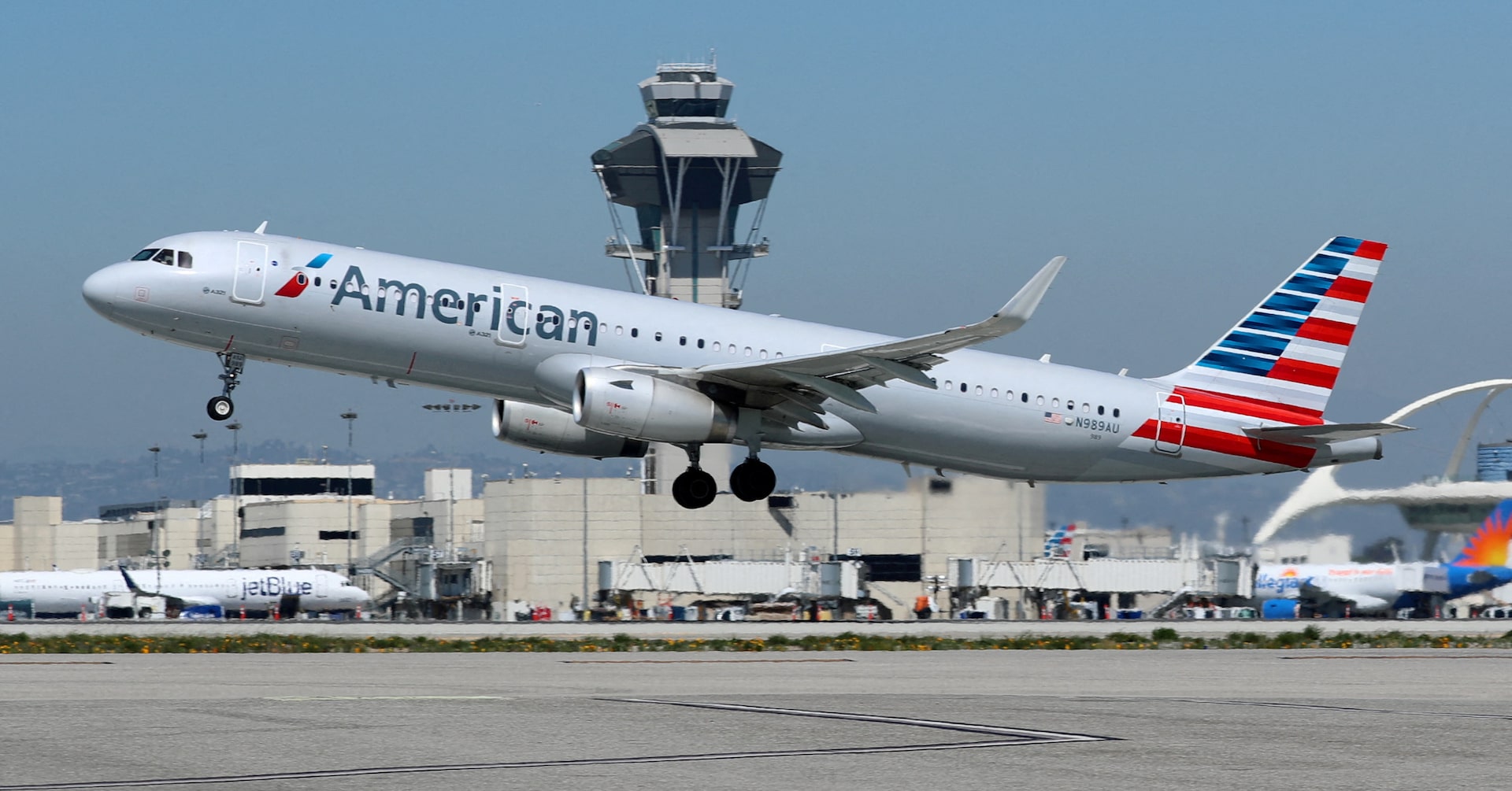
AMERICAN AIRLINES IMPLEMENTS RESCUE FARES FOR SPIRIT ROUTES WITH NONSTOP SERVICE AVAILABLE ON AMERICAN
- American Airlines Updates: American Airlines has implemented new rescue fares for passengers on Spirit routes.
- Service Offerings: The airline also provides non-stop service on these routes, enhancing travel options for customers.
See More
Spirit Airlines Shutdown Strands Passengers, Competitors Step In
- Impact of Shutdown: The shutdown of Spirit Airlines (FLYYQ) has stranded numerous passengers, marking a significant event in the ultra-low-cost airline sector, prompting competitors to swiftly act to fill the market void.
- Competitor Rescue Fares: Airlines such as American (AAL), United (UAL), and Delta (DAL) have launched limited-time 'rescue fare' programs aimed at attracting former Spirit passengers, with some fares requiring booking at airport counters, highlighting the intense competition in the market.
- Capacity Adjustments: American Airlines has indicated it may deploy larger aircraft on key routes, while United Airlines is considering adding flights in overlapping markets, demonstrating that airlines are actively adjusting to meet demand and enhance market share.
- Employee Assistance Measures: To assist Spirit Airlines (FLYYQ) employees, competitors are offering travel benefits and fast-tracked interview opportunities, showcasing industry cooperation and support aimed at mitigating the impact of employee layoffs.
See More
Spirit Airlines Ceases Operations, Ending 30-Year Run
- Shutdown Announcement: Spirit Airlines announced its cessation of operations on May 2, ending a 34-year run of low-cost air travel, resulting in over 17,000 job losses, highlighting the dual pressures of intensified competition and rising costs in the airline industry.
- Final Flights: On its last operational day, Spirit transported over 50,000 passengers despite facing a cash flow crisis and an unfulfilled $500 million bailout proposal, demonstrating the urgency of its operations and strong customer demand.
- Market Share and Competition: With approximately 4% market share in the U.S., Spirit struggled to remain profitable due to fierce competition from larger rivals like Delta and American Airlines, alongside its own cost structure issues, reflecting the survival challenges faced by low-cost carriers.
- Industry Impact: The collapse of Spirit Airlines not only affected its customers and employees but also prompted other airlines like United and JetBlue to adjust fares to assist stranded passengers, illustrating the interdependence and dynamics within the airline industry.
See More
Spirit Airlines Ceases Operations, 17,000 Employees Laid Off
- Operational Shutdown: Spirit Airlines officially ceased operations at 3 a.m. Saturday, marking the end of its three-decade service providing discount air travel across the U.S. and parts of the Caribbean and Latin America, resulting in over 17,000 employees losing their jobs and significantly impacting their families and communities.
- Failed Government Bailout: After last-minute negotiations with the Trump administration fell through, Spirit failed to secure a bailout of up to $500 million, leading bondholders to reject the proposal and exacerbating the airline's financial crisis.
- Market Share and Competitive Pressure: Despite holding approximately 4% of the U.S. market share, Spirit faced intense competition from larger rivals like Delta, United, and American Airlines, compounded by its own low-fare strategy and rising costs, resulting in continuous losses over the past few years.
- Employee Support Requests: The airline's employee union has urged the federal government to provide a $600 weekly unemployment supplement to assist laid-off pilots and flight attendants, emphasizing that standard unemployment coverage does not replace full wages and that enhanced support is crucial for stabilizing households.
See More
Spirit Airlines Shutdown Leaves Travelers Stranded and Options Limited
- Airline Shutdown: Spirit Airlines abruptly ceased operations on Saturday due to financial pressures, stranding thousands of passengers and staff across the U.S., Caribbean, and Latin America, significantly impacting low-income and working-class travelers who relied on its low-cost options.
- Rising Fuel Costs: The airline's inability to cope with sharply rising fuel prices, exacerbated by the Iran war, ultimately led to its closure, which is expected to increase travel costs for American consumers amidst a broader inflationary environment.
- Market Response: Following Spirit's shutdown, other airlines such as Frontier, JetBlue, and Southwest quickly introduced discounted fares and new route plans to fill the gap, demonstrating the industry's responsiveness to the demand for affordable travel options.
- Traveler Sentiment: Many former Spirit passengers expressed their disappointment on social media, highlighting that the price difference with other carriers could exceed $1,000, indicating that numerous families may now find vacations financially out of reach.
See More
American Airlines Steps Up to Assist Spirit Airlines Customers and Employees
Support for Spirit Airlines: American Airlines has taken action to support Spirit Airlines' customers and team members amid ongoing challenges in the airline industry.
Customer and Team Member Focus: The initiative emphasizes American Airlines' commitment to providing assistance and resources to those affected by the situation at Spirit Airlines.
See More
AMERICAN AIRLINES IMPLEMENTS RESCUE FARES FOR SPIRIT ROUTES WITH NONSTOP SERVICE AVAILABLE ON AMERICAN
- American Airlines Updates: American Airlines has implemented new rescue fares for passengers on Spirit routes.
- Service Offerings: The airline also provides non-stop service on these routes, enhancing travel options for customers.
See More