Future Top Five Companies to be AI-Dominated
Written by Emily J. Thompson, Senior Investment Analyst
Updated: 1 hour ago
0mins

Should l Buy TSM?
Source: Fool
- Current Market Leaders: Nvidia currently leads with a market cap of $4.3 trillion, followed by Apple at $3.8 trillion, Alphabet at $3.6 trillion, Microsoft at $2.8 trillion, and Amazon at $2.3 trillion, reflecting their dominance over the past decade.
- AI Industry Outlook: By 2030, the AI sector is expected to propel new companies into the top five, with Nvidia forecasting global data center capital expenditures to reach $3 trillion to $4 trillion annually, providing robust support for AI infrastructure demand.
- Cloud Computing Growth: Google Cloud's revenue surged 48% year-over-year in Q4, while Azure's revenue rose 39%, indicating rapid growth in cloud computing infrastructure that can support increasing AI workloads, thereby solidifying Microsoft and Alphabet's future market positions.
- Emerging Competitors: Taiwan Semiconductor and Broadcom are expected to replace Apple and Amazon in the top five, with current market caps of $1.76 trillion and $1.5 trillion respectively, as they stand to gain significantly from the growth in AI chip sales leading up to 2030.
Trade with 70% Backtested Accuracy
Stop guessing "Should I Buy TSM?" and start using high-conviction signals backed by rigorous historical data.
Sign up today to access powerful investing tools and make smarter, data-driven decisions.
Analyst Views on TSM
Wall Street analysts forecast TSM stock price to fall
8 Analyst Rating
7 Buy
1 Hold
0 Sell
Strong Buy
Current: 365.900

Low
63.24
Averages
313.46
High
390.00
Current: 365.900
Low
63.24
Averages
313.46
High
390.00
About TSM
Taiwan Semiconductor Manufacturing Co Ltd is a Taiwan-based integrated circuit foundry service provider. The Company is primarily engaged in integrated circuit manufacturing services. It offers advanced process technologies, specialised process solutions, advanced photomask and silicon stacking, and packaging-related technologies, while supporting a comprehensive design ecosystem. The Company's products serve diverse electronic sectors including artificial intelligence, high-performance computing, wired and wireless communications, automotive and industrial equipment, personal computing, information applications, consumer electronics, smart internet of things, and wearable devices.
About the author

Emily J. Thompson
Emily J. Thompson, a Chartered Financial Analyst (CFA) with 12 years in investment research, graduated with honors from the Wharton School. Specializing in industrial and technology stocks, she provides in-depth analysis for Intellectia’s earnings and market brief reports.
Future Top Five Companies to be AI-Dominated


- Current Market Leaders: Nvidia currently leads with a market cap of $4.3 trillion, followed by Apple at $3.8 trillion, Alphabet at $3.6 trillion, Microsoft at $2.8 trillion, and Amazon at $2.3 trillion, reflecting their dominance over the past decade.
- AI Industry Outlook: By 2030, the AI sector is expected to propel new companies into the top five, with Nvidia forecasting global data center capital expenditures to reach $3 trillion to $4 trillion annually, providing robust support for AI infrastructure demand.
- Cloud Computing Growth: Google Cloud's revenue surged 48% year-over-year in Q4, while Azure's revenue rose 39%, indicating rapid growth in cloud computing infrastructure that can support increasing AI workloads, thereby solidifying Microsoft and Alphabet's future market positions.
- Emerging Competitors: Taiwan Semiconductor and Broadcom are expected to replace Apple and Amazon in the top five, with current market caps of $1.76 trillion and $1.5 trillion respectively, as they stand to gain significantly from the growth in AI chip sales leading up to 2030.
See More

Trump Warns Iran to Stop Hormuz Tolls


- Trump's Warning: President Trump stated late Thursday that Iran “better stop” charging tolls in the Strait of Hormuz, a remark that could escalate regional tensions and impact international shipping and energy markets.
- Semiconductor Industry Update: With chipmakers like Nvidia continuing to thrive, Taiwan Semiconductor's pivotal role in the global semiconductor supply chain may influence the performance of tech stocks in the market.
- Inflationary Pressures: The rise in Consumer Price Index (CPI) inflation indicates complexities in economic recovery, potentially leading the Federal Reserve to adopt a more cautious stance on monetary policy, thereby affecting market liquidity.
- Geopolitical Risks: Trump's comments may prompt a reassessment of market perceptions regarding geopolitical risks in the Middle East, necessitating investor attention to asset volatility and potential safe-haven demand.
See More
Google Expands Partnership with Intel for AI Chips

- Partnership Expansion: Google has committed to using multiple generations of Intel's Xeon 6 processors in its AI data centers, further solidifying a partnership that dates back nearly three decades, which is expected to enhance Google's computational capabilities in AI.
- Market Competition: The Intel Xeon 6 processors will support AI training and inference workloads, potentially giving Intel a stronger competitive position in the AI market dominated by Nvidia, addressing the growing demands for performance and efficiency.
- Technological Innovation: Google and Intel are also collaborating on the Infrastructure Processing Unit (IPU), designed to offload tasks from the main CPU, optimizing networking, storage, and security functions in data centers, thereby improving overall computational efficiency.
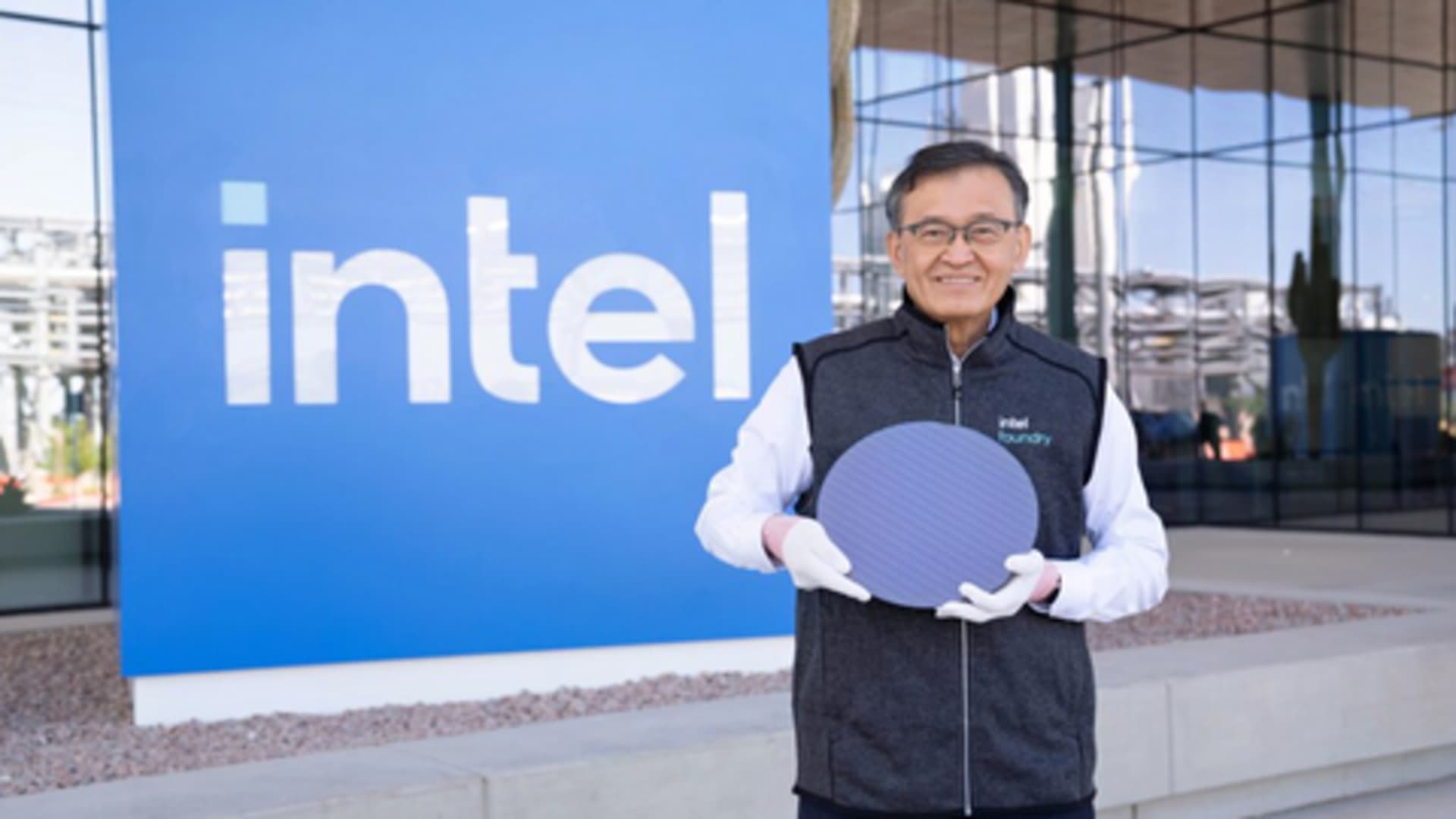
- Future Outlook: Despite facing challenges in keeping pace with technology trends, Intel's latest Xeon processors, manufactured using its advanced 18A technology at a new Arizona facility, demonstrate its ongoing investment and potential in high-end chip manufacturing.
See More
Google Expands Partnership with Intel for AI Data Centers
- Partnership Expansion: Google has committed to using multiple generations of Intel processors in its AI data centers, further solidifying a nearly three-decade partnership, indicating Google's trust and reliance on Intel in the AI domain.
- New Technology Application: Intel's latest Xeon 6 CPUs will be utilized for AI training and inference workloads, potentially strengthening Intel's position in the competitive AI market, especially against Nvidia's dominance.
- Performance Demand Fulfillment: Google's Chief Technologist for AI Infrastructure, Amin Vahdat, stated that Intel's Xeon roadmap boosts confidence in meeting the growing performance and efficiency demands, showcasing the depth of collaboration between the two companies.
- New Chip Development: Google and Intel are also collaborating on the Infrastructure Processing Unit (IPU), designed to offload tasks from the main CPU, optimizing resource utilization in data centers and enhancing their technological innovation capabilities in AI infrastructure.
See More
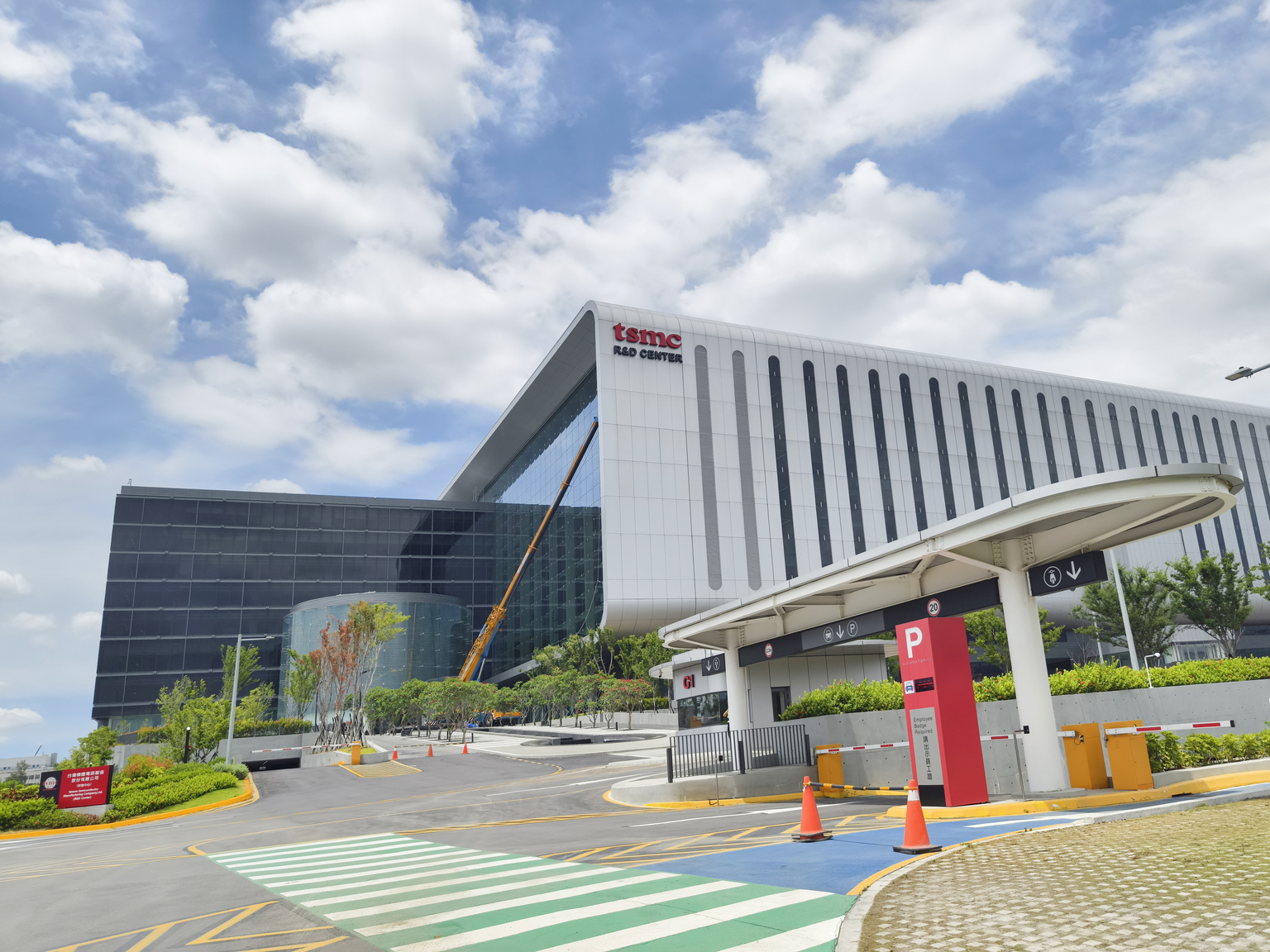
GF Securities Raises TSMC Price Target to NT$2,808 Ahead of Earnings
- Price Target Increase: GF Securities raised TSMC's price target from NT$2,325 to NT$2,808 while maintaining a Buy rating, reflecting strong confidence in the upcoming Q1 2026 earnings report, which is expected to drive stock price upward.
- Strong Margin Expectations: Analysts anticipate TSMC's gross margin to reach 67% in Q1 2026, exceeding the guidance of 63% to 65%, primarily due to high utilization of N2/N3 technologies and price premiums from AI customers, indicating the company's sustained competitiveness in the high-end market.
- Sales Growth Forecast: TSMC's sales are expected to grow by 6% quarter-over-quarter in Q2 2026, although a slight decline may occur in the second half due to N2 dilution and rising electricity costs, reflecting robust demand in AI and high-performance computing sectors.
- Capital Expenditure Plans: Analysts project TSMC's capital expenditures to reach $56 billion and $65 billion in 2026 and 2027, respectively, demonstrating the company's confidence in future growth, particularly against the backdrop of strong demand for AI accelerators and high-performance computing.
See More

Analysis of Billionaire Investment Strategies


- Long-Term Investor Picks: David Tepper's Appaloosa Management increased its stakes in Alphabet, Meta, and Microsoft by 29%, 62%, and 8% respectively during Q4, indicating a bullish outlook on these AI giants, even as their current prices are below Q4 highs, presenting a potential buying opportunity for investors.
- AI Investment Trends: These companies are making substantial investments in AI computing infrastructure, and although the market is cautious about their massive spending leading to stock price declines, such investments are deemed necessary for future competitiveness, potentially yielding significant returns down the line.
- Semiconductor Sector Positioning: Appaloosa also increased its holdings in Micron and Taiwan Semiconductor during Q4, with Micron's stake rising by 200%, reflecting strong confidence in the demand for AI infrastructure, as both companies are expected to benefit from the growth in AI computing capabilities in the coming years.
- Optimistic Market Outlook: Taiwan Semiconductor forecasts a mid- to high-50% compound annual growth rate for its AI chip revenue from 2024 to 2029, while Micron anticipates the high-bandwidth memory market will expand from $35 billion in 2025 to $100 billion by 2028, indicating substantial market potential for both companies in the AI sector.
See More
Future Top Five Companies to be AI-Dominated
- Current Market Leaders: Nvidia currently leads with a market cap of $4.3 trillion, followed by Apple at $3.8 trillion, Alphabet at $3.6 trillion, Microsoft at $2.8 trillion, and Amazon at $2.3 trillion, reflecting their dominance over the past decade.
- AI Industry Outlook: By 2030, the AI sector is expected to propel new companies into the top five, with Nvidia forecasting global data center capital expenditures to reach $3 trillion to $4 trillion annually, providing robust support for AI infrastructure demand.
- Cloud Computing Growth: Google Cloud's revenue surged 48% year-over-year in Q4, while Azure's revenue rose 39%, indicating rapid growth in cloud computing infrastructure that can support increasing AI workloads, thereby solidifying Microsoft and Alphabet's future market positions.
- Emerging Competitors: Taiwan Semiconductor and Broadcom are expected to replace Apple and Amazon in the top five, with current market caps of $1.76 trillion and $1.5 trillion respectively, as they stand to gain significantly from the growth in AI chip sales leading up to 2030.
See More
Trump Warns Iran to Stop Hormuz Tolls
- Trump's Warning: President Trump stated late Thursday that Iran “better stop” charging tolls in the Strait of Hormuz, a remark that could escalate regional tensions and impact international shipping and energy markets.
- Semiconductor Industry Update: With chipmakers like Nvidia continuing to thrive, Taiwan Semiconductor's pivotal role in the global semiconductor supply chain may influence the performance of tech stocks in the market.
- Inflationary Pressures: The rise in Consumer Price Index (CPI) inflation indicates complexities in economic recovery, potentially leading the Federal Reserve to adopt a more cautious stance on monetary policy, thereby affecting market liquidity.
- Geopolitical Risks: Trump's comments may prompt a reassessment of market perceptions regarding geopolitical risks in the Middle East, necessitating investor attention to asset volatility and potential safe-haven demand.
See More
Google Expands Partnership with Intel for AI Chips
- Partnership Expansion: Google has committed to using multiple generations of Intel's Xeon 6 processors in its AI data centers, further solidifying a partnership that dates back nearly three decades, which is expected to enhance Google's computational capabilities in AI.
- Market Competition: The Intel Xeon 6 processors will support AI training and inference workloads, potentially giving Intel a stronger competitive position in the AI market dominated by Nvidia, addressing the growing demands for performance and efficiency.
- Technological Innovation: Google and Intel are also collaborating on the Infrastructure Processing Unit (IPU), designed to offload tasks from the main CPU, optimizing networking, storage, and security functions in data centers, thereby improving overall computational efficiency.
- Future Outlook: Despite facing challenges in keeping pace with technology trends, Intel's latest Xeon processors, manufactured using its advanced 18A technology at a new Arizona facility, demonstrate its ongoing investment and potential in high-end chip manufacturing.
See More
Google Expands Partnership with Intel for AI Data Centers
- Partnership Expansion: Google has committed to using multiple generations of Intel processors in its AI data centers, further solidifying a nearly three-decade partnership, indicating Google's trust and reliance on Intel in the AI domain.
- New Technology Application: Intel's latest Xeon 6 CPUs will be utilized for AI training and inference workloads, potentially strengthening Intel's position in the competitive AI market, especially against Nvidia's dominance.
- Performance Demand Fulfillment: Google's Chief Technologist for AI Infrastructure, Amin Vahdat, stated that Intel's Xeon roadmap boosts confidence in meeting the growing performance and efficiency demands, showcasing the depth of collaboration between the two companies.
- New Chip Development: Google and Intel are also collaborating on the Infrastructure Processing Unit (IPU), designed to offload tasks from the main CPU, optimizing resource utilization in data centers and enhancing their technological innovation capabilities in AI infrastructure.
See More
GF Securities Raises TSMC Price Target to NT$2,808 Ahead of Earnings
- Price Target Increase: GF Securities raised TSMC's price target from NT$2,325 to NT$2,808 while maintaining a Buy rating, reflecting strong confidence in the upcoming Q1 2026 earnings report, which is expected to drive stock price upward.
- Strong Margin Expectations: Analysts anticipate TSMC's gross margin to reach 67% in Q1 2026, exceeding the guidance of 63% to 65%, primarily due to high utilization of N2/N3 technologies and price premiums from AI customers, indicating the company's sustained competitiveness in the high-end market.
- Sales Growth Forecast: TSMC's sales are expected to grow by 6% quarter-over-quarter in Q2 2026, although a slight decline may occur in the second half due to N2 dilution and rising electricity costs, reflecting robust demand in AI and high-performance computing sectors.
- Capital Expenditure Plans: Analysts project TSMC's capital expenditures to reach $56 billion and $65 billion in 2026 and 2027, respectively, demonstrating the company's confidence in future growth, particularly against the backdrop of strong demand for AI accelerators and high-performance computing.
See More
Analysis of Billionaire Investment Strategies
- Long-Term Investor Picks: David Tepper's Appaloosa Management increased its stakes in Alphabet, Meta, and Microsoft by 29%, 62%, and 8% respectively during Q4, indicating a bullish outlook on these AI giants, even as their current prices are below Q4 highs, presenting a potential buying opportunity for investors.
- AI Investment Trends: These companies are making substantial investments in AI computing infrastructure, and although the market is cautious about their massive spending leading to stock price declines, such investments are deemed necessary for future competitiveness, potentially yielding significant returns down the line.
- Semiconductor Sector Positioning: Appaloosa also increased its holdings in Micron and Taiwan Semiconductor during Q4, with Micron's stake rising by 200%, reflecting strong confidence in the demand for AI infrastructure, as both companies are expected to benefit from the growth in AI computing capabilities in the coming years.
- Optimistic Market Outlook: Taiwan Semiconductor forecasts a mid- to high-50% compound annual growth rate for its AI chip revenue from 2024 to 2029, while Micron anticipates the high-bandwidth memory market will expand from $35 billion in 2025 to $100 billion by 2028, indicating substantial market potential for both companies in the AI sector.
See More