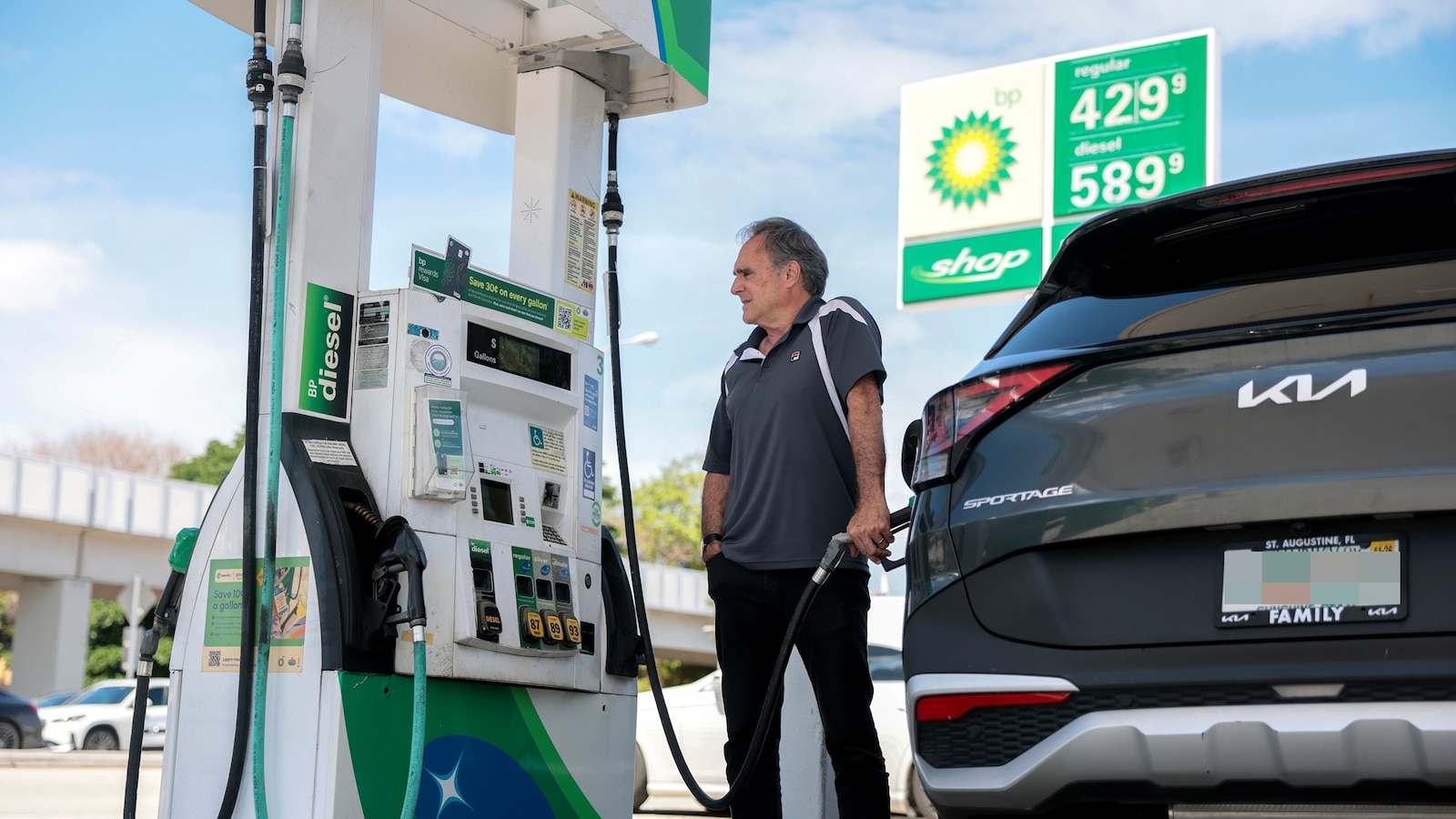
FORD MOTOR COMPANY AND SHARROW ENGINEERING EXPAND SHARROW PROPELLER PRODUCTION IN DETROIT
Written by Emily J. Thompson, Senior Investment Analyst
Updated: 2 days ago
0mins
Should l Buy F?
Source: moomoo
Ford Motor Company and Sharrow Engineering Collaboration: Ford Motor Company is partnering with Sharrow Engineering to scale up the production of the Sharrow propeller in Detroit.
Innovative Propeller Design: The Sharrow propeller features a unique design aimed at improving efficiency and performance in marine applications.
Trade with 70% Backtested Accuracy
Stop guessing "Should I Buy F?" and start using high-conviction signals backed by rigorous historical data.
Sign up today to access powerful investing tools and make smarter, data-driven decisions.
Analyst Views on F
Wall Street analysts forecast F stock price to rise
14 Analyst Rating
3 Buy
10 Hold
1 Sell
Hold
Current: 12.240

Low
11.00
Averages
13.65
High
16.00
Current: 12.240
Low
11.00
Averages
13.65
High
16.00
About F
Ford Motor Company is an automobile company. The Company develops and delivers Ford trucks, sport utility vehicles, commercial vans and cars, and Lincoln luxury vehicles, along with connected services. The Company’s segments include Ford Blue, Ford Model e, Ford Pro, and Ford Credit. The Ford Blue segment primarily includes the sale of Ford and Lincoln internal combustion engine (ICE) and hybrid vehicles, service parts, accessories, and digital services for retail customers. The Ford Model e segment primarily includes the sale of its electric vehicles, service parts, accessories, and digital services for retail customers. The Ford Pro segment primarily includes the sale of Ford and Lincoln vehicles, service parts, accessories, and services for commercial, government, and rental customers. The Ford Credit segment consists of the Ford Credit business on a consolidated basis, which is primarily vehicle-related financing and leasing activities. Its vehicle brands are Ford and Lincoln.
About the author

Emily J. Thompson
Emily J. Thompson, a Chartered Financial Analyst (CFA) with 12 years in investment research, graduated with honors from the Wharton School. Specializing in industrial and technology stocks, she provides in-depth analysis for Intellectia’s earnings and market brief reports.

Intensifying Price War in China's New Energy Vehicle Market

- Impact of Price War: The price war in China's automotive market has resulted in over 56% of dealerships reporting losses in 2025, a significant increase from 42% in 2024, highlighting the fierce competition in the sector.
- Export Transformation: Ford increased its exports from China by 60% in 2024 to approximately 170,000 vehicles, while its wholesale deliveries with Changan Automobile only rose by 6%, indicating that this strategic shift helped Ford reverse six consecutive years of losses in the region.
- Intensified Market Competition: Facing pressure from domestic rivals, foreign automakers are transforming China into a low-cost export hub, with many partnering with local producers to leverage China's latest software and technology.
- Uncertain Long-term Outlook: Despite Ford's success in exports, the likelihood of China becoming a second pillar of global profitability for automakers remains low, which poses a negative signal for long-term investors and compels Ford to accelerate its electric vehicle development efforts.
See More

Ford Shifts to Export Strategy in China
- Impact of Price War: According to the China Automobile Dealers Association, over 56% of car dealerships in China reported losses in 2025, a significant increase from 42% in 2024, highlighting the severe impact of intense price competition on profitability.
- Significant Export Growth: Ford's exports from China surged 60% in 2024 to approximately 170,000 vehicles, while wholesale deliveries with Changan Automobile only rose 6%, indicating Ford's successful pivot to becoming a low-cost export hub.
- Profitability Recovery: After six consecutive years of losses, Ford's operations in China turned profitable in 2024, demonstrating the effectiveness of its strategic shift and buying time for future electric vehicle development.
- Intensified Market Competition: Despite the success of Ford's export strategy, the competitive landscape in China remains fierce, with foreign automakers facing strong pressure from domestic rivals, leaving the potential for a rebound in domestic sales uncertain.
See More

Ford Successfully Transforms in China's Auto Market

- Price War Impact: According to the China Automobile Dealers Association, over 56% of car dealerships in China reported losses in 2025, a significant increase from 42% in 2024, highlighting the severe impact of the brutal price war on profits, with 82% of dealers forced to sell new vehicles below wholesale prices, creating an unsustainable business model.
- Export Transformation: In response to intensified domestic competition, Ford has shifted to turn China into a low-cost vehicle export hub, with exports from China surging 60% to approximately 170,000 vehicles in 2024, demonstrating the success of its strategic adjustment.
- Return to Profitability: After six consecutive years of losses, Ford's operations in China turned profitable in 2024, indicating the effectiveness of its transformation strategy, particularly through partnerships with local producers that enhanced its competitiveness in the Chinese market.
- Long-term Outlook: While it is unlikely that China will become a second pillar of global profitability, Ford's export strategy buys time for the company to become more competitive in EV development and costs, with the potential for a rebound in domestic sales in the future.
See More
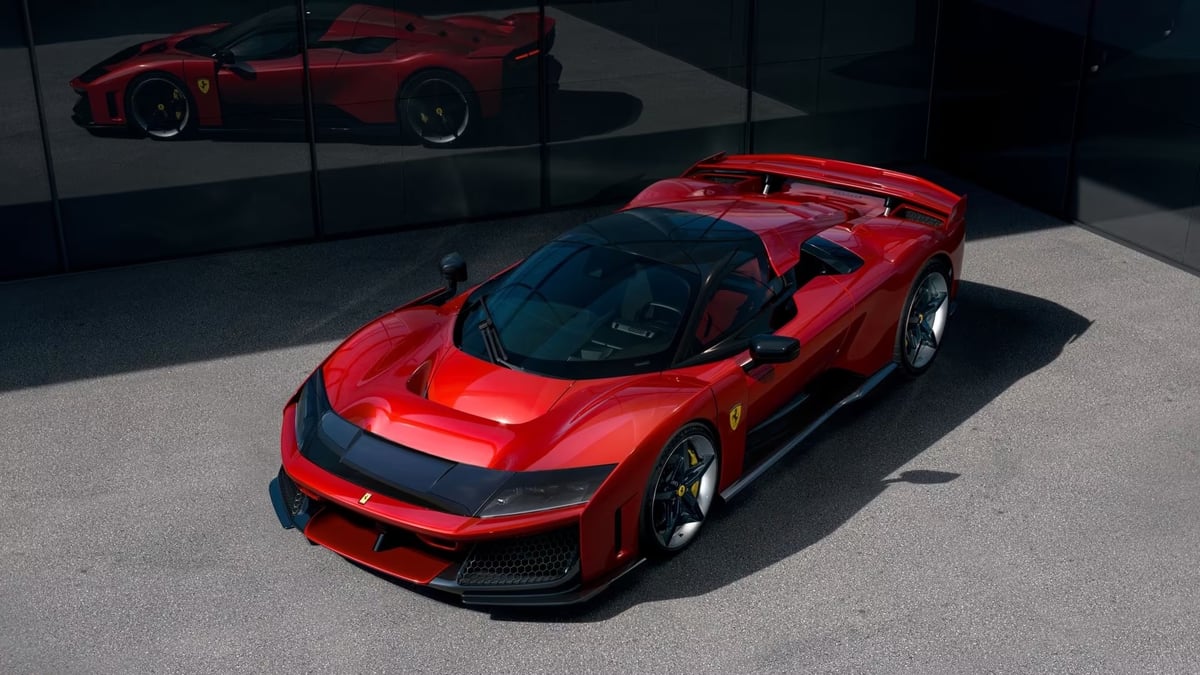
Iran Conflict Disrupts Luxury Car Market Dynamics

- Increased Market Uncertainty: The ongoing conflict in Iran exacerbates challenges for luxury automakers, with slowing demand in China and Europe leading to profit erosion from tariffs, creating a more precarious market environment.
- Rising Importance of Middle East: Ferrari's 2025 report indicates that the Middle East accounted for 4.6% of total sales, a significant increase from 3.5% the previous year, highlighting the region's growing importance amid current market turmoil.
- Profitability Risks Emerge: Although the Middle East contributes a relatively small portion to Ferrari's sales, supply chain constraints, rising air freight costs, and declining regional demand pose direct threats to profitability, prompting potential production adjustments in response to sudden changes.
- Investment Opportunities Arise: While the Iran conflict negatively impacts Ferrari, investors should view this as a temporary setback; with its global competitive advantages and strong brand image, Ferrari remains a quality long-term investment choice.
See More

Impact of Iran Conflict on Luxury Automakers
- Market Impact Assessment: The Iran conflict severely affects Ferrari's high-margin market in the Middle East, which accounted for 4.6% of total sales in 2025, up from 3.5% the previous year, highlighting the region's significance.
- Increased Sales Risks: With supply chain constraints, rising air freight costs, and declining regional demand, Ferrari faces direct profitability risks, particularly in the luxury market, raising concerns about potential production cuts.
- Competitive Advantages and Challenges: Despite these challenges, Ferrari's stable order book and strong global brand image provide flexibility to adapt to market changes, presenting investors with a rare opportunity to buy at a lower valuation.
- Economic Environment Impact: Higher oil prices could negatively affect luxury sales, especially for inflation-sensitive consumers, potentially impacting Ferrari's long-term competitive advantages in the short term.
See More
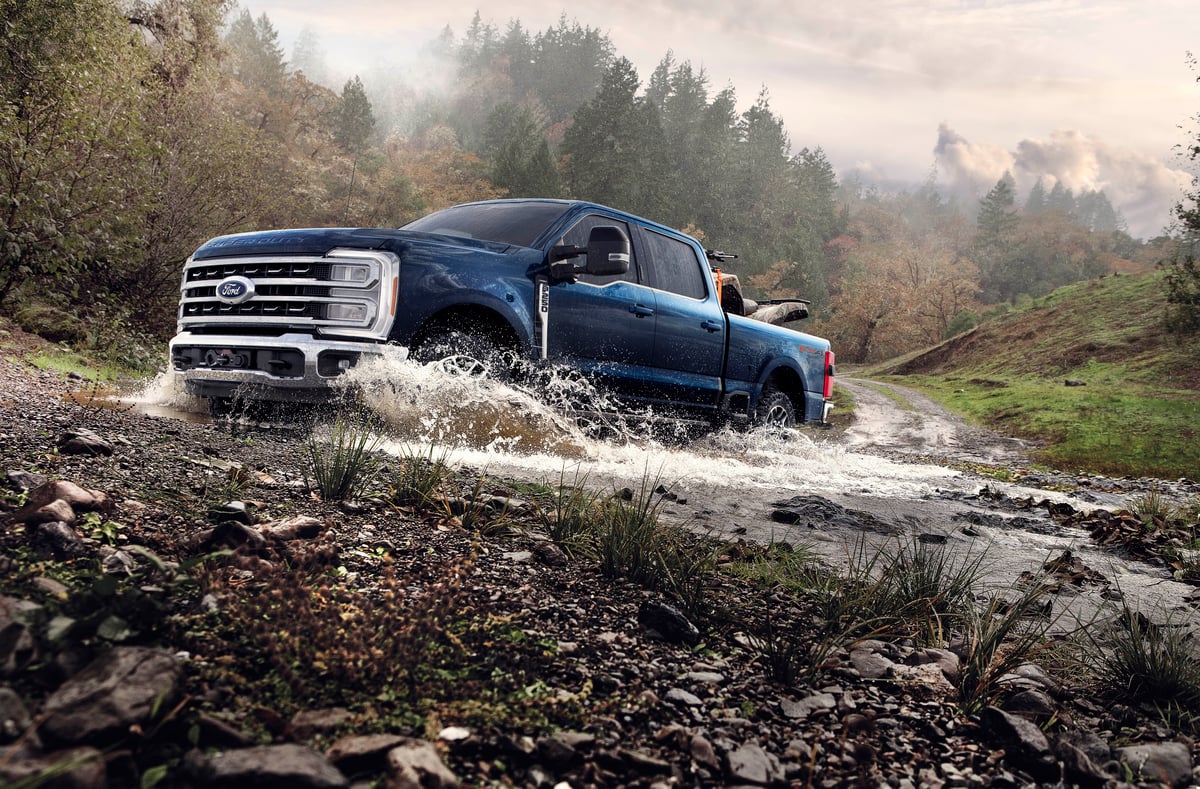
Ford's Q1 Sales Decline Analysis

- Sales Comparison: Q1 2026 U.S. auto sales faced significant challenges, with major players like Ford, GM, and Toyota experiencing declines, notably Ford's F-Series truck sales dropping 16% year-over-year, highlighting intensified market competition and pricing pressures.
- Market Environment Impact: The overall 8.7% decline in Ford's Q1 sales was exacerbated by lingering winter weather, near-record vehicle prices, and rising gasoline costs, contrasting sharply with last year's strong performance and raising investor concerns.
- Aluminum Supply Chain Crisis: The production of Ford's F-150 was impacted by a fire at the Novelis aluminum plant in New York, which supplies 40% of U.S. automotive aluminum, with estimated losses of up to $2 billion between 2025 and 2026, prompting Ford to source aluminum from alternative suppliers.
- Production Recovery Plan: Ford plans to add a third shift at its Dearborn Truck Plant to compensate for approximately 50,000 vehicles lost in production, with a stronger recovery anticipated in the second half of 2026 as the aluminum plant is expected to resume full production by the end of Q2.
See More
Intensifying Price War in China's New Energy Vehicle Market
- Impact of Price War: The price war in China's automotive market has resulted in over 56% of dealerships reporting losses in 2025, a significant increase from 42% in 2024, highlighting the fierce competition in the sector.
- Export Transformation: Ford increased its exports from China by 60% in 2024 to approximately 170,000 vehicles, while its wholesale deliveries with Changan Automobile only rose by 6%, indicating that this strategic shift helped Ford reverse six consecutive years of losses in the region.
- Intensified Market Competition: Facing pressure from domestic rivals, foreign automakers are transforming China into a low-cost export hub, with many partnering with local producers to leverage China's latest software and technology.
- Uncertain Long-term Outlook: Despite Ford's success in exports, the likelihood of China becoming a second pillar of global profitability for automakers remains low, which poses a negative signal for long-term investors and compels Ford to accelerate its electric vehicle development efforts.
See More
Ford Shifts to Export Strategy in China
- Impact of Price War: According to the China Automobile Dealers Association, over 56% of car dealerships in China reported losses in 2025, a significant increase from 42% in 2024, highlighting the severe impact of intense price competition on profitability.
- Significant Export Growth: Ford's exports from China surged 60% in 2024 to approximately 170,000 vehicles, while wholesale deliveries with Changan Automobile only rose 6%, indicating Ford's successful pivot to becoming a low-cost export hub.
- Profitability Recovery: After six consecutive years of losses, Ford's operations in China turned profitable in 2024, demonstrating the effectiveness of its strategic shift and buying time for future electric vehicle development.
- Intensified Market Competition: Despite the success of Ford's export strategy, the competitive landscape in China remains fierce, with foreign automakers facing strong pressure from domestic rivals, leaving the potential for a rebound in domestic sales uncertain.
See More
Ford Successfully Transforms in China's Auto Market
- Price War Impact: According to the China Automobile Dealers Association, over 56% of car dealerships in China reported losses in 2025, a significant increase from 42% in 2024, highlighting the severe impact of the brutal price war on profits, with 82% of dealers forced to sell new vehicles below wholesale prices, creating an unsustainable business model.
- Export Transformation: In response to intensified domestic competition, Ford has shifted to turn China into a low-cost vehicle export hub, with exports from China surging 60% to approximately 170,000 vehicles in 2024, demonstrating the success of its strategic adjustment.
- Return to Profitability: After six consecutive years of losses, Ford's operations in China turned profitable in 2024, indicating the effectiveness of its transformation strategy, particularly through partnerships with local producers that enhanced its competitiveness in the Chinese market.
- Long-term Outlook: While it is unlikely that China will become a second pillar of global profitability, Ford's export strategy buys time for the company to become more competitive in EV development and costs, with the potential for a rebound in domestic sales in the future.
See More
Iran Conflict Disrupts Luxury Car Market Dynamics
- Increased Market Uncertainty: The ongoing conflict in Iran exacerbates challenges for luxury automakers, with slowing demand in China and Europe leading to profit erosion from tariffs, creating a more precarious market environment.
- Rising Importance of Middle East: Ferrari's 2025 report indicates that the Middle East accounted for 4.6% of total sales, a significant increase from 3.5% the previous year, highlighting the region's growing importance amid current market turmoil.
- Profitability Risks Emerge: Although the Middle East contributes a relatively small portion to Ferrari's sales, supply chain constraints, rising air freight costs, and declining regional demand pose direct threats to profitability, prompting potential production adjustments in response to sudden changes.
- Investment Opportunities Arise: While the Iran conflict negatively impacts Ferrari, investors should view this as a temporary setback; with its global competitive advantages and strong brand image, Ferrari remains a quality long-term investment choice.
See More
Impact of Iran Conflict on Luxury Automakers
- Market Impact Assessment: The Iran conflict severely affects Ferrari's high-margin market in the Middle East, which accounted for 4.6% of total sales in 2025, up from 3.5% the previous year, highlighting the region's significance.
- Increased Sales Risks: With supply chain constraints, rising air freight costs, and declining regional demand, Ferrari faces direct profitability risks, particularly in the luxury market, raising concerns about potential production cuts.
- Competitive Advantages and Challenges: Despite these challenges, Ferrari's stable order book and strong global brand image provide flexibility to adapt to market changes, presenting investors with a rare opportunity to buy at a lower valuation.
- Economic Environment Impact: Higher oil prices could negatively affect luxury sales, especially for inflation-sensitive consumers, potentially impacting Ferrari's long-term competitive advantages in the short term.
See More
Ford's Q1 Sales Decline Analysis
- Sales Comparison: Q1 2026 U.S. auto sales faced significant challenges, with major players like Ford, GM, and Toyota experiencing declines, notably Ford's F-Series truck sales dropping 16% year-over-year, highlighting intensified market competition and pricing pressures.
- Market Environment Impact: The overall 8.7% decline in Ford's Q1 sales was exacerbated by lingering winter weather, near-record vehicle prices, and rising gasoline costs, contrasting sharply with last year's strong performance and raising investor concerns.
- Aluminum Supply Chain Crisis: The production of Ford's F-150 was impacted by a fire at the Novelis aluminum plant in New York, which supplies 40% of U.S. automotive aluminum, with estimated losses of up to $2 billion between 2025 and 2026, prompting Ford to source aluminum from alternative suppliers.
- Production Recovery Plan: Ford plans to add a third shift at its Dearborn Truck Plant to compensate for approximately 50,000 vehicles lost in production, with a stronger recovery anticipated in the second half of 2026 as the aluminum plant is expected to resume full production by the end of Q2.
See More