

Federal Reserve Expected to Cut Rates by 75 Basis Points in 2026, Bullish Outlook for Stocks
Written by Emily J. Thompson, Senior Investment Analyst
Updated: Jan 26 2026
0mins
Source: Fool
- Rate Cut Expectations: The Federal Reserve anticipates a 75 basis point cut to the benchmark rate in 2026, with the market betting on this move to stimulate economic growth and drive stock prices higher, despite inflation risks.
- Strong Economic Growth: The U.S. GDP growth rate reached 4.3% in Q3, exceeding expectations, and is projected to maintain a 2.5% growth rate for 2026, providing robust support for the stock market.
- Analyst Optimism: Goldman Sachs analysts predict the S&P 500 will rise 12% by the end of 2025, reaching approximately 7,670 points, primarily driven by strong performance in the technology sector, reflecting confidence in the market's future.
- Risk Warnings: Despite the bullish sentiment, Goldman cautions that weaker-than-expected economic growth or the Fed's failure to cut rates as anticipated could pose significant risks to stock market gains, necessitating investor vigilance.
Trade with 70% Backtested Accuracy
Stop guessing "Should I Buy CME?" and start using high-conviction signals backed by rigorous historical data.
Sign up today to access powerful investing tools and make smarter, data-driven decisions.
Analyst Views on CME
Wall Street analysts forecast CME stock price to rise
10 Analyst Rating
4 Buy
4 Hold
2 Sell
Hold
Current: 261.600

Low
209.00
Averages
285.90
High
320.00
Current: 261.600
Low
209.00
Averages
285.90
High
320.00
About CME
CME Group Inc. provides a derivatives marketplace. The Company enables clients to trade futures, options, cash and over the counter (OTC) markets, optimize portfolios, and analyze data. It exchanges offer a range of global benchmark products across all major asset classes based on interest rates, equity indexes, foreign exchange (FX), energy, agricultural products and metals. It offers futures and options on futures trading through the CME Globex platform, fixed income trading via BrokerTec and FX trading on the EBS platform. In addition, it operates central counterparty clearing provider, CME Clearing. Its products provide a means for hedging, speculation and asset allocation related to the risks associated with, among other things, interest rate sensitive instruments, and changes in the prices of agricultural, energy and metal commodities. It provides clearing and settlement services for a range of exchange-traded futures and options on futures contracts and OTC derivatives.
About the author

Emily J. Thompson
Emily J. Thompson, a Chartered Financial Analyst (CFA) with 12 years in investment research, graduated with honors from the Wharton School. Specializing in industrial and technology stocks, she provides in-depth analysis for Intellectia’s earnings and market brief reports.

CFTC Chair Defends Approval of Perpetual Futures Contracts

- Regulatory Support: CFTC Chair Michael Selig emphasized on CNBC that approving futures contracts with no expiration date is crucial for ensuring the safety of U.S. markets, aiming to bring internationally developed products onshore under strict regulations.
- Strong Market Demand: Following the launch of bitcoin perpetual futures, Kalshi reported over $3 billion in notional volume within just a week, indicating robust market demand for this innovative contract type, which could lead to further financial product innovations.
- Leverage Risk Discussion: Despite concerns from CME Group CEO regarding the high leverage risks associated with perpetual futures, Selig argued that proper disclosures and broker evaluations will ensure trading safety, countering the notion of excessive regulatory paternalism.
- Political Pressure Denial: Selig firmly denied that the CFTC's approval of perpetual futures was influenced by political pressure from the Trump administration, asserting that such insinuations are baseless and highlighting the independence and professionalism of regulatory decisions.
See More

US Stocks Plunge as Tech Sector Weighs Down Market


- Market Weakness: On Wednesday, the S&P 500 Index fell by 1.21%, the Dow Jones Industrial Average dropped by 0.98%, and the Nasdaq 100 Index declined by 0.99%, reflecting market concerns over potential interest rate hikes by the Fed, particularly amid weak performance in technology stocks.
- Economic Data Support: Despite the market downturn, US May retail sales rose by 0.9% month-over-month, surpassing expectations of 0.6%, indicating resilient consumer demand, while pending home sales increased by 3.8% month-over-month, marking the largest gain in 20 months, potentially providing some support to the market.
- Fed Policy Outlook: The Fed maintained interest rates at its meeting on Wednesday but indicated through its dot plot that at least one more 25 basis point hike is expected this year, with the 2026 year-end federal funds rate projection raised to 3.75%, reflecting a cautious outlook on future economic conditions.
- International Market Response: While US stocks declined, overseas markets performed strongly, with the Euro Stoxx 50 reaching a new record high and closing up 0.68%, demonstrating global investor confidence in economic recovery, which may contrast with the US market's performance.
See More

Apple Price Hike and New Highs for Major Banks

- Apple Price Increase: Apple plans to raise product prices due to rising memory chip costs, and while its stock has risen 16% over the past three months, it is currently down 7% from earlier this month, which may impact consumer demand and market share.
- Moderna Vaccine Progress: Moderna is making its case for the mRNA flu vaccine before the FDA committee, with shares up 11.6% on Wednesday and nearly 24% over three days, indicating strong market confidence in its product.
- New Highs for Major Banks: Bank of America, Citigroup, Goldman Sachs, JPMorgan, and Morgan Stanley reached new highs on Wednesday, with Bank of America up 9.5% in June, reflecting investor optimism in the financial sector.
- Oil Price Decline: Brent crude oil fell below its 200-day moving average for the first time since February, down over 27% in the past month, which puts pressure on energy stocks and may affect the earnings outlook for related companies.
See More
CME Group to Sue CFTC Over Perpetual Futures Approval
- Litigation Announcement: CME Group CEO Terrence Duffy stated that the exchange will file a lawsuit against the Commodity Futures Trading Commission (CFTC) on Thursday, opposing the approval of perpetual futures contracts, which he argues should be classified as swaps under the Dodd-Frank Act, potentially impacting CME's market dominance.
- Market Impact Analysis: The CFTC's approval of Kalshi's bitcoin perpetual futures in May marks the first entry of this popular overseas asset class into the U.S. market, which could directly affect CME's trading volumes and market share, especially amid the growing interest in cryptocurrency trading.
- Strategic Preparation: Duffy noted that he has been preparing this lawsuit with the board for the past eight months, emphasizing that CME holds exclusive licenses with all benchmark providers, meaning all related trades must go through CME, which could further solidify its market position.
- Regulatory Response: CFTC Chair Michael Selig defended the approval of perpetual futures on CNBC, stating that it is essential to ensure regulated futures contracts are available in the U.S. market, indicating that tensions between the regulatory body and CME may escalate.
See More
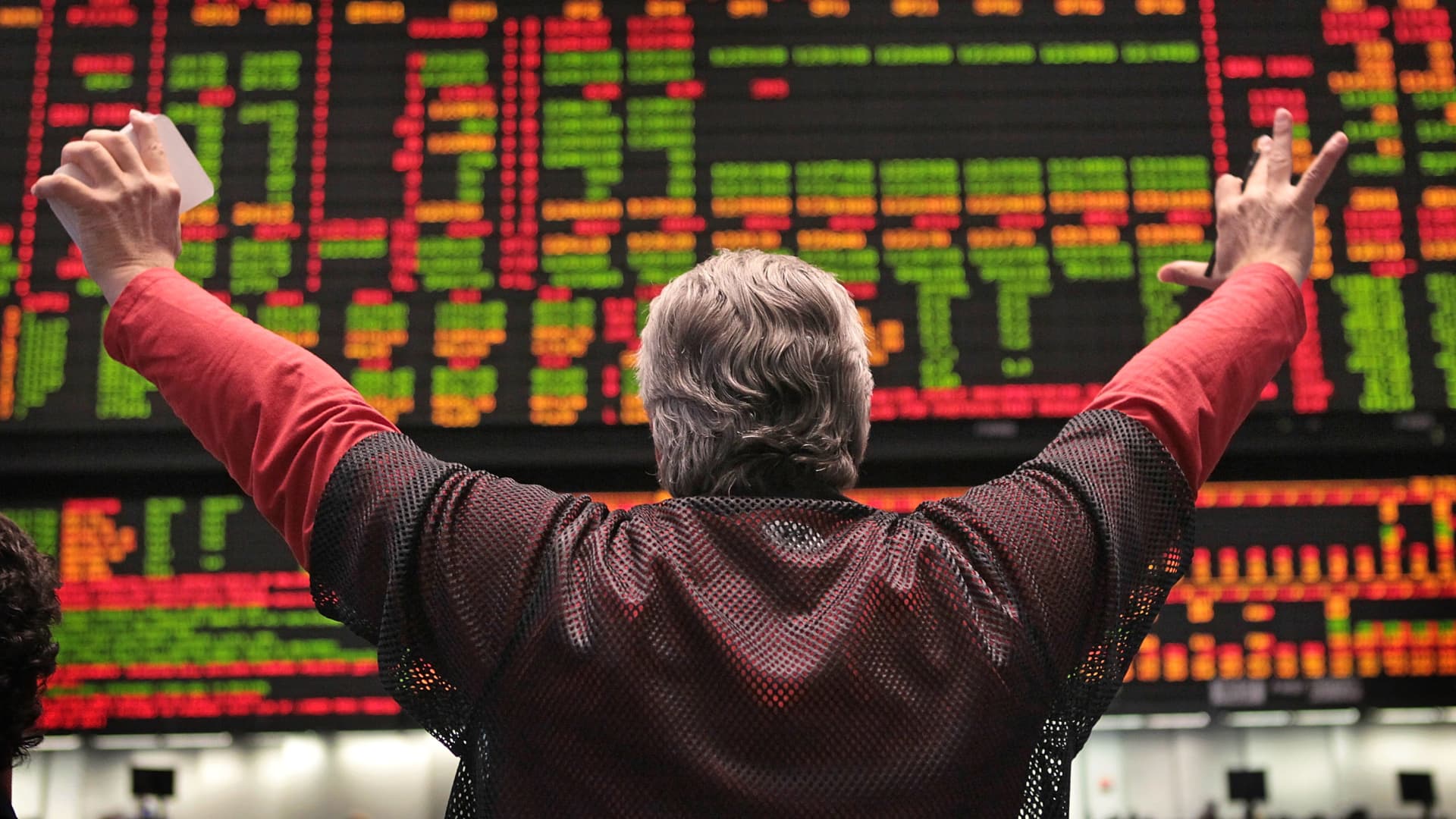
CME Group CEO Plans to Step Down and Sue CFTC Over Perpetual Futures

- CEO Resignation Announcement: CME Group's CEO Terry Duffy announced plans to step down next year, marking the end of his decade-long leadership, which may impact the company's future strategic direction and market confidence.
- Lawsuit Against CFTC: Duffy stated that CME will sue the Commodity Futures Trading Commission on Thursday over its approval of perpetual futures, a move that could spark legal disputes within the industry and affect regulatory policies.
- Negative Market Reaction: Following the CFTC's approval of perpetual futures, shares of CME Group, Cboe, and ICE fell, as investors expressed concerns that this decision could pose a long-term competitive threat to existing exchanges, reflecting market caution towards new products.
- New CEO Appointment: CME announced Lynne Fitzpatrick as its first female CEO, succeeding Duffy, indicating potential significant changes in company culture and strategy as the new leadership takes over.
See More

Mixed Performance in US Stock Indices, Chipmakers Lead Gains
- Strong Economic Data: US May retail sales rose 0.9% month-over-month, exceeding expectations of 0.6%, indicating resilient consumer demand that could positively impact future spending and economic recovery.
- Housing Market Recovery: Pending home sales in May increased by 3.8% month-over-month, significantly surpassing the expected 0.9%, marking the largest gain in 20 months, suggesting a rebound in the real estate market that may stimulate growth in related sectors.
- Oil Price Volatility: The agreement between the US and Iran to reopen the Strait of Hormuz has driven crude oil prices down to a 3.5-month low, increasing risk-on sentiment in the market, which may lead investors to reassess the risks and returns of energy-related assets.
- FOMC Meeting Focus: The market anticipates that the Federal Reserve will keep interest rates unchanged, but the press conference by new Chair Kevin Warsh will be pivotal, as investors closely watch his outlook on inflation to guide future investment decisions.
See More
CFTC Chair Defends Approval of Perpetual Futures Contracts
- Regulatory Support: CFTC Chair Michael Selig emphasized on CNBC that approving futures contracts with no expiration date is crucial for ensuring the safety of U.S. markets, aiming to bring internationally developed products onshore under strict regulations.
- Strong Market Demand: Following the launch of bitcoin perpetual futures, Kalshi reported over $3 billion in notional volume within just a week, indicating robust market demand for this innovative contract type, which could lead to further financial product innovations.
- Leverage Risk Discussion: Despite concerns from CME Group CEO regarding the high leverage risks associated with perpetual futures, Selig argued that proper disclosures and broker evaluations will ensure trading safety, countering the notion of excessive regulatory paternalism.
- Political Pressure Denial: Selig firmly denied that the CFTC's approval of perpetual futures was influenced by political pressure from the Trump administration, asserting that such insinuations are baseless and highlighting the independence and professionalism of regulatory decisions.
See More
US Stocks Plunge as Tech Sector Weighs Down Market
- Market Weakness: On Wednesday, the S&P 500 Index fell by 1.21%, the Dow Jones Industrial Average dropped by 0.98%, and the Nasdaq 100 Index declined by 0.99%, reflecting market concerns over potential interest rate hikes by the Fed, particularly amid weak performance in technology stocks.
- Economic Data Support: Despite the market downturn, US May retail sales rose by 0.9% month-over-month, surpassing expectations of 0.6%, indicating resilient consumer demand, while pending home sales increased by 3.8% month-over-month, marking the largest gain in 20 months, potentially providing some support to the market.
- Fed Policy Outlook: The Fed maintained interest rates at its meeting on Wednesday but indicated through its dot plot that at least one more 25 basis point hike is expected this year, with the 2026 year-end federal funds rate projection raised to 3.75%, reflecting a cautious outlook on future economic conditions.
- International Market Response: While US stocks declined, overseas markets performed strongly, with the Euro Stoxx 50 reaching a new record high and closing up 0.68%, demonstrating global investor confidence in economic recovery, which may contrast with the US market's performance.
See More
Apple Price Hike and New Highs for Major Banks
- Apple Price Increase: Apple plans to raise product prices due to rising memory chip costs, and while its stock has risen 16% over the past three months, it is currently down 7% from earlier this month, which may impact consumer demand and market share.
- Moderna Vaccine Progress: Moderna is making its case for the mRNA flu vaccine before the FDA committee, with shares up 11.6% on Wednesday and nearly 24% over three days, indicating strong market confidence in its product.
- New Highs for Major Banks: Bank of America, Citigroup, Goldman Sachs, JPMorgan, and Morgan Stanley reached new highs on Wednesday, with Bank of America up 9.5% in June, reflecting investor optimism in the financial sector.
- Oil Price Decline: Brent crude oil fell below its 200-day moving average for the first time since February, down over 27% in the past month, which puts pressure on energy stocks and may affect the earnings outlook for related companies.
See More
CME Group to Sue CFTC Over Perpetual Futures Approval
- Litigation Announcement: CME Group CEO Terrence Duffy stated that the exchange will file a lawsuit against the Commodity Futures Trading Commission (CFTC) on Thursday, opposing the approval of perpetual futures contracts, which he argues should be classified as swaps under the Dodd-Frank Act, potentially impacting CME's market dominance.
- Market Impact Analysis: The CFTC's approval of Kalshi's bitcoin perpetual futures in May marks the first entry of this popular overseas asset class into the U.S. market, which could directly affect CME's trading volumes and market share, especially amid the growing interest in cryptocurrency trading.
- Strategic Preparation: Duffy noted that he has been preparing this lawsuit with the board for the past eight months, emphasizing that CME holds exclusive licenses with all benchmark providers, meaning all related trades must go through CME, which could further solidify its market position.
- Regulatory Response: CFTC Chair Michael Selig defended the approval of perpetual futures on CNBC, stating that it is essential to ensure regulated futures contracts are available in the U.S. market, indicating that tensions between the regulatory body and CME may escalate.
See More
CME Group CEO Plans to Step Down and Sue CFTC Over Perpetual Futures
- CEO Resignation Announcement: CME Group's CEO Terry Duffy announced plans to step down next year, marking the end of his decade-long leadership, which may impact the company's future strategic direction and market confidence.
- Lawsuit Against CFTC: Duffy stated that CME will sue the Commodity Futures Trading Commission on Thursday over its approval of perpetual futures, a move that could spark legal disputes within the industry and affect regulatory policies.
- Negative Market Reaction: Following the CFTC's approval of perpetual futures, shares of CME Group, Cboe, and ICE fell, as investors expressed concerns that this decision could pose a long-term competitive threat to existing exchanges, reflecting market caution towards new products.
- New CEO Appointment: CME announced Lynne Fitzpatrick as its first female CEO, succeeding Duffy, indicating potential significant changes in company culture and strategy as the new leadership takes over.
See More
Mixed Performance in US Stock Indices, Chipmakers Lead Gains
- Strong Economic Data: US May retail sales rose 0.9% month-over-month, exceeding expectations of 0.6%, indicating resilient consumer demand that could positively impact future spending and economic recovery.
- Housing Market Recovery: Pending home sales in May increased by 3.8% month-over-month, significantly surpassing the expected 0.9%, marking the largest gain in 20 months, suggesting a rebound in the real estate market that may stimulate growth in related sectors.
- Oil Price Volatility: The agreement between the US and Iran to reopen the Strait of Hormuz has driven crude oil prices down to a 3.5-month low, increasing risk-on sentiment in the market, which may lead investors to reassess the risks and returns of energy-related assets.
- FOMC Meeting Focus: The market anticipates that the Federal Reserve will keep interest rates unchanged, but the press conference by new Chair Kevin Warsh will be pivotal, as investors closely watch his outlook on inflation to guide future investment decisions.
See More





